


Crossover vs SUV: What’s the Difference?
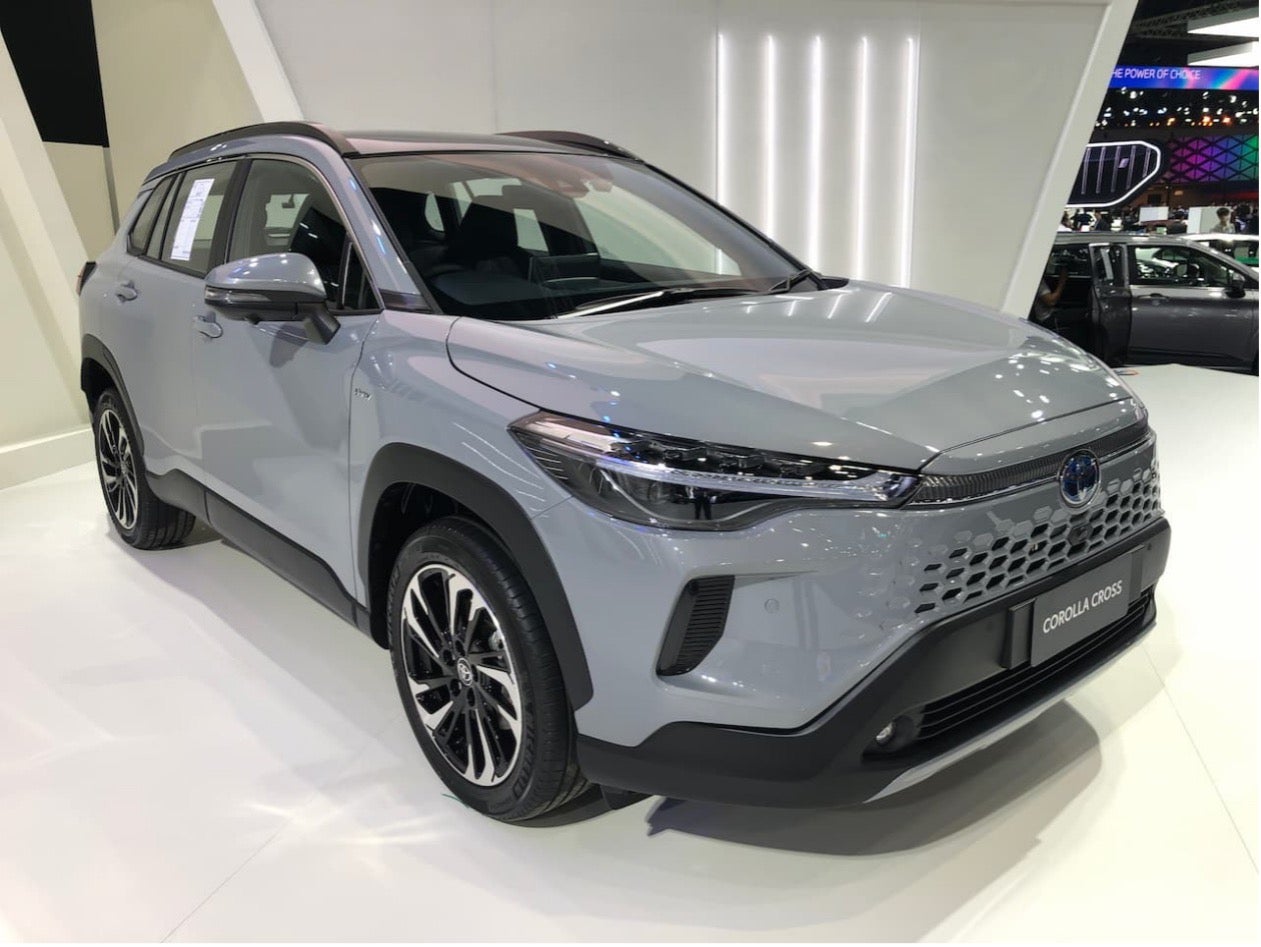
Crossover vs SUV: What Is the Real Difference?
The main difference between a crossover and an SUV usually comes down to construction. Most crossovers use a unibody platform, while traditional SUVs use body-on-frame construction. That difference affects comfort, capability, towing, efficiency, and how the vehicle feels on the road.
For Toyota shoppers near Bristol, TN, the choice is less about picking the “better” type and more about matching the right vehicle to your lifestyle, whether that means a RAV4, Highlander, Grand Highlander, 4Runner, Sequoia, or Land Cruiser.
What is the difference between a crossover and an SUV? It is one of the most common questions shoppers ask when comparing Toyota models. At first glance, the two can look similar. Both can offer raised ride height, flexible cargo space, available all-wheel drive, and family-friendly seating.
The real difference is usually underneath the body. Many crossovers are built with unibody construction, while traditional SUVs are often built with body-on-frame construction. That difference can affect ride comfort, towing strength, off-road capability, fuel efficiency, handling, and long-term driving feel.
At Toyota of Bristol, we help drivers from Bristol, Kingsport, Johnson City, Abingdon, and nearby communities compare Toyota crossovers and SUVs every day. This guide breaks down the differences in simple terms so you can shop with more confidence.
Quick Answer: What Is the Difference Between a Crossover and an SUV?
A crossover is usually built on a unibody platform, meaning the body and frame are integrated into one structure. A traditional SUV is usually built on a body-on-frame platform, meaning the body is mounted to a separate truck-like frame.
In everyday shopping language, crossovers are often chosen for comfort, efficiency, maneuverability, and family use. Traditional SUVs are often chosen for rugged capability, towing, durability, and more demanding driving needs.
The Main Difference Is the Platform
The most important difference between a crossover and an SUV is the platform underneath the vehicle.
Crossovers are typically based on a unibody structure. This means the body and frame are engineered as one integrated unit. This design can help deliver a smoother ride, lighter weight, better handling, and strong everyday comfort.
Traditional SUVs use body-on-frame construction. This means the vehicle body is mounted on a separate frame, similar to many trucks. This design can support strength, durability, towing capability, and rugged use.
What Is a Unibody Crossover?
A unibody crossover is designed with the frame and body integrated together. This type of construction is common in modern family vehicles because it can make the vehicle feel more car-like and easier to drive.
Unibody crossovers often make sense for drivers who want:
- comfortable daily driving;
- good fuel efficiency;
- easy parking and maneuverability;
- family-friendly cargo space;
- available hybrid options;
- available all-wheel drive;
- a smoother ride on paved roads.
What Is a Body-on-Frame SUV?
A body-on-frame SUV is built with a separate frame underneath the vehicle body. This is closer to the way many pickup trucks are built. The design can help support capability, towing, rough-road durability, and rugged use.
Body-on-frame SUVs often make sense for drivers who want:
- more rugged construction;
- stronger towing potential;
- more trail-oriented capability;
- truck-like durability;
- higher capability for outdoor use;
- a vehicle that feels more substantial on the road.
Crossover vs SUV Comparison
| Category | Crossover | Traditional SUV |
|---|---|---|
| Construction | Usually unibody | Usually body-on-frame |
| Driving Feel | More car-like and smooth | More truck-like and substantial |
| Efficiency | Often stronger fuel economy | Often less efficient, depending on size and engine |
| Towing | Good for light to moderate needs | Often better for heavier towing |
| Off-Road Use | Good for mild trails, weather, and loose surfaces | Better for rugged terrain and adventure driving |
| Best For | Commuting, families, errands, road trips | Towing, outdoor use, rugged driving, larger needs |
Toyota Crossover and SUV Examples
Toyota offers several vehicles that shoppers may compare when deciding between a crossover and an SUV. Some models are ideal for everyday family driving, while others are built with more rugged capability in mind.
| Toyota Model | Common Shopping Category | Why Drivers Consider It |
|---|---|---|
| Toyota RAV4 | Compact crossover SUV | Efficient, practical, easy to drive, available hybrid options. |
| Toyota Corolla Cross | Small crossover SUV | Compact size, useful cargo space, city-friendly driving. |
| Toyota Highlander | Three-row crossover SUV | Family seating, comfort, road-trip practicality. |
| Toyota Grand Highlander | Larger three-row crossover SUV | More space for passengers and cargo than smaller crossovers. |
| Toyota 4Runner | Traditional SUV | Rugged personality, adventure capability, body-on-frame platform. |
| Toyota Sequoia | Full-size SUV | Large SUV capability, three-row space, truck-based strength. |
| Toyota Land Cruiser | Adventure SUV | Off-road heritage, rugged construction, capability-focused engineering. |
Is a Crossover or SUV Better?
Neither one is automatically better. The better choice depends on how you drive, what you carry, where you go, and how much capability you need.
A crossover may be better if you mostly drive on paved roads, want strong comfort, value efficiency, and need flexible space for passengers, groceries, school activities, or weekend travel.
A traditional SUV may be better if you tow more often, drive on rougher terrain, carry heavier gear, want a more rugged build, or prefer a truck-like feel.
Which Is Better for Families and Daily Driving?
For most families, a crossover is often the easiest fit. Models like the Toyota RAV4, Highlander, and Grand Highlander can offer a strong mix of comfort, seating, cargo room, visibility, and available safety technology.
Crossovers are usually easier to park, easier to maneuver, and more comfortable for daily routines. That can make a big difference if most of your driving happens around Bristol, school drop-offs, errands, commuting, and weekend trips.
Which Is Better for Towing and Capability?
For heavier towing and more demanding capability, a traditional SUV may be the better choice. Body-on-frame construction is often preferred when strength, durability, and rugged use matter more than maximum daily-driving efficiency.
That is why shoppers who compare Toyota models for towing, outdoor adventure, or trail-focused driving may look more closely at vehicles like the Toyota 4Runner, Sequoia, or Land Cruiser.
Shop Toyota Crossovers and SUVs in Bristol, TN
The best way to choose between a crossover and an SUV is to compare them in person. Seating position, cargo space, visibility, ride feel, technology, and capability can all feel different once you get behind the wheel.
Toyota of Bristol can help you compare new Toyota inventory, used vehicles, Toyota SUVs, crossovers, hybrids, and available models that fit your budget and driving needs. Browse our new Toyota inventory or schedule a test drive to compare your options.
Find the Right Toyota Crossover or SUV
Ready to compare Toyota models in person? Toyota of Bristol can help you decide whether a crossover or SUV is the better fit for your lifestyle, family, commute, and weekend plans.
Frequently Asked Questions
What is the main difference between a crossover and an SUV?
The main difference is usually construction. A crossover typically uses unibody construction, while a traditional SUV often uses body-on-frame construction.
Is a crossover the same as an SUV?
Not exactly. The terms are often used together in marketing, but crossovers are usually more car-like, while traditional SUVs are often more truck-like.
Is the Toyota RAV4 a crossover or an SUV?
The Toyota RAV4 is commonly described as a compact crossover SUV. It offers SUV-like practicality with a unibody platform and easy everyday driving.
Is the Toyota Highlander a crossover or SUV?
The Toyota Highlander is commonly considered a three-row crossover SUV. It is built for family comfort, passenger space, and road-trip practicality.
Which Toyota models are more traditional SUVs?
Models like the Toyota 4Runner, Sequoia, and Land Cruiser are commonly considered more traditional SUV choices because of their rugged capability and truck-like construction.
Are crossovers better on gas than SUVs?
Crossovers are often more fuel-efficient than larger body-on-frame SUVs, but fuel economy depends on the model, engine, hybrid availability, drivetrain, and driving habits.
Which is better for families: crossover or SUV?
Many families prefer crossovers because they are comfortable, practical, easier to drive, and often more efficient. Larger SUVs may be better for families that need more towing or rugged capability.
Which is better for towing?
Traditional SUVs are often better for heavier towing because body-on-frame construction can support more demanding capability. Always check the specific model’s towing rating before choosing.
Can I test drive Toyota crossovers and SUVs at Toyota of Bristol?
Yes. Toyota of Bristol can help you compare available Toyota crossovers, SUVs, trucks, hybrids, and used vehicles so you can choose the right fit.