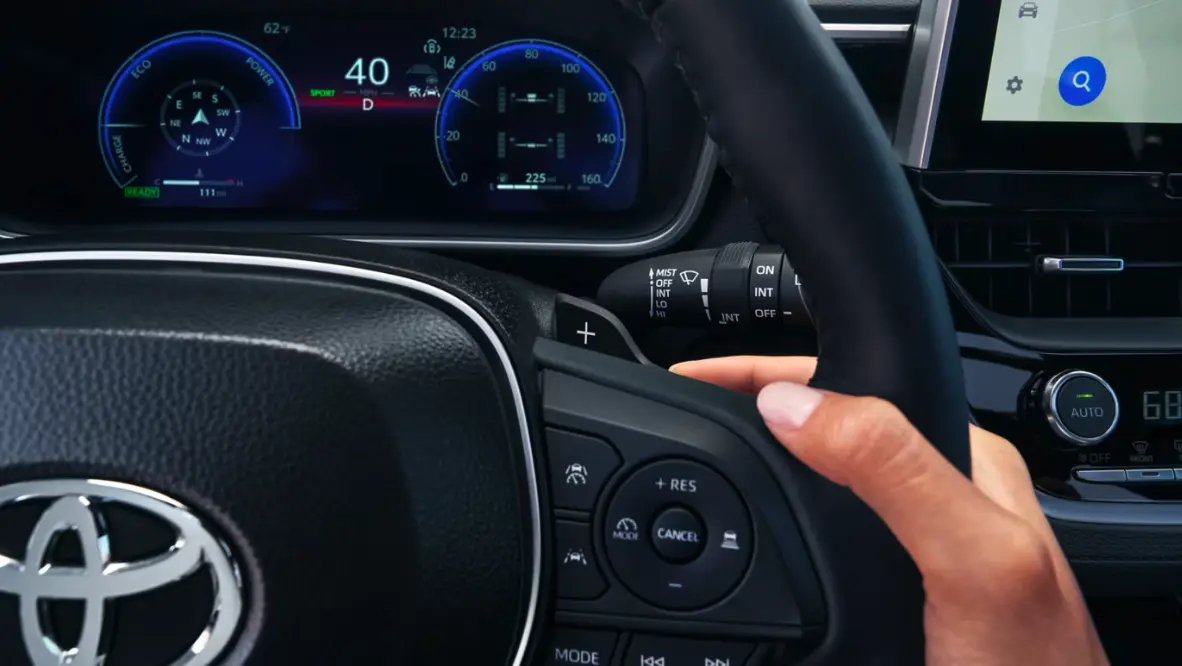



For most new Toyota owners, yes, ToyotaCare is worth it because it bundles the factory-scheduled maintenance most drivers will need early in ownership and adds 24-hour roadside assistance for two years. Toyota says ToyotaCare covers normal factory scheduled maintenance for 2 years or 25,000 miles, whichever comes first, and includes roadside assistance for 2 years with unlimited miles. That combination matters because early ownership costs are usually concentrated around oil changes, tire rotations, inspections, and small but annoying roadside events like a dead battery or lockout. For a Kingsport commuter putting real miles on a new RAV4 or Camry, that value shows up quickly. For an Abingdon driver who logs fewer miles, the value shifts more toward convenience, service records, and roadside coverage.
Here at Toyota of Bristol, we see the value most clearly for drivers who want an easy service plan, consistent maintenance records, and Toyota-trained technicians handling each visit. If you commute through Bristol, head toward Johnson City or Kingsport during the week, or spend weekends on mountain roads and longer highway runs, ToyotaCare removes guesswork during the first stage of ownership. It is not a bumper-to-bumper service contract, and it is not the right answer for every long-term budget strategy. But if your goal is predictable routine maintenance and built-in roadside support from day one, ToyotaCare is usually a smart benefit to use in full. Toyota of Bristol’s ToyotaCare and service-center pages also reinforce that these services are handled by factory-trained technicians using Genuine Toyota parts.
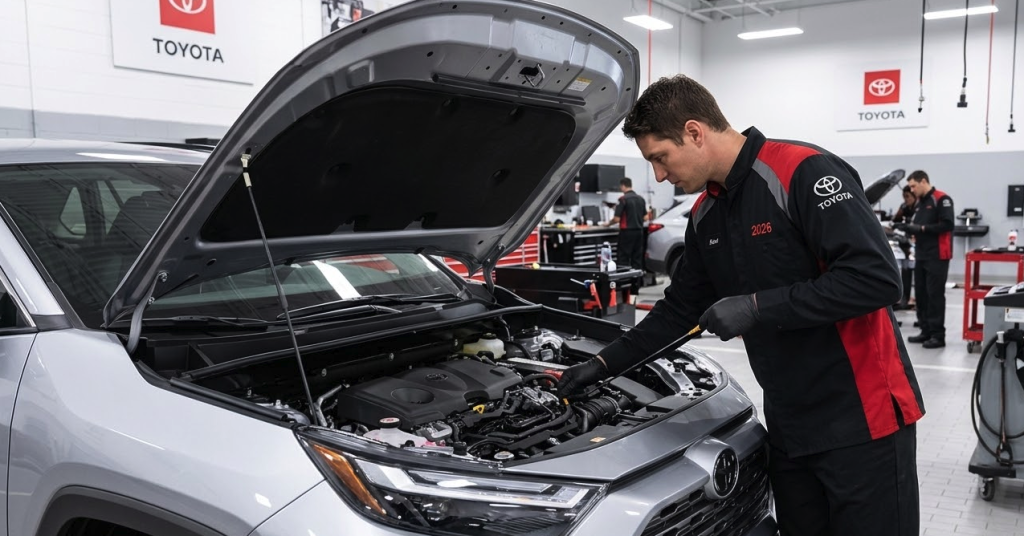
Definition: ToyotaCare is a no-cost maintenance and roadside assistance program included with eligible new Toyota vehicles. It is designed to cover normal factory scheduled maintenance for a limited time and mileage period. For drivers in Bristol, TN and Bristol, Kingsport, Johnson City, Abingdon, and the Tri-Cities, it provides early ownership convenience and service support.
| Coverage Point | During ToyotaCare | After ToyotaCare Ends |
| Maintenance term | 2 years or 25,000 miles on eligible new Toyota vehicles | Owner-paid unless another plan applies |
| Roadside assistance | 2 years, unlimited miles | Separate coverage decision |
| Routine services | Oil/filter, tires, inspections, fluid checks when required | Still recommended, but no longer included |
| Service path | Participating Toyota dealerships | Dealer or independent shop, depending on owner choice |
| Record consistency | Easy to keep factory-aligned records from day one | Depends on where service is done |
| Best For | Drivers inside the included coverage term | Owners planning the next maintenance step |
Based on Toyota official website.

What ToyotaCare Does Not Cover
ToyotaCare is helpful, but it is not a blank check for every maintenance or repair need. Our service team is careful about that point because we want owners to know where the line is. Toyota states that ToyotaCare covers normal factory scheduled maintenance, which means unscheduled repairs, wear items outside the maintenance guide, cosmetic work, and vehicle issues unrelated to listed scheduled services are still separate from ToyotaCare coverage. If your brake pads wear early or you pick up a nail in a tire on I-81, that does not automatically become a ToyotaCare claim.
That does not reduce the value of the plan. It just sets the expectation correctly. For a Bristol family in a Highlander who wants simple ownership, we recommend looking at ToyotaCare as early routine maintenance and roadside support, not full ownership immunity.
What ToyotaCare does not replace:
- Tire replacement after road damage
- Repair work outside normal scheduled maintenance
- Cosmetic or collision-related fixes
- Wear items not included in the maintenance guide
Come in on time, follow your maintenance guide, and let us document each visit clearly. When you do that, ToyotaCare feels like a practical ownership tool instead of a vague promise. We also answer those questions before delivery whenever possible.
ToyotaCare, ToyotaCare Plus, and What Happens Next
Extended maintenance options are where many buyers get confused, and we understand why. Toyota’s current maintenance-plan information distinguishes between ToyotaCare, ToyotaCare Plus, and ToyotaCare Plus Service Drive, while our ToyotaCare Plus information describes eligibility for vehicles with 31,000 miles or less and within 37 months of date of first use, along with later scheduled services and extended roadside assistance. Our advice is simple: ask us to confirm which extended plan fits your exact Toyota and timing.
For a long-term Tacoma or RAV4 owner who plans to keep the vehicle well beyond the included 2-year or 25,000-mile period, we usually recommend talking through extended maintenance before the original plan expires. What we see here in Bristol is that owners who keep their Toyota for years often care just as much about convenience and service history as they do about short-term savings.
Toyota also notes special maintenance-plan timing for models like Mirai, bZ, and bZ4X. That is another reason we prefer vehicle-specific guidance instead of broad internet advice. If you drive a hybrid Camry, a RAV4 Hybrid, or an all-electric Toyota, we can review your options with your VIN and match the plan to your ownership goals. That keeps expectations clear.
ToyotaCare vs Paying Out of Pocket: Which Option Makes More Sense?
Key Takeaway: ToyotaCare beats paying as you go for most eligible new-Toyota owners.
ToyotaCare vs Paying Separately for Routine Maintenance
ToyotaCare wins the value comparison for most eligible new-vehicle owners because you are not starting from zero. The plan is already included with the purchase or lease of an eligible new Toyota, so the real question is not whether you should “buy” ToyotaCare.
| Comparison Point | ToyotaCare | Paying Out of Pocket | Why We Lean Toward ToyotaCare |
| Up-front cost on eligible new Toyota | Included with purchase or lease | Separate spending starts with the first visit | You are already getting the benefit |
| Scheduled maintenance coverage | Yes, during the coverage term | Yes, but each visit is owner-paid | Included service lowers early ownership friction |
| Roadside assistance | Included for 2 years, unlimited miles | Separate membership or one-off service costs | The backup is already built in |
| Technician and parts path | Toyota-trained technicians and Genuine Toyota Parts at participating dealers | Varies by shop | Factory-aligned service is easier to track |
| Record consistency | Easier to keep service history with one Toyota system | Depends on where and when you go | Better for organized ownership |
| Best For | New Toyota buyers who want predictable early ownership | Owners of older vehicles outside included coverage | ToyotaCare is the better fit in the included period |
Based on Toyota official website.

We recommend ToyotaCare for most Bristol-area buyers because the key difference between ToyotaCare and paying as you go is convenience with structure. You do not have to decide whether this month’s tire rotation can wait, and you do not have to line up a separate roadside plan right after you sign.
That matters most for:
- Families balancing school, work, and weekend trips
- Commuters building mileage quickly
- First-time buyers who want less maintenance guesswork overall
Which Owners Benefit Most
This is where the answer becomes personal. ToyotaCare is not equally valuable to every owner, but it is useful to more drivers than many people assume. Based on what our customers tell us, especially after they compare our new Toyota inventory, the owners who benefit most are the ones who rack up miles, want a clear service record, or do not want to manage early maintenance one visit at a time.
For a daily commuter driving from Kingsport into Bristol five days a week, we recommend using ToyotaCare exactly on schedule because the miles come fast and the included visits arrive sooner. For a Johnson City family with a RAV4 Hybrid or Highlander, we recommend ToyotaCare because roadside coverage and scheduled dealer service reduce the odds of a small maintenance item disrupting the week. For an Abingdon retiree who drives fewer than 10,000 miles a year, we still see value because time matters too, and the roadside portion can still justify paying attention to the plan.
If you fit one of these situations, we usually recommend ToyotaCare most strongly:
- If you commute more than 12,000 miles a year, we recommend using ToyotaCare for every included visit because the value shows up quickly.
- If you bought your first new Toyota, we recommend ToyotaCare because it removes guesswork from early service timing.
- If you want a clean dealer maintenance history, we recommend ToyotaCare because documentation stays simple.
If you are comparing a new Toyota purchase right now, we can make the ToyotaCare discussion specific instead of theoretical. Our team can show you how the included maintenance plan fits the vehicle you are considering, review the coverage window, and explain what your first service visits will likely look like based on your driving habits around Bristol, Kingsport, or Johnson City. We can also pull up our new Toyota inventory, walk you through a Camry, RAV4, or Tacoma that fits your commute or family needs, and help you request a fast quote from our site if you want to compare numbers from home first. If you already know the vehicle you want, use our quick quote tool or call us at 423-764-3155, and we will help you factor ToyotaCare into the real ownership picture instead of treating it like a footnote. We can also set up a test drive and show you where ToyotaCare fits alongside payment options, trade value, and expected first-year service.
Why ToyotaCare Matters More for Bristol and Tri-Cities Drivers
Key Takeaway: Local driving makes early maintenance easier to appreciate.
Local Driving Conditions and Regional Relevance
ToyotaCare can feel even more useful in our region because local driving is rarely one neat, flat pattern. We serve Bristol, Kingsport, Johnson City, Abingdon, Walnut Hill, and Holston Valley, and those routes can mix interstate speeds, stop-and-go errands, hills, rain, cold snaps, and weekend mileage swings. For a Kingsport driver commuting on I-81 into Bristol, steady mileage means scheduled service arrives sooner than expected. For an Abingdon driver who deals with elevation changes and colder mornings, regular inspections and on-time fluid checks matter because small maintenance issues are more noticeable when conditions shift.
Based on our experience here, ToyotaCare is especially helpful for local owners who do not want to lose track of early maintenance while juggling work, school, and weekend travel across the Tri-Cities. Having an easy path back to our service center lets us track visits, answer questions, and keep routine care tied to Toyota guidance.
| Local Driver Profile | Local Pattern | Why ToyotaCare Helps | Best For |
| Kingsport commuter | Frequent I-81 mileage | Included visits come up faster and stay organized | High-mileage daily drivers |
| Bristol family | Short trips plus weekend errands | Roadside support and scheduled checks reduce hassle | Busy households |
| Johnson City hybrid owner | Mixed city and highway driving | Dealer records and Toyota-trained care keep maintenance simple | Hybrid owners |
| Abingdon low-mileage owner | Fewer miles, more time-based ownership | Roadside coverage still adds value even with slower mileage growth | Retirees and occasional drivers |
| Tri-Cities road tripper | Regional weekend travel | Unlimited-mile roadside term supports longer drives | Couples and families |

If you already own an eligible Toyota and want to make sure you are using ToyotaCare the right way, stop by our service center at 3045 W State St in Bristol, TN, and let us review your plan with you. We can check where you are in the coverage window, help you decide whether now is the right time to schedule routine service, and talk through extended maintenance options if your included term is getting close to the end. Many of our customers from Abingdon, Kingsport, and Johnson City use our online service scheduler because it is the fastest way to reserve a time that fits the week, and you can always call us at 423-764-3155 if you would rather talk it through with our team. If your visit is a routine one, our Express Service can make the stop easier to fit into your day. We also back the ownership experience with our Advantage Plan, which is part of why local buyers come back to us for ongoing care instead of bouncing between shops. That way, you know exactly what is covered now, what comes next, and when to act.
Ownership Cost Analysis: What ToyotaCare Is Really Saving You in the First Two Years
Key Takeaway: ToyotaCare adds value by removing early ownership friction.
ToyotaCare saves the most for owners who actually use the included schedule, but even moderate drivers get more than a simple line-item discount. Our view is that the first-two-year value comes from three places working together: covered routine service, built-in roadside assistance, and the fact that many owners stay more consistent with maintenance when the visits are already included.
For a Bristol buyer planning to keep a Camry or Tacoma for many years, we recommend looking at ToyotaCare as the first chapter of a longer maintenance strategy. You begin ownership with factory-aligned service, clear documentation, and fewer excuses to delay the basics.
The cost value is usually strongest for owners who:
- Drive enough to hit scheduled visits within the two-year window
- Prefer dealer service records from day one
- Would otherwise buy separate roadside coverage
- Want early maintenance handled with less planning and less guesswork
We do not measure ToyotaCare only by the price of an oil change. We measure it by how much friction it removes from the first ownership period. If a plan makes it easier for you to service the vehicle on time, protect tire life, and keep support in place on the road, it is doing real work for you. That kind of value is harder to put into one number, but it shows up every time ownership feels easier.
Contrarian Insight: When ToyotaCare Is Less Valuable, and Why We Still Usually Recommend Using It
Key Takeaway: ToyotaCare is limited, but still useful for most owners.
ToyotaCare is less valuable for one kind of owner: the driver who barely uses the vehicle, misses service timing, and already has roadside coverage through another source. Even then, we usually still recommend using it because the plan is already included on eligible new Toyota vehicles, and leaving included benefits on the table rarely makes sense.
For an Abingdon retiree who drives short distances and logs fewer than 7,500 miles a year, the dollar value may feel slower to show up than it does for a Kingsport commuter. Still, that owner can benefit from:
- A clear service reminder structure
- Dealer maintenance records from the start
- Unlimited-mile roadside support during the coverage term
We also tell shoppers not to overstate ToyotaCare. It does not replace every repair, it does not erase wear-and-tear costs, and it does not mean every future visit will be free. That honest framing matters, because buyers who understand the limits usually appreciate the plan more.
The bigger reason we still recommend using ToyotaCare is simple:
- It is already part of the eligible new-vehicle ownership package
- It gives us a chance to inspect the vehicle early and regularly
- It keeps your first maintenance visits tied to Toyota guidance
Used correctly, ToyotaCare is not magic. It is smart, included ownership value, and for many drivers that practical benefit is exactly what makes it worth using instead of ignoring.
Key Takeaways about ToyotaCare
- ToyotaCare includes early scheduled maintenance on eligible new Toyota vehicles.
- Roadside assistance for 2 years with unlimited miles adds real backup.
- High-mileage commuters usually feel the value fastest.
- Low-mileage drivers still benefit from structure and service records.
- We recommend using every covered visit on time.
Frequently Asked Questions About ToyotaCare
Is ToyotaCare free on every new Toyota?
ToyotaCare comes standard on eligible new Toyota purchases and leases, but the best way to phrase it is that it is included rather than universally identical on every single Toyota ownership situation. Toyota’s current maintenance-plan information says all new Toyota vehicles get ToyotaCare for 2 years or 25,000 miles, except certain special cases like Mirai, and our team can confirm what applies to your exact vehicle at delivery. That matters for buyers comparing trims and timelines before they sign, because the maintenance plan is part of the full value picture, not just a throw-in after the paperwork.
Does ToyotaCare cover oil changes and tire rotations?
ToyotaCare covers normal factory scheduled maintenance, and our ToyotaCare information specifically lists engine oil and filter changes, tire rotations, multi-point inspections, and fluid level checks when required. Based on what our technicians see here in Bristol, the owners who benefit most are the ones who return on time and let us document each visit clearly. Covered service is only helpful if you actually use the schedule the program gives you. That is where the plan earns its keep, because included maintenance only adds value when it turns into real visits and real records.
Is ToyotaCare worth it if I drive fewer than 10,000 miles a year?
ToyotaCare can still be worth it if you drive fewer than 10,000 miles a year, but the reason changes. Instead of getting value mainly from quickly stacking up service visits, you get more of the benefit from structure, convenience, dealer maintenance records, and the included roadside assistance term. For an Abingdon retiree or second-vehicle owner who drives sparingly, we still recommend using ToyotaCare because it keeps early ownership simple and gives us a chance to inspect the vehicle at the right points. The value may feel slower, but the support and maintenance rhythm still matter.
Should I ask about ToyotaCare Plus after the original plan ends?
If you plan to keep your Toyota beyond the included ToyotaCare term, we recommend asking us about ToyotaCare Plus or related extended maintenance options before your original coverage ends. Eligibility and plan structure can vary by vehicle, mileage, and timing, so we prefer to confirm the right option with your VIN instead of guessing.
We are here to help you use ToyotaCare well. Visit us at 3045 W State St, Bristol, TN 37620, and we will review your coverage, your driving habits, and your next service step in plain language. We serve Bristol, Kingsport, Johnson City, Abingdon, and drivers across the Tri-Cities who want straightforward answers. If you are buying a new Toyota, we can show you how ToyotaCare and the Toyota of Bristol Advantage Plan fit into the full ownership picture. If you already own an eligible Toyota, schedule with us online or call 423-764-3155, and we will help you use your included maintenance and roadside benefits the right way. We will keep it simple.
Sources
| Source | URL | Information Verified |
| Toyota Owners Maintenance Plans | https://www.toyota.com/maintenance-plans/ | ToyotaCare term of 2 years or 25,000 miles; special-case notes for Mirai, bZ, and bZ4X; existence of ToyotaCare Plus options |
| ToyotaCare at Toyota of Bristol | https://www.toyotaofbristol.com/Toyotacare.html | Included services listed on the dealer page, including oil and filter changes, tire rotations, multi-point inspections, fluid checks, and 2 years of unlimited-mile roadside assistance |
| ToyotaCare Plus at Toyota of Bristol | https://www.toyotaofbristol.com/toyotacare-plus.html | Extended-plan eligibility language for vehicles with 31,000 miles or less and within 37 months of first use; dealer-presented maintenance and roadside terms |
| Toyota of Bristol Service Center | https://www.toyotaofbristol.com/service-center.html | Use of Toyota-trained technicians, Genuine Toyota parts, Express Service availability, and service-center offerings |
| Toyota of Bristol Contact | https://www.toyotaofbristol.com/contactus.aspx | Dealership phone number 423-764-3155 and address 3045 W State St, Bristol, TN 37620 |
Use cases
| Use Case # | Driver Profile | Scenario | Recommendation |
| 1 | Daily commuter | Kingsport driver putting heavy weekly mileage on a new Camry or RAV4 | Use ToyotaCare on schedule because mileage makes the included visits arrive quickly |
| 2 | Low-mileage retiree | Abingdon owner driving sparingly through the year | Use ToyotaCare for structure and roadside support even if mileage builds slowly |
| 3 | Daily commuter | Kingsport commuter building miles fast on interstate routes | Use every included visit because early maintenance value shows up quickly |
| 4 | Family driver | Bristol family using a Highlander for school and errands | View ToyotaCare as routine maintenance and roadside support, not total repair coverage |
| 5 | Long-term owner | Tacoma or RAV4 owner planning to keep the vehicle for years | Ask us about extended maintenance before the original plan expires |
| 6 | Daily commuter | Kingsport to Bristol commuter driving five days a week | Use ToyotaCare exactly on schedule because the miles come fast |
| 7 | Family driver | Johnson City family using a RAV4 Hybrid or Highlander for a busy weekly routine | Use ToyotaCare for scheduled service and roadside backup |
| 8 | Retiree or second-car owner | Abingdon low-mileage owner driving fewer than 10,000 miles a year | Keep using ToyotaCare because time and roadside benefits still matter |
| 9 | High-mileage commuter | Kingsport commuter on I-81 into Bristol | Use ToyotaCare because steady mileage makes routine service easy to track |
| 10 | Seasonal weather driver | Abingdon owner dealing with hills, colder mornings, and changing conditions | Stay current on inspections and fluid checks through ToyotaCare |
| 11 | First-time buyer | New Toyota owner planning long-term ownership in Bristol | Treat ToyotaCare as the first chapter of a longer maintenance strategy |
| 12 | Low-mileage owner | Abingdon retiree with short trips and existing roadside backup | Use ToyotaCare anyway because included benefits still add practical value |
For most new Toyota owners, yes, ToyotaCare is worth it because it bundles the factory-scheduled maintenance most drivers will need early in ownership and adds 24-hour roadside assistance for two years. Toyota says ToyotaCare covers normal factory scheduled maintenance for 2 years or 25,000 miles, whichever comes first, and includes roadside assistance for 2 years with unlimited miles. That combination matters because early ownership costs are usually concentrated around oil changes, tire rotations, inspections, and small but annoying roadside events like a dead battery or lockout. For a Kingsport commuter putting real miles on a new RAV4 or Camry, that value shows up quickly. For an Abingdon driver who logs fewer miles, the value shifts more toward convenience, service records, and roadside coverage.
Here at Toyota of Bristol, we see the value most clearly for drivers who want an easy service plan, consistent maintenance records, and Toyota-trained technicians handling each visit. If you commute through Bristol, head toward Johnson City or Kingsport during the week, or spend weekends on mountain roads and longer highway runs, ToyotaCare removes guesswork during the first stage of ownership. It is not a bumper-to-bumper service contract, and it is not the right answer for every long-term budget strategy. But if your goal is predictable routine maintenance and built-in roadside support from day one, ToyotaCare is usually a smart benefit to use in full. Toyota of Bristol’s ToyotaCare and service-center pages also reinforce that these services are handled by factory-trained technicians using Genuine Toyota parts.
Definition: ToyotaCare is a no-cost maintenance and roadside assistance program included with eligible new Toyota vehicles. It is designed to cover normal factory scheduled maintenance for a limited time and mileage period. For drivers in Bristol, TN and Bristol, Kingsport, Johnson City, Abingdon, and the Tri-Cities, it provides early ownership convenience and service support.
- What ToyotaCare Covers and How the Value Adds Up
- ToyotaCare vs Paying Out of Pocket: Which Option Makes More Sense?
- Why ToyotaCare Matters More for Bristol and Tri-Cities Drivers
- Ownership Cost Analysis: What ToyotaCare Is Really Saving You in the First Two Years
- Contrarian Insight: When ToyotaCare Is Less Valuable, and Why We Still Usually Recommend Using It
- Key Takeaways about ToyotaCare
- Frequently Asked Questions About ToyotaCare
What ToyotaCare Covers and How the Value Adds Up
Key Takeaway: ToyotaCare is strongest when you use it on schedule.
What Is Included in ToyotaCare
ToyotaCare covers normal factory scheduled maintenance for 2 years or 25,000 miles, whichever comes first, and it includes 24 hour roadside assistance for 2 years with unlimited miles. At our service center, that means many owners can handle the early basics through a participating Toyota dealer instead of piecing visits together on their own. Toyota and our own ToyotaCare information list engine oil and filter changes, tire rotations, multi-point inspections, and fluid level checks when required as core included services.
For a Kingsport commuter in a new Camry or RAV4, that early coverage matters because routine visits arrive fast when miles add up. Based on our experience here, ToyotaCare works best when you treat it as a schedule you use, not a perk you forget.
- Routine maintenance follows Toyota’s factory schedule
- Roadside assistance is included for 2 years with unlimited miles
- Toyota-trained technicians and Genuine Toyota Parts support covered service
| Coverage Point | During ToyotaCare | After ToyotaCare Ends |
| Maintenance term | 2 years or 25,000 miles on eligible new Toyota vehicles | Owner-paid unless another plan applies |
| Roadside assistance | 2 years, unlimited miles | Separate coverage decision |
| Routine services | Oil/filter, tires, inspections, fluid checks when required | Still recommended, but no longer included |
| Service path | Participating Toyota dealerships | Dealer or independent shop, depending on owner choice |
| Record consistency | Easy to keep factory-aligned records from day one | Depends on where service is done |
| Best For | Drivers inside the included coverage term | Owners planning the next maintenance step |
Based on Toyota official website.
What ToyotaCare Does Not Cover
ToyotaCare is helpful, but it is not a blank check for every maintenance or repair need. Our service team is careful about that point because we want owners to know where the line is. Toyota states that ToyotaCare covers normal factory scheduled maintenance, which means unscheduled repairs, wear items outside the maintenance guide, cosmetic work, and vehicle issues unrelated to listed scheduled services are still separate from ToyotaCare coverage. If your brake pads wear early or you pick up a nail in a tire on I-81, that does not automatically become a ToyotaCare claim.
That does not reduce the value of the plan. It just sets the expectation correctly. For a Bristol family in a Highlander who wants simple ownership, we recommend looking at ToyotaCare as early routine maintenance and roadside support, not full ownership immunity.
What ToyotaCare does not replace:
- Tire replacement after road damage
- Repair work outside normal scheduled maintenance
- Cosmetic or collision-related fixes
- Wear items not included in the maintenance guide
Come in on time, follow your maintenance guide, and let us document each visit clearly. When you do that, ToyotaCare feels like a practical ownership tool instead of a vague promise. We also answer those questions before delivery whenever possible.
ToyotaCare, ToyotaCare Plus, and What Happens Next
Extended maintenance options are where many buyers get confused, and we understand why. Toyota’s current maintenance-plan information distinguishes between ToyotaCare, ToyotaCare Plus, and ToyotaCare Plus Service Drive, while our ToyotaCare Plus information describes eligibility for vehicles with 31,000 miles or less and within 37 months of date of first use, along with later scheduled services and extended roadside assistance. Our advice is simple: ask us to confirm which extended plan fits your exact Toyota and timing.
For a long-term Tacoma or RAV4 owner who plans to keep the vehicle well beyond the included 2-year or 25,000-mile period, we usually recommend talking through extended maintenance before the original plan expires. What we see here in Bristol is that owners who keep their Toyota for years often care just as much about convenience and service history as they do about short-term savings.
Toyota also notes special maintenance-plan timing for models like Mirai, bZ, and bZ4X. That is another reason we prefer vehicle-specific guidance instead of broad internet advice. If you drive a hybrid Camry, a RAV4 Hybrid, or an all-electric Toyota, we can review your options with your VIN and match the plan to your ownership goals. That keeps expectations clear.
ToyotaCare vs Paying Out of Pocket: Which Option Makes More Sense?
Key Takeaway: ToyotaCare beats paying as you go for most eligible new-Toyota owners.
ToyotaCare vs Paying Separately for Routine Maintenance
ToyotaCare wins the value comparison for most eligible new-vehicle owners because you are not starting from zero. The plan is already included with the purchase or lease of an eligible new Toyota, so the real question is not whether you should “buy” ToyotaCare.
| Comparison Point | ToyotaCare | Paying Out of Pocket | Why We Lean Toward ToyotaCare |
| Up-front cost on eligible new Toyota | Included with purchase or lease | Separate spending starts with the first visit | You are already getting the benefit |
| Scheduled maintenance coverage | Yes, during the coverage term | Yes, but each visit is owner-paid | Included service lowers early ownership friction |
| Roadside assistance | Included for 2 years, unlimited miles | Separate membership or one-off service costs | The backup is already built in |
| Technician and parts path | Toyota-trained technicians and Genuine Toyota Parts at participating dealers | Varies by shop | Factory-aligned service is easier to track |
| Record consistency | Easier to keep service history with one Toyota system | Depends on where and when you go | Better for organized ownership |
| Best For | New Toyota buyers who want predictable early ownership | Owners of older vehicles outside included coverage | ToyotaCare is the better fit in the included period |
Based on Toyota official website.
We recommend ToyotaCare for most Bristol-area buyers because the key difference between ToyotaCare and paying as you go is convenience with structure. You do not have to decide whether this month’s tire rotation can wait, and you do not have to line up a separate roadside plan right after you sign.
That matters most for:
- Families balancing school, work, and weekend trips
- Commuters building mileage quickly
- First-time buyers who want less maintenance guesswork overall
Which Owners Benefit Most
This is where the answer becomes personal. ToyotaCare is not equally valuable to every owner, but it is useful to more drivers than many people assume. Based on what our customers tell us, especially after they compare our new Toyota inventory, the owners who benefit most are the ones who rack up miles, want a clear service record, or do not want to manage early maintenance one visit at a time.
For a daily commuter driving from Kingsport into Bristol five days a week, we recommend using ToyotaCare exactly on schedule because the miles come fast and the included visits arrive sooner. For a Johnson City family with a RAV4 Hybrid or Highlander, we recommend ToyotaCare because roadside coverage and scheduled dealer service reduce the odds of a small maintenance item disrupting the week. For an Abingdon retiree who drives fewer than 10,000 miles a year, we still see value because time matters too, and the roadside portion can still justify paying attention to the plan.
If you fit one of these situations, we usually recommend ToyotaCare most strongly:
- If you commute more than 12,000 miles a year, we recommend using ToyotaCare for every included visit because the value shows up quickly.
- If you bought your first new Toyota, we recommend ToyotaCare because it removes guesswork from early service timing.
- If you want a clean dealer maintenance history, we recommend ToyotaCare because documentation stays simple.
If you are comparing a new Toyota purchase right now, we can make the ToyotaCare discussion specific instead of theoretical. Our team can show you how the included maintenance plan fits the vehicle you are considering, review the coverage window, and explain what your first service visits will likely look like based on your driving habits around Bristol, Kingsport, or Johnson City. We can also pull up our new Toyota inventory, walk you through a Camry, RAV4, or Tacoma that fits your commute or family needs, and help you request a fast quote from our site if you want to compare numbers from home first. If you already know the vehicle you want, use our quick quote tool or call us at 423-764-3155, and we will help you factor ToyotaCare into the real ownership picture instead of treating it like a footnote. We can also set up a test drive and show you where ToyotaCare fits alongside payment options, trade value, and expected first-year service.
Why ToyotaCare Matters More for Bristol and Tri-Cities Drivers
Key Takeaway: Local driving makes early maintenance easier to appreciate.
Local Driving Conditions and Regional Relevance
ToyotaCare can feel even more useful in our region because local driving is rarely one neat, flat pattern. We serve Bristol, Kingsport, Johnson City, Abingdon, Walnut Hill, and Holston Valley, and those routes can mix interstate speeds, stop-and-go errands, hills, rain, cold snaps, and weekend mileage swings. For a Kingsport driver commuting on I-81 into Bristol, steady mileage means scheduled service arrives sooner than expected. For an Abingdon driver who deals with elevation changes and colder mornings, regular inspections and on-time fluid checks matter because small maintenance issues are more noticeable when conditions shift.
Based on our experience here, ToyotaCare is especially helpful for local owners who do not want to lose track of early maintenance while juggling work, school, and weekend travel across the Tri-Cities. Having an easy path back to our service center lets us track visits, answer questions, and keep routine care tied to Toyota guidance.
| Local Driver Profile | Local Pattern | Why ToyotaCare Helps | Best For |
| Kingsport commuter | Frequent I-81 mileage | Included visits come up faster and stay organized | High-mileage daily drivers |
| Bristol family | Short trips plus weekend errands | Roadside support and scheduled checks reduce hassle | Busy households |
| Johnson City hybrid owner | Mixed city and highway driving | Dealer records and Toyota-trained care keep maintenance simple | Hybrid owners |
| Abingdon low-mileage owner | Fewer miles, more time-based ownership | Roadside coverage still adds value even with slower mileage growth | Retirees and occasional drivers |
| Tri-Cities road tripper | Regional weekend travel | Unlimited-mile roadside term supports longer drives | Couples and families |
If you already own an eligible Toyota and want to make sure you are using ToyotaCare the right way, stop by our service center at 3045 W State St in Bristol, TN, and let us review your plan with you. We can check where you are in the coverage window, help you decide whether now is the right time to schedule routine service, and talk through extended maintenance options if your included term is getting close to the end. Many of our customers from Abingdon, Kingsport, and Johnson City use our online service scheduler because it is the fastest way to reserve a time that fits the week, and you can always call us at 423-764-3155 if you would rather talk it through with our team. If your visit is a routine one, our Express Service can make the stop easier to fit into your day. We also back the ownership experience with our Advantage Plan, which is part of why local buyers come back to us for ongoing care instead of bouncing between shops. That way, you know exactly what is covered now, what comes next, and when to act.
Ownership Cost Analysis: What ToyotaCare Is Really Saving You in the First Two Years
Key Takeaway: ToyotaCare adds value by removing early ownership friction.
ToyotaCare saves the most for owners who actually use the included schedule, but even moderate drivers get more than a simple line-item discount. Our view is that the first-two-year value comes from three places working together: covered routine service, built-in roadside assistance, and the fact that many owners stay more consistent with maintenance when the visits are already included.
For a Bristol buyer planning to keep a Camry or Tacoma for many years, we recommend looking at ToyotaCare as the first chapter of a longer maintenance strategy. You begin ownership with factory-aligned service, clear documentation, and fewer excuses to delay the basics.
The cost value is usually strongest for owners who:
- Drive enough to hit scheduled visits within the two-year window
- Prefer dealer service records from day one
- Would otherwise buy separate roadside coverage
- Want early maintenance handled with less planning and less guesswork
We do not measure ToyotaCare only by the price of an oil change. We measure it by how much friction it removes from the first ownership period. If a plan makes it easier for you to service the vehicle on time, protect tire life, and keep support in place on the road, it is doing real work for you. That kind of value is harder to put into one number, but it shows up every time ownership feels easier.
Contrarian Insight: When ToyotaCare Is Less Valuable, and Why We Still Usually Recommend Using It
Key Takeaway: ToyotaCare is limited, but still useful for most owners.
ToyotaCare is less valuable for one kind of owner: the driver who barely uses the vehicle, misses service timing, and already has roadside coverage through another source. Even then, we usually still recommend using it because the plan is already included on eligible new Toyota vehicles, and leaving included benefits on the table rarely makes sense.
For an Abingdon retiree who drives short distances and logs fewer than 7,500 miles a year, the dollar value may feel slower to show up than it does for a Kingsport commuter. Still, that owner can benefit from:
- A clear service reminder structure
- Dealer maintenance records from the start
- Unlimited-mile roadside support during the coverage term
We also tell shoppers not to overstate ToyotaCare. It does not replace every repair, it does not erase wear-and-tear costs, and it does not mean every future visit will be free. That honest framing matters, because buyers who understand the limits usually appreciate the plan more.
The bigger reason we still recommend using ToyotaCare is simple:
- It is already part of the eligible new-vehicle ownership package
- It gives us a chance to inspect the vehicle early and regularly
- It keeps your first maintenance visits tied to Toyota guidance
Used correctly, ToyotaCare is not magic. It is smart, included ownership value, and for many drivers that practical benefit is exactly what makes it worth using instead of ignoring.
Key Takeaways about ToyotaCare
- ToyotaCare includes early scheduled maintenance on eligible new Toyota vehicles.
- Roadside assistance for 2 years with unlimited miles adds real backup.
- High-mileage commuters usually feel the value fastest.
- Low-mileage drivers still benefit from structure and service records.
- We recommend using every covered visit on time.
Frequently Asked Questions About ToyotaCare
Is ToyotaCare free on every new Toyota?
ToyotaCare comes standard on eligible new Toyota purchases and leases, but the best way to phrase it is that it is included rather than universally identical on every single Toyota ownership situation. Toyota’s current maintenance-plan information says all new Toyota vehicles get ToyotaCare for 2 years or 25,000 miles, except certain special cases like Mirai, and our team can confirm what applies to your exact vehicle at delivery. That matters for buyers comparing trims and timelines before they sign, because the maintenance plan is part of the full value picture, not just a throw-in after the paperwork.
Does ToyotaCare cover oil changes and tire rotations?
ToyotaCare covers normal factory scheduled maintenance, and our ToyotaCare information specifically lists engine oil and filter changes, tire rotations, multi-point inspections, and fluid level checks when required. Based on what our technicians see here in Bristol, the owners who benefit most are the ones who return on time and let us document each visit clearly. Covered service is only helpful if you actually use the schedule the program gives you. That is where the plan earns its keep, because included maintenance only adds value when it turns into real visits and real records.
Is ToyotaCare worth it if I drive fewer than 10,000 miles a year?
ToyotaCare can still be worth it if you drive fewer than 10,000 miles a year, but the reason changes. Instead of getting value mainly from quickly stacking up service visits, you get more of the benefit from structure, convenience, dealer maintenance records, and the included roadside assistance term. For an Abingdon retiree or second-vehicle owner who drives sparingly, we still recommend using ToyotaCare because it keeps early ownership simple and gives us a chance to inspect the vehicle at the right points. The value may feel slower, but the support and maintenance rhythm still matter.
Should I ask about ToyotaCare Plus after the original plan ends?
If you plan to keep your Toyota beyond the included ToyotaCare term, we recommend asking us about ToyotaCare Plus or related extended maintenance options before your original coverage ends. Eligibility and plan structure can vary by vehicle, mileage, and timing, so we prefer to confirm the right option with your VIN instead of guessing.
We are here to help you use ToyotaCare well. Visit us at 3045 W State St, Bristol, TN 37620, and we will review your coverage, your driving habits, and your next service step in plain language. We serve Bristol, Kingsport, Johnson City, Abingdon, and drivers across the Tri-Cities who want straightforward answers. If you are buying a new Toyota, we can show you how ToyotaCare and the Toyota of Bristol Advantage Plan fit into the full ownership picture. If you already own an eligible Toyota, schedule with us online or call 423-764-3155, and we will help you use your included maintenance and roadside benefits the right way. We will keep it simple.
Sources
| Source | URL | Information Verified |
| Toyota Owners Maintenance Plans | https://www.toyota.com/maintenance-plans/ | ToyotaCare term of 2 years or 25,000 miles; special-case notes for Mirai, bZ, and bZ4X; existence of ToyotaCare Plus options |
| ToyotaCare at Toyota of Bristol | https://www.toyotaofbristol.com/Toyotacare.html | Included services listed on the dealer page, including oil and filter changes, tire rotations, multi-point inspections, fluid checks, and 2 years of unlimited-mile roadside assistance |
| ToyotaCare Plus at Toyota of Bristol | https://www.toyotaofbristol.com/toyotacare-plus.html | Extended-plan eligibility language for vehicles with 31,000 miles or less and within 37 months of first use; dealer-presented maintenance and roadside terms |
| Toyota of Bristol Service Center | https://www.toyotaofbristol.com/service-center.html | Use of Toyota-trained technicians, Genuine Toyota parts, Express Service availability, and service-center offerings |
| Toyota of Bristol Contact | https://www.toyotaofbristol.com/contactus.aspx | Dealership phone number 423-764-3155 and address 3045 W State St, Bristol, TN 37620 |
Use cases
| Use Case # | Driver Profile | Scenario | Recommendation |
| 1 | Daily commuter | Kingsport driver putting heavy weekly mileage on a new Camry or RAV4 | Use ToyotaCare on schedule because mileage makes the included visits arrive quickly |
| 2 | Low-mileage retiree | Abingdon owner driving sparingly through the year | Use ToyotaCare for structure and roadside support even if mileage builds slowly |
| 3 | Daily commuter | Kingsport commuter building miles fast on interstate routes | Use every included visit because early maintenance value shows up quickly |
| 4 | Family driver | Bristol family using a Highlander for school and errands | View ToyotaCare as routine maintenance and roadside support, not total repair coverage |
| 5 | Long-term owner | Tacoma or RAV4 owner planning to keep the vehicle for years | Ask us about extended maintenance before the original plan expires |
| 6 | Daily commuter | Kingsport to Bristol commuter driving five days a week | Use ToyotaCare exactly on schedule because the miles come fast |
| 7 | Family driver | Johnson City family using a RAV4 Hybrid or Highlander for a busy weekly routine | Use ToyotaCare for scheduled service and roadside backup |
| 8 | Retiree or second-car owner | Abingdon low-mileage owner driving fewer than 10,000 miles a year | Keep using ToyotaCare because time and roadside benefits still matter |
| 9 | High-mileage commuter | Kingsport commuter on I-81 into Bristol | Use ToyotaCare because steady mileage makes routine service easy to track |
| 10 | Seasonal weather driver | Abingdon owner dealing with hills, colder mornings, and changing conditions | Stay current on inspections and fluid checks through ToyotaCare |
| 11 | First-time buyer | New Toyota owner planning long-term ownership in Bristol | Treat ToyotaCare as the first chapter of a longer maintenance strategy |
| 12 | Low-mileage owner | Abingdon retiree with short trips and existing roadside backup | Use ToyotaCare anyway because included benefits still add practical value |
| Use Case # | Driver Profile | Scenario | Recommendation |
| 1 | Daily commuter | Kingsport driver putting heavy weekly mileage on a new Camry or RAV4 | Use ToyotaCare on schedule because mileage makes the included visits arrive quickly |
| 2 | Low-mileage retiree | Abingdon owner driving sparingly through the year | Use ToyotaCare for structure and roadside support even if mileage builds slowly |
| 3 | Daily commuter | Kingsport commuter building miles fast on interstate routes | Use every included visit because early maintenance value shows up quickly |
| 4 | Family driver | Bristol family using a Highlander for school and errands | View ToyotaCare as routine maintenance and roadside support, not total repair coverage |
| 5 | Long-term owner | Tacoma or RAV4 owner planning to keep the vehicle for years | Ask us about extended maintenance before the original plan expires |
| 6 | Daily commuter | Kingsport to Bristol commuter driving five days a week | Use ToyotaCare exactly on schedule because the miles come fast |
| 7 | Family driver | Johnson City family using a RAV4 Hybrid or Highlander for a busy weekly routine | Use ToyotaCare for scheduled service and roadside backup |
| 8 | Retiree or second-car owner | Abingdon low-mileage owner driving fewer than 10,000 miles a year | Keep using ToyotaCare because time and roadside benefits still matter |
| 9 | High-mileage commuter | Kingsport commuter on I-81 into Bristol | Use ToyotaCare because steady mileage makes routine service easy to track |
| 10 | Seasonal weather driver | Abingdon owner dealing with hills, colder mornings, and changing conditions | Stay current on inspections and fluid checks through ToyotaCare |
| 11 | First-time buyer | New Toyota owner planning long-term ownership in Bristol | Treat ToyotaCare as the first chapter of a longer maintenance strategy |
| 12 | Low-mileage owner | Abingdon retiree with short trips and existing roadside backup | Use ToyotaCare anyway because included benefits still add practical value |
For most new Toyota owners, yes, ToyotaCare is worth it because it bundles the factory-scheduled maintenance most drivers will need early in ownership and adds 24-hour roadside assistance for two years. Toyota says ToyotaCare covers normal factory scheduled maintenance for 2 years or 25,000 miles, whichever comes first, and includes roadside assistance for 2 years with unlimited miles. That combination matters because early ownership costs are usually concentrated around oil changes, tire rotations, inspections, and small but annoying roadside events like a dead battery or lockout. For a Kingsport commuter putting real miles on a new RAV4 or Camry, that value shows up quickly. For an Abingdon driver who logs fewer miles, the value shifts more toward convenience, service records, and roadside coverage.
Here at Toyota of Bristol, we see the value most clearly for drivers who want an easy service plan, consistent maintenance records, and Toyota-trained technicians handling each visit. If you commute through Bristol, head toward Johnson City or Kingsport during the week, or spend weekends on mountain roads and longer highway runs, ToyotaCare removes guesswork during the first stage of ownership. It is not a bumper-to-bumper service contract, and it is not the right answer for every long-term budget strategy. But if your goal is predictable routine maintenance and built-in roadside support from day one, ToyotaCare is usually a smart benefit to use in full. Toyota of Bristol’s ToyotaCare and service-center pages also reinforce that these services are handled by factory-trained technicians using Genuine Toyota parts.
Definition: ToyotaCare is a no-cost maintenance and roadside assistance program included with eligible new Toyota vehicles. It is designed to cover normal factory scheduled maintenance for a limited time and mileage period. For drivers in Bristol, TN and Bristol, Kingsport, Johnson City, Abingdon, and the Tri-Cities, it provides early ownership convenience and service support.
- What ToyotaCare Covers and How the Value Adds Up
- ToyotaCare vs Paying Out of Pocket: Which Option Makes More Sense?
- Why ToyotaCare Matters More for Bristol and Tri-Cities Drivers
- Ownership Cost Analysis: What ToyotaCare Is Really Saving You in the First Two Years
- Contrarian Insight: When ToyotaCare Is Less Valuable, and Why We Still Usually Recommend Using It
- Key Takeaways about ToyotaCare
- Frequently Asked Questions About ToyotaCare
What ToyotaCare Covers and How the Value Adds Up
Key Takeaway: ToyotaCare is strongest when you use it on schedule.
What Is Included in ToyotaCare
ToyotaCare covers normal factory scheduled maintenance for 2 years or 25,000 miles, whichever comes first, and it includes 24 hour roadside assistance for 2 years with unlimited miles. At our service center, that means many owners can handle the early basics through a participating Toyota dealer instead of piecing visits together on their own. Toyota and our own ToyotaCare information list engine oil and filter changes, tire rotations, multi-point inspections, and fluid level checks when required as core included services.
For a Kingsport commuter in a new Camry or RAV4, that early coverage matters because routine visits arrive fast when miles add up. Based on our experience here, ToyotaCare works best when you treat it as a schedule you use, not a perk you forget.
- Routine maintenance follows Toyota’s factory schedule
- Roadside assistance is included for 2 years with unlimited miles
- Toyota-trained technicians and Genuine Toyota Parts support covered service
| Coverage Point | During ToyotaCare | After ToyotaCare Ends |
| Maintenance term | 2 years or 25,000 miles on eligible new Toyota vehicles | Owner-paid unless another plan applies |
| Roadside assistance | 2 years, unlimited miles | Separate coverage decision |
| Routine services | Oil/filter, tires, inspections, fluid checks when required | Still recommended, but no longer included |
| Service path | Participating Toyota dealerships | Dealer or independent shop, depending on owner choice |
| Record consistency | Easy to keep factory-aligned records from day one | Depends on where service is done |
| Best For | Drivers inside the included coverage term | Owners planning the next maintenance step |
Based on Toyota official website.
What ToyotaCare Does Not Cover
ToyotaCare is helpful, but it is not a blank check for every maintenance or repair need. Our service team is careful about that point because we want owners to know where the line is. Toyota states that ToyotaCare covers normal factory scheduled maintenance, which means unscheduled repairs, wear items outside the maintenance guide, cosmetic work, and vehicle issues unrelated to listed scheduled services are still separate from ToyotaCare coverage. If your brake pads wear early or you pick up a nail in a tire on I-81, that does not automatically become a ToyotaCare claim.
That does not reduce the value of the plan. It just sets the expectation correctly. For a Bristol family in a Highlander who wants simple ownership, we recommend looking at ToyotaCare as early routine maintenance and roadside support, not full ownership immunity.
What ToyotaCare does not replace:
- Tire replacement after road damage
- Repair work outside normal scheduled maintenance
- Cosmetic or collision-related fixes
- Wear items not included in the maintenance guide
Come in on time, follow your maintenance guide, and let us document each visit clearly. When you do that, ToyotaCare feels like a practical ownership tool instead of a vague promise. We also answer those questions before delivery whenever possible.
ToyotaCare, ToyotaCare Plus, and What Happens Next
Extended maintenance options are where many buyers get confused, and we understand why. Toyota’s current maintenance-plan information distinguishes between ToyotaCare, ToyotaCare Plus, and ToyotaCare Plus Service Drive, while our ToyotaCare Plus information describes eligibility for vehicles with 31,000 miles or less and within 37 months of date of first use, along with later scheduled services and extended roadside assistance. Our advice is simple: ask us to confirm which extended plan fits your exact Toyota and timing.
For a long-term Tacoma or RAV4 owner who plans to keep the vehicle well beyond the included 2-year or 25,000-mile period, we usually recommend talking through extended maintenance before the original plan expires. What we see here in Bristol is that owners who keep their Toyota for years often care just as much about convenience and service history as they do about short-term savings.
Toyota also notes special maintenance-plan timing for models like Mirai, bZ, and bZ4X. That is another reason we prefer vehicle-specific guidance instead of broad internet advice. If you drive a hybrid Camry, a RAV4 Hybrid, or an all-electric Toyota, we can review your options with your VIN and match the plan to your ownership goals. That keeps expectations clear.
ToyotaCare vs Paying Out of Pocket: Which Option Makes More Sense?
Key Takeaway: ToyotaCare beats paying as you go for most eligible new-Toyota owners.
ToyotaCare vs Paying Separately for Routine Maintenance
ToyotaCare wins the value comparison for most eligible new-vehicle owners because you are not starting from zero. The plan is already included with the purchase or lease of an eligible new Toyota, so the real question is not whether you should “buy” ToyotaCare.
| Comparison Point | ToyotaCare | Paying Out of Pocket | Why We Lean Toward ToyotaCare |
| Up-front cost on eligible new Toyota | Included with purchase or lease | Separate spending starts with the first visit | You are already getting the benefit |
| Scheduled maintenance coverage | Yes, during the coverage term | Yes, but each visit is owner-paid | Included service lowers early ownership friction |
| Roadside assistance | Included for 2 years, unlimited miles | Separate membership or one-off service costs | The backup is already built in |
| Technician and parts path | Toyota-trained technicians and Genuine Toyota Parts at participating dealers | Varies by shop | Factory-aligned service is easier to track |
| Record consistency | Easier to keep service history with one Toyota system | Depends on where and when you go | Better for organized ownership |
| Best For | New Toyota buyers who want predictable early ownership | Owners of older vehicles outside included coverage | ToyotaCare is the better fit in the included period |
Based on Toyota official website.
We recommend ToyotaCare for most Bristol-area buyers because the key difference between ToyotaCare and paying as you go is convenience with structure. You do not have to decide whether this month’s tire rotation can wait, and you do not have to line up a separate roadside plan right after you sign.
That matters most for:
- Families balancing school, work, and weekend trips
- Commuters building mileage quickly
- First-time buyers who want less maintenance guesswork overall
Which Owners Benefit Most
This is where the answer becomes personal. ToyotaCare is not equally valuable to every owner, but it is useful to more drivers than many people assume. Based on what our customers tell us, especially after they compare our new Toyota inventory, the owners who benefit most are the ones who rack up miles, want a clear service record, or do not want to manage early maintenance one visit at a time.
For a daily commuter driving from Kingsport into Bristol five days a week, we recommend using ToyotaCare exactly on schedule because the miles come fast and the included visits arrive sooner. For a Johnson City family with a RAV4 Hybrid or Highlander, we recommend ToyotaCare because roadside coverage and scheduled dealer service reduce the odds of a small maintenance item disrupting the week. For an Abingdon retiree who drives fewer than 10,000 miles a year, we still see value because time matters too, and the roadside portion can still justify paying attention to the plan.
If you fit one of these situations, we usually recommend ToyotaCare most strongly:
- If you commute more than 12,000 miles a year, we recommend using ToyotaCare for every included visit because the value shows up quickly.
- If you bought your first new Toyota, we recommend ToyotaCare because it removes guesswork from early service timing.
- If you want a clean dealer maintenance history, we recommend ToyotaCare because documentation stays simple.
If you are comparing a new Toyota purchase right now, we can make the ToyotaCare discussion specific instead of theoretical. Our team can show you how the included maintenance plan fits the vehicle you are considering, review the coverage window, and explain what your first service visits will likely look like based on your driving habits around Bristol, Kingsport, or Johnson City. We can also pull up our new Toyota inventory, walk you through a Camry, RAV4, or Tacoma that fits your commute or family needs, and help you request a fast quote from our site if you want to compare numbers from home first. If you already know the vehicle you want, use our quick quote tool or call us at 423-764-3155, and we will help you factor ToyotaCare into the real ownership picture instead of treating it like a footnote. We can also set up a test drive and show you where ToyotaCare fits alongside payment options, trade value, and expected first-year service.
Why ToyotaCare Matters More for Bristol and Tri-Cities Drivers
Key Takeaway: Local driving makes early maintenance easier to appreciate.
Local Driving Conditions and Regional Relevance
ToyotaCare can feel even more useful in our region because local driving is rarely one neat, flat pattern. We serve Bristol, Kingsport, Johnson City, Abingdon, Walnut Hill, and Holston Valley, and those routes can mix interstate speeds, stop-and-go errands, hills, rain, cold snaps, and weekend mileage swings. For a Kingsport driver commuting on I-81 into Bristol, steady mileage means scheduled service arrives sooner than expected. For an Abingdon driver who deals with elevation changes and colder mornings, regular inspections and on-time fluid checks matter because small maintenance issues are more noticeable when conditions shift.
Based on our experience here, ToyotaCare is especially helpful for local owners who do not want to lose track of early maintenance while juggling work, school, and weekend travel across the Tri-Cities. Having an easy path back to our service center lets us track visits, answer questions, and keep routine care tied to Toyota guidance.
| Local Driver Profile | Local Pattern | Why ToyotaCare Helps | Best For |
| Kingsport commuter | Frequent I-81 mileage | Included visits come up faster and stay organized | High-mileage daily drivers |
| Bristol family | Short trips plus weekend errands | Roadside support and scheduled checks reduce hassle | Busy households |
| Johnson City hybrid owner | Mixed city and highway driving | Dealer records and Toyota-trained care keep maintenance simple | Hybrid owners |
| Abingdon low-mileage owner | Fewer miles, more time-based ownership | Roadside coverage still adds value even with slower mileage growth | Retirees and occasional drivers |
| Tri-Cities road tripper | Regional weekend travel | Unlimited-mile roadside term supports longer drives | Couples and families |
If you already own an eligible Toyota and want to make sure you are using ToyotaCare the right way, stop by our service center at 3045 W State St in Bristol, TN, and let us review your plan with you. We can check where you are in the coverage window, help you decide whether now is the right time to schedule routine service, and talk through extended maintenance options if your included term is getting close to the end. Many of our customers from Abingdon, Kingsport, and Johnson City use our online service scheduler because it is the fastest way to reserve a time that fits the week, and you can always call us at 423-764-3155 if you would rather talk it through with our team. If your visit is a routine one, our Express Service can make the stop easier to fit into your day. We also back the ownership experience with our Advantage Plan, which is part of why local buyers come back to us for ongoing care instead of bouncing between shops. That way, you know exactly what is covered now, what comes next, and when to act.
Ownership Cost Analysis: What ToyotaCare Is Really Saving You in the First Two Years
Key Takeaway: ToyotaCare adds value by removing early ownership friction.
ToyotaCare saves the most for owners who actually use the included schedule, but even moderate drivers get more than a simple line-item discount. Our view is that the first-two-year value comes from three places working together: covered routine service, built-in roadside assistance, and the fact that many owners stay more consistent with maintenance when the visits are already included.
For a Bristol buyer planning to keep a Camry or Tacoma for many years, we recommend looking at ToyotaCare as the first chapter of a longer maintenance strategy. You begin ownership with factory-aligned service, clear documentation, and fewer excuses to delay the basics.
The cost value is usually strongest for owners who:
- Drive enough to hit scheduled visits within the two-year window
- Prefer dealer service records from day one
- Would otherwise buy separate roadside coverage
- Want early maintenance handled with less planning and less guesswork
We do not measure ToyotaCare only by the price of an oil change. We measure it by how much friction it removes from the first ownership period. If a plan makes it easier for you to service the vehicle on time, protect tire life, and keep support in place on the road, it is doing real work for you. That kind of value is harder to put into one number, but it shows up every time ownership feels easier.
Contrarian Insight: When ToyotaCare Is Less Valuable, and Why We Still Usually Recommend Using It
Key Takeaway: ToyotaCare is limited, but still useful for most owners.
ToyotaCare is less valuable for one kind of owner: the driver who barely uses the vehicle, misses service timing, and already has roadside coverage through another source. Even then, we usually still recommend using it because the plan is already included on eligible new Toyota vehicles, and leaving included benefits on the table rarely makes sense.
For an Abingdon retiree who drives short distances and logs fewer than 7,500 miles a year, the dollar value may feel slower to show up than it does for a Kingsport commuter. Still, that owner can benefit from:
- A clear service reminder structure
- Dealer maintenance records from the start
- Unlimited-mile roadside support during the coverage term
We also tell shoppers not to overstate ToyotaCare. It does not replace every repair, it does not erase wear-and-tear costs, and it does not mean every future visit will be free. That honest framing matters, because buyers who understand the limits usually appreciate the plan more.
The bigger reason we still recommend using ToyotaCare is simple:
- It is already part of the eligible new-vehicle ownership package
- It gives us a chance to inspect the vehicle early and regularly
- It keeps your first maintenance visits tied to Toyota guidance
Used correctly, ToyotaCare is not magic. It is smart, included ownership value, and for many drivers that practical benefit is exactly what makes it worth using instead of ignoring.
Key Takeaways about ToyotaCare
- ToyotaCare includes early scheduled maintenance on eligible new Toyota vehicles.
- Roadside assistance for 2 years with unlimited miles adds real backup.
- High-mileage commuters usually feel the value fastest.
- Low-mileage drivers still benefit from structure and service records.
- We recommend using every covered visit on time.
Frequently Asked Questions About ToyotaCare
Is ToyotaCare free on every new Toyota?
ToyotaCare comes standard on eligible new Toyota purchases and leases, but the best way to phrase it is that it is included rather than universally identical on every single Toyota ownership situation. Toyota’s current maintenance-plan information says all new Toyota vehicles get ToyotaCare for 2 years or 25,000 miles, except certain special cases like Mirai, and our team can confirm what applies to your exact vehicle at delivery. That matters for buyers comparing trims and timelines before they sign, because the maintenance plan is part of the full value picture, not just a throw-in after the paperwork.
Does ToyotaCare cover oil changes and tire rotations?
ToyotaCare covers normal factory scheduled maintenance, and our ToyotaCare information specifically lists engine oil and filter changes, tire rotations, multi-point inspections, and fluid level checks when required. Based on what our technicians see here in Bristol, the owners who benefit most are the ones who return on time and let us document each visit clearly. Covered service is only helpful if you actually use the schedule the program gives you. That is where the plan earns its keep, because included maintenance only adds value when it turns into real visits and real records.
Is ToyotaCare worth it if I drive fewer than 10,000 miles a year?
ToyotaCare can still be worth it if you drive fewer than 10,000 miles a year, but the reason changes. Instead of getting value mainly from quickly stacking up service visits, you get more of the benefit from structure, convenience, dealer maintenance records, and the included roadside assistance term. For an Abingdon retiree or second-vehicle owner who drives sparingly, we still recommend using ToyotaCare because it keeps early ownership simple and gives us a chance to inspect the vehicle at the right points. The value may feel slower, but the support and maintenance rhythm still matter.
Should I ask about ToyotaCare Plus after the original plan ends?
If you plan to keep your Toyota beyond the included ToyotaCare term, we recommend asking us about ToyotaCare Plus or related extended maintenance options before your original coverage ends. Eligibility and plan structure can vary by vehicle, mileage, and timing, so we prefer to confirm the right option with your VIN instead of guessing.
We are here to help you use ToyotaCare well. Visit us at 3045 W State St, Bristol, TN 37620, and we will review your coverage, your driving habits, and your next service step in plain language. We serve Bristol, Kingsport, Johnson City, Abingdon, and drivers across the Tri-Cities who want straightforward answers. If you are buying a new Toyota, we can show you how ToyotaCare and the Toyota of Bristol Advantage Plan fit into the full ownership picture. If you already own an eligible Toyota, schedule with us online or call 423-764-3155, and we will help you use your included maintenance and roadside benefits the right way. We will keep it simple.
Sources
| Source | URL | Information Verified |
| Toyota Owners Maintenance Plans | https://www.toyota.com/maintenance-plans/ | ToyotaCare term of 2 years or 25,000 miles; special-case notes for Mirai, bZ, and bZ4X; existence of ToyotaCare Plus options |
| ToyotaCare at Toyota of Bristol | https://www.toyotaofbristol.com/Toyotacare.html | Included services listed on the dealer page, including oil and filter changes, tire rotations, multi-point inspections, fluid checks, and 2 years of unlimited-mile roadside assistance |
| ToyotaCare Plus at Toyota of Bristol | https://www.toyotaofbristol.com/toyotacare-plus.html | Extended-plan eligibility language for vehicles with 31,000 miles or less and within 37 months of first use; dealer-presented maintenance and roadside terms |
| Toyota of Bristol Service Center | https://www.toyotaofbristol.com/service-center.html | Use of Toyota-trained technicians, Genuine Toyota parts, Express Service availability, and service-center offerings |
| Toyota of Bristol Contact | https://www.toyotaofbristol.com/contactus.aspx | Dealership phone number 423-764-3155 and address 3045 W State St, Bristol, TN 37620 |
Use cases
| Use Case # | Driver Profile | Scenario | Recommendation |
| 1 | Daily commuter | Kingsport driver putting heavy weekly mileage on a new Camry or RAV4 | Use ToyotaCare on schedule because mileage makes the included visits arrive quickly |
| 2 | Low-mileage retiree | Abingdon owner driving sparingly through the year | Use ToyotaCare for structure and roadside support even if mileage builds slowly |
| 3 | Daily commuter | Kingsport commuter building miles fast on interstate routes | Use every included visit because early maintenance value shows up quickly |
| 4 | Family driver | Bristol family using a Highlander for school and errands | View ToyotaCare as routine maintenance and roadside support, not total repair coverage |
| 5 | Long-term owner | Tacoma or RAV4 owner planning to keep the vehicle for years | Ask us about extended maintenance before the original plan expires |
| 6 | Daily commuter | Kingsport to Bristol commuter driving five days a week | Use ToyotaCare exactly on schedule because the miles come fast |
| 7 | Family driver | Johnson City family using a RAV4 Hybrid or Highlander for a busy weekly routine | Use ToyotaCare for scheduled service and roadside backup |
| 8 | Retiree or second-car owner | Abingdon low-mileage owner driving fewer than 10,000 miles a year | Keep using ToyotaCare because time and roadside benefits still matter |
| 9 | High-mileage commuter | Kingsport commuter on I-81 into Bristol | Use ToyotaCare because steady mileage makes routine service easy to track |
| 10 | Seasonal weather driver | Abingdon owner dealing with hills, colder mornings, and changing conditions | Stay current on inspections and fluid checks through ToyotaCare |
| 11 | First-time buyer | New Toyota owner planning long-term ownership in Bristol | Treat ToyotaCare as the first chapter of a longer maintenance strategy |
| 12 | Low-mileage owner | Abingdon retiree with short trips and existing roadside backup | Use ToyotaCare anyway because included benefits still add practical value |