Blog

Preview the 2026 Toyota Lineup Coming to Bristol, TN

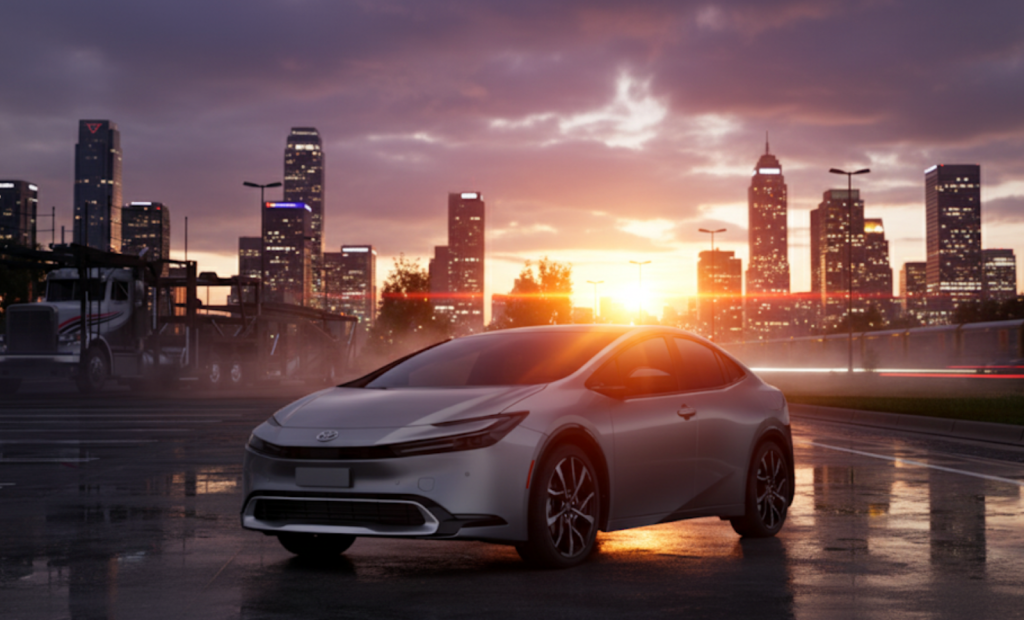
2026 Toyota Prius Plug-in Hybrid Bristol

If you’ve been wondering what Toyota has planned for the year ahead, our 2026 Toyota models preview is the perfect place to start. These new vehicles are designed for the way people in our community drive every day. Whether it’s a quick trip from your Bristol neighborhood into Johnson City for Saturday brunch or a cruise down Volunteer Parkway past The Pinnacle.

No matter where the road takes you, the 2026 lineup is built to look good, feel intuitive, and give you the confidence that comes from driving something you can count on.

Here’s a closer look at what’s on the horizon.

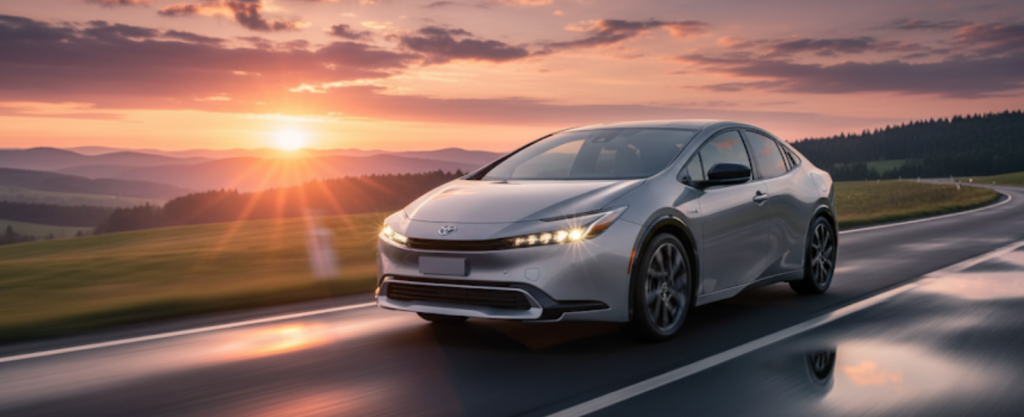
2026 Toyota Prius Plug-In Hybrid

Let’s say you’re heading to the Abingdon Farmers Market. You pull out of your driveway in electric mode, quiet enough to hear the leaves rustle, and then switch to gas for the scenic stretch along I-81 back home. 

That’s exactly where the 2026 Prius Plug-In Hybrid shines, offering electric-only convenience for short trips and long-range fuel efficiency for weekend getaways. 

Inside, the infotainment system is easy to use, the seats are shaped for support on longer trips, and the driver-assist features work quietly in the background to take some of the strain out of navigating busy traffic.

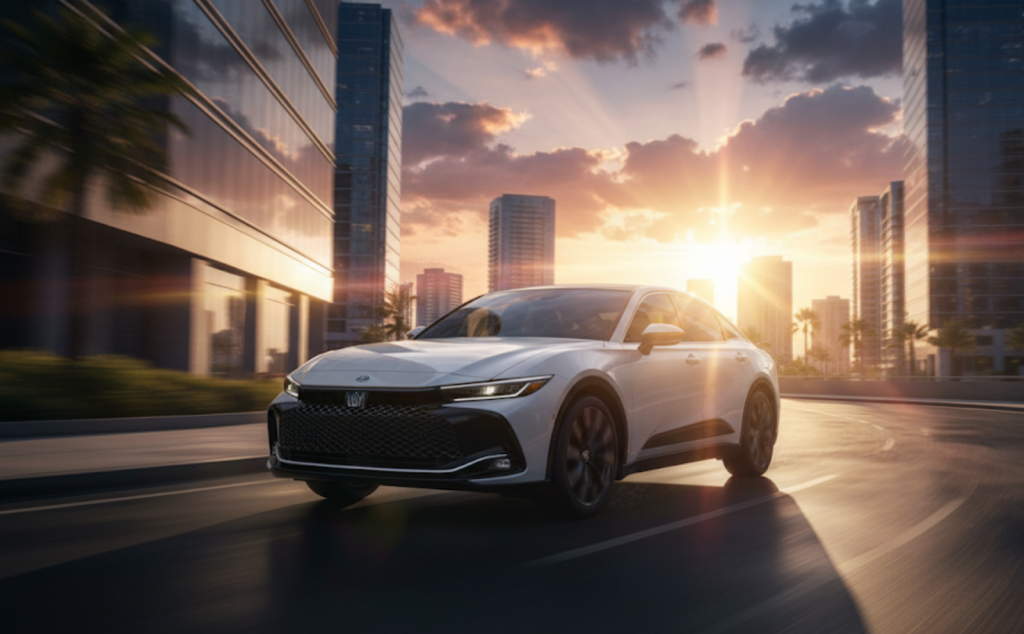
2026 Toyota Crown Platinum

2026 Toyota Crown Platinum

The 2026 Crown Platinum turns everyday drives into something more remarkable. Its higher seating position gives you a clear view of the road ahead, while the quiet, well-insulated cabin surrounds you with soft-touch materials and thoughtful details that make longer journeys more relaxing. 

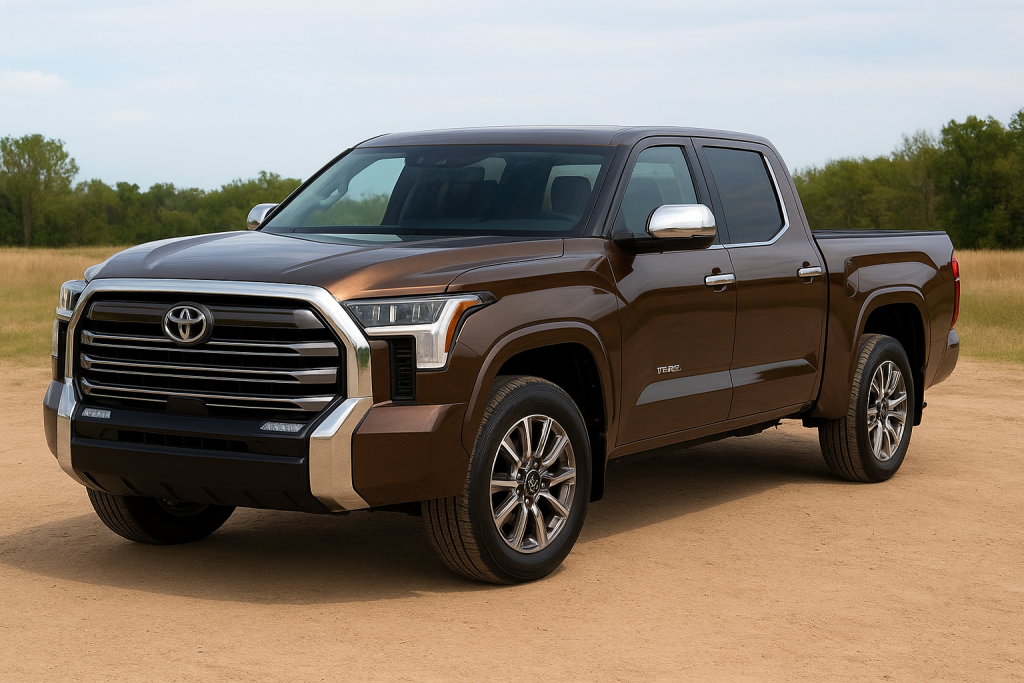
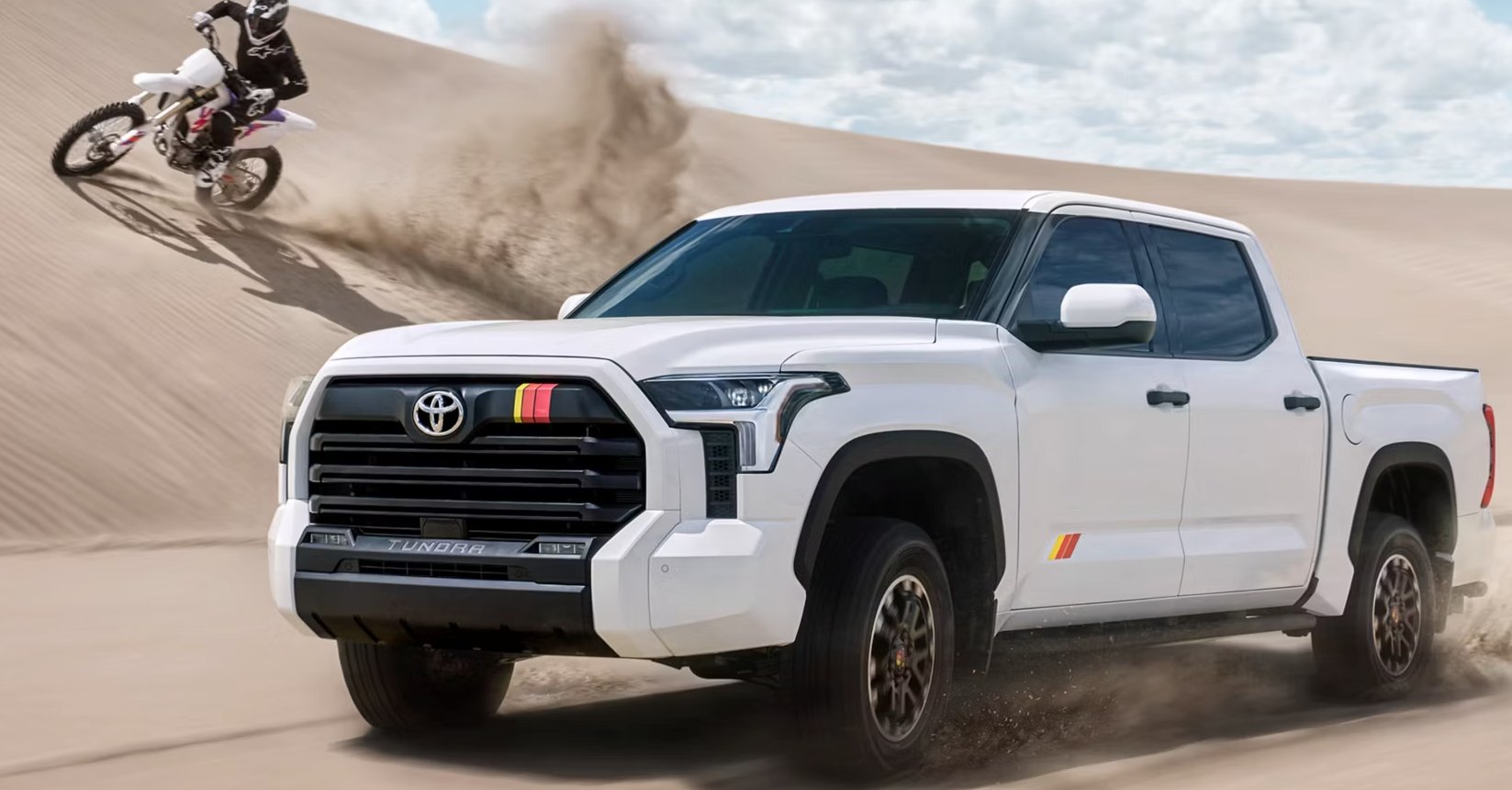
2026 Toyota Tundra i-FORCE MAX 1794 Edition

The 1794 Edition pairs the strength of Toyota’s i-FORCE MAX hybrid powertrain with the craftsmanship of a heritage-inspired interior. It has the muscle to tow your boat to Boone Lake with confident efficiency, and the comfort to carry you home in Western-style leather seats accented by rich wood trim. 

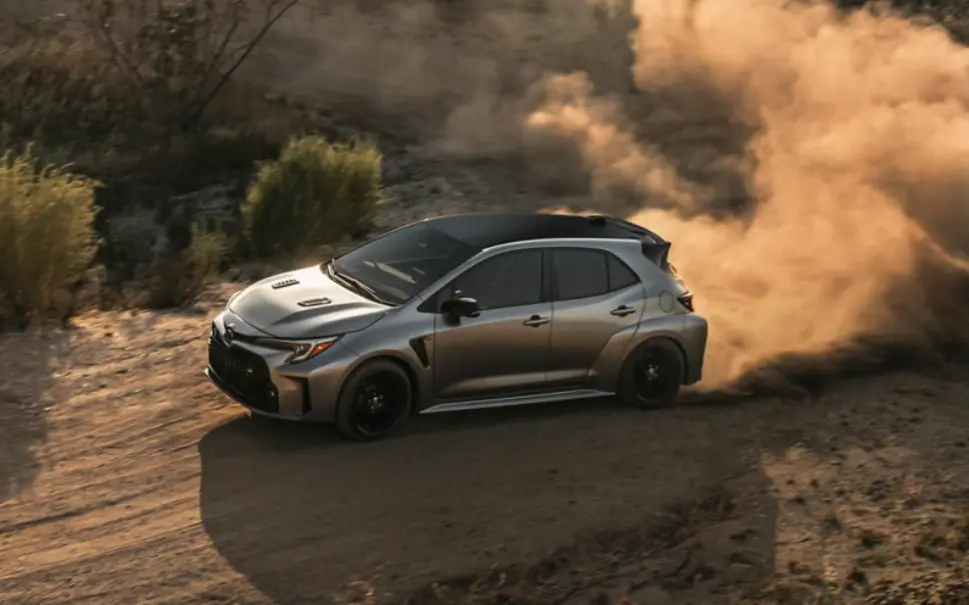
2026 Toyota GR Supra 3.0 Premium MT

The 2026 GR Supra 3.0 Premium MT is built for drivers who live for the connection between car and road. A turbocharged 3.0-liter inline-six produces 382 horsepower, giving you serious speed with the kind of balance that keeps every turn in control. 

Pair that with a six-speed manual and you’ll feel each gear change, while the adaptive suspension and sport-tuned chassis work together to keep the drive sharp and rewarding.

Inside, supportive sport seats and premium materials create a cockpit designed for performance driving, with intuitive controls placed exactly where you need them. Sleek coupe styling and aerodynamic lines complete the package, giving the GR Supra a commanding presence wherever it goes.

Get Ready for the New Toyota Models 2026

The 2026 Toyota lineup is shaping up to be one of the most exciting in recent years, and getting a head start on your search means you’ll be ready when the first models hit our lot. 

Visit us today or contact our Bristol car dealer to reserve your test drive and be among the first to experience these exciting new models.

Recommended Posts

Best Toyotas for College Commuters in Bristol, TN

Best Toyotas for College Commuters in Bristol, TN

The best Toyotas for college commuters in Bristol come down to a short list: the Corolla for the lowest price and simplest ownership, the Corolla Hybrid for the best fuel economy on repeat highway trips, and the Corolla Cross or RAV4 for students who need more cargo room for gear, roommates, or trips home. Toyota of Bristol works with students commuting to East Tennessee State University in Johnson City, King University here in Bristol, and Milligan University near Elizabethton every semester, and the right choice usually depends on how far you drive, how much you can spend upfront, and whether you need extra space beyond a sedan trunk. Consider an ETSU student driving from Kingsport into Johnson City five days a week, watching every dollar of gas money while juggling a class schedule and a part-time job. That daily grind is exactly what this guide is built around. We wrote it to walk you through what actually matters in a commuter vehicle, how the Corolla compares to the Corolla Hybrid, when a Corolla Cross or RAV4 makes more sense than a sedan, and how new, certified pre-owned, and used options stack up on a student budget. By the end, you will know which Toyota fits your specific commute and your wallet, whether you are starting your freshman year or driving to campus for your final semester. Definition: A college commuter vehicle is a car chosen primarily for reliable, cost-efficient daily travel between home and campus rather than long-distance travel or heavy hauling. It is designed to balance low fuel and maintenance costs with dependable daily use. For students commuting to ETSU, King University, or Milligan from Bristol, Kingsport, or Elizabethton, it means a vehicle that keeps fuel and repair costs predictable across a full semester. On this guide: What Makes a Good College Commuter Vehicle? Fuel Economy and Ownership Cost Safety and Reliability Practical Considerations for Campus Life Toyota Corolla and Corolla Hybrid Comparing Corolla and Corolla Hybrid Which One Fits Your Commute Which Toyota Fits Your ETSU, King University, or Milligan Commute Toyota Corolla Cross and RAV4 Used and Certified Toyota Options for Students Key Takeaways Frequently Asked Questions Find Your Commuter Toyota at Toyota of Bristol What Makes a Good College Commuter Vehicle? A good commuter vehicle for students balances low fuel and ownership cost, standard safety technology, and enough practicality for campus life, without paying for size or features a daily commute does not need. Before comparing specific models, it helps to know what actually separates a good commuter car from one that simply looks appealing on a lot. Price matters, but so does how that price plays out over four years of ownership once fuel, insurance, and maintenance are added in. Fuel Economy and Ownership Cost For a student driving to campus most days of the week, fuel economy adds up fast over a semester. The 2026 Corolla starts around $23,500 and returns up to an EPA-estimated 35 mpg combined on gas, while the Corolla Hybrid starts closer to $24,975 and returns up to an EPA-estimated 50 mpg combined. Here is what we ask students to weigh: Total miles driven per week between home, campus, and work. Whether the extra hybrid cost pays for itself in fuel savings within a reasonable timeframe. Insurance cost differences, which can vary more by trim than by gas versus hybrid. Expected maintenance costs, including routine service covered under ToyotaCare on new purchases. For an ETSU student commuting daily from Kingsport into Johnson City, we recommend running the math on your actual weekly mileage before assuming the hybrid is automatically worth the higher price, since a shorter commute may not generate enough fuel savings to offset the difference as quickly as a longer one would. A rough rule we share with students is to multiply your daily round-trip mileage by the number of days you drive each week, then compare that weekly total against typical fuel prices in the Tri-Cities before deciding. Priority Why It Matters for Students Toyota Answer Low starting price Limited budget, financial aid, or family contribution Corolla LE gas trim Best fuel economy Long or frequent highway commutes Corolla Hybrid Cargo space Textbooks, instruments, sports gear, roommate moves Corolla Cross or RAV4 Standard safety tech Peace of mind for students and parents Toyota Safety Sense, standard across the lineup Predictable maintenance cost Limited budget for surprise repairs ToyotaCare coverage on new purchases Resale value Reselling after graduation Toyota's strong resale reputation across the lineup Based on Toyota official website. Safety and Reliability Toyota Safety Sense comes standard across the current Corolla, Corolla Cross, RAV4, and Camry lineups, which means students are not paying extra for core driver-assist features like pre-collision support and lane departure alerts. For parents helping a student choose their first car from out of state, that standard safety equipment often matters more than horsepower or styling. For a parent in another state helping their King University freshman pick a first car, we recommend prioritizing standard safety technology and Toyota's reliability reputation over trim-level styling, since those two factors do more for peace of mind across four years of ownership than upgraded wheels or a sportier badge. Reliability also matters more than it might seem during the school year itself, since a student without a backup vehicle cannot afford unexpected downtime during exam week or a work shift. Practical Considerations for Campus Life What we see students actually deal with day to day includes tight campus parking, limited driveway space at off-campus housing, and the reality of moving between dorms or apartments once or twice a year. A smaller Corolla is easier to park near campus housing in Bristol, while a Corolla Cross or RAV4 earns its keep during move-in and move-out weekends. Insurance is another practical factor students sometimes overlook until after signing, since rates can vary noticeably between a sedan and a crossover even within the same Toyota lineup. If you want to confirm which trims include ToyotaCare and how long that coverage lasts on a specific model, our team can walk through it with you before you commit to a purchase. See Your Toyota's ToyotaCare Coverage Toyota Corolla and Corolla Hybrid The Corolla and Corolla Hybrid share the same core reliability and safety equipment, so the decision mostly comes down to upfront price versus long-term fuel savings based on how much you actually drive. These two versions of the same nameplate are the most common starting point for students shopping with us, largely because the price gap between them is small enough that the decision often comes down to math rather than personal preference. Comparing Corolla and Corolla Hybrid We put together this comparison because students often assume the hybrid is simply the "better" choice without checking whether their specific commute makes the extra cost worthwhile. Feature Corolla (Gas) Corolla Hybrid Starting price Around $23,500 Around $24,975 EPA-estimated combined MPG Up to 35 mpg Up to 50 mpg Engine 2.0-liter 4-cylinder 1.8-liter 4-cylinder with electric motor Available AWD No Yes, on select trims Transmission CVT eCVT Toyota Safety Sense Standard Standard Best For / Ideal Use Case Students with shorter commutes who want the lowest upfront price Students with longer, frequent commutes who want to minimize gas station visits Based on Toyota official website. Based on our experience at Toyota of Bristol, the Corolla Hybrid earns its price difference fastest for students commuting from Kingsport, Abingdon, or other longer routes into Johnson City or Bristol, while a shorter drive within Bristol itself often does not rack up enough miles to make the hybrid's extra upfront cost pay off as quickly. Neither option is the wrong choice; the math simply favors different students depending on how far they actually drive each week. Which One Fits Your Commute If your daily round trip is under fifteen miles, then the gas Corolla likely saves you money overall once you factor in the lower purchase price. If you are driving thirty or more highway miles a day, then the Corolla Hybrid's fuel savings start adding up meaningfully across a semester. If you regularly deal with wet or snowy mountain routes near Abingdon, then the available all-wheel-drive Corolla Hybrid trims are worth a closer look. For a King University student living close to campus in Bristol, we recommend the gas Corolla LE because a short commute rarely generates enough fuel savings to justify the hybrid's higher price. For an ETSU student commuting daily from Kingsport, we recommend the Corolla Hybrid because the mileage adds up quickly enough to make the fuel savings meaningful within a couple of years. For a Milligan student who splits time between Elizabethton and winter mountain driving, we recommend looking at the Corolla Hybrid's available AWD trims for extra confidence on slick roads. For a transfer student who just moved to the area and is not yet sure how their new schedule will affect their weekly mileage, we recommend starting with the gas Corolla and reassessing after a semester, since it is easier to step up to a hybrid later than to have overpaid upfront for fuel savings you did not end up needing. We invite you to stop by our showroom at 3045 W State St in Bristol to sit in both the Corolla and Corolla Hybrid before deciding, since the difference in driving feel is small but noticeable once you compare them back to back. Our sales team can pull actual fuel cost estimates based on your specific commute distance so you are not guessing which option saves more over four years of school. If you are financing your first car, we can also walk through student-friendly financing options and what a realistic monthly payment looks like on each trim. Bring your class schedule or a rough idea of your weekly mileage, and we will help you run the numbers on the spot. Whether you end up with the gas Corolla or the hybrid, we want you leaving with a choice that fits your actual budget, not just a guess. Parents are welcome to join that conversation too, since financing decisions made together tend to hold up better than ones made under pressure the week before move-in. Browse Corolla and Corolla Hybrid Inventory Which Toyota Fits Your ETSU, King University, or Milligan Commute Your specific commute route, whether that is city driving in Bristol, the stretch into Johnson City, or the roads near Elizabethton, matters as much as the model you pick. We hear from students at all three schools every fall, and the same models tend to come up again once we match the vehicle to the actual drive rather than the school name alone. Matching Your Route to the Right Toyota Students commuting to King University mostly deal with in-town Bristol driving and short trips, which favors a lower-cost gas Corolla. Students driving to ETSU from Kingsport or Bristol cover more highway miles, which tips the math toward the Corolla Hybrid. Students near Milligan University, closer to Elizabethton, often deal with more rural roads and seasonal weather, which can make available all-wheel-drive trims or the added ground clearance of a Corolla Cross worth considering. School Typical Commute Pattern Toyota to Consider King University (Bristol) Short in-town driving Corolla LE gas ETSU (Johnson City) Longer highway commute from Kingsport or Bristol Corolla Hybrid Milligan University (near Elizabethton) Rural roads, seasonal weather Corolla Hybrid AWD or Corolla Cross Any school, moving weekends Occasional need for extra cargo space Corolla Cross or RAV4 For a King University student who mostly drives within Bristol between campus, work, and home, we recommend keeping it simple with the gas Corolla, since the shorter distances involved rarely justify a bigger upfront investment. For a Milligan student navigating rural roads near Elizabethton through the winter, we recommend at least test-driving a Corolla Hybrid AWD trim before settling on a front-wheel-drive-only option. Route and weather matter just as much as the school name itself, so students living off campus with a longer personal commute should weigh their actual drive, not just their university's general location. Our team works with students and parents from Bristol, Kingsport, Johnson City, Abingdon, Blountville, and Elizabethton every back-to-school season, so we know the routes and the routines fairly well by now. If you are choosing between two models and cannot decide, tell us your typical week, including class days, work shifts, and how often you head home on weekends, and we can point you toward the option that actually fits rather than the one that just sounds good on paper. We recommend scheduling a test drive before you commit, since seat comfort and visibility matter more on a daily commute than they do on a single weekend trip. You can request a test drive through toyotaofbristol.com or by calling our showroom directly. We treat student budgets seriously, not as an afterthought to a bigger sale, and that includes being upfront when a less expensive option genuinely makes more sense for your situation than the vehicle with the bigger markup. Schedule a Test Drive Toyota Corolla Cross and RAV4 When a sedan trunk is not enough, either because of gear, roommates, or regular trips home, the Corolla Cross and RAV4 both add meaningful cargo space without losing Toyota's fuel efficiency and reliability reputation. Not every student needs the extra size, but for the ones who do, the choice between these two usually comes down to how much cargo room you need versus how much you want to spend. Feature Corolla Cross RAV4 Size Compact crossover, smaller footprint Larger compact SUV, more interior room EPA-estimated combined MPG Competitive with Corolla sedan trims Slightly lower than Corolla Cross, still efficient for its class Cargo space More than a Corolla sedan, less than RAV4 Most cargo room of the two Available AWD Yes, on select trims Yes, widely available Best for Students who want SUV height and cargo without stepping up to full RAV4 size Students hauling more gear, instruments, or regularly moving between housing Based on Toyota official website. For a Milligan student who splits time between campus near Elizabethton and trips home most weekends, we recommend the Corolla Cross because the added cargo room and available AWD handle both routines without the higher price of a full RAV4. For a graduate student in Kingsport hauling equipment or instruments to campus regularly, we recommend the RAV4 because the extra cargo volume makes a genuine difference when a sedan trunk simply is not enough. Either model still keeps fuel costs closer to a sedan than many buyers expect, which matters when a student is already budgeting tightly for the semester. Browse Corolla Cross and RAV4 Inventory Used and Certified Toyota Options for Students A certified pre-owned Toyota often gives students most of the reliability and warranty confidence of a new vehicle at a meaningfully lower price than buying new. Budget usually drives this conversation more than any other part of the buying process, so we lay out the three main paths plainly rather than pushing students toward the most expensive option by default. Option Price Point Warranty Confidence Best For New Highest Full factory warranty and ToyotaCare Students who want the newest safety tech and longest ownership runway Certified Pre-Owned Moderate Extended warranty coverage backed by Toyota Students who want warranty confidence at a lower price than new Standard Used Lowest Limited or no remaining factory warranty Students on the tightest budget who accept more ownership risk Based on Toyota official website. We recommend thinking through these before deciding which route fits your situation: If your budget is tight but you still want warranty protection, then a certified pre-owned Corolla is worth prioritizing over a cheaper standard used option. If you plan to keep the car well past graduation, then a new purchase with full ToyotaCare coverage may be worth the higher upfront cost. If you are buying your very first car and want the lowest possible payment, then a standard used Corolla can work if you budget for maintenance without a warranty cushion. For a parent buying a first car for their King University freshman on a strict budget, we recommend starting with our certified pre-owned Corolla and Corolla Cross inventory, since the extended warranty coverage reduces the chance of an unexpected repair bill landing in the middle of a semester. We can also walk through how many miles remain on a specific certified vehicle's coverage, which helps put a real number behind the peace of mind rather than a vague promise. Get Pre-Qualified Before You Shop Key Takeaways The gas Corolla offers the lowest starting price; the Corolla Hybrid pays off fastest on longer commutes. Toyota Safety Sense comes standard across Corolla, Corolla Cross, RAV4, and Camry, so safety tech is not an upgrade cost. Students near Milligan or driving mountain routes should consider available AWD trims. The Corolla Cross and RAV4 add cargo room for gear, instruments, or moving weekends. Certified pre-owned Toyotas offer warranty confidence at a lower price than buying new. College Commuter Toyota Questions Students Ask What is the best Toyota for a college commuter in Bristol, TN? The best choice depends on your specific commute and budget. For short in-town driving, we recommend the gas Corolla for its low starting price. For longer highway commutes into Johnson City or from Kingsport, the Corolla Hybrid's fuel economy typically saves more money over a semester. For students needing extra cargo space, the Corolla Cross or RAV4 are worth considering over a sedan, especially during move-in and move-out weekends when trunk space alone rarely cuts it. Is the Corolla or Corolla Hybrid better for students? Both share the same core reliability and standard safety equipment, so the decision mostly comes down to your commute distance and budget. Students with shorter drives often save more overall with the lower-priced gas Corolla, while students covering longer or more frequent highway miles typically make back the Corolla Hybrid's higher price through fuel savings within a couple of years. If you are not sure which category your commute falls into, our team can help you estimate it before you decide. Should a college student buy a new, certified pre-owned, or used Toyota? This depends on budget and how much warranty protection matters to you. A certified pre-owned Toyota often gives students most of the confidence of buying new, including extended warranty coverage, at a meaningfully lower price. A standard used Toyota can work well on the tightest budgets, but students should plan for maintenance costs without a warranty cushion in place. If graduation is still several years away, leaning toward certified pre-owned or new usually makes more sense than saving a little upfront and risking a bigger repair bill later. Does Toyota Safety Sense come standard on student-friendly Toyota models? Yes, Toyota Safety Sense comes standard across the current Corolla, Corolla Cross, RAV4, and Camry lineups, so students are not paying extra to get core driver-assist features like pre-collision support and lane departure alerts. That standard equipment applies regardless of trim level, so even the most budget-friendly option in the lineup includes the same core safety foundation. Find Your Commuter Toyota at Toyota of Bristol We are here to help you find the right Toyota for your specific commute and budget, whether that means a brand-new Corolla, a certified pre-owned Corolla Cross, or a RAV4 with room for everything you are hauling to campus. Stop by our showroom at 3045 W State St in Bristol, TN, and our team will walk through options based on your actual weekly mileage rather than a generic recommendation. We proudly work with students and families connected to ETSU, King University, and Milligan University across Bristol, Kingsport, Johnson City, Abingdon, Blountville, and Elizabethton every school year. If you are heading back to campus soon and need a reliable way to get there, call us or stop in and we will help you compare your options today. We would rather spend thirty minutes matching you to the right Toyota now than have you regret a rushed decision three months into the semester. That thirty minutes, in our experience, is almost always worth more than the time it saves to just grab whatever is on the lot. See Our Certified Pre-Owned Program Related Articles Keep reading more Toyota model guides and ownership advice from Toyota of Bristol. Student Guide Best Toyota Cars for Graduates See more affordable, reliable Toyota options built for campus life and life after graduation. Read More Used Vehicle Guide Certified Pre-Owned Toyota Explained See what Toyota certification covers and how it protects your purchase on a student budget. Read More SUV Comparison 2026 Toyota RAV4 vs Corolla Cross: Which Toyota SUV Fits Bristol Drivers? Compare size, cargo room, efficiency, and price to decide which SUV fits your routine. Read More Safety & Tech Guide Toyota Safety Sense 3.0 Explained See what Toyota Safety Sense 3.0 may include and how it applies across the Toyota lineup. Read More

Signs Your Toyota Transmission Needs Service

Signs Your Toyota Transmission Needs Service

The most common signs your Toyota transmission needs service are delayed or hesitant shifting, gears that slip or feel like they lose power while accelerating, grinding or whining noises, a burning smell, red or brown fluid under the vehicle, and a dashboard warning light related to the transmission or hybrid system. Toyota of Bristol sees these symptoms across gas and hybrid Toyota models alike, though what causes them and how urgent they are can differ depending on whether your vehicle uses a conventional automatic transmission or Toyota's hybrid eCVT. If you notice more than one of these signs at the same time, that combination usually means it is time to schedule an inspection rather than wait and see. Consider a Bristol commuter who feels a short hesitation every time they shift from Park into Drive. On its own, that hesitation might be minor, but paired with a new noise or a dashboard light, it becomes a much clearer signal. We wrote this guide to walk you through the most common warning signs, how gas and hybrid Toyota drivetrains show trouble differently, when a symptom means you should stop driving instead of scheduling a routine visit, and what our technicians actually check during a transmission inspection. By the end, you will know which signs matter most, how quickly you should act on them, and what our technicians actually look for once you bring your Toyota in. Definition: A transmission warning sign is any change in shifting behavior, sound, smell, fluid condition, or dashboard indicator that suggests a vehicle's transmission or drivetrain system may not be operating normally. It is designed to alert drivers before a minor issue becomes a major mechanical failure. For drivers in Bristol, Kingsport, and Johnson City, recognizing these signs early can help avoid being stranded on routes like I-81 or in mountain terrain near Abingdon, where a developing issue can become inconvenient quickly. On this guide: Common Toyota Transmission Warning Signs Delayed Shifts and Slipping Unusual Noises and Smells Dashboard Warning Lights and Fluid Leaks Gas Transmission vs Hybrid Drivetrain Symptoms Comparing How Symptoms Show Up Which Symptoms Apply to Your Toyota Scheduling a Transmission Check in Bristol and the Tri-Cities When to Stop Driving and Schedule Service What Happens During a Toyota Transmission Inspection Key Takeaways Frequently Asked Questions Book Toyota Service in Bristol, TN Common Toyota Transmission Warning Signs Delayed shifting, slipping gears, unusual noises, burning smells, fluid leaks, and dashboard warning lights are the most common signs a Toyota transmission needs attention, and noticing more than one at once means it is time to schedule an inspection. Delayed Shifts and Slipping A healthy transmission should engage smoothly and promptly when you shift from Park into Drive or Reverse. Here is what we ask owners to pay attention to: A noticeable pause or hesitation before the vehicle moves after shifting. A jolt or thud when the gear finally engages. The engine revving higher than usual without a matching increase in speed, which points to slipping. Difficulty maintaining speed on an incline that used to feel effortless. For a Bristol commuter who feels a short hesitation every time they shift into Drive at a stoplight, we recommend having the vehicle looked at soon rather than waiting for the symptom to worsen, since delayed engagement often points to fluid condition or an internal component that is easier to address early than after it fails completely. This same hesitation can feel almost unnoticeable at first, which is exactly why we encourage owners to mention it during a routine oil change instead of waiting for it to become obvious enough to worry them. Symptom Severity Example General Guidance Minor, worth watching Occasional slight hesitation shifting into Drive Schedule an inspection soon, continue normal driving in the meantime Minor, worth watching A faint, consistent whine that has not changed Mention it at your next scheduled service visit Needs attention soon Slipping gears or engine revving without matching speed Schedule service within the next few days Needs attention soon A new grinding or clunking noise during shifts Schedule service within the next few days Needs immediate attention Burning smell combined with any other symptom Have the vehicle inspected right away Needs immediate attention Red or brown fluid actively leaking under the vehicle Have the vehicle inspected right away Best For / Ideal Use Case Use this table as a general planning guide; any symptom paired with a dashboard warning light should move straight to immediate attention regardless of how minor it seems alone. Based on Toyota official website. Unusual Noises and Smells Noises and smells often show up before a transmission problem becomes obvious in how the vehicle drives. Whining that changes with engine speed, grinding during a shift, clunking when moving from Park to Drive, or a burning odor from the engine bay are the signals our service team hears about most often. A single faint noise that has not changed in weeks is different from a new noise that is getting louder. For a used Toyota Tacoma owner in Blountville who hears a new grinding noise while towing a trailer up a grade, we recommend stopping the tow as soon as it is safe and having the vehicle inspected before continuing, since added load can turn a manageable issue into a more serious one quickly. A noise that only appears under load, like towing or climbing a grade, is still worth mentioning even if it disappears once you are back on flat ground. Dashboard Warning Lights and Fluid Leaks According to Toyota's official guidance, a dashboard light indicating a transmission control system malfunction should prompt an inspection at a Toyota dealer as soon as possible, since the vehicle's onboard sensors are designed to catch abnormal shift patterns or gear ratios before a driver would necessarily feel them. Fluid leaks are another visual cue, most often noticed as reddish or brownish spots left on a driveway or parking spot. If you want to confirm exactly which warning light your specific Toyota model uses for transmission or drivetrain issues, our team can walk through your owner's manual with you or check it against your VIN, since not every model displays the same icon or message for the same underlying concern. Confirm Your Model's Drivetrain Type Gas Transmission vs Hybrid Drivetrain Symptoms Toyota's hybrid eCVT works differently from a conventional automatic transmission, so the same underlying concern, like a new whining noise or reduced power, can point to a different system depending on which drivetrain your Toyota uses. Comparing How Symptoms Show Up We put this comparison together because owners switching between a gas Toyota and a hybrid Toyota often assume the same warning signs mean the same thing, and that is not always the case. Symptom Conventional Automatic Transmission Toyota Hybrid eCVT Delayed or rough shifting Common sign of low or degraded fluid, or worn internal components Less common, since there is no traditional gear shift; may point to the power-split device instead Whining noise Often linked to fluid or torque converter issues Some motor whine is normal; a whine that grows louder over time is not Burning smell Usually tied to overheated or degraded transmission fluid Less common; more often linked to other underlying issues that still warrant inspection Jerking or hesitation Can indicate slipping gears or a failing solenoid May indicate a rough transition between electric and gas power delivery Dashboard warning light Transmission control system malfunction light Hybrid system malfunction or check hybrid system light Reduced power or sluggish acceleration Often tied to slipping or a failing torque converter Can relate to the hybrid battery, inverter, or drivetrain control system Best For / Ideal Use Case Gas Toyota owners should focus on fluid, shift feel, and noise; hybrid Toyota owners should pay closer attention to dashboard hybrid system alerts and changes in power delivery between electric and gas modes. Based on Toyota official website. This distinction matters most when you are trying to describe a symptom to us over the phone, since knowing whether your Toyota is gas-powered or a hybrid helps our service team ask the right follow-up questions before you even arrive. Based on our experience at Toyota of Bristol, the clearest way to tell the two apart is the dashboard light itself. A conventional automatic will typically flag a transmission-specific warning, while a hybrid Toyota is more likely to show a hybrid system malfunction message, even when the underlying concern involves how power reaches the wheels rather than a traditional gear problem. Owners who have driven both a gas Toyota and a hybrid Toyota sometimes assume the hybrid is malfunctioning simply because it behaves differently, when in fact smoother, quieter operation is often just how the eCVT is designed to feel. Which Symptoms Apply to Your Toyota For a Kingsport driver whose RAV4 Hybrid has developed a whining noise that gets louder during acceleration, we recommend having it checked rather than assuming it is normal motor noise, since a whine that changes over time is different from the mild sound that is typical in most Toyota hybrids. For a Johnson City family whose Highlander Hybrid jerks noticeably when switching between electric and gas power, we recommend scheduling an inspection because that kind of rough transition is not considered normal hybrid behavior. For a Bristol driver in a gas-powered Camry who notices the check engine light along with hesitation shifting into gear, we recommend treating that combination as a priority rather than a routine oil-change-cycle item. Two symptoms appearing together almost always deserve faster attention than either one showing up alone. If your Toyota is gas-powered and you notice fluid on the ground, then check the color and schedule service promptly. If your Toyota is a hybrid and you see a hybrid system warning, then treat it the same way you would treat a transmission warning light on a gas vehicle. If you are not sure which drivetrain your Toyota uses, then our team can confirm it by VIN before you try to diagnose the symptom yourself. We invite you to bring your Toyota to our service center at 3045 W State St in Bristol so our technicians can look at the specific symptom you are noticing rather than guessing from a general list. We ask a few quick questions when you arrive, including when the symptom started, whether it happens at a certain speed, and whether any dashboard lights have appeared, since those details help our team narrow down the cause faster. If you are not sure whether what you are feeling is normal for your specific Toyota model, we would rather you ask than assume. You can request an appointment through toyotaofbristol.com or call our service department directly. We treat drivetrain symptoms as a priority, not a routine wait-your-turn item, because we know how disruptive it is to lose confidence in your vehicle. Whatever you are noticing, we will give you a straight answer about what it means. Schedule a Transmission Inspection Scheduling a Transmission Check in Bristol and the Tri-Cities Mountain grades, towing on I-81, and stop-and-go Bristol traffic can all add extra stress to a transmission or hybrid drivetrain that is already showing early warning signs. Local Driving Conditions That Add Stress Here in the Tri-Cities, we see certain driving patterns accelerate an existing transmission concern rather than cause it outright. Steady climbs on mountain routes near Abingdon put extra load on a transmission that is already slipping. Stop-and-go traffic through Bristol and Kingsport during commute hours means more frequent shifting, which can make a delayed-engagement symptom more noticeable. Towing or hauling on I-81 adds heat and mechanical stress that a struggling transmission handles poorly. Local Condition Added Stress Driver Profile Mountain grades near Abingdon, VA Extra load during sustained climbs Commuter crossing into Southwest Virginia Bristol and Kingsport stop-and-go traffic More frequent shifting exposes hesitation symptoms Daily city commuter I-81 towing or hauling Increased heat and mechanical load Truck or SUV owner carrying cargo Elizabethton and Blountville rural routes Longer trips between service opportunities Rural commuter with less frequent inspections For a driver in Johnson City who notices a burning smell specifically after climbing hills on I-81, we recommend having the fluid level and condition checked as soon as possible, since heat under load is one of the more common reasons early transmission symptoms become noticeable in our region. For a driver near Abingdon who has a slow fluid leak but has not noticed a change in how the vehicle drives yet, we still recommend an inspection rather than waiting, since leaks rarely resolve on their own and mountain driving tends to expose the problem sooner rather than later. A small leak today is often the easiest and least expensive point to catch a developing issue. Our service team has diagnosed transmission and drivetrain concerns for drivers across Bristol, Kingsport, Johnson City, Abingdon, Blountville, and Elizabethton for years, and that regional experience means we know which symptoms tend to show up first on local roads. If you are enrolled in our Toyota of Bristol Advantage Plan, mention it when you schedule, since your service history helps our technicians spot changes faster. We recommend describing exactly when the symptom happens, whether that is during a hill climb, a cold start, or while towing, so we can start the inspection with useful context instead of starting from zero. You can reach us through toyotaofbristol.com or by calling our service department directly. We would rather you call with a question that turns out to be nothing than wait on something that turns out to matter. Either way, we will take the time to explain what we find in plain language. Talk to Our Service Team When to Stop Driving and Schedule Service A single mild symptom usually allows time to schedule a normal appointment, but a burning smell, a flashing warning light, or a sudden loss of power means you should stop driving and have the vehicle inspected right away. What You Notice Recommended Action Occasional mild hesitation, no other symptoms Schedule a normal service appointment within the next week or two Slipping gears with the engine revving unusually Limit driving to essential trips and schedule service promptly Grinding or clunking noise that is new and getting worse Schedule service within a few days, avoid towing or hauling until then Burning smell from the engine bay Pull over safely, stop driving, and arrange a tow or inspection Flashing dashboard warning light or sudden loss of power Pull over safely as soon as possible and stop driving until inspected Based on Toyota official website. For an Elizabethton driver on a mountain route whose dashboard shows a hybrid system malfunction light along with a sudden drop in power, we recommend pulling over safely as soon as the road allows and stopping the vehicle rather than trying to finish the trip, since continuing to drive under those conditions risks turning a repairable issue into a more serious one. If you are ever unsure whether your specific situation counts as an emergency, treat it as one and call us before continuing. It costs nothing to call and describe what you are feeling, and that quick conversation can save you from a much more expensive repair down the road. See Your Toyota's ToyotaCare Coverage What Happens During a Toyota Transmission Inspection A transmission inspection at our service center typically includes a fluid check, a road test, a diagnostic scan, and a conversation with you about exactly what you are feeling before any repair recommendation is made. We do not start with guesswork. Owners sometimes expect us to jump straight to a repair estimate, but a rushed diagnosis on a drivetrain concern usually costs more time and money than a proper inspection up front. Here is generally what our technicians walk through during a transmission or drivetrain inspection: A conversation with you about when the symptom started and what triggers it. A visual check of transmission fluid level, color, and smell. A diagnostic scan to check for stored codes related to shifting, drivetrain, or hybrid system performance. A road test, when appropriate, to feel the symptom firsthand rather than relying only on your description. A clear explanation of what we found before any repair work begins. For a Bristol owner of a used Camry who has never had a transmission concern looked at before, we recommend coming in with as much detail as possible, including when the symptom happens and how often, since that context often shortens the inspection and gets you a clearer answer the same day. See What Our Service Center Covers Key Takeaways Delayed shifting, slipping, unusual noises, burning smells, fluid leaks, and warning lights are the main signs to watch for. Hybrid Toyota models show drivetrain trouble differently than gas models, often through a hybrid system warning rather than a traditional transmission light. Mountain grades near Abingdon and towing on I-81 can make an existing symptom worse faster. A burning smell, flashing warning light, or sudden power loss means stop driving and get the vehicle inspected right away. Our inspection process starts with a conversation and a diagnostic scan, not an assumption about what is wrong. Toyota Transmission Questions Bristol Drivers Ask Is it safe to keep driving with a slipping transmission? Driving with a slipping transmission is not something we recommend, even for short trips, because slipping puts extra stress on internal components and can turn a manageable repair into a more serious one. If you notice the engine revving without a matching increase in speed, we recommend limiting driving to what is essential and scheduling an inspection as soon as possible rather than waiting to see if the symptom improves on its own. Do Toyota hybrids have transmission problems the same way gas cars do? Toyota hybrids use an eCVT, which relies on a planetary gearset and electric motor-generators rather than a traditional torque converter and gear sets. Because of that difference, hybrid drivetrain trouble more often shows up as a hybrid system warning light or a change in how power is delivered rather than the shifting-specific symptoms typical of a conventional automatic transmission. Both systems benefit from the same basic approach: do not ignore a dashboard warning or a new noise, and do not assume a symptom will resolve itself simply because the vehicle still drives. What should I do if my Toyota's dashboard shows a transmission or hybrid system warning light? This is one of the more common questions we hear from first-time owners who are not sure whether a warning light means an emergency or a routine reminder. According to Toyota's official guidance, a transmission control system malfunction light calls for inspection at a Toyota dealer as soon as possible. If the light is flashing or paired with reduced power, we recommend pulling over safely and stopping rather than continuing to your destination. How much does a transmission inspection typically involve? A transmission inspection generally includes a fluid check, a diagnostic scan for stored codes, and often a road test, followed by a clear explanation of what our technicians found before any repair work begins. Bringing details about when the symptom occurs helps our team move through this process more efficiently. Book Toyota Service in Bristol, TN We are here to help you get a straight answer about what your Toyota is telling you, whether that turns out to be a minor item or something that needs immediate attention. Stop by our service center at 3045 W State St in Bristol, TN, or request an appointment through toyotaofbristol.com so our technicians can take a look. If you are enrolled in our Toyota of Bristol Advantage Plan or follow your ToyotaCare schedule, mention that when you book, since your service history helps us diagnose faster. We proudly serve drivers across Bristol, Kingsport, Johnson City, Abingdon, Blountville, and Elizabethton with the same direct approach, a real inspection instead of guesswork. If something feels off with how your Toyota shifts, sounds, or drives right now, call us or stop in today. We would rather check it and tell you everything looks fine than have you drive around wondering. That peace of mind is worth far more than the few minutes it takes to schedule a visit. Book Toyota Service in Bristol, TN Related Articles Keep reading more Toyota service guides, ownership tips, and maintenance advice from Toyota of Bristol. Maintenance Guide How Often Should You Change Your Toyota Oil? See how oil intervals connect to tire rotation, fluid checks, and other factory-scheduled maintenance. Read More Ownership Guide Is ToyotaCare Worth It in Bristol? See what ToyotaCare covers and how it can help catch issues like drivetrain concerns early. Read More Technology Guide How to Set Up the Toyota App See how Service Connect alerts can help you track maintenance needs, including drivetrain-related codes. Read More Tire Care Guide How Often Should You Rotate Toyota Tires in Bristol, TN? See rotation intervals and how Tri-Cities driving conditions affect tire and drivetrain wear together. Read More

Toyota Trade-Up Program vs Trade-In: What Bristol Drivers Should Know

Toyota Trade-Up Program vs Trade-In: What Bristol Drivers Should Know

A Toyota Trade-Up Program lets you roll the value of your current vehicle directly into a newer Toyota, while a traditional trade-in simply exchanges your car for a credit that can go toward any vehicle you choose. The right choice depends on your loan payoff, your equity position, and how quickly you want newer safety technology and a fresh warranty. Toyota of Bristol works with drivers across the Tri-Cities every week who are weighing these two paths, and the short answer is this: if you have positive equity and want to stay in a newer model without a separate selling process, the Trade-Up Program almost always gets you there faster. If you are unsure about your equity, need cash back, or are comparing vehicles outside the Toyota lineup, a traditional trade-in may fit better. Consider a Bristol driver ready to move from a paid-off Corolla into a newer RAV4 for extra cargo room ahead of family trip season. That is a textbook trade-up scenario. We built this guide to walk you through what separates a trade-up from a trade-in, how appraisal, payoff, and equity actually work, what to bring when you visit us for a valuation, and how to decide which path fits your situation. By the end, you will know exactly which option makes sense for your vehicle, your loan, and your next Toyota, whether you drive a Toyota today or are considering one for the first time. Definition: A trade-up program is a dealership process that applies a vehicle's appraised equity directly toward a newer model in a single visit, while a trade-in is a standard appraisal used as credit toward any vehicle purchase. Both begin with a vehicle valuation and loan payoff check. For drivers in Bristol, Kingsport, and Johnson City, understanding the difference helps determine the faster, lower-paperwork path to a newer vehicle. On this guide: Trade-Up Program vs Traditional Trade-In What Each Option Means Appraisal, Payoff, and Equity Explained Upgrade Options and What We See Locally Comparing Your Options: Trade-Up, Trade-In, and Private Sale Side-by-Side Comparison When Trading Up May Make Sense What to Bring for a Vehicle Appraisal in Bristol Owe More Than It's Worth? Understanding Equity and Payoff Timing Your Trade-Up: Mileage, Model Year, and Warranty Windows Key Takeaways Frequently Asked Questions Start Your Trade-Up at Toyota of Bristol Trade-Up Program vs Traditional Trade-In A trade-up applies your vehicle's equity directly toward a newer Toyota in one visit, while a trade-in is a separate valuation step that can be used toward any vehicle purchase, in cash, or financed elsewhere. What Each Option Means We carry the Trade-Up Program as a standard option for any current owner, Toyota or otherwise, who wants to move into a newer model without running a separate sale on their own. Here is how the main paths differ in practice: Trade-Up Program: Your vehicle's appraised value is applied directly toward a newer Toyota, often the same day, with financing and paperwork handled in one visit. Traditional Trade-In: Your vehicle is appraised and the value is applied as a credit toward any vehicle you choose, new or used, at our dealership. Private Sale: You sell the vehicle yourself, which can take weeks and requires you to handle listings, buyer meetings, and paperwork on your own. For a Bristol driver with a 2021 Toyota RAV4 carrying roughly $3,000 in positive equity, we recommend the Trade-Up Program because that equity applies immediately toward a 2026 RAV4 purchase or lease, and our finance team coordinates the payoff with your current lender directly instead of leaving that step to you. We stock every current RAV4 trim on our lot, so this same driver can move from an older model straight into the configuration that fits their needs without waiting on a special order. Browse Our New Toyota Inventory Appraisal, Payoff, and Equity Explained Our appraisal starts with a market-based valuation of your vehicle using current condition, mileage, and regional demand, similar to the methodology Kelley Blue Book publishes for used vehicle values. From there, our team pulls your exact loan payoff from your lender, since the number on your monthly statement is rarely your true ten-day payoff amount. The difference between your appraised value and your payoff is your equity, and it can be positive or negative. For example, an owner with an $18,000 loan payoff and a vehicle appraised at $21,000 has $3,000 in positive equity, which applies directly toward a new purchase. An owner with a $19,500 payoff and a $17,000 appraisal has $2,500 in negative equity, meaning that gap gets added to the new loan rather than paid out of pocket at signing. Either way, we walk through these numbers with you before you commit to anything. Our technicians also factor in tire wear, brake pad thickness, and any open recalls during the physical inspection, since those details can shift the final appraised value up or down from the initial online estimate. Upgrade Options and What We See Locally What we see here in Bristol is that most trade-up requests come from owners whose vehicle no longer fits a changed need, a growing family, a longer commute, or simply the desire for updated Toyota Safety Sense features and a fresh factory warranty. Our sales team walks customers through every trim available on a comparable new model so the transition feels like an upgrade, not just a swap. For a young professional in Bristol trading in an older off-brand sedan for a first new Toyota Corolla, we recommend starting with a trade-up conversation rather than a private sale, because it consolidates the appraisal, financing, and paperwork into a single, same-day process instead of three separate errands spread across a few weeks. We also see this approach work well for buyers stepping up from a Corolla into a Camry or RAV4 as their needs change, since the appraisal process stays the same regardless of which model you are moving into or away from. Comparing Your Options: Trade-Up, Trade-In, and Private Sale The fastest path to a newer Toyota usually depends on whether your appraised value covers your loan payoff, not on which option sounds better on paper. Side-by-Side Comparison We built the table below from what our own appraisal desk sees week to week, so you can line up speed, paperwork, and equity handling before you decide which path to take. Option Speed Paperwork Equity Application Works With Negative Equity Toyota Trade-Up Program Often same visit Handled in one appointment by our finance team Applied directly to a newer Toyota Case by case, often yes Traditional Trade-In Same-day appraisal Appraisal plus separate purchase paperwork Applied as purchase credit Yes, rolled into new loan Private Sale Typically weeks Full responsibility on the seller Cash before next purchase Payoff must clear before title transfers KBB-Based Online Estimate Minutes online Informational only Not applicable Not applicable Certified Pre-Owned Trade-In Same-day Similar to standard trade-in Applied as purchase credit Yes Lease Return Plus Trade-Up Same-day lease-end appointment Lease-end and trade-up paperwork combined Applied if equity exists Depends on mileage and wear charges Best For / Ideal Use Case Drivers with positive equity who want a newer Toyota the same day should start with the Trade-Up Program; drivers who owe more than their car is worth or want maximum cash should start with a traditional trade-in or private sale conversation. Based on Toyota official website. Based on our experience at Toyota of Bristol, the Trade-Up Program is the better fit whenever your appraised value is equal to or greater than your loan payoff, because it collapses the appraisal, payoff, and next purchase into a single visit instead of three separate transactions. For drivers who owe more than their car is worth or want maximum cash before shopping elsewhere, a traditional trade-in or private sale may still make more sense. When Trading Up May Make Sense If your appraised value covers your loan payoff, then the Trade-Up Program gets you into a newer Toyota the same day. If you owe more than your car is worth, then a traditional trade-in lets us roll the difference into your next loan with clear terms upfront. If you want maximum cash and have weeks to spare, then a private sale may net more money before fees. If your lease is ending within 60 days, then a lease-end trade-up appointment combines your return and upgrade in one visit. If you drive Kingsport's I-81 corridor daily and want to skip listing and negotiating a private sale, then the Trade-Up Program applies your value the same day. If you are a Johnson City family moving from a Corolla to a three-row Grand Highlander before youth sports season, then a traditional trade-in paired with our Get Pre-Qualified tool gives more flexibility to compare configurations first. If you are an Abingdon, VA driver looking to simplify to one easier-to-drive Toyota, then the Trade-Up Program reduces paperwork to a single visit while our team coordinates payoff directly. For a Kingsport commuter who wants to avoid the hassle of a private sale, we recommend the Trade-Up Program because it applies your trade value the same day and skips separate listing and negotiation steps entirely. This same approach works well for anyone balancing a full work schedule who simply does not have time to field calls and texts from private buyers over several weeks. We invite you to stop by our showroom at 3045 W State St in Bristol so our team can walk you through a real trade-up appraisal on your current vehicle. We use current market data and your loan payoff information to give you an accurate number in minutes, not days. If you already have an idea of your vehicle's value, you can start with our Value Your Trade tool on toyotaofbristol.com before you arrive, which speeds up your visit once you are here. Our finance team coordinates directly with your current lender to confirm payoff, so you are never guessing about what you owe. Whether you are ready to trade up today or just want to understand your options, call us and we will set aside time to review your specific numbers. We keep this process straightforward because we want you to leave with a clear answer, not more questions. Get Pre-Qualified For Your Trade-Up What to Bring for a Vehicle Appraisal in Bristol Bristol and Tri-Cities drivers face mountain grades, seasonal weather, and longer commutes that affect vehicle wear and appraisal value, and knowing what to bring speeds up your visit. Appraisal Checklist and Local Driving Factors Here in Bristol, we see accelerated wear on tires, brakes, and suspension components from I-81 grades, seasonal ice on Appalachian elevation changes, and daily Bristol and Kingsport traffic, and our appraisal accounts for these regional factors rather than applying a generic nationwide estimate. Drivers commuting the I-26 corridor toward Johnson City or crossing into Southwest Virginia through Abingdon often show more brake wear than the mileage alone would suggest, so we inspect those components closely rather than relying only on odometer figures. Document or Item Why We Need It Title or most recent loan payoff statement Confirms ownership and remaining loan balance Current vehicle registration Confirms ownership details match our records Both sets of keys and remotes Missing keys can affect the final appraisal number Maintenance and service records Documented upkeep supports stronger value for well-maintained vehicles Valid driver's license Required for any test drive or same-day transaction Current insurance card Needed if you finance a new vehicle the same day For an Elizabethton driver arriving for a first appraisal appointment unsure what paperwork to bring, we recommend bringing your title or most recent loan statement, both sets of keys, and your maintenance records, because these three items alone resolve most of the delays we see at check-in. For a Blountville driver whose 2016 Tacoma is already paid off and in solid mechanical shape, we recommend a traditional trade-in appraisal because a clean title with full ownership lets you apply 100 percent of the appraised value toward your next Toyota, whether that is a trade-up or a straightforward purchase. Paid-off trucks and SUVs with documented maintenance tend to hold value especially well in our market, since local buyers and our own used inventory both place a premium on well-kept, higher-clearance vehicles suited to Tri-Cities winters. Value Your Trade Before You Visit Our team has appraised vehicles for drivers across Bristol, Kingsport, Johnson City, Abingdon, and Elizabethton for years, and that local reputation is part of why so many owners return to us when it is time to trade up again. If you are already part of our Toyota of Bristol Advantage Plan, bring your service records with you, since documented maintenance at our service center often supports a stronger appraisal. We recommend scheduling your appraisal appointment ahead of a weekend visit so our appraiser has time to walk the vehicle with you and answer questions on the spot. You can request an appointment through toyotaofbristol.com or call our showroom directly to reserve a time that works for your schedule. Either way, we will have your paperwork ready before you arrive so the visit moves quickly. We built this process around minimizing your time in the dealership, not maximizing it. Start Your Vehicle Appraisal Owe More Than It's Worth? Understanding Equity and Payoff Negative equity does not rule out a trade-up. It simply means the gap between what you owe and what your car is worth gets added to your next Toyota loan, and knowing that number upfront keeps the process transparent. We recently worked with a driver who owed $19,500 on a vehicle appraised at $17,000, a $2,500 gap. Rather than treating that as a dead end, our finance team rolled the difference into the new loan and reviewed the updated monthly payment before any paperwork was signed, so there were no surprises at delivery. Scenario Payoff Appraised Value Equity Recommended Path Positive equity, small gap $16,000 $19,000 +$3,000 Trade-Up Program Positive equity, large gap $10,000 $22,000 +$12,000 Trade-Up Program or Trade-In Break-even $18,000 $18,000 $0 Trade-Up Program Negative equity, small gap $19,500 $17,000 -$2,500 Trade-Up with rolled balance Negative equity, large gap $24,000 $16,000 -$8,000 Traditional Trade-In with finance review Paid off, no loan $0 $15,000 +$15,000 Trade-In or Trade-Up Best For / Ideal Use Case Any owner uncertain about their equity position should start with a free appraisal before deciding between a trade-up and a trade-in. Based on Toyota official website. Our finance team advises getting your exact payoff number before you assume negative equity is a barrier, because the real gap is often smaller than owners expect once a ten-day payoff quote replaces an estimated monthly statement balance. We also review term length and interest rate on the new loan side by side with your old one, so rolling in negative equity never comes as a surprise on your first new payment. Timing Your Trade-Up: Mileage, Model Year, and Warranty Windows The best time to trade up is usually before high mileage or an expiring warranty pulls your appraisal value down, not after. Mileage and remaining factory warranty coverage both influence your appraisal, and waiting too long can quietly shrink your equity. Here is what we recommend watching for: If your vehicle is approaching 60,000 miles, appraise it now, since values typically step down at that mileage threshold. If your Toyota Basic Warranty is within six months of expiring, a trade-up lets you move into a fresh coverage window before repairs become an out-of-pocket concern. If you are within 60 days of a lease-end date, combine your lease return and trade-up appointment to avoid separate visits. If a new model year has just been announced, expect trade-in values on your current model year to shift, so timing your appraisal before that shift can work in your favor. For a driver nearing the end of a Toyota lease who assumes a trade-up only applies to owned vehicles, we recommend scheduling a lease-end trade-up appointment instead, because our team can review your mileage, wear charges, and next-vehicle options in the same visit rather than treating lease return and shopping as two separate errands. We also track factory incentives that shift by model year, so timing your appraisal around a current offer can add value on top of your vehicle's equity alone. Check Current Toyota Incentives Key Takeaways The Trade-Up Program applies your vehicle's equity directly toward a newer Toyota, often the same day. A $2,500 negative equity gap, for example, simply rolls into your next loan rather than blocking the upgrade. Bring your title or payoff statement, both key sets, and maintenance records to speed up your appraisal. Kingsport commuters and Johnson City families typically benefit most from a same-visit trade-up over a private sale. Appraise your vehicle before it crosses 60,000 miles or your factory warranty expires to protect your equity. Trade-Up and Trade-In Questions Bristol Drivers Ask What is the difference between a Toyota Trade-Up Program and a trade-in? The Trade-Up Program applies your current vehicle's appraised equity directly toward a newer Toyota in one visit, with our finance team coordinating your loan payoff and new financing together. A traditional trade-in is a separate appraisal step, and the resulting credit can go toward any vehicle you choose, new or used, rather than being tied to an immediate upgrade. Most Bristol drivers with positive equity find the Trade-Up Program faster, while drivers comparing several vehicles, including non-Toyota models, often prefer the flexibility of a standard trade-in before deciding what to buy next. Can I use the Trade-Up Program if I owe more than my car is worth? This is one of the most common questions we hear from first-time trade customers in Bristol who assume negative equity rules out an upgrade entirely. It does not. Our finance team confirms your exact ten-day payoff, compares it to your appraisal, and rolls any gap into your new loan with the updated payment shown to you before you sign anything. Many owners are surprised the real gap is smaller than the monthly statement balance suggested, since a payoff quote accounts for interest already paid down. What documents do I need for a trade-up or trade-in appraisal at Toyota of Bristol? Based on what our team sees here in Bristol, bringing your title or most recent loan payoff statement, both sets of keys, your current registration, and any maintenance records covers nearly every appraisal scenario. A valid driver's license and current insurance card are also needed if you plan to finance a new Toyota the same day. Arriving with these items typically cuts appraisal and paperwork time in half compared to arriving without them. If you are missing a document, call ahead and we can often confirm payoff or registration details directly with your lender or the county clerk before your appointment, so a missing paper does not turn into a wasted trip. Does trading up affect my current ToyotaCare or factory warranty coverage? Trading up moves you into a new vehicle with its own fresh ToyotaCare and factory warranty terms, so any remaining coverage on your current vehicle transfers with that vehicle, not with you. This is one reason we recommend trading up before your existing warranty runs low, so you move directly into new coverage without a gap. Start Your Trade-Up at Toyota of Bristol We are here to help you decide between a trade-up and a trade-in with real numbers, not guesswork. Stop by our showroom at 3045 W State St in Bristol, TN, and our team will walk you through an accurate appraisal on your current vehicle the same day. If you are already enrolled in our Toyota of Bristol Advantage Plan or have kept up with ToyotaCare maintenance, bring those records, since they often strengthen your appraisal. We proudly serve drivers across Bristol, Kingsport, Johnson City, Abingdon, Blountville, and Elizabethton, and we build every appraisal around your specific loan, mileage, and vehicle condition. If you are ready to see what your current Toyota is worth toward a newer model, request an appointment on toyotaofbristol.com or call our showroom directly. We will have your paperwork ready before you walk in, so your visit moves quickly and ends with a clear next step. Our goal is the same for every driver who walks through our doors, whether you drive in from Bristol, Kingsport, or across the state line from Abingdon: a straightforward answer about your equity and a clear path to your next Toyota. View Our Trade-Up Program Related Articles Keep reading more Toyota model guides, service tips, and ownership advice from Toyota of Bristol. Ownership Guide Maximizing Your Toyota Trade-In Value: A Bristol Driver's Guide Simple prep steps, from detailing to minor repairs, that can help boost your Toyota's trade-in appraisal before your visit. Read More SUV Comparison 2026 Toyota RAV4 vs Corolla Cross: Which Toyota SUV Fits Bristol Drivers? See how size, cargo room, efficiency, and price compare so shoppers in Bristol, Kingsport, and Johnson City can choose confidently. Read More Safety & Tech Guide Toyota Safety Sense 3.0 Explained: Features, Benefits, and Model Availability See what Toyota Safety Sense 3.0 may include and how Bristol and Tri-Cities shoppers can compare safety tech across Toyota models. Read More Service Guide How Often Should You Rotate Toyota Tires in Bristol, TN? Learn rotation intervals, warning signs, and how mountain roads and Tri-Cities driving conditions affect tire wear. Read More