Blog / Toyota of Bristol Service

Roadside Ready: Building a Toyota Emergency Car Tool Kit

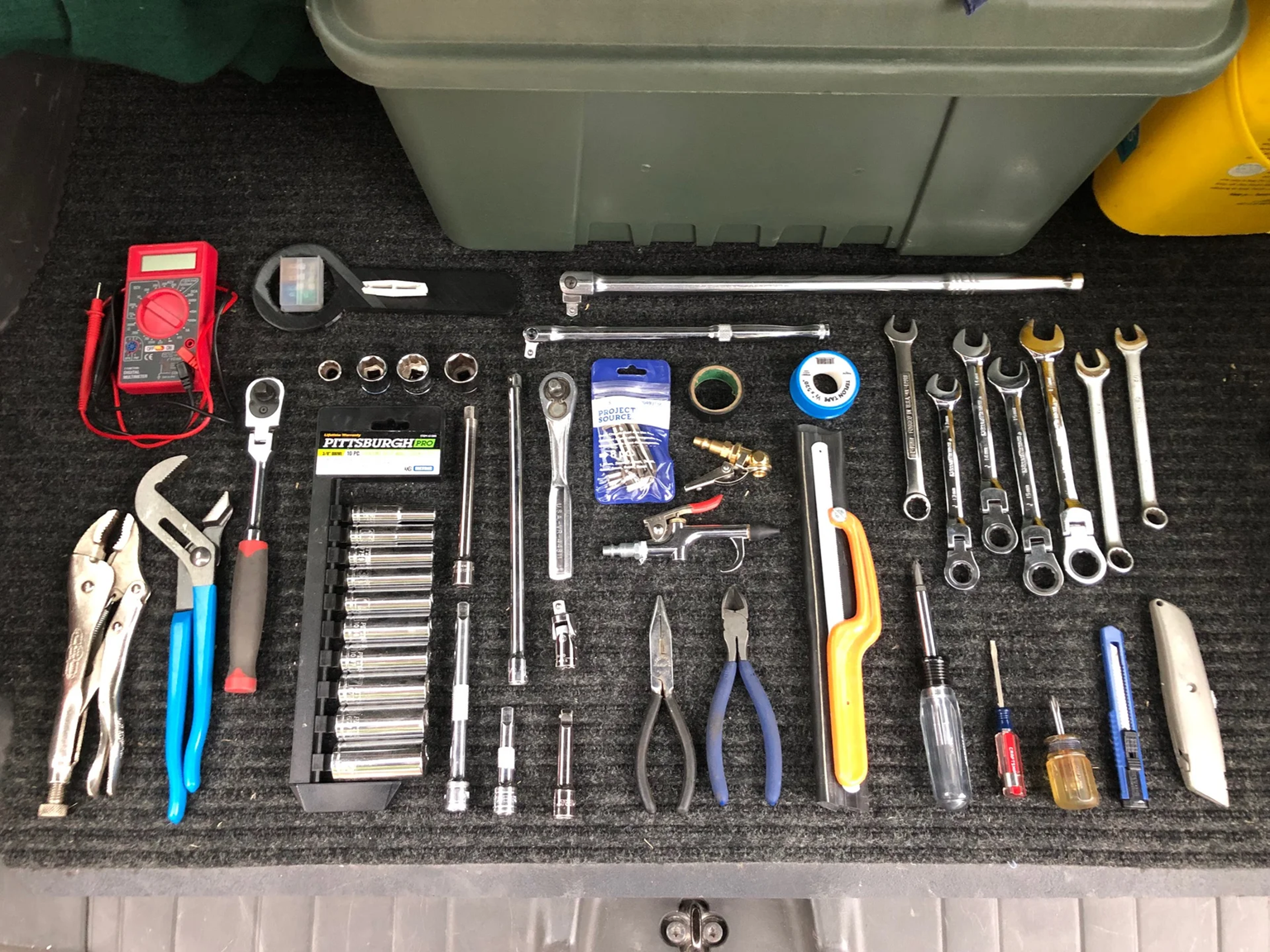
nissantoolkit

Breaking down on State Street or a back road outside Kingsport is no fun. We put together a practical car tool kit so you can face flats, dead batteries, and bad weather with confidence. Everything below fits easily in the trunk of a Camry or the bed of a Tacoma and follows roadside guidance from AAA and safety experts.

Emergency Repairs & Maintenance

A solid auto repair kit starts with the basics. Before you add gadgets, make sure you have a properly inflated spare tire, the factory jack, and a lug wrench that matches your wheel locks. 

Add these items next:

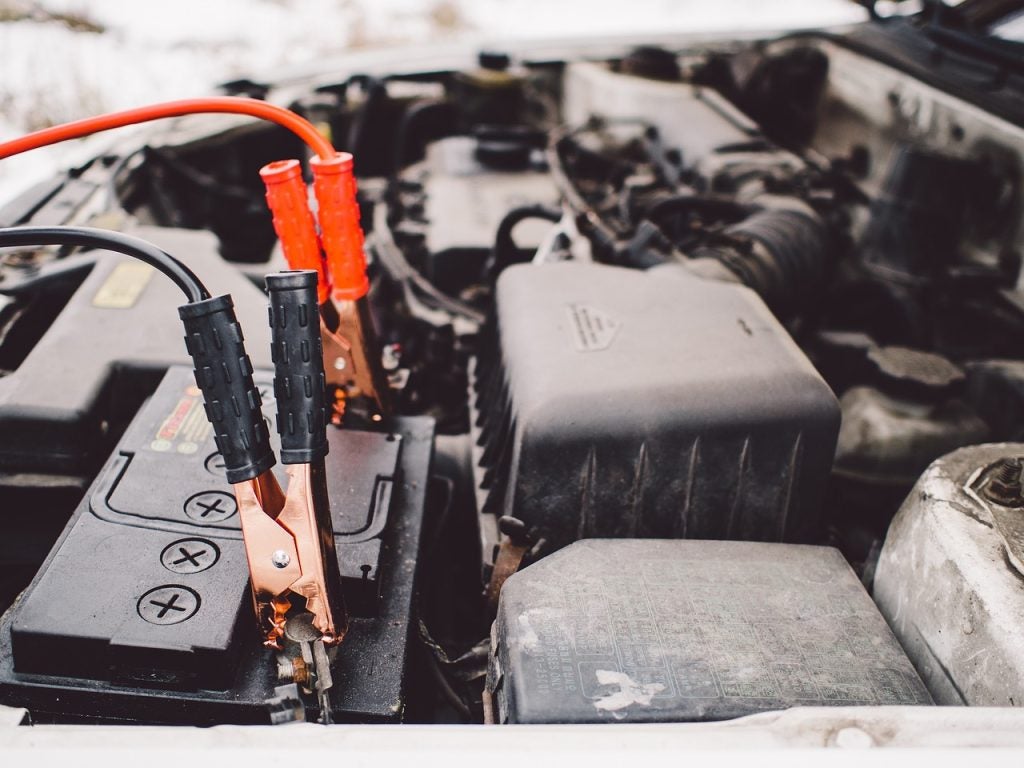
  • Heavy-gauge jumper cables or a lithium jump starter.
  • Portable air compressor plus a plug or sealant kit for punctures.
  • Tire-pressure gauge for a quick check after inflation.
  • Multi-tool or compact socket set for loose clamps and battery terminals.
  • Duct tape, zip ties, work gloves, and an LED flashlight.

Pack those tools in a soft bag so they do not rattle, then slide the bag beside the spare. You will be ready for most roadside fixes in minutes.

Safety & Visibility

Staying seen keeps you safe while you work. Place reflective triangles a few car lengths behind your Toyota, then slip on a high-visibility vest. A small 5-BC extinguisher tackles minor engine or electrical fires, and a stocked first-aid kit handles scrapes. Keep a charged power bank and phone cable close. 

These may not seem like the best car tools at first glance, yet they protect you during any repair.

Winter Weather Gear

East Tennessee winters can drop snow fast along I-81. A folding shovel, ice scraper, and sturdy snow brush can clear packed drifts and glass. Traction boards or a small bag of sand help the drive wheels bite when ice steals grip. Store a thermal blanket, spare gloves, and chemical hand warmers so you stay warm if traffic stalls. Finish with winter-blend washer fluid for clear vision on slushy days.

Everyday Convenience

Long waits go smoother with a few comfort items. Keep a gallon of drinking water, protein bars, paper towels, and trash bags within reach. A 12-volt charger powers maps and music, and a small stash of cash covers tolls where cards fail. Round out your car tool kit with copies of registration, insurance, and emergency contacts in a waterproof pouch.

Keeping Your Kit in Shape

Check tire pressure and battery charge once a month while you top off washer fluid. Rotate snacks and water every season. If you need fresh supplies, our Toyota service center stocks factory jacks, compressors, and other must-have gear. You can also tap into current service specials for discounts on parts that fit your exact model.

Building the right kit is only part of smart car ownership. When you want to upgrade to a truck with built-in in-bed storage, browse our latest Toyota lineup. If a budget-friendly trade suits you better, explore quality pre-owned vehicles that already include many of these safety items.

Ready for the Road Ahead

We keep our own tool kits packed the same way we recommend to you. A few well-chosen pieces save time, money, and stress, and they help you get back on the move without waiting for a tow. Build your kit this week, stow it neatly, and drive with confidence that you carry the best car tools for every trip.

Posted in:

Related Posts

Image-by-StockSnap-from-Pixabay-1024x768

A Step-by-Step Toyota Jumpstart Guide

Toyota of Bristol can answer the emergency question clearly: most gas Toyota vehicles can be jump-started with properly connected jumper cables or a correctly rated jump pack, while Toyota hybrid models must be handled through the 12-volt system and the model-specific jump terminal or battery location described in the owner’s manual. The safe starting point is always the same: inspect the battery area first, connect positive to positive, connect the final negative clamp to a safe ground point, and stop if you see leaking fluid, heavy corrosion, smoke, damaged cables, or warning signs that do not make sense. For a Bristol commuter with a dead battery before work, a jumpstart may get the vehicle moving, but it does not explain why the battery died. For a Kingsport family after a long evening event, the cause may be as simple as an interior light left on. For a Johnson City hybrid owner whose Toyota will not show READY mode, the issue may be a discharged 12-volt battery even though the high-voltage hybrid battery is a different system. This guide explains safe jumpstart steps, Toyota hybrid rules, local battery-drain scenarios, and when our service team recommends a battery test instead of another roadside attempt. Definition: A Toyota jumpstart is a temporary restart procedure that uses an external 12-volt power source to restore enough electrical power for the vehicle to start or enter READY mode. It is an emergency step, not a replacement for battery diagnosis. Schedule Battery Service Table of Contents How to Jumpstart a Toyota Safely, Step by Step Before You Connect Anything: Safety Checks and Tools Jumper Cable Order for Most Gas Toyota Vehicles What to Do After the Toyota Starts Toyota Hybrid Jumpstart Rules: 12V Battery, READY Mode, and What Not to Touch Gas Toyota vs Toyota Hybrid Jumpstart Comparison Hybrid Use Cases: Prius, Camry Hybrid, RAV4 Hybrid, Sienna Hybrid, and Corolla Hybrid Battery Trouble Around Bristol, Kingsport, Johnson City, and Abingdon Local Weather, Short Trips, Events, Road Trips, and Battery Drain Technical Deep Dive: Why the 12V Battery Matters So Much in Toyota Hybrids Ownership Cost Analysis: When a Jumpstart Means You Need Battery Service Key Takeaways Toyota Jumpstart FAQ for Bristol Drivers Can you jumpstart a Toyota hybrid? Where do I connect jumper cables on a Toyota hybrid? What if my Toyota does not start after a jump? Is it safe to use a portable jump starter on a Toyota? Schedule Toyota Battery Service in Bristol, TN How to Jumpstart a Toyota Safely, Step by Step Key Takeaway: A safe Toyota jumpstart starts with inspection, correct cable order, a secure ground point, and a service follow-up if the battery problem repeats. Before You Connect Anything: Safety Checks and Tools The safest jumpstart is the one you do not rush. Before connecting cables, we recommend checking the battery area, cable condition, terminal condition, and vehicle surroundings. A normal dead battery is one thing. A swollen battery case, leaking fluid, burning smell, damaged cable, or heavy corrosion is different. In those situations, do not continue the jumpstart attempt. Call roadside assistance or schedule service. For a Bristol commuter on a cold morning, the pressure to get moving is real. Still, our service team advises taking one full minute to check the basics. Make sure the vehicles are in Park, the parking brakes are set, accessories are off, cables are not tangled near belts or fans, and the booster source is appropriate for a 12-volt automotive battery. Use jumper cables in good condition or a properly rated portable jump starter. Keep clamps away from moving belts, fans, and hot components. Turn off headlights, climate control, audio, and accessories before connecting. Do not jumpstart a battery that is leaking, smoking, frozen, cracked, or badly swollen. Check the owner’s manual before jumpstarting a hybrid Toyota. Situation Safe to Proceed? Recommended Action Best For Battery appears normal but vehicle is dead Usually yes Follow correct jumpstart steps Bristol commuter with a one-time no-start Light corrosion on terminals Pause first Inspect connections and consider service Older Toyota owner with slow starts Battery case is swollen or leaking No Do not jumpstart; call service support Summer heat battery failure Hybrid Toyota will not enter READY mode Manual required Use model-specific 12V jump guidance Johnson City Prius or RAV4 Hybrid owner Jumpstart works but battery dies again Temporary only Schedule battery and charging-system test Elizabethton driver needing repeated jumps Ideal Use Case Proceed only when safe Jump once, then confirm battery health Any Toyota driver with a no-start Based on Toyota official website and Toyota owner manual guidance. Visit Our Service Center Jumper Cable Order for Most Gas Toyota Vehicles For most gas Toyota vehicles with accessible 12-volt battery terminals, the standard cable order is positive first, then ground. Connect one red clamp to the positive terminal on the dead Toyota battery. Connect the other red clamp to the positive terminal on the good battery or approved booster source. Connect one black clamp to the negative terminal on the good battery. Connect the final black clamp to an unpainted metal ground point away from the dead battery. Our service team recommends this order because the final connection should be away from the battery whenever possible. After the clamps are secure, start the assisting vehicle if using another vehicle, let it run briefly, then try to start the Toyota. If the Toyota starts, remove the cables in reverse order and keep the clamps from touching each other. We recommend the following Toyota jumpstart cable order for most gas models: red to the dead battery positive terminal, red to the booster positive terminal, black to the booster negative terminal, and black to a safe metal ground point on the Toyota. If your Toyota has a special jump terminal or the manual gives a different model-specific procedure, follow the manual instead. What to Do After the Toyota Starts A successful jumpstart is not the end of the battery story. Once the Toyota starts, let the vehicle run long enough to stabilize, remove the cables carefully, and avoid shutting it off immediately unless you are safely parked where help is available. If the vehicle struggles, warning lights stay on, the battery light appears, or the engine dies again, we recommend service instead of repeated jumps. For a Kingsport family after an event, a jump may be enough if an interior light drained the battery one time. For an Elizabethton older Toyota owner who needs three jumps in one month, the jumpstart is a symptom, not a fix. Our technicians would check battery health, terminal condition, charging performance, and parasitic draw possibilities. If the Toyota starts, drive carefully and schedule a battery check if the cause is unclear. Repeated jumpstarts can mask a weak battery, charging-system concern, accessory drain, or connection issue. Toyota Hybrid Jumpstart Rules: 12V Battery, READY Mode, and What Not to Touch Key Takeaway: Toyota hybrids can often be restarted after a 12V battery discharge, but drivers must use the correct 12V jump terminal or battery location and never treat the high-voltage hybrid battery like a normal jumpstart point. Gas Toyota vs Toyota Hybrid Jumpstart Comparison A Toyota hybrid jumpstart is different because the goal is usually to restore enough 12-volt power for the vehicle’s computers, electronic key system, and hybrid startup logic to wake up. The high-voltage hybrid battery is not the battery drivers jump with cables. Toyota hybrid manuals commonly direct owners to use a model-specific 12-volt jump terminal or battery connection point, then look for the READY indicator after the system restarts. Jumpstart Topic Gas Toyota Toyota Hybrid Why It Matters Battery involved 12-volt starting battery 12-volt auxiliary battery or designated jump terminal The hybrid high-voltage battery is not the jump point Primary goal Crank and start the engine Power electronics and enter READY mode READY mode confirms the hybrid system is active Connection location Usually battery terminals and ground point Model-specific terminal, fuse box terminal, or battery location Owner’s manual matters more on hybrids What not to touch Damaged battery or unsafe wiring High-voltage hybrid components Hybrid systems require extra caution After success Let vehicle run and test battery Confirm READY, then test 12V battery A weak 12V battery may return as a no-start Ideal Use Case Gas Toyota with one-time dead battery Hybrid Toyota with discharged 12V battery Correct procedure prevents damage and confusion Based on Toyota official website. The key difference between a gas Toyota jumpstart and a Toyota hybrid jumpstart is what the 12-volt battery does. In a gas Toyota, the battery helps crank the engine. In a Toyota hybrid, the 12-volt battery helps power the control systems that allow the hybrid system to enter READY mode. We recommend checking the owner’s manual before connecting anything on a hybrid. Hybrid Use Cases: Prius, Camry Hybrid, RAV4 Hybrid, Sienna Hybrid, and Corolla Hybrid For a Johnson City Prius or Corolla Hybrid owner whose vehicle will not enter READY mode, we recommend treating the 12V battery as the first practical check. If the electronic key is present, the vehicle is in Park, and the display is dark or weak, a discharged 12-volt battery may be the reason the hybrid system cannot wake up. The correct next step is model-specific jump guidance, not touching orange high-voltage cables. For a Bristol RAV4 Hybrid owner, a Camry Hybrid commuter, or a Sienna Hybrid family, the safest rule is to open the owner’s manual and locate the proper jump terminal or 12V battery access point before using cables. Toyota manuals may direct owners to open the hood, remove a fuse box cover, open the exclusive jump-starting terminal cover, and connect the positive clamp to that designated terminal. If your hybrid will not show READY, we recommend checking 12V battery guidance first. If the manual shows an under-hood jump terminal, use that terminal exactly as directed. If warning messages remain after the jump, we recommend service inspection. If the 12V battery dies again soon, we recommend battery testing and replacement evaluation. If you are unsure which terminal is correct, stop and call our service team. Our service center can help Toyota owners separate a simple 12V battery issue from a larger electrical concern. We can test the battery, inspect terminals, review warning messages, and help determine whether the battery needs charging, replacement, or additional diagnosis. Start with our online service scheduler at https://www.toyotaofbristol.com/schedule-service.html, or call 423-764-3155 if your Toyota needed a jump and you do not trust the battery yet. We especially recommend inspection after repeated no-starts, a hybrid READY issue, or a jumpstart that only worked briefly. We would rather check the battery early than have you stranded again in Bristol, Kingsport, Johnson City, Abingdon, Blountville, or Elizabethton. Book a Battery Test Battery Trouble Around Bristol, Kingsport, Johnson City, and Abingdon Key Takeaway: Bristol-area battery failures often show up after cold mornings, summer heat, short trips, event parking, accessory use, or long gaps between drives. Local Weather, Short Trips, Events, Road Trips, and Battery Drain Battery problems are local in a very real way. A driver in Abingdon may notice weak starts during colder mornings. A Bristol commuter may have battery strain after short trips that never give the system much time to recover. A Kingsport family may come back from an event to find an interior light or accessory drained the battery. A Blountville road-trip driver may discover a weak battery the day before leaving. For Toyota drivers around Bristol and the Tri-Cities, we recommend a battery test after any unexplained jumpstart because local driving patterns can hide battery weakness until the worst moment. Cold mornings, summer heat, short trips, and long parking periods can all expose a 12-volt battery that was already near the end of its service life. Local Scenario Battery Risk Driver Profile Recommended Action Bristol cold morning before work Weak battery shows up as a no-start Daily commuter Jump safely, then schedule battery test Kingsport event parking Interior light or accessory drain Family driver Jump once and confirm battery health Johnson City hybrid owner Discharged 12V prevents READY mode Hybrid driver Follow manual and inspect 12V battery Abingdon winter short trips Battery never fully recovers Mountain-road commuter Battery health and charging check Blountville road-trip prep Weak battery discovered before travel Weekend traveler Test battery before leaving Elizabethton repeated no-starts Battery, alternator, or drain concern Older Toyota owner Schedule diagnostic service We invite Toyota drivers from Bristol, Kingsport, Johnson City, Abingdon, Blountville, and Elizabethton to bring battery concerns to us before the next no-start. We can test the battery, inspect terminals, check for corrosion, review charging performance, and help with Toyota Genuine battery replacement when needed. Our Toyota of Bristol Advantage Plan and ToyotaCare support reflect the same goal: help ownership feel less stressful after the sale. Visit us at 3045 W State St, Bristol, TN 37620, start at https://www.toyotaofbristol.com/, or call 423-764-3155 for service help. Tell us what happened before the battery died, and we can help decide whether it was a one-time drain or a warning sign. See Our Advantage Plan Technical Deep Dive: Why the 12V Battery Matters So Much in Toyota Hybrids Key Takeaway: A Toyota hybrid can feel completely dead when the 12V battery is discharged because the vehicle needs 12-volt power to wake up the electronics and enter READY mode. The most common hybrid misunderstanding is thinking the high-voltage hybrid battery is the battery being jumped. It is not. The driver-accessible emergency jump procedure is about the 12-volt system. That system supports computers, relays, locks, displays, and the startup sequence that lets the hybrid system become active. That is why a Prius, RAV4 Hybrid, Camry Hybrid, Corolla Hybrid, Highlander Hybrid, or Sienna Hybrid can appear dead even when the hybrid battery itself is not the issue. A weak 12V battery can create confusing symptoms such as dim lights, no READY indicator, key detection trouble, or warning messages. We recommend taking those symptoms seriously instead of repeatedly jumping the vehicle and hoping they disappear. For a Blountville road-trip driver carrying a portable jump pack, the safest approach is preparation. Keep the jump pack charged, store it according to the manufacturer’s instructions, and confirm the correct Toyota jump terminal before the trip. If you cannot identify the correct 12V connection point, call service support rather than experimenting. Ownership Cost Analysis: When a Jumpstart Means You Need Battery Service Key Takeaway: One jumpstart may solve a simple drain, but repeated jumps, slow cranking, corrosion, warning lights, or quick battery failure after a jump mean the Toyota needs service. A jumpstart should be treated as temporary help. If the battery died because a light stayed on once, the fix may be simple. If the Toyota needs repeated jumps, starts slowly, shows warning lights, or loses power again shortly after running, we recommend testing instead of guessing. Battery age, terminal corrosion, loose connections, charging-system concerns, and accessory drain can all create no-start patterns. Warning Sign Possible Cause Recommended Service Step Ideal Use Case One-time dead battery Accessory or light left on Battery test if cause is unclear Kingsport family after event parking Slow cranking Weak 12V battery Battery health test Bristol commuter Repeated jumpstarts Failing battery or charging concern Battery and charging-system inspection Elizabethton older Toyota owner Corrosion at terminals Poor connection or battery aging Terminal inspection and battery review Abingdon short-trip driver Hybrid no READY after jump 12V battery or system concern Diagnostic inspection Johnson City hybrid owner Ideal Use Case Prevent repeat no-starts Test before replacing parts blindly Any Toyota driver after a jumpstart For long-term ownership, we recommend documenting when the battery died, how old the battery is, whether accessories were left on, and whether the Toyota started normally afterward. ToyotaCare includes a no-cost maintenance plan for new Toyota vehicles for 2 years or 25,000 miles, whichever comes first, and 24-hour roadside assistance for 2 years with unlimited miles. Our service team can help with battery testing, Toyota Genuine replacement batteries, and multi-point inspections. Review ToyotaCare Support Key Takeaways Most Toyota jumpstarts use 12-volt power, correct cable order, and a safe ground point. Toyota hybrids rely on the 12V battery to wake up electronics and enter READY mode. Never jump a Toyota hybrid using high-voltage hybrid components. Repeated jumpstarts, slow cranking, corrosion, or warning lights mean service is needed. Bristol-area weather, short trips, and event parking can expose weak Toyota batteries. Toyota Jumpstart FAQ for Bristol Drivers Can you jumpstart a Toyota hybrid? A Toyota hybrid can often be restarted when the 12-volt battery is discharged, but it must be done through the model-specific 12V jump procedure. We recommend using the owner’s manual before connecting cables because many hybrids use an under-hood jump terminal or specific battery access point. The goal is to get the Toyota into READY mode, not to jump the high-voltage hybrid battery. Where do I connect jumper cables on a Toyota hybrid? The correct connection point depends on the model. Some Toyota hybrids use an exclusive under-hood jump-starting terminal inside the fuse box area, while others may have different access instructions. We recommend opening the owner’s manual and following the exact terminal and ground-point directions for your vehicle. If the correct point is unclear, call our service team before connecting cables. What if my Toyota does not start after a jump? If your Toyota does not start after a jump, stop repeated attempts and check for loose clamps, poor ground connection, corrosion, battery damage, or warning messages. A gas Toyota may have a weak battery, starter concern, or charging issue. A hybrid Toyota may have a 12V battery or system concern that prevents READY mode. We recommend service inspection before the next attempt causes more trouble. Is it safe to use a portable jump starter on a Toyota? A portable jump starter can be safe when it is properly rated, charged, connected correctly, and used according to both the jump pack instructions and the Toyota owner’s manual. We recommend keeping the jump pack away from heat, checking clamp polarity carefully, and stopping if the battery appears damaged. Hybrid owners should confirm the correct 12V terminal before using any booster pack. Schedule Toyota Battery Service in Bristol, TN We are here to help when your Toyota needs a jump, starts slowly, will not enter READY mode, or keeps losing 12-volt power. Visit us at 3045 W State St, Bristol, TN 37620, or call 423-764-3155 so our service team can test the battery, inspect connections, and check related systems. We serve drivers from Bristol, Kingsport, Johnson City, Abingdon, Blountville, Elizabethton, and nearby Tri-Cities communities. Our Toyota of Bristol Advantage Plan and ToyotaCare support help make ownership easier after the sale. If your Toyota needed a jump and the cause is not obvious, schedule service before the next no-start. Schedule Toyota Battery Help

cracked-windshield-1024x683

Is a Cracked Windshield Dangerous? Here’s Why You Shouldn’t Ignore It

Toyota of Bristol can answer this directly: a cracked windshield can be dangerous because it can reduce driver visibility, weaken the glass structure, affect rollover protection, interfere with airbag deployment paths, and create problems for camera-based safety systems on modern Toyota vehicles. For a Bristol commuter driving I-81 with a crack spreading across the driver’s sightline, we recommend treating the damage as a safety issue instead of a cosmetic annoyance. A crack that looks small in the driveway can become more distracting at night, in rain, or when sunlight hits the glass at an angle. We also want Toyota drivers to think about the technology behind the windshield. Many current Toyota models use Toyota Safety Sense features that depend on cameras, radar, and accurate system calibration. If the windshield is damaged near the camera area or replaced without the correct follow-up steps, the concern is not only the glass. The concern is whether the vehicle’s safety systems can read the road the way they were designed to read it. In this updated guide, we cover visibility, windshield structure, Toyota Safety Sense, camera recalibration, repair versus replacement, and the local reasons Bristol, Kingsport, Johnson City, Abingdon, Blountville, and Elizabethton drivers should act early. Definition: A cracked windshield is damaged laminated safety glass that may affect visibility, vehicle structure, airbag support, and advanced driver-assistance camera function. For drivers in Bristol and nearby Tri-Cities communities, windshield damage should be inspected before it spreads or interferes with safe driving. Schedule Windshield Inspection Table of Contents Why a Cracked Windshield Is a Real Safety Issue Visibility, Glare, and Driver Sightlines Structural Support, Roof Strength, and Airbag Deployment Small Chips, Spreading Cracks, and When Damage Becomes Urgent Toyota Safety Sense, ADAS Cameras, and Windshield Recalibration How Toyota Windshield Cameras Support Safety Features Repair, Replacement, and Recalibration Decision Guide Cracked Windshield Risks for Bristol, Kingsport, Johnson City, and Abingdon Drivers Local Weather, Road Debris, Mountain Grades, and Commuting Routes Safety Engineering Detail: Why Windshield Damage Can Affect More Than the Glass Contrarian Insight: Why Waiting Can Cost More Than an Early Inspection Key Takeaways Cracked Windshield and Toyota Safety Sense FAQ for Bristol Drivers Is it safe to drive with a cracked windshield? Can a cracked windshield affect Toyota Safety Sense? Does a Toyota need camera recalibration after windshield replacement? Should I repair or replace a small windshield chip? Schedule Toyota Windshield Safety Service in Bristol, TN Why a Cracked Windshield Is a Real Safety Issue Key Takeaway: A cracked windshield matters because it can affect what the driver sees, how the vehicle structure performs, and how quickly a minor chip becomes a major repair. Visibility, Glare, and Driver Sightlines The first safety concern is simple: the driver has to see clearly. A crack can bend light, create glare, distract the eye, and make night driving more difficult. That is especially important for Bristol drivers commuting on I-81, where traffic speed, headlights, rain, and road spray can make a small crack feel much more intrusive than it looked during the day. Based on what our service team sees, we recommend immediate inspection when damage sits in the driver’s direct line of sight, reaches across a large section of glass, or reflects light in a way that pulls attention from the road. For a Bristol commuter who drives early mornings or evenings, a crack across the sightline is not a small issue. It is a visibility problem that can reduce reaction time when traffic suddenly slows. A crack in the driver’s sightline deserves faster attention than a chip near the edge of the passenger side. Night glare can make windshield damage more distracting than it appears during daylight. Rain, fog, and road spray can make cracks harder to ignore during Tri-Cities commutes. Damage near the windshield-mounted camera area should be treated as a technology concern, not only a glass concern. Damage Type Main Safety Concern Recommended Next Step Ideal Use Case Small chip away from driver sightline May spread if ignored Inspect promptly to see if repair is possible Kingsport parent after road debris impact Short crack in lower glass May grow with vibration and temperature changes Schedule inspection before the crack spreads Elizabethton commuter with daily road vibration Crack in driver sightline Visibility loss and glare distraction Service inspection as soon as possible Bristol driver using I-81 at night Edge crack Higher structural concern Likely replacement review Abingdon driver on rough rural routes Damage near camera area Possible Toyota Safety Sense concern Confirm ADAS inspection and calibration needs Johnson City Toyota owner with Safety Sense Spreading crack Worsening visibility and repair urgency Do not delay inspection Blountville road-trip driver preparing for travel Based on Toyota official website and Toyota service guidance. Visit Our Toyota Service Center Structural Support, Roof Strength, and Airbag Deployment A windshield is not just a window. It is part of the vehicle’s safety design, and it helps support visibility, cabin integrity, and the way certain safety systems function. AAA notes that windshield damage can compromise driver vision and that the windshield helps support the roof in a rollover. That is why our technicians do not treat windshield damage as a harmless cosmetic issue. Our service team advises Bristol-area drivers to take windshield damage seriously when the crack is long, spreading, located near the edge, or connected to any other impact damage. The windshield also works with airbag deployment paths in many vehicles, which means a weakened or improperly installed windshield can create concerns beyond the glass itself. For a family vehicle carrying kids through Johnson City traffic, that is enough reason to get the damage checked early. For a Toyota owner, the safest approach is practical and direct: do not guess from the driver’s seat. If the glass damage affects sightlines, structure, or sensor areas, we recommend inspection before more driving, especially before highway trips, mountain routes, or bad-weather commutes. Small Chips, Spreading Cracks, and When Damage Becomes Urgent Small windshield chips deserve attention because they do not always stay small. Temperature changes, road vibration, moisture, and another rock strike can turn a repairable chip into a crack that requires replacement. AAA warns that even minor chips and cracks can grow, especially with extreme weather and rapid temperature changes. For a Kingsport parent who notices a chip after a school commute, we recommend inspection while the damage is still small enough to evaluate. For an Abingdon driver dealing with mountain-road vibration and colder mornings, waiting can allow the crack to expand across the glass. The location of the damage matters as much as the size. A small chip near the driver’s view or camera area may be more urgent than larger damage in a less sensitive location. Our recommendation is simple: if the crack is spreading, in your direct view, near the edge, near a camera, or connected to a recent impact, schedule service quickly. The repair decision gets easier when the damage is inspected early. Toyota Safety Sense, ADAS Cameras, and Windshield Recalibration Key Takeaway: On modern Toyota vehicles, windshield damage can affect more than glass because Toyota Safety Sense features may depend on a forward-facing camera and correct calibration. How Toyota Windshield Cameras Support Safety Features Toyota Safety Sense is a suite of active safety and driver-assistance technologies. Toyota materials describe TSS 3.0 as using an upgraded forward-facing camera with higher resolution and wider angles, along with an improved radar sensor. Toyota Parts & Service also explains that advanced driver assistance systems require the right repair procedures, including calibration when needed. The key point for Toyota owners is that the windshield is part of the camera’s working environment. If glass is cracked, replaced, contaminated, or not aligned correctly near the camera area, a safety system that depends on road-reading accuracy may need professional attention. We recommend that drivers ask about Toyota Safety Sense camera inspection and calibration whenever windshield replacement is involved. Toyota Safety Feature Why the Windshield Area Matters Possible Driver Concern Best For Pre-Collision System Uses forward sensing to help detect certain hazards Camera obstruction or calibration concern after glass work Drivers in stop-and-go Bristol traffic Lane Departure Alert Depends on lane visibility and forward camera input Lane markings may not be read as intended if the camera area is affected I-81 and I-26 commuters Lane Tracing Assist Uses road and lane information when active Incorrect camera aim can affect system support Johnson City highway drivers Automatic High Beams Uses forward detection for light control Dirty, cracked, or misaligned glass may create issues Abingdon and rural-route night drivers Road Sign Assist Relies on forward camera recognition where equipped Glass or camera concerns may affect sign reading Drivers moving between Tennessee and Virginia routes Ideal Use Case Correct camera view and calibration Confirm after windshield replacement or camera-area damage Toyota owners with Safety Sense equipped vehicles Based on Toyota official website. What most buyers do not realize is that a windshield replacement on a Toyota with camera-based driver assistance is not only a glass job. The system may need calibration so the forward camera is aimed and reading correctly. We recommend documenting warning messages, asking whether calibration is required, and confirming the repair path before assuming the vehicle is finished. Repair, Replacement, and Recalibration Decision Guide The right next step depends on the size, location, depth, and spread of the windshield damage. It also depends on whether the damage is near the camera area or whether the windshield has already been replaced. For a Johnson City Toyota owner with Safety Sense, a replacement windshield should raise one immediate question: has the camera system been inspected and recalibrated according to the repair requirements for that vehicle? Based on our service experience, we recommend early inspection for small chips and faster action for cracks that affect sightlines, edges, spreading areas, or camera zones. Repair may be possible for some small chips, but replacement becomes more likely when the damage is long, deep, spreading, in the driver’s view, or located where repair would not restore safe visibility and structure. Situation Repair May Fit Replacement May Fit Calibration Question Recommended Action Ideal Use Case Small chip outside driver sightline Possible after inspection Less likely if damage is stable Usually not if glass is not replaced Inspect early Kingsport school commute Crack across driver view Less likely More likely Ask if Safety Sense camera is involved Do not delay Bristol highway commute Edge crack Less likely More likely Required if windshield is replaced on equipped models Schedule professional review Abingdon rough-road driver Damage near camera bracket Depends on damage Possible Yes, confirm calibration needs Ask for ADAS-aware service guidance Johnson City Toyota SUV owner Windshield already replaced Not applicable Completed if correct glass installed Confirm calibration was completed if required Check documentation and warning messages Elizabethton used Toyota buyer Ideal Use Case Small stable damage Structural, sightline, or camera-zone damage Any ADAS-equipped Toyota after windshield replacement Inspect before the problem spreads Tri-Cities family vehicle Based on Toyota official website. Book Toyota Safety Service Our service center can help you decide what type of inspection your Toyota needs after windshield damage. We can check the vehicle, review warning messages, discuss Toyota Safety Sense concerns, and help you understand whether glass replacement, calibration, or another repair path should be part of the plan. Start with our online service scheduler at https://www.toyotaofbristol.com/schedule-service.html, or call our service team at 423-764-3155 if the crack is spreading, sits in your line of sight, or is near the camera area. We also recommend telling us whether the vehicle has already had glass work performed somewhere else. That detail helps us ask better questions and avoid treating a modern safety-system concern like an old-school windshield-only repair. Talk With Our Service Team Cracked Windshield Risks for Bristol, Kingsport, Johnson City, and Abingdon Drivers Key Takeaway: Bristol-area driving can make windshield cracks worse because local drivers face interstate debris, seasonal rain, temperature swings, and mountain-road vibration. Local Weather, Road Debris, Mountain Grades, and Commuting Routes Windshield damage is especially frustrating in the Tri-Cities because local driving mixes highway speed with changing weather. A driver traveling between Bristol and Kingsport on I-81 may deal with kicked-up gravel from traffic. A Johnson City commuter may see glare and rain in the same week. An Abingdon driver may deal with colder mornings, rougher backroads, and elevation changes that add vibration to already-stressed glass. For Bristol and Southwest Virginia drivers, we recommend checking windshield damage quickly because the local mix of I-81 debris, seasonal rain, mountain-road vibration, and temperature swings can turn a small chip into a larger visibility and safety concern. That is especially true before family road trips, night driving, or long highway commutes. Local Condition Windshield Risk Driver Profile Recommended Action I-81 traffic near Bristol Rock chips and high-speed debris Daily commuter Inspect chips before they spread Kingsport to Bristol school and work routes Repeated vibration and glare Parent driver Check driver sightline damage quickly Johnson City highway driving Longer exposure to rain and road spray Hybrid or SUV owner Watch for cracks that distort vision Abingdon mountain roads Temperature swings and rougher surfaces Outdoor driver Do not ignore edge cracks Blountville family travel Cracks worsen before road trips Road-trip family Schedule inspection before travel Elizabethton early morning drives Cold glass stress and changing light First-time Toyota owner Ask if repair is still possible We invite drivers from Bristol, Kingsport, Johnson City, Abingdon, Blountville, and Elizabethton to bring windshield concerns to our team before the damage becomes harder to address. We can help review visibility, Toyota Safety Sense concerns, service history, and any warning lights that appeared after glass work. Our Toyota of Bristol Advantage Plan reflects the same idea we use in service every day: ownership should feel supported after the sale, not confusing. You can visit us at 3045 W State St, Bristol, TN 37620, call 423-764-3155, or start at https://www.toyotaofbristol.com/ when you need help deciding the next step. We would rather inspect a small concern early than have a driver wait until the windshield creates a bigger safety or technology problem. View Our Advantage Plan Safety Engineering Detail: Why Windshield Damage Can Affect More Than the Glass Key Takeaway: The windshield works with visibility, body structure, airbags, and camera-based safety systems, so damage in the wrong location can matter even when the vehicle still drives normally. The windshield is laminated safety glass, which means it is designed to help stay together better than ordinary glass after an impact. That design helps protect occupants from loose glass, but it does not mean cracks are harmless. A crack can weaken the glass, distort the driver’s view, and create a stress path that spreads under vibration or temperature change. Modern Toyota vehicles add another layer: the camera area near the top center of the windshield. Toyota collision repair material identifies the forward recognition camera as a key element in many Toyota Safety Sense systems. That is why our technicians pay close attention to camera location, glass condition, warning messages, and any customer report that a safety feature behaves differently after damage or replacement. For an Elizabethton first-time Toyota owner, the best move is not to decide from online photos alone. We recommend scheduling an inspection if the chip is near the camera area, if a warning message appears, or if the windshield was replaced and the calibration paperwork is unclear. The vehicle may feel normal, but camera aim and driver-assist performance require the right procedure. Contrarian Insight: Why Waiting Can Cost More Than an Early Inspection Key Takeaway: Waiting on windshield damage can turn a simple inspection into a larger repair because cracks can spread, reduce repair options, and add ADAS calibration questions. Some drivers wait because the crack is small. We understand that instinct, but our recommendation is the opposite: check it early so you have more options. A chip that can be evaluated quickly may be easier to address than a crack that has stretched across the glass after a week of highway vibration, cold mornings, and rain. If you drive daily on I-81, we recommend inspection after the first chip because road vibration can spread damage. If the crack crosses your sightline, we recommend service review before night driving because glare can make the problem worse. If your Toyota has Safety Sense and the damage is near the camera area, we recommend asking about ADAS inspection needs. If you are planning a family trip from Blountville or Elizabethton, we recommend handling windshield damage before packing the vehicle. For a Blountville road-trip driver, early action can protect visibility and avoid a stressful last-minute replacement. For a Johnson City Toyota owner with driver-assistance features, early action also gives time to confirm whether calibration belongs in the repair plan. That is why waiting can be the more expensive choice, even when the crack starts small. Key Takeaways A cracked windshield can affect visibility, structure, airbag support, and Toyota Safety Sense camera function. Cracks in the driver’s sightline, edge cracks, spreading cracks, and camera-area damage deserve fast inspection. Windshield replacement on Toyota models with camera-based safety systems may require calibration. Bristol-area road debris, rain, temperature swings, and mountain routes can make cracks spread faster. Early inspection gives Toyota owners better repair, replacement, and safety-system guidance. Cracked Windshield and Toyota Safety Sense FAQ for Bristol Drivers Is it safe to drive with a cracked windshield? A cracked windshield may be unsafe when it blocks the driver’s view, creates glare, spreads across the glass, sits near the edge, or affects a camera area. We recommend service inspection instead of guessing, especially for Bristol drivers using I-81 or driving at night. A small chip outside the sightline may be less urgent than a long crack, but it can still spread and become more serious. Can a cracked windshield affect Toyota Safety Sense? A cracked windshield can affect Toyota Safety Sense if the damage interferes with the forward-facing camera area or if replacement glass changes camera alignment without proper calibration. Toyota Safety Sense features depend on correct sensing and clear forward recognition. Our service team advises Toyota owners to ask about camera inspection when damage is near the mirror area, when warning messages appear, or after windshield replacement. Does a Toyota need camera recalibration after windshield replacement? Many Toyota models with camera-based driver assistance may require calibration after windshield replacement. The exact requirement depends on model, equipment, repair procedure, and system design. We recommend confirming calibration before considering the job complete, especially on Toyota vehicles with Toyota Safety Sense. For a Johnson City or Kingsport driver, this matters because lane and collision-assist features need correct camera aim to support the driver properly. Should I repair or replace a small windshield chip? A small windshield chip may be repairable if it is stable, limited, and away from critical sightlines or camera areas, but replacement may be needed if the damage spreads, reaches the edge, or affects driver visibility. We recommend early inspection because time, vibration, moisture, and temperature swings can reduce repair options. Bristol-area drivers should act before the chip turns into a longer crack. Schedule Toyota Windshield Safety Service in Bristol, TN We are here to help you decide what your cracked windshield means for safe driving, Toyota Safety Sense, and your next service step. Visit us at 3045 W State St, Bristol, TN 37620, or call 423-764-3155 to talk with our service team. We support Toyota drivers from Bristol, Kingsport, Johnson City, Abingdon, Blountville, Elizabethton, and nearby Tri-Cities communities. Our Toyota of Bristol Advantage Plan and ToyotaCare support help make ownership clearer after the sale. If the crack is spreading, blocking your view, or close to the camera area, schedule service before the problem becomes harder to correct. Schedule Toyota Service Now

coilpack

Can a Bad Coil Pack Cause a Car to Not Start?

Toyota Service Guide Can a Bad Coil Pack Cause a Car to Not Start? Yes. A bad coil pack can cause a car not to start if the ignition system cannot deliver the spark needed to ignite the air-fuel mixture. However, one weak coil does not always create an immediate no-start. It may first cause rough idle, misfires, hard starts, hesitation, or a check engine light. Schedule Toyota Service Visit Our Service Center Quick Answer A bad ignition coil can prevent your Toyota from starting when spark delivery becomes weak or stops completely. If only one coil is failing, the vehicle may still start but run poorly. If multiple coils fail, or if the engine has a true no-spark condition, your Toyota may crank but not start. Key Takeaways for Bristol Drivers A Coil Pack Creates Spark The ignition coil converts low battery voltage into the high voltage needed to fire the spark plugs. One Bad Coil May Still Start A single weak coil often causes rough running, misfires, hesitation, or hard starts before a full no-start. Diagnosis Matters Battery, starter, spark plug, and coil-pack symptoms can overlap, so guessing can lead to unnecessary repairs. Table of Contents How a Bad Coil Pack Can Stop Your Toyota From Starting Coil Pack Symptoms vs Battery, Starter, and Spark Plug Problems Warning Signs Before a True No-Start Who Should Schedule Service Right Away? What Toyota Technicians Check During Diagnosis Toyota Coil Pack FAQ How a Bad Coil Pack Can Stop Your Toyota From Starting Your Toyota’s ignition coil is part of the system that creates spark. The battery supplies low-voltage power, the ignition coil steps that voltage up, and the spark plug uses that power to ignite the air-fuel mixture inside the engine. When that spark is weak, inconsistent, or missing, the engine may misfire, crank longer than normal, or fail to start. For a Bristol driver, the key difference is how the vehicle behaves when you try to start it. A battery problem often makes the engine crank slowly or creates clicking sounds. A starter problem may keep the engine from turning over normally. A coil-pack issue can allow the engine to crank normally, but the engine may not fire because spark is not reaching the combustion process correctly. Here is the basic sequence: The battery supplies low-voltage power. The ignition coil increases that voltage. The spark plug uses that voltage to create spark. The engine ignites the air-fuel mixture. If spark is weak or missing, the engine may crank but not start. Ignition Situation What Usually Happens No-Start Risk Recommended Next Step Healthy ignition coils and spark plugs Engine starts and runs normally. Low Continue routine maintenance. One weak ignition coil Rough idle, hesitation, misfire, or hard start. Moderate Schedule an ignition inspection soon. Multiple failed ignition coils Severe misfire, poor running, or crank-no-start. High Schedule diagnosis right away. Full no-spark condition Engine cranks but does not fire. Very high Book no-start diagnosis immediately. Coil Pack Symptoms vs Battery, Starter, and Spark Plug Problems No-start symptoms can be confusing because several systems work together when a vehicle starts. The coil pack is only one possibility. That is why a proper diagnosis should compare ignition, battery, starter, and spark plug clues before replacing parts. Problem Type Typical Clue What You May Notice Best Action Bad coil pack Weak or missing spark Misfires, rough idle, hard starts, hesitation, or crank-no-start. Ignition-system diagnosis. Bad battery Low available power Clicking, slow cranking, dim lights, or weak electrical response. Battery and charging-system test. Bad starter Engine does not turn over properly No crank, intermittent crank, or unusual starting noise. Starting-system diagnosis. Worn spark plugs Weak or inconsistent combustion spark Hard starts, reduced performance, poor fuel economy, or misfire symptoms. Spark plug and ignition inspection. Unknown no-start Symptoms overlap The vehicle simply will not start or starts inconsistently. Professional diagnostic appointment. The most important difference is that coil-pack issues often show up with drivability symptoms before a total no-start. If your Toyota has been running rough, shaking at idle, hesitating, or displaying a check engine light, the ignition system should be checked before the issue leaves you stranded. Warning Signs Before a Toyota Becomes a True No-Start A failing ignition coil does not always fail all at once. Many Toyota drivers see warning signs first, especially during cold starts, acceleration, or stop-and-go driving around Bristol, Kingsport, Johnson City, and Abingdon. Rough idle at stoplights. Hard starts or longer cranking time. Engine hesitation when accelerating. Misfire feeling under load. Reduced power or poor throttle response. Check engine light, especially with misfire symptoms. Fuel economy drop. Crank-no-start condition. If these symptoms appear together, the issue should be inspected soon. Driving with a misfire can create more stress on related components, and waiting until the vehicle fully refuses to start can make the repair more inconvenient. Who Should Schedule Toyota Service Right Away? Some drivers can monitor early symptoms briefly, but others should schedule service quickly. If your Toyota already cranks but does not start, it is time for immediate diagnosis. If your check engine light is on with rough running, hard starts, or misfire symptoms, do not wait for the issue to become a full no-start. Driver Situation Why It Matters Recommended Action Bristol commuter with crank-no-start The issue has already moved beyond a minor warning sign. Schedule no-start diagnosis immediately. Kingsport driver with rough idle and check engine light Misfire symptoms may point to ignition-system trouble. Book an ignition inspection soon. Johnson City used-car owner with hard starts Ignition, battery, and starter symptoms can overlap. Request a full starting-system diagnosis. Abingdon family driver before a road trip Small ignition symptoms can become more disruptive while traveling. Inspect the issue before leaving town. What Toyota Technicians Check During a No-Start Diagnosis When your Toyota comes into Toyota of Bristol with a no-start concern, our service team does not assume the coil pack is the only possible cause. A good diagnosis looks at the complete starting and ignition picture. Depending on the symptoms, technicians may review: Whether the engine cranks normally. Battery condition and available voltage. Starter operation. Ignition coil performance. Spark plug condition. Misfire-related diagnostic codes. Related wiring or connector concerns. Recent symptoms, including rough idle or hard starts. This matters because replacing a coil pack without confirming the root cause can miss a battery, starter, spark plug, or wiring issue. The goal is not just to get the vehicle started once. The goal is to fix the correct issue so the problem does not return. Schedule Toyota No-Start Diagnosis in Bristol, TN If your Toyota is hard-starting, misfiring, rough-idling, or refusing to start, Toyota of Bristol can help. Our service center at 3045 W State St serves drivers from Bristol, Kingsport, Johnson City, Abingdon, Blountville, and nearby Tri-Cities communities. Schedule Service View Service Specials Toyota Coil Pack and No-Start FAQ Can one bad coil pack keep a Toyota from starting? Yes, but not always. One weak coil often causes rough running, misfires, or hard starts first. A complete no-start is more likely when multiple coils fail or when spark loss becomes severe enough that the engine cannot ignite the air-fuel mixture. What are the signs of a bad ignition coil? Common signs include rough idle, misfires, hard starts, hesitation, reduced power, poor fuel economy, and a check engine light. Some symptoms may appear before the vehicle fully refuses to start. How can I tell if the problem is the coil pack or the battery? A battery issue often causes slow cranking, clicking, dim lights, or weak electrical behavior. A coil-pack issue often appears as misfires, rough idle, hard starts, or a crank-no-start where the engine turns over but does not fire. Can bad spark plugs feel like a bad coil pack? Yes. Spark plugs and ignition coils work together, so worn spark plugs can create symptoms that overlap with coil-pack problems. That is why both should be inspected during an ignition diagnosis. Should I keep driving with a suspected bad coil pack? It is better to schedule service soon. Driving with misfires or rough-running symptoms can make the problem worse and may increase the risk of a no-start. Where can I schedule Toyota ignition diagnosis near Bristol? You can schedule service with Toyota of Bristol at 3045 W State St in Bristol, TN. The service center works with Toyota drivers from Bristol, Kingsport, Johnson City, Abingdon, Blountville, and nearby communities.