

Blog / Toyota of Bristol Service

Blog

All Toyota of Bristol Service New Toyota Cars Bristol Toyota Dealer Bristol Toyota Service Bristol Used Cars
How to Check Your Toyota for Open Recalls: A Bristol Owner's Guide

How to Check Your Toyota for Open Recalls: A Bristol Owner's Guide

What You Need Before Checking Your Toyota Recall Status To check a Toyota for open safety recalls, find the 17-character VIN, which NHTSA says is on the lower left of the windshield, and enter it in NHTSA's Check for Recalls tool or in Toyota's recall lookup. If either tool shows an open recall, schedule the repair with a Toyota dealer, because Toyota states that safety recall repairs are performed at no charge to the vehicle owner. A result showing no open recalls covers only the recalls already identified for that VIN, so repeat the check periodically. Toyota of Bristol wrote this guide for owners across the Tri-Cities who want a clear, step-by-step way to check a vehicle, whether it is a new purchase, a used vehicle from a private seller, or a family vehicle that has been in the driveway for years. We draw the process from NHTSA and Toyota, the two primary sources for recall information, and we do not make any statement about whether a particular vehicle has an open recall, because only a VIN lookup can answer that. This article covers where to find your VIN, how the NHTSA and Toyota lookups differ, what each result means, what the lookups do not show, what to do if a recall is open, and how to set up alerts so you do not have to remember to check. It is general education and not a diagnosis of any specific vehicle. For a specific vehicle, the lookup and the recall notice are the authoritative sources, and our service team can help you act on them. Definition: A vehicle safety recall is an action in which a manufacturer addresses a safety defect or a failure to meet a federal safety standard in a vehicle or its equipment. The manufacturer must remedy the problem through repair, replacement, a refund, or, in rare cases, repurchase. For owners in the Bristol, TN area, a recall check is done by VIN, and any resulting repair is scheduled with an authorized dealer. Table of Contents How to Check a Toyota for Open Recalls What to Do If Your Toyota Has an Open Recall Local Authority: Why Recall Checks Matter in the Tri-Cities Service and Ownership Implication: When to Check and Why Twice a Year Technology Walkthrough: Alerts and Records That Keep You Informed Key Takeaways Frequently Asked Questions About Toyota Recalls in Bristol, TN How to Check a Toyota for Open Recalls Key Takeaway: You can check any Toyota for open recalls in a few minutes with its 17-character VIN, and we recommend running both NHTSA's lookup and Toyota's. Find Your VIN and Run the Lookup Start with the VIN, because every reliable recall lookup depends on it. NHTSA says the 17-character vehicle identification number is on the lower left of the windshield, and it also appears on your registration card and may appear on your insurance card. Copy it carefully, because a single wrong character returns a different vehicle or no result. A photograph of the windshield VIN stored on your phone is a useful backup. Find the 17-character VIN on the lower left of the windshield, on your registration card, or on your insurance card if it is listed there. Open NHTSA's Check for Recalls tool or Toyota's recall lookup and enter the VIN. Read the result. NHTSA shows open recalls as needing repair, or displays "0 unrepaired recalls associated with this VIN." Toyota shows one of three messages, which are covered in the results section below. If a recall is open, schedule the repair with a Toyota dealer. Toyota's lookup includes a Find A Dealer button for this. Keep a record of the VIN, the date you checked, and the result, so you know when to check again. Both tools accept a VIN, and both also accept a license plate. We recommend the VIN. NHTSA notes that license plate results come from state DMV records and may show a previous owner's vehicle, which is a real risk when you have recently bought a used vehicle or when plate records have not been updated. NHTSA's Check for Recalls tool and Toyota's recall lookup both accept a 17-character VIN, and NHTSA recommends the VIN over a license plate because plate results may show a previous owner's vehicle. A result of "0 unrepaired recalls associated with this VIN" from NHTSA, or Toyota's message that there are no recalls for the vehicle at this time, means no open recall is currently listed for that VIN. It does not cover recalls that have not yet been identified for the VIN, and NHTSA lists several other exclusions. NHTSA and Toyota Lookups Compared Because the two lookups answer the same question from different sources, we suggest running both when the decision matters, such as before buying a used vehicle. The table compares what each one offers, based on the information each organization publishes. Feature NHTSA Check for Recalls Toyota Recall Lookup What you enter 17-character VIN or license plate 17-character VIN or license plate with state What it shows Open recalls needing repair, or "0 unrepaired recalls associated with this VIN" VIN, recall and service campaign information, and available recall details Possible messages Open recalls listed, or zero unrepaired recalls Recall items ready for repair; no recalls at this time; or unable to display results, try again later Alerts Free SaferCar app and recall emails Vehicle-specific recall and campaign information through Toyota's owner resources Cost to look up Free Free Next step if a recall is open Contact a local dealership to fix the recalled part for free Use the Find A Dealer button to schedule service Contact for questions Manufacturer or dealer Toyota at 1-800-331-4331 NHTSA's Check for Recalls tool and Toyota's recall lookup, based on each organization's published information. The most useful difference is that Toyota's lookup includes manufacturer recall and service campaign information, while NHTSA provides additional alert tools that tell you when something new appears. Use the lookup for a snapshot and the alerts for ongoing monitoring. Running both is less redundant than it sounds. The two tools draw on different organizations' records and update on their own schedules, so a very new recall may appear in one before the other. If the two results disagree, treat the open recall as the more important finding and call us or Toyota at 1-800-331-4331 to clarify. If both agree, you have a stronger basis for the result, though still only for the recalls identified at that time. What the Lookups Do Not Show A clean result can give a false sense of certainty if you do not know its limits. NHTSA states that its VIN search does not show recalls that have already been repaired, recent recalls where not all VINs have been identified yet, recalls more than 15 years old unless the manufacturer offers longer coverage, recalls from some small manufacturers, non-safety campaigns such as customer service actions, or recalls for international vehicles. Two of those limits matter most to owners. The first is timing. When a manufacturer announces a recall, it can take time before every affected VIN is identified, and NHTSA advises checking back regularly. The second is age. If you own an older vehicle, a lookup may not list very old recalls, and a vehicle that was purchased or imported from outside the United States may not be covered at all. In either case, our service team can help you work out what applies to your specific vehicle. Toyota's lookup adds one more category. It states that Limited Service Campaigns are also performed at no charge, but only if they have not expired. A service campaign is not the same as a safety recall, and the terms differ, so read the details in the notice. What to Do If Your Toyota Has an Open Recall Key Takeaway: If a lookup shows an open recall, we recommend scheduling the repair with a Toyota dealer promptly and following any interim safety guidance in the notice. What Each Lookup Result Means Each lookup result calls for a specific response. The table below pairs the messages NHTSA and Toyota display with what they mean and what we recommend you do next. It describes the lookups' messages in general and says nothing about any specific vehicle. Result You See What It Means What We Recommend Toyota: "One or more recall items are ready for repair" At least one recall item is open for that VIN Schedule service with a Toyota dealer using Find A Dealer, or call us at 423-764-3155 NHTSA: open recalls listed as needing repair NHTSA lists at least one unrepaired recall for the VIN Read the recall details, follow any interim safety guidance, and contact a dealer NHTSA: "0 unrepaired recalls associated with this VIN" No unrepaired recalls are currently listed for that VIN Note the date; check again later because new recalls may not yet list every VIN Toyota: "There are no recalls for this vehicle at this time" No safety recalls are currently listed for that VIN Note the date, and run the NHTSA check as a second source Toyota: unable to display recalls or campaigns The lookup could not complete Try again later, run the NHTSA check, or call Toyota at 1-800-331-4331 or our service team Any result that does not match your vehicle The VIN or plate may be wrong or may belong to a prior owner Re-enter the VIN from the windshield and confirm each character Lookup messages, their general meaning, and our recommended next step. Several points keep the result in perspective. A recall repair is performed at no charge to the owner, according to Toyota's lookup. Follow any interim safety guidance from the manufacturer while you wait for a repair. And Toyota's lookup includes a specific warning about Takata airbags, stating that defective airbags can cause serious injury or even death if not repaired immediately. It also helps to know what you are looking at. A safety recall addresses a safety defect or a failure to meet a federal safety standard, and the remedy is free. A Limited Service Campaign, as Toyota describes it, is also free but only until it expires. Routine maintenance, such as an oil change or tire rotation, follows Toyota's maintenance schedule and is billed in the ordinary way. When a lookup shows something you do not recognize, ask our team which category it falls into before you decide how urgent it is. If a lookup shows an open recall on your Toyota, schedule the repair with a Toyota dealer as soon as you can and follow any interim safety guidance in the recall notice. Toyota states that safety recall repairs are performed at no charge to the vehicle owner, and NHTSA advises contacting a local dealership to fix the recalled part for free. When a recall involves airbags, Toyota's lookup warns that defective airbags can cause serious injury or even death if not repaired immediately, so we recommend not postponing that repair. Getting the Repair Done Scheduling a recall repair takes a few minutes if you have the right information ready. Here is what we recommend you have on hand when you call or book. Your VIN: so our team can confirm the open recall items and the vehicle they apply to. Recall details: from the lookup or from a notice you received, including any instruction about driving the vehicle. Your preferred day and time: Our service department is open Monday through Friday from 7:30 AM to 6:30 PM and Saturday from 8:00 AM to 5:00 PM. Questions about parts: A recall repair can depend on parts availability, and we can tell you what we know about the status for your vehicle. Contact Toyota of Bristol for information about scheduling and expected repair timing. Transportation needs: Ask our team about options such as our complimentary shuttle service. Availability for your appointment can be discussed when you book. A recall notice typically explains what the problem is, what risk it creates, what remedy the manufacturer will provide, and how to arrange the repair. Reading it fully matters, because it may contain interim guidance, such as an instruction about how to use or whether to drive the vehicle until the repair is complete. If the notice and a phone conversation seem to differ, follow the notice and ask us or Toyota to clarify. If you received a recall notice in the mail, bring it, but you do not need it to start. The VIN is enough for us to look up the open items. Toyota of Bristol Service Schedule a Recall Check and Repair With Our Service Team Our service team can check your VIN, confirm which recall items are open, and schedule the repair at a time that fits your week. We do not guess about a recall, and we do not tell you a vehicle is clear without checking it, because only the lookup and Toyota's records can answer that. You can book directly through our online service scheduler or call our service department at 423-764-3155 and give us your VIN. Our Toyota-certified technicians perform recall repairs and our Saturday hours let you take care of it without missing work. Stop by our service center at 3045 W State Street in Bristol, and we will walk you through what the recall covers and what to expect. Schedule Toyota Service Local Authority: Why Recall Checks Matter in the Tri-Cities Key Takeaway: We serve owners across Bristol, Kingsport, Johnson City, and Abingdon, and recall checks matter most when a vehicle changes hands or sits unused. Used Vehicles, Handed-Down Vehicles, and Vehicles That Sit Recall checks matter in the Tri-Cities for ordinary reasons, and several of them involve moving vehicles between owners. Used vehicles routinely change hands across the Tennessee and Virginia line, with sales between neighbors in Bristol, Abingdon, Kingsport, and Johnson City, and a vehicle bought from a private seller may have an open recall the seller never mentioned or never knew about. A family vehicle handed down to a college student at East Tennessee State University or Virginia Highlands Community College may have been through several owners. Vehicles that sit also deserve a check. A truck parked at a family property, a second car that is driven only in summer, or a vehicle left with a relative can go years without a service visit, which means a recall notice may never have reached the current driver. A lookup by VIN does not depend on an up-to-date mailing address. If you are buying from a private seller, we suggest a short routine. Ask for the VIN before you visit, run both lookups, and note the date and result. Ask the seller whether any recall repairs have been done and whether they have records. Run the lookup again the day you complete the purchase, since the VIN you check should match the vehicle you drive away. If a recall is open, you can still buy the vehicle, but you should plan the repair and know that Toyota states it will be performed at no charge to the owner. Follow any safety instructions in the recall notice before deciding whether the vehicle can be driven. Our service center is on West State Street in Bristol, and we serve owners from Bristol, Kingsport, Johnson City, and Abingdon. If you are unsure whether a vehicle has been checked, bring it in or call us with the VIN, and we will tell you what the lookup shows. We cannot state anything about a particular vehicle without checking it first. Toyota of Bristol Buying Used? Ask Us About a Recall Check If you are buying a used vehicle, a recall check should be part of your process, and we are glad to help you run it. Browse our current used selection and ask our sales team about the recall status of any specific vehicle you are considering. If you want to know what your current vehicle is worth before you shop, our KBB Value My Trade tool is a good first step, and our team can discuss your appraisal in person. We are a 2011 Toyota President's Award winner serving Bristol, Kingsport, Johnson City, and Abingdon, and Tri-Us You'll Like Us is how we want every visit to feel. Call us at 423-764-3155 with your questions, and we will help you check the vehicle you are considering. Browse Used Toyota Vehicles Service and Ownership Implication: When to Check and Why Twice a Year Key Takeaway: Checking recalls twice a year is a practical routine, and tying the check to events like buying, selling, or a long trip makes the habit easier to keep. NHTSA advises checking recall information regularly because new recalls can be announced at any time. We recommend checking twice a year, which is a simple rule that most owners do not follow, because nothing prompts them. Linking the check to events you already remember makes it easier. The table lists moments when a check makes sense and why. When to Check Why It Matters Before you buy a used vehicle An open recall may not have been repaired by prior owners Right after you buy a vehicle Plate-based records may show a previous owner, so confirm by VIN Twice a year A practical schedule for checking whether new recalls have been announced After a recall news report about your model The lookup is the way to confirm whether your VIN is included Before a long trip It is easier to schedule a repair before you leave than after a problem Before you sell or trade Knowing the status avoids surprises when a buyer or appraiser checks After moving or changing your address A recall notice mailed to an old address may never reach you Moments when a recall check is worthwhile, and why. Keep your own record, because it answers questions later. A note listing the vehicle, the VIN, the date of each check, and the result takes seconds to write. If a recall is announced for your model, you can see at once whether you have checked since, and if you sell the vehicle, you can show a prospective buyer when it was last checked. We also recommend filing the service record for any recall repair, since it shows that the recall was addressed. A recall check takes a few minutes. A repair appointment usually takes longer, so we recommend scheduling the check when you have time to act on the result, not on the morning of a trip. Repair duration depends on which recall applies, and our team at Toyota of Bristol can provide details for your specific vehicle when you call. Technology Walkthrough: Alerts and Records That Keep You Informed Key Takeaway: NHTSA's free SaferCar app can alert you when a recall is found for a vehicle you have entered, which turns recall tracking into a notification. A lookup is a snapshot, and alerts keep you informed after it. NHTSA offers a free SaferCar app that can alert you when a recall is found for a vehicle you have entered, and you can also sign up for general recall emails. These tools turn recall tracking from a task into a notification. Enter every vehicle in your household in the SaferCar app, including the one you rarely drive. Sign up for NHTSA's general recall emails if you want to see announcements across the market. Store each VIN in your phone notes and as a photo of the windshield label. Keep any recall notice you receive until the repair is complete and documented. After a repair, keep the service record, which shows the recall was addressed. Alerts do not replace a lookup, and a lookup does not replace the recall notice. Use them together, and when you are unsure, call our service team at 423-764-3155. Key Takeaways To check a Toyota for open recalls, enter the 17-character VIN in NHTSA's Check for Recalls tool or Toyota's recall lookup. NHTSA recommends the VIN over a license plate, because plate results may show a previous owner's vehicle. NHTSA's VIN search does not show repaired recalls, recent recalls not yet matched to every VIN, recalls older than 15 years unless the manufacturer offers longer coverage, non-safety campaigns, or international vehicles. Toyota states that safety recall repairs are performed at no charge to the vehicle owner, and our service team at 423-764-3155 can schedule them. Checking twice a year is a useful routine, and NHTSA's SaferCar app can alert you when a recall is found. Frequently Asked Questions About Toyota Recalls in Bristol, TN Can I check for recalls with my license plate instead of my VIN? Yes, both NHTSA's and Toyota's tools accept a license plate, but we recommend the VIN. NHTSA notes that plate results come from state DMV records and may show a previous owner's vehicle, which can happen after a used vehicle purchase or when records are out of date. The VIN is specific to your vehicle and is on the lower left of the windshield and on your registration card. If a plate lookup gives a result that does not match your vehicle, re-enter the VIN. Our team can also check the VIN for you when you call 423-764-3155. Does a clean recall result mean my Toyota has no safety problems? No. A clean result means no unrepaired recall is currently listed for that VIN, and it does not mean the vehicle has no other concerns. NHTSA says its search does not show recent recalls where not all VINs have been identified, non-safety campaigns, and some other categories. A clean result also does not replace regular maintenance or an inspection of brakes, tires, and other safety-related parts. We recommend repeating the check about twice a year, and our service team can review maintenance items with you when you visit. Do I need an appointment for a Toyota recall repair at Toyota of Bristol? We recommend scheduling, because recall repairs can depend on parts availability and technician time, and scheduling lets us confirm what is needed before you arrive. You can book at our online service scheduler or call 423-764-3155. Have your VIN ready. The duration of a recall repair depends on the specific recall and required work, so contact Toyota of Bristol for details about your appointment. Our service department is open Monday through Friday from 7:30 AM to 6:30 PM and Saturday from 8:00 AM to 5:00 PM. Closing We want Bristol, Kingsport, Johnson City, and Abingdon owners to feel confident that their vehicles have been checked, and the process is simple enough to do today. Find your VIN, run the NHTSA and Toyota lookups, and call us if either one shows an open recall. Our team at 3045 W State Street in Bristol will confirm the open items and schedule the repair at no charge to you, as Toyota states for safety recalls. We can also discuss how the Bristol Advantage Plan applies to your next Toyota purchase. Call us at 423-764-3155 or book service, and let us help you take care of it. Related Toyota Insights & Updates Explore more Toyota ownership, maintenance, and used-vehicle guides from Toyota of Bristol. Toyota Maintenance Is ToyotaCare Worth It? A Bristol Driver's Guide Learn what ToyotaCare covers, how scheduled maintenance works, and what owners should know about service benefits. Read More Vehicle Safety & Service Toyota Fall Visibility Checklist for Bristol, TN Drivers Review wipers, headlights, tire condition, windshield visibility, and other important checks for seasonal driving. Read More Used Toyota Guide Certified Pre-Owned Toyota Explained Understand Toyota Certified Used Vehicles, inspection requirements, warranty coverage, and what to consider before buying used. Read More

toyota fall visibility

Toyota Fall Visibility Checklist for Bristol, TN Drivers

Clearing Fall Rain and Leaves: Genuine Toyota Wiper Blades A Toyota fall visibility checklist should include wiper blades, washer fluid, windshield clarity, headlights, taillights, brake lights, turn signals, tire tread, tire pressure, and any warning lights that may affect driving confidence. Toyota of Bristol recommends checking these items before fall rain, darker evening commutes, morning fog, and winter travel. For a Bristol commuter driving I-81 after work, we recommend starting with wipers, washer fluid, headlights, and tire condition because those items directly affect what you can see and how clearly other drivers can see you. This is not a general fall maintenance checklist. We already support seasonal maintenance conversations through broader service content, so this guide stays focused on visibility. That means glass, lighting, tires, driver-assist camera visibility, and the small service items that become more noticeable during early sunsets, rainy mornings, school traffic, and wet Tri-Cities roads. We will walk through what to check first, what you can inspect at home, when to schedule service, and how fall visibility needs change for drivers in Bristol, Kingsport, Johnson City, Abingdon, Blountville, Elizabethton, and nearby Southwest Virginia communities. Definition: A fall visibility checklist is a seasonal inspection of the systems that help a driver see and be seen. It includes wipers, washer fluid, glass, headlights, taillights, brake lights, turn signals, tires, and related driver-assist visibility needs. For Bristol-area drivers, it helps prepare for rain, fog, darker commutes, and changing road conditions. Fall Visibility Service Schedule a Toyota Fall Visibility Check If your wipers streak, headlights look dim, washer fluid runs low, or wet roads feel harder to read, our service team can inspect the visibility items that matter before fall driving gets busier. Schedule Fall Service Table of Contents Toyota Fall Visibility Checklist: What to Inspect First What Should You Check at Home vs Schedule for Service? Why Fall Visibility Matters Around Bristol and the Tri-Cities Why Clean Glass and Working Lights Matter for Modern Toyota Systems Small Visibility Fixes That Help Prevent Bigger Fall Driving Problems Toyota Fall Visibility Checklist FAQ Toyota Fall Visibility Checklist: What to Inspect First Key Takeaway: The best Toyota fall visibility checklist starts with wipers, washer fluid, glass clarity, exterior lights, tire condition, and any driver-assist visibility items that can affect rainy or dark commutes. Windshield Wipers, Washer Fluid, and Glass Clarity Wiper blades are the first visibility item we check because worn blades can streak, chatter, skip, or leave cloudy sections across the windshield. Washer fluid matters just as much because fall roads can add grime, leaves, mist, and spray to the glass during normal commuting. Toyota guidance emphasizes wiper blade condition and washer fluid because clear glass is essential during inclement weather. Based on what our service team sees in Bristol, a driver who waits until the first heavy fall rain often finds out too late that the wipers no longer clear evenly. For a Kingsport family driver handling school drop-off in morning fog and wet leaves, we recommend checking wiper blades, washer fluid, glass haze, and rear visibility before the morning routine gets darker. If your wipers streak, we recommend replacing them before fall rain becomes routine. If washer fluid runs low, refill it before your next longer drive. If the windshield looks hazy at night, clean the inside and outside glass. If your rear window is hard to see through, check the rear wiper where equipped. If your Toyota has rain-sensing wipers, we recommend extra care when replacing blades. Visibility Item What to Check Why It Matters Best For Wiper blades Streaking, skipping, cracking, noise Clearer view during rain and road spray Bristol commuter driving I-81 in fall rain Washer fluid Fluid level and spray pattern Helps remove grime, bugs, leaves, and road film Johnson City highway commuter Windshield clarity Interior haze, exterior film, chips, cracks Reduces glare from headlights and low sun Older driver doing evening errands Headlights Brightness, alignment, lens clarity Improves night and rain visibility I-26 commuter before sunrise Tires Tread depth, pressure, uneven wear Supports wet-road contact and handling feel Abingdon driver on hilly wet roads Ideal Use Case Fall visibility prep Helps drivers see and be seen Toyota owner preparing for darker commutes Based on Toyota official website. Headlights, Taillights, Brake Lights, and Turn Signals Lights do two jobs in fall driving. They help you see the road, and they help other drivers see your Toyota. We recommend checking headlights, high beams, taillights, brake lights, reverse lights, fog lights where equipped, and turn signals before early sunsets make lighting problems more obvious. For a Johnson City highway commuter who uses I-26 before sunrise or after work, we recommend a headlight, taillight, and turn-signal check before the season changes. A weak bulb, cloudy lens, or burned-out brake light may not feel urgent in daylight, but it can matter during rain, fog, school traffic, and lane changes. Tire Tread, Tire Pressure, and Driver-Assist Visibility Tires are part of a visibility checklist because fall driving is not only about seeing the road. It is also about how the vehicle feels when wet pavement, leaf debris, fog, and traffic require steady inputs. We recommend checking tire tread and tire pressure as part of fall visibility prep because road contact and driver confidence work together. Modern Toyota vehicles may also use cameras and sensors as part of Toyota Safety Sense features. We avoid overpromising how every system reacts in every condition, but we do recommend keeping the windshield, front camera area, lights, mirrors, and exterior glass clean. What we see here in Bristol is simple: clear glass, working lights, and healthy tires make a Toyota easier to drive confidently in changing fall conditions. Wipers and Visibility Replace Worn Toyota Wiper Blades If your wipers leave streaks, chatter across the glass, or miss sections of the windshield, we can help check fit and replacement options before rainy commutes become routine. Visit Our Toyota Service Center What Should You Check at Home vs Schedule for Service? Key Takeaway: Drivers can check simple visibility items at home, but we recommend service-center inspection for worn wipers, dim lights, tire wear, warning lights, unclear camera visibility, and anything that feels unsafe. Fall Visibility Inspection Decision Table A fall visibility check should be simple to act on. Some items are easy to notice in the driveway, while others are easier to confirm at our service center. We recommend starting with the items you can see and feel, then scheduling service for items that need replacement, diagnosis, adjustment, or technician review. Checklist Item At-Home Check Service Visit Recommended When Best For Wiper blades Check for streaks, skipping, cracks, or noise Blades leave water, chatter, or do not contact evenly Commuters in fall rain Washer fluid Check reservoir level and spray function Sprayers clog, fluid leaks, or warning light appears Highway drivers facing road spray Headlights Turn lights on and check brightness Bulb looks dim, light is out, or lens is cloudy Drivers before sunrise or after work Brake lights and turn signals Use reflection or a helper to confirm operation One side does not illuminate or flashes abnormally School traffic and lane changes Tires Look for low pressure or uneven wear Tread looks low, pressure drops, or vibration appears Wet roads and mountain routes Ideal Use Case Quick driveway screening Service-center confirmation and replacement Toyota owner preparing for fall driving Based on Toyota official website. The decision is practical: check fluid level, obvious streaking, visible bulb function, and glass haze at home, then schedule service when replacement, fitment, tire inspection, warning-light review, or professional confirmation is needed. We recommend not guessing when visibility affects night driving, wet roads, or driver-assist camera views. If you are unsure, a service visit is the cleaner choice because our technicians can inspect several fall visibility items in one appointment. Fall Service Appointment Book a Visibility Inspection We can check wipers, lights, washer fluid, tires, warning lights, and visibility concerns before fall rain and darker commutes become part of your daily routine. Book Visibility Service Use-Case Recommendations for Commuters, Families, Students, and Older Drivers For a Bristol daily commuter driving I-81 in fall rain and darker evening traffic, we recommend checking wipers, washer fluid, headlights, and tire condition because those items affect visibility every mile. For a Johnson City highway commuter who leaves before sunrise, we recommend a headlight, taillight, and turn-signal check because being seen matters as much as seeing the lane. For a Blountville older driver who wants clearer night driving, we recommend a service visit for wipers, lights, glass clarity, and tire condition because small visibility issues can make night errands more stressful. If you drive I-81 after work, we recommend wiper and headlight checks because fall rain and early darkness often overlap. If you handle school drop-off in Kingsport, we recommend checking brake lights and wipers because fog and wet leaves can slow traffic quickly. If you commute from Johnson City, we recommend checking headlights and washer fluid because highway spray builds fast. If you drive hilly Abingdon roads, we recommend checking tires, lights, and Toyota Safety Sense visibility areas. If you are a student in Elizabethton, we recommend checking washer fluid at home and scheduling service for bulbs, wipers, or tire concerns. We can help you turn a fall visibility concern into a simple service visit. Our service center supports wiper replacement, washer fluid checks, tire inspections, light checks, multi-point inspections, ToyotaCare visits, and Genuine Toyota parts needs. Start with our online scheduler at https://www.toyotaofbristol.com/schedule-service.html, or call us at 423-764-3155 if you want to describe a visibility issue before choosing your appointment type. We can also help you bundle wipers, tires, lights, and inspection items into the same visit when that fits your Toyota. We recommend scheduling before the first stretch of heavy rain because visibility problems are easier to address before they affect a commute. Toyota Maintenance Schedule Fall Maintenance Support A fall visit can help you handle visibility items alongside other seasonal service needs, including tires, fluids, filters, and inspections. Schedule Toyota Service Why Fall Visibility Matters Around Bristol and the Tri-Cities Key Takeaway: Fall visibility matters around Bristol because I-81 traffic, I-26 access, morning fog, seasonal rain, earlier sunsets, and mountain roads all make clear glass, strong lights, and healthy tires more important. I-81 Rain, I-26 Traffic, Morning Fog, Darker Commutes, and Mountain Roads Fall driving around Bristol can shift quickly. One week may feel like summer; the next may bring darker commutes, rain, fog, wet leaves, and cooler mornings. A Toyota that felt easy to drive in bright August weather may feel different when headlights, wipers, and glass clarity matter during the same route. For an Abingdon seasonal-weather driver on hilly roads, we recommend checking tire tread, tire pressure, headlights, and the windshield area before rain and early darkness become common. For a Kingsport family driver in school traffic, we recommend working brake lights, taillights, and clear wipers because visibility affects both the driver and surrounding traffic. Local Fall Condition Visibility Concern Recommended Check Best For I-81 rain Road spray and streaking windshield Wiper blades and washer fluid Bristol daily commuter I-26 early commute Low-light visibility Headlights, taillights, and turn signals Johnson City highway driver Morning fog Glass haze and reduced contrast Windshield clarity and lights Kingsport family driver Abingdon hilly roads Wet-road confidence and visibility Tires, lights, and glass Seasonal-weather driver Earlier sunsets Night glare and dim bulbs Headlight and windshield review Blountville older driver Ideal Use Case Fall local driving prep Visibility-focused inspection Tri-Cities Toyota owner Based on Toyota official website. We are easy to reach for drivers from Bristol, Kingsport, Johnson City, Abingdon, Blountville, and Elizabethton, and our team understands how local routes change when fall weather arrives. We can help check wipers, lights, washer fluid, tire condition, warning lights, and service history before darker commutes become routine. We also support ownership through ToyotaCare visits and the Toyota of Bristol Advantage Plan, which helps us keep service conversations organized for returning customers. Visit our service center at https://www.toyotaofbristol.com/service-center.html or call 423-764-3155 if you want help planning a fall visibility visit. We will help you prepare your Toyota for the roads and seasons you actually drive. Local Toyota Service Visit Our Bristol Service Center Our service center can help Bristol and Tri-Cities drivers prepare for fall rain, fog, darker commutes, and seasonal road changes. Visit Our Service Center Safety Engineering Detail: Why Clean Glass and Working Lights Matter for Modern Toyota Systems Key Takeaway: Clean glass, working lights, and clear exterior visibility areas support the driver first, and they also help modern Toyota driver-assist features operate with the clearest possible view. Modern Toyota vehicles may include Toyota Safety Sense features that use cameras and sensors, depending on model and trim. We do not want drivers to treat technology as a substitute for clear glass, clean lenses, working lights, and attentive driving. The better approach is to keep the basics in strong condition so the driver and vehicle systems have the clearest possible view. For an Abingdon driver who uses hilly roads in rain and early darkness, we recommend checking the windshield area, camera area where equipped, headlight lenses, wiper condition, and tire condition before seasonal driving becomes more demanding. Dirty glass, worn blades, and dim lights may not trigger a warning every time, but they can still make the road harder to read. Keep the windshield clear inside and outside. Replace wipers that streak, chatter, or miss sections. Check headlights and taillights before earlier sunsets. Clean exterior lenses if road film makes them look dull. Ask our team to inspect warning lights or unusual system messages. Ownership Cost Analysis: Small Visibility Fixes That Help Prevent Bigger Fall Driving Problems Key Takeaway: Small visibility fixes like wiper blades, washer fluid, bulb checks, tire pressure, and glass cleaning are easier to handle before fall weather makes them feel urgent. Visibility maintenance is one of the easiest fall service categories to underestimate. A worn wiper blade may seem minor until rain starts during a highway commute. Low washer fluid may not matter during dry errands, but it matters when road spray hits the windshield. A dim bulb may feel like a small issue until the drive home happens after sunset. For an Elizabethton student or young professional, we recommend checking washer fluid at home and scheduling service if wipers streak, lights fail, tire pressure drops, or warning lights appear. For a Blountville older driver, we recommend handling wipers, glass haze, and headlights before night driving becomes more difficult. Small fixes help reduce stress because they are easier to address before a rainy commute exposes the problem. If wipers streak now, replace them before heavy rain. If headlights look dim, check bulbs and lens clarity before evening commutes. If washer fluid runs low, refill it before highway driving. If tires look uneven, schedule inspection before wet-road driving. If warning lights appear, ask our technicians to review them before seasonal travel. Service Offers Check Current Service Specials Before you schedule fall visibility service, review current service offers for maintenance support that may fit your Toyota. Check Service Specials Key Takeaways A Toyota fall visibility checklist should include wipers, washer fluid, glass, lights, tires, and warning lights. Worn wipers, dim headlights, and low washer fluid become more noticeable during fall rain and darker commutes. Bristol drivers should prepare for I-81 traffic, I-26 access, morning fog, wet leaves, and mountain roads. Commuters should prioritize wipers, lights, and tire checks before fall driving becomes routine. Small visibility fixes are easier to handle before rainy or dark drives make them urgent. Toyota Fall Visibility Checklist FAQ for Bristol Drivers What should be on a Toyota fall visibility checklist? A Toyota fall visibility checklist should include wiper blades, washer fluid, windshield clarity, headlights, taillights, brake lights, turn signals, tire tread, tire pressure, and any warning lights. We recommend checking these items before fall rain, darker commutes, and winter travel. For a Bristol commuter driving I-81 after work, wipers, headlights, and tire condition should be near the top of the list. When should I replace Toyota wiper blades? We recommend replacing Toyota wiper blades when they streak, chatter, skip, crack, or leave sections of the windshield unclear. Wipers should clear rain and road spray evenly because fall driving often brings wet roads, fog, and earlier sunsets. For a Kingsport family driver handling school traffic, fresh wipers can make rainy morning drives feel much more manageable. Why should headlights and taillights be checked before fall? Headlights, taillights, brake lights, and turn signals help you see the road and help other drivers see your Toyota. We recommend checking them before fall because darker commutes, rain, and fog can expose dim bulbs or cloudy lenses quickly. For a Johnson City driver using I-26 before sunrise, working lights are part of daily driving confidence. Can Toyota of Bristol inspect visibility-related items before fall driving? Our service center can inspect wipers, washer fluid, headlights, taillights, brake lights, turn signals, tires, warning lights, and visibility concerns before fall driving. We recommend scheduling online or calling 423-764-3155 if your Toyota feels harder to see from at night or in rain. We serve Bristol, Kingsport, Johnson City, Abingdon, Blountville, Elizabethton, and nearby Tri-Cities communities. Schedule Fall Visibility Service at Toyota of Bristol We are here to help you prepare your Toyota for fall rain, fog, darker commutes, and changing Tri-Cities roads. Visit us at 3045 W State St, Bristol, TN 37620, or call 423-764-3155 so our service team can inspect wipers, lights, washer fluid, tires, glass, and warning lights. We serve Bristol, Kingsport, Johnson City, Abingdon, Blountville, and Elizabethton. Our Toyota of Bristol Advantage Plan and ToyotaCare support help us keep ownership service organized for returning customers. Schedule service online when your Toyota needs fall visibility support, or ask our team which visibility items belong in your next visit. Related Toyota Insights & Updates Keep reading more Toyota service guides, seasonal maintenance tips, and ownership updates from Toyota of Bristol. Fall Maintenance Toyota Fall Maintenance Tips Review broader fall maintenance items, including traction, batteries, wipers, tires, and seasonal service planning. Read More Brake Service Toyota Brake Service Warning Signs for Bristol and Tri-Cities Drivers Review brake noises, pedal changes, warning lights, vibration, and when to schedule Toyota brake inspection. Read More Tire Service How Often Should You Rotate Toyota Tires in Bristol, TN? Get Toyota tire rotation timing, local road-condition tips, and tire service guidance for Bristol and Tri-Cities driving. Read More ToyotaCare Is ToyotaCare Worth It in Bristol? See how ToyotaCare, routine maintenance, service records, and ownership support fit everyday Toyota care in Bristol. Read More

toyota brake service inspection

Toyota Brake Service Warning Signs for Bristol and Tri-Cities Drivers

Toyota brake service warning signs include squealing, grinding, longer stopping distance, steering-wheel vibration while braking, a soft or low brake pedal, pulling, burning smells, and brake or ABS warning lights. Toyota of Bristol recommends scheduling a brake inspection when these symptoms appear, especially before fall rain, darker commutes, or winter travel. For a Bristol commuter who feels vibration while braking on I-81, we recommend having our technicians inspect the brake pads, rotors, calipers, brake fluid, and warning-light status before the symptom gets worse. Brake symptoms are easy to overlook at first because they often start small. A light squeal may show up only at low speed. A pedal may feel slightly lower than usual. A vibration may happen only when exiting the interstate or slowing down through traffic. Our service team treats those early changes as useful clues because brakes, tires, suspension, road conditions, and driver habits all affect how a Toyota feels when stopping. This guide explains the most common Toyota brake warning signs, how to prioritize symptoms, why Bristol and Tri-Cities roads matter, and when we recommend scheduling service before seasonal driving makes a small issue feel more serious. Definition: Brake service warning signs are symptoms that suggest a vehicle’s brake system may need inspection, maintenance, or repair. They can include noise, vibration, pedal changes, warning lights, longer stopping distance, or unusual smells. For drivers in Bristol and nearby communities, these signs help identify braking concerns before fall and winter driving. Schedule Toyota Brake Service Table of Contents Common Toyota Brake Service Warning Signs Brake Noise, Grinding, and Squealing Pedal Feel, Vibration, and Longer Stopping Distance Brake Warning Lights, ABS Lights, and When to Schedule Inspection Which Brake Symptom Should You Act On First? Brake Warning Sign Decision Table Use-Case Recommendations for Commuters, Families, Truck Owners, and Hybrid Drivers Why Brake Service Matters for Bristol and Tri-Cities Driving I-81 Traffic, Fall Rain, Mountain Roads, and Stop-and-Go Commutes Local Driving Insight: How Fall and Winter Roads Can Expose Brake Problems Ownership Cost Analysis: Why Early Brake Inspection Can Prevent Bigger Repairs Key Takeaways Toyota Brake Service Warning Signs FAQ for Bristol Drivers What are the most common Toyota brake service warning signs? Should I keep driving if my Toyota brakes are grinding? What does a Toyota brake or ABS warning light mean? Can Toyota of Bristol inspect my brakes? Schedule Brake Service at Toyota of Bristol Common Toyota Brake Service Warning Signs Key Takeaway: Toyota brake warning signs usually appear as noise, vibration, pedal changes, warning lights, longer stopping distance, pulling, or unusual smells, and we recommend inspection before those symptoms become harder to control. Brake Noise, Grinding, and Squealing Brake noise is one of the most common reasons Toyota owners contact our service center. A high-pitched squeal can point to brake pad wear indicators, while grinding or scraping can suggest the brake pads are severely worn or that metal contact may be occurring. Toyota brake pads, rotors, calipers, and brake hardware all work together, so our technicians inspect the full brake area rather than treating the sound as a single-part issue. Based on our experience at Toyota of Bristol, a Kingsport family driver who hears squealing during school drop-off should schedule brake pad inspection before the sound turns into grinding. Squealing can start quietly, but waiting too long may allow wear to reach the rotor surface. We recommend prompt inspection because brake noise often gives owners an early chance to address pad wear before the repair becomes more involved. If you hear a high-pitched squeal, we recommend a brake pad inspection. If you hear grinding or scraping, we recommend scheduling service promptly. If the sound changes with speed, turning, or pressure, tell our technicians exactly when it happens. If noise appears after rain or parking overnight, we can check whether surface rust or pad wear is involved. If the noise gets louder week by week, we recommend not delaying inspection. Brake Symptom What It May Indicate Recommended Next Step Best For Squealing or squeaking Possible brake pad wear or wear-indicator noise Schedule brake pad inspection Kingsport family driver hearing noise during errands Grinding or scraping Possible severe pad wear or metal contact Schedule prompt brake service Bristol commuter hearing noise on I-81 exits Steering-wheel vibration Possible rotor, pad, tire, or suspension concern Inspect brakes and related components Daily commuter slowing from highway speeds Soft or low brake pedal Possible brake fluid, hydraulic, or system concern Schedule brake system inspection Johnson City driver preparing for travel Brake or ABS warning light Possible brake system, ABS, or Brake Assist concern Have warning light inspected Elizabethton hybrid driver seeing a dash warning Ideal Use Case Symptom-based brake planning Match warning sign to inspection timing Toyota owner preparing for fall or winter driving Based on Toyota official website. Pedal Feel, Vibration, and Longer Stopping Distance Brake concerns are not always loud. Some Toyota owners first notice that the pedal feels softer, the vehicle takes longer to slow down, or the steering wheel shakes under braking. Those symptoms can feel minor around town but become more noticeable when slowing from highway speed, driving downhill, or stopping in wet weather. For a Bristol daily commuter using I-81, we recommend scheduling inspection if braking vibration appears while slowing from highway speed. Vibration can involve brake rotors, pads, wheel balance, tire condition, or suspension components, so our technicians inspect more than one system when needed. Our goal is to find the cause before the symptom affects daily stopping confidence. Our service center also listens closely to how drivers describe pedal feel. A pedal that feels low, soft, spongy, or inconsistent deserves attention because brake fluid and hydraulic performance are part of the stopping system. A Toyota Camry, RAV4, Highlander, Tacoma, Tundra, Corolla, or Sienna can all show brake symptoms differently based on vehicle weight, driving route, and use pattern. Read Our Brake Inspection Guide Brake Warning Lights, ABS Lights, and When to Schedule Inspection Brake and ABS warning lights should not be treated like normal maintenance reminders. Toyota’s warning-light guidance describes the ABS warning light as a possible malfunction in the ABS or Brake Assist system. If a warning light appears, our service team recommends having the Toyota inspected instead of guessing whether the light is tied to brake pads, brake fluid, ABS function, Brake Assist, or another system. For an Elizabethton hybrid driver who sees a brake warning light, we recommend scheduling Toyota brake system inspection rather than assuming regenerative braking changes the answer. Hybrid braking systems can feel different from traditional systems, but warning lights still deserve diagnostic attention. Our technicians can review stored codes, warning-light status, brake components, and service history. Warning lights are especially important before travel. A Johnson City road-tripper getting ready for a weekend drive through Southwest Virginia should not ignore a brake, ABS, or traction-related alert. We recommend inspection before long drives, wet roads, or mountain routes make stopping demands more stressful. Which Brake Symptom Should You Act On First? Key Takeaway: Grinding, warning lights, soft pedal feel, longer stopping distance, and strong vibration should move to the top of your service list because they can affect brake confidence quickly. Brake Warning Sign Decision Table Not every symptom has the same urgency. A faint squeal still matters, but grinding, warning lights, soft pedal feel, or longer stopping distance deserve faster action. We recommend using the symptom to decide how quickly to schedule service, then letting our technicians confirm what the Toyota actually needs. Symptom Priority Warning Sign Why It Matters Recommended Action Best For High Grinding or scraping May suggest severe pad wear or metal contact Schedule brake service promptly Bristol commuter hearing noise when exiting I-81 High Brake or ABS warning light May point to brake system, ABS, or Brake Assist concerns Schedule diagnostic inspection Elizabethton hybrid driver seeing a dash alert High Soft, low, or inconsistent pedal May involve brake fluid or hydraulic performance Schedule brake system inspection Johnson City road-tripper before mountain travel Medium Vibration while braking May involve rotors, pads, tires, or suspension Inspect brakes and related components I-26 or I-81 commuter slowing from speed Medium Squealing or squeaking May point to pad wear or wear indicators Schedule pad and rotor inspection Kingsport family driver hearing noise during errands Ideal Use Case Symptom-based scheduling Helps avoid waiting until braking feels worse Match urgency to the warning sign Toyota owners preparing for fall and winter driving Based on Toyota official website. The key difference between a routine brake concern and a higher-priority brake concern is how directly the symptom affects stopping confidence. We recommend scheduling promptly for grinding, soft pedal feel, longer stopping distance, warning lights, or strong vibration because those symptoms can change the way your Toyota slows down. If the symptom appears more often or feels stronger, we recommend moving the appointment earlier rather than waiting for your next routine service interval. Book Brake Inspection Online Use-Case Recommendations for Commuters, Families, Truck Owners, and Hybrid Drivers For a Bristol commuter who feels vibration when braking from I-81 speeds, we recommend brake inspection because highway-speed vibration can involve rotors, pads, tires, or suspension. For a Kingsport family driver who hears squealing during school drop-off, we recommend brake pad inspection because early pad wear is easier to address before grinding begins. For a Blountville truck owner who carries tools or weekend cargo and notices pedal changes, we recommend prompt brake system inspection because load and route demands can make stopping feel different. If you hear squealing during school traffic, we recommend brake pad inspection because the sound may be an early wear clue. If you feel vibration on I-81, we recommend brake and rotor review because highway braking can make vibration more noticeable. If your brake pedal feels soft, we recommend system inspection because pedal feel is tied to stopping confidence. If your Toyota truck carries work gear, we recommend checking brakes before heavy weekend use because load changes stopping demand. If a hybrid warning light appears, we recommend Toyota diagnostic inspection because regenerative braking does not remove the need for brake system review. We can inspect your brakes, explain what our technicians find, and help you choose the right next step without turning every noise into a guess. You can start with our Toyota brake service and repair information, or use our online scheduler when you already know the symptom you want checked. Our service center supports brake pads, rotors, calipers, drums, shoes, brake components, brake inspections, and related maintenance for Toyota cars, SUVs, trucks, vans, and hybrids. Call us at 423-764-3155 if you want to describe the sound, warning light, pedal change, or vibration before choosing your appointment type. We will help you connect the symptom to the right inspection path and service visit. View Toyota Brake Service Why Brake Service Matters for Bristol and Tri-Cities Driving Key Takeaway: Brake symptoms matter more around Bristol because I-81 traffic, I-26 access, mountain grades, fall rain, darker commutes, and stop-and-go Tri-Cities routes all increase braking demand. I-81 Traffic, Fall Rain, Mountain Roads, and Stop-and-Go Commutes Bristol-area drivers ask a lot from their brakes. A normal week can include I-81 traffic, I-26 access, school lines, wet fall roads, Appalachian elevation changes, mountain roads toward Southwest Virginia, and stop-and-go errands in Kingsport or Johnson City. Small brake symptoms often feel more serious when roads are wet, visibility is lower, or traffic changes speed quickly. For an Abingdon seasonal-weather driver who travels through mountain roads in fall rain, we recommend inspecting pads, rotors, brake fluid, and warning lights before the weather turns less predictable. For a Johnson City road-tripper heading toward Southwest Virginia, we recommend brake inspection with a multi-point inspection before longer weekend travel. For a Bristol commuter, we recommend acting early when brake feel changes because I-81 traffic can require repeated braking during the same trip. Local Condition Brake Concern It Can Expose Recommended Service Focus Best For I-81 commuting Vibration or longer stopping distance Brake pads, rotors, tires, and related inspection Bristol daily commuter Fall rain in Kingsport Reduced stopping confidence Brake inspection before seasonal weather changes Kingsport family driver I-26 and Johnson City travel Highway braking and trip preparation Brake system and multi-point inspection Johnson City road-tripper Abingdon mountain roads More downhill braking demand Pad, rotor, fluid, and warning-light review Abingdon seasonal-weather driver Blountville cargo use Load-related stopping demand Brake inspection focused on vehicle use Truck or SUV owner carrying gear Ideal Use Case Local brake readiness before fall and winter Match brake inspection to route and season Tri-Cities Toyota service customer Based on Toyota official website. Our service center is easy to reach for drivers from Bristol, Kingsport, Johnson City, Abingdon, Blountville, and Elizabethton, and we understand how local routes affect brake feel. We can inspect brake components, review warning lights, check service history, and talk through what our technicians find before you approve work. We also connect brake care with broader ownership support through the Toyota of Bristol Advantage Plan, which helps us keep service conversations organized for returning customers. Visit our Toyota service center online or call 423-764-3155 if you want help choosing the right visit for noise, vibration, warning lights, or pedal changes. We will help you prepare your Toyota for the roads and seasons you actually drive. Visit Our Toyota Service Center Local Driving Insight: How Fall and Winter Roads Can Expose Brake Problems Key Takeaway: Fall and winter conditions can make small brake symptoms more noticeable because wet pavement, leaves, darker commutes, and elevation changes increase the need for consistent stopping feel. Brake warning signs often become easier to feel as driving conditions change. A small squeal in August can become a louder concern during cooler mornings. A slight vibration can feel more unsettling on wet pavement. A soft pedal can feel more stressful when traffic slows suddenly in darker evening commutes. Based on what our technicians see here in Bristol, September is a smart time to check brake symptoms because fall rain and winter travel are close behind. We recommend brake inspection for drivers who use I-81 daily, travel between Kingsport and Johnson City, or head into Southwest Virginia on weekends. Local weather does not create worn brake pads by itself, but it can make existing symptoms harder to ignore. For a senior driver in Elizabethton who drives mostly during daylight but occasionally needs evening travel, we recommend addressing brake noise or warning lights before shorter days arrive. For an outdoor driver heading toward mountain roads with bikes, camping gear, or family supplies, we recommend brake inspection before repeated downhill braking becomes part of the trip. If wet roads make braking feel less steady, we recommend inspection before the next long commute. If darker evening drives make you more aware of pedal feel, we recommend checking the system early. If mountain roads are part of fall travel, we recommend brake review before the trip. If your Toyota has been quiet all summer but now squeals on cooler mornings, we recommend pad and rotor inspection. Ownership Cost Analysis: Why Early Brake Inspection Can Prevent Bigger Repairs Key Takeaway: Early brake inspection can help catch brake pad wear, rotor concerns, fluid issues, and warning-light problems before they turn into more involved repairs. Waiting on brake symptoms rarely saves time. A squeal can become grinding. Vibration can become more frequent. A warning light can turn into a bigger diagnostic visit if the driver keeps delaying. We recommend early inspection because it gives our technicians more room to identify the issue while the repair path may still be simpler. For a Blountville truck owner who carries tools or weekend cargo, we recommend early brake inspection because heavier use can make stopping demands more noticeable. For a Corolla or Camry commuter in Bristol, we recommend inspection when noise first starts rather than waiting until grinding appears. For a Highlander, RAV4, Sienna, Tacoma, or Tundra owner planning family travel, we recommend pairing brake inspection with a tire check and multi-point inspection before the route gets longer. If brake pads are wearing, early inspection can help protect rotors from added damage. If vibration is present, inspection can help separate brake concerns from tire or suspension concerns. If a warning light appears, diagnostic review can help identify the system involved. If a trip is coming, inspection can reduce last-minute service stress. If replacement is needed, Genuine Toyota brake components are designed for Toyota fit and performance. Check Service Specials Key Takeaways Toyota brake warning signs include squealing, grinding, vibration, pedal changes, warning lights, pulling, and longer stopping distance. Grinding, soft pedal feel, warning lights, and longer stopping distance should move to the top of your service list. Bristol and Tri-Cities roads can make brake symptoms more noticeable during fall rain, mountain driving, and I-81 traffic. Families, commuters, truck owners, and hybrid drivers should match inspection timing to how the vehicle is used. Early brake inspection can help identify pad, rotor, fluid, warning-light, or related concerns before symptoms get worse. Toyota Brake Service Warning Signs FAQ for Bristol Drivers What are the most common Toyota brake service warning signs? The most common Toyota brake service warning signs include squealing, squeaking, grinding, steering-wheel vibration while braking, longer stopping distance, a soft or low brake pedal, pulling, burning smells, and brake or ABS warning lights. Based on what our service team sees in Bristol, we recommend scheduling inspection when a symptom repeats or gets stronger. For a Kingsport family driver who hears squealing during school traffic, brake pad inspection is the right first step. Should I keep driving if my Toyota brakes are grinding? Grinding brakes should be treated as a higher-priority warning sign because grinding can suggest severe pad wear or metal contact. We recommend scheduling brake service promptly if your Toyota makes a grinding or scraping sound while braking. For a Bristol commuter hearing grinding when exiting I-81, we would not wait for the next routine maintenance visit. Our technicians can inspect pads, rotors, calipers, and related components to confirm the repair path. What does a Toyota brake or ABS warning light mean? A Toyota brake or ABS warning light can point to a brake system, ABS, Brake Assist, or related system concern, depending on the vehicle and light shown. We recommend having warning lights inspected rather than guessing from the dashboard symbol alone. For an Elizabethton hybrid driver, a brake warning light still deserves Toyota diagnostic review even if regenerative braking makes the vehicle feel different. Our service team can check codes, components, and service history. Can Toyota of Bristol inspect my brakes? Our service center can inspect Toyota brake pads, rotors, calipers, brake fluid, warning lights, vibration symptoms, pedal concerns, and related components. We recommend scheduling online or calling 423-764-3155 if your Toyota brakes squeal, grind, vibrate, pull, or show a warning light. We serve Bristol, Kingsport, Johnson City, Abingdon, Blountville, Elizabethton, and nearby Tri-Cities communities. Schedule Brake Service at Toyota of Bristol We are here to help you take brake symptoms seriously before they become more stressful during Bristol and Tri-Cities driving. Visit us at 3045 W State St, Bristol, TN 37620, or call 423-764-3155 so our service team can inspect brake noise, vibration, pedal changes, warning lights, and stopping concerns. We serve drivers from Bristol, Kingsport, Johnson City, Abingdon, Blountville, and Elizabethton. Our Toyota of Bristol Advantage Plan and ToyotaCare support help us keep ownership service organized for returning customers. Schedule brake service online when warning signs appear, or use our brake service information to choose the right appointment type. Related Articles Keep reading more Toyota service guides, seasonal maintenance tips, and ownership advice from Toyota of Bristol. Brake Service Toyota Brake Inspection Overview Review how our brake inspection process supports pads, rotors, warning signs, and confident stopping for Bristol-area drivers. Read More Tire Service How Often Should You Rotate Toyota Tires in Bristol, TN? Get Toyota tire rotation timing, local road-condition tips, and tire service guidance for Bristol and Tri-Cities driving. Read More Seasonal Service Spring Car Cleaning and Service Tips in Bristol Freshen your Toyota with filter checks, glass cleaning, tire rotation reminders, and simple seasonal service tips. Read More ToyotaCare Is ToyotaCare Worth It in Bristol? See how ToyotaCare, routine maintenance, service records, and ownership support fit everyday Toyota care in Bristol. Read More

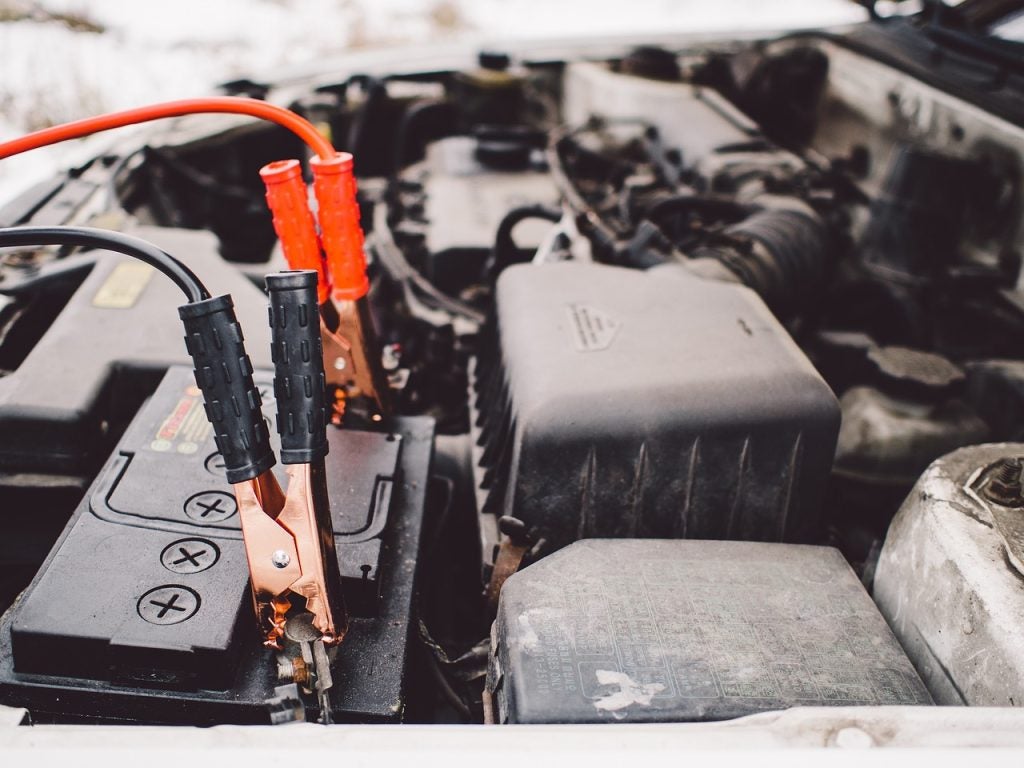
Image-by-StockSnap-from-Pixabay-1024x768

A Step-by-Step Toyota Jumpstart Guide

Toyota of Bristol can answer the emergency question clearly: most gas Toyota vehicles can be jump-started with properly connected jumper cables or a correctly rated jump pack, while Toyota hybrid models must be handled through the 12-volt system and the model-specific jump terminal or battery location described in the owner’s manual. The safe starting point is always the same: inspect the battery area first, connect positive to positive, connect the final negative clamp to a safe ground point, and stop if you see leaking fluid, heavy corrosion, smoke, damaged cables, or warning signs that do not make sense. For a Bristol commuter with a dead battery before work, a jumpstart may get the vehicle moving, but it does not explain why the battery died. For a Kingsport family after a long evening event, the cause may be as simple as an interior light left on. For a Johnson City hybrid owner whose Toyota will not show READY mode, the issue may be a discharged 12-volt battery even though the high-voltage hybrid battery is a different system. This guide explains safe jumpstart steps, Toyota hybrid rules, local battery-drain scenarios, and when our service team recommends a battery test instead of another roadside attempt. Definition: A Toyota jumpstart is a temporary restart procedure that uses an external 12-volt power source to restore enough electrical power for the vehicle to start or enter READY mode. It is an emergency step, not a replacement for battery diagnosis. Schedule Battery Service Table of Contents How to Jumpstart a Toyota Safely, Step by Step Before You Connect Anything: Safety Checks and Tools Jumper Cable Order for Most Gas Toyota Vehicles What to Do After the Toyota Starts Toyota Hybrid Jumpstart Rules: 12V Battery, READY Mode, and What Not to Touch Gas Toyota vs Toyota Hybrid Jumpstart Comparison Hybrid Use Cases: Prius, Camry Hybrid, RAV4 Hybrid, Sienna Hybrid, and Corolla Hybrid Battery Trouble Around Bristol, Kingsport, Johnson City, and Abingdon Local Weather, Short Trips, Events, Road Trips, and Battery Drain Technical Deep Dive: Why the 12V Battery Matters So Much in Toyota Hybrids Ownership Cost Analysis: When a Jumpstart Means You Need Battery Service Key Takeaways Toyota Jumpstart FAQ for Bristol Drivers Can you jumpstart a Toyota hybrid? Where do I connect jumper cables on a Toyota hybrid? What if my Toyota does not start after a jump? Is it safe to use a portable jump starter on a Toyota? Schedule Toyota Battery Service in Bristol, TN How to Jumpstart a Toyota Safely, Step by Step Key Takeaway: A safe Toyota jumpstart starts with inspection, correct cable order, a secure ground point, and a service follow-up if the battery problem repeats. Before You Connect Anything: Safety Checks and Tools The safest jumpstart is the one you do not rush. Before connecting cables, we recommend checking the battery area, cable condition, terminal condition, and vehicle surroundings. A normal dead battery is one thing. A swollen battery case, leaking fluid, burning smell, damaged cable, or heavy corrosion is different. In those situations, do not continue the jumpstart attempt. Call roadside assistance or schedule service. For a Bristol commuter on a cold morning, the pressure to get moving is real. Still, our service team advises taking one full minute to check the basics. Make sure the vehicles are in Park, the parking brakes are set, accessories are off, cables are not tangled near belts or fans, and the booster source is appropriate for a 12-volt automotive battery. Use jumper cables in good condition or a properly rated portable jump starter. Keep clamps away from moving belts, fans, and hot components. Turn off headlights, climate control, audio, and accessories before connecting. Do not jumpstart a battery that is leaking, smoking, frozen, cracked, or badly swollen. Check the owner’s manual before jumpstarting a hybrid Toyota. Situation Safe to Proceed? Recommended Action Best For Battery appears normal but vehicle is dead Usually yes Follow correct jumpstart steps Bristol commuter with a one-time no-start Light corrosion on terminals Pause first Inspect connections and consider service Older Toyota owner with slow starts Battery case is swollen or leaking No Do not jumpstart; call service support Summer heat battery failure Hybrid Toyota will not enter READY mode Manual required Use model-specific 12V jump guidance Johnson City Prius or RAV4 Hybrid owner Jumpstart works but battery dies again Temporary only Schedule battery and charging-system test Elizabethton driver needing repeated jumps Ideal Use Case Proceed only when safe Jump once, then confirm battery health Any Toyota driver with a no-start Based on Toyota official website and Toyota owner manual guidance. Visit Our Service Center Jumper Cable Order for Most Gas Toyota Vehicles For most gas Toyota vehicles with accessible 12-volt battery terminals, the standard cable order is positive first, then ground. Connect one red clamp to the positive terminal on the dead Toyota battery. Connect the other red clamp to the positive terminal on the good battery or approved booster source. Connect one black clamp to the negative terminal on the good battery. Connect the final black clamp to an unpainted metal ground point away from the dead battery. Our service team recommends this order because the final connection should be away from the battery whenever possible. After the clamps are secure, start the assisting vehicle if using another vehicle, let it run briefly, then try to start the Toyota. If the Toyota starts, remove the cables in reverse order and keep the clamps from touching each other. We recommend the following Toyota jumpstart cable order for most gas models: red to the dead battery positive terminal, red to the booster positive terminal, black to the booster negative terminal, and black to a safe metal ground point on the Toyota. If your Toyota has a special jump terminal or the manual gives a different model-specific procedure, follow the manual instead. What to Do After the Toyota Starts A successful jumpstart is not the end of the battery story. Once the Toyota starts, let the vehicle run long enough to stabilize, remove the cables carefully, and avoid shutting it off immediately unless you are safely parked where help is available. If the vehicle struggles, warning lights stay on, the battery light appears, or the engine dies again, we recommend service instead of repeated jumps. For a Kingsport family after an event, a jump may be enough if an interior light drained the battery one time. For an Elizabethton older Toyota owner who needs three jumps in one month, the jumpstart is a symptom, not a fix. Our technicians would check battery health, terminal condition, charging performance, and parasitic draw possibilities. If the Toyota starts, drive carefully and schedule a battery check if the cause is unclear. Repeated jumpstarts can mask a weak battery, charging-system concern, accessory drain, or connection issue. Toyota Hybrid Jumpstart Rules: 12V Battery, READY Mode, and What Not to Touch Key Takeaway: Toyota hybrids can often be restarted after a 12V battery discharge, but drivers must use the correct 12V jump terminal or battery location and never treat the high-voltage hybrid battery like a normal jumpstart point. Gas Toyota vs Toyota Hybrid Jumpstart Comparison A Toyota hybrid jumpstart is different because the goal is usually to restore enough 12-volt power for the vehicle’s computers, electronic key system, and hybrid startup logic to wake up. The high-voltage hybrid battery is not the battery drivers jump with cables. Toyota hybrid manuals commonly direct owners to use a model-specific 12-volt jump terminal or battery connection point, then look for the READY indicator after the system restarts. Jumpstart Topic Gas Toyota Toyota Hybrid Why It Matters Battery involved 12-volt starting battery 12-volt auxiliary battery or designated jump terminal The hybrid high-voltage battery is not the jump point Primary goal Crank and start the engine Power electronics and enter READY mode READY mode confirms the hybrid system is active Connection location Usually battery terminals and ground point Model-specific terminal, fuse box terminal, or battery location Owner’s manual matters more on hybrids What not to touch Damaged battery or unsafe wiring High-voltage hybrid components Hybrid systems require extra caution After success Let vehicle run and test battery Confirm READY, then test 12V battery A weak 12V battery may return as a no-start Ideal Use Case Gas Toyota with one-time dead battery Hybrid Toyota with discharged 12V battery Correct procedure prevents damage and confusion Based on Toyota official website. The key difference between a gas Toyota jumpstart and a Toyota hybrid jumpstart is what the 12-volt battery does. In a gas Toyota, the battery helps crank the engine. In a Toyota hybrid, the 12-volt battery helps power the control systems that allow the hybrid system to enter READY mode. We recommend checking the owner’s manual before connecting anything on a hybrid. Hybrid Use Cases: Prius, Camry Hybrid, RAV4 Hybrid, Sienna Hybrid, and Corolla Hybrid For a Johnson City Prius or Corolla Hybrid owner whose vehicle will not enter READY mode, we recommend treating the 12V battery as the first practical check. If the electronic key is present, the vehicle is in Park, and the display is dark or weak, a discharged 12-volt battery may be the reason the hybrid system cannot wake up. The correct next step is model-specific jump guidance, not touching orange high-voltage cables. For a Bristol RAV4 Hybrid owner, a Camry Hybrid commuter, or a Sienna Hybrid family, the safest rule is to open the owner’s manual and locate the proper jump terminal or 12V battery access point before using cables. Toyota manuals may direct owners to open the hood, remove a fuse box cover, open the exclusive jump-starting terminal cover, and connect the positive clamp to that designated terminal. If your hybrid will not show READY, we recommend checking 12V battery guidance first. If the manual shows an under-hood jump terminal, use that terminal exactly as directed. If warning messages remain after the jump, we recommend service inspection. If the 12V battery dies again soon, we recommend battery testing and replacement evaluation. If you are unsure which terminal is correct, stop and call our service team. Our service center can help Toyota owners separate a simple 12V battery issue from a larger electrical concern. We can test the battery, inspect terminals, review warning messages, and help determine whether the battery needs charging, replacement, or additional diagnosis. Start with our online service scheduler at https://www.toyotaofbristol.com/schedule-service.html, or call 423-764-3155 if your Toyota needed a jump and you do not trust the battery yet. We especially recommend inspection after repeated no-starts, a hybrid READY issue, or a jumpstart that only worked briefly. We would rather check the battery early than have you stranded again in Bristol, Kingsport, Johnson City, Abingdon, Blountville, or Elizabethton. Book a Battery Test Battery Trouble Around Bristol, Kingsport, Johnson City, and Abingdon Key Takeaway: Bristol-area battery failures often show up after cold mornings, summer heat, short trips, event parking, accessory use, or long gaps between drives. Local Weather, Short Trips, Events, Road Trips, and Battery Drain Battery problems are local in a very real way. A driver in Abingdon may notice weak starts during colder mornings. A Bristol commuter may have battery strain after short trips that never give the system much time to recover. A Kingsport family may come back from an event to find an interior light or accessory drained the battery. A Blountville road-trip driver may discover a weak battery the day before leaving. For Toyota drivers around Bristol and the Tri-Cities, we recommend a battery test after any unexplained jumpstart because local driving patterns can hide battery weakness until the worst moment. Cold mornings, summer heat, short trips, and long parking periods can all expose a 12-volt battery that was already near the end of its service life. Local Scenario Battery Risk Driver Profile Recommended Action Bristol cold morning before work Weak battery shows up as a no-start Daily commuter Jump safely, then schedule battery test Kingsport event parking Interior light or accessory drain Family driver Jump once and confirm battery health Johnson City hybrid owner Discharged 12V prevents READY mode Hybrid driver Follow manual and inspect 12V battery Abingdon winter short trips Battery never fully recovers Mountain-road commuter Battery health and charging check Blountville road-trip prep Weak battery discovered before travel Weekend traveler Test battery before leaving Elizabethton repeated no-starts Battery, alternator, or drain concern Older Toyota owner Schedule diagnostic service We invite Toyota drivers from Bristol, Kingsport, Johnson City, Abingdon, Blountville, and Elizabethton to bring battery concerns to us before the next no-start. We can test the battery, inspect terminals, check for corrosion, review charging performance, and help with Toyota Genuine battery replacement when needed. Our Toyota of Bristol Advantage Plan and ToyotaCare support reflect the same goal: help ownership feel less stressful after the sale. Visit us at 3045 W State St, Bristol, TN 37620, start at https://www.toyotaofbristol.com/, or call 423-764-3155 for service help. Tell us what happened before the battery died, and we can help decide whether it was a one-time drain or a warning sign. See Our Advantage Plan Technical Deep Dive: Why the 12V Battery Matters So Much in Toyota Hybrids Key Takeaway: A Toyota hybrid can feel completely dead when the 12V battery is discharged because the vehicle needs 12-volt power to wake up the electronics and enter READY mode. The most common hybrid misunderstanding is thinking the high-voltage hybrid battery is the battery being jumped. It is not. The driver-accessible emergency jump procedure is about the 12-volt system. That system supports computers, relays, locks, displays, and the startup sequence that lets the hybrid system become active. That is why a Prius, RAV4 Hybrid, Camry Hybrid, Corolla Hybrid, Highlander Hybrid, or Sienna Hybrid can appear dead even when the hybrid battery itself is not the issue. A weak 12V battery can create confusing symptoms such as dim lights, no READY indicator, key detection trouble, or warning messages. We recommend taking those symptoms seriously instead of repeatedly jumping the vehicle and hoping they disappear. For a Blountville road-trip driver carrying a portable jump pack, the safest approach is preparation. Keep the jump pack charged, store it according to the manufacturer’s instructions, and confirm the correct Toyota jump terminal before the trip. If you cannot identify the correct 12V connection point, call service support rather than experimenting. Ownership Cost Analysis: When a Jumpstart Means You Need Battery Service Key Takeaway: One jumpstart may solve a simple drain, but repeated jumps, slow cranking, corrosion, warning lights, or quick battery failure after a jump mean the Toyota needs service. A jumpstart should be treated as temporary help. If the battery died because a light stayed on once, the fix may be simple. If the Toyota needs repeated jumps, starts slowly, shows warning lights, or loses power again shortly after running, we recommend testing instead of guessing. Battery age, terminal corrosion, loose connections, charging-system concerns, and accessory drain can all create no-start patterns. Warning Sign Possible Cause Recommended Service Step Ideal Use Case One-time dead battery Accessory or light left on Battery test if cause is unclear Kingsport family after event parking Slow cranking Weak 12V battery Battery health test Bristol commuter Repeated jumpstarts Failing battery or charging concern Battery and charging-system inspection Elizabethton older Toyota owner Corrosion at terminals Poor connection or battery aging Terminal inspection and battery review Abingdon short-trip driver Hybrid no READY after jump 12V battery or system concern Diagnostic inspection Johnson City hybrid owner Ideal Use Case Prevent repeat no-starts Test before replacing parts blindly Any Toyota driver after a jumpstart For long-term ownership, we recommend documenting when the battery died, how old the battery is, whether accessories were left on, and whether the Toyota started normally afterward. ToyotaCare includes a no-cost maintenance plan for new Toyota vehicles for 2 years or 25,000 miles, whichever comes first, and 24-hour roadside assistance for 2 years with unlimited miles. Our service team can help with battery testing, Toyota Genuine replacement batteries, and multi-point inspections. Review ToyotaCare Support Key Takeaways Most Toyota jumpstarts use 12-volt power, correct cable order, and a safe ground point. Toyota hybrids rely on the 12V battery to wake up electronics and enter READY mode. Never jump a Toyota hybrid using high-voltage hybrid components. Repeated jumpstarts, slow cranking, corrosion, or warning lights mean service is needed. Bristol-area weather, short trips, and event parking can expose weak Toyota batteries. Toyota Jumpstart FAQ for Bristol Drivers Can you jumpstart a Toyota hybrid? A Toyota hybrid can often be restarted when the 12-volt battery is discharged, but it must be done through the model-specific 12V jump procedure. We recommend using the owner’s manual before connecting cables because many hybrids use an under-hood jump terminal or specific battery access point. The goal is to get the Toyota into READY mode, not to jump the high-voltage hybrid battery. Where do I connect jumper cables on a Toyota hybrid? The correct connection point depends on the model. Some Toyota hybrids use an exclusive under-hood jump-starting terminal inside the fuse box area, while others may have different access instructions. We recommend opening the owner’s manual and following the exact terminal and ground-point directions for your vehicle. If the correct point is unclear, call our service team before connecting cables. What if my Toyota does not start after a jump? If your Toyota does not start after a jump, stop repeated attempts and check for loose clamps, poor ground connection, corrosion, battery damage, or warning messages. A gas Toyota may have a weak battery, starter concern, or charging issue. A hybrid Toyota may have a 12V battery or system concern that prevents READY mode. We recommend service inspection before the next attempt causes more trouble. Is it safe to use a portable jump starter on a Toyota? A portable jump starter can be safe when it is properly rated, charged, connected correctly, and used according to both the jump pack instructions and the Toyota owner’s manual. We recommend keeping the jump pack away from heat, checking clamp polarity carefully, and stopping if the battery appears damaged. Hybrid owners should confirm the correct 12V terminal before using any booster pack. Schedule Toyota Battery Service in Bristol, TN We are here to help when your Toyota needs a jump, starts slowly, will not enter READY mode, or keeps losing 12-volt power. Visit us at 3045 W State St, Bristol, TN 37620, or call 423-764-3155 so our service team can test the battery, inspect connections, and check related systems. We serve drivers from Bristol, Kingsport, Johnson City, Abingdon, Blountville, Elizabethton, and nearby Tri-Cities communities. Our Toyota of Bristol Advantage Plan and ToyotaCare support help make ownership easier after the sale. If your Toyota needed a jump and the cause is not obvious, schedule service before the next no-start. Schedule Toyota Battery Help

cracked-windshield-1024x683

Is a Cracked Windshield Dangerous? Here’s Why You Shouldn’t Ignore It

Last updated: November 2026 Quick answer: A cracked windshield can be dangerous, but not every crack is an emergency. A small chip outside your line of sight is usually safe to drive on for a short time while you arrange an inspection. A crack that blocks your view, reaches the edge of the glass, keeps spreading, or sits near your vehicle’s windshield camera should be checked right away, because it can affect visibility, the strength of the windshield, airbag support, and driver-assist features. Key Takeaways Location matters as much as size. Damage in the driver’s line of sight or near the edge of the glass is the most serious. Windshields are laminated safety glass, so they rarely shatter, but cracks can spread with temperature changes and road vibration. The windshield helps support the roof and the passenger airbag, so a weakened windshield can matter in a collision. On many Toyota models, a camera behind the windshield supports Toyota Safety Sense, so glass damage or replacement may require calibration. Small chips are often repairable if they are inspected early. Waiting usually narrows your options. In This Guide Is It Safe to Drive With a Cracked Windshield? Why a Cracked Windshield Is Dangerous Can a Cracked Windshield Shatter While Driving? What Makes a Windshield Crack Spread? Repair or Replace: What Your Damage Likely Needs Cracked Windshields and Toyota Safety Sense What to Do Right Now Cracked Windshield FAQs Is It Safe to Drive With a Cracked Windshield? It depends on where the damage is, how big it is, and whether it is growing. A small, stable chip near the bottom of the passenger side is very different from a long crack across the driver’s view. Use the guide below to judge how quickly you should act. Type of Damage Main Concern How Soon to Act Small chip outside the driver’s line of sight Can spread if ignored Schedule an inspection soon; repair may still be possible Short, stable crack in the lower glass Can grow with vibration and temperature swings Inspect before it spreads Crack in the driver’s line of sight Glare, distortion, and distraction Inspect as soon as possible Crack at or reaching the edge of the glass Weakens the windshield’s structural support Inspect promptly; replacement is more likely Damage near the camera behind the rearview mirror Can affect driver-assist features Inspect promptly and ask about calibration Crack that is visibly spreading or branching Worsening visibility and strength Do not delay Why a Cracked Windshield Is Dangerous It reduces visibility A crack bends light. That can create glare from oncoming headlights, distort what you see through the glass, and pull your eye away from the road. A crack that seems minor in daylight can be much more distracting at night, in rain, or when the sun is low. For drivers on busy stretches of I-81 or I-26, that distraction can cost reaction time when traffic slows suddenly. It weakens the windshield’s structural role A windshield is more than a window. It is bonded to the vehicle body and helps support the roof, and AAA notes that it helps support the roof in a rollover. A crack, especially one that starts at the edge, can reduce how well the glass does that job. It can affect airbag performance In many vehicles, the passenger-side airbag deploys against the windshield, which helps position it in front of the occupant. A weakened or improperly installed windshield can change how well the glass supports that deployment. This is one reason edge cracks and long cracks deserve prompt attention. Can a Cracked Windshield Shatter While Driving? It is unlikely. Windshields are made of laminated safety glass, which is two layers of glass bonded to a plastic interlayer. That design helps the glass hold together after an impact instead of breaking into loose pieces the way side and rear windows can. A cracked windshield is not likely to suddenly explode while you drive. The real risks are different. A crack can keep spreading until it blocks your view, and a weakened windshield gives less support to the roof and airbag in a collision. A second impact on already damaged glass, such as another rock strike on the highway, can also make the damage much worse. Damage that goes deeper than the outer layer is more serious and should be inspected right away. What Makes a Windshield Crack Spread? Small chips do not always stay small. Common reasons a crack grows include: Temperature swings: Cold mornings followed by warm afternoons, or blasting the defroster on frozen glass, put stress on damaged areas. Road vibration: Rough pavement, potholes, and gravel roads keep flexing the glass. New impacts: Another stone or debris strike near existing damage can extend the crack quickly. Moisture and dirt: Water and grime can work into a chip and make a clean repair harder. Drivers around Bristol, Kingsport, Johnson City, and Abingdon see all of these: interstate debris on I-81, mountain-road vibration, and fall and winter mornings that swing from cold to mild in a single day. If you notice a chip, the earlier it is inspected, the more likely a simple repair is still an option. Repair or Replace: What Your Damage Likely Needs The right fix depends on the size, depth, and location of the damage, and whether the windshield is near a camera. Only an in-person inspection can confirm it, but this is how the decision usually breaks down. Situation Repair Replacement Camera Calibration Small, stable chip outside the driver’s view Often possible Less likely Usually not needed if the glass is not replaced Crack across the driver’s view Less likely More likely May be needed if the glass is replaced Crack at the edge of the glass Less likely More likely May be needed if the glass is replaced Damage near the camera bracket Depends on the damage Possible Confirm calibration needs for your model Windshield already replaced Not applicable Completed Confirm calibration was done if required Cracked Windshields and Toyota Safety Sense Many Toyota models use Toyota Safety Sense, a suite of driver-assist features that relies on a forward-facing camera mounted behind the windshield near the rearview mirror, along with a radar sensor. Features that can depend on that camera include the Pre-Collision System, Lane Departure Alert, Lane Tracing Assist, Automatic High Beams, and Road Sign Assist, depending on the model and equipment. That means windshield damage on a Toyota can be a technology issue as well as a glass issue. Cracks near the camera area can interfere with what the camera sees, and a replacement windshield can change the camera’s aim. Depending on the model, Toyota’s repair procedures may call for the camera to be calibrated after the windshield is replaced. If your Toyota’s windshield has been replaced, or you are buying a used Toyota with a newer windshield, we recommend asking whether calibration was completed and watching for any driver-assist warning messages on the dashboard. Have Your Windshield Damage Checked in Bristol, TN Our Toyota service team can inspect the damage, check for driver-assist warning messages, and help you understand whether your Toyota needs repair, replacement, or a camera calibration. Call 423-764-3155 or book online. Schedule Service What to Do Right Now Check the location. If the crack is in your line of sight, at the edge, or near the camera, plan to get it inspected right away. Watch for growth. Take a photo of the damage so you can tell if it is spreading. Protect the area. Clear tape over a fresh chip can help keep dirt and moisture out until it is inspected. Go easy on the glass. Avoid blasting hot or cold air directly on the damaged area, and avoid slamming doors. Note any warning messages. On a Toyota with Toyota Safety Sense, mention any driver-assist alerts when you book service. Schedule an inspection. You can schedule a service inspection at Toyota of Bristol or call 423-764-3155. Getting ready for colder, darker months? Our Toyota fall visibility checklist covers wipers, washer fluid, lights, and glass clarity. You can also review current service and parts specials or learn how ToyotaCare supports routine maintenance on newer Toyota models. Cracked Windshield FAQs Is it safe to drive with a cracked windshield? It depends on the size, location, and behavior of the crack. A small chip outside the driver’s line of sight is usually not an immediate danger, but it should be inspected before it spreads. A crack that blocks your view, reaches the edge of the glass, keeps growing, or sits near the windshield-mounted camera is a safety concern and should be checked as soon as possible. Can a cracked windshield shatter while driving? It is unlikely. Windshields are made of laminated safety glass, with a plastic layer bonded between two sheets of glass, so they are designed to crack and stay together rather than break into pieces. The bigger risk is a crack that spreads across your view or weakens the glass so it supports the cabin less effectively in a collision. When should I worry about a cracked windshield? Act quickly if the crack is in the driver’s line of sight, starts at or reaches the edge of the glass, is spreading, has multiple branches, goes through more than the outer layer, or is near the camera behind the rearview mirror. Those situations usually call for an inspection right away rather than waiting. Can a cracked windshield affect Toyota Safety Sense? It can. Many Toyota models use a forward-facing camera mounted behind the windshield for features such as the Pre-Collision System and lane-assist functions. Damage in that area, or a replacement windshield, can affect what the camera sees. Ask whether a camera inspection or calibration is needed for your model. Does a Toyota need camera calibration after windshield replacement? Many Toyota models with camera-based driver-assist features may need calibration after windshield replacement. The requirement depends on the model, equipment, and Toyota’s repair procedures. Confirm calibration with whoever replaces the glass before you consider the job complete. Schedule Toyota Service at Toyota of Bristol Toyota of Bristol is located at 3045 W State St in Bristol, TN, and serves drivers from Kingsport, Johnson City, Abingdon, Blountville, and Elizabethton. If your windshield crack is spreading, blocking your view, or near the camera, let our Toyota service center take a look. Book Your Inspection

coilpack

Can a Bad Coil Pack Cause a Car to Not Start?

Toyota Service Guide Can a Bad Coil Pack Cause a Car to Not Start? Yes. A bad coil pack can cause a car not to start if the ignition system cannot deliver the spark needed to ignite the air-fuel mixture. However, one weak coil does not always create an immediate no-start. It may first cause rough idle, misfires, hard starts, hesitation, or a check engine light. Schedule Toyota Service Visit Our Service Center Quick Answer A bad ignition coil can prevent your Toyota from starting when spark delivery becomes weak or stops completely. If only one coil is failing, the vehicle may still start but run poorly. If multiple coils fail, or if the engine has a true no-spark condition, your Toyota may crank but not start. Key Takeaways for Bristol Drivers A Coil Pack Creates Spark The ignition coil converts low battery voltage into the high voltage needed to fire the spark plugs. One Bad Coil May Still Start A single weak coil often causes rough running, misfires, hesitation, or hard starts before a full no-start. Diagnosis Matters Battery, starter, spark plug, and coil-pack symptoms can overlap, so guessing can lead to unnecessary repairs. Table of Contents How a Bad Coil Pack Can Stop Your Toyota From Starting Coil Pack Symptoms vs Battery, Starter, and Spark Plug Problems Warning Signs Before a True No-Start Who Should Schedule Service Right Away? What Toyota Technicians Check During Diagnosis Toyota Coil Pack FAQ How a Bad Coil Pack Can Stop Your Toyota From Starting Your Toyota’s ignition coil is part of the system that creates spark. The battery supplies low-voltage power, the ignition coil steps that voltage up, and the spark plug uses that power to ignite the air-fuel mixture inside the engine. When that spark is weak, inconsistent, or missing, the engine may misfire, crank longer than normal, or fail to start. For a Bristol driver, the key difference is how the vehicle behaves when you try to start it. A battery problem often makes the engine crank slowly or creates clicking sounds. A starter problem may keep the engine from turning over normally. A coil-pack issue can allow the engine to crank normally, but the engine may not fire because spark is not reaching the combustion process correctly. Here is the basic sequence: The battery supplies low-voltage power. The ignition coil increases that voltage. The spark plug uses that voltage to create spark. The engine ignites the air-fuel mixture. If spark is weak or missing, the engine may crank but not start. Ignition Situation What Usually Happens No-Start Risk Recommended Next Step Healthy ignition coils and spark plugs Engine starts and runs normally. Low Continue routine maintenance. One weak ignition coil Rough idle, hesitation, misfire, or hard start. Moderate Schedule an ignition inspection soon. Multiple failed ignition coils Severe misfire, poor running, or crank-no-start. High Schedule diagnosis right away. Full no-spark condition Engine cranks but does not fire. Very high Book no-start diagnosis immediately. Coil Pack Symptoms vs Battery, Starter, and Spark Plug Problems No-start symptoms can be confusing because several systems work together when a vehicle starts. The coil pack is only one possibility. That is why a proper diagnosis should compare ignition, battery, starter, and spark plug clues before replacing parts. Problem Type Typical Clue What You May Notice Best Action Bad coil pack Weak or missing spark Misfires, rough idle, hard starts, hesitation, or crank-no-start. Ignition-system diagnosis. Bad battery Low available power Clicking, slow cranking, dim lights, or weak electrical response. Battery and charging-system test. Bad starter Engine does not turn over properly No crank, intermittent crank, or unusual starting noise. Starting-system diagnosis. Worn spark plugs Weak or inconsistent combustion spark Hard starts, reduced performance, poor fuel economy, or misfire symptoms. Spark plug and ignition inspection. Unknown no-start Symptoms overlap The vehicle simply will not start or starts inconsistently. Professional diagnostic appointment. The most important difference is that coil-pack issues often show up with drivability symptoms before a total no-start. If your Toyota has been running rough, shaking at idle, hesitating, or displaying a check engine light, the ignition system should be checked before the issue leaves you stranded. Warning Signs Before a Toyota Becomes a True No-Start A failing ignition coil does not always fail all at once. Many Toyota drivers see warning signs first, especially during cold starts, acceleration, or stop-and-go driving around Bristol, Kingsport, Johnson City, and Abingdon. Rough idle at stoplights. Hard starts or longer cranking time. Engine hesitation when accelerating. Misfire feeling under load. Reduced power or poor throttle response. Check engine light, especially with misfire symptoms. Fuel economy drop. Crank-no-start condition. If these symptoms appear together, the issue should be inspected soon. Driving with a misfire can create more stress on related components, and waiting until the vehicle fully refuses to start can make the repair more inconvenient. Who Should Schedule Toyota Service Right Away? Some drivers can monitor early symptoms briefly, but others should schedule service quickly. If your Toyota already cranks but does not start, it is time for immediate diagnosis. If your check engine light is on with rough running, hard starts, or misfire symptoms, do not wait for the issue to become a full no-start. Driver Situation Why It Matters Recommended Action Bristol commuter with crank-no-start The issue has already moved beyond a minor warning sign. Schedule no-start diagnosis immediately. Kingsport driver with rough idle and check engine light Misfire symptoms may point to ignition-system trouble. Book an ignition inspection soon. Johnson City used-car owner with hard starts Ignition, battery, and starter symptoms can overlap. Request a full starting-system diagnosis. Abingdon family driver before a road trip Small ignition symptoms can become more disruptive while traveling. Inspect the issue before leaving town. What Toyota Technicians Check During a No-Start Diagnosis When your Toyota comes into Toyota of Bristol with a no-start concern, our service team does not assume the coil pack is the only possible cause. A good diagnosis looks at the complete starting and ignition picture. Depending on the symptoms, technicians may review: Whether the engine cranks normally. Battery condition and available voltage. Starter operation. Ignition coil performance. Spark plug condition. Misfire-related diagnostic codes. Related wiring or connector concerns. Recent symptoms, including rough idle or hard starts. This matters because replacing a coil pack without confirming the root cause can miss a battery, starter, spark plug, or wiring issue. The goal is not just to get the vehicle started once. The goal is to fix the correct issue so the problem does not return. Schedule Toyota No-Start Diagnosis in Bristol, TN If your Toyota is hard-starting, misfiring, rough-idling, or refusing to start, Toyota of Bristol can help. Our service center at 3045 W State St serves drivers from Bristol, Kingsport, Johnson City, Abingdon, Blountville, and nearby Tri-Cities communities. Schedule Service View Service Specials Toyota Coil Pack and No-Start FAQ Can one bad coil pack keep a Toyota from starting? Yes, but not always. One weak coil often causes rough running, misfires, or hard starts first. A complete no-start is more likely when multiple coils fail or when spark loss becomes severe enough that the engine cannot ignite the air-fuel mixture. What are the signs of a bad ignition coil? Common signs include rough idle, misfires, hard starts, hesitation, reduced power, poor fuel economy, and a check engine light. Some symptoms may appear before the vehicle fully refuses to start. How can I tell if the problem is the coil pack or the battery? A battery issue often causes slow cranking, clicking, dim lights, or weak electrical behavior. A coil-pack issue often appears as misfires, rough idle, hard starts, or a crank-no-start where the engine turns over but does not fire. Can bad spark plugs feel like a bad coil pack? Yes. Spark plugs and ignition coils work together, so worn spark plugs can create symptoms that overlap with coil-pack problems. That is why both should be inspected during an ignition diagnosis. Should I keep driving with a suspected bad coil pack? It is better to schedule service soon. Driving with misfires or rough-running symptoms can make the problem worse and may increase the risk of a no-start. Where can I schedule Toyota ignition diagnosis near Bristol? You can schedule service with Toyota of Bristol at 3045 W State St in Bristol, TN. The service center works with Toyota drivers from Bristol, Kingsport, Johnson City, Abingdon, Blountville, and nearby communities.

spark+plug+22r

How Long Does It Take to Replace Toyota Spark Plugs?

Toyota of Bristol can answer this one pretty directly: most Toyota spark plug replacement appointments take about 1 to 2 hours, but the actual time depends on the engine layout, how easy the plugs are to reach, how many plugs need to be replaced, and whether our technicians find related ignition issues during the visit. On many Toyota models, spark plug service is straightforward. On others, especially engines with tighter access, the job can take longer because more components have to be moved to reach the plugs correctly. That is why the right answer is not just “how long do spark plugs last,” but also “how much labor does my Toyota need to replace them properly.” Toyota’s own maintenance guidance also notes that spark plug timing depends on vehicle and service schedule, not one universal mileage number for every model. For a Bristol commuter trying to fit maintenance into a weekday, that difference matters. For a Johnson City driver dealing with a rough idle or a check engine light, it matters even more because the visit may include diagnosis, not just routine replacement. We recommend thinking about spark plug service in two ways: routine maintenance and symptom-driven repair. If your Toyota is simply due based on mileage or age, the visit is often more predictable. If your engine is already misfiring, starting hard, or running rough, the appointment can take longer because our technicians may need to inspect coils, oil intrusion, or other ignition-related issues before we finish the work. In this refreshed 2026 guide, we explain typical replacement time, what changes labor time from one Toyota to another, the signs you should not ignore, and what our service team checks when you bring your vehicle to our Bristol service center. Spark plug replacement is the service that removes worn spark plugs and installs new ones so the engine can ignite fuel properly and run efficiently. For Toyota drivers in Bristol, Kingsport, Johnson City, Abingdon, Blountville, and Elizabethton, it helps protect performance, fuel economy, and starting reliability. Table of Contents What Affects Toyota Spark Plug Replacement Time? When Should You Replace Toyota Spark Plugs? Which Toyota Drivers Around Bristol Should Schedule Spark Plug Service Sooner What Spark Plug Replacement Means for Performance, Fuel Economy, and Reliability UVA 1: Technical Deep Dive; Why Some Toyota Engines Take Longer Than Others for Spark Plug Service UVA 2: Ownership Cost Analysis; Why Replacing Spark Plugs on Time Can Prevent Bigger Repairs Key Takeaways Toyota Spark Plug Replacement FAQ for Bristol Drivers Schedule Toyota Spark Plug Service What Affects Toyota Spark Plug Replacement Time? Key Takeaway: Most Toyota spark plug jobs take about 1 to 2 hours, but engine access, cylinder count, and whether our technicians find related ignition issues are what usually push the appointment shorter or longer. Typical Service Time for Most Toyota Models For most Toyota drivers, spark plug replacement is not an all-day repair. In a straightforward maintenance visit, our technicians can often complete the service in about 1 to 2 hours, especially on engines where the plugs are easy to access and there are no related ignition problems. That estimate lines up with the current Toyota of Bristol post and with general Toyota maintenance guidance that emphasizes following the model-specific schedule and inspecting related signs of wear when symptoms appear. Where the timing changes is when the service is no longer just “remove old plugs and install new ones.” If the engine bay is tight, if additional covers or intake components must be removed, or if the vehicle came in with misfire symptoms, the visit can extend beyond the simple replacement window. For a Bristol Camry owner who is only due for scheduled maintenance, we would usually expect a more predictable appointment. For a used RAV4 owner from Kingsport coming in with a rough idle and a check engine light, the visit may include diagnosis first and replacement second. That difference is important because many people searching this question are actually asking two questions at once: how long does the labor take, and how long will my visit take if something else is wrong. Here is the practical breakdown we give customers: Routine spark plug replacement on an accessible engine: often about 1 to 2 hours Tighter-access engines or more complex layouts: often longer Vehicles with misfire symptoms or ignition concerns: diagnosis can add time Additional recommended work, like coil or boot inspection: can extend the appointment Waiting on badly seized or damaged plugs: can also increase labor time Toyota Spark Plug Service Scenario Typical Time Expectation What Changes Time? Best For Routine maintenance on accessible 4-cylinder About 1 to 2 hours Straight access, no major issues found Drivers due by maintenance schedule V6 or tighter-access engine Often longer than a basic visit More labor to reach plugs Owners with more complex engine layouts Symptom-driven inspection plus replacement Can exceed a standard service window Diagnosis, coil check, misfire tracing Drivers with rough idle or check engine light Hybrid with routine maintenance visit Varies by engine access Layout and inspection steps Hybrid owners following scheduled service Same-day appointment with no added concerns Usually predictable No extra ignition issues Preventive maintenance customers Delayed service with multiple symptoms Less predictable Additional faults may be present High-mileage owners who waited too long For a Bristol commuter who just wants a quick answer, the best answer is this: if your Toyota is due for spark plugs and not showing bigger problems, the service is often pretty manageable in one visit. Why 4-Cylinder, V6, and Hybrid Layouts Change Labor Time This is where the broad “1 to 2 hours” estimate starts to get more specific. Not every Toyota engine is equally easy to work on. A 4-cylinder layout is often simpler because the plugs are more accessible. Some V6 layouts can require more time because the rear bank may be tighter to reach, which can mean more disassembly before the actual plug replacement happens. Hybrids can also vary because the gasoline engine itself still uses spark plugs, but the packaging and service access can differ by model. That is why our service team avoids giving a one-size-fits-all promise without knowing which Toyota you drive. For a Blountville Camry owner, the service may be simpler than it would be for a Highlander or another Toyota with a tighter engine bay. For an older V6 owner in Johnson City, we may need more time because of access and because age can increase the chance of additional ignition wear. What most drivers do not realize is that the spark plug itself is only part of the job. Getting to it correctly is often what determines labor time. That is the kind of practical detail generic service articles skip, but it is exactly what shapes the visit in the real world. What Our Technicians Inspect During Spark Plug Service When you bring your Toyota to our service center for spark plug replacement, we do more than swap parts and send you on your way. Our certified technicians look at the condition of the old plugs, check for signs of misfire or uneven wear, inspect related ignition components when needed, and watch for contamination or oil intrusion that may point to a deeper issue. That matters because the goal is not only to install new plugs. It is to make sure the engine is firing correctly after the job is done. Based on what our technicians see here in Bristol, this inspection step is often what protects drivers from repeat problems. If a coil boot is worn, if a plug looks abnormal, or if there is evidence of another ignition concern, we would rather catch it during service than have you come back with a misfire a week later. For a Johnson City used-car owner already seeing a check engine light, that inspection is one of the most valuable parts of the appointment. Ask Our Team About Spark Plug Timing When Should You Replace Toyota Spark Plugs? Key Takeaway: We recommend replacing Toyota spark plugs by your maintenance schedule or sooner if you notice hard starts, rough idle, misfires, or a drop in performance, because waiting usually turns a routine visit into a diagnosis visit. Routine Maintenance vs Warning Signs That Mean You Should Not Wait Toyota’s own guidance says spark plug intervals depend on your specific vehicle and maintenance schedule, and it also highlights symptoms such as rough running, hard starting, poor fuel economy, and check engine warnings as reasons not to wait. That distinction matters. Routine replacement is about keeping your Toyota running properly before problems start. Symptom-driven replacement is about fixing an issue that is already affecting drivability. Those are not the same appointment, and they do not feel the same from the driver’s seat. Situation What It Means Recommended Action Urgency Best For Due by maintenance schedule Normal wear over time Schedule routine spark plug replacement Moderate Preventive maintenance drivers Rough idle at stoplights Possible weak spark or ignition issue Book inspection soon High Commuters noticing drivability changes Hard starting Ignition performance may be dropping Do not wait long High Older or high-mileage owners Check engine light with misfire symptoms Spark, coil, or related issue possible Diagnostic visit first High Drivers with active warning signs Reduced fuel economy Combustion may be less efficient Inspect plugs and ignition system Moderate to high High-mileage daily drivers No symptoms but high mileage Wear may still be present Follow Toyota schedule Moderate Owners trying to stay ahead of repairs Based on Toyota official website. The key difference between routine spark plug replacement and symptom-based service is that routine service is usually faster, cheaper, and easier to plan. Once your Toyota starts misfiring or struggling to start, the visit may involve more parts of the ignition system and more technician time. We recommend not waiting for obvious symptoms if you already know your Toyota is due. That is one of the simplest ways to protect reliability and keep the visit more predictable. Check Toyota Service Specials Which Toyota Drivers Around Bristol Should Schedule Spark Plug Service Sooner For a high-mileage Kingsport driver who has started noticing a rough idle and lower fuel economy, we recommend scheduling service sooner rather than later because those are classic signs that spark plug performance may be dropping. For a Johnson City used-car owner dealing with hard starts and a check engine light, we recommend a diagnostic appointment because the issue could be plugs, coils, or a related ignition fault. For an Abingdon family getting ready for a road trip, we recommend taking a preventive approach if the Toyota is already near the scheduled interval. Waiting until misfires start is rarely the smarter plan. Use case recommendations we would give in the service lane: If you commute every day and your Toyota feels rough at idle, we recommend booking an ignition inspection soon. If your check engine light came on with hard starting, we recommend diagnosis before the issue gets worse. If your Toyota is nearing the spark plug interval and you have travel coming up, we recommend replacing them before the trip. If your fuel economy has dropped and there is no clear reason, we recommend checking plugs as part of a full inspection. Our service center can handle this as either a maintenance visit or a drivability diagnosis, depending on what your Toyota is doing. We use Toyota service processes, genuine OEM parts, and certified technicians who know how these engines wear over time. If you want to keep the appointment simple, the best move is to schedule before symptoms turn a basic tune-up item into a bigger ignition problem. Our team sees this all the time with local drivers from Bristol, Kingsport, and Johnson City. The owners who schedule spark plug service on time usually keep the visit shorter and the repair smaller. The owners who wait until the engine is already running rough often need more diagnosis and sometimes more parts. If your Toyota is due, or if it is already showing signs like misfires, hard starts, or a check engine light, let us take a look before the issue gets more expensive. You can book service online, ask about current service specials, and have our technicians inspect the ignition system during the same visit. Book a Toyota Ignition Inspection What Spark Plug Replacement Means for Performance, Fuel Economy, and Reliability Key Takeaway: Replacing worn spark plugs on time helps protect how your Toyota starts, idles, accelerates, and uses fuel, and it reduces the chance that a simple maintenance item turns into a bigger ignition problem. How Worn Spark Plugs Show Up in Daily Driving Around Bristol and the Tri-Cities Spark plug wear does not always show up dramatically at first. Sometimes it starts as a slightly rough idle at a light in Bristol traffic. Sometimes it looks like harder cold starts in the morning, weaker throttle response on the way to Kingsport, or fuel economy that does not feel as good as it used to. For some drivers, the first obvious sign is a check engine light. Toyota’s own guidance lists many of these same symptoms, which is why we take them seriously in the service lane. For an Abingdon family vehicle headed out for a weekend trip, worn spark plugs can mean the difference between a routine service stop and a frustrating drivability issue on the road. For a Bristol commuter, worn plugs can slowly chip away at efficiency and responsiveness before the problem becomes obvious. Based on our experience at Toyota of Bristol, that is why preventive replacement matters so much. It is one of those services that is easy to put off because the vehicle may still run, but on-time service often protects you from a much worse inconvenience later. Daily Driving Symptom What It Can Suggest Recommended Action Best For Rough idle in traffic Weak ignition performance Inspect plugs soon Daily commuters Hard start in the morning Worn plugs or related ignition issue Schedule diagnosis Older or high-mileage vehicles Lower fuel economy Incomplete combustion possible Inspect plugs and maintenance history Highway commuters Hesitation under acceleration Ignition weakness or misfire Book service quickly Drivers noticing performance loss Check engine light Misfire or related fault may be present Diagnostic appointment Warning-light drivers Trip planned soon Preventive maintenance need Replace if due by schedule Family and road-trip drivers Our technicians can inspect the plugs, review maintenance timing, and tell you whether the issue is still a simple service item or whether another part of the ignition system needs attention. That kind of clarity is one of the biggest reasons drivers choose our service center instead of guessing. Schedule Service at Toyota of Bristol Our service center is set up to help whether you are due for maintenance or already dealing with symptoms. We can inspect ignition components, use genuine OEM parts, and explain exactly what we found before recommending the next step. If you are coming from Elizabethton, Blountville, Kingsport, or Johnson City, it is worth letting our team check the issue before a minor drivability complaint turns into a larger repair. You can schedule online, ask about parts availability, and let us know if the vehicle is already misfiring so we can prepare for the visit. We are also here to help you keep the rest of your Toyota maintenance on track through our service center and online tools. Contact Us About Toyota Tune-Up Service Why Some Toyota Engines Take Longer Than Others for Spark Plug Service Key Takeaway: Spark plug labor time changes less because of the plugs themselves and more because of how much engine access the technician has to work with. This is the part most generic articles skip. Spark plug replacement time is often shaped by packaging, not by the plug. On some Toyota engines, access is simple and direct. On others, the technician may need to move covers, intake-related components, or work through a much tighter space to safely reach the plugs. That is why two Toyota owners can both be replacing spark plugs and still have very different labor times. For a Blountville Camry owner, the job may be more straightforward than it is for a V6 SUV owner whose rear bank is harder to access. That does not make one vehicle “bad” to service. It just means labor time is tied to engine design and service access. Why Replacing Spark Plugs on Time Can Prevent Bigger Repairs Key Takeaway: Replacing spark plugs on time is usually one of the cheaper ways to protect Toyota performance, fuel economy, and ignition-system reliability before symptoms spread to other parts of the system. For a budget-conscious Elizabethton owner, this is often the real question: is it worth doing now if the Toyota still runs? Based on what our service team sees, yes. Waiting too long can turn a routine maintenance visit into a drivability diagnosis, and that usually means more time, more labor, and potentially more parts. If worn plugs are already stressing the ignition system, you may also end up needing additional inspection or replacement work that could have been avoided with earlier service. We recommend staying ahead of spark plug wear because preventive maintenance is almost always easier to manage than surprise repair work. Key Takeaways Most Toyota spark plug replacement jobs take about 1 to 2 hours. Engine layout and access are two of the biggest reasons labor time changes. Rough idle, hard starts, and check engine lights are common warning signs. Routine replacement is usually easier than symptom-based diagnosis. Replacing plugs on time can help protect reliability and fuel economy. Toyota Spark Plug Replacement FAQ for Bristol Drivers How long does Toyota spark plug replacement take? Most Toyota spark plug replacement jobs take about 1 to 2 hours when the service is routine and the plugs are easy to access. The visit can take longer if your engine layout is tighter, if additional parts have to be moved to reach the plugs, or if our technicians need to diagnose related ignition symptoms like misfires or coil issues first. For most maintenance-based appointments, though, this is usually a manageable same-day service. How often should Toyota spark plugs be replaced? Toyota says spark plug intervals depend on your specific vehicle and maintenance schedule, so the best answer is always to check your model’s service guidance. Many modern Toyota spark plugs are long-life iridium plugs, but that does not mean every Toyota uses the same interval. We recommend following the schedule for your vehicle and booking service sooner if drivability symptoms show up before the expected maintenance point. What are the signs my Toyota needs new spark plugs? Common warning signs include rough idle, hard starting, reduced fuel economy, hesitation under acceleration, and a check engine light, especially if the engine feels like it is misfiring. Toyota’s maintenance guidance highlights several of these same symptoms. If you are seeing more than one of them at once, we recommend not waiting, because the issue may already be affecting drivability and could involve more than just plug wear. Can we inspect ignition coils during spark plug service? Yes. If your Toyota comes in for spark plug replacement and there are signs of ignition trouble, our technicians can inspect related components such as coils or coil boots as part of the visit. That matters because replacing plugs without paying attention to the rest of the ignition system can miss the root cause of a misfire or repeat problem. Based on what we see at our Bristol service center, that inspection is often worth doing when symptoms are already present. We are here to help you figure out whether your Toyota needs routine spark plug replacement or a more complete ignition inspection. Our service center at 3045 W State St, Bristol, TN 37620 works with drivers from Bristol, Kingsport, Johnson City, Abingdon, Blountville, and Elizabethton every day, and we can explain what your Toyota needs without making the process confusing. We use genuine OEM parts, Toyota-trained service processes, and online scheduling tools to make maintenance easier to plan. Visit our service center online, call us at 423-764-3155, or book your next appointment through our schedule service tools. We would love to help you keep your Toyota running smoothly and catch spark plug issues before they turn into something bigger.

toyota service plans

Toyota Service Care vs ToyotaCare in Bristol, TN

Toyota includes no cost scheduled maintenance on every new Toyota, and you can extend maintenance with paid plans when it makes sense for your mileage and time horizon. This guide explains what ToyotaCare covers, how Toyota Service Care and ToyotaCare Plus add years and miles, and how to choose based on your commute and ownership plans. We cite Toyota’s official resources so you can decide with confidence, then we link to Toyota of Bristol when you are ready to act. What Each Plan Covers ToyotaCare is the no cost maintenance plan that comes with every new Toyota. Toyota’s official support page states it covers normal factory scheduled maintenance for two years or twenty five thousand miles, whichever comes first, along with roadside assistance for two years and unlimited miles. That maintenance typically includes engine oil and filter changes, tire rotations, multi point inspections, and fluid checks according to your vehicle’s schedule. After ToyotaCare ends, you can choose a paid plan to keep predictable maintenance costs. Toyota Service Care is available for many new and used Toyotas, and it provides prepaid maintenance for a defined term on eligible vehicles, so oil changes, rotations, and inspections stay on schedule. ToyotaCare Plus is another prepaid maintenance option for eligible newer vehicles, and Toyota Financial notes coverage can extend up to five years or seventy five thousand miles from date of first use, based on the plan. Your decision is not only about time and miles, it is also about your driving pattern. If your commute has steady mileage and you prefer budgeting in advance, a prepaid plan simplifies ownership and can include roadside assistance that extends beyond the first two years. Our advisors can show you which plan fits your VIN and current mileage, then align coverage with your service habits. Eligibility and Timing Eligibility differs by plan and vehicle age. ToyotaCare comes standard on new vehicles at delivery. ToyotaCare Plus requires that your vehicle meet specific criteria around age and mileage from date of first use. Toyota Service Care can apply to many new or used Toyotas outside those new vehicle windows, which makes it a flexible way to keep maintenance predictable. The best time to enroll is before your next service so coverage begins when you need it. Bring your odometer reading, service history, and VIN to Toyota of Bristol, and our team will confirm current eligibility in minutes. That way you never miss an interval while paperwork is processed. When to Extend Coverage Consider extending when you are near the end of ToyotaCare, when you plan to keep the vehicle past the second year, or when a longer commute adds miles quickly. Prepaid maintenance helps keep you on schedule, which protects warranty compliance and can support resale value because buyers appreciate clear records. If you prefer to spread costs evenly, plans remove surprises and often include roadside assistance after the complimentary period. Drivers who share a vehicle among family members also benefit because service deadlines are printed and easy to follow. If you lease, check your required turn in maintenance and match the plan length to your term. If you own and plan to keep the vehicle long term, Service Care can be renewed to cover future intervals. For clarity, compare the per visit cost of oil changes, rotations, and inspections to the plan price, then layer in convenience and roadside assistance. Our advisors can run those numbers using your actual maintenance schedule. A plan makes sense when it keeps the car on schedule without effort and when it matches your budget style. How to Enroll in Bristol Start by checking your current status. If you are still within ToyotaCare, bring your in service date and miles so we can recommend the right handoff to Service Care or ToyotaCare Plus. If you are outside ToyotaCare, we can price a Service Care term that covers your next several services. Use our online scheduler to choose a time, then note in the comments that you want a maintenance plan review. We will confirm eligibility and options at check in, apply any available coupons to that day’s service, and set your next reminder. Simple steps keep budgeting neat and your Toyota ready for the year ahead. Scheduling and Record Keeping After you enroll or decide to continue pay as you go, set reminders that match your owner’s manual and your commute. Toyota’s Owner portal stores digital records, which makes warranty claims and resale discussions easier. Use our online scheduler and choose Express Service for quick oil changes and rotations when that fits your day. Watch for seasonal coupons that reduce costs on filters, brakes, and alignments. Keep a binder or a scanned PDF of invoices if you like paper copies, buyers appreciate transparency at trade in time. With a maintenance plan or a clear self managed schedule, the result is the same, a Toyota that feels right for years. Plan Comparisons in One Minute Here is the quick view. ToyotaCare, included with new vehicles, covers two years or twenty five thousand miles of scheduled maintenance and two years of roadside assistance. ToyotaCare Plus, for eligible newer vehicles, extends prepaid maintenance up to five years or seventy five thousand miles from date of first use. Toyota Service Care, for many new or used vehicles, offers prepaid maintenance for a defined term with roadside assistance, and it can be renewed. Bring your VIN and mileage and we will show you the most cost effective fit. One conversation removes guesswork for the next several services. Predictability is the biggest benefit for busy households. When service visits and costs are planned, you avoid last minute decisions and keep weekends open. Printed intervals and digital reminders mean anyone in the family can handle a service stop without missing an item. That rhythm keeps your Toyota quiet, efficient, and ready for road trips. The payoff is a car that feels cared for every mile. Branded maintenance on the schedule protects value. Buyers in the Tri Cities know Toyota reliability, and service records confirm that you kept parts and fluids to spec. If you plan to trade within a few years, a clean digital history through Toyota Owners saves time in appraisal. The next owner sees clear evidence of care, which supports strong offers. Local support matters. Our Toyota trained technicians use Genuine Toyota parts and follow factory procedures. You can apply coupons at booking and choose Express Service when time is tight. The result is factory grade work with local flexibility. That combination is why service in Bristol stays simple year after year. Visit Toyota of Bristol to review ToyotaCare, Service Care, and ToyotaCare Plus with a friendly advisor. Bring your VIN and mileage, and we will outline eligibility and costs in a few minutes. We can enroll you on the spot or set clear reminders for your next service visit. Our goal is simple, keep maintenance easy and predictable for your household. Prefer to begin online, schedule a service time that fits your day and add a note to discuss maintenance plans. We will combine a quick inspection with a plan review and apply current coupons where helpful. You will leave with a clear schedule and the confidence that every visit is mapped out. Start now and enjoy a smoother year of ownership. The right plan turns maintenance into a non event. ToyotaCare covers the first two years, and Toyota Service Care or ToyotaCare Plus keep visits predictable beyond that point. Bring your commute details and budget style, and our team will map a simple, cost effective path for your Toyota. Clear plans, clear records, and local support make ownership easy in Bristol.

how cold affects tpms readings

TPMS and Battery Test for Bristol Drivers

Winter in Bristol brings crisp mornings, slick roads, and fast temperature changes, so your tires and battery work harder than usual. A quick tire pressure check and a professional battery test can prevent warning lights and no start surprises. In this guide, you will learn how cold affects TPMS readings, what winter battery symptoms to watch for, and the easiest way to book certified Toyota service. Everything here reflects Toyota guidance and local expertise from Toyota of Bristol. When the temperature swings, small checks today protect your safety tomorrow. How Cold Affects TPMS Readings Cold air is denser, so tire pressure drops as outdoor temperatures fall. That means a tire set to the correct pressure on a warm afternoon can read several PSI lower after an overnight freeze, which can trigger your Tire Pressure Monitor System light. On Toyotas built since 2008, TPMS watches for critically low pressure and illuminates a warning icon on the instrument display, prompting you to add air or inspect for damage. Toyota recommends checking pressure when the tires are cold, and setting to the specification on the driver door placard or in the Owner’s Manual. If the TPMS light blinks at startup then stays on, the system may need inspection or a sensor registration at a Toyota dealer. Winter adds another wrinkle, since rapid temperature swings near the state line can cause the warning to appear during early drives, then clear after the tires warm up. Do not ignore the alert. Underinflated tires reduce traction, increase braking distances, and can affect fuel economy. Use a quality gauge, include the spare in your checks, and look for the recommended PSI on the placard rather than the sidewall. If you recently mounted winter tires or replaced a wheel or sensor, ask our service team to confirm sensor IDs are properly registered so the system reads each wheel correctly. This is a quick visit, it protects safety, and it helps you avoid false alarms during cold snaps. How TPMS Works and When to Service It Your Toyota uses pressure sensors mounted in each wheel that transmit readings to a receiver and a TPMS computer. When pressure in any tire drops below a set threshold, the system turns on the low tire icon and may display a message in the Multi Information Display, depending on model. After tire rotations, wheel replacements, or seasonal tire swaps, sensor IDs may need to be re registered so each wheel is tracked in the right position. If you see a steady light, check and adjust pressures first. If the light blinks on startup or stays on after correcting pressures, schedule a diagnostic so a technician can scan for TPMS codes, verify sensor battery life, and confirm receiver operation. Genuine Toyota TPMS parts are designed to communicate reliably with your vehicle’s control units. A quick inspection restores confidence, and it helps your tires last longer throughout the winter. Battery Health Signs in Winter Heat ages a battery over time, yet cold weather reveals a weak one quickly because cranking demands more power when oil thickens. Typical warnings include slow cranking, dim lights with the engine off, clicking from the starter, or the need for a jump after a cold night. Toyota advises testing your battery at each regular service visit and replacing it when age, corrosion at the terminals, or repeated jump starts point to declining reserve capacity. At Toyota of Bristol, technicians test cold cranking amps and state of health, then recommend a Toyota TrueStart battery if replacement is needed. These batteries meet or exceed Toyota specifications and are supported at Toyota dealers nationwide. Keeping connections clean and secure, limiting short trips in extreme cold, and turning off accessories before shutdown all help preserve charge. If your vehicle sits for extended periods, consider a maintainer to prevent deep discharge. A professional load test takes only a few minutes, and it can save you from a roadside call on a frosty morning. When you combine a clean charging system check with a fresh cabin air filter and winter ready tires, your Toyota feels prepared for daily Bristol driving. Easy Tips to Preserve Battery Performance Small habits keep a winter battery strong. Drive long enough for the alternator to replenish charge, which is especially important after short errand loops around Bristol. Make sure dome lights and accessories are fully off before you lock the vehicle for the night. Inspect terminals for white or green buildup, then have corrosion serviced promptly so voltage reaches the starter consistently. If your battery is past three to four years old, ask for a quick free test when you visit for tire rotation or an oil change. Keep a compact jump pack in your winter kit for peace of mind. The Toyota of Bristol service team can also check for parasitic draws, confirm alternator output, and verify proper battery hold down torque. When everything is secure and charging as designed, your cold starts feel confident and predictable. Schedule Toyota Service in Bristol Booking service is simple, and winter is the ideal time to bundle a TPMS check with a battery test. Use our online scheduler to choose a time that fits your commute, then arrive knowing our advisors will confirm your concerns, verify tire pressures to factory specs, and test your battery with the right equipment. Certified Toyota technicians work with Genuine Parts and access model specific procedures, which matters when registering TPMS sensors after a wheel change or verifying firmware on newer models. While you wait, you can review service and parts offers to save on seasonal maintenance. If you are comparing options like Toyota Service Care, our team can explain prepaid maintenance and roadside assistance that covers you during cold months. When you are finished, you will leave with documented results and clear next steps, which makes future winter mornings less stressful. Our location is convenient for drivers across the Tri Cities area, including Kingsport, Johnson City, and Abingdon. Book today, and drive with confidence knowing your Toyota is ready for changing temperatures and mountain weather. What to Expect at Toyota of Bristol Service Expect a fast check in, a friendly walkaround, and a transparent review of findings. For TPMS concerns, we measure each tire cold, set pressures to the placard specification, then verify sensor signals and receiver status. For battery concerns, we load test the battery, inspect cables and terminals, and confirm alternator output. If replacement is needed, we install a Toyota TrueStart battery that matches your vehicle’s requirements, and we properly recycle the old unit. If a tire repair or rotation is recommended, we explain the why, the cost, and the time needed. You will receive a copy of your inspection so you can see exact measurements. If you need to return during another cold snap for a recheck, we make that easy with online scheduling. The goal is simple, your Toyota should start reliably, steer predictably, and feel ready for winter. Cold snaps arrive fast in the mountains near Bristol, and a pre trip pressure check makes a noticeable difference in stopping distances. Tires at the correct PSI keep the tread pattern flat on the road surface, which helps stability on damp mornings. Pair that with a confirmed healthy battery, and your first start of the day feels routine. Add a quick look at wiper blades and coolant condition, and you have a complete winter ready checklist. These simple habits turn unpredictable days into predictable drives. TPMS readings can vary after you leave a warm garage and head into freezing air, so plan to check pressures when they are cold. If your light appears during the first miles, do not panic. Stop in a safe place, use a trusted gauge, and set pressures to the door placard value. If the icon continues to display or blinks, our technicians can diagnose sensors and reset the system. This avoids unnecessary tire wear and protects traction on wet or slushy surfaces. A seasonal battery test is smart for vehicles that make short trips around town. Alternators need drive time to recharge after cold starts, and repeated short hops can leave your battery undercharged. Testing identifies marginal units before they strand you during a sudden freeze. Toyota TrueStart replacements meet Toyota specifications for cold cranking amps and reserve capacity, which matters when temperatures dip. Ask us to check yours during your next oil change or tire rotation. Visit Toyota of Bristol for a quick TPMS check and a professional battery test. Our online scheduler makes it easy to reserve a time that fits your day. Our certified team sets pressures to factory specs and tests your battery with Toyota approved equipment. We explain results clearly, then help you decide the best next step for winter driving. Stop by soon, and head into every cold morning with confidence. Come see us for seasonal service that keeps your Toyota ready for Bristol weather. We are convenient to Kingsport, Johnson City, and Abingdon. Our advisors will bundle a TPMS inspection with a battery test, and we can also rotate tires or replace a cabin filter during the same visit. You will get transparent pricing and friendly guidance from a local team. Book your appointment today, and enjoy winter roads with peace of mind. Cold weather magnifies small issues, so a TPMS check and a battery test provide inexpensive insurance against flats and no start mornings. By following Toyota’s guidance for cold tire pressures and by testing the battery at regular service intervals, you will keep your vehicle safe and predictable all winter. Toyota of Bristol offers certified diagnostics, Genuine Parts, and easy online scheduling, so you can handle everything in one quick visit. Book today, and drive through Bristol’s changing temperatures with confidence.

brakes inspection toyota

Toyota Brake Inspection

Every stop you make should feel smooth, quiet and confident. If your Toyota is pulling, squeaking or taking longer to slow down, your brakes may need attention. At Toyota of Bristol, our certified team inspects pads, rotors and fluid, then services your system with Toyota tested components for dependable results. Scheduling is simple, and you can often save with current coupons. Drivers across Bristol, Walnut Hill and Holston Valley rely on our service team to keep daily commutes and weekend trips safe. Why Timely Brake Service Matters in Bristol, TN Your brakes work hard on city streets and rolling Appalachian hills, which is why timely care is essential for confident control. Routine inspections help catch pad wear before it affects rotor health, which can save money and reduce stopping distance. Our factory trained technicians measure pad thickness, evaluate rotor condition and check brake fluid quality, then explain exactly what your Toyota needs. Genuine Toyota pads and rotors are engineered for proper fit and consistent performance, which helps your vehicle stop straight and quiet in wet or dry conditions. When you choose Toyota of Bristol, you also benefit from quick online scheduling and transparent specials that make maintenance easier to plan. Keep your Toyota ready for school runs, downtown errands and trips on I 81 with service that follows Toyota standards and uses OEM components. Book today to protect your peace of mind with expert care close to home. Clear Signs You May Need Brake Service Your Toyota gives you helpful clues when the brake system needs attention. If you hear persistent squeaking or grinding during stops, schedule an inspection soon. A longer pedal travel or a soft pedal feel can indicate pad wear or fluid issues. Vibration or pulling while braking may suggest rotor concerns or uneven pad contact. Many models also include wear indicators that create a high pitched sound as pads approach minimum thickness. Toyota recommends measuring pad thickness at regular service intervals, and replacement is commonly advised at three millimeters or less to help maintain safe stopping performance. If you are unsure, have our team check pad thickness and rotor condition so you can make an informed decision before small issues grow into larger repairs. Addressing these symptoms early keeps your commute calm and your Toyota ready for any road in Bristol, TN. What to Expect at the Toyota of Bristol Service Center From the moment you arrive, our advisors listen to your notes about pedal feel and noise, then document your concerns for the technician. We perform a thorough brake inspection that includes pad measurements, rotor condition, hardware, hoses and fluid level. If repairs are recommended, we use Genuine Toyota components that match your vehicle’s original specifications. This approach helps maintain warranty coverage and supports long term performance. We will review a clear estimate, answer questions and complete the work to factory standards. When time is tight, ask about Express Service for qualifying maintenance. You can also plan ahead with online scheduling and check service and parts specials to make your visit even smoother. Our goal is to deliver expert results that restore a quiet, confident stop on every trip through Bristol and nearby communities. How Local Driving Conditions Affect Brake Wear Hills, stop and go traffic and seasonal weather can change how quickly pads and rotors wear. Steep grades and frequent braking through town create more heat, which can accelerate pad wear over time. Wet conditions add grit to the road surface, so routine inspections become even more important to spot uneven wear. Carrying heavy cargo or driving with a full cabin also increases braking force on every stop. To keep wear in check, follow Toyota’s inspection guidance and let a qualified technician measure pad thickness at each service interval. A timely inspection is a simple way to prevent unwanted noise and vibration, and it can help you avoid replacing rotors earlier than expected. When your daily route covers hills, plan on staying proactive with checks so your Toyota remains predictable and safe. Genuine Toyota Brake Parts vs Aftermarket Alternatives Genuine Toyota brake components are designed to match original fit and performance, which supports consistent stopping and quiet operation. Pads and rotors that meet Toyota specifications help the system perform as engineered, and they can reduce the chance of noise or premature wear. Using parts that are tested for your model also supports warranty considerations and long term value. Our service center installs OEM components and follows Toyota procedures, which means you get parts and labor intended for your vehicle. This is especially helpful when addressing pulsation or a steering wheel shake, where the correct rotor and pad combo matters. When you want the simplest path to a confident stop, pairing certified technicians with Toyota engineered parts is a smart choice for Bristol roads. Easy Ways to Schedule and Save on Brake Service Booking brake service should be simple. Use our online scheduler to choose a time that fits your day, then arrive knowing your vehicle will be inspected to factory standards. Before you come in, check our rotating service and parts specials, which often include savings on brakes and other maintenance. If you need quick maintenance, ask about Express Service options that can help you get in and out efficiently. Our goal is to give local Toyota owners a smooth experience that respects time and budget while keeping safety first. When you are ready, pick a time online and let our team handle the rest with transparent communication from start to finish. Brake service is more than replacing pads. A complete inspection includes hoses, caliper slide pins and the condition of brake fluid. Fluid absorbs moisture over time, which can affect pedal feel, especially during repeated stops. Multi point inspections also check related items like tires, which influence stopping distance on wet roads. When you take a complete view of the system, you get a quieter ride, a firmer pedal and consistent performance across seasons. Many Toyotas include maintenance guidance through ToyotaCare during the early ownership period, which encourages routine checks that support safe braking. While coverage focuses on scheduled maintenance, it also reminds drivers to follow the maintenance guide and visit a dealer for inspections. Following these recommendations helps catch wear early and keeps your Toyota feeling new longer. Our team can review your maintenance plan and suggest the right timing for inspections that fit your driving. Staying proactive builds confidence every time you press the pedal. If you ever wonder about recalls or campaigns that might relate to your braking system, Toyota provides an easy lookup tool. Enter your VIN to see if your vehicle has an open campaign so you can address it promptly. Our advisors can help interpret results and coordinate next steps when needed. This extra step pairs well with regular inspections, creating a complete approach to safety. Start with a quick VIN check, then schedule service to keep your Toyota ready for the road. Ready to book toyota brake service bristol tn, visit Toyota of Bristol to schedule online, review specials and get expert care from certified technicians using genuine parts. Your brakes are your most important safety system, and they deserve expert attention. With certified technicians, Toyota engineered parts and convenient online tools, Toyota of Bristol makes every step simple for local drivers. Stay ahead of wear with inspections, address noises early and enjoy a smooth, confident stop on every drive through Bristol and nearby communities. Schedule today and keep your Toyota feeling precise and secure.

nissantoolkit

Roadside Ready: Building a Toyota Emergency Car Tool Kit

Breaking down on State Street or a back road outside Kingsport is no fun. We put together a practical car tool kit so you can face flats, dead batteries, and bad weather with confidence. Everything below fits easily in the trunk of a Camry or the bed of a Tacoma and follows roadside guidance from AAA and safety experts. Emergency Repairs & Maintenance A solid auto repair kit starts with the basics. Before you add gadgets, make sure you have a properly inflated spare tire, the factory jack, and a lug wrench that matches your wheel locks. Add these items next: Heavy-gauge jumper cables or a lithium jump starter. Portable air compressor plus a plug or sealant kit for punctures. Tire-pressure gauge for a quick check after inflation. Multi-tool or compact socket set for loose clamps and battery terminals. Duct tape, zip ties, work gloves, and an LED flashlight. Pack those tools in a soft bag so they do not rattle, then slide the bag beside the spare. You will be ready for most roadside fixes in minutes. Safety & Visibility Staying seen keeps you safe while you work. Place reflective triangles a few car lengths behind your Toyota, then slip on a high-visibility vest. A small 5-BC extinguisher tackles minor engine or electrical fires, and a stocked first-aid kit handles scrapes. Keep a charged power bank and phone cable close. These may not seem like the best car tools at first glance, yet they protect you during any repair. Winter Weather Gear East Tennessee winters can drop snow fast along I-81. A folding shovel, ice scraper, and sturdy snow brush can clear packed drifts and glass. Traction boards or a small bag of sand help the drive wheels bite when ice steals grip. Store a thermal blanket, spare gloves, and chemical hand warmers so you stay warm if traffic stalls. Finish with winter-blend washer fluid for clear vision on slushy days. Everyday Convenience Long waits go smoother with a few comfort items. Keep a gallon of drinking water, protein bars, paper towels, and trash bags within reach. A 12-volt charger powers maps and music, and a small stash of cash covers tolls where cards fail. Round out your car tool kit with copies of registration, insurance, and emergency contacts in a waterproof pouch. Keeping Your Kit in Shape Check tire pressure and battery charge once a month while you top off washer fluid. Rotate snacks and water every season. If you need fresh supplies, our Toyota service center stocks factory jacks, compressors, and other must-have gear. You can also tap into current service specials for discounts on parts that fit your exact model. Building the right kit is only part of smart car ownership. When you want to upgrade to a truck with built-in in-bed storage, browse our latest Toyota lineup. If a budget-friendly trade suits you better, explore quality pre-owned vehicles that already include many of these safety items. Ready for the Road Ahead We keep our own tool kits packed the same way we recommend to you. A few well-chosen pieces save time, money, and stress, and they help you get back on the move without waiting for a tow. Build your kit this week, stow it neatly, and drive with confidence that you carry the best car tools for every trip.

auto-service-center-in-Orlando-FL-

Why Should You Always Service Your Car at a Dealership?

If you're searching the internet for a "Toyota service center near me", the chances are you’re looking for a place that offers you great service at a good price. In this case, you should choose Toyota of Bristol as your top destination for quality Toyota repair and genuine Toyota replacement parts. Of course, it's important to choose the right service center so you can look after your vehicle and ensure that it's reliable, performs well, and lasts as long as possible. So, here's why Toyota of Bristol should be your number one choice. Our Expert Technicians Have Specialized Knowledge At Toyota of Bristol, we take the time to ensure that our team members are highly skilled, certified, and know your vehicle inside and out. We make sure that your car or truck receives the exact care recommended by Toyota. Plus, our specialists go through continuous training, so they are up to date with the latest technology. This means that they know how to repair all Toyota vehicles, in the pursuit of optimal performance and efficiency. We Only Use Quality and Genuine Toyota Parts When you entrust your work to a Toyota dealership, you can be sure they will only use genuine Toyota replacement parts. Some places will use generic alternatives, but when you use the parts that were specifically designed for your vehicle, you can always have peace of mind. After all, you’ll get parts that are compatible, durable, and built for performance. Whether you need routine Toyota maintenance or complex repairs, we’ll only use components that are backed by Toyota for your peace of mind. You'll Get Comprehensive Services Toyota of Bristol offers comprehensive services that are meant for Toyota vehicles specifically. These include routine oil changes, tire rotations, brake services, advanced diagnostics, and repairs. This means that we can cover everything that may go wrong with your vehicle under one roof. We also schedule regular Toyota maintenance visits at our service center so we can catch any issues early and avoid potential repairs down the line. Enjoy Our Exceptional Customer Service Toyota of Bristol is fully committed to giving you a convenient, comfortable, and customer-centric experience. We’ll help you to schedule your visit online and will always be transparent with our pricing, while delivering services on time and on point. We want to make every visit hassle-free to give you minimal disruption during your day. And we’ll always communicate all maintenance repair recommendations, so you have the power to make informed decisions about your vehicle. Why Regular Service is So Important Did you know that regular Toyota maintenance at Toyota of Bristol will not only extend the life of your vehicle, but will also boost its resale value? It's important to keep these records from an authorized Toyota service center, so you can show potential buyers that you are committed to looking after that vehicle. This could significantly increase buyer confidence and improve market value when it's time to sell or trade-in your car. Give us a Call at Toyota of Bristol When you choose Toyota of Bristol, you’re selecting reliability, expertise, and quality assurance. So, book your next service appointment today and you'll find out why we are the trusted choice for all Toyota drivers.

Contact Us

Fill out this form below and we'll contact you shortly
*Required Fields