Blog / Bristol Toyota Dealer

2026 Toyota Tacoma vs Ford Ranger: Bristol Trail Test

Midsize trucks dominate the Tri-Cities for good reason, they fit in town and feel at home on gravel toward South Holston Lake. If you are choosing between the 2026 Toyota Tacoma and the 2026 Ford Ranger, capability and everyday comfort are the big questions. Below we outline engines, towing and payload themes, off-road tech and clearance, and how each truck handles daily life. We rely on official Toyota and Ford sources for specs and keep the comparisons practical for Bristol roads and nearby trails.

Engines, Towing, and Payload

Tacoma brings a modern powertrain lineup, including the available i-FORCE MAX hybrid system on select trims, delivering strong low-rpm torque for trail climbs and confident merging. Official Toyota pages outline configurations and capacities by cab and bed, and your choice should match your gear and passengers. Ranger counters with multiple powertrains of its own, and Ford’s towing guide lists maximum ratings that vary by axle ratio, cooling, and trailer packages.

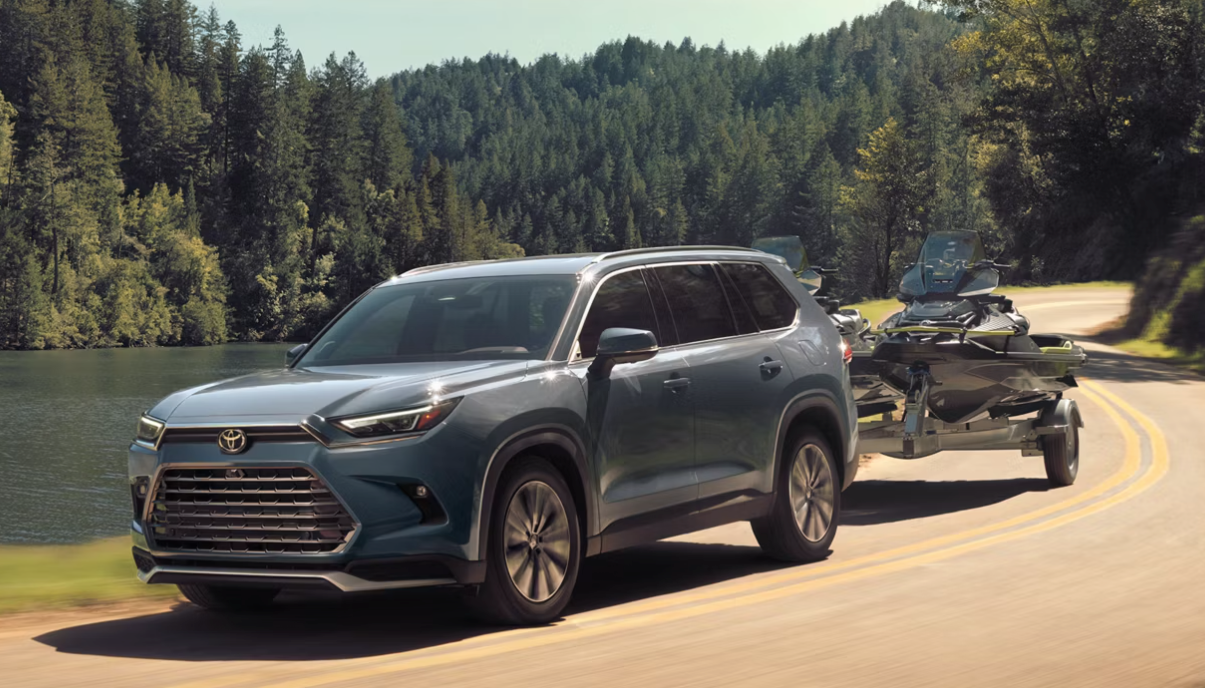
The key is matching “properly equipped” builds to real needs in Bristol, not chasing headline numbers. For a small bass boat or a pair of dirt bikes, either truck can be configured to handle the load. For heavier trailers, Tacoma’s hybrid torque and Toyota’s proven cooling and brake integration offer confident control on hilly routes.

Payload depends on trim and equipment, so confirm stickered capacities on the specific truck you plan to buy. If you want the simplest path, our team can decode tow-package details, hitches, and brake controller compatibility on a Tacoma that matches your routine. Then we will set a test route with a mix of highway and elevation to feel real-world response before you sign.

Real-World Matching, Not Spec Sheet Chasing

Paper specs can mislead if you compare the wrong configurations. A heavy off-road package can reduce payload, and bed or cab choices change tow ratings. Build to your heaviest regular load plus a safety margin rather than a once-a-year scenario. Bring your trailer details and we will confirm tongue weight, hitch class, and cooling needs. The right setup tows smoother, brakes straighter, and leaves more margin on hot summer climbs.

Off-Road Tech and Ground Clearance

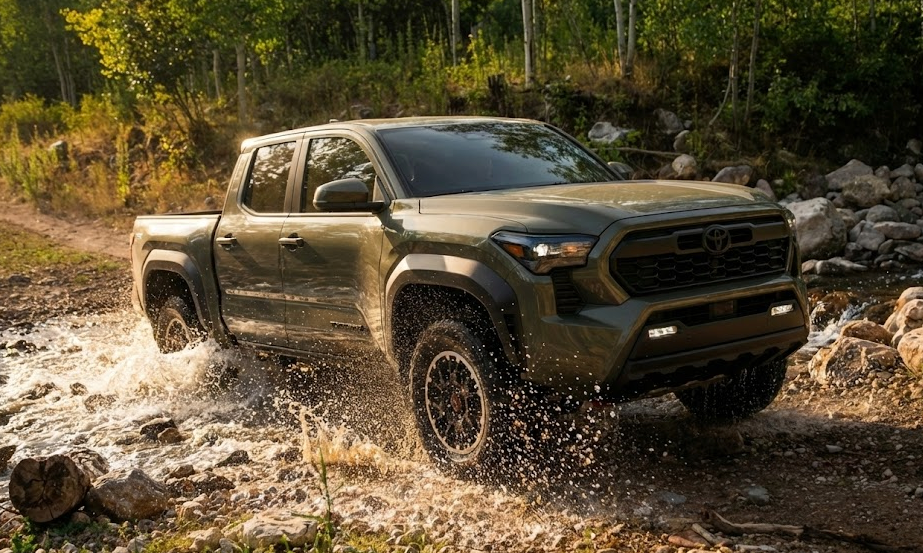
Tacoma has earned its reputation in the backcountry with hardware and software that make tough sections easier. Depending on trim, you will find multi-terrain select modes, crawl control, available locking rear differential, and camera views that help place tires precisely. Ranger offers its own drive modes and trail aids, and both trucks provide factory off-road variants that raise capability out of the box.

The difference comes down to how you plan to use the truck near Bristol. If your weekends include rutted forest roads and rock ledges, Tacoma’s specialized off-road trims and accessories bring proven durability and tuning that seasoned trail drivers appreciate. Approach and departure angles vary by bumper and tire choice, so measure the exact build you want rather than assuming a single number. Skid plates, recovery points, and tire sidewall protection matter as much as power when the route gets rough, and Toyota’s TRD ecosystem makes outfitting straightforward with parts that retain factory integration. Start stock, then add carefully to keep balance and warranty coverage intact.

Trailhead Basics for New Owners

Before your first trail day, set tire pressures for mixed surfaces, secure loose gear, and learn your drive modes on a gravel lot. Walk your line when you are unsure and use spotters on step-downs. Pack recovery straps, gloves, and a compact compressor. The goal is a relaxed day with margin to spare, which both trucks can deliver when set up thoughtfully. Our team can point you to nearby beginner routes to build confidence.

Cab, Bed, and Daily Comfort

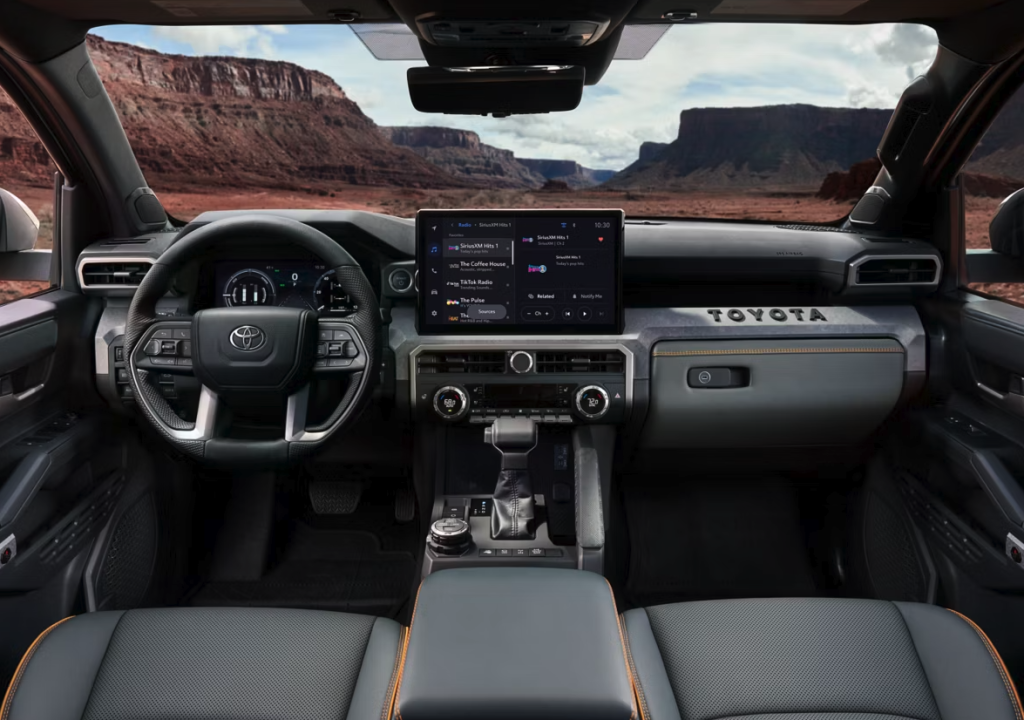
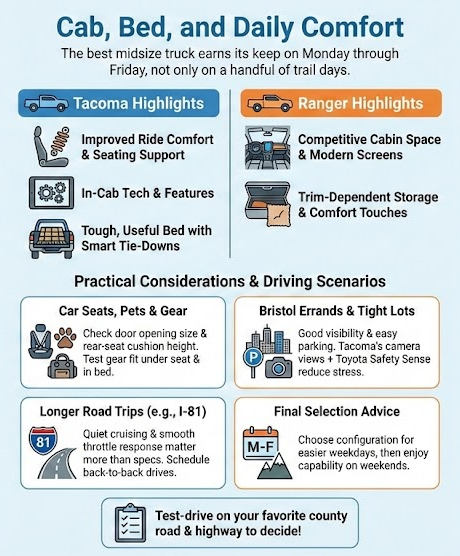
The best midsize truck earns its keep on Monday through Friday, not only on a handful of trail days. Tacoma’s latest generation improves ride comfort, seating support, and in-cab tech while keeping a tough, useful bed with smart tie-downs. Ranger brings competitive cabin space and modern screens of its own, with trim-dependent storage and comfort touches.

For car seats and pets, check door opening size and rear-seat cushion height, then test how your gear fits under the seat and in the bed. Bristol errands reward good visibility and easy parking, and Tacoma’s camera views plus Toyota Safety Sense help reduce stress in tight lots. On longer road trips, quiet cruising and smooth throttle response matter more than any single spec, so schedule back-to-back drives on I-81 and your favorite county road. Choose the configuration that makes each weekday easier, then enjoy the capability on weekends.

Ownership Experience and Resale Confidence

Beyond specs, consider dealer network, parts availability, and long-term costs. Toyota’s reputation for durability and the breadth of Tacoma accessories make ownership straightforward. Scheduled maintenance is simple to plan, and Toyota of Bristol can bundle services to match your mileage. Resale remains a Tacoma strength historically, which helps total cost of ownership. We will outline prepaid maintenance options and protection plans so you can focus on the fun parts of truck life.

Capability only helps if the setup matches your actual load. Bring your trailer details, cargo weight, and passengers, and we will pencil out tongue weight and payload so you tow within limits with margin. The right hitch height, brake controller settings, and mirror choices make towing calmer across rolling terrain. We will help you dial it in before your first trip.

If you split time between Bristol and trailheads, tire choice matters as much as any mode. A mild all-terrain balances highway quiet with trail traction for most owners. If you prioritize mud or rocks, consider a second set of wheels to swap seasonally. We will discuss load ratings and speed symbols so you keep safety and ride quality intact.

Tech has become the daily differentiator. Spend time with camera views, navigation prompts, and smartphone integration in each cab. The system that feels intuitive on day one is the system you will use every day. This is where Tacoma’s latest interface and controls stand out for many Bristol shoppers.

Visit Toyota of Bristol to test-drive the 2026 Tacoma and compare trims, including i-FORCE MAX options. We will review towing packages, bed setups, and off-road hardware to match your adventures. Our advisors keep the experience friendly and transparent so you leave with a clear plan. Bring your checklist and let’s find your build together.

Start online by viewing our Tacoma inventory and current offers. When you are ready, schedule a test drive at a time that fits your day. We serve Kingsport, Johnson City, and Abingdon with straightforward pricing and expert guidance. Your next trail day starts with a confident daily driver.

Both trucks are capable, yet the Tacoma’s hybrid availability, trail-proven hardware, and Toyota ownership experience make it a standout for Bristol drivers who mix weekdays and weekends. Ranger offers solid numbers, but Tacoma’s balance of capability and comfort is hard to beat on our roads. Drive them back to back and you will feel the difference quickly. Toyota of Bristol is ready with routes and answers.

Posted in:

Related Posts

Winter vs. All-Season Tires in Bristol

Winter Tires vs. All-Season Tires: What Tri-Cities Toyota Drivers Should Know

All-Season Convenience vs. Dedicated Winter Grip: Stopping Distances on Appalachian Snow and Ice All-season tires use a rubber compound and tread pattern designed to balance performance across a wide temperature range, while dedicated winter tires use a softer, cold-weather compound and deeper, more aggressive tread designed specifically for snow, ice, and temperatures below roughly 45 degrees Fahrenheit. The National Highway Traffic Safety Administration recommends drivers evaluate tire tread depth, traction ratings, and cold-weather readiness before winter rather than assuming any tire performs the same in every condition. Toyota of Bristol fields this question every fall from Tri-Cities drivers trying to decide whether a factory all-season tire is enough for our winters or whether a dedicated winter set makes sense. If you are weighing this decision for a daily commute on I-81 or I-26, occasional trips up into higher elevations like Roan Mountain, or simply want to understand what the three-peak mountain snowflake symbol on a tire actually means, this guide walks through the general tire-industry and NHTSA guidance behind the decision, not a one-size-fits-all answer. We are not able to guarantee a specific stopping distance or safety outcome for any tire, but we can walk through the factors that matter most for Tri-Cities driving so you can make an informed choice. Definition: All-season tires are designed to provide balanced performance across a range of temperatures and light winter conditions using a single, moderate rubber compound. Winter tires use a specialized, more flexible rubber compound and a tread pattern designed specifically for cold temperatures, snow, and ice. For drivers in the Bristol, TN and Tri-Cities area, the practical difference between the two shows up most on higher-elevation routes and during the coldest, snowiest stretches of winter. Table of Contents Understanding the Difference Between All-Season and Winter Tires Do Tri-Cities Drivers Need Dedicated Winter Tires? Local Authority: Winter Driving Conditions Around Bristol and the Tri-Cities Ownership Cost Analysis: Seasonal Winter Tires vs. a Single All-Season Set Service Guidance: Timing Your Seasonal Tire Swap Key Takeaways Frequently Asked Questions About Winter Tires in Bristol, TN Understanding the Difference Between All-Season and Winter Tires Key Takeaway: General tire-industry guidance points to roughly 45 degrees Fahrenheit as the temperature where all-season rubber compounds begin to stiffen and lose grip, while dedicated winter tire compounds are formulated to stay flexible well below that threshold, and NHTSA recommends evaluating a tire's traction rating specifically for the season rather than assuming any tire performs the same year-round. Rubber Compounds and Cold-Weather Performance All-season tires use a single rubber compound engineered as a compromise between warm-weather grip, tread life, and light winter capability. Multiple tire manufacturers and industry educational resources point to approximately 45 degrees Fahrenheit as the point where that all-season compound begins to stiffen, which reduces the tire's ability to conform to the road surface and maintain grip. A stiffer tire simply cannot flex into the small imperfections of a cold road surface the way a softer compound can, which is the underlying reason cold weather affects traction even before snow or ice enters the picture. Dedicated winter tires use a softer, silica-enhanced compound designed to stay pliable at much lower temperatures, paired with a deeper, more aggressive tread pattern and additional biting edges intended to grip snow and ice. That deeper tread also does more than provide extra rubber on the road; the additional void space and biting edges are designed to channel away snow and slush that would otherwise pack into a shallower tread and reduce contact with the road surface. Neither tire type eliminates the physical realities of driving on snow or ice, and no tire can guarantee a specific stopping distance or outcome in every condition. Category All-Season Tires Dedicated Winter Tires Rubber compound Single compound, balanced for a wide temperature range Softer, silica-enhanced compound designed to stay flexible in cold temperatures Approximate stiffening point Around 45°F (7°C), per general tire-industry guidance Formulated to remain flexible well below 45°F Tread design Moderate tread depth and pattern for varied conditions Deeper tread with additional biting edges for snow and ice 3PMSF certification Some all-weather tires carry it; most standard all-season tires do not Designed and tested to meet the severe-snow traction standard Typical use case Year-round driving in regions with mild-to-moderate winters Dedicated winter use, typically swapped seasonally, in areas with sustained cold, snow, or ice Dry, warm-weather performance Generally the stronger choice for spring through fall Softer compound generally wears faster and performs less precisely in warm weather Table 1. General tire-industry comparison of all-season and dedicated winter tires. According to general tire-industry guidance, an all-season tire's rubber compound typically begins losing flexibility and grip once temperatures fall toward 45 degrees Fahrenheit, which is a normal winter overnight low across much of the Tri-Cities region. A dedicated winter tire's compound is formulated to remain flexible below that threshold, which is why NHTSA and tire manufacturers frame the choice around your typical winter conditions and driving needs rather than a single universal recommendation. The 3PMSF Symbol vs. the M+S Marking Not every tire marketed for winter or snow provides the same level of certified performance. The three-peak mountain snowflake symbol, often shown as 3PMSF, indicates a tire has met a standardized severe-snow traction test recognized across the tire industry, and it is generally regarded as a more rigorous benchmark than the older mud-and-snow, or M+S, designation. The M+S marking simply reflects a manufacturer-designated tread pattern believed to offer better traction than a non-M+S tire in light mud and snow, without the standardized severe-snow testing behind the 3PMSF symbol. Many all-season tires carry only the M+S marking, while dedicated winter tires and a growing number of all-weather tires carry the 3PMSF symbol. If sustained snow or ice is a regular part of your winter driving, general tire-industry guidance points toward prioritizing tires with the 3PMSF symbol over an M+S-only tire. NHTSA Tread Depth and Pressure Guidance for Winter NHTSA's winter driving guidance recommends tire tread of at least 2/32 of an inch on all tires, checked regularly throughout the season, along with monitoring tire pressure as temperatures drop, since inflation pressure decreases as outside temperature falls. NHTSA specifically recommends checking pressure against the vehicle manufacturer's specification, found on the driver's door frame placard, rather than the maximum pressure listed on the tire sidewall. NHTSA also recommends checking tires when they are cold, meaning the vehicle has not been driven for at least three hours, since driving warms the tires and temporarily raises the pressure reading. NHTSA also references the Uniform Tire Quality Grading System as a tool for comparing treadwear, traction, and temperature resistance across tire options, and recommends general winter vehicle preparation such as checking wipers, defrosters, coolant, and battery condition alongside tire readiness. This broader winter-readiness view matters because tires are only one part of a vehicle's overall cold-weather performance; a tire with excellent tread and the right compound still depends on functioning brakes, clear visibility from properly working wipers and defrosters, and a battery capable of reliable starts on the coldest mornings. We can check tread depth and pressure on your current tires during any visit to our service center, whether or not you are also considering a seasonal tire change, and flag any of these related items while your vehicle is already in our service bay. Do Tri-Cities Drivers Need Dedicated Winter Tires? Key Takeaway: For Tri-Cities drivers who see occasional light snow and cold temperatures without sustained ice or heavy accumulation, a quality all-season or all-weather tire carrying the 3PMSF symbol is a reasonable choice under general tire-industry guidance, while drivers who regularly climb into higher elevations like Roan Mountain or Cherokee National Forest, or who prioritize maximum cold-weather traction, should weigh a dedicated winter tire set for the season. All-Season vs. All-Weather vs. Dedicated Winter Tires Beyond the traditional all-season and winter categories, a growing number of all-weather tires aim to bridge the gap, carrying the 3PMSF symbol while still remaining mounted year-round rather than swapped seasonally. Toyota's current lineup, including the RAV4, Highlander, and Tacoma, ships from the factory with all-season tires designed to match each vehicle's intended use, and any change from that factory-specified tire size or type is worth discussing with our parts and service team to make sure it stays compatible with your Toyota's suspension tuning and safety systems. Category All-Season All-Weather Dedicated Winter 3PMSF symbol Rare on standard all-season tires Common on tires marketed as all-weather Standard on true winter tires Swapped seasonally? No, used year-round No, used year-round Typically yes, swapped for winter months Cold-weather flexibility Stiffens noticeably below about 45°F Better than standard all-season below 45°F Formulated to stay flexible well below 45°F Best fit for Mild winters, occasional light snow Moderate winters without sustained heavy snow Sustained cold, regular snow or ice, higher elevations Warm-weather tread life Generally the longest-wearing option Moderate, depends on specific tire Softer compound wears faster in warm weather Tri-Cities example use case Bristol commuting with mild winters Kingsport or Johnson City commuting with occasional snow Regular winter trips to Roan Mountain or Cherokee National Forest Table 2. Comparing all-season, all-weather, and dedicated winter tires for Tri-Cities driving. For Tri-Cities drivers who mainly see occasional light snow and cold temperatures without sustained ice or heavy accumulation, a quality all-season or all-weather tire that carries the 3PMSF symbol is a reasonable choice under general tire-industry guidance. Drivers who regularly climb into higher elevations like Roan Mountain or Cherokee National Forest during winter, or who prioritize maximum cold-weather traction over convenience, should weigh dedicated winter tires for the season, since NHTSA recommends evaluating a tire's traction rating for winter conditions specifically rather than assuming uniform performance year-round. When Elevation and Route Matter Most Elevation changes the calculation more than most Tri-Cities drivers expect. A commute that stays within Bristol city limits sees meaningfully milder winter conditions than a regular drive up toward Roan Mountain or through higher sections of Cherokee National Forest, where temperatures run colder and snow lingers longer. Drivers whose winter routes are limited to lower-elevation streets in Bristol, Kingsport, or Johnson City may find a 3PMSF-rated all-season or all-weather tire meets their needs, while drivers who regularly travel higher elevation routes, or who drive early mornings when black ice is more likely, have more to gain from a dedicated winter set. Primarily lower-elevation city driving in Bristol, Kingsport, or Johnson City: a 3PMSF-rated all-season or all-weather tire is a reasonable option for many drivers Regular trips to higher elevations like Roan Mountain or Cherokee National Forest in winter: dedicated winter tires offer additional cold-weather traction under general tire-industry guidance Early-morning or rural driving where black ice is more likely: worth discussing tire options with our team regardless of elevation Uncertain which category fits your driving: our service team can review your current tires and typical routes with you Get Your Tires Checked Before Winter Arrives Our service team can inspect your current tires for tread depth and overall condition and walk through whether a 3PMSF-rated all-season tire, an all-weather tire, or a dedicated winter set makes the most sense for your specific Tri-Cities commute. We carry genuine OEM Toyota tire options sized correctly for your vehicle, and our knowledgeable staff can explain the tradeoffs honestly rather than push the most expensive option, since the right choice really does depend on your typical routes and how much winter driving you actually do. To schedule a tire inspection or ask about current tire options for your Toyota, visit toyotaofbristol.com/toyota-tire-services-bristol-tn.html or call us at 423-764-3155. We also offer Express Maintenance for quick tire checks without an appointment, and our Saturday service hours make it easier to get ready before the first cold snap without taking time off work. Stop by our service center at 3045 W State Street in Bristol, and let our team help you make a confident, informed choice about your tires this winter. Local Authority: Winter Driving Conditions Around Bristol and the Tri-Cities Key Takeaway: Bristol sits at a lower elevation than Roan Mountain and other high points in Cherokee National Forest, so winter conditions can look very different within the same hour-long drive, which is exactly why we encourage Tri-Cities drivers to think about their actual routes rather than a single regional forecast when choosing tires. Elevation Differences Across Our Service Area Winter driving conditions vary meaningfully across our service area. Bristol and the lower elevations around Kingsport and Johnson City typically see milder winter temperatures and less snow accumulation than higher elevations toward Roan Mountain and Cherokee National Forest, where snow can linger on shaded roads well after it has melted in town. Abingdon, Virginia and the surrounding mountain communities often see conditions closer to those higher-elevation ranges than to downtown Bristol. Bridges and overpasses along I-81 and I-26 are also worth extra caution regardless of which tire you choose, since these elevated sections lose heat faster than the road surface below them and tend to ice over first and thaw last. That pattern holds true whether you are on a dedicated winter tire or a 3PMSF-rated all-season tire, which is why reduced speed and following distance on bridges and overpasses matter alongside tire selection rather than instead of it. This elevation difference is exactly why we encourage Tri-Cities drivers to think about their actual regular routes, not just the local forecast in Bristol, when deciding between all-season, all-weather, or dedicated winter tires. A commuter who never leaves lower-elevation city streets faces a different decision than someone who regularly drives up into the mountains for work or recreation, even though both live within the same general Tri-Cities area. Talk to Our Parts and Service Team About Your Options Whether you are commuting from Kingsport, driving in from Johnson City, or heading up from Abingdon, Virginia, our parts and service team can help you find the right tire size and type for your specific Toyota before winter weather arrives. We have been proudly serving the Tri-Cities region from our West State Street location in Bristol, and our Tri-Us You'll Like Us reputation is built on giving straightforward guidance rather than pushing an unnecessary upsell. If you want to check current tire and parts specials or schedule a service visit, visit toyotaofbristol.com/service-parts-specials.html or call us at 423-764-3155 to speak with our service advisors directly. We use only genuine OEM Toyota parts and tires sized correctly for your vehicle, and we bring that same standard of care to drivers across Bristol, Kingsport, Johnson City, and Abingdon every winter. Ownership Cost Analysis: Seasonal Winter Tires vs. a Single All-Season Set Key Takeaway: A seasonal winter tire set, mounted on a second set of wheels, adds an upfront cost beyond a single set of 3PMSF-rated all-season or all-weather tires, but it also means each set wears more slowly since it is only used part of the year, which is worth weighing against your specific driving pattern rather than assuming one approach is always cheaper. Choosing between a single set of 3PMSF-rated all-season or all-weather tires and a dedicated seasonal winter set is partly a cost question, and the honest answer depends on your specific vehicle, tire size, and how many miles you drive each season. A seasonal winter set mounted on its own wheels means an additional upfront purchase, but each set of tires also accumulates fewer total miles per year since it is used only part of the season, which can extend the useful life of both sets compared to a single set used year-round. Pricing for tires and wheels varies by vehicle, tire size, and current specials, so we are not able to state a specific cost here without confirming it against your exact Toyota model and trim. Our parts and service team can provide a current, accurate quote for either approach, including seasonal mounting and balancing if you choose a dedicated winter set, so you can compare the real cost difference for your specific situation rather than a generic estimate. Service Guidance: Timing Your Seasonal Tire Swap Key Takeaway: Storing a seasonal tire set and planning the swap around the 45-degree threshold, rather than a fixed calendar date, gives Tri-Cities drivers a more practical way to time the change between all-season and winter tires each year. Drivers who choose a dedicated seasonal winter set generally plan two swaps each year, moving to winter tires as sustained temperatures approach the roughly 45-degree threshold in the fall and back to all-season tires once temperatures reliably warm in spring. Because Bristol's lower elevation typically warms up before higher routes toward Roan Mountain or Cherokee National Forest, drivers who frequently travel those higher routes may want to keep winter tires mounted slightly longer into spring than someone who only drives around town. Proper off-season storage, keeping tires clean, dry, and away from direct sunlight or heat sources, also helps each set last through more winters before it needs replacing. Fall swap timing: as sustained temperatures approach roughly 45°F rather than a fixed calendar date Spring swap timing: once temperatures warm reliably, adjusted later for drivers who frequently travel higher-elevation routes Off-season storage: keep tires clean, dry, and out of direct sunlight or heat Our service center can handle seasonal mounting, balancing, and storage recommendations for a dedicated winter tire set Key Takeaways All-season tires use a single rubber compound that general tire-industry guidance says begins stiffening around 45°F, while winter tires use a compound designed to stay flexible well below that point. The three-peak mountain snowflake (3PMSF) symbol reflects a standardized severe-snow traction test and is a more rigorous benchmark than the older M+S marking. NHTSA recommends at least 2/32 of an inch of tread on all tires and checking tire pressure regularly as temperatures drop. Drivers primarily on lower-elevation Tri-Cities streets may find a 3PMSF-rated all-season or all-weather tire adequate, while drivers who regularly travel higher elevations like Roan Mountain benefit more from dedicated winter tires. Neither tire type can guarantee a specific stopping distance or safety outcome; tire choice is one factor among many in winter driving safety. Our service team can inspect current tread and pressure and provide a specific quote for either a single 3PMSF-rated tire set or a dedicated seasonal winter set. Frequently Asked Questions About Winter Tires in Bristol, TN Do I really need winter tires if I only drive around Bristol? For drivers whose winter routes stay mainly within lower-elevation areas of Bristol, a quality all-season or all-weather tire carrying the 3PMSF symbol is a reasonable option under general tire-industry guidance, since these areas typically see milder winter conditions than higher elevations in our service area. If your routine includes early-morning drives, occasional trips to higher elevations, or you simply want the most cold-weather traction available, a dedicated winter tire set offers additional benefits worth discussing with our team based on your specific driving pattern. What is the difference between the 3PMSF symbol and an M+S tire? The three-peak mountain snowflake symbol indicates a tire has passed a standardized severe-snow traction test recognized across the tire industry, while the M+S marking simply reflects a manufacturer-designated tread pattern believed to offer better traction in light mud and snow, without that same standardized testing. Many all-season tires carry only the M+S marking, while dedicated winter tires and a growing number of all-weather tires carry the 3PMSF symbol. We can check which marking your current tires carry during a service visit. How much does it cost to switch to winter tires? Cost depends on your specific Toyota model, tire size, and whether you choose a dedicated set of wheels for seasonal swapping, so we are not able to state a general price here. Our parts and service team can provide a current, accurate quote based on your exact vehicle, including mounting, balancing, and any available current tire specials. We recommend requesting a quote before the first cold snap so you have time to decide without feeling rushed. Choosing between all-season and winter tires is a real safety-related decision, and we want Bristol, Kingsport, Johnson City, and Abingdon drivers making that choice with accurate information rather than guesswork or a generic answer that ignores your actual routes. We cannot guarantee a specific stopping distance or outcome with any tire, but we can inspect your current tread and pressure, explain what NHTSA and general tire-industry guidance recommend, and provide a specific quote for whichever approach fits your typical routes, whether that means a lower-elevation Bristol commute or regular trips up toward Roan Mountain. Stop by our service center at 3045 W State Street in Bristol, call us at 423-764-3155, or schedule a tire inspection online before winter weather arrives, and let our team help you make a confident, well-informed decision this season.

Fall Foliage Drives from Bristol: Best Toyota SUVs for Blue Ridge and Cherokee National Forest Getaways

Fall Foliage Drives from Bristol: Best Toyota SUVs for Blue Ridge and Cherokee National Forest Getaways

Best Toyota SUVs for the Drive: Comparing RAV4 AWD, 4Runner 4WD, and Grand Highlander The best Toyota SUVs for fall foliage drives from Bristol are the RAV4 Hybrid or RAV4 Plug-in Hybrid for scenic paved routes, the 4Runner for rougher forest-service roads that demand higher ground clearance and four-wheel drive, and the Grand Highlander for larger groups who want three-row seating and extra cargo room for gear. Toyota of Bristol sees this decision come up every autumn as drivers plan weekend trips into the Blue Ridge Mountains and Cherokee National Forest, and the right choice mostly comes down to which roads you plan to drive and how many people and how much gear you are bringing. If you are mapping a day trip to Roan Mountain, a weekend around Watauga Lake, or a longer drive along the Blue Ridge Parkway toward Blowing Rock, this guide walks through which current Toyota SUV fits each kind of trip, what to expect from fall weather and road conditions in our part of Appalachia, and how all-wheel and four-wheel drive actually help once the leaves start turning. Families, weekend hikers, and anyone chasing peak color will find a clear starting point here for choosing between our current SUV lineup. Definition: A fall foliage drive from Bristol into the Blue Ridge Mountains or Cherokee National Forest typically combines curving two-lane roads, real elevation change, and early-season weather that can shift quickly. The right SUV for this kind of trip generally offers all-wheel or four-wheel drive, enough cargo space for hiking or camping gear, and confident handling on mountain roads. For drivers in the Bristol, TN and Tri-Cities area, choosing a capable SUV can make peak-color weekend trips more comfortable and less dependent on ideal weather. Table of Contents Planning a Tri-Cities Fall Foliage Drive Which Toyota SUV Fits Your Fall Trip Local Authority: Fall Driving Around Bristol and the Tri-Cities Local Driving Insight: Why Elevation Matters More Than the Calendar Family & Lifestyle Fit: Packing for Day Trips vs. Overnight Getaways Key Takeaways Frequently Asked Questions About Fall Foliage Drives from Bristol Planning a Tri-Cities Fall Foliage Drive Key Takeaway: Roan Mountain and the surrounding Cherokee National Forest typically see peak color first in our region, usually in early-to-mid October at higher elevations, while lower-elevation routes toward the Blue Ridge Parkway often peak a week or two later. Where and When to Chase Peak Color Elevation drives almost everything about fall color timing in our region. Roan Mountain, one of the highest points in the Cherokee National Forest at over 6,000 feet, typically turns first, often in the first half of October, while valley routes around Watauga Lake and the lower stretches of the Blue Ridge Parkway usually peak a week or two behind it. Watching elevation rather than a single calendar date is the more reliable way to plan a trip, since a drive that looks past its peak in Bristol can still be near peak an hour away at higher elevation. Cherokee National Forest is the closer option for a half-day or full-day trip, with Watauga Lake and the Appalachian Trail crossings near Hampton and Roan Mountain State Park offering pull-offs, overlooks, and short hikes without a long drive from Bristol. The Blue Ridge Parkway, reached through the Boone and Blowing Rock area of North Carolina, is a longer drive but adds the Parkway's continuous overlooks and, for those willing to go further, Grandfather Mountain. Route choice matters as much as timing. A loop that climbs from Elizabethton up toward Roan Mountain gains elevation quickly, which means you can pass through several stages of color change in a single morning drive rather than committing to one fixed point. The Blue Ridge Parkway works differently, since its elevation stays relatively consistent for long stretches, so color along the Parkway tends to change more uniformly across a wider area at once rather than in the same quick elevation bands you would find climbing Roan Mountain. Destination Approx. Drive Time from Bristol Typical Peak Color Window Road Character Roan Mountain / Cherokee National Forest 45 minutes to 1 hour Early to mid-October (high elevation) Curving two-lane roads, some unpaved forest access roads Watauga Lake area 45 minutes to 1 hour Mid-to-late October Paved lake-loop roads, some steeper grades Blue Ridge Parkway near Blowing Rock, NC 1.5 to 2 hours Mid-to-late October Continuous paved overlooks, higher traffic on weekends Table 1. Popular fall foliage destinations within reach of Bristol, TN. Weekday vs. Weekend Trips and What to Expect Weekday trips generally mean lighter traffic and easier parking at popular overlooks, while weekend trips during peak weeks can mean crowded pull-offs, especially along the Blue Ridge Parkway. Morning departures also help on the Parkway, since fog is common at elevation until mid-morning, and that same fog can linger longer on shaded, north-facing sections of Cherokee National Forest roads. Holiday weekends in October tend to be the busiest of the year for both destinations, so an early start or a weekday visit is the more reliable way to actually get a parking spot at the more popular overlooks. None of these destinations require a highly specialized vehicle to enjoy from paved roads, which is part of why the SUV choice below comes down more to comfort, cargo space, and how far off the pavement you plan to go than raw off-road capability alone. Which Toyota SUV Fits Your Fall Trip Key Takeaway: For paved scenic routes like the Blue Ridge Parkway and Watauga Lake loop, we recommend the RAV4 Hybrid or RAV4 Plug-in Hybrid; for forest-service roads and higher-clearance trails in Cherokee National Forest, the 4Runner is the stronger fit; and for larger groups with more gear, the Grand Highlander's three-row seating and cargo space make the most sense. RAV4 vs. 4Runner vs. Grand Highlander Toyota's current RAV4 lineup is electrified-only, available as a Hybrid Electric Vehicle (HEV) across LE, XLE Premium, Limited, SE, XSE, and Woodland grades, or as a Plug-in Hybrid Electric Vehicle (PHEV) on separate grades, with front- or all-wheel drive depending on grade. The 4Runner offers nine grades for 2026, including off-road-focused TRD Off-Road, TRD Pro, and Trailhunter trims built around Toyota's four-wheel-drive systems and higher ground clearance, alongside more comfort-oriented grades like SR5 and Limited. The Grand Highlander is confirmed with a 2.4L turbo gas engine, a 2.5L hybrid rated at a manufacturer-estimated 34 mpg combined, and a Hybrid MAX powertrain producing 362 horsepower, with seating for up to seven and as much as 97.5 cubic feet of cargo space with the rear seats folded. Category RAV4 (HEV/PHEV) 4Runner Grand Highlander Powertrain Electrified-only: HEV or PHEV (confirmed) Gas-based lineup with off-road-focused grades; contact Toyota of Bristol for complete, current 2026 powertrain specifications 2.4L turbo gas, 2.5L hybrid (34 mpg combined, mfr.-estimated), or Hybrid MAX (362 hp) Drivetrain FWD or AWD, depending on grade 4WD systems on TRD Off-Road, TRD Pro, and Trailhunter grades FWD or AWD Seating 5 passengers 5 passengers Up to 7 passengers Cargo space Contact Toyota of Bristol for complete, current cargo figures Contact Toyota of Bristol for complete, current cargo figures Up to 97.5 cu ft with rear seats folded (confirmed) Best fit for fall foliage trips Paved scenic routes like the Blue Ridge Parkway or Watauga Lake loop Forest-service roads and higher-clearance trails in Cherokee National Forest Larger groups needing three-row seating and extra cargo room Table 2. Comparing the current RAV4, 4Runner, and Grand Highlander for fall foliage trips. For a paved scenic drive along the Blue Ridge Parkway or around Watauga Lake, we recommend the RAV4 Hybrid or RAV4 Plug-in Hybrid, since both are confirmed as electrified-only with front- or all-wheel drive depending on grade and do not require the higher clearance a forest-service road demands. If your trip includes unpaved sections in Cherokee National Forest or you want more ground clearance for peace of mind, the 4Runner's TRD Off-Road, TRD Pro, or Trailhunter grades are the stronger fit, and the Grand Highlander is the better choice once your group grows past five people or your gear list grows past what a compact SUV can hold. Matching Group Size and Gear to the Right SUV A group of two or three adults doing a day trip with light gear, cameras, and a picnic will find the RAV4 comfortable and efficient for a Blue Ridge Parkway round trip from Bristol. A family or group planning to explore an actual forest-service road in Cherokee National Forest, rather than staying on paved overlooks, benefits from the 4Runner's four-wheel-drive systems and higher ground clearance, particularly after rain when unpaved sections can get soft. A larger family or two-family trip to Watauga Lake with kayaks, coolers, and overnight bags is where the Grand Highlander's third row and 97.5 cubic feet of confirmed cargo space with the seats folded earns its keep. Two to three adults, paved routes, day trip: RAV4 Hybrid or RAV4 Plug-in Hybrid Forest-service roads, higher clearance wanted: 4Runner TRD Off-Road, TRD Pro, or Trailhunter Larger groups, overnight gear, kayaks or coolers: Grand Highlander Uncertain which fits your trip: our team can walk through your specific route and group size Ready to Pick Your Fall Road-Trip SUV? Our sales team can show you the current RAV4, 4Runner, and Grand Highlander on our lot and help you match a grade to the specific fall trip you have in mind, whether that is a paved Blue Ridge Parkway day trip or a rougher forest-service road in Cherokee National Forest. We know these decisions come down to real details like cargo space, drivetrain, and ground clearance, and our knowledgeable, no-pressure sales staff would rather ask about your actual trip, your typical group size, and how far off pavement you plan to go than guess at what you need. If you are torn between two SUVs, a side-by-side test drive on the same afternoon often makes the decision easier than reading specs alone. To check our current new Toyota selection or schedule a test drive before your next fall getaway, visit toyotaofbristol.com/searchnew.aspx or toyotaofbristol.com/testdrive.aspx, or call us at 423-764-3155. We also offer the Bristol Advantage Plan on qualifying new Toyota purchases, and our team can confirm current benefits and financing options for whichever SUV fits your travel plans. Stop by our showroom at 3045 W State Street in Bristol before your next weekend in the mountains. Local Authority: Fall Driving Around Bristol and the Tri-Cities Key Takeaway: Bristol sits within an hour of Cherokee National Forest and Watauga Lake and roughly two hours of the Blue Ridge Parkway, and our central location and Saturday service hours make it easy to get your SUV road-trip ready before peak color arrives. Regional Access and Pre-Trip Readiness Bristol's location gives Tri-Cities drivers unusually quick access to serious fall-foliage terrain. Kingsport and Johnson City residents share that same short drive into Cherokee National Forest, while Abingdon, Virginia sits close to its own stretch of mountain scenery along Route 58 toward the Virginia Creeper Trail. Wherever you are starting from in our service area, a fall mountain drive usually means real elevation change, sudden weather shifts, and roads that reward a well-maintained vehicle with good tires and working brakes. Fall in the mountains also means temperature swings that catch drivers off guard. A morning departure from Bristol at 50 degrees can mean near-freezing temperatures and frost on shaded curves by the time you reach Roan Mountain's higher elevations, even on a day that warms up comfortably back in town. That kind of swing is exactly why we bring up tire condition and braking performance before a fall mountain trip rather than only ahead of winter, since the first cold mornings of the season often arrive at elevation weeks before they reach Bristol itself. We recommend a quick pre-trip check before any longer mountain drive: tire tread and pressure, brake condition, and washer fluid for the road grime a rainy fall day can kick up. Our Express Maintenance service handles a lot of this without an appointment, and our Saturday service hours mean a Friday afternoon decision to chase peak color the next morning does not have to mean skipping a basic safety check. Get Road-Trip Ready at Our Service Center Whether you are heading out from Bristol, Kingsport, Johnson City, or Abingdon, our service center can get your current Toyota ready for mountain driving with a quick multi-point inspection before your next fall trip. We have been proudly serving the Tri-Cities region from our West State Street location in Bristol, and our Tri-Us You'll Like Us reputation is built on treating every visit, whether it is a same-day oil change or a new SUV purchase, the same way. If you want to check tire condition, brakes, or fluids before a mountain drive, visit toyotaofbristol.com/schedule-service.html or call us at 423-764-3155 to set up a visit. Our Express Maintenance option also covers quick oil changes and tire checks without an appointment if your trip comes together last minute. We use only genuine OEM Toyota parts for every repair, and we bring that same standard of care to drivers across Bristol, Kingsport, Johnson City, and Abingdon. Local Driving Insight: Why Elevation Matters More Than the Calendar Key Takeaway: Elevation, not the calendar, is the most reliable way to plan a Tri-Cities fall foliage trip, since Roan Mountain and other high-elevation stops in Cherokee National Forest typically peak one to two weeks ahead of lower-elevation routes near Watauga Lake or the Blue Ridge Parkway foothills. Most visitors plan a fall color trip around a single date on a calendar, but elevation is the more reliable guide in our part of Appalachia. A route that looks past peak in Bristol's lower elevation can still be near peak an hour away at 4,000 or 5,000 feet, which is why Roan Mountain and other high points in Cherokee National Forest typically turn first while valley routes lag behind by a week or two. This matters for vehicle choice too. Higher-elevation routes are more likely to include unpaved forest-service roads, tighter switchbacks, and occasional early-morning frost even while lower elevations stay mild, which is exactly the kind of trip where the 4Runner's four-wheel-drive systems and additional ground clearance add real margin. A lower-elevation loop around Watauga Lake or a Parkway day trip near Blowing Rock stays on paved roads the entire way, which is where the RAV4's efficiency and easier daily driving character make more sense. A practical way to use this insight is to plan a single day around two elevation bands rather than one destination. Starting at a lower-elevation stop like Watauga Lake in the morning and finishing the afternoon higher up toward Roan Mountain often means seeing color at two different stages of the season in the same outing, which stretches the value of a single tank of gas or a single charge and gives everyone in the car a better shot at seeing peak color somewhere along the route even if the calendar date does not line up perfectly with any one spot. Family & Lifestyle Fit: Packing for Day Trips vs. Overnight Getaways Key Takeaway: Packing for a fall foliage day trip is different from packing for an overnight camping trip in Cherokee National Forest, and matching your Toyota SUV's cargo space to that difference avoids a cramped drive home with muddy boots and gear. A day trip built around overlooks and short hikes generally needs space for a cooler, daypacks, and layers for temperature swings between a sunny overlook and a shaded trailhead, which any current RAV4 handles easily. An overnight or multi-family trip to Watauga Lake with kayaks, camp chairs, and coolers is a different packing problem, and that is where the Grand Highlander's confirmed 97.5 cubic feet of cargo space with the rear seats folded becomes the more comfortable choice, especially with kids and their gear also along for the ride. Day trip, overlooks and short hikes: cooler, daypacks, and layered clothing fit easily in a RAV4 Half-day forest-service road exploration: muddy boots and trail gear are easier to manage with the 4Runner's more rugged cargo area Overnight or multi-family lake trip: kayaks, camp chairs, and coolers fit the Grand Highlander's larger cargo space with seats folded Photography trips with tripods and camera bags: any of the three works, but easy rear-seat access matters more than raw cargo volume Key Takeaways The RAV4 Hybrid or RAV4 Plug-in Hybrid fits paved scenic routes like the Blue Ridge Parkway or Watauga Lake loop best. The 4Runner's TRD Off-Road, TRD Pro, and Trailhunter grades fit forest-service roads and higher-clearance trips in Cherokee National Forest. The Grand Highlander offers confirmed seating for up to seven and up to 97.5 cubic feet of cargo space with the rear seats folded, making it the stronger choice for larger groups. Elevation, more than the calendar date, drives fall color timing in our region, with Roan Mountain typically peaking one to two weeks ahead of lower-elevation routes. Cherokee National Forest and Watauga Lake sit within about an hour of Bristol, while the Blue Ridge Parkway near Blowing Rock is roughly a two-hour drive. Our service center can complete a quick pre-trip inspection, including tires and brakes, without an appointment through Express Maintenance. Frequently Asked Questions About Fall Foliage Drives from Bristol Do I need all-wheel drive for a Blue Ridge Parkway fall foliage trip? All-wheel drive is not required for the Parkway itself, since the route is fully paved, but it does add confidence on wet or frosty mornings at elevation, which are common in October. Our current RAV4 lineup offers all-wheel drive depending on grade, and it is a reasonable option if you plan multiple mountain trips through the fall and winter. If you are staying entirely on paved roads for a single day trip, a front-wheel-drive RAV4 handles the Parkway comfortably as well. Which Toyota SUV handles unpaved forest-service roads best? The 4Runner is our strongest recommendation for unpaved forest-service roads in Cherokee National Forest, particularly the TRD Off-Road, TRD Pro, and Trailhunter grades, which are built around four-wheel-drive systems and additional ground clearance. We recommend confirming current road conditions before heading onto an unpaved forest-service road, since fall rain can soften sections that are firm in drier months, and some forest roads close seasonally regardless of which vehicle you drive. Our team can walk you through which 4Runner grade fits the specific trails you have in mind. When is peak fall color near Bristol, Kingsport, and Johnson City? Peak color timing varies by elevation more than by a single calendar date. High-elevation spots like Roan Mountain in Cherokee National Forest typically peak in early-to-mid October, while lower-elevation routes around Watauga Lake and the Blue Ridge Parkway foothills often peak a week or two later. Watching elevation, rather than committing to one weekend, gives you a better chance of catching near-peak color somewhere within an hour or two of Bristol, and checking closer to your planned trip date is more reliable than planning months in advance. Can I fit a family of five and their gear in a RAV4 for a Watauga Lake trip? A RAV4 comfortably seats five and handles daypacks, a cooler, and light gear for a day trip without difficulty. For an overnight stay with kayaks, camp chairs, and larger coolers, most families find the Grand Highlander's additional cargo space more comfortable, since it is confirmed at up to 97.5 cubic feet with the rear seats folded. Our team can help you decide based on exactly what you are planning to bring along. Fall in the Tri-Cities means quick access to some of the best foliage driving in Appalachia, and we want you heading into Cherokee National Forest or up the Blue Ridge Parkway in a Toyota SUV that actually fits your trip. Whether that means a RAV4 for a paved day trip, a 4Runner for forest-service roads, or a Grand Highlander for a larger group with gear, we also offer the Bristol Advantage Plan on qualifying new Toyota purchases and a service center ready to check your tires and brakes before you go. We would rather help you plan around elevation and group size now than have you find out halfway up Roan Mountain that you brought the wrong vehicle for the trip. Stop by our showroom at 3045 W State Street in Bristol, call us at 423-764-3155, or schedule a quick pre-trip inspection online, and let us help make sure Bristol, Kingsport, and Johnson City drivers are ready for peak color this season.

Toyota Plug-In Hybrid Charging Guide for Bristol, TN Drivers

Toyota Plug-In Hybrid Charging Guide for Bristol, TN Drivers

Maximizing EV Mode Range for Your Tri-Cities Commute Toyota plug-in hybrids can be charged at home or compatible public charging stations, then driven on electric power for shorter trips while keeping a gas engine for longer drives. Toyota of Bristol helps local shoppers compare plug-in hybrid charging needs for daily commutes, weekend travel, and long-term ownership. For a Bristol commuter who wants electric driving for weekday errands but gas flexibility for I-81 or Southwest Virginia trips, a Toyota plug-in hybrid can be a practical bridge between a standard hybrid and a fully electric vehicle. This guide is not a Prius Plug-In Hybrid model spotlight or a RAV4 Plug-In Hybrid model page. Instead, it explains how charging fits real life. We will cover Level 1 charging, Level 2 charging, public charging, electric driving range, hybrid mode, home setup questions, apartment considerations, and how to choose between Toyota plug-in hybrid options by lifestyle. We will also keep the focus local. A driver in Bristol, Kingsport, Johnson City, Abingdon, Blountville, or Elizabethton may have different charging needs depending on parking access, commute distance, work charging, road trips, and whether SUV space matters more than maximum efficiency. Definition: A Toyota plug-in hybrid is a vehicle with a gas engine, hybrid system, and larger battery that can be charged externally. It can drive on electric power when charged, then continue operating like a hybrid when battery charge is lower. For many drivers, that means electric-first commuting with gas flexibility. Plug-In Hybrid Shopping Compare Toyota Plug-In Hybrid Options If you want electric driving for daily trips and gas flexibility for longer routes, our team can help compare Toyota plug-in hybrid availability and charging fit. View New Toyota Inventory Table of Contents How Toyota Plug-In Hybrid Charging Works Should You Charge at Home, Work, or Public Stations? Local Charging and Driving Fit Around Bristol and the Tri-Cities What to Know Before Installing or Using a Home Charger Plug-In Hybrid vs Hybrid: When Charging Is Worth It Toyota Plug-In Hybrid Charging FAQ How Toyota Plug-In Hybrid Charging Works Key Takeaway: Toyota plug-in hybrid charging is built around flexibility. Charge when it is convenient, use electric power for shorter trips, and rely on hybrid gas-electric operation when the battery charge is lower or the drive is longer. Level 1, Level 2, and Public Charging Basics Toyota plug-in hybrid charging starts with a simple question: where will you park long enough to charge? A plug-in hybrid can usually fit drivers who charge at home overnight, charge at work during the day, or use compatible public chargers when convenient. The best setup depends on your parking access, daily mileage, schedule, and how often you want to begin the day with electric range available. Level 1 charging usually refers to using a standard household outlet with the correct charging equipment. It is the most familiar option for many homeowners because it does not require the same setup as a dedicated Level 2 charger. Level 2 charging usually uses a 240-volt setup or compatible charging station, which can make charging faster and more convenient for drivers who charge regularly. Public charging can help when a compatible station is available near work, errands, or travel stops. Level 1 charging can fit drivers who park overnight and have outlet access. Level 2 charging can fit drivers who want a more regular home charging routine. Public charging can help when a compatible station is located near work, shopping, or travel. Work charging can be helpful if your vehicle sits for several hours during the day. Apartment charging needs more planning because outlet or charger access may be limited. Charging Option How It Usually Works Why It Matters Best For Level 1 home charging Uses a standard outlet with proper equipment Simple entry point for overnight charging Bristol homeowner with garage or driveway access Level 2 home charging Uses a compatible 240-volt charging setup Supports a more regular charging routine Blountville homeowner who wants daily charging confidence Work charging Charges while parked during the workday Can help drivers without easy evening charging Johnson City commuter parked for several hours Public charging Uses compatible public charging stations Adds flexibility during errands or travel Driver with charging near shopping or work No regular charging access Driver relies mostly on hybrid operation May reduce the value of choosing a PHEV Apartment driver still comparing options Ideal Use Case Charge when convenient Use electric range when available Toyota shopper with predictable parking access Based on Toyota official website. Electric Range, Hybrid Mode, and Gas Flexibility The main benefit of a Toyota plug-in hybrid is that it can give you electric driving for shorter trips and gas-electric hybrid flexibility for longer ones. When the battery has enough charge, the vehicle can prioritize electric driving for many daily errands. When the battery charge is lower, the gas engine and hybrid system continue to support the drive. That flexibility is what makes a plug-in hybrid different from a full EV and different from a standard hybrid. Prius Plug-In Hybrid is the choice many drivers consider when efficiency and a lower-slung hatchback shape matter most. Toyota lists up to 44 miles of EPA-estimated all-electric driving range for the 2026 Prius Plug-In Hybrid with a fully charged battery, with exact range depending on trim. RAV4 Plug-In Hybrid is the choice many drivers consider when SUV space, ride height, and all-wheel-drive confidence matter more. Toyota Pressroom information for the 2026 RAV4 Plug-In Hybrid notes up to a manufacturer-estimated 52-mile all-electric driving range in the new generation. Prius Plug-In Hybrid vs RAV4 Plug-In Hybrid Charging Lifestyle The charging routine can be similar, but the lifestyle fit is different. Prius Plug-In Hybrid makes sense for a driver who wants a highly efficient plug-in hybrid for commuting, errands, and solo or two-person travel. RAV4 Plug-In Hybrid makes sense for a driver who wants plug-in hybrid capability with SUV cargo room, available adventure flexibility, and more family-friendly space. For a Kingsport family driver, RAV4 Plug-In Hybrid may be easier to recommend because school bags, groceries, sports gear, and weekend trips often favor SUV space. For a Bristol commuter who spends most weekdays driving solo, Prius Plug-In Hybrid may be the smarter charging lifestyle because it focuses on electric-first efficiency and daily usability. Toyota Plug-In Hybrid Models Compare Prius Plug-In Hybrid and RAV4 Plug-In Hybrid Our team can help you compare plug-in hybrid hatchback efficiency against plug-in hybrid SUV space, charging routine, and daily driving fit. Ask About Plug-In Hybrid Availability Should You Charge at Home, Work, or Public Stations? Key Takeaway: The best Toyota plug-in hybrid charging setup is the one you will actually use. Home charging is easiest for many drivers, work charging can support long parking hours, and public charging works best as a helpful bonus. Plug-In Hybrid Charging Decision Table Before choosing a Toyota plug-in hybrid, we recommend looking at your charging pattern honestly. A PHEV is strongest when the driver has a repeatable way to charge several days per week. That does not mean every driver needs a dedicated home charger right away, but it does mean charging access should fit normal life rather than become a chore. Charging Situation PHEV Fit What to Consider Best For Garage or driveway outlet Strong fit Check outlet access, parking distance, and charging schedule Blountville homeowner Dedicated Level 2 charger Very strong fit Use a qualified electrician and confirm vehicle compatibility Driver who wants routine charging Work charging Good fit if reliable Confirm charger availability, cost, and parking policy Johnson City commuter Apartment without charger Depends on nearby options Public charging alone may not be convenient enough Abingdon apartment driver comparing options Mostly road trips Still useful, but charging matters less Gas flexibility may matter more than electric miles Elizabethton road-tripper Ideal Use Case Regular charging access Match routine before choosing Toyota shopper who can charge predictably Based on Toyota official website. The decision is not simply home charging versus public charging. It is really about convenience. If you can plug in at home most nights, a Toyota plug-in hybrid can fit naturally into your routine. If you can charge at work, the vehicle may spend parked hours building electric range for the drive home. If you only plan to use public charging occasionally, a plug-in hybrid can still make sense, but you should choose it for the full package, not only for electric driving. Test Drive Planning Schedule a Plug-In Hybrid Test Drive A test drive can help you compare seating position, cargo space, driving feel, and whether Prius Plug-In Hybrid or RAV4 Plug-In Hybrid better fits your daily charging routine. Schedule a Test Drive Use-Case Recommendations for Commuters, Apartment Drivers, Families, and Road-Trippers For a Bristol daily commuter with home charging, we recommend a Toyota plug-in hybrid because weekday errands may fit within electric-first driving. For a Johnson City highway commuter, we recommend comparing Prius Plug-In Hybrid and RAV4 Plug-In Hybrid by route, space, and charging access because longer drives may use both electric and hybrid operation. For a Kingsport family driver, we recommend RAV4 Plug-In Hybrid because SUV space can matter more than maximum efficiency. If you park in a garage or driveway every night, a plug-in hybrid can fit your routine well. If you live in an apartment without a charger, check work or public charging before choosing a PHEV. If you run short errands most days, electric-first driving may be the strongest benefit. If you carry kids, gear, or weekend luggage, RAV4 Plug-In Hybrid may fit better. If you mostly drive solo and want efficiency, Prius Plug-In Hybrid deserves a close look. We can help you compare Toyota plug-in hybrid availability, charging equipment questions, trim differences, and test-drive fit in one conversation. Our team can also help you think through where you park, how far you drive daily, whether home charging is realistic, and which model better fits your passengers and cargo. Start with current inventory at https://www.toyotaofbristol.com/searchnew.aspx or call us at 423-764-3155 if you want to ask about Prius Plug-In Hybrid or RAV4 Plug-In Hybrid availability. We recommend discussing charging before the test drive so we can focus the visit on your real routine, not just the model specs. Plug-In Hybrid Availability Ask Our Team About PHEV Inventory If you are deciding between Prius Plug-In Hybrid and RAV4 Plug-In Hybrid, we can review availability, charging needs, and daily-driving fit. Contact Toyota of Bristol Local Charging and Driving Fit Around Bristol and the Tri-Cities Key Takeaway: A Toyota plug-in hybrid can fit Bristol and Tri-Cities drivers especially well when short local errands, predictable parking, and occasional longer trips are part of the same routine. Bristol Errands, I-81, I-26, Johnson City, Kingsport, Abingdon, and Weekend Trips Local driving is exactly where many plug-in hybrid benefits can show up. A driver may use electric power for Bristol errands, school drop-off, grocery runs, or a short work commute, then rely on hybrid operation for I-81, I-26, or regional travel. That blend is why many shoppers compare PHEVs when they are not ready for a full EV but want more electric driving than a standard hybrid offers. For an Elizabethton road-tripper, a Toyota plug-in hybrid can make sense because daily drives may use charging while longer trips still have gas flexibility. For an Abingdon apartment driver, we recommend checking public, work, or shared charging access first because charging convenience can determine whether a PHEV feels easy or frustrating. Local Driving Scenario Charging Need PHEV Advantage Best For Bristol errands Home charging helps most Electric-first short trips Daily commuter with driveway access Johnson City commute Home or work charging Electric range plus hybrid flexibility Longer-route commuter Kingsport family errands Regular home charging SUV space with electric driving potential RAV4 Plug-In Hybrid shopper Abingdon apartment parking Public or work charging may be needed Can still work if charging is predictable Driver who can verify charging access Weekend Southwest Virginia trips Charging before departure helps Gas engine supports longer travel Road-tripper wanting flexibility Ideal Use Case Predictable charging several days per week Electric driving plus gas backup Tri-Cities driver with mixed routes Based on Toyota official website. We invite drivers from Bristol, Kingsport, Johnson City, Abingdon, Blountville, and Elizabethton to visit us at 3045 W State St, Bristol, TN 37620, or call 423-764-3155 to compare plug-in hybrid options. Our team can help explain charging routines, ToyotaCare support, service planning, and Toyota of Bristol Advantage Plan benefits as part of the shopping conversation. We also support long-term Toyota ownership through our service center at https://www.toyotaofbristol.com/service-center.html. If you are unsure whether a plug-in hybrid fits your home, work, or travel routine, we can help you compare the daily realities before you choose a vehicle. Toyota Ownership Support Plan Plug-In Hybrid Service Support Our service center can support ToyotaCare visits, maintenance questions, tire care, inspections, and long-term Toyota ownership needs. Visit Our Service Center Ownership Planning: What to Know Before Installing or Using a Home Charger Key Takeaway: Before choosing a Toyota plug-in hybrid, confirm where you will park, how often you can charge, whether your outlet or charger setup is appropriate, and whether a qualified electrician should review your home charging plan. Home charging planning starts with the parking space, not the vehicle. Ask where the Toyota will sit most nights, whether the charging cable can reach safely, whether the outlet or charger is appropriate, and whether other household needs share the same electrical area. We recommend using a qualified electrician for Level 2 charger questions or any home electrical changes. If you rent, live in a condo, or park in a shared lot, confirm landlord, HOA, or property rules before assuming home charging will be simple. For an Abingdon apartment driver, a plug-in hybrid can still work if work charging or public charging is reliable, but we recommend testing that routine before choosing a PHEV as your daily driver. Check where you park overnight. Confirm whether outlet or charger access is realistic. Think through how many days per week you will charge. Ask a qualified electrician about Level 2 charger installation. Confirm apartment, landlord, or HOA rules before relying on home charging. Plug-In Hybrid vs Hybrid: When Charging Is Worth It Key Takeaway: A Toyota plug-in hybrid is worth considering when you can charge regularly and want electric-first driving for short trips. A standard Toyota hybrid may be simpler when you do not have predictable charging access. A standard Toyota hybrid does not require external charging, which makes it simple for drivers who want fuel efficiency without changing any routine. A Toyota plug-in hybrid adds charging, which can be valuable when short trips, home parking, and regular charging access line up. The extra planning is worth it when you will actually use the electric range. For a Bristol commuter with home charging and short weekday drives, a plug-in hybrid can be a strong fit. For a driver who parks on the street, takes mostly long trips, or does not want to think about charging, a standard Toyota hybrid may be the cleaner choice. We recommend comparing both paths with your actual parking and mileage instead of choosing only by the badge. Choose a plug-in hybrid if you can charge often and want electric-first trips. Choose a standard hybrid if you want efficiency without plugging in. Choose RAV4 Plug-In Hybrid if SUV space and plug-in capability both matter. Choose Prius Plug-In Hybrid if efficiency and daily electric driving are top priorities. Compare exact inventory, trim, and range information before deciding. Hybrid Budget Planning Compare Financing Options If you are comparing a standard Toyota hybrid with a plug-in hybrid, pre-qualification can help you review options with your budget in mind. Get Pre-Qualified Key Takeaways Toyota plug-in hybrids can charge externally, drive on electric power, and keep gas flexibility for longer trips. Home charging is the easiest routine for many Bristol-area drivers. Prius Plug-In Hybrid favors efficiency, while RAV4 Plug-In Hybrid favors SUV space and flexibility. Apartment drivers should confirm work or public charging before choosing a PHEV. A standard Toyota hybrid may be simpler if regular charging is not realistic. Toyota Plug-In Hybrid Charging FAQ for Bristol Drivers Can I charge a Toyota plug-in hybrid at home? Yes, many Toyota plug-in hybrid drivers charge at home when they have a safe, appropriate outlet or compatible home charging setup. Level 1 charging may fit drivers who park overnight and have outlet access, while Level 2 charging may fit drivers who want a more regular charging routine. We recommend confirming your parking setup and asking a qualified electrician about Level 2 installation questions. Do Toyota plug-in hybrids still use gas? Yes, Toyota plug-in hybrids still use gas. They combine a gas engine, hybrid system, and a larger battery that can be charged externally. When enough battery charge is available, the vehicle can use electric power for shorter drives. When battery charge is lower or the drive is longer, the gas engine and hybrid system support continued driving. How far can a Toyota plug-in hybrid drive on electric power? Electric driving range depends on model year, trim, battery charge, driving conditions, temperature, speed, and accessory use. Toyota lists up to 44 miles of EPA-estimated all-electric driving range for the 2026 Prius Plug-In Hybrid with a fully charged battery. Toyota Pressroom information for the 2026 RAV4 Plug-In Hybrid notes up to a manufacturer-estimated 52-mile all-electric driving range in the new generation. We recommend confirming the exact estimate for the vehicle you are considering. Should I choose Prius Plug-In Hybrid or RAV4 Plug-In Hybrid? Choose Prius Plug-In Hybrid if your priority is efficient commuting, electric-first errands, and a smaller vehicle footprint. Choose RAV4 Plug-In Hybrid if you want SUV space, cargo flexibility, ride height, and family-friendly practicality with plug-in hybrid capability. For a Bristol commuter driving mostly solo, Prius Plug-In Hybrid may fit well. For a Kingsport family driver, RAV4 Plug-In Hybrid may be the stronger daily match. Compare Toyota Plug-In Hybrids at Toyota of Bristol We are here to help you decide whether Toyota plug-in hybrid charging fits your commute, home parking, family needs, and long-term plans. Visit us at 3045 W State St, Bristol, TN 37620, or call 423-764-3155 so we can compare Prius Plug-In Hybrid, RAV4 Plug-In Hybrid, standard Toyota hybrids, and charging routines with your real life in mind. We serve Bristol, Kingsport, Johnson City, Abingdon, Blountville, Elizabethton, and nearby Tri-Cities communities. Our Toyota of Bristol Advantage Plan and ToyotaCare support help us keep ownership simple after the sale. Start with inventory, request availability, or schedule a test drive today. Related Toyota Insights & Updates Keep reading more Toyota hybrid guides, model comparisons, and ownership updates from Toyota of Bristol. Hybrid Sedan Comparison 2026 Toyota Corolla Hybrid vs Camry Hybrid: Which Sedan Fits Your Commute? Compare two Toyota hybrid sedans by MPG, comfort, space, power, and Bristol-area commute fit. Read More Hybrid SUV Comparison 2026 Toyota RAV4 vs Corolla Cross: Which Toyota SUV Fits Bristol Drivers? Compare two Toyota SUV choices by size, efficiency, cargo space, family fit, and everyday driving needs. Read More Toyota Technology Toyota Safety Sense 3.0 Explained: Features, Benefits, and Model Availability See what Toyota Safety Sense 3.0 may include and how Bristol shoppers can compare safety tech by exact model. Read More ToyotaCare Is ToyotaCare Worth It in Bristol? See how ToyotaCare, routine maintenance, service records, and ownership support fit everyday Toyota care in Bristol. Read More