

Blog / Bristol Toyota Dealer

Blog

All Bristol Toyota Dealer New Toyota Cars Toyota of Bristol Service Bristol Toyota Service Bristol Used Cars
Best Toyota SUVs for Snow and Ice in the Tri-Cities: A Buyer's Guide

Best Toyota SUVs for Snow and Ice in the Tri-Cities: a Buyer's Guise

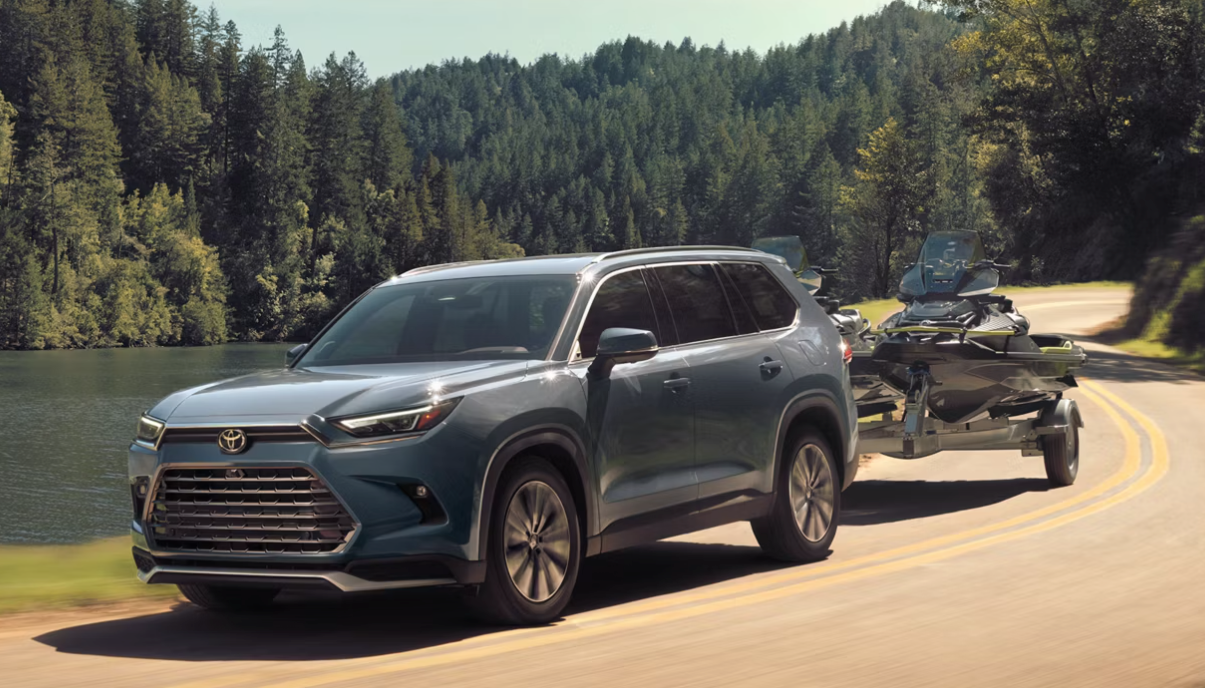
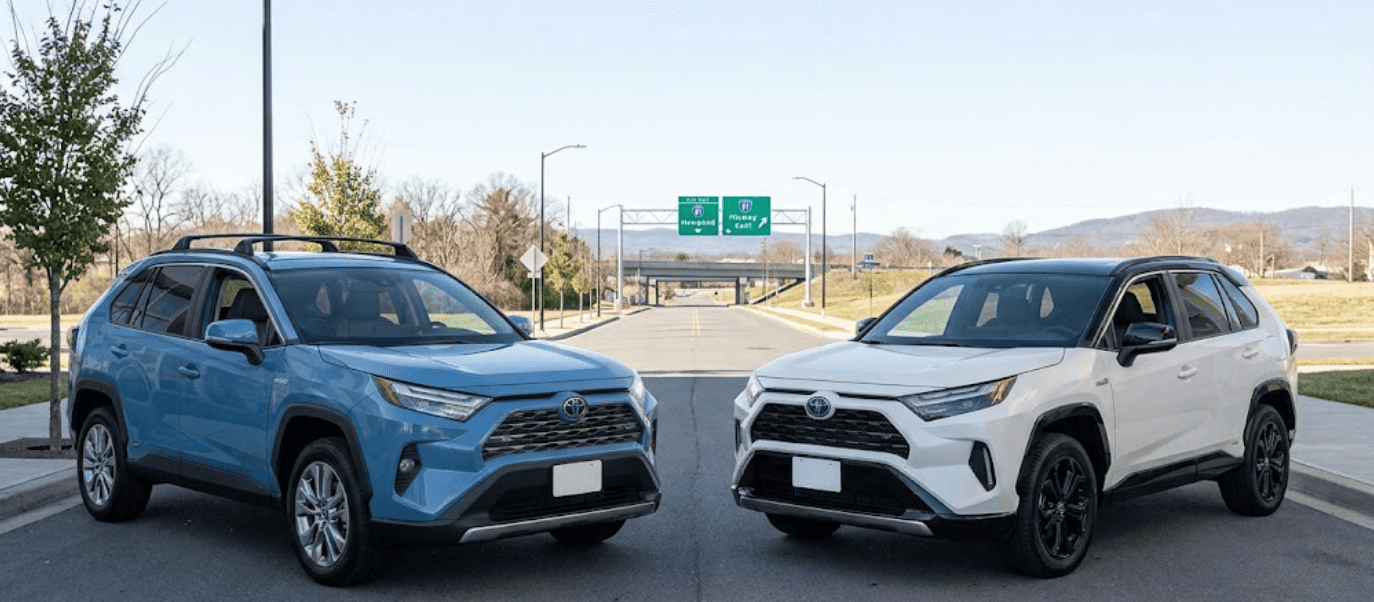
Best Toyota SUVs for Snow and Ice in Bristol, TN | Toyota of Bristol Top Toyota SUVs Engineered for Winter Driving in the Tri-Cities For Tri-Cities snow and ice, we recommend the 2026 Toyota RAV4 hybrid with Electronic On-Demand AWD for most commuters and small families, the 2026 Grand Highlander with available AWD for families that need three rows, and the 2026 4Runner with four-wheel drive for drivers who also want low-range capability on steep or loose surfaces. Drivetrain helps a vehicle start and climb, but no SUV can stop on ice better than its tires allow, so tire choice matters as much as the badge. Toyota of Bristol wrote this guide for drivers in Bristol, Kingsport, Johnson City, and Abingdon who are choosing an SUV before winter and want to understand what Toyota's all-wheel-drive and four-wheel-drive systems actually do. We use Toyota USA's published information for the 2026 RAV4, Grand Highlander, and 4Runner, and explain which specifications vary by grade and configuration. The guide covers how each SUV is equipped for slippery roads, a side-by-side comparison, the Tri-Cities conditions that make some choices better than others, what features help and what they cannot do, and how hybrid and plug-in hybrid powertrains behave in cold weather. We describe capability and traction, not safety guarantees, because winter driving depends on tires, speed, and judgment as much as on the vehicle. Definition: A snow-capable SUV is a sport utility vehicle with an all-wheel-drive or four-wheel-drive system that sends power to more than one axle to help maintain traction when starting and accelerating on slippery surfaces. It is designed to help drivers keep moving on snow, wet leaves, gravel, and mud, though it does not shorten braking distances. For drivers in the Bristol, TN and Tri-Cities area, it is most relevant on mountain grades, shaded rural roads, and gravel driveways in cold weather. Table of Contents How Toyota's Snow-Capable SUVs Are Equipped Choosing the Right Snow-Capable Toyota SUV Local Authority: Winter Roads Across the Tri-Cities Local Driving Insight: What Actually Helps on Snow and Ice Electrification Practicality: Hybrids, Plug-In Hybrids, and Cold Weather Key Takeaways Frequently Asked Questions About Toyota SUVs for Snow and Ice How Toyota's Snow-Capable SUVs Are Equipped Key Takeaway: The 2026 RAV4, Grand Highlander, and 4Runner take three different approaches to slippery roads, and we recommend matching the system to your most common route. 2026 RAV4: Electronic On-Demand AWD and Ground Clearance The 2026 RAV4 is a hybrid or plug-in hybrid in the U.S., and Toyota's press release describes its all-wheel-drive system as Electronic On-Demand AWD. On hybrid AWD models, a dedicated rear electric motor producing 89 lb.-ft. of torque sends power to the rear wheels to help limit front-wheel slip during starts, and the system distributes driving force as conditions require. Toyota lists all-wheel drive as standard on every plug-in hybrid model. RAV4 Grade Drivetrain Ground Clearance Manufacturer-Estimated Combined MPG LE (hybrid) FWD or AWD 8.1 in. 43 FWD; 42 AWD XLE Premium (hybrid) FWD or AWD 8.1 in. 41 AWD SE (hybrid or plug-in hybrid) Hybrid FWD or AWD; plug-in hybrid AWD 8.1 in. 42 hybrid AWD; 40 plug-in hybrid XSE (hybrid or plug-in hybrid) AWD standard 8.1 in. 42 hybrid; 40 plug-in hybrid Limited (hybrid) AWD standard Contact Toyota of Bristol for exact specifications 42 Woodland (hybrid or plug-in hybrid) AWD standard 8.5 in. 38 hybrid; 38 plug-in hybrid GR SPORT (plug-in hybrid) AWD only 7.5 in. 37 2026 RAV4 grades, drivetrains, ground clearance, and manufacturer-estimated fuel economy as listed by Toyota USA. On the 2026 Toyota RAV4, hybrid AWD models use Electronic On-Demand AWD with a dedicated rear electric motor producing 89 lb.-ft. of torque. Toyota lists 8.1 inches of ground clearance for the LE, XLE Premium, SE, and XSE, 8.5 inches for the Woodland, and 7.5 inches for the GR SPORT. Manufacturer-estimated combined fuel economy varies by grade, including 42 mpg for LE and SE hybrid AWD models, 41 mpg for XLE Premium AWD, 42 mpg for XSE and Limited AWD, and 38 mpg for the Woodland hybrid. Toyota Safety Sense 4.0 is standard on every 2026 RAV4. Ground clearance matters in snow for a plain reason. Packed or drifted snow and frozen ruts can drag against the underside of a vehicle, and a vehicle with more clearance is less likely to high-center. The figures above are Toyota's, and they differ by grade, so a Woodland and a GR SPORT will behave differently on the same road. The table lists manufacturer estimates for fuel economy, not EPA figures, and Toyota's release notes that the plug-in hybrid's electric range will vary significantly with conditions. AWD type: Electronic On-Demand AWD on hybrid models, with a dedicated rear electric motor that distributes power as conditions require. Standard AWD: every plug-in hybrid, plus Limited, Woodland, and XSE hybrids; LE, XLE Premium, and SE hybrids offer AWD as an option. Safety suite: Toyota Safety Sense 4.0 is standard on every 2026 RAV4. 2026 Grand Highlander: Three Rows With Available AWD The 2026 Grand Highlander is the choice for families that need three rows. Toyota lists three powertrains, a 2.4-liter turbo, a 2.5-liter hybrid, and the Hybrid MAX, which Toyota rates at 362 horsepower, and says front-wheel drive or all-wheel drive is available depending on powertrain. Toyota lists up to a manufacturer-estimated 36 combined mpg for the 2.5-liter hybrid. Toyota identifies Dynamic Torque Control AWD as available on the turbo gas models, Electronic On-Demand AWD as available on the standard hybrid models, and full-time electronic AWD as standard on Hybrid MAX. These systems are designed for different drivetrain configurations, so we recommend asking our team which one comes with the exact Grand Highlander you are considering. Ground clearance, towing capacity, tire specifications, and winter-driving equipment should also be discussed for the specific configuration rather than assumed across the lineup. Three rows change the winter equation in a practical way, because a vehicle that carries seven people and their gear is heavier, and its tires and brakes carry more load. For a family, the winter checklist for a three-row SUV is longer than for a compact one. Toyota states that the Grand Highlander has up to 97.5 cubic feet of rear cargo room with the rear seats folded flat, and room for seven small roller bags with the rear seats up, which tells you the space is there for winter gear, but not how it behaves on a slippery road. We recommend checking how the vehicle feels loaded with passengers, confirming the tire size and load rating on the specific vehicle, and bringing your child seats to see how they fit in the second and third rows. 2026 4Runner: Part-Time and Full-Time 4WD The 2026 4Runner takes a different approach. Toyota lists three configurations: two-wheel drive, part-time 4WD, and full-time 4WD. The 4WD systems use an electronically controlled two-speed transfer case with high and low range, A-TRAC, and an Auto limited-slip differential. Every i-FORCE MAX model has 4WD as standard. Toyota also lists traction aids that matter on loose or steep surfaces. Multi-Terrain Select is available and works in both 4WD-High and 4WD-Low to tune the vehicle for surfaces such as mud, dirt, and sand. CRAWL Control, a low-speed off-road cruise control, is available. An electronic locking rear differential is standard on the TRD Off-Road, TRD Pro, and Trailhunter. Full-time 4WD with a center locking differential is available on Limited i-FORCE MAX models and standard on the Platinum. Contact Toyota of Bristol to review the exact drivetrain and equipment on the vehicle you are considering. Part-time and full-time 4WD behave differently, and the owner's manual explains when each mode should be used. As general guidance, part-time 4WD is intended for slippery or loose surfaces and not for dry pavement, while full-time systems are designed for varying surfaces. Toyota states a maximum towing capacity of 6,000 pounds, and the rating for a specific vehicle depends on its configuration. Toyota of Bristol can help you review the exact vehicle's towing capacity and ground clearance. Choosing the Right Snow-Capable Toyota SUV Key Takeaway: We recommend the RAV4 hybrid with AWD for most commuters, the Grand Highlander for three-row families, and the 4Runner for steep or loose surfaces, based on Toyota's published capability. RAV4, Grand Highlander, and 4Runner Side by Side The table compares the three SUVs on the factors that matter most in winter. It uses Toyota USA's published specifications, and where details depend on the exact grade or configuration, Toyota of Bristol can help you review the information. Winter Factor 2026 RAV4 Hybrid AWD 2026 Grand Highlander 2026 4Runner Drivetrain for slippery roads Electronic On-Demand AWD with rear electric motor Dynamic Torque Control AWD, Electronic On-Demand AWD, or full-time electronic AWD depending on powertrain 2WD, part-time 4WD, or full-time 4WD; 4WD standard on i-FORCE MAX Low-range gearing No low-range transfer case No low-range transfer case Two-speed transfer case with high and low range on 4WD models Traction aids named by Toyota Electronic AWD automatically distributes driving force AWD technology varies by powertrain Multi-Terrain Select, CRAWL Control, A-TRAC, locking rear differential by grade Ground clearance 8.1 in. most grades; 8.5 in. Woodland; 7.5 in. GR SPORT Contact Toyota of Bristol for grade-specific figures Contact Toyota of Bristol for grade-specific figures Power 226 hp FWD or 236 hp AWD hybrid; 324 hp plug-in hybrid 265 hp gas; 245 hp hybrid; 362 hp Hybrid MAX Up to 278 hp i-FORCE; 326 hp i-FORCE MAX Towing Varies by grade, including 1,750 lb. LE AWD and up to 3,500 lb. on specified AWD grades Configuration-dependent; contact Toyota of Bristol Up to 6,000 lb.; rating varies by configuration Fuel economy Manufacturer-estimated 38 to 42 mpg combined for listed hybrid AWD grades Up to manufacturer-estimated 36 mpg combined for the standard hybrid EPA-estimated up to 26 mpg highway i-FORCE; 24 mpg highway i-FORCE MAX Seating Two rows, five seats Three rows, seven or eight seats depending on configuration Two rows standard; seating varies by configuration Winter-relevant specifications for the 2026 RAV4 hybrid AWD, Grand Highlander, and 4Runner, as published by Toyota USA. Figures vary by grade and powertrain. Three patterns stand out. The RAV4 gives the most published detail and high fuel economy, and its AWD is automatic, so the driver does not need to select a transfer-case mode. The 4Runner is the only one of the three with low-range gearing and a menu of terrain aids, which matter on steep, loose, or deep-rutted surfaces. The Grand Highlander is the only one with three rows in this comparison, and its AWD technology varies with the chosen powertrain. To use the table, rank your top three needs and score each vehicle against them. A commuter might rank fuel economy, automatic AWD, and clearance, and the RAV4 is a strong match. A family might rank seating, cargo, and drivetrain, which points to the Grand Highlander. A driver with a steep driveway might rank low-range gearing, locking differentials, and towing, which points to the 4Runner. The ranking matters more than any single number. For Tri-Cities drivers who mainly commute and run errands, we recommend the 2026 RAV4 hybrid with AWD, because Toyota publishes 8.1 inches of ground clearance for most grades, an automatic Electronic On-Demand AWD system, and strong manufacturer-estimated fuel economy. For families that need three rows, the Grand Highlander with available AWD is the fit, and for drivers who face steep gravel driveways or want low-range 4WD, the 4Runner is the stronger match. These are recommendations based on published capability, not guarantees of winter performance. A fourth Toyota deserves a mention for shoppers who can wait. Toyota USA has announced the all-electric 2028 Highlander, with sales expected to begin in early 2027. Toyota lists a manufacturer-estimated range of up to 320 miles for certain AWD configurations and 287 miles for the XLE FWD model. These are estimates, not winter-specific range figures, and Toyota of Bristol can provide updated pricing and availability information when it is released. We cover it in the electrification section below. Matching the SUV to Your Winter Routine Matching an SUV to your winter is a matter of listing what you actually drive. These are common situations for drivers in the region, and the question each one should prompt. Commuting on Interstate 81 or Interstate 26: prioritize fuel economy and predictable AWD behavior, which points to the RAV4 hybrid. A steep gravel or paved driveway in Kingsport or Johnson City: ask about ground clearance, tire options, and whether low-range gearing would help, and test the vehicle on a grade if you can. Rural roads around Abingdon, Marion, and Walnut Hill: shaded stretches hold ice longer, so tire quality and braking distance matter more than drivetrain. Family trips with several passengers and gear: consider the Grand Highlander and confirm seating and cargo for your needs. Winter trips to the mountains: a vehicle with more clearance and a strong set of tires gives you more margin, and driving more slowly gives you the rest. The right answer is usually the vehicle that matches your most common route, not your most dramatic one. Toyota of Bristol Compare Snow-Ready Toyota SUVs With Our Team Our sales team can help you compare the RAV4, Grand Highlander, and 4Runner back to back so you can see how each one feels, and we can check current availability for the grade and drivetrain you want. Availability changes regularly, so contact Toyota of Bristol for the latest information on specific vehicles. Browse our 2026 RAV4 research and our current new Toyota selection before you visit. To schedule a test drive, call us at 423-764-3155 or visit our test drive scheduling page. Stop by our showroom at 3045 W State Street in Bristol, and we will help you decide which SUV fits your winter routine. Local Authority: Winter Roads Across the Tri-Cities Key Takeaway: We serve drivers from Bristol to Kingsport, Johnson City, and Abingdon, where winter conditions can change between the valley and the ridge, so drivetrain, tires, and driving habits work best together. Valley, Ridge, and Everything Between Winter in the Tri-Cities is uneven, which is what makes drivetrain and tire decisions harder. The valley floor around Bristol and Johnson City can be wet while higher elevations nearby are icy, and a drive from Kingsport to Abingdon or up a mountain road can cross several surface conditions in a few miles. Shaded curves, north-facing slopes, and bridges and overpasses can freeze before the rest of the road, so conditions can change without warning. That variability is why we recommend thinking about three things together: the drivetrain, the tires, and the driver. AWD and 4WD help a vehicle begin moving and climb. Tires determine how well it grips when turning and stopping. The driver controls speed and following distance, which determine how much margin there is when something goes wrong. A vehicle that does well at one of these and poorly at another is not a winter-ready vehicle. Our service center on West State Street in Bristol offers Saturday hours, which helps if you want to have tires, brakes, and your battery checked before the first cold snap. Cold weather is hard on batteries and tires, and an inspection can help identify problems before they leave you stuck in a driveway. We can also discuss tire options for the SUV you choose, since the tire you install matters as much as the badge on the tailgate. Preparation helps too. If your winter routes include remote roads in or near the Cherokee National Forest or the highlands around Abingdon, tell someone your route, carry a charged phone, and keep basic supplies in the vehicle. Our parts team can tell you about the emergency assistance kits and other items we list among our Toyota accessories, and which ones fit your model. Toyota of Bristol Service Get Your Tires, Brakes, and Battery Checked Before the Freeze A winter-ready SUV starts with a winter-ready service visit, and our service center is set up for that. We offer tire services, including rotation, balancing, replacement, and alignment, along with battery service and brake service. You can see our tire services and our battery service. Our Toyota-certified technicians can inspect your vehicle before the first freeze, and you can schedule service or call 423-764-3155. We are a 2011 Toyota President's Award winner serving Bristol, Kingsport, Johnson City, and Abingdon, and Tri-Us You'll Like Us describes how we want you to feel in our lounge, where Wi-Fi is complimentary, or when you use our shuttle service. Schedule Toyota Service Local Driving Insight: What Actually Helps on Snow and Ice Key Takeaway: AWD and 4WD help a vehicle start and climb, but tires, clearance, and driver habits decide how well it grips, stops, and turns on slippery roads. A frequent mistake in winter driving is crediting the drivetrain for things it cannot do. The table separates what each feature helps with from what it does not. It is general guidance, not a Toyota claim, and your owner's manual is the authority on your vehicle. Feature What It Helps With What It Does Not Do AWD or 4WD Starting from a stop and climbing on slippery surfaces Shorten braking distance or improve cornering grip on ice Winter or high-quality all-season tires Grip when accelerating, turning, and braking Make up for excessive speed Ground clearance Clearing deep or packed snow and frozen ruts Improve traction on a glazed road Locking differential Low-speed traction on loose or uneven surfaces Help at higher speeds on a slick highway Traction and stability control Reducing wheel slip and helping the driver stay on course Overcome the limits of tire grip Driver speed and following distance Increasing the driver's margin for error Eliminate every risk of winter driving What common winter-driving features help with and what they do not do. General guidance, not a Toyota specification. That is why we suggest a specific approach to a winter test drive. Drive the vehicle on the roads you use, including a grade similar to your driveway or commute. Pay attention to how the vehicle starts, how the brakes feel, and how the tires respond on wet pavement, which shows grip characteristics without requiring risk. We do not recommend testing a vehicle on ice or at unsafe speeds, and our team will help you plan a route that shows you what you need to know. The practical conclusion is a budget decision. If you are choosing between a more capable drivetrain and a better set of tires, tires often deliver more everyday winter benefit per dollar, because they affect all three actions: accelerating, turning, and stopping. Ideally you want both, and our team can discuss tire options when you choose the vehicle. Electrification Practicality: Hybrids, Plug-In Hybrids, and Cold Weather Key Takeaway: Toyota's hybrid and plug-in hybrid figures are estimates that vary with conditions, so we recommend testing an electrified SUV on your own winter routes instead of relying on a range number. Hybrid, plug-in hybrid, and electric Toyotas bring their own winter questions, and the answer for each depends on what Toyota has published. RAV4 hybrid: Toyota lists manufacturer-estimated combined fuel economy of 38 to 42 mpg for the 2026 hybrid AWD grades discussed above. These estimates vary with temperature, terrain, and driving style. RAV4 plug-in hybrid: Toyota lists a manufacturer-estimated electric range of up to 52 miles on the 2026 SE and XSE in its original announcement, with range varying by grade and conditions. We recommend not assuming the full estimated figure in winter. Contact Toyota of Bristol for the latest grade-specific specifications. Cold-weather range: cold temperatures generally reduce the electric range of battery-powered vehicles, and Toyota's manufacturer estimates are not guarantees of winter driving range. Upcoming all-electric Highlander: Toyota USA has announced the 2028 Highlander, with sales expected to start in early 2027. Toyota lists manufacturer-estimated driving range of 287 miles for the XLE FWD and up to 320 miles for certain AWD configurations. Toyota has not established a winter-specific range for these estimates, and pricing and local availability should be discussed with Toyota of Bristol as more information is released. Charging at home: if you plan to plug in, think about where the vehicle will park in winter and how your routine fits charging. We do not recommend choosing an electrified model for winter on the basis of a range number alone. Test it on your own routes, ask our team about the specific configuration, and treat estimates as estimates. Key Takeaways The 2026 Toyota RAV4 uses Electronic On-Demand AWD on hybrid models, with a rear electric motor that distributes power as conditions require, and Toyota lists 8.1 inches of ground clearance for most grades. The 2026 Toyota 4Runner offers part-time and full-time 4WD with a two-speed transfer case on four-wheel-drive models, and every i-FORCE MAX model has 4WD as standard. The 2026 Grand Highlander offers three rows with available AWD. Its AWD system varies by powertrain, including full-time electronic AWD standard on Hybrid MAX models. Contact Toyota of Bristol for grade-specific ground clearance and towing information. Drivetrain helps a vehicle start and climb, but tires, speed, and following distance determine how well it stops and turns on ice. Our team can compare these SUVs back to back and check current availability at 423-764-3155. Frequently Asked Questions About Toyota SUVs for Snow and Ice Is all-wheel drive or four-wheel drive better for snow? It depends on how you drive. The RAV4's Electronic On-Demand AWD engages automatically and distributes power as conditions require, so there is no transfer-case mode for the driver to select, which suits commuting. The 4Runner's 4WD has a two-speed transfer case with high and low range, which helps on steep or loose surfaces and is more involved to use. Neither system shortens braking distance on ice. We recommend choosing based on your most common route and tires, and our team can help you compare them on a test drive. Do I still need winter tires on an AWD Toyota SUV? AWD and 4WD help a vehicle start and climb, but tires set the limit for turning and stopping grip, so they matter even on a capable SUV. Whether you need dedicated winter tires depends on your routes, how often you drive in snow or ice, and the tires you have now. We recommend having our service team inspect your tire condition and discuss options before the first freeze. You can schedule service or call 423-764-3155. Which Toyota SUV works best for a steep gravel driveway in winter? The answer depends on the grade, surface, and length of your driveway, but there are useful starting points. The 4Runner's low-range 4WD and, on some grades, locking rear differential suit steep, loose surfaces, and the RAV4's AWD works automatically and offers 8.1 inches of ground clearance on most grades. Toyota of Bristol can provide ground clearance and equipment information for the exact 4Runner or Grand Highlander configuration you are considering. We suggest bringing a description or photos of your driveway and test-driving similar terrain with our team. We want Bristol, Kingsport, Johnson City, and Abingdon drivers choosing a winter SUV to rely on Toyota's published figures and not on assumptions, which is why this guide explains where specifications vary by grade and configuration. Our team at 3045 W State Street in Bristol can compare the RAV4, Grand Highlander, and 4Runner with you, check current availability, and review your tires, brakes, and battery in our service center before the first freeze. We can also explain how the Bristol Advantage Plan applies to a new Toyota purchase. Call us at 423-764-3155 to schedule a test drive, and tell us where your winter roads take you. Related Toyota Insights & Updates Explore more Toyota winter-driving, tire, and vehicle-maintenance guides from Toyota of Bristol. Winter Tire Guide Winter Tires vs. All-Season Tires: What Tri-Cities Toyota Drivers Should Know Compare dedicated winter tires, all-season tires, cold-weather grip, and tire recommendations for Bristol and the surrounding mountains. Read More Toyota Maintenance Essential Winter Maintenance Tips for Your Toyota in Bristol Prepare for cold weather with Toyota maintenance tips for tires, battery condition, brakes, and essential winter service. Read More Seasonal Service Toyota Fall Visibility Checklist for Bristol, TN Drivers Check wipers, headlights, windshield visibility, tires, and other important items before rainy and icy driving conditions. Read More
New Toyota vs. Certified Pre-Owned: Which Is the Smarter Buy This Fall in Bristol, TN?

New Toyota vs. Certified Pre-Owned: Which Is the Smarter Buy This Fall in Bristol, TN?

Fall Financing Incentives: New Car APR Specials vs. Certified Pre-Owned Rates A new Toyota comes with Toyota's standard new-vehicle limited warranty, currently 36 months or 36,000 miles on most components and 60 months or 60,000 miles on the powertrain, along with the latest model-year features and no prior ownership history. A Toyota Certified Pre-Owned (CPO) vehicle has passed a Toyota-specified quality assurance inspection and adds manufacturer-backed coverage on top of a lower purchase price than the same model new, with Toyota's Gold-tier CPO coverage currently including a 7-year or 100,000-mile limited powertrain warranty from the vehicle's original in-service date. Toyota of Bristol walks Tri-Cities shoppers through this decision year-round, and there is no single right answer, since it depends on your budget, how much the newest features matter to you, and how you weigh a lower price against fewer miles on the odometer. If you are deciding between a new Toyota and a Certified Pre-Owned Toyota this fall, this guide compares the confirmed warranty coverage, financing considerations, and ownership tradeoffs between the two, without guessing at a specific price, payment, or approval outcome for your situation. We are not able to guarantee financing terms or resale value for either option, but we can lay out the confirmed program details so you can make the decision that fits your budget and priorities. Definition: A new Toyota is a current model-year vehicle that has never been previously owned or titled, backed by Toyota's standard new-vehicle limited warranty. A Toyota Certified Pre-Owned vehicle is a previously owned Toyota that has passed a Toyota-specified quality assurance inspection and carries additional manufacturer-backed warranty coverage beyond what a standard used vehicle receives. For drivers in the Bristol, TN and Tri-Cities area, the choice between the two generally comes down to budget, desired features, and how much manufacturer-backed coverage matters to you. Table of Contents How New Toyota and Certified Pre-Owned Coverage Compare Which Option Fits Your Budget and Priorities? Local Authority: New and CPO Shoppers Across Bristol and the Tri-Cities Ownership Cost Analysis: Is CPO Actually Cheaper Over Time? Service / Ownership Implication: What CPO Certification Documents for You Key Takeaways Frequently Asked Questions About New vs. Certified Pre-Owned Toyotas How New Toyota and Certified Pre-Owned Coverage Compare Key Takeaway: Toyota's new-vehicle limited warranty currently covers most components for 36 months or 36,000 miles and the powertrain for 60 months or 60,000 miles, while Toyota's Gold-tier Certified Pre-Owned coverage currently includes a 7-year or 100,000-mile limited powertrain warranty measured from the vehicle's original in-service date rather than from the date of CPO purchase. Warranty Terms Side by Side Toyota's current new-vehicle limited warranty covers most components, other than normal wear and maintenance items, for 36 months or 36,000 miles, whichever comes first, and covers the engine, transmission, drive system, seatbelts, and airbags for 60 months or 60,000 miles under the powertrain warranty. Rust-through coverage on sheet metal corrosion runs 60 months with unlimited mileage, and for model-year 2020 and newer hybrid vehicles, the hybrid battery carries extended coverage of 10 years or 150,000 miles from the original date of first use, with related hybrid components covered for 8 years or 100,000 miles. These terms apply the moment you drive a new Toyota off our lot, which is worth keeping in mind as you compare them against a Certified Pre-Owned vehicle's coverage below. Coverage New Toyota CPO Gold CPO Silver Basic/comprehensive warranty 36 mo / 36,000 mi (confirmed) 12 mo / 12,000 mi from CPO purchase (confirmed) 12 mo / 12,000 mi from CPO purchase (confirmed) Powertrain warranty 60 mo / 60,000 mi (confirmed) 7 yr / 100,000 mi from original in-service date (confirmed) 12 mo / 12,000 mi from CPO purchase (confirmed) Rust-through / corrosion 60 mo / unlimited mi (confirmed) Remaining original coverage, where applicable Remaining original coverage, where applicable Hybrid battery (2020+ models) 10 yr / 150,000 mi from original in-service date (confirmed) Remaining original coverage, since tied to in-service date Remaining original coverage, since tied to in-service date Roadside assistance Included under ToyotaCare; exact duration varies by model year, confirm with our team Included from date of CPO purchase per Toyota's program terms Included from date of CPO purchase per Toyota's program terms Vehicle history / inspection Not applicable, vehicle has no prior owner Passed Toyota's Quality Assurance Inspection; vehicle history report included Passed Toyota's Quality Assurance Inspection; vehicle history report included Table 1. Confirmed new-vehicle and Certified Pre-Owned warranty terms. Because Toyota measures the CPO Gold powertrain warranty from the vehicle's original in-service date rather than its CPO purchase date, a Gold-certified vehicle bought several years after it was first sold may have a shorter remaining powertrain warranty window than a brand-new Toyota, even though both currently carry a 7-year or 100,000-mile powertrain benchmark. We recommend asking our team for the exact remaining coverage window on any specific Certified Pre-Owned vehicle you are considering rather than assuming a full 7 years remain. What Toyota Certification Actually Requires Every Toyota Certified Pre-Owned vehicle must pass a Toyota-specified Quality Assurance Inspection before it can carry CPO certification, and each comes with a vehicle history report so you can review its prior ownership and service record. Toyota generally organizes CPO vehicles into Gold and Silver certification tiers based on the vehicle's age and mileage at the time of inspection, with Gold covering newer, lower-mileage vehicles and Silver covering a wider range of ages and mileages under different warranty terms. This inspection and history report process is what separates a Toyota Certified Pre-Owned vehicle from a standard used vehicle you might find through a private sale or a non-certified used lot. A private-party used vehicle typically comes with no manufacturer inspection, no included vehicle history report, and no additional manufacturer-backed warranty beyond whatever original coverage happens to remain, which shifts more of the pre-purchase due diligence onto the buyer. We recommend confirming which certification tier applies to any specific CPO vehicle you are considering, since Gold and Silver carry meaningfully different powertrain warranty terms as shown above. Our team can walk through the inspection report and exact remaining coverage for any CPO vehicle on our lot before you decide. Which Option Fits Your Budget and Priorities? Key Takeaway: For Tri-Cities shoppers who want the newest features, the longest full-coverage warranty window, and no prior ownership history, a new Toyota is generally the stronger fit, while shoppers focused on a lower purchase price with meaningful manufacturer-backed coverage often find a Certified Pre-Owned Toyota, particularly a Gold-certified model, meets their needs at a lower cost. New vs. Gold-Certified CPO: The Real Tradeoffs Choosing between a new Toyota and a Certified Pre-Owned Toyota often comes down to how you weigh a handful of tradeoffs: purchase price, warranty length, model-year features, and financing terms. A new Toyota gives you the current model year's full feature set, the complete 36-month and 60-month warranty windows starting from day one, and no unknowns about prior use. A Gold-certified CPO Toyota typically costs less than the same model new, but its remaining powertrain warranty depends on how much of the original in-service period is left, and its feature set reflects whatever model year the specific vehicle was built in rather than the current one. Neither choice is automatically the better value; a two-year-old Gold-certified CPO Toyota with most of its original powertrain warranty still intact looks very different, financially, than a six-year-old CPO Toyota nearing the end of that same window, even though both might carry the same Gold certification badge. Category New Toyota CPO Gold Toyota Typical purchase price Highest of the two options Generally lower than the same model new Model-year features Current model year (confirmed at time of purchase) Reflects the specific vehicle's model year, which may be one or more years older Powertrain warranty window Full 60 months / 60,000 miles from day one 7 years / 100,000 miles from original in-service date; remaining window varies by vehicle Prior ownership None One or more previous owners; vehicle history report provided Financing Standard new-vehicle financing and incentives, confirmed at time of purchase Financing terms confirmed at time of purchase; ask our finance team about current CPO rates Best fit for Buyers who want the newest features and the longest full warranty window Buyers prioritizing a lower price with meaningful manufacturer-backed coverage Table 2. Comparing a new Toyota against a Gold-certified CPO Toyota. For Tri-Cities shoppers who want the newest features, the longest full-coverage warranty window, and no prior ownership history, a new Toyota is generally the stronger fit. Shoppers who are focused on a lower purchase price while still wanting meaningful manufacturer-backed coverage often find a Gold-certified CPO Toyota meets their needs, though we recommend confirming both the exact remaining warranty window and current financing terms before deciding, since neither can be guaranteed in general terms. Matching the Decision to Your Situation A first-time buyer or a family stretching a tighter monthly budget often leans toward a Gold-certified CPO Toyota to get into a reliable vehicle with meaningful warranty coverage at a lower price point than the same model new. A driver who plans to keep a vehicle for a decade or more, or who wants the newest active-safety and infotainment technology, often leans toward buying new so the full warranty window and current feature set start from the beginning of ownership. Neither approach is inherently the smarter financial decision; it depends on your specific budget, how long you plan to keep the vehicle, and how much you value having the newest available features on day one. Tighter monthly budget, want manufacturer-backed coverage: Gold-certified CPO Toyota often fits well Want the newest features and the full warranty window from day one: buying new is generally the stronger fit Planning to keep the vehicle a decade or more: worth comparing remaining CPO warranty length against a new vehicle's full window Unsure which fits your situation: our sales and finance team can walk through both options side by side Compare New and Certified Pre-Owned Options With Our Team Our sales team can show you both our current new Toyota inventory and our available Certified Pre-Owned vehicles side by side, so you can compare real pricing, features, and remaining warranty coverage rather than guessing from general information. We will never tell you one option is guaranteed to save you money without walking through your specific numbers first, since the right choice genuinely depends on your budget and priorities, and we would rather you leave with the option that actually fits your situation than the one that was easiest to sell. To browse our current new Toyota selection or check available Certified Pre-Owned inventory, visit toyotaofbristol.com/searchnew.aspx or toyotaofbristol.com/searchused.aspx, or call us at 423-764-3155. We also offer a secure online finance application if you would like to get a head start on financing before you visit. Stop by our showroom at 3045 W State Street in Bristol, and let our knowledgeable, no-pressure sales staff help you compare new and Certified Pre-Owned options for your specific situation. Local Authority: New and CPO Shoppers Across Bristol and the Tri-Cities Key Takeaway: We serve new and Certified Pre-Owned Toyota shoppers across Bristol, Kingsport, Johnson City, and Abingdon, and our finance team can walk through real numbers for either option rather than a generic estimate that does not reflect your actual credit profile and budget. Real Financing Conversations, Not Generic Estimates Shoppers across our Tri-Cities service area bring different priorities to this decision. A commuter driving daily between Kingsport and Bristol on I-81 may prioritize the lower operating cost and manufacturer-backed coverage of a Gold-certified CPO Toyota, while a family in Johnson City cross-shopping a three-row SUV for years of road trips may prioritize the newest safety technology available only on a current model-year vehicle. Drivers coming from Abingdon, Virginia face the same core tradeoff, just with their own budget and timeline in mind. Fall is also a season when many shoppers are weighing year-end incentives on outgoing model-year inventory against the appeal of a lower-mileage CPO vehicle that already absorbed its steepest depreciation. Neither timing consideration changes the core warranty and coverage facts above, but it is worth asking our team what current incentives apply to new inventory before assuming a CPO vehicle is automatically the better-timed purchase this time of year. We are not able to guarantee approval, a specific interest rate, or a specific monthly payment for any buyer, since those depend on individual credit history, down payment, and current Toyota Financial Services terms at the time you apply. What we can do is walk through real, current numbers for the specific new or Certified Pre-Owned vehicle you are considering, so your decision is based on your actual situation rather than a general estimate. Get Real Financing Numbers From Our Team Whether you are coming from Kingsport, Johnson City, or Abingdon, Virginia, our finance team can review real financing scenarios for both a new Toyota and a Certified Pre-Owned Toyota so you can compare actual estimated payments side by side. We have been proudly serving the Tri-Cities region from our West State Street location in Bristol, and our Tri-Us You'll Like Us reputation is built on giving honest numbers rather than a rushed sales pitch. If you would like to start your finance application before visiting, use our secure online finance application at toyotaofbristol.com/finance-application.html or call us at 423-764-3155 to speak with our finance staff directly. We can also appraise your current vehicle for trade-in credit toward either a new or Certified Pre-Owned Toyota. Our team has earned recognition as a Toyota President's Award winner, and we bring that same standard of service to every buyer across Bristol, Kingsport, Johnson City, and Abingdon. Ownership Cost Analysis: Is CPO Actually Cheaper Over Time? Key Takeaway: A Gold-certified CPO Toyota's lower purchase price can mean a lower monthly payment than the same model new, but the real cost comparison depends on your specific loan terms, down payment, and how much of the original warranty period remains, so we recommend a side-by-side quote rather than a general assumption either way. It is tempting to assume a Certified Pre-Owned Toyota is automatically the cheaper overall choice because of its lower purchase price, but the full picture depends on loan terms, interest rate, down payment, and how long you plan to keep the vehicle. A shorter remaining powertrain warranty on an older CPO vehicle could mean more out-of-pocket repair risk in year six or seven of ownership compared to a new Toyota's fresh 60-month window, even if the CPO vehicle costs less upfront. We are not able to state a general dollar savings figure here, since financing terms, trade-in value, and current incentives all change your actual numbers. Our finance team can run a real side-by-side comparison for the specific new and Certified Pre-Owned vehicles you are considering, including current Toyota Financial Services rates, so you can see actual estimated payments and total cost rather than a generic rule of thumb. Service / Ownership Implication: What CPO Certification Documents for You Key Takeaway: A Certified Pre-Owned Toyota's included vehicle history report and completed Quality Assurance Inspection give you documentation a private-party used vehicle typically will not, which is worth factoring into your comparison alongside price and warranty length. Beyond warranty coverage, a Certified Pre-Owned Toyota's included vehicle history report and Toyota-specified Quality Assurance Inspection give you a documented look at the vehicle's prior use, which is not something you get with a private-party used vehicle purchase. For buyers who have previously covered certified pre-owned inspection and warranty details in more depth on our blog, this article focuses specifically on how that CPO coverage stacks up against buying new, rather than repeating the inspection process itself. If a lower price with documented history and manufacturer-backed coverage matters more to you than the newest features, a Certified Pre-Owned Toyota is worth serious consideration alongside a new model. Vehicle history report: included with every Toyota Certified Pre-Owned vehicle Quality Assurance Inspection: required before any vehicle can carry Toyota CPO certification Warranty transferability: Toyota CPO warranties and roadside assistance are generally transferable if you sell the vehicle before coverage ends Ask our team: we can review the specific inspection report and history for any CPO vehicle on our lot Key Takeaways Toyota's new-vehicle limited warranty currently covers most components for 36 months or 36,000 miles and the powertrain for 60 months or 60,000 miles. Toyota's Gold-tier Certified Pre-Owned coverage currently includes a 7-year or 100,000-mile limited powertrain warranty measured from the vehicle's original in-service date, not from the CPO purchase date. Every Toyota Certified Pre-Owned vehicle must pass a Toyota-specified Quality Assurance Inspection and comes with a vehicle history report. A new Toyota generally fits buyers who want the newest features and a full warranty window from day one. A Gold-certified CPO Toyota generally fits buyers prioritizing a lower price with meaningful manufacturer-backed coverage. We cannot guarantee financing approval, interest rate, or monthly payment for any buyer; our finance team can provide real numbers based on your specific situation. Frequently Asked Questions About New vs. Certified Pre-Owned Toyotas Is a Certified Pre-Owned Toyota always cheaper than buying new? A Certified Pre-Owned Toyota's purchase price is typically lower than the same model new, but whether it is the cheaper overall choice depends on your loan terms, down payment, interest rate, and how long you plan to keep the vehicle. A shorter remaining powertrain warranty on an older CPO vehicle could mean more repair risk later in ownership compared to a new Toyota's full warranty window. Our finance team can run a real side-by-side comparison using current numbers for the specific vehicles you are considering. How long does the Certified Pre-Owned warranty actually last? Toyota's Gold-tier CPO limited powertrain warranty currently runs 7 years or 100,000 miles from the vehicle's original in-service date, not from your CPO purchase date, so the remaining coverage depends on how old the vehicle already is. Silver-tier CPO vehicles currently carry a shorter limited powertrain warranty of 12 months or 12,000 miles from the date of purchase. We recommend asking our team for the exact remaining warranty window on any specific CPO vehicle before you decide. What does a Toyota Certified Pre-Owned vehicle get inspected for? Every Toyota Certified Pre-Owned vehicle must pass a Toyota-specified Quality Assurance Inspection before it can carry CPO certification, and each comes with a vehicle history report documenting its prior ownership and service record. This is different from a standard used vehicle, which typically has not gone through a manufacturer-specified inspection process or come with an included history report. We can walk through the specific inspection report for any CPO vehicle on our lot so you can see exactly what was checked before it was certified. Can I get the same financing rate on a CPO Toyota as a new one? Financing rates depend on your credit profile, the lender, and current Toyota Financial Services terms at the time you apply, and we are not able to guarantee a specific rate for either new or Certified Pre-Owned vehicles in general terms. Some current financing promotions apply only to new vehicles, while others may apply to Certified Pre-Owned inventory as well, so the details change over time. Our finance team can check current rates for both options and give you an accurate comparison for your specific situation. Deciding between a new Toyota and a Certified Pre-Owned Toyota is a real financial decision, and we want Bristol, Kingsport, Johnson City, and Abingdon shoppers making that choice with accurate warranty and program details rather than a generic answer. We cannot guarantee financing approval, a specific payment, or resale value for either option, but we can walk through Toyota's current new-vehicle and Certified Pre-Owned warranty terms and run real numbers for the specific vehicles you are considering, including current incentives and remaining CPO coverage windows. Stop by our showroom at 3045 W State Street in Bristol, call us at 423-764-3155, or browse our current new and Certified Pre-Owned inventory online, and let our team help you make a confident, well-informed decision this fall.

Winter vs. All-Season Tires in Bristol

Winter Tires vs. All-Season Tires: What Tri-Cities Toyota Drivers Should Know

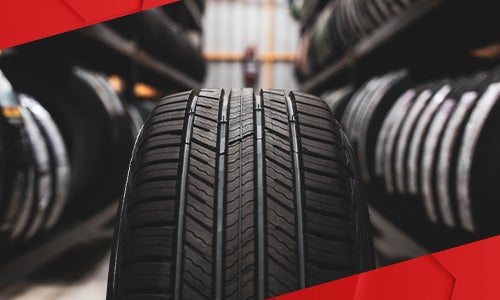
All-Season Convenience vs. Dedicated Winter Grip: Stopping Distances on Appalachian Snow and Ice All-season tires use a rubber compound and tread pattern designed to balance performance across a wide temperature range, while dedicated winter tires use a softer, cold-weather compound and deeper, more aggressive tread designed specifically for snow, ice, and temperatures below roughly 45 degrees Fahrenheit. The National Highway Traffic Safety Administration recommends drivers evaluate tire tread depth, traction ratings, and cold-weather readiness before winter rather than assuming any tire performs the same in every condition. Toyota of Bristol fields this question every fall from Tri-Cities drivers trying to decide whether a factory all-season tire is enough for our winters or whether a dedicated winter set makes sense. If you are weighing this decision for a daily commute on I-81 or I-26, occasional trips up into higher elevations like Roan Mountain, or simply want to understand what the three-peak mountain snowflake symbol on a tire actually means, this guide walks through the general tire-industry and NHTSA guidance behind the decision, not a one-size-fits-all answer. We are not able to guarantee a specific stopping distance or safety outcome for any tire, but we can walk through the factors that matter most for Tri-Cities driving so you can make an informed choice. Definition: All-season tires are designed to provide balanced performance across a range of temperatures and light winter conditions using a single, moderate rubber compound. Winter tires use a specialized, more flexible rubber compound and a tread pattern designed specifically for cold temperatures, snow, and ice. For drivers in the Bristol, TN and Tri-Cities area, the practical difference between the two shows up most on higher-elevation routes and during the coldest, snowiest stretches of winter. Table of Contents Understanding the Difference Between All-Season and Winter Tires Do Tri-Cities Drivers Need Dedicated Winter Tires? Local Authority: Winter Driving Conditions Around Bristol and the Tri-Cities Ownership Cost Analysis: Seasonal Winter Tires vs. a Single All-Season Set Service Guidance: Timing Your Seasonal Tire Swap Key Takeaways Frequently Asked Questions About Winter Tires in Bristol, TN Understanding the Difference Between All-Season and Winter Tires Key Takeaway: General tire-industry guidance points to roughly 45 degrees Fahrenheit as the temperature where all-season rubber compounds begin to stiffen and lose grip, while dedicated winter tire compounds are formulated to stay flexible well below that threshold, and NHTSA recommends evaluating a tire's traction rating specifically for the season rather than assuming any tire performs the same year-round. Rubber Compounds and Cold-Weather Performance All-season tires use a single rubber compound engineered as a compromise between warm-weather grip, tread life, and light winter capability. Multiple tire manufacturers and industry educational resources point to approximately 45 degrees Fahrenheit as the point where that all-season compound begins to stiffen, which reduces the tire's ability to conform to the road surface and maintain grip. A stiffer tire simply cannot flex into the small imperfections of a cold road surface the way a softer compound can, which is the underlying reason cold weather affects traction even before snow or ice enters the picture. Dedicated winter tires use a softer, silica-enhanced compound designed to stay pliable at much lower temperatures, paired with a deeper, more aggressive tread pattern and additional biting edges intended to grip snow and ice. That deeper tread also does more than provide extra rubber on the road; the additional void space and biting edges are designed to channel away snow and slush that would otherwise pack into a shallower tread and reduce contact with the road surface. Neither tire type eliminates the physical realities of driving on snow or ice, and no tire can guarantee a specific stopping distance or outcome in every condition. Category All-Season Tires Dedicated Winter Tires Rubber compound Single compound, balanced for a wide temperature range Softer, silica-enhanced compound designed to stay flexible in cold temperatures Approximate stiffening point Around 45°F (7°C), per general tire-industry guidance Formulated to remain flexible well below 45°F Tread design Moderate tread depth and pattern for varied conditions Deeper tread with additional biting edges for snow and ice 3PMSF certification Some all-weather tires carry it; most standard all-season tires do not Designed and tested to meet the severe-snow traction standard Typical use case Year-round driving in regions with mild-to-moderate winters Dedicated winter use, typically swapped seasonally, in areas with sustained cold, snow, or ice Dry, warm-weather performance Generally the stronger choice for spring through fall Softer compound generally wears faster and performs less precisely in warm weather Table 1. General tire-industry comparison of all-season and dedicated winter tires. According to general tire-industry guidance, an all-season tire's rubber compound typically begins losing flexibility and grip once temperatures fall toward 45 degrees Fahrenheit, which is a normal winter overnight low across much of the Tri-Cities region. A dedicated winter tire's compound is formulated to remain flexible below that threshold, which is why NHTSA and tire manufacturers frame the choice around your typical winter conditions and driving needs rather than a single universal recommendation. The 3PMSF Symbol vs. the M+S Marking Not every tire marketed for winter or snow provides the same level of certified performance. The three-peak mountain snowflake symbol, often shown as 3PMSF, indicates a tire has met a standardized severe-snow traction test recognized across the tire industry, and it is generally regarded as a more rigorous benchmark than the older mud-and-snow, or M+S, designation. The M+S marking simply reflects a manufacturer-designated tread pattern believed to offer better traction than a non-M+S tire in light mud and snow, without the standardized severe-snow testing behind the 3PMSF symbol. Many all-season tires carry only the M+S marking, while dedicated winter tires and a growing number of all-weather tires carry the 3PMSF symbol. If sustained snow or ice is a regular part of your winter driving, general tire-industry guidance points toward prioritizing tires with the 3PMSF symbol over an M+S-only tire. NHTSA Tread Depth and Pressure Guidance for Winter NHTSA's winter driving guidance recommends tire tread of at least 2/32 of an inch on all tires, checked regularly throughout the season, along with monitoring tire pressure as temperatures drop, since inflation pressure decreases as outside temperature falls. NHTSA specifically recommends checking pressure against the vehicle manufacturer's specification, found on the driver's door frame placard, rather than the maximum pressure listed on the tire sidewall. NHTSA also recommends checking tires when they are cold, meaning the vehicle has not been driven for at least three hours, since driving warms the tires and temporarily raises the pressure reading. NHTSA also references the Uniform Tire Quality Grading System as a tool for comparing treadwear, traction, and temperature resistance across tire options, and recommends general winter vehicle preparation such as checking wipers, defrosters, coolant, and battery condition alongside tire readiness. This broader winter-readiness view matters because tires are only one part of a vehicle's overall cold-weather performance; a tire with excellent tread and the right compound still depends on functioning brakes, clear visibility from properly working wipers and defrosters, and a battery capable of reliable starts on the coldest mornings. We can check tread depth and pressure on your current tires during any visit to our service center, whether or not you are also considering a seasonal tire change, and flag any of these related items while your vehicle is already in our service bay. Do Tri-Cities Drivers Need Dedicated Winter Tires? Key Takeaway: For Tri-Cities drivers who see occasional light snow and cold temperatures without sustained ice or heavy accumulation, a quality all-season or all-weather tire carrying the 3PMSF symbol is a reasonable choice under general tire-industry guidance, while drivers who regularly climb into higher elevations like Roan Mountain or Cherokee National Forest, or who prioritize maximum cold-weather traction, should weigh a dedicated winter tire set for the season. All-Season vs. All-Weather vs. Dedicated Winter Tires Beyond the traditional all-season and winter categories, a growing number of all-weather tires aim to bridge the gap, carrying the 3PMSF symbol while still remaining mounted year-round rather than swapped seasonally. Toyota's current lineup, including the RAV4, Highlander, and Tacoma, ships from the factory with all-season tires designed to match each vehicle's intended use, and any change from that factory-specified tire size or type is worth discussing with our parts and service team to make sure it stays compatible with your Toyota's suspension tuning and safety systems. Category All-Season All-Weather Dedicated Winter 3PMSF symbol Rare on standard all-season tires Common on tires marketed as all-weather Standard on true winter tires Swapped seasonally? No, used year-round No, used year-round Typically yes, swapped for winter months Cold-weather flexibility Stiffens noticeably below about 45°F Better than standard all-season below 45°F Formulated to stay flexible well below 45°F Best fit for Mild winters, occasional light snow Moderate winters without sustained heavy snow Sustained cold, regular snow or ice, higher elevations Warm-weather tread life Generally the longest-wearing option Moderate, depends on specific tire Softer compound wears faster in warm weather Tri-Cities example use case Bristol commuting with mild winters Kingsport or Johnson City commuting with occasional snow Regular winter trips to Roan Mountain or Cherokee National Forest Table 2. Comparing all-season, all-weather, and dedicated winter tires for Tri-Cities driving. For Tri-Cities drivers who mainly see occasional light snow and cold temperatures without sustained ice or heavy accumulation, a quality all-season or all-weather tire that carries the 3PMSF symbol is a reasonable choice under general tire-industry guidance. Drivers who regularly climb into higher elevations like Roan Mountain or Cherokee National Forest during winter, or who prioritize maximum cold-weather traction over convenience, should weigh dedicated winter tires for the season, since NHTSA recommends evaluating a tire's traction rating for winter conditions specifically rather than assuming uniform performance year-round. When Elevation and Route Matter Most Elevation changes the calculation more than most Tri-Cities drivers expect. A commute that stays within Bristol city limits sees meaningfully milder winter conditions than a regular drive up toward Roan Mountain or through higher sections of Cherokee National Forest, where temperatures run colder and snow lingers longer. Drivers whose winter routes are limited to lower-elevation streets in Bristol, Kingsport, or Johnson City may find a 3PMSF-rated all-season or all-weather tire meets their needs, while drivers who regularly travel higher elevation routes, or who drive early mornings when black ice is more likely, have more to gain from a dedicated winter set. Primarily lower-elevation city driving in Bristol, Kingsport, or Johnson City: a 3PMSF-rated all-season or all-weather tire is a reasonable option for many drivers Regular trips to higher elevations like Roan Mountain or Cherokee National Forest in winter: dedicated winter tires offer additional cold-weather traction under general tire-industry guidance Early-morning or rural driving where black ice is more likely: worth discussing tire options with our team regardless of elevation Uncertain which category fits your driving: our service team can review your current tires and typical routes with you Get Your Tires Checked Before Winter Arrives Our service team can inspect your current tires for tread depth and overall condition and walk through whether a 3PMSF-rated all-season tire, an all-weather tire, or a dedicated winter set makes the most sense for your specific Tri-Cities commute. We carry genuine OEM Toyota tire options sized correctly for your vehicle, and our knowledgeable staff can explain the tradeoffs honestly rather than push the most expensive option, since the right choice really does depend on your typical routes and how much winter driving you actually do. To schedule a tire inspection or ask about current tire options for your Toyota, visit toyotaofbristol.com/toyota-tire-services-bristol-tn.html or call us at 423-764-3155. We also offer Express Maintenance for quick tire checks without an appointment, and our Saturday service hours make it easier to get ready before the first cold snap without taking time off work. Stop by our service center at 3045 W State Street in Bristol, and let our team help you make a confident, informed choice about your tires this winter. Local Authority: Winter Driving Conditions Around Bristol and the Tri-Cities Key Takeaway: Bristol sits at a lower elevation than Roan Mountain and other high points in Cherokee National Forest, so winter conditions can look very different within the same hour-long drive, which is exactly why we encourage Tri-Cities drivers to think about their actual routes rather than a single regional forecast when choosing tires. Elevation Differences Across Our Service Area Winter driving conditions vary meaningfully across our service area. Bristol and the lower elevations around Kingsport and Johnson City typically see milder winter temperatures and less snow accumulation than higher elevations toward Roan Mountain and Cherokee National Forest, where snow can linger on shaded roads well after it has melted in town. Abingdon, Virginia and the surrounding mountain communities often see conditions closer to those higher-elevation ranges than to downtown Bristol. Bridges and overpasses along I-81 and I-26 are also worth extra caution regardless of which tire you choose, since these elevated sections lose heat faster than the road surface below them and tend to ice over first and thaw last. That pattern holds true whether you are on a dedicated winter tire or a 3PMSF-rated all-season tire, which is why reduced speed and following distance on bridges and overpasses matter alongside tire selection rather than instead of it. This elevation difference is exactly why we encourage Tri-Cities drivers to think about their actual regular routes, not just the local forecast in Bristol, when deciding between all-season, all-weather, or dedicated winter tires. A commuter who never leaves lower-elevation city streets faces a different decision than someone who regularly drives up into the mountains for work or recreation, even though both live within the same general Tri-Cities area. Talk to Our Parts and Service Team About Your Options Whether you are commuting from Kingsport, driving in from Johnson City, or heading up from Abingdon, Virginia, our parts and service team can help you find the right tire size and type for your specific Toyota before winter weather arrives. We have been proudly serving the Tri-Cities region from our West State Street location in Bristol, and our Tri-Us You'll Like Us reputation is built on giving straightforward guidance rather than pushing an unnecessary upsell. If you want to check current tire and parts specials or schedule a service visit, visit toyotaofbristol.com/service-parts-specials.html or call us at 423-764-3155 to speak with our service advisors directly. We use only genuine OEM Toyota parts and tires sized correctly for your vehicle, and we bring that same standard of care to drivers across Bristol, Kingsport, Johnson City, and Abingdon every winter. Ownership Cost Analysis: Seasonal Winter Tires vs. a Single All-Season Set Key Takeaway: A seasonal winter tire set, mounted on a second set of wheels, adds an upfront cost beyond a single set of 3PMSF-rated all-season or all-weather tires, but it also means each set wears more slowly since it is only used part of the year, which is worth weighing against your specific driving pattern rather than assuming one approach is always cheaper. Choosing between a single set of 3PMSF-rated all-season or all-weather tires and a dedicated seasonal winter set is partly a cost question, and the honest answer depends on your specific vehicle, tire size, and how many miles you drive each season. A seasonal winter set mounted on its own wheels means an additional upfront purchase, but each set of tires also accumulates fewer total miles per year since it is used only part of the season, which can extend the useful life of both sets compared to a single set used year-round. Pricing for tires and wheels varies by vehicle, tire size, and current specials, so we are not able to state a specific cost here without confirming it against your exact Toyota model and trim. Our parts and service team can provide a current, accurate quote for either approach, including seasonal mounting and balancing if you choose a dedicated winter set, so you can compare the real cost difference for your specific situation rather than a generic estimate. Service Guidance: Timing Your Seasonal Tire Swap Key Takeaway: Storing a seasonal tire set and planning the swap around the 45-degree threshold, rather than a fixed calendar date, gives Tri-Cities drivers a more practical way to time the change between all-season and winter tires each year. Drivers who choose a dedicated seasonal winter set generally plan two swaps each year, moving to winter tires as sustained temperatures approach the roughly 45-degree threshold in the fall and back to all-season tires once temperatures reliably warm in spring. Because Bristol's lower elevation typically warms up before higher routes toward Roan Mountain or Cherokee National Forest, drivers who frequently travel those higher routes may want to keep winter tires mounted slightly longer into spring than someone who only drives around town. Proper off-season storage, keeping tires clean, dry, and away from direct sunlight or heat sources, also helps each set last through more winters before it needs replacing. Fall swap timing: as sustained temperatures approach roughly 45°F rather than a fixed calendar date Spring swap timing: once temperatures warm reliably, adjusted later for drivers who frequently travel higher-elevation routes Off-season storage: keep tires clean, dry, and out of direct sunlight or heat Our service center can handle seasonal mounting, balancing, and storage recommendations for a dedicated winter tire set Key Takeaways All-season tires use a single rubber compound that general tire-industry guidance says begins stiffening around 45°F, while winter tires use a compound designed to stay flexible well below that point. The three-peak mountain snowflake (3PMSF) symbol reflects a standardized severe-snow traction test and is a more rigorous benchmark than the older M+S marking. NHTSA recommends at least 2/32 of an inch of tread on all tires and checking tire pressure regularly as temperatures drop. Drivers primarily on lower-elevation Tri-Cities streets may find a 3PMSF-rated all-season or all-weather tire adequate, while drivers who regularly travel higher elevations like Roan Mountain benefit more from dedicated winter tires. Neither tire type can guarantee a specific stopping distance or safety outcome; tire choice is one factor among many in winter driving safety. Our service team can inspect current tread and pressure and provide a specific quote for either a single 3PMSF-rated tire set or a dedicated seasonal winter set. Frequently Asked Questions About Winter Tires in Bristol, TN Do I really need winter tires if I only drive around Bristol? For drivers whose winter routes stay mainly within lower-elevation areas of Bristol, a quality all-season or all-weather tire carrying the 3PMSF symbol is a reasonable option under general tire-industry guidance, since these areas typically see milder winter conditions than higher elevations in our service area. If your routine includes early-morning drives, occasional trips to higher elevations, or you simply want the most cold-weather traction available, a dedicated winter tire set offers additional benefits worth discussing with our team based on your specific driving pattern. What is the difference between the 3PMSF symbol and an M+S tire? The three-peak mountain snowflake symbol indicates a tire has passed a standardized severe-snow traction test recognized across the tire industry, while the M+S marking simply reflects a manufacturer-designated tread pattern believed to offer better traction in light mud and snow, without that same standardized testing. Many all-season tires carry only the M+S marking, while dedicated winter tires and a growing number of all-weather tires carry the 3PMSF symbol. We can check which marking your current tires carry during a service visit. How much does it cost to switch to winter tires? Cost depends on your specific Toyota model, tire size, and whether you choose a dedicated set of wheels for seasonal swapping, so we are not able to state a general price here. Our parts and service team can provide a current, accurate quote based on your exact vehicle, including mounting, balancing, and any available current tire specials. We recommend requesting a quote before the first cold snap so you have time to decide without feeling rushed. Choosing between all-season and winter tires is a real safety-related decision, and we want Bristol, Kingsport, Johnson City, and Abingdon drivers making that choice with accurate information rather than guesswork or a generic answer that ignores your actual routes. We cannot guarantee a specific stopping distance or outcome with any tire, but we can inspect your current tread and pressure, explain what NHTSA and general tire-industry guidance recommend, and provide a specific quote for whichever approach fits your typical routes, whether that means a lower-elevation Bristol commute or regular trips up toward Roan Mountain. Stop by our service center at 3045 W State Street in Bristol, call us at 423-764-3155, or schedule a tire inspection online before winter weather arrives, and let our team help you make a confident, well-informed decision this season.

Fall Foliage Drives from Bristol: Best Toyota SUVs for Blue Ridge and Cherokee National Forest Getaways

Fall Foliage Drives from Bristol: Best Toyota SUVs for Blue Ridge and Cherokee National Forest Getaways

Best Toyota SUVs for the Drive: Comparing RAV4 AWD, 4Runner 4WD, and Grand Highlander The best Toyota SUVs for fall foliage drives from Bristol are the RAV4 Hybrid or RAV4 Plug-in Hybrid for scenic paved routes, the 4Runner for rougher forest-service roads that demand higher ground clearance and four-wheel drive, and the Grand Highlander for larger groups who want three-row seating and extra cargo room for gear. Toyota of Bristol sees this decision come up every autumn as drivers plan weekend trips into the Blue Ridge Mountains and Cherokee National Forest, and the right choice mostly comes down to which roads you plan to drive and how many people and how much gear you are bringing. If you are mapping a day trip to Roan Mountain, a weekend around Watauga Lake, or a longer drive along the Blue Ridge Parkway toward Blowing Rock, this guide walks through which current Toyota SUV fits each kind of trip, what to expect from fall weather and road conditions in our part of Appalachia, and how all-wheel and four-wheel drive actually help once the leaves start turning. Families, weekend hikers, and anyone chasing peak color will find a clear starting point here for choosing between our current SUV lineup. Definition: A fall foliage drive from Bristol into the Blue Ridge Mountains or Cherokee National Forest typically combines curving two-lane roads, real elevation change, and early-season weather that can shift quickly. The right SUV for this kind of trip generally offers all-wheel or four-wheel drive, enough cargo space for hiking or camping gear, and confident handling on mountain roads. For drivers in the Bristol, TN and Tri-Cities area, choosing a capable SUV can make peak-color weekend trips more comfortable and less dependent on ideal weather. Table of Contents Planning a Tri-Cities Fall Foliage Drive Which Toyota SUV Fits Your Fall Trip Local Authority: Fall Driving Around Bristol and the Tri-Cities Local Driving Insight: Why Elevation Matters More Than the Calendar Family & Lifestyle Fit: Packing for Day Trips vs. Overnight Getaways Key Takeaways Frequently Asked Questions About Fall Foliage Drives from Bristol Planning a Tri-Cities Fall Foliage Drive Key Takeaway: Roan Mountain and the surrounding Cherokee National Forest typically see peak color first in our region, usually in early-to-mid October at higher elevations, while lower-elevation routes toward the Blue Ridge Parkway often peak a week or two later. Where and When to Chase Peak Color Elevation drives almost everything about fall color timing in our region. Roan Mountain, one of the highest points in the Cherokee National Forest at over 6,000 feet, typically turns first, often in the first half of October, while valley routes around Watauga Lake and the lower stretches of the Blue Ridge Parkway usually peak a week or two behind it. Watching elevation rather than a single calendar date is the more reliable way to plan a trip, since a drive that looks past its peak in Bristol can still be near peak an hour away at higher elevation. Cherokee National Forest is the closer option for a half-day or full-day trip, with Watauga Lake and the Appalachian Trail crossings near Hampton and Roan Mountain State Park offering pull-offs, overlooks, and short hikes without a long drive from Bristol. The Blue Ridge Parkway, reached through the Boone and Blowing Rock area of North Carolina, is a longer drive but adds the Parkway's continuous overlooks and, for those willing to go further, Grandfather Mountain. Route choice matters as much as timing. A loop that climbs from Elizabethton up toward Roan Mountain gains elevation quickly, which means you can pass through several stages of color change in a single morning drive rather than committing to one fixed point. The Blue Ridge Parkway works differently, since its elevation stays relatively consistent for long stretches, so color along the Parkway tends to change more uniformly across a wider area at once rather than in the same quick elevation bands you would find climbing Roan Mountain. Destination Approx. Drive Time from Bristol Typical Peak Color Window Road Character Roan Mountain / Cherokee National Forest 45 minutes to 1 hour Early to mid-October (high elevation) Curving two-lane roads, some unpaved forest access roads Watauga Lake area 45 minutes to 1 hour Mid-to-late October Paved lake-loop roads, some steeper grades Blue Ridge Parkway near Blowing Rock, NC 1.5 to 2 hours Mid-to-late October Continuous paved overlooks, higher traffic on weekends Table 1. Popular fall foliage destinations within reach of Bristol, TN. Weekday vs. Weekend Trips and What to Expect Weekday trips generally mean lighter traffic and easier parking at popular overlooks, while weekend trips during peak weeks can mean crowded pull-offs, especially along the Blue Ridge Parkway. Morning departures also help on the Parkway, since fog is common at elevation until mid-morning, and that same fog can linger longer on shaded, north-facing sections of Cherokee National Forest roads. Holiday weekends in October tend to be the busiest of the year for both destinations, so an early start or a weekday visit is the more reliable way to actually get a parking spot at the more popular overlooks. None of these destinations require a highly specialized vehicle to enjoy from paved roads, which is part of why the SUV choice below comes down more to comfort, cargo space, and how far off the pavement you plan to go than raw off-road capability alone. Which Toyota SUV Fits Your Fall Trip Key Takeaway: For paved scenic routes like the Blue Ridge Parkway and Watauga Lake loop, we recommend the RAV4 Hybrid or RAV4 Plug-in Hybrid; for forest-service roads and higher-clearance trails in Cherokee National Forest, the 4Runner is the stronger fit; and for larger groups with more gear, the Grand Highlander's three-row seating and cargo space make the most sense. RAV4 vs. 4Runner vs. Grand Highlander Toyota's current RAV4 lineup is electrified-only, available as a Hybrid Electric Vehicle (HEV) across LE, XLE Premium, Limited, SE, XSE, and Woodland grades, or as a Plug-in Hybrid Electric Vehicle (PHEV) on separate grades, with front- or all-wheel drive depending on grade. The 4Runner offers nine grades for 2026, including off-road-focused TRD Off-Road, TRD Pro, and Trailhunter trims built around Toyota's four-wheel-drive systems and higher ground clearance, alongside more comfort-oriented grades like SR5 and Limited. The Grand Highlander is confirmed with a 2.4L turbo gas engine, a 2.5L hybrid rated at a manufacturer-estimated 34 mpg combined, and a Hybrid MAX powertrain producing 362 horsepower, with seating for up to seven and as much as 97.5 cubic feet of cargo space with the rear seats folded. Category RAV4 (HEV/PHEV) 4Runner Grand Highlander Powertrain Electrified-only: HEV or PHEV (confirmed) Gas-based lineup with off-road-focused grades; contact Toyota of Bristol for complete, current 2026 powertrain specifications 2.4L turbo gas, 2.5L hybrid (34 mpg combined, mfr.-estimated), or Hybrid MAX (362 hp) Drivetrain FWD or AWD, depending on grade 4WD systems on TRD Off-Road, TRD Pro, and Trailhunter grades FWD or AWD Seating 5 passengers 5 passengers Up to 7 passengers Cargo space Contact Toyota of Bristol for complete, current cargo figures Contact Toyota of Bristol for complete, current cargo figures Up to 97.5 cu ft with rear seats folded (confirmed) Best fit for fall foliage trips Paved scenic routes like the Blue Ridge Parkway or Watauga Lake loop Forest-service roads and higher-clearance trails in Cherokee National Forest Larger groups needing three-row seating and extra cargo room Table 2. Comparing the current RAV4, 4Runner, and Grand Highlander for fall foliage trips. For a paved scenic drive along the Blue Ridge Parkway or around Watauga Lake, we recommend the RAV4 Hybrid or RAV4 Plug-in Hybrid, since both are confirmed as electrified-only with front- or all-wheel drive depending on grade and do not require the higher clearance a forest-service road demands. If your trip includes unpaved sections in Cherokee National Forest or you want more ground clearance for peace of mind, the 4Runner's TRD Off-Road, TRD Pro, or Trailhunter grades are the stronger fit, and the Grand Highlander is the better choice once your group grows past five people or your gear list grows past what a compact SUV can hold. Matching Group Size and Gear to the Right SUV A group of two or three adults doing a day trip with light gear, cameras, and a picnic will find the RAV4 comfortable and efficient for a Blue Ridge Parkway round trip from Bristol. A family or group planning to explore an actual forest-service road in Cherokee National Forest, rather than staying on paved overlooks, benefits from the 4Runner's four-wheel-drive systems and higher ground clearance, particularly after rain when unpaved sections can get soft. A larger family or two-family trip to Watauga Lake with kayaks, coolers, and overnight bags is where the Grand Highlander's third row and 97.5 cubic feet of confirmed cargo space with the seats folded earns its keep. Two to three adults, paved routes, day trip: RAV4 Hybrid or RAV4 Plug-in Hybrid Forest-service roads, higher clearance wanted: 4Runner TRD Off-Road, TRD Pro, or Trailhunter Larger groups, overnight gear, kayaks or coolers: Grand Highlander Uncertain which fits your trip: our team can walk through your specific route and group size Ready to Pick Your Fall Road-Trip SUV? Our sales team can show you the current RAV4, 4Runner, and Grand Highlander on our lot and help you match a grade to the specific fall trip you have in mind, whether that is a paved Blue Ridge Parkway day trip or a rougher forest-service road in Cherokee National Forest. We know these decisions come down to real details like cargo space, drivetrain, and ground clearance, and our knowledgeable, no-pressure sales staff would rather ask about your actual trip, your typical group size, and how far off pavement you plan to go than guess at what you need. If you are torn between two SUVs, a side-by-side test drive on the same afternoon often makes the decision easier than reading specs alone. To check our current new Toyota selection or schedule a test drive before your next fall getaway, visit toyotaofbristol.com/searchnew.aspx or toyotaofbristol.com/testdrive.aspx, or call us at 423-764-3155. We also offer the Bristol Advantage Plan on qualifying new Toyota purchases, and our team can confirm current benefits and financing options for whichever SUV fits your travel plans. Stop by our showroom at 3045 W State Street in Bristol before your next weekend in the mountains. Local Authority: Fall Driving Around Bristol and the Tri-Cities Key Takeaway: Bristol sits within an hour of Cherokee National Forest and Watauga Lake and roughly two hours of the Blue Ridge Parkway, and our central location and Saturday service hours make it easy to get your SUV road-trip ready before peak color arrives. Regional Access and Pre-Trip Readiness Bristol's location gives Tri-Cities drivers unusually quick access to serious fall-foliage terrain. Kingsport and Johnson City residents share that same short drive into Cherokee National Forest, while Abingdon, Virginia sits close to its own stretch of mountain scenery along Route 58 toward the Virginia Creeper Trail. Wherever you are starting from in our service area, a fall mountain drive usually means real elevation change, sudden weather shifts, and roads that reward a well-maintained vehicle with good tires and working brakes. Fall in the mountains also means temperature swings that catch drivers off guard. A morning departure from Bristol at 50 degrees can mean near-freezing temperatures and frost on shaded curves by the time you reach Roan Mountain's higher elevations, even on a day that warms up comfortably back in town. That kind of swing is exactly why we bring up tire condition and braking performance before a fall mountain trip rather than only ahead of winter, since the first cold mornings of the season often arrive at elevation weeks before they reach Bristol itself. We recommend a quick pre-trip check before any longer mountain drive: tire tread and pressure, brake condition, and washer fluid for the road grime a rainy fall day can kick up. Our Express Maintenance service handles a lot of this without an appointment, and our Saturday service hours mean a Friday afternoon decision to chase peak color the next morning does not have to mean skipping a basic safety check. Get Road-Trip Ready at Our Service Center Whether you are heading out from Bristol, Kingsport, Johnson City, or Abingdon, our service center can get your current Toyota ready for mountain driving with a quick multi-point inspection before your next fall trip. We have been proudly serving the Tri-Cities region from our West State Street location in Bristol, and our Tri-Us You'll Like Us reputation is built on treating every visit, whether it is a same-day oil change or a new SUV purchase, the same way. If you want to check tire condition, brakes, or fluids before a mountain drive, visit toyotaofbristol.com/schedule-service.html or call us at 423-764-3155 to set up a visit. Our Express Maintenance option also covers quick oil changes and tire checks without an appointment if your trip comes together last minute. We use only genuine OEM Toyota parts for every repair, and we bring that same standard of care to drivers across Bristol, Kingsport, Johnson City, and Abingdon. Local Driving Insight: Why Elevation Matters More Than the Calendar Key Takeaway: Elevation, not the calendar, is the most reliable way to plan a Tri-Cities fall foliage trip, since Roan Mountain and other high-elevation stops in Cherokee National Forest typically peak one to two weeks ahead of lower-elevation routes near Watauga Lake or the Blue Ridge Parkway foothills. Most visitors plan a fall color trip around a single date on a calendar, but elevation is the more reliable guide in our part of Appalachia. A route that looks past peak in Bristol's lower elevation can still be near peak an hour away at 4,000 or 5,000 feet, which is why Roan Mountain and other high points in Cherokee National Forest typically turn first while valley routes lag behind by a week or two. This matters for vehicle choice too. Higher-elevation routes are more likely to include unpaved forest-service roads, tighter switchbacks, and occasional early-morning frost even while lower elevations stay mild, which is exactly the kind of trip where the 4Runner's four-wheel-drive systems and additional ground clearance add real margin. A lower-elevation loop around Watauga Lake or a Parkway day trip near Blowing Rock stays on paved roads the entire way, which is where the RAV4's efficiency and easier daily driving character make more sense. A practical way to use this insight is to plan a single day around two elevation bands rather than one destination. Starting at a lower-elevation stop like Watauga Lake in the morning and finishing the afternoon higher up toward Roan Mountain often means seeing color at two different stages of the season in the same outing, which stretches the value of a single tank of gas or a single charge and gives everyone in the car a better shot at seeing peak color somewhere along the route even if the calendar date does not line up perfectly with any one spot. Family & Lifestyle Fit: Packing for Day Trips vs. Overnight Getaways Key Takeaway: Packing for a fall foliage day trip is different from packing for an overnight camping trip in Cherokee National Forest, and matching your Toyota SUV's cargo space to that difference avoids a cramped drive home with muddy boots and gear. A day trip built around overlooks and short hikes generally needs space for a cooler, daypacks, and layers for temperature swings between a sunny overlook and a shaded trailhead, which any current RAV4 handles easily. An overnight or multi-family trip to Watauga Lake with kayaks, camp chairs, and coolers is a different packing problem, and that is where the Grand Highlander's confirmed 97.5 cubic feet of cargo space with the rear seats folded becomes the more comfortable choice, especially with kids and their gear also along for the ride. Day trip, overlooks and short hikes: cooler, daypacks, and layered clothing fit easily in a RAV4 Half-day forest-service road exploration: muddy boots and trail gear are easier to manage with the 4Runner's more rugged cargo area Overnight or multi-family lake trip: kayaks, camp chairs, and coolers fit the Grand Highlander's larger cargo space with seats folded Photography trips with tripods and camera bags: any of the three works, but easy rear-seat access matters more than raw cargo volume Key Takeaways The RAV4 Hybrid or RAV4 Plug-in Hybrid fits paved scenic routes like the Blue Ridge Parkway or Watauga Lake loop best. The 4Runner's TRD Off-Road, TRD Pro, and Trailhunter grades fit forest-service roads and higher-clearance trips in Cherokee National Forest. The Grand Highlander offers confirmed seating for up to seven and up to 97.5 cubic feet of cargo space with the rear seats folded, making it the stronger choice for larger groups. Elevation, more than the calendar date, drives fall color timing in our region, with Roan Mountain typically peaking one to two weeks ahead of lower-elevation routes. Cherokee National Forest and Watauga Lake sit within about an hour of Bristol, while the Blue Ridge Parkway near Blowing Rock is roughly a two-hour drive. Our service center can complete a quick pre-trip inspection, including tires and brakes, without an appointment through Express Maintenance. Frequently Asked Questions About Fall Foliage Drives from Bristol Do I need all-wheel drive for a Blue Ridge Parkway fall foliage trip? All-wheel drive is not required for the Parkway itself, since the route is fully paved, but it does add confidence on wet or frosty mornings at elevation, which are common in October. Our current RAV4 lineup offers all-wheel drive depending on grade, and it is a reasonable option if you plan multiple mountain trips through the fall and winter. If you are staying entirely on paved roads for a single day trip, a front-wheel-drive RAV4 handles the Parkway comfortably as well. Which Toyota SUV handles unpaved forest-service roads best? The 4Runner is our strongest recommendation for unpaved forest-service roads in Cherokee National Forest, particularly the TRD Off-Road, TRD Pro, and Trailhunter grades, which are built around four-wheel-drive systems and additional ground clearance. We recommend confirming current road conditions before heading onto an unpaved forest-service road, since fall rain can soften sections that are firm in drier months, and some forest roads close seasonally regardless of which vehicle you drive. Our team can walk you through which 4Runner grade fits the specific trails you have in mind. When is peak fall color near Bristol, Kingsport, and Johnson City? Peak color timing varies by elevation more than by a single calendar date. High-elevation spots like Roan Mountain in Cherokee National Forest typically peak in early-to-mid October, while lower-elevation routes around Watauga Lake and the Blue Ridge Parkway foothills often peak a week or two later. Watching elevation, rather than committing to one weekend, gives you a better chance of catching near-peak color somewhere within an hour or two of Bristol, and checking closer to your planned trip date is more reliable than planning months in advance. Can I fit a family of five and their gear in a RAV4 for a Watauga Lake trip? A RAV4 comfortably seats five and handles daypacks, a cooler, and light gear for a day trip without difficulty. For an overnight stay with kayaks, camp chairs, and larger coolers, most families find the Grand Highlander's additional cargo space more comfortable, since it is confirmed at up to 97.5 cubic feet with the rear seats folded. Our team can help you decide based on exactly what you are planning to bring along. Fall in the Tri-Cities means quick access to some of the best foliage driving in Appalachia, and we want you heading into Cherokee National Forest or up the Blue Ridge Parkway in a Toyota SUV that actually fits your trip. Whether that means a RAV4 for a paved day trip, a 4Runner for forest-service roads, or a Grand Highlander for a larger group with gear, we also offer the Bristol Advantage Plan on qualifying new Toyota purchases and a service center ready to check your tires and brakes before you go. We would rather help you plan around elevation and group size now than have you find out halfway up Roan Mountain that you brought the wrong vehicle for the trip. Stop by our showroom at 3045 W State Street in Bristol, call us at 423-764-3155, or schedule a quick pre-trip inspection online, and let us help make sure Bristol, Kingsport, and Johnson City drivers are ready for peak color this season.

Toyota Plug-In Hybrid Charging Guide for Bristol, TN Drivers

Toyota Plug-In Hybrid Charging Guide for Bristol, TN Drivers

Maximizing EV Mode Range for Your Tri-Cities Commute Toyota plug-in hybrids can be charged at home or compatible public charging stations, then driven on electric power for shorter trips while keeping a gas engine for longer drives. Toyota of Bristol helps local shoppers compare plug-in hybrid charging needs for daily commutes, weekend travel, and long-term ownership. For a Bristol commuter who wants electric driving for weekday errands but gas flexibility for I-81 or Southwest Virginia trips, a Toyota plug-in hybrid can be a practical bridge between a standard hybrid and a fully electric vehicle. This guide is not a Prius Plug-In Hybrid model spotlight or a RAV4 Plug-In Hybrid model page. Instead, it explains how charging fits real life. We will cover Level 1 charging, Level 2 charging, public charging, electric driving range, hybrid mode, home setup questions, apartment considerations, and how to choose between Toyota plug-in hybrid options by lifestyle. We will also keep the focus local. A driver in Bristol, Kingsport, Johnson City, Abingdon, Blountville, or Elizabethton may have different charging needs depending on parking access, commute distance, work charging, road trips, and whether SUV space matters more than maximum efficiency. Definition: A Toyota plug-in hybrid is a vehicle with a gas engine, hybrid system, and larger battery that can be charged externally. It can drive on electric power when charged, then continue operating like a hybrid when battery charge is lower. For many drivers, that means electric-first commuting with gas flexibility. Plug-In Hybrid Shopping Compare Toyota Plug-In Hybrid Options If you want electric driving for daily trips and gas flexibility for longer routes, our team can help compare Toyota plug-in hybrid availability and charging fit. View New Toyota Inventory Table of Contents How Toyota Plug-In Hybrid Charging Works Should You Charge at Home, Work, or Public Stations? Local Charging and Driving Fit Around Bristol and the Tri-Cities What to Know Before Installing or Using a Home Charger Plug-In Hybrid vs Hybrid: When Charging Is Worth It Toyota Plug-In Hybrid Charging FAQ How Toyota Plug-In Hybrid Charging Works Key Takeaway: Toyota plug-in hybrid charging is built around flexibility. Charge when it is convenient, use electric power for shorter trips, and rely on hybrid gas-electric operation when the battery charge is lower or the drive is longer. Level 1, Level 2, and Public Charging Basics Toyota plug-in hybrid charging starts with a simple question: where will you park long enough to charge? A plug-in hybrid can usually fit drivers who charge at home overnight, charge at work during the day, or use compatible public chargers when convenient. The best setup depends on your parking access, daily mileage, schedule, and how often you want to begin the day with electric range available. Level 1 charging usually refers to using a standard household outlet with the correct charging equipment. It is the most familiar option for many homeowners because it does not require the same setup as a dedicated Level 2 charger. Level 2 charging usually uses a 240-volt setup or compatible charging station, which can make charging faster and more convenient for drivers who charge regularly. Public charging can help when a compatible station is available near work, errands, or travel stops. Level 1 charging can fit drivers who park overnight and have outlet access. Level 2 charging can fit drivers who want a more regular home charging routine. Public charging can help when a compatible station is located near work, shopping, or travel. Work charging can be helpful if your vehicle sits for several hours during the day. Apartment charging needs more planning because outlet or charger access may be limited. Charging Option How It Usually Works Why It Matters Best For Level 1 home charging Uses a standard outlet with proper equipment Simple entry point for overnight charging Bristol homeowner with garage or driveway access Level 2 home charging Uses a compatible 240-volt charging setup Supports a more regular charging routine Blountville homeowner who wants daily charging confidence Work charging Charges while parked during the workday Can help drivers without easy evening charging Johnson City commuter parked for several hours Public charging Uses compatible public charging stations Adds flexibility during errands or travel Driver with charging near shopping or work No regular charging access Driver relies mostly on hybrid operation May reduce the value of choosing a PHEV Apartment driver still comparing options Ideal Use Case Charge when convenient Use electric range when available Toyota shopper with predictable parking access Based on Toyota official website. Electric Range, Hybrid Mode, and Gas Flexibility The main benefit of a Toyota plug-in hybrid is that it can give you electric driving for shorter trips and gas-electric hybrid flexibility for longer ones. When the battery has enough charge, the vehicle can prioritize electric driving for many daily errands. When the battery charge is lower, the gas engine and hybrid system continue to support the drive. That flexibility is what makes a plug-in hybrid different from a full EV and different from a standard hybrid. Prius Plug-In Hybrid is the choice many drivers consider when efficiency and a lower-slung hatchback shape matter most. Toyota lists up to 44 miles of EPA-estimated all-electric driving range for the 2026 Prius Plug-In Hybrid with a fully charged battery, with exact range depending on trim. RAV4 Plug-In Hybrid is the choice many drivers consider when SUV space, ride height, and all-wheel-drive confidence matter more. Toyota Pressroom information for the 2026 RAV4 Plug-In Hybrid notes up to a manufacturer-estimated 52-mile all-electric driving range in the new generation. Prius Plug-In Hybrid vs RAV4 Plug-In Hybrid Charging Lifestyle The charging routine can be similar, but the lifestyle fit is different. Prius Plug-In Hybrid makes sense for a driver who wants a highly efficient plug-in hybrid for commuting, errands, and solo or two-person travel. RAV4 Plug-In Hybrid makes sense for a driver who wants plug-in hybrid capability with SUV cargo room, available adventure flexibility, and more family-friendly space. For a Kingsport family driver, RAV4 Plug-In Hybrid may be easier to recommend because school bags, groceries, sports gear, and weekend trips often favor SUV space. For a Bristol commuter who spends most weekdays driving solo, Prius Plug-In Hybrid may be the smarter charging lifestyle because it focuses on electric-first efficiency and daily usability. Toyota Plug-In Hybrid Models Compare Prius Plug-In Hybrid and RAV4 Plug-In Hybrid Our team can help you compare plug-in hybrid hatchback efficiency against plug-in hybrid SUV space, charging routine, and daily driving fit. Ask About Plug-In Hybrid Availability Should You Charge at Home, Work, or Public Stations? Key Takeaway: The best Toyota plug-in hybrid charging setup is the one you will actually use. Home charging is easiest for many drivers, work charging can support long parking hours, and public charging works best as a helpful bonus. Plug-In Hybrid Charging Decision Table Before choosing a Toyota plug-in hybrid, we recommend looking at your charging pattern honestly. A PHEV is strongest when the driver has a repeatable way to charge several days per week. That does not mean every driver needs a dedicated home charger right away, but it does mean charging access should fit normal life rather than become a chore. Charging Situation PHEV Fit What to Consider Best For Garage or driveway outlet Strong fit Check outlet access, parking distance, and charging schedule Blountville homeowner Dedicated Level 2 charger Very strong fit Use a qualified electrician and confirm vehicle compatibility Driver who wants routine charging Work charging Good fit if reliable Confirm charger availability, cost, and parking policy Johnson City commuter Apartment without charger Depends on nearby options Public charging alone may not be convenient enough Abingdon apartment driver comparing options Mostly road trips Still useful, but charging matters less Gas flexibility may matter more than electric miles Elizabethton road-tripper Ideal Use Case Regular charging access Match routine before choosing Toyota shopper who can charge predictably Based on Toyota official website. The decision is not simply home charging versus public charging. It is really about convenience. If you can plug in at home most nights, a Toyota plug-in hybrid can fit naturally into your routine. If you can charge at work, the vehicle may spend parked hours building electric range for the drive home. If you only plan to use public charging occasionally, a plug-in hybrid can still make sense, but you should choose it for the full package, not only for electric driving. Test Drive Planning Schedule a Plug-In Hybrid Test Drive A test drive can help you compare seating position, cargo space, driving feel, and whether Prius Plug-In Hybrid or RAV4 Plug-In Hybrid better fits your daily charging routine. Schedule a Test Drive Use-Case Recommendations for Commuters, Apartment Drivers, Families, and Road-Trippers For a Bristol daily commuter with home charging, we recommend a Toyota plug-in hybrid because weekday errands may fit within electric-first driving. For a Johnson City highway commuter, we recommend comparing Prius Plug-In Hybrid and RAV4 Plug-In Hybrid by route, space, and charging access because longer drives may use both electric and hybrid operation. For a Kingsport family driver, we recommend RAV4 Plug-In Hybrid because SUV space can matter more than maximum efficiency. If you park in a garage or driveway every night, a plug-in hybrid can fit your routine well. If you live in an apartment without a charger, check work or public charging before choosing a PHEV. If you run short errands most days, electric-first driving may be the strongest benefit. If you carry kids, gear, or weekend luggage, RAV4 Plug-In Hybrid may fit better. If you mostly drive solo and want efficiency, Prius Plug-In Hybrid deserves a close look. We can help you compare Toyota plug-in hybrid availability, charging equipment questions, trim differences, and test-drive fit in one conversation. Our team can also help you think through where you park, how far you drive daily, whether home charging is realistic, and which model better fits your passengers and cargo. Start with current inventory at https://www.toyotaofbristol.com/searchnew.aspx or call us at 423-764-3155 if you want to ask about Prius Plug-In Hybrid or RAV4 Plug-In Hybrid availability. We recommend discussing charging before the test drive so we can focus the visit on your real routine, not just the model specs. Plug-In Hybrid Availability Ask Our Team About PHEV Inventory If you are deciding between Prius Plug-In Hybrid and RAV4 Plug-In Hybrid, we can review availability, charging needs, and daily-driving fit. Contact Toyota of Bristol Local Charging and Driving Fit Around Bristol and the Tri-Cities Key Takeaway: A Toyota plug-in hybrid can fit Bristol and Tri-Cities drivers especially well when short local errands, predictable parking, and occasional longer trips are part of the same routine. Bristol Errands, I-81, I-26, Johnson City, Kingsport, Abingdon, and Weekend Trips Local driving is exactly where many plug-in hybrid benefits can show up. A driver may use electric power for Bristol errands, school drop-off, grocery runs, or a short work commute, then rely on hybrid operation for I-81, I-26, or regional travel. That blend is why many shoppers compare PHEVs when they are not ready for a full EV but want more electric driving than a standard hybrid offers. For an Elizabethton road-tripper, a Toyota plug-in hybrid can make sense because daily drives may use charging while longer trips still have gas flexibility. For an Abingdon apartment driver, we recommend checking public, work, or shared charging access first because charging convenience can determine whether a PHEV feels easy or frustrating. Local Driving Scenario Charging Need PHEV Advantage Best For Bristol errands Home charging helps most Electric-first short trips Daily commuter with driveway access Johnson City commute Home or work charging Electric range plus hybrid flexibility Longer-route commuter Kingsport family errands Regular home charging SUV space with electric driving potential RAV4 Plug-In Hybrid shopper Abingdon apartment parking Public or work charging may be needed Can still work if charging is predictable Driver who can verify charging access Weekend Southwest Virginia trips Charging before departure helps Gas engine supports longer travel Road-tripper wanting flexibility Ideal Use Case Predictable charging several days per week Electric driving plus gas backup Tri-Cities driver with mixed routes Based on Toyota official website. We invite drivers from Bristol, Kingsport, Johnson City, Abingdon, Blountville, and Elizabethton to visit us at 3045 W State St, Bristol, TN 37620, or call 423-764-3155 to compare plug-in hybrid options. Our team can help explain charging routines, ToyotaCare support, service planning, and Toyota of Bristol Advantage Plan benefits as part of the shopping conversation. We also support long-term Toyota ownership through our service center at https://www.toyotaofbristol.com/service-center.html. If you are unsure whether a plug-in hybrid fits your home, work, or travel routine, we can help you compare the daily realities before you choose a vehicle. Toyota Ownership Support Plan Plug-In Hybrid Service Support Our service center can support ToyotaCare visits, maintenance questions, tire care, inspections, and long-term Toyota ownership needs. Visit Our Service Center Ownership Planning: What to Know Before Installing or Using a Home Charger Key Takeaway: Before choosing a Toyota plug-in hybrid, confirm where you will park, how often you can charge, whether your outlet or charger setup is appropriate, and whether a qualified electrician should review your home charging plan. Home charging planning starts with the parking space, not the vehicle. Ask where the Toyota will sit most nights, whether the charging cable can reach safely, whether the outlet or charger is appropriate, and whether other household needs share the same electrical area. We recommend using a qualified electrician for Level 2 charger questions or any home electrical changes. If you rent, live in a condo, or park in a shared lot, confirm landlord, HOA, or property rules before assuming home charging will be simple. For an Abingdon apartment driver, a plug-in hybrid can still work if work charging or public charging is reliable, but we recommend testing that routine before choosing a PHEV as your daily driver. Check where you park overnight. Confirm whether outlet or charger access is realistic. Think through how many days per week you will charge. Ask a qualified electrician about Level 2 charger installation. Confirm apartment, landlord, or HOA rules before relying on home charging. Plug-In Hybrid vs Hybrid: When Charging Is Worth It Key Takeaway: A Toyota plug-in hybrid is worth considering when you can charge regularly and want electric-first driving for short trips. A standard Toyota hybrid may be simpler when you do not have predictable charging access. A standard Toyota hybrid does not require external charging, which makes it simple for drivers who want fuel efficiency without changing any routine. A Toyota plug-in hybrid adds charging, which can be valuable when short trips, home parking, and regular charging access line up. The extra planning is worth it when you will actually use the electric range. For a Bristol commuter with home charging and short weekday drives, a plug-in hybrid can be a strong fit. For a driver who parks on the street, takes mostly long trips, or does not want to think about charging, a standard Toyota hybrid may be the cleaner choice. We recommend comparing both paths with your actual parking and mileage instead of choosing only by the badge. Choose a plug-in hybrid if you can charge often and want electric-first trips. Choose a standard hybrid if you want efficiency without plugging in. Choose RAV4 Plug-In Hybrid if SUV space and plug-in capability both matter. Choose Prius Plug-In Hybrid if efficiency and daily electric driving are top priorities. Compare exact inventory, trim, and range information before deciding. Hybrid Budget Planning Compare Financing Options If you are comparing a standard Toyota hybrid with a plug-in hybrid, pre-qualification can help you review options with your budget in mind. Get Pre-Qualified Key Takeaways Toyota plug-in hybrids can charge externally, drive on electric power, and keep gas flexibility for longer trips. Home charging is the easiest routine for many Bristol-area drivers. Prius Plug-In Hybrid favors efficiency, while RAV4 Plug-In Hybrid favors SUV space and flexibility. Apartment drivers should confirm work or public charging before choosing a PHEV. A standard Toyota hybrid may be simpler if regular charging is not realistic. Toyota Plug-In Hybrid Charging FAQ for Bristol Drivers Can I charge a Toyota plug-in hybrid at home? Yes, many Toyota plug-in hybrid drivers charge at home when they have a safe, appropriate outlet or compatible home charging setup. Level 1 charging may fit drivers who park overnight and have outlet access, while Level 2 charging may fit drivers who want a more regular charging routine. We recommend confirming your parking setup and asking a qualified electrician about Level 2 installation questions. Do Toyota plug-in hybrids still use gas? Yes, Toyota plug-in hybrids still use gas. They combine a gas engine, hybrid system, and a larger battery that can be charged externally. When enough battery charge is available, the vehicle can use electric power for shorter drives. When battery charge is lower or the drive is longer, the gas engine and hybrid system support continued driving. How far can a Toyota plug-in hybrid drive on electric power? Electric driving range depends on model year, trim, battery charge, driving conditions, temperature, speed, and accessory use. Toyota lists up to 44 miles of EPA-estimated all-electric driving range for the 2026 Prius Plug-In Hybrid with a fully charged battery. Toyota Pressroom information for the 2026 RAV4 Plug-In Hybrid notes up to a manufacturer-estimated 52-mile all-electric driving range in the new generation. We recommend confirming the exact estimate for the vehicle you are considering. Should I choose Prius Plug-In Hybrid or RAV4 Plug-In Hybrid? Choose Prius Plug-In Hybrid if your priority is efficient commuting, electric-first errands, and a smaller vehicle footprint. Choose RAV4 Plug-In Hybrid if you want SUV space, cargo flexibility, ride height, and family-friendly practicality with plug-in hybrid capability. For a Bristol commuter driving mostly solo, Prius Plug-In Hybrid may fit well. For a Kingsport family driver, RAV4 Plug-In Hybrid may be the stronger daily match. Compare Toyota Plug-In Hybrids at Toyota of Bristol We are here to help you decide whether Toyota plug-in hybrid charging fits your commute, home parking, family needs, and long-term plans. Visit us at 3045 W State St, Bristol, TN 37620, or call 423-764-3155 so we can compare Prius Plug-In Hybrid, RAV4 Plug-In Hybrid, standard Toyota hybrids, and charging routines with your real life in mind. We serve Bristol, Kingsport, Johnson City, Abingdon, Blountville, Elizabethton, and nearby Tri-Cities communities. Our Toyota of Bristol Advantage Plan and ToyotaCare support help us keep ownership simple after the sale. Start with inventory, request availability, or schedule a test drive today. Related Toyota Insights & Updates Keep reading more Toyota hybrid guides, model comparisons, and ownership updates from Toyota of Bristol. Hybrid Sedan Comparison 2026 Toyota Corolla Hybrid vs Camry Hybrid: Which Sedan Fits Your Commute? Compare two Toyota hybrid sedans by MPG, comfort, space, power, and Bristol-area commute fit. Read More Hybrid SUV Comparison 2026 Toyota RAV4 vs Corolla Cross: Which Toyota SUV Fits Bristol Drivers? Compare two Toyota SUV choices by size, efficiency, cargo space, family fit, and everyday driving needs. Read More Toyota Technology Toyota Safety Sense 3.0 Explained: Features, Benefits, and Model Availability See what Toyota Safety Sense 3.0 may include and how Bristol shoppers can compare safety tech by exact model. Read More ToyotaCare Is ToyotaCare Worth It in Bristol? See how ToyotaCare, routine maintenance, service records, and ownership support fit everyday Toyota care in Bristol. Read More

rotate_tire_toyota_

How Often Should You Rotate Toyota Tires in Bristol, TN?

Most Toyota owners should check the owner’s manual for the exact tire rotation interval and rotation pattern, but Toyota maintenance guidance commonly places tire rotation around every 5,000 to 7,500 miles depending on model, tire type, driving habits, and road conditions. Toyota of Bristol helps local drivers match that guidance to real Bristol driving, including I-81 commuting, I-26 travel, mountain roads, rain, and mixed city traffic. For a Bristol commuter who drives I-81 several days a week, we recommend tracking mileage and scheduling tire rotation before uneven wear becomes visible. Tire rotation matters because tires do not all wear at the same rate. Front tires, rear tires, all-wheel-drive tires, truck tires, and tires on vehicles carrying regular cargo can all wear differently. Our service team looks at tread depth, tire pressure, tire age, alignment symptoms, vibration, and driving pattern before recommending the next step. This guide explains general Toyota tire rotation timing, warning signs, local Tri-Cities driving conditions, and how our tire center can help you schedule rotation, tire inspection, alignment support, or tire replacement guidance when needed. Definition: Tire rotation is the process of moving tires to different wheel positions to help even out tread wear. It is designed to support tire life, handling, traction, and ride comfort for drivers in Bristol, Kingsport, Johnson City, Abingdon, and nearby Tri-Cities communities. Schedule Tire Rotation Table of Contents General Toyota Tire Rotation Guidance The 5,000 to 7,500-Mile Rotation Range and Owner’s Manual Guidance Why Driving Habits and Tire Type Matter FWD, AWD, Trucks, SUVs, and Hybrids: Why Rotation Patterns Can Vary Signs Your Toyota Tires Need Attention Rotation vs Inspection vs Replacement Decision Table Use-Case Recommendations for Commuters, Families, AWD Drivers, and Road-Trippers Why Tire Rotation Matters in the Tri-Cities I-81, I-26, Mountain Roads, Rain, Potholes, and Local Driving Conditions Local Driving Insight: How Bristol Roads Can Change Tire Wear Ownership Cost Analysis: Why Tire Rotation Is Cheaper Than Ignoring Tire Wear Key Takeaways Toyota Tire Rotation FAQ for Bristol Drivers How often should Toyota tires be rotated? Do AWD Toyota vehicles need tire rotation? What signs mean my Toyota tires need attention? Can Toyota of Bristol rotate and inspect my tires? Schedule Tire Service at Toyota of Bristol General Toyota Tire Rotation Guidance Key Takeaway: Toyota tire rotation timing should start with the owner’s manual, but many Toyota maintenance schedules place rotation in the 5,000 to 7,500-mile range depending on tire type, drivetrain, and driving conditions. Visit Our Toyota Tire Center The 5,000 to 7,500-Mile Rotation Range and Owner’s Manual Guidance The safest tire rotation answer starts with the owner’s manual because Toyota models, tire types, wheel sizes, and drivetrain layouts can vary. As a general service guide, Toyota maintenance material commonly places tire rotation around every 5,000 to 7,500 miles. We recommend treating that range as a planning window, then confirming the exact interval and pattern for your Toyota. For a Bristol daily commuter who drives I-81 regularly, the 5,000 to 7,500-mile range is a practical reminder because highway miles, lane changes, braking, and road-surface changes can create uneven wear over time. Our service team advises checking tire pressure and tread condition during the same visit because rotation works best when the tires are also properly inflated and inspected. Based on our experience at Toyota of Bristol, tire rotation should not be treated as a random add-on. We recommend rotating Toyota tires according to the owner’s manual, watching the 5,000 to 7,500-mile service window, and scheduling sooner if you see uneven wear, vibration, pulling, or pressure loss. Check your owner’s manual for your Toyota model’s rotation interval and pattern. Use 5,000 to 7,500 miles as a common planning range unless your Toyota specifies otherwise. Schedule sooner if tread wear looks uneven or the vehicle vibrates. Check tire pressure during every rotation visit. Ask about alignment if the Toyota pulls, drifts, or wears one side faster. Rotation Planning Factor Typical Guidance Why It Matters Ideal Use Case Owner’s manual Primary source for interval and pattern Different Toyota models and tire setups can vary Any Toyota owner checking exact guidance General mileage range Often around 5,000 to 7,500 miles Helps drivers plan routine service Bristol commuter tracking mileage Severe or frequent use May require earlier inspection Loads, hills, traffic, and rough roads can change wear Blountville truck owner carrying tools AWD models Pattern should follow Toyota guidance Even tire wear helps support drivetrain consistency Abingdon AWD SUV driver Warning signs Inspect before waiting for mileage Uneven wear, vibration, or pulling should not wait Kingsport family driver noticing tire wear Best For Plan by mileage, confirm by inspection Combines schedule with real tire condition Tri-Cities Toyota service customer Based on Toyota official website. Book Tire Service Online Why Driving Habits and Tire Type Matter Two Toyota drivers can own similar vehicles and still wear tires differently. A commuter who spends most of the week on I-81 may see a different wear pattern than a Johnson City family running short errands, school pickup, and weekend travel. A driver who parks on rough surfaces, turns tightly, brakes hard, or carries cargo regularly can also change the wear pattern. Tire type matters too. All-season tires, performance-oriented tires, truck tires, SUV tires, and tires with different speed ratings or tread designs should be rotated according to the tire and vehicle guidance. Our tire center can help confirm what is installed on your Toyota before recommending the correct rotation path. For a Johnson City road-tripper preparing for I-26 and I-81 summer travel, we recommend tire rotation, tire pressure check, tread-depth review, and a multi-point inspection before leaving. That service combination helps confirm that the tires are wearing evenly before the vehicle is loaded with passengers and luggage. FWD, AWD, Trucks, SUVs, and Hybrids: Why Rotation Patterns Can Vary Rotation pattern is not one-size-fits-all. Front-wheel-drive Toyota cars, AWD SUVs, trucks, hybrids, and models with directional tires can call for different handling. That is why we recommend following the owner’s manual instead of copying a generic pattern from another vehicle. For an Abingdon AWD SUV driver who deals with hills, rain, and changing road surfaces, even tire wear is especially important. AWD vehicles can be sensitive to tire condition because the tires work together across the drivetrain. Our technicians can inspect tread depth across all four tires and confirm if rotation, alignment, or replacement guidance is the right next step. We also see different needs between models like Camry, Corolla, RAV4, Highlander, Tacoma, Tundra, and Sienna. A commuter sedan, family SUV, and truck that carries regular weekend cargo should not be treated exactly the same. The vehicle, tires, and driver routine all matter. Signs Your Toyota Tires Need Attention Key Takeaway: Uneven tread wear, vibration, pulling, pressure loss, visible damage, or road noise means your Toyota tires should be inspected even if the mileage interval has not arrived yet. Rotation vs Inspection vs Replacement Decision Table Mileage is only one part of tire care. A Toyota can need tire attention before the regular rotation interval if the driver notices vibration, uneven tread, sidewall damage, or repeated pressure warnings. We recommend using the symptom to decide whether the next step is rotation, inspection, alignment review, or tire replacement guidance. Tire Concern Likely Next Step Why It Matters Best For No visible issue, mileage is due Tire rotation Helps even out tread wear Bristol commuter tracking service intervals Uneven front tire wear Rotation plus tread-depth inspection Wear pattern may show alignment or pressure concerns Kingsport family driver Vehicle pulls or steering wheel is off-center Tire inspection and alignment review Rotation alone may not solve pulling I-81 commuter Vibration at speed Tire and wheel inspection Could involve balance, tire damage, or wear Johnson City road-tripper Sidewall bulge, crack, or puncture Prompt tire inspection Visible damage should not wait for mileage Any Toyota owner after road impact Best For Match service to tire condition Prevents guessing and supports safer driving Tri-Cities Toyota owner Based on Toyota official website. The key difference between rotation and inspection is the question being answered. Rotation helps even out tire wear. Inspection tells us whether the tires, alignment, pressure, tread depth, or visible condition needs more attention. We recommend rotation when mileage is due and the tires look healthy, but we recommend inspection first when the Toyota vibrates, pulls, loses pressure, or shows unusual wear. Use-Case Recommendations for Commuters, Families, AWD Drivers, and Road-Trippers For a Bristol commuter who drives I-81 often, we recommend staying close to the regular rotation interval because steady mileage can build quickly. For a Kingsport family driver who notices uneven front tire wear during school and errand routines, we recommend tire rotation plus tread-depth inspection because the pattern may reveal more than normal use. For a Johnson City road-tripper preparing for summer travel, we recommend tire rotation, pressure check, and multi-point inspection before loading the vehicle. If you commute on I-81, we recommend tracking mileage closely because highway driving can add service miles faster than expected. If your Toyota is AWD, we recommend following the owner’s manual pattern because even tire wear matters across the drivetrain. If you carry tools, mulch, or weekend gear, we recommend inspection with rotation because extra load can influence wear. If you notice vibration, we recommend inspection before assuming rotation alone will fix it. If you are planning a road trip, we recommend tire rotation and pressure check before travel day. Our service team can rotate your Toyota tires, inspect tread depth, check tire pressure, review wear patterns, and help decide if alignment or tire replacement guidance is needed. We recommend starting with our online service scheduler if your mileage interval is due or if you notice uneven wear. You can also call us at 423-764-3155 and describe what you are feeling, such as vibration, pulling, pressure loss, or road noise. Our tire center supports Toyota owners with tire service, replacement tire guidance, and service history documentation. We can also pair tire service with oil changes, brake checks, battery testing, or seasonal inspections when your Toyota is already in the service bay. Check Tire Service Options Why Tire Rotation Matters in the Tri-Cities Key Takeaway: Bristol-area tire wear can be shaped by I-81 commuting, I-26 travel, mountain roads, rain, potholes, and short-trip driving across the Tri-Cities. I-81, I-26, Mountain Roads, Rain, Potholes, and Local Driving Conditions Local roads give tires a real workout. Bristol commuters may add mileage quickly on I-81. Johnson City drivers may split time between I-26, city streets, and family errands. Abingdon drivers may deal with hills, changing weather, and darker rural roads. Blountville truck owners may carry tools, mulch, outdoor gear, or weekend supplies. All of those patterns can affect tire wear. For drivers in Bristol, Kingsport, Johnson City, Abingdon, and nearby Tri-Cities communities, we recommend treating tire rotation as local road preparation, not just a mileage task. Rain, potholes, mountain grades, highway speeds, and short-trip braking can all influence how quickly tires show uneven wear. A quick rotation and inspection can help catch problems before a long commute or family trip. Local Condition Tire-Wear Concern Driver Profile Recommended Service Step Bristol I-81 commuting Mileage builds quickly Daily commuter Track mileage and rotate on schedule Kingsport school and errand driving Frequent braking and turning Family driver Rotate and inspect front tire wear Johnson City I-26 travel Highway speed plus trip loads Road-tripper Rotation, pressure check, and multi-point inspection Abingdon hills and rain Traction and wear pattern changes AWD SUV driver Follow Toyota rotation pattern and inspect tread depth Blountville cargo use Load-related tire wear Truck or SUV owner Inspect tread and pressure during rotation Best For Local service planning Tri-Cities Toyota owner Match tire service to real driving conditions Based on Toyota official website. Plan Tri-Cities Tire Service We invite drivers from Bristol, Kingsport, Johnson City, Abingdon, Blountville, and Elizabethton to use our tire center when rotation timing, tire pressure, tread wear, or road-trip preparation is on your mind. We can rotate tires, inspect wear patterns, check pressure, review alignment symptoms, and help you compare tire replacement options when needed. We also support ownership through the Toyota of Bristol Advantage Plan, and eligible ToyotaCare service can help keep routine maintenance organized. Visit us at 3045 W State St, Bristol, TN 37620, start with our Toyota Tire Center, or call 423-764-3155 with your tire concern. We will help you choose the right tire service step for your Toyota and your local driving routine. Schedule Tire Inspection Local Driving Insight: How Bristol Roads Can Change Tire Wear Key Takeaway: Tire wear can change faster when Bristol drivers combine highway miles, hills, rain, curb impacts, short trips, and loaded weekend driving. Tire wear is not only about mileage. It is also about how the Toyota is used. A RAV4 that spends the week on highway commutes may wear differently than a Tacoma carrying weekend supplies. A Camry used for daily errands may show different front-tire wear than a Highlander used for family trips across Southwest Virginia. Our technicians look at those patterns during tire service. For a Blountville truck owner who carries tools, mulch, or outdoor gear, we recommend tire inspection with rotation because added load can change wear. For an Abingdon AWD SUV driver, we recommend monitoring tread depth across all four tires because traction confidence depends on consistent tire condition. For an Elizabethton owner trying to make tires last longer, we recommend regular rotation, pressure checks, and alignment awareness. The most useful tire appointment starts with information. Tell us your mileage, where you drive most, whether you hear road noise, whether the Toyota pulls, and whether the tire-pressure warning has appeared. Those details help our service team connect the wear pattern to your driving routine. Ownership Cost Analysis: Why Tire Rotation Is Cheaper Than Ignoring Tire Wear Key Takeaway: Regular tire rotation is a low-disruption maintenance habit that can help reduce uneven wear, support tire life, and prevent owners from replacing tires earlier than needed. We do not need to use exact pricing to make the value point clear. Ignoring tire rotation can allow uneven wear to build until the tire set loses usable life. Rotation cannot fix a damaged tire or solve a serious alignment problem by itself, but it can help spread normal wear more evenly when performed on schedule. For an Elizabethton budget-conscious owner, we recommend regular rotation because tires are a major ownership item. For a Johnson City family planning summer trips, we recommend pairing rotation with pressure checks and tread inspection. For a Bristol commuter, we recommend making tire rotation part of the same service rhythm as oil changes and multi-point inspections when timing lines up. If the tires are healthy, rotation helps even out normal wear. If wear is uneven, inspection helps identify alignment, pressure, or driving-pattern concerns. If the Toyota pulls or vibrates, diagnosis should come before assuming rotation is enough. If a road trip is coming, tire service helps confirm tread and pressure before travel. If tire replacement is needed, our tire center can help match tire options to your Toyota. We also recommend keeping tire-service records. ToyotaCare, when applicable, can help organize early factory-scheduled maintenance, and our service history can help future visits start with better information. Key Takeaways Check your Toyota owner’s manual for the exact tire rotation interval and pattern. Many Toyota maintenance references place rotation around 5,000 to 7,500 miles. Uneven wear, vibration, pulling, or pressure loss should be inspected before waiting for mileage. I-81 commuting, hills, rain, and cargo use can affect tire wear around Bristol. Regular rotation helps support tire life, handling, traction, and ride comfort. Toyota Tire Rotation FAQ for Bristol Drivers How often should Toyota tires be rotated? Most Toyota owners should check the owner’s manual for the exact tire rotation interval, but many Toyota maintenance references place tire rotation around every 5,000 to 7,500 miles. We recommend using that range as a planning reminder, then confirming the correct interval and pattern for your Toyota. For a Bristol commuter who drives I-81 frequently, tracking mileage closely helps keep tire service from slipping past the ideal window. Do AWD Toyota vehicles need tire rotation? AWD Toyota vehicles still need tire rotation, and we recommend following the owner’s manual pattern for the exact model and tire setup. Even wear matters because all four tires work together across the drivetrain. For an Abingdon driver with a RAV4 AWD, Highlander AWD, or another AWD Toyota, we recommend checking tread depth across all four tires during service rather than assuming every tire is wearing the same way. What signs mean my Toyota tires need attention? Your Toyota tires need attention if you notice uneven tread wear, vibration, pulling, road noise, repeated pressure warnings, sidewall damage, or a puncture. We recommend inspection before waiting for the next mileage interval when any of those symptoms appear. A Kingsport family driver who notices front tire wear during school and errand driving should schedule a tire inspection because the issue may involve pressure, alignment, or rotation timing. Can Toyota of Bristol rotate and inspect my tires? Our service center can rotate Toyota tires, inspect tread depth, check tire pressure, review wear patterns, and help with tire replacement guidance when needed. We recommend scheduling online or calling 423-764-3155 if your tire rotation interval is due or if you notice uneven wear, vibration, pulling, or pressure loss. We serve Bristol, Kingsport, Johnson City, Abingdon, Blountville, Elizabethton, and nearby Tri-Cities communities. Schedule Tire Service at Toyota of Bristol We are here to help your Toyota feel ready for Bristol commutes, Tri-Cities errands, mountain roads, rain, and summer travel. Visit us at 3045 W State St, Bristol, TN 37620, or call 423-764-3155 so our service team can rotate your tires, inspect tread, check pressure, and review wear patterns. We support drivers from Bristol, Kingsport, Johnson City, Abingdon, Blountville, and Elizabethton. Our Toyota of Bristol Advantage Plan and ToyotaCare support help keep ownership easier after the sale. Schedule tire service online when your mileage interval is due or when your Toyota shows tire-wear warning signs. Related Articles Keep reading more Toyota service guides, safety tips, and seasonal ownership advice from Toyota of Bristol. Battery Guide A Step-by-Step Toyota Jumpstart Guide Use this Toyota battery guide for safe jumpstart steps, hybrid 12V reminders, and service advice after a no-start. Read More Safety Guide Is a Cracked Windshield Dangerous? Here’s Why You Shouldn’t Ignore It See why windshield damage can affect visibility, vehicle structure, and Toyota safety-system confidence. Read More Seasonal Service Spring Car Cleaning and Service Tips in Bristol Freshen your Toyota with filter checks, glass cleaning, tire rotation reminders, and simple seasonal service tips. Read More

RAV4_XLE_vs_XSE

2026 Toyota RAV4 XLE vs XSE: Which Trim Fits Bristol Drivers?

Choose the 2026 Toyota RAV4 XLE if you want a practical, comfort-focused RAV4 with strong value for commuting, errands, and family use. Choose the 2026 Toyota RAV4 XSE if you want a sportier look, a more feature-forward feel, and a trim that stands out visually while keeping RAV4 practicality. Toyota of Bristol helps local shoppers compare both trims by daily route, seating needs, cargo use, design preference, and available drivetrain. For a Bristol commuter who wants comfort and value, we usually start with XLE; for a Kingsport driver who wants a sharper style and more premium daily feel, we usually start with XSE. This comparison stays focused on XLE versus XSE, not every RAV4 grade. That matters because the redesigned 2026 RAV4 lineup includes electrified powertrain choices and multiple style groups, so a trim decision should be practical and specific. Our goal is to help you understand what changes between XLE and XSE, what those differences feel like in daily use, and which one fits Bristol-area driving better. We will compare features, style, comfort, commuting, family use, long-term value, and local driving conditions across Bristol, Kingsport, Johnson City, Abingdon, Blountville, Elizabethton, and the Tri-Cities. Definition: A 2026 RAV4 XLE vs XSE comparison is a trim-level decision between a comfort-focused RAV4 grade and a sport-focused RAV4 grade. It helps drivers compare design, features, powertrain context, daily comfort, technology, and value for commuting, family driving, and local travel. View 2026 RAV4 Details Table of Contents 2026 RAV4 XLE vs XSE at a Glance Feature, Style, and Value Differences Powertrain, Efficiency, and Drivetrain Availability Interior Comfort, Technology, and Daily Use Which RAV4 Trim Is Better for Commuting? XLE vs XSE Commuter Comparison Table Use-Case Recommendations for I-81, I-26, and Daily Bristol Driving Which RAV4 Trim Is Better for Families? Cargo, Rear-Seat Comfort, Safety Tech, and Local Family Use Trim-Level Deep Dive: When the XSE Upgrade Makes Sense Ownership Cost Analysis: Why XLE May Be the Smarter Value Play Key Takeaways 2026 Toyota RAV4 XLE vs XSE FAQ for Bristol Shoppers What is the biggest difference between the 2026 RAV4 XLE and XSE? Is the 2026 RAV4 XSE worth it over the XLE? Which 2026 RAV4 trim is better for families? Which RAV4 trim should Bristol commuters choose? Shop the 2026 Toyota RAV4 at Toyota of Bristol 2026 RAV4 XLE vs XSE at a Glance Key Takeaway: XLE is the better starting point for value-focused comfort, while XSE is the better fit for drivers who want sportier design, stronger visual presence, and a more expressive RAV4 experience. Feature, Style, and Value Differences The biggest difference between the 2026 RAV4 XLE and XSE is personality. XLE is designed for shoppers who want a well-equipped RAV4 without jumping straight into a sport-focused look. XSE is designed for shoppers who want a more expressive RAV4 with sharper visual attitude and a more upscale daily feel. We recommend deciding first by how much you value comfort and practicality versus sportier styling. For 2026, Toyota positions RAV4 with Core, Rugged, and Sport styles. XLE sits in the practical comfort conversation, while XSE belongs in the sportier shopper conversation. Exact features, powertrain availability, drivetrain, packages, and inventory can vary, so we recommend checking the window sticker on the exact RAV4 you are considering. Based on our experience at Toyota of Bristol, the 2026 RAV4 XLE is the better fit for a Bristol daily commuter who wants a balanced SUV for work, groceries, and weekend drives. The 2026 RAV4 XSE is the better fit for a Kingsport young professional who wants the same RAV4 usefulness with a more stylish presence. The choice is not about good versus bad; it is about whether value or sport style matters more every day. Choose XLE if you want comfort, value, and an easy everyday fit. Choose XSE if you want sportier design and a more distinctive RAV4 feel. Choose XLE if you want to stay focused on practical features and payment fit. Choose XSE if you want your RAV4 to feel more personal and visually upgraded. Compare exact vehicles because availability can vary by grade, package, and inventory timing. Comparison Point 2026 Toyota RAV4 XLE 2026 Toyota RAV4 XSE Best For Main personality Comfort-focused and value-minded Sport-focused and more expressive XLE for practical buyers; XSE for style-focused drivers Design feel Clean, approachable, everyday-friendly Sharper, sportier, more visually distinctive XSE for shoppers who care about appearance Daily value Strong fit for comfort and payment balance Better fit if added style and features feel worth it XLE for budget focus; XSE for daily enjoyment Buyer mindset Practical, family-minded, commute-focused Sport-style, tech-minded, long-term enjoyment Choose by how you want the SUV to feel Inventory check Confirm exact equipment and drivetrain Confirm exact equipment and drivetrain Both require exact-vehicle review Ideal Use Case Bristol commuter or family shopper Kingsport driver who wants stronger style Match trim to daily routine Based on Toyota official website. Powertrain, Efficiency, and Drivetrain Availability The 2026 RAV4 moves into a fully electrified direction. Toyota confirms the redesigned RAV4 offers HEV or PHEV powertrains depending on grade, with available FWD or AWD depending on grade. That is important for XLE versus XSE shoppers because the powertrain conversation should be tied to the exact RAV4 you are comparing, not a generic assumption. For an Abingdon seasonal-weather driver dealing with hills, summer rain, and changing mountain roads, we recommend confirming the drivetrain on the exact RAV4 XLE or XSE. Available AWD can matter for confidence, but availability depends on grade and vehicle configuration. For a Bristol commuter, efficiency and total daily comfort may carry more weight than choosing the sportiest trim. Our team can help you compare the window sticker, drivetrain, hybrid or plug-in hybrid configuration, charging needs if applicable, Toyota Safety Sense features, and equipment before you make the final call. We recommend reviewing the actual vehicle because Toyota’s official details can vary by grade and timing. Browse RAV4 Inventory Interior Comfort, Technology, and Daily Use Interior decisions usually become clear when a shopper sits in both trims. XLE gives the practical RAV4 experience many drivers want: comfortable seating, flexible cargo use, modern Toyota controls, and an easy daily rhythm. XSE adds a more expressive feel that can make the vehicle more enjoyable for drivers who care about design and a richer cabin impression. For a Johnson City family of four, we recommend comparing both trims with daily cargo in mind. Bring the stroller, sports bag, backpack, pet crate, or cooler if that helps. The RAV4 shape is naturally useful, but the right trim depends on how much you want added style and feature content versus keeping the choice more value-focused. For Elizabethton long-term owners who plan to keep the SUV for years, XSE can make sense if the sport styling and added daily enjoyment still feel worth it after the first test drive. For Blountville budget-conscious shoppers, XLE may be the better match because it keeps the RAV4 decision grounded in practical ownership. Which RAV4 Trim Is Better for Commuting? Key Takeaway: XLE is usually the better commuter value, while XSE is the stronger commuter choice for drivers who want their daily SUV to feel sportier, sharper, and more personal. XLE vs XSE Commuter Comparison Table A commuter RAV4 should feel comfortable, efficient, easy to use, and worth the monthly payment. That is why we recommend comparing XLE and XSE by daily benefit, not only by trim name. The right choice depends on how much you care about commute comfort, highway feel, design, and long-term satisfaction. Commuter Need 2026 RAV4 XLE 2026 RAV4 XSE Best For Payment-conscious commuting Better starting point for value Worth comparing if added features matter XLE for budget-focused drivers Daily comfort Strong comfort and practical use Comfort plus sportier feel XLE for straightforward comfort Highway personality Calm, balanced RAV4 feel More expressive RAV4 character XSE for drivers who want more style Fuel and drivetrain review Confirm exact HEV, drivetrain, and equipment Confirm exact HEV or PHEV context where applicable Both require exact-vehicle review After-work errands Practical for groceries and daily cargo Same RAV4 usefulness with stronger design appeal XLE for function; XSE for function plus flair Ideal Use Case Bristol commuter who wants value and comfort Kingsport commuter who wants a sportier daily SUV Choose by commute style and payment fit Based on Toyota official website. The commuter verdict is clear: we recommend XLE for drivers who want the most sensible RAV4 fit for daily comfort, work trips, errands, and payment discipline. We recommend XSE for drivers who want their commute to feel more distinctive and are willing to prioritize sport design and a more expressive trim. For Bristol-area drivers, the better trim is the one you still like after a normal weekday drive, not only after reading the feature list. Use-Case Recommendations for I-81, I-26, and Daily Bristol Driving For a Bristol daily commuter using I-81 several days a week, we recommend starting with XLE because comfort, value, and everyday ease usually matter most. For a Kingsport young professional who wants a more expressive SUV for work, errands, and weekend plans, we recommend test driving XSE because the sportier look may be worth the upgrade. For an Abingdon driver facing rain, hills, and changing roads, we recommend confirming exact drivetrain availability on the specific XLE or XSE. If you commute on I-81 and want value, we recommend XLE because it keeps the decision practical. If you want a sportier Toyota SUV for daily use, we recommend XSE because design may matter every time you walk up to it. If your commute includes I-26 or longer Tri-Cities drives, we recommend comparing exact drivetrain and comfort features. If you carry family cargo after work, we recommend checking cargo access and rear-seat space in both trims. If you are choosing a long-term SUV, we recommend test driving both before deciding on price alone. Our sales team can help you compare the 2026 RAV4 XLE and XSE side by side so the decision feels specific to your routine. We can review current inventory, window stickers, drivetrain availability, packages, interior details, and Toyota Safety Sense features on the exact vehicles available. Start with our new Toyota inventory, or call 423-764-3155 and tell us which RAV4 trims you are comparing. We can also help you schedule a test drive that includes the types of roads you use most often. We recommend bringing your commute, cargo needs, and budget into the conversation so we can guide you toward the trim that fits cleanly. Schedule a RAV4 Test Drive Which RAV4 Trim Is Better for Families? Key Takeaway: XLE is usually the better family value trim, while XSE can make sense for families who want the same RAV4 usefulness with a stronger style and feature feel. Cargo, Rear-Seat Comfort, Safety Tech, and Local Family Use Families usually compare RAV4 trims differently than solo commuters. The question becomes how the SUV handles school bags, groceries, child seats, sports gear, pets, weekend luggage, and longer drives between Bristol, Johnson City, Kingsport, and Abingdon. Both XLE and XSE keep the core RAV4 usefulness, but the reason to choose one over the other changes by household. For a Johnson City family of four, we recommend starting with XLE if the priority is comfort, practical features, and a smart monthly payment. We recommend comparing XSE if the family plans to keep the SUV for years and wants a more stylish daily experience. For an Abingdon seasonal-weather driver, we recommend reviewing exact drivetrain availability and tires on the vehicle being considered. Family Scenario 2026 RAV4 XLE Recommendation 2026 RAV4 XSE Recommendation Best For Family of four Strong value and practical comfort Worth it if style and features matter XLE for value; XSE for upgraded daily feel School and sports gear Practical RAV4 cargo fit Same basic SUV utility with stronger design XLE for practical family use Weekend road trips Comfortable and budget-conscious More enjoyable if you value the sport trim feel XSE for long-term enjoyment Pet and grocery routines Smart everyday RAV4 choice Better if design matters as much as utility XLE for Blountville pet owners on a budget Growing household Keeps the purchase grounded Better if you want the nicer-feeling trim for years Choose by budget and ownership length Ideal Use Case Family wants value, comfort, and flexibility Family wants style, features, and personality Match trim to household priorities Based on Toyota official website. For families in Bristol and the Tri-Cities, the XLE versus XSE choice should be made with real cargo in mind. Bring the stroller, sports bag, pet crate, cooler, or backpack pile if that helps. We can show you seating access, cargo loading, rear visibility, Toyota Safety Sense features, and current RAV4 inventory. We also support your ownership through the Toyota of Bristol Advantage Plan, so the relationship does not stop after the sale. Visit us at 3045 W State St, Bristol, TN 37620, start with our 2026 RAV4 information, or call 423-764-3155 with the family routine you need the vehicle to handle. Ask Our RAV4 Team Trim-Level Deep Dive: When the XSE Upgrade Makes Sense Key Takeaway: The XSE upgrade makes the most sense when a shopper wants RAV4 practicality plus a sportier design identity that feels better every day. The XSE is the right RAV4 conversation when design and daily enjoyment matter as much as function. Some shoppers want the most practical trim that fits the budget. Others want a RAV4 that feels more personal, more expressive, and more visually distinct. XSE is for that second buyer. For an Elizabethton long-term owner who plans to keep the SUV for years, we recommend considering XSE if the styling, trim feel, and feature mix make the vehicle more enjoyable every day. That matters because an SUV is not only a spreadsheet decision. You see it in the driveway, sit in it every morning, and use it for every part of your routine. If you care about sport-inspired styling, XSE should be on your list. If you want more personality from your daily SUV, XSE may be worth the upgrade. If your budget is firm, compare XLE first before adding features. If you plan to keep the RAV4 for years, consider which trim you will still enjoy later. We recommend test driving XSE after driving XLE. That sequence makes the upgrade easier to judge because you can feel whether the sportier trim changes the experience enough for your budget. Ownership Cost Analysis: Why XLE May Be the Smarter Value Play Key Takeaway: XLE may be the smarter value play when the shopper wants RAV4 comfort, safety, cargo practicality, and Toyota ownership support without paying mainly for sport-style upgrades. XLE makes sense because many RAV4 shoppers are not chasing the most expressive trim. They want a Toyota SUV that feels comfortable, efficient, versatile, and financially sensible. We recommend XLE for shoppers who want to keep the purchase grounded in daily use rather than emotional upgrades. For a Blountville budget-conscious shopper, XLE can be the better fit because it keeps the RAV4 decision focused on the essentials: comfort, utility, safety tech, cargo flexibility, and payment confidence. For a Bristol commuter with predictable routes, XLE may provide the practical RAV4 experience without stepping into a trim that emphasizes style more heavily. If monthly payment matters most, compare XLE first. If you care more about comfort than sport style, XLE is the cleaner fit. If you want more visual personality, compare XSE before deciding. If you need financing support, our team can review options with your budget in mind. If you are unsure, drive both trims before choosing from numbers alone. Get Pre-Qualified for RAV4 Key Takeaways The 2026 RAV4 XLE is the stronger choice for comfort, value, family practicality, and daily commuting. The 2026 RAV4 XSE is the stronger choice for sportier design, trim personality, and long-term daily enjoyment. Toyota confirms the 2026 RAV4 offers HEV or PHEV powertrains depending on grade. Exact drivetrain, features, and packages should be verified on the specific RAV4 you compare. Bristol commuters should start with XLE, while style-focused drivers should compare XSE in person. 2026 Toyota RAV4 XLE vs XSE FAQ for Bristol Shoppers What is the biggest difference between the 2026 RAV4 XLE and XSE? The biggest difference is trim personality. We recommend the 2026 RAV4 XLE for shoppers who want comfort, value, and practical daily use. We recommend the 2026 RAV4 XSE for shoppers who want a sportier design and a more distinctive RAV4 feel. Exact equipment, drivetrain, packages, and availability should be confirmed on the specific vehicle because Toyota’s 2026 RAV4 details can vary by grade and configuration. Is the 2026 RAV4 XSE worth it over the XLE? The 2026 RAV4 XSE is worth comparing if sportier styling, feature feel, and daily enjoyment matter enough to justify the upgrade. For a Kingsport driver who wants the RAV4 to feel more personal every day, we recommend test driving XSE. For a Bristol commuter who wants strong value and straightforward comfort, we recommend starting with XLE before moving up. Which 2026 RAV4 trim is better for families? The 2026 RAV4 XLE is usually the better family value trim because it keeps the decision practical while still giving RAV4 flexibility. XSE can still make sense for families who want the same core SUV usefulness with a sportier look and richer daily feel. For Johnson City families carrying sports bags, groceries, pets, and weekend gear, we recommend comparing both trims in person with real cargo needs in mind. Which RAV4 trim should Bristol commuters choose? Bristol commuters should start with the 2026 RAV4 XLE if value, comfort, and predictable daily driving matter most. XSE is the better commuter choice if the driver wants a sportier RAV4 and expects the added design personality to matter every day. We recommend driving both trims on a route similar to your commute before deciding. Shop the 2026 Toyota RAV4 at Toyota of Bristol We are here to help you choose the 2026 RAV4 trim that fits your commute, family, budget, and driving personality. Visit us at 3045 W State St, Bristol, TN 37620, or call 423-764-3155 so we can compare XLE and XSE with your daily routine in mind. We serve drivers from Bristol, Kingsport, Johnson City, Abingdon, Blountville, Elizabethton, and nearby Tri-Cities communities. Our Toyota of Bristol Advantage Plan helps support ownership after the sale, and our team can help with inventory, test drives, and financing next steps. Tell us how you drive, and we will help you choose the RAV4 trim that fits. Related Articles Keep reading more Toyota model comparisons, SUV shopping guides, and ownership tips from Toyota of Bristol. New 2026 Toyota Sienna Hybrid: The Minivan Bristol Families Have Been Waiting For The 2026 Toyota Sienna Hybrid is a family minivan with a standard hybrid powertrain, flexible seating, sliding side doors, and available all-wheel drive. Read More New A Step-by-Step Toyota Jumpstart Guide A safe Toyota jumpstart starts with inspection, correct cable order, a secure ground point, and a service follow-up if the battery problem repeats. Read More Service Guide Toyota A/C Service in Bristol, TN: Summer Cooling Guide Review weak airflow signs, cabin air filter guidance, and summer service timing for Bristol and Tri-Cities drivers. Read More

Toyota-SS_50

Toyota Safety Sense 3.0 Explained: Features, Benefits, and Model Availability

Toyota Safety Sense 3.0 is a current-generation Toyota active safety and driver-assistance suite that may include features such as Pre-Collision System, Lane Departure Alert, Lane Tracing Assist, Dynamic Radar Cruise Control, Road Sign Assist, Automatic High Beams, and Proactive Driving Assist, depending on the Toyota model and configuration. Toyota of Bristol helps shoppers compare those features by exact model, trim, window sticker, and owner’s manual. For a Bristol family comparing Camry, RAV4, Corolla Cross, and Highlander safety tech, we recommend checking the specific vehicle rather than assuming every Toyota has the same Safety Sense version. That model-specific approach matters because Toyota Safety Sense is not one universal feature list across every Toyota ever built. The version, functions, operating conditions, and availability can vary. Our sales team helps local shoppers understand what a system can help with, when driver attention still matters, and how safety tech fits daily driving around Bristol, Kingsport, Johnson City, Abingdon, Blountville, and Elizabethton. This guide explains what TSS 3.0 may include, how the major features support the driver, which features matter most for different routines, and how we help shoppers compare Toyota safety technology before choosing a model. Definition: Toyota Safety Sense 3.0 is a suite of active driver-assistance features designed to support awareness, braking assistance, lane support, cruise control, sign recognition, and low-light driving assistance. For drivers in Bristol and nearby Tri-Cities communities, it provides helpful support during commuting, school traffic, rain, night driving, and longer highway trips. Compare Toyota Safety Features Table of Contents What Is Toyota Safety Sense 3.0? Pre-Collision, Lane Support, Cruise Control, and Road Sign Features Cameras, Radar, and Why Driver Attention Still Matters What TSS 3.0 Can Help With During Daily Driving Toyota Safety Sense 3.0 Features and Benefits Compared Feature-by-Feature Comparison Table Which Safety Features Matter Most for Your Driving Routine How Toyota Safety Sense Helps Bristol Drivers I-81 Commuting, School Traffic, Rain, Night Driving, and Mountain Roads Technology Walkthrough: Which Toyota Models May Offer TSS 3.0? Safety Engineering Detail: Why TSS 3.0 Supports the Driver, But Does Not Replace the Driver Key Takeaways Toyota Safety Sense 3.0 FAQ for Bristol Shoppers What is Toyota Safety Sense 3.0? What features may be included in Toyota Safety Sense 3.0? Do all 2026 Toyota models have Toyota Safety Sense 3.0? Can Toyota Safety Sense 3.0 drive the vehicle for me? Compare Toyota Safety Features at Toyota of Bristol What Is Toyota Safety Sense 3.0? Key Takeaway: Toyota Safety Sense 3.0 is a driver-assistance suite that can support awareness, braking, lane guidance, speed management, sign recognition, and low-light visibility when equipped and used under proper conditions. Pre-Collision, Lane Support, Cruise Control, and Road Sign Features Toyota Safety Sense 3.0 is built around several active safety and driver-assistance functions. Toyota’s official TSS 3.0 material includes Pre-Collision System, Lane Departure Alert, Dynamic Radar Cruise Control, Lane Tracing Assist, Road Sign Assist, Automatic High Beams, and Proactive Driving Assist. Availability can vary by model and trim, so we recommend confirming the exact feature set on the Toyota you are considering. The core idea is driver support. Pre-Collision System can help detect certain vehicles, pedestrians, bicyclists, and motorcyclists under specific conditions. Lane support features can help with lane awareness and steering assistance in certain situations. Dynamic Radar Cruise Control can help maintain a set speed and distance from a vehicle ahead. Road Sign Assist and Automatic High Beams can support awareness in specific driving conditions. Pre-Collision System supports forward-collision warning and braking assistance under certain conditions. Lane Departure Alert can help warn the driver if the vehicle may be leaving its lane. Lane Tracing Assist can help support lane centering when enabled and conditions are met. Dynamic Radar Cruise Control can help manage following distance on compatible roads. Road Sign Assist can help display certain detected road signs. Automatic High Beams can help manage high-beam use during night driving. TSS 3.0 Feature What It Helps With Driver Benefit Best For Pre-Collision System Forward hazard awareness and braking assistance Supports the driver when certain frontal risks are detected Johnson City parent in school traffic Lane Departure Alert Lane awareness Can help warn if the vehicle may leave its lane Bristol commuter on longer highway stretches Lane Tracing Assist Lane-centering support when conditions are met Can reduce driver workload on compatible roads Kingsport driver using I-81 regularly Dynamic Radar Cruise Control Speed and following-distance support Can help maintain distance from a vehicle ahead I-26 and I-81 commuters Road Sign Assist Sign recognition support Can help display certain detected signs Elizabethton older driver on mixed roads Ideal Use Case Driver-assistance support during daily driving Helps the driver stay aware, not replace the driver Safety-focused Toyota shopper Based on Toyota official website. View New Toyota Inventory Cameras, Radar, and Why Driver Attention Still Matters TSS 3.0 features use sensing technology such as a forward-facing camera and radar sensor. Those systems are designed to help read lane markings, vehicles, certain road users, road signs, and traffic conditions depending on the feature. The technology is helpful, but it still has operating limits based on weather, road markings, sensor cleanliness, lighting, traffic movement, and driver input. Our team explains this carefully during test drives because Toyota Safety Sense is not autonomous driving. The driver must stay attentive, keep hands available, watch the road, and respond to changing conditions. For a Blountville first-time Toyota buyer, we recommend viewing TSS 3.0 as added support, not as permission to stop paying attention. What most buyers do not realize is that safety tech depends on the condition around it. A dirty windshield, blocked camera area, heavy rain, faded lane lines, or poor visibility can affect how driver-assistance systems behave. We recommend reading the owner’s manual for the exact Toyota you choose. What TSS 3.0 Can Help With During Daily Driving Daily driving is where Toyota Safety Sense can feel most useful. A Kingsport commuter may care most about Dynamic Radar Cruise Control and Lane Tracing Assist on I-81. A Johnson City parent may care more about Pre-Collision System support in busy school traffic. An Abingdon night driver may pay closer attention to Automatic High Beams on darker rural roads. We recommend comparing features based on your driving routine, not only the technology name. If you do most of your driving on highways, cruise and lane support features may feel more valuable. If your week includes school zones, intersections, and errands, forward detection and sign support may matter more. If you drive at night through Southwest Virginia, lighting assistance may be part of the conversation. Toyota Safety Sense 3.0 Features and Benefits Compared Key Takeaway: The most useful TSS 3.0 feature depends on whether your routine involves highway commuting, school traffic, night driving, unfamiliar roads, or mixed daily errands. Feature-by-Feature Comparison Table We use feature comparisons to help shoppers connect Toyota Safety Sense to real situations. A feature list is useful, but it does not answer the practical question most shoppers ask: which safety features matter most for how I drive? Driving Need Most Relevant TSS 3.0 Feature How It Helps Best For Forward-traffic awareness Pre-Collision System Can warn and assist braking under certain conditions Parents and city drivers Lane awareness Lane Departure Alert Can warn if the vehicle may drift from its lane Daily commuters Highway support Lane Tracing Assist Can support lane centering when enabled and conditions are met I-81 and I-26 drivers Following-distance support Dynamic Radar Cruise Control Can help maintain a set gap from a vehicle ahead Kingsport commuters Sign awareness Road Sign Assist Can display certain detected road signs Elizabethton drivers on mixed routes Ideal Use Case Match feature to routine Choose the Toyota and trim that fit your actual driving Bristol safety-focused shopper Based on Toyota official website. The key difference between Toyota Safety Sense features is the situation they support. We recommend Pre-Collision System as a high-priority feature for shoppers who drive in busy traffic, school zones, or stop-and-go conditions. We recommend Dynamic Radar Cruise Control and Lane Tracing Assist for drivers who spend more time on I-81, I-26, or longer Tri-Cities commutes. The best safety-feature match depends on the driver, the model, and the exact feature availability. Which Safety Features Matter Most for Your Driving Routine For a Kingsport daily commuter using I-81, we recommend prioritizing Dynamic Radar Cruise Control and Lane Tracing Assist where equipped because those features can support speed and lane management on longer highway drives. For a Johnson City parent driving through school zones and busy intersections, we recommend focusing on Pre-Collision System and Road Sign Assist where equipped because forward awareness and sign visibility can be useful in dense traffic. For an Abingdon night driver, we recommend asking about Automatic High Beams because darker rural routes make lighting support more relevant. If you commute on I-81, we recommend comparing Dynamic Radar Cruise Control and Lane Tracing Assist because highway support may matter most. If you drive children through school traffic, we recommend prioritizing Pre-Collision System because forward-traffic support is valuable in busy zones. If you drive rural routes after dark, we recommend checking Automatic High Beams because lighting support may reduce repeated manual switching. If you often drive unfamiliar routes, we recommend reviewing Road Sign Assist because sign recognition can support awareness. If you are a first-time Toyota buyer, we recommend a test drive because the best way to understand safety tech is to see the alerts, displays, and controls in person. Our sales team can help you compare Toyota Safety Sense features by model, trim, and current availability. We can walk you through the vehicle’s window sticker, Toyota model information, owner’s manual references, and test-drive controls so you understand what is actually equipped. Start with our new Toyota inventory at our new Toyota inventory, or call us at 423-764-3155 and tell us which Toyota models you are comparing. We can help shoppers compare Camry, Corolla, RAV4, Corolla Cross, Highlander, Grand Highlander, and other Toyota models without making assumptions. We recommend bringing your daily driving routine into the conversation so the feature comparison stays practical. Schedule a Safety Tech Test Drive How Toyota Safety Sense Helps Bristol Drivers Key Takeaway: Toyota Safety Sense can be especially helpful around Bristol because local drivers mix interstate commuting, school traffic, summer rain, night routes, and Appalachian elevation changes. I-81 Commuting, School Traffic, Rain, Night Driving, and Mountain Roads Bristol-area driving can change quickly. A morning commute may include I-81 traffic, wet roads, lane markings affected by rain, and stop-and-go slowdowns. A family afternoon may include school zones, grocery lots, and traffic near Johnson City or Kingsport. An evening drive toward Abingdon or Southwest Virginia may bring darker roads and changing visibility. For Bristol and Tri-Cities drivers, we recommend comparing Toyota Safety Sense features by real route. A commuter on I-81 may value Dynamic Radar Cruise Control and Lane Tracing Assist more than a driver who stays mostly in town. A Johnson City parent may value Pre-Collision System support during school traffic. An Abingdon night driver may value Automatic High Beams where equipped, especially on darker rural roads. Local Driving Scenario Helpful TSS Feature Why It Helps Best For Bristol I-81 commuting Dynamic Radar Cruise Control Can support speed and following distance under certain conditions Daily commuter Kingsport to Bristol traffic Lane Tracing Assist Can support lane-centering assistance when enabled Highway driver Johnson City school zones Pre-Collision System Can support forward hazard awareness under certain conditions Parent driver Abingdon darker rural roads Automatic High Beams Can assist with high-beam switching in certain night conditions Night driver Elizabethton mixed routes Road Sign Assist Can display certain detected road signs Older driver or new local driver Ideal Use Case Feature match by route Compare safety tech based on where you drive most Tri-Cities Toyota shopper Based on Toyota official website. Compare Bristol Toyota Models We invite shoppers from Bristol, Kingsport, Johnson City, Abingdon, Blountville, and Elizabethton to compare safety technology with us in person. We can help you check exact model availability, review window stickers, discuss owner’s manual guidance, and test the displays and controls during a drive. We also connect safety-tech conversations to ownership support through our Toyota of Bristol Advantage Plan because choosing a Toyota is only one part of the relationship. Visit us at 3045 W State St, Bristol, TN 37620, start at our Toyota of Bristol website, or call 423-764-3155 with the models you are comparing. We will help you match the right safety features to the way you drive around the Tri-Cities. Contact Our Toyota Team Technology Walkthrough: Which Toyota Models May Offer TSS 3.0? Key Takeaway: Toyota Safety Sense 3.0 availability should always be confirmed by exact Toyota model, trim, model year, window sticker, and owner’s manual because feature sets can vary. We do not recommend assuming that every Toyota model or trim has the same Toyota Safety Sense version. Toyota Safety Sense is widely available across many new Toyota vehicles, but the exact version and feature list can vary. The most accurate way to confirm TSS 3.0 is to review the specific vehicle details. For a Bristol family comparing Camry, RAV4, Corolla Cross, Highlander, and Grand Highlander, we recommend checking each exact vehicle instead of relying on a broad model assumption. A feature may be standard on one model, unavailable on another, or tied to a specific trim or model year. Our team can help confirm the feature set before you test drive. Check the Toyota model information for the exact model year. Review the window sticker for the exact vehicle. Ask our team to confirm trim-level safety technology. Read the owner’s manual for operating conditions and limitations. Use the test drive to review displays, alerts, steering wheel controls, and driver settings. For safety-focused shoppers in Bristol, the best answer is exact-vehicle verification. We recommend asking us to confirm TSS 3.0 availability before comparing monthly payments, colors, or accessories because safety technology is often a deciding factor for families and commuters. Safety Engineering Detail: Why TSS 3.0 Supports the Driver, But Does Not Replace the Driver Key Takeaway: Toyota Safety Sense 3.0 is driver-assistance technology, not self-driving technology, so the driver remains responsible for steering, braking, awareness, and safe vehicle control. Toyota Safety Sense features are designed to support the driver under certain conditions. They are not designed to take over the full driving task. Weather, lane markings, sensor visibility, speed, road shape, traffic movement, sunlight, darkness, dirt, and camera or radar obstruction can all affect system performance. For a Blountville first-time Toyota buyer, we recommend reading the owner’s manual and asking us to demonstrate the system during a test drive. For an Elizabethton older driver who wants extra confidence with sign recognition and following distance, we recommend choosing the Toyota that provides the right mix of safety features without assuming the vehicle will drive itself. Keep the windshield and camera area clean. Keep the radar area clear of dirt, snow, stickers, and obstruction. Watch road markings closely during rain, glare, construction, or faded-lane conditions. Use driver-assistance features only as described in the owner’s manual. Schedule service if warning messages appear or a sensor area is damaged. Our service center can help if a Toyota displays safety-system warnings or if a windshield, bumper, camera, or radar area has been repaired. We recommend scheduling service rather than ignoring warning messages, especially before long highway trips or family travel. Schedule Safety System Support Key Takeaways Toyota Safety Sense 3.0 may include Pre-Collision System, lane support, cruise control, sign recognition, lighting assistance, and Proactive Driving Assist depending on model and configuration. Feature availability should be checked by exact Toyota model, trim, model year, window sticker, and owner’s manual. I-81 commuters may value Dynamic Radar Cruise Control and Lane Tracing Assist where equipped. Families in school traffic may prioritize Pre-Collision System and Road Sign Assist where equipped. TSS 3.0 supports attentive driving, but it does not replace the driver. Toyota Safety Sense 3.0 FAQ for Bristol Shoppers What is Toyota Safety Sense 3.0? Toyota Safety Sense 3.0 is a Toyota active safety and driver-assistance suite that may include features such as Pre-Collision System, Lane Departure Alert, Lane Tracing Assist, Dynamic Radar Cruise Control, Road Sign Assist, Automatic High Beams, and Proactive Driving Assist. We recommend confirming the exact feature set on the Toyota model and trim you are considering because availability can vary by vehicle. What features may be included in Toyota Safety Sense 3.0? Toyota Safety Sense 3.0 may include Pre-Collision System, Lane Departure Alert, Lane Tracing Assist, Dynamic Radar Cruise Control, Road Sign Assist, Automatic High Beams, and Proactive Driving Assist, depending on model and configuration. For a Kingsport commuter, we would focus on cruise and lane-support features where equipped. For a Johnson City parent, we would focus more on forward-awareness and sign-support features where equipped. Do all 2026 Toyota models have Toyota Safety Sense 3.0? Not every Toyota model, trim, or model year should be assumed to have the same Toyota Safety Sense version or feature list. Toyota describes Safety Sense as active safety technology available on many new Toyota vehicles, but exact availability should be confirmed by model, trim, window sticker, and owner’s manual. Our team can help Bristol shoppers confirm the safety technology on the exact Toyota they want to compare. Can Toyota Safety Sense 3.0 drive the vehicle for me? Toyota Safety Sense 3.0 cannot replace the driver. It is driver-assistance technology that supports awareness, lane guidance, speed management, and braking assistance under certain conditions when equipped. We recommend staying attentive, keeping hands available, watching the road, and reading the owner’s manual for system limitations before relying on any safety feature. Compare Toyota Safety Features at Toyota of Bristol We are here to help you compare Toyota Safety Sense features with confidence before you choose your next vehicle. Visit us at 3045 W State St, Bristol, TN 37620, or call 423-764-3155 so we can review model availability, trims, window stickers, and test-drive controls with you. We serve shoppers from Bristol, Kingsport, Johnson City, Abingdon, Blountville, Elizabethton, and nearby Tri-Cities communities. Our Toyota of Bristol Advantage Plan helps support ownership after the sale, and our service center can help with safety-system questions when warning messages or sensor concerns appear. Start with our inventory, then let us help you match the right Toyota safety technology to your daily driving routine. Find a Toyota With Safety Tech Related Articles Keep reading more Toyota safety guides, service tips, and model comparisons from Toyota of Bristol. Safety Guide Is a Cracked Windshield Dangerous? Here’s Why You Shouldn’t Ignore It See why windshield damage can affect visibility, vehicle structure, and Toyota safety-system confidence. Read More Model Guide 2026 Toyota Corolla in Bristol, TN: Our Complete Guide Compare Corolla trims, efficiency, technology, safety features, and daily-driving fit for Bristol-area shoppers. Read More EV Guide The All-New 2026 Toyota C-HR: A Fully Electric Crossover in Bristol, TN Get a local look at Toyota EV range, charging, tech, safety, and ownership fit for Bristol-area drivers. Read More

2026 toyota land cruiser

Best 2026 Toyota SUVs for Off-Road Adventures Near Bristol, TN

Toyota of Bristol can answer the adventure question clearly: the strongest 2026 Toyota choices for off-road driving near Bristol are the 2026 4Runner TRD Pro or Trailhunter for serious trail use, the 2026 Land Cruiser for full-time 4WD adventure comfort, and the 2026 Tacoma TRD Off-Road or TRD Pro for drivers who need a truck bed with trail capability. For a Bristol outdoor driver heading toward South Holston Lake, Appalachian gravel access roads, or weekend campsites, we recommend choosing the Toyota based on terrain, gear, passengers, and how often the vehicle will also handle daily driving. The best answer is not always the most specialized trim. A Johnson City camper may want a 4Runner Trailhunter because overlanding equipment matters. An Abingdon driver may prefer Land Cruiser because full-time 4WD and road-trip comfort fit mountain-weather driving. A Blountville homeowner who hauls bikes, tools, mulch, and muddy gear may be better served by Tacoma because the truck bed is the point. This guide compares 4Runner, Land Cruiser, and Tacoma for Bristol, Kingsport, Johnson City, Abingdon, Blountville, and Elizabethton drivers who want real capability without buying more off-road hardware than they need. Definition: Off-road Toyota SUVs are adventure-oriented Toyota vehicles built with traction systems, ground clearance, trail-control features, and rough-road hardware for loose surfaces, uneven roads, and outdoor travel. For Bristol-area drivers, they help support camping, gravel access roads, mountain weather, and weekend recreation. Check Toyota Adventure Inventory Table of Contents 2026 4Runner, Land Cruiser, and Tacoma Off-Road Capability Compared 2026 4Runner TRD Pro and Trailhunter: Built for Appalachian Trails 2026 Land Cruiser: Full-Time 4WD and Hybrid Adventure Power 2026 Tacoma TRD Off-Road: Trail Capability With a Truck Bed Which 2026 Toyota Off-Road Model Should You Choose? 4Runner vs Land Cruiser vs Tacoma Decision Table Use-Case Recommendations for Camping, Gravel Roads, Towing, and Daily Driving Why These Toyota Models Fit Bristol, Kingsport, Johnson City, and Abingdon Adventures Local Roads, Trailheads, Lake Trips, Mountain Weather, and Weekend Gear Technical Deep Dive: When TRD Pro or Trailhunter Is Actually Worth It Ownership Cost Analysis: Off-Road Toyota Maintenance After Weekend Adventures Key Takeaways 2026 Toyota Off-Road SUV FAQ for Bristol Adventure Drivers What is the best 2026 Toyota SUV for off-road adventures? Is the 2026 4Runner better than the Land Cruiser off-road? Should I choose Tacoma instead of an SUV for camping? Do I need TRD Pro for gravel roads near Bristol? Find Your Off-Road Toyota at Toyota of Bristol 2026 4Runner, Land Cruiser, and Tacoma Off-Road Capability Compared Key Takeaway: The 2026 4Runner is the most flexible Toyota SUV for trail-focused shoppers, Land Cruiser is the best comfort-focused full-time 4WD choice, and Tacoma is the better fit when outdoor gear needs a truck bed. 2026 4Runner TRD Pro and Trailhunter: Built for Appalachian Trails The 2026 4Runner is the Toyota SUV we recommend first for shoppers who want a dedicated off-road SUV with multiple ways to configure capability. Toyota lists 4Runner ground clearance at up to 10.1 inches, and the lineup includes trail-focused grades such as TRD Off-Road, TRD Pro, and Trailhunter. The i-FORCE MAX hybrid powertrain is standard on TRD Pro, Trailhunter, and Platinum, giving those versions strong torque delivery for technical driving and loaded weekend trips. For a Johnson City camper who wants cargo space, roof-rack flexibility, and serious trail hardware, we recommend 4Runner Trailhunter or TRD Pro because those trims are built around outdoor use rather than appearance alone. For a Bristol outdoor driver heading to South Holston Lake or gravel access roads, we may recommend TRD Off-Road or TRD Off-Road Premium if the goal is confidence on rough roads without paying for the most specialized equipment. Choose 4Runner TRD Off-Road for strong trail capability and better everyday balance. Choose 4Runner TRD Pro when suspension performance and aggressive off-road hardware matter. Choose 4Runner Trailhunter when overlanding equipment and self-sufficient adventure setup matter. Choose 4Runner Limited or Platinum when comfort matters more than difficult trail use. Model Primary Off-Road Strength Powertrain Context Trail Hardware Focus Best For 2026 4Runner Trail-focused SUV flexibility i-FORCE or available i-FORCE MAX on select trims TRD Off-Road, TRD Pro, Trailhunter choices Drivers who want a dedicated adventure SUV 2026 Land Cruiser Full-time 4WD and comfort i-FORCE MAX hybrid with 326 hp Full-time 4WD, 2-speed transfer case, trail tech Drivers who want trail confidence and road-trip comfort 2026 Tacoma Truck-bed utility with off-road trims i-FORCE or available i-FORCE MAX on select trims TRD Off-Road and TRD Pro hardware Drivers hauling bikes, tools, muddy gear, and camping equipment Ground Clearance Focus 4Runner leads the SUV trail conversation Trim-dependent Up to 10.1 in. on 4Runner Rough trail access and uneven surfaces Towing Focus Land Cruiser supports adventure towing 326-hp i-FORCE MAX hybrid Up to 6,000-lb towing Small camper or gear trailer users Ideal Use Case Match vehicle to terrain and gear Hybrid torque can help in loaded use Choose hardware based on real trail difficulty Bristol-area weekend adventure drivers Based on Toyota official website. 2026 Land Cruiser: Full-Time 4WD and Hybrid Adventure Power The 2026 Land Cruiser is the Toyota we recommend for drivers who want off-road credibility with a more composed road-trip personality. Toyota lists Land Cruiser with a full-time 4WD system, electronically controlled 2-speed transfer case, 326-hp i-FORCE MAX hybrid powertrain, and up to 6,000 pounds of towing capacity. That combination works well for Abingdon mountain-road drivers who want traction confidence year-round and still want a comfortable cabin for long drives. For a Kingsport daily driver with weekend trail plans, Land Cruiser can make more sense than the most aggressive 4Runner trim. It gives rugged capability, but it does not push every buyer into the most specialized trail setup. We recommend it for drivers who split time between commuting, family travel, gravel roads, and occasional outdoor weekends. Compare Land Cruiser Details 2026 Tacoma TRD Off-Road: Trail Capability With a Truck Bed Tacoma belongs in this conversation because many outdoor drivers need a truck more than they need an SUV. A Blountville homeowner who hauls bikes, tools, mulch, wet gear, and camping equipment may be better served by Tacoma TRD Off-Road than by an enclosed SUV. The truck bed changes what the vehicle can do after the trail ride is over. The Tacoma lineup includes trims built for off-road shoppers, including TRD Off-Road and TRD Pro, and Toyota positions Tacoma as a truck for work, play, and adventure. Available i-FORCE MAX hybrid power in Tacoma delivers 326 horsepower and 465 lb-ft of torque on equipped models, based on Toyota’s current Tacoma powertrain family. For a driver who wants to tow, haul, and keep muddy gear out of the cabin, Tacoma is often the cleanest answer. Which 2026 Toyota Off-Road Model Should You Choose? Key Takeaway: We recommend 4Runner for SUV-based trail use, Land Cruiser for full-time 4WD comfort, and Tacoma when cargo-bed utility matters more than enclosed SUV space. 4Runner vs Land Cruiser vs Tacoma Decision Table Choosing between these Toyota adventure models should start with the job. If the hardest job is trail driving with passengers and enclosed cargo, 4Runner is the natural place to start. If the hardest job is balancing daily driving, traction confidence, comfort, and weekend adventure, Land Cruiser deserves a close look. If the hardest job is carrying dirty gear, tools, bikes, and outdoor equipment, Tacoma should be on the list. Buying Question 2026 4Runner 2026 Land Cruiser 2026 Tacoma Best core identity Trail-ready SUV Comfortable full-time 4WD adventure SUV Off-road truck with bed utility Best for camping Strong fit, especially Trailhunter Strong fit for comfortable trips Best if gear is dirty, bulky, or bed-friendly Best for daily driving Good, trim-dependent Strongest comfort balance Good if a pickup fits your routine Best for rougher trails TRD Pro or Trailhunter Capable, but comfort-focused TRD Off-Road or TRD Pro Best for hauling gear Enclosed cargo space Enclosed cargo space Open bed is the advantage Ideal Use Case Johnson City camper or Bristol trail driver Abingdon driver wanting traction and comfort Blountville homeowner and outdoor hauler Based on Toyota official website. The key difference between these choices is lifestyle fit. We recommend 4Runner when trail capability is the center of the purchase. We recommend Land Cruiser when the driver wants trail confidence but also values long-drive comfort, full-time 4WD, and a refined daily feel. We recommend Tacoma when the bed solves problems an SUV cannot solve. Use-Case Recommendations for Camping, Gravel Roads, Towing, and Daily Driving For a Bristol outdoor driver who spends summer weekends near South Holston Lake and drives gravel access roads, we recommend 4Runner TRD Off-Road or TRD Off-Road Premium because it gives useful trail capability without forcing the highest trim price. For a Johnson City camper who wants a vehicle built around gear, sleeping setups, and extended weekends, we recommend 4Runner Trailhunter because the overlanding focus has a real purpose. For a Kingsport daily driver who wants one Toyota for commuting and weekend trails, we recommend Land Cruiser if comfort, full-time 4WD, and road manners matter most. For a Blountville homeowner who hauls bikes, mulch, tools, and muddy camping gear, we recommend Tacoma TRD Off-Road because the bed is more useful than folding SUV seats. If you camp often, we recommend 4Runner Trailhunter because overlanding hardware can support longer outdoor trips. If you drive gravel roads but commute daily, we recommend Land Cruiser because full-time 4WD and comfort matter together. If you haul muddy gear, we recommend Tacoma TRD Off-Road because the truck bed keeps the cabin cleaner. If you want the most aggressive SUV stance, we recommend 4Runner TRD Pro because its suspension focus fits serious trail use. If you only drive light gravel, we recommend avoiding overbuying and choosing a balanced trim instead. Our team can help you compare 4Runner, Land Cruiser, Tacoma, and other Toyota adventure models in person before you commit to one setup. We can talk through trails, camping gear, towing plans, daily commuting, financing, trade value, and availability. Start with our new Toyota inventory at https://www.toyotaofbristol.com/searchnew.aspx, then schedule a test drive when you want to feel the difference between an SUV and a truck. You can also call us at 423-764-3155 and tell us where you drive most often. We will help you choose capability that fits real Bristol-area weekends instead of paying for equipment you may never use. Schedule an Adventure Test Drive Why These Toyota Models Fit Bristol, Kingsport, Johnson City, and Abingdon Adventures Key Takeaway: Bristol-area adventure driving rewards traction, clearance, durable hardware, and smart cargo planning because local trips often mix interstate driving, lake access, gravel roads, and mountain weather. Local Roads, Trailheads, Lake Trips, Mountain Weather, and Weekend Gear Outdoor driving around Bristol is not one kind of road. A weekend can start on I-81, turn toward South Holston Lake, continue onto gravel access roads, and end with wet shoes, camping gear, bikes, coolers, and dogs. That is why the right Toyota is not only about a badge. It is about how the vehicle handles the entire trip from driveway to destination and back. For Appalachian roads near Bristol and Southwest Virginia, we recommend matching the Toyota to the terrain: 4Runner for tighter trail-focused SUV use, Land Cruiser for full-time 4WD comfort over mixed surfaces, and Tacoma for drivers who need a bed for dirty or bulky gear. The best choice is the one that fits the road and the gear, not simply the one with the most aggressive trim name. Local Adventure Scenario Main Challenge Recommended Toyota Why It Fits South Holston Lake weekend Gear, passengers, mixed pavement and gravel 4Runner or Tacoma 4Runner fits enclosed gear, Tacoma fits dirty or bulky cargo Kingsport weekday plus weekend trails Daily comfort and light adventure Land Cruiser Full-time 4WD and comfort balance both needs Johnson City camping trips Gear organization and rougher access roads 4Runner Trailhunter Overlanding focus fits extended outdoor use Abingdon mountain weather Changing traction and elevation Land Cruiser or 4Runner 4WD systems and clearance support confidence Blountville home and trail use Tools, yard supplies, bikes, and muddy gear Tacoma TRD Off-Road Truck bed handles cargo that should stay outside Elizabethton family adventures Weekday errands plus light outdoor weekends 4Runner TRD Off-Road Premium or Land Cruiser Balances family use with outdoor confidence We invite drivers from Bristol, Kingsport, Johnson City, Abingdon, Blountville, and Elizabethton to visit us at 3045 W State St, Bristol, TN 37620 with real trip details. Tell us if you tow, camp, bike, fish, hunt, travel with kids, or need a daily commuter during the week. We can compare 4Runner, Land Cruiser, Tacoma, Sequoia, and Tundra based on the way you actually use a vehicle. We can also discuss the Toyota of Bristol Advantage Plan and our service support for tires, brakes, alignment, accessories, and maintenance. Visit https://www.toyotaofbristol.com/ or call 423-764-3155, and we will help you find the Toyota that fits your local adventure life. See Our Advantage Plan Technical Deep Dive: When TRD Pro or Trailhunter Is Actually Worth It Key Takeaway: TRD Pro and Trailhunter are worth it when the driver will use the suspension, protection, traction hardware, and trail-focused equipment often enough to justify the upgrade. We like the specialized trims, but we do not recommend them automatically. TRD Pro is the better fit when suspension performance, high-speed rough-road control, and aggressive trail hardware matter. Trailhunter is the better fit when camping, overlanding, power needs, and longer self-sufficient trips are part of the plan. A driver who mostly visits gravel lots, boat ramps, and maintained forest roads may not need either one. Trim Type Primary Purpose Worth It When Not Necessary When Best For TRD Off-Road Trail capability with daily balance You want real 4WD features without maximum hardware You only need paved-road confidence Light to moderate trail users TRD Pro Performance-focused off-road hardware You drive rough trails often enough to use the suspension You mostly commute and like the look Serious off-road SUV or truck drivers Trailhunter Overlanding and extended adventure setup You camp, carry gear, and travel farther off pavement You take short gravel-road trips only Campers and overlanding shoppers Land Cruiser Full-time 4WD adventure comfort You want traction confidence plus daily comfort You need a truck bed Mixed-use adventure families Tacoma TRD Off-Road Trail truck utility You need cargo-bed function with off-road capability You need enclosed third-row passenger space Outdoor haulers and homeowners Ideal Use Case Right-size capability You match hardware to real trail difficulty You buy only for styling Drivers who want value and capability together Based on Toyota official website. For an Elizabethton family adventurer who mainly handles school, errands, weekend gravel roads, and occasional camping, we may recommend 4Runner TRD Off-Road Premium or Land Cruiser before jumping to TRD Pro. The smartest off-road build is the one that matches how often the hardware gets used. Ownership Cost Analysis: Off-Road Toyota Maintenance After Weekend Adventures Key Takeaway: Off-road ownership does not end when the trail ends, because tires, brakes, alignment, underbody components, and fluids should be checked after rough or muddy use. Our service team advises adventure drivers to treat off-road use as a maintenance factor. Even light trail driving can add dirt, mud, gravel impacts, brake wear, tire damage, and alignment changes. That does not mean every weekend trip requires major service, but it does mean drivers should build a smarter inspection routine. After rocky or rutted roads, we recommend checking tire sidewalls and tread. After muddy trips, we recommend underbody cleaning and visual inspection. After repeated gravel-road driving, we recommend watching alignment and steering feel. After towing or long mountain trips, we recommend paying attention to brakes and fluids. Before summer travel, we recommend a multi-point inspection through our service center. For a Bristol driver who uses 4Runner, Land Cruiser, Tacoma, or Tundra for weekend adventure, scheduled service is part of keeping the vehicle ready for the next trip. ToyotaCare can help with early scheduled maintenance, and our certified technicians can help with tires, brakes, alignments, accessories, and genuine Toyota parts. Schedule Off-Road Service Check Key Takeaways 4Runner is the strongest Toyota SUV choice for trail-focused adventure driving. Land Cruiser is the best Toyota choice for full-time 4WD comfort and mixed-use outdoor travel. Tacoma is the better answer when the driver needs a truck bed for dirty or bulky gear. TRD Pro and Trailhunter are worth it when the hardware will be used often. Off-road Toyota ownership should include tire, brake, alignment, underbody, and fluid checks. 2026 Toyota Off-Road SUV FAQ for Bristol Adventure Drivers What is the best 2026 Toyota SUV for off-road adventures? For most serious off-road SUV shoppers, we recommend the 2026 4Runner TRD Pro or Trailhunter because those trims are built around trail capability, ground clearance, and specialized hardware. Land Cruiser is the better fit when full-time 4WD comfort and daily drivability matter more than maximum trail specialization. For Bristol-area adventure drivers, the best choice depends on terrain, passengers, gear, and daily use. Is the 2026 4Runner better than the Land Cruiser off-road? The 2026 4Runner is usually the better choice for shoppers who want a more trail-focused SUV, especially in TRD Pro or Trailhunter form. Land Cruiser is still highly capable, but we recommend it more for drivers who want full-time 4WD, hybrid power, comfort, and mixed-use adventure confidence. A Johnson City camper may prefer 4Runner, while an Abingdon mountain-road commuter may prefer Land Cruiser. Should I choose Tacoma instead of an SUV for camping? We recommend Tacoma instead of an SUV when your camping setup includes muddy gear, bikes, tools, firewood, coolers, or equipment that is easier to carry in a truck bed. Tacoma TRD Off-Road is especially useful for Blountville homeowners and outdoor drivers who need both daily utility and trail capability. Choose 4Runner or Land Cruiser when enclosed cargo and passenger comfort matter more. Do I need TRD Pro for gravel roads near Bristol? Most drivers do not need TRD Pro for maintained gravel roads near Bristol. We recommend TRD Pro when you regularly drive rougher trails, want upgraded suspension hardware, and will actually use the extra capability. For light gravel, lake access, and daily driving, a balanced 4Runner, Land Cruiser, or Tacoma TRD Off-Road may be the smarter buy. Find Your Off-Road Toyota at Toyota of Bristol We are here to help you choose the right Toyota for Appalachian roads, lake trips, camping weekends, towing, gear hauling, and daily driving. Visit us at 3045 W State St, Bristol, TN 37620, or call Sales at 423-764-3155 so we can compare 4Runner, Land Cruiser, Tacoma, Tundra, Sequoia, and other Toyota models with your actual trips in mind. We serve drivers from Bristol, Kingsport, Johnson City, Abingdon, Blountville, Elizabethton, and the wider Tri-Cities area. Our Toyota of Bristol Advantage Plan and service center support help keep your vehicle ready after the weekend ends. Tell us where you drive, what you carry, and how much capability you need, and we will help you choose the right setup. Get Pre-Qualified for Adventure

2026 Toyota Camry Hybrid vs 2026 Honda Accord Hybrid

Midsize sedan shoppers in Bristol want efficiency without giving up comfort or tech. Camry Hybrid and Accord Hybrid are the segment benchmarks, and both keep ownership simple for long commutes and family duty. This local comparison focuses on powertrain approach and mpg themes, cabin space and tech, and pricing and value for the Tri-Cities. We use Toyota and Honda official sources for current features, with attention to Camry’s shift to an all-hybrid lineup and Accord’s hybrid trims and ratings. Drive them back to back on I-81 and a few county roads, then choose the one that makes each week easier. Powertrain and MPG Toyota moved Camry to an all-hybrid lineup for the latest generation, pairing a four-cylinder engine with Toyota Hybrid System for smooth, efficient response. Official Toyota press materials emphasize the hybrid-only strategy and the blend of everyday torque with quiet cruising, a combination that suits Bristol’s rolling terrain. Honda’s Accord Hybrid brings a two-motor hybrid system rated at 204 horsepower on hybrid trims, with EPA ratings that vary by model and wheel size. In daily use, both sedans feel calm and confident, with strong low-speed pull that reduces effort in town. Camry’s approach centers on efficiency without complexity, and available all-wheel drive on select hybrid grades expands confidence in changing weather, while Accord Hybrid focuses on front-wheel drive across the hybrid range. Real world mpg depends on your route, temperature, and driving style, and both benefit from eco modes and regenerative braking in traffic. If your commute mixes I-81 with surface streets, schedule back-to-back loops to feel throttle response and road noise at the same speeds. Hybrids reward smooth inputs, so a light right foot unlocks the best results. The takeaway is simple, there is no more tradeoff between comfortable midsize driving and excellent economy, both Camry Hybrid and Accord Hybrid deliver calm acceleration and low fuel stops for Bristol life. AWD Availability and Winter Confidence Camry Hybrid offers available all-wheel drive on select grades, a unique advantage if you value extra traction for damp mornings or occasional mountain snow. Accord Hybrid remains front-wheel drive, which keeps weight down and efficiency high, and it is perfectly adequate for most paved commutes with good all-season tires. If your driveway slopes or you visit trailheads regularly, test Camry Hybrid AWD on the same hill you drive every week, the extra confidence can be the tie-breaker. If you prioritize ultimate mpg and do not need AWD, Accord Hybrid’s straightforward setup makes sense. In either case, winter performance improves dramatically with quality tires and mindful throttle use. Cabin Space and Tech Inside, Camry and Accord emphasize clear controls and large touchscreens with natural smartphone integration. Toyota’s multimedia system supports simple voice commands and quick responses, and Toyota Safety Sense brings driver-assist features that reduce effort on long days. Accord offers its own crisp display, Google built-in on upper trims, and Honda Sensing driver-assist features across the lineup. On test drives, pay attention to seat comfort, wheel reach, and the angle of the center display, these small ergonomic details add up on I-81. Rear-seat space in both sedans handles car seats and adult passengers without drama, though cushion height and legroom feel slightly different, so sit in each with your family to pick the most comfortable position. Cabin storage and trunk opening shape matter too, bring a stroller or a couple of bins to confirm fit. Both models keep cabin noise impressively controlled at highway speeds for the class, which makes conversation easy and reduces fatigue. Add accessories like all-weather mats and trunk liners to protect surfaces from winter slush, and choose the seat material that matches your cleanup routine. The best car is the one that makes daily life calmer, and both deliver that with distinct personalities in styling and interface. Infotainment and Driver Assistance Basics Toyota and Honda both equip these sedans with robust safety suites, including adaptive cruise control and lane-centering assistance on many trims. Camry’s interface emphasizes quick, intuitive menus and responsive voice prompts, while Accord’s Google built-in on select hybrid trims adds native apps many drivers already use. Wireless phone integration in both models means fewer cables and less clutter. Ask for a demonstration of camera views and blind-spot systems so you know what each trim includes. Spend five minutes parked, tapping through settings, then drive the same route to judge alerts and guidance in the real world. Pricing and Ownership Value Value is more than sticker price, it is the blend of efficiency, comfort, and long-term confidence. Toyota’s shift to hybrid-only Camry simplifies the lineup and ensures every buyer gets the latest hybrid benefits, and Toyota’s dealer network and parts support make maintenance straightforward. Honda’s hybrid trims offer strong feature-per-dollar value as well, and its published specs outline clear differences among Sport Hybrid, EX-L Hybrid, Sport-L Hybrid, and Touring Hybrid. Consider total ownership, including insurance, fuel, accessories, and potential AWD needs. Toyota of Bristol can walk you through current offers and trade-in values, then outline prepaid maintenance and protection plans so your costs stay predictable. Both sedans hold value well thanks to reliability reputations and high demand for efficient midsize cars. If you want AWD or prefer Toyota’s interface and service ecosystem, Camry Hybrid often feels like the natural fit. If you want Google built-in and a front-drive hybrid with a clean, minimalist cabin, Accord Hybrid is compelling. Drive them the same day, bring your budget snapshot, and the right answer will be obvious by the time you return. Test Drive and Buying Checklist Bring a short list of must-haves, for example heated seats, a power driver seat, or a larger screen. Pair your phone, try voice prompts, and set a destination to test guidance clarity. Load the trunk with a stroller or a grocery bin to gauge opening height and lift-over. Drive a highway loop at your normal cruising speed, then a bumpy two-lane to judge ride and road noise. Finally, review numbers with our team and compare total monthly ownership rather than only the car payment, that keeps decisions grounded and stress free. Bristol commutes can swing from stop-and-go to steady highway cruising in one trip, which is where hybrids excel. Electric assistance smooths pull-aways and climbs, then blends with the engine for quiet, efficient travel. Camry’s hybrid-only strategy means every grade gets Toyota’s latest electrification focus, while Accord Hybrid concentrates its value in specific trims. The result for shoppers is simple, you can pick based on feel and features rather than chasing a particular engine. That simplicity saves time and reduces second guessing. Small ergonomic wins matter on long days. Test how the seat cushion supports your thighs, where your right knee rests, and whether the screen’s anti-glare coating stays readable at noon. Check rear door openings if you install car seats or often host adult passengers. Try the steering wheel adjustment range and note whether armrests line up with your preferred posture. These comfort checks decide satisfaction more than any brochure number. Think about winter as you choose accessories. All-weather mats and a trunk liner protect from slush and salt, while a remote starter or heated seats make early mornings easier. If you select Camry Hybrid AWD, pair it with quality all-season or winter tires to maximize stopping grip in cold temperatures. Our parts team can help you order Genuine Toyota accessories that fit right the first time, which protects resale later. Visit Toyota of Bristol to compare Camry Hybrid and Accord Hybrid the same day. We will set a route that includes I-81 and the streets you drive every week so you can judge real-world comfort and noise. Our advisors keep the experience friendly and transparent, with offers and trade-in values laid out clearly. Bring your budget, and we will map the right terms without pressure. Leave with a plan and a car you will enjoy for years. Start online by browsing Camry inventory and saving a few VINs, then schedule a test drive at a time that fits your day. We serve Kingsport, Johnson City, and Abingdon with straightforward steps from first click to delivery. If you prefer, begin your financing from home and finish in store, it is your choice. We will make it simple. You cannot go wrong with either of these hybrids, the choice comes down to AWD availability, interface preference, and value packaging. Camry Hybrid’s hybrid-only lineup and available AWD speak to Bristol’s varied routes and weather, while Accord Hybrid’s trims deliver strong efficiency and a clean, tech-forward cabin. Drive them the same day and let feel decide, then pick the one that lowers your daily effort. Toyota of Bristol will make the process easy from first click to first commute.

Pet-Friendly Toyota SUVs for Bristol Adventures

Bristol families love getting outside with their dogs, so the right Toyota SUV makes every park run and weekend trip easier. This local guide highlights pet friendly features in RAV4, Grand Highlander, and 4Runner, with tips for cargo setups, quick cleanup, and safe travel around the Tri-Cities. We rely on Toyota’s official model pages and our own inventory to keep details accurate, then we add practical advice you can use on your next outing. When you are ready to see space and tie downs in person, Toyota of Bristol can set up a side by side demo so you can test crates, ramps, and liners before you buy. Cargo and Tie-Downs for Real-World Pet Gear A pet-ready SUV starts with smart cargo space and secure tie-downs so kennels and totes stay planted when you head toward South Holston Lake. RAV4 gives you a wide hatch opening and a low lift-over that simplifies loading crates, plus a flat floor that helps dogs step in confidently. The Grand Highlander scales up room for families with multiple pets, bringing generous cargo capacity behind the second row and clever storage cubbies that keep leashes, bowls, and wipes handy. If you often travel with larger dogs or camping gear, 4Runner’s squared-off cargo area and durable interior materials shine, and the tall roof helps with ramps or taller crates. Look for factory cargo hooks and available accessory cargo organizers so you can strap down carriers at four points rather than relying on friction alone. A rubber or all-weather cargo liner adds grip and keeps fur and sand off carpet, which makes cleanup fast after a trail day. If you split time between town and gravel, consider a mild all-terrain tire for 4Runner to reduce wheelspin on loose boat ramps, then add mud guards to cut down on spray. For RAV4 and Grand Highlander, a cargo cover can shade pets while parked, although we always recommend bringing them inside with you during warm months. Finally, plan a simple load plan, crate or harness first, then soft bags, then folding chairs, so airflow and rearward visibility remain clear on winding county roads. These small choices keep pets comfortable and make every mile calmer for everyone on board. Measuring for Crates and Barriers Before you shop, measure your crate’s length, width, and height, then compare to the hatch opening and the distance to the rear seatbacks. RAV4 fits most medium wire crates with the seats folded, while Grand Highlander handles larger hard sided kennels without drama. 4Runner’s tall space accommodates stacked soft crates for multi dog households, but confirm door swing room so you can open the crate without removing it. Add four light duty ratchet straps to secure the crate through cargo hooks, and keep strap tails short so they do not tangle. Bring the crate to our showroom if you want a guaranteed fit check before you order accessories. Cabin Comfort and Easy Cleaning Cabin comfort keeps pets relaxed on traffic heavy afternoons and longer trips. Toyota Audio Multimedia supports navigation and voice commands so you can keep hands on the wheel while checking time to the dog park. Fabric or SofTex® seats both clean easily when you pair them with washable covers, and a rear seat protector saves you from digging fur out of the creases. Consider all-weather mats throughout the cabin, plus a cargo liner with a bumper flap that protects the painted edge during loading. For Grand Highlander, the extra third row space doubles as a staging area for water and towels, and floor level tie-downs help you secure a travel litter box or cleaning bin. RAV4’s power liftgate, when equipped, makes one hand loading easy if you are managing a leash and a tote. If you choose a 4Runner, the tall cargo sill pairs nicely with a folding ramp for senior dogs so they do not need to jump. Keep a small vacuum and pet wipes in the underfloor storage when available, then set a five minute cleanup habit at home, that rhythm keeps the cabin fresh all season. When storms move through the mountains and you hit muddy lots, take advantage of wireless connectivity to queue a podcast, keep speeds smooth, and give your pet a quiet ride home. The relaxed cabin and easy cleaning routine reduce stress and protect resale value over time. Seat Covers, Liners, and Venting Tips Choose seat covers that use straps and anchors rather than only elastic so they stay put when a dog shifts around a corner. A hammock style rear cover protects door panels and seatbacks, while still allowing a clipped harness to attach to the seat belt. In cargo areas, select a liner with raised edges to catch sand and melted snow, and look for textured surfaces that add paw traction. Crack rear windows slightly or use the vent feature in vehicles with available remote climate control to exchange hot air before loading a pet, never leave animals unattended. Finish your kit with a silicone water bowl, a towel, and a dedicated leash that lives in the cargo bin so you never forget it. Safety on the Move Pet safety means proper restraint and thoughtful packing. A crash tested harness that tethers to a seat belt, or a crate secured to cargo hooks, prevents sudden movement during hard stops. Keep heavy items low and forward, close to the seatbacks, so they do not become projectiles. Use Toyota’s camera views when equipped to watch the parking lot and keep speed walking pets in sight as you pull away. If your SUV offers multiple USB ports and a 12 V outlet in the rear, dedicate one to a small portable fan to boost airflow on hot days. For families, Grand Highlander’s third row gives you flexibility to place gear and pets apart so doors open and close without tangles around kids. RAV4’s wide hatch opening encourages proper lifting posture when moving a crate, and 4Runner’s tall space supports barrier placement. Plan frequent water stops, especially if you head to higher elevations where dry air and sun can fatigue dogs quickly. Keep vaccine and tag info in your glove box and in your phone so you can share records with a dog park or boarding desk on the fly. A little preparation, plus the right Toyota features, keeps every Bristol trip smooth from driveway to trailhead and back. Leash, Harness, and Trailhead Etiquette Leash laws vary by park, so pack a standard six foot leash and a spare. A Y-shaped front-attach harness reduces pulling without restricting shoulders, and it keeps the center of gravity low during sudden stops. At trailheads, load and unload from the curb side when possible, even in lots that feel quiet. Offer water before you hit the trail, and check paws after gravel or hot pavement. Wipe down quickly at the hatch, then store waste bags in a sealed bin so cabin smells stay neutral on the ride home. Choosing between RAV4, Grand Highlander, and 4Runner comes down to pet size, family seats, and your favorite weekends. RAV4 balances city-friendly size with a wide hatch and simple cleaning, an easy win for singles and small families. Grand Highlander offers comfort for passengers and pets when you run three rows or carry lots of gear, with cabin tech that keeps everyone content. 4Runner adds rugged materials and a boxy cargo area that works well with ramps and stacked crates. Each one can be tailored with mats and liners to match your routine. Local drives around Bristol often mix highway and small-town stops, so quiet cabins and easy loading make a difference. Toyota’s liftgates, camera tech, and thoughtful storage let you focus on your pet rather than fiddling with gear. When you keep a ready-to-go tote of wipes, bags, and a spare leash in the cargo bin, every outing feels simpler. A quick five-minute cleanup at home protects seats and mats for the long haul. That small habit keeps your Toyota ready for the next trail. Visit Toyota of Bristol to compare RAV4, Grand Highlander, and 4Runner with your pet gear. Bring a crate or a ramp and we will help you test fit, check tie-down points, and pick liners that make cleanup easy. Our friendly team will walk you through features that matter for pets, from liftgates to hidden storage. We serve Kingsport, Johnson City, and Abingdon with transparent guidance. Stop by and make your next adventure simpler. Start online to see what is in stock today, then save a couple of favorites and schedule a test drive. We can set up a route that includes tight parking and a quick stop so you can practice loading with confidence. Our goal is a calm, ready-for-anything setup that works for your family and your pets. Begin from home, then visit when it fits your day. We will make it easy. Pet friendly SUVs need secure cargo, easy cleaning, and calm cabins. RAV4, Grand Highlander, and 4Runner each bring strengths for Bristol families, from everyday maneuverability to long-trip space and rugged durability. With the right liners, tie-downs, and routine, your Toyota stays tidy and your pets stay comfortable. See the setups in person and choose the one that fits your weekends and your driveway.

2026 Toyota Prius vs Prius Prime: Which Fits Bristol?

Shoppers in Bristol often ask whether the standard Prius hybrid or the Prius Prime plug-in hybrid is the better match for their routine. The answer depends on your commute length, home charging access, and how you value all-electric driving. Below we compare efficiency and performance, charging and range, and cost and warranty themes using Toyota’s official resources. When you are ready, Toyota of Bristol can help you test both and map the right plan for daily life in the Tri-Cities. Efficiency and Performance Prius delivers exceptional fuel economy with an EPA-estimated rating up to 57 mpg combined on select configurations, and it pairs that efficiency with brisk acceleration that makes merging feel easy. Prius Prime adds a larger battery and plug-in capability, which lets you drive on electricity for local errands before the hybrid system blends in for longer trips. On Prime, Toyota lists up to an EPA-estimated 44 miles of all-electric range and 220 net system horsepower, so you can complete many weekday loops without using fuel if you charge regularly. Both models feature Toyota’s latest hybrid technology and available all-wheel drive on Prius for added confidence in changing weather. The choice is not about which is better in absolute terms, it is about where you drive most. If your commute is short and you can charge at home overnight, Prime can reduce fuel stops dramatically. If you prefer the simplicity of never plugging in, Prius maximizes efficiency with no habit change, and it still feels quick in traffic thanks to electric torque. Either path keeps fuel costs low while delivering the comfort and tech that make Toyota hybrids easy to own. Bring your weekly mileage, typical trip lengths, and parking setup, and we will help you decide which system fits your life with the least effort. AWD Availability and Everyday Drive Feel Prius offers available Electronic On-Demand All-Wheel Drive, which can add peace of mind during damp mornings or light snow around the state line. Prius Prime focuses on front-wheel drive, channeling effort into electric range and quick response. In day-to-day use, both are quiet and composed with simple controls and clear displays. If you will spend more time on hilly back roads or muddy trailhead pull-offs, the added traction of AWD on Prius may be the tie-breaker. If your trips are mostly in-town and you want maximum EV time, Prime’s extra battery capacity makes that easy. The right feel is the one that reduces your weekday stress, not just the one with the best spec on paper. Charging and Range Prius never needs to plug in, it refuels at any gas station and uses regenerative braking to recapture energy. Prius Prime adds Level 1 and Level 2 charging options. With a 240-V Level 2 home charger, you can replenish the battery much faster than on a standard household outlet. Many owners simply plug in overnight so the car is ready for a full day of local driving on electricity. Toyota’s charging pages explain home setup basics and show public charging partners that make road-trip top-offs simple when needed. Because Prime still carries a gasoline engine, longer journeys are seamless once the battery is depleted, you just keep driving as a hybrid. Consider your parking situation, whether you have access to a garage outlet or a dedicated 240-V circuit, and how often you take trips longer than 44 miles without a stop. If your typical Bristol day is school runs, work, and errands within town, Prime’s EV range may cover most weekdays on electricity alone. If you frequently cross into the mountains for long drives and prefer fewer plugs, standard Prius is optimized for you. Either way, you get Toyota’s straightforward approach to electrified driving without lifestyle disruption. Home Charging Basics for Prime A Level 1 charge uses a household outlet and is the easiest way to start. It is slower, which is fine if your car sits overnight. Level 2 uses a 240-V circuit for much quicker top-offs and is ideal when you stack errands or share the vehicle in a busy household. Place the charger where the cord reaches comfortably without strain, and keep the area clear of water and clutter. Set charging schedules in the vehicle or app to take advantage of off-peak electricity, then enable reminders so you never forget to plug in. With a simple routine, the car is always ready before breakfast. Costs, Warranty, and Choosing Confidently Prius and Prius Prime both benefit from Toyota’s hybrid leadership and long coverage on hybrid components, which helps total cost of ownership. Prime’s plug-in hardware adds capability and can reduce fuel spend further if you charge consistently. When comparing cost, look beyond sticker price to fuel, home charging installation if needed, and any available incentives. Toyota of Bristol can outline local offers and help you weigh Genuine Toyota accessories like cargo protection that keep resale strong. After purchase, track maintenance in the Toyota Owners portal and schedule service online to stay on schedule without paperwork. If you are deciding between value now and EV range later, test both on your actual route and bring your electric bill estimate. The model that fits your parking and routine is the one you will love for years. Our team is happy to run numbers side by side so you can choose confidently. Who Should Choose Each Model Choose Prius if you want maximum mpg with zero charging, available AWD for winter confidence, and the simplest ownership path. Choose Prius Prime if you have a place to plug in, want quick acceleration, and would like to do most weekday driving on electricity. Families that split duties may even find a two-Toyota solution, a Prime for town and a standard Prius for road trips. There is no wrong answer, only a better fit for your household pattern. Test them back to back and the choice becomes obvious within a few miles. Long-term satisfaction comes from matching features to your routine rather than chasing the spec sheet. If you value traction on unpaved parking areas, Prius with AWD earns points. If you have a short, predictable commute, Prime’s EV range can make weekday gas station stops rare. Both cabins are quiet, the screens are clear, and driver-assist tech reduces fatigue. Choose the one that lowers daily friction and ownership stays enjoyable. Accessories make a difference in resale and daily cleanliness. A cargo liner protects the rear area from pet hair, sports gear, and garden supplies, and Genuine Toyota liners are easy to remove and wash. All-weather mats catch mud and snow before it reaches carpet. Small investments like these preserve value and keep cleanup fast after mountain weekends. If you plan to add home charging, get a quick quote from a licensed electrician for a 240-V circuit near your parking spot. The cost is often lower than expected, especially in a garage with nearby electrical service. Once installed, Level 2 charging feels as simple as plugging in your phone at night. Plan cord routing, lighting, and weather protection for a neat setup that works year round. Visit Toyota of Bristol to compare Prius and Prius Prime on the same route. We will review EV range, charging basics, and hybrid ownership costs in a friendly walkthrough. You can bring your commute details and we will map the right recommendation. Schedule online and we will set up a back-to-back drive that mirrors your day. Your best choice will be the one that feels effortless. Start online by browsing Prius and Prius Prime on our site and saving a few vehicles to your list. Our advisors serve Kingsport, Johnson City, and Abingdon with straightforward pricing and clear trade-in guidance. We will help you pick accessories and set up your Toyota Owners account before you leave. Begin at home, then stop by when it fits your schedule. Both Prius and Prius Prime deliver Toyota’s smooth hybrid experience, and the right choice depends on charging access and trip lengths. Prius maximizes mpg with zero plugs and available AWD, while Prius Prime unlocks substantial EV miles with quick acceleration and easy home charging. Drive both in Bristol, then pick the one that lowers your daily effort and total cost. Toyota of Bristol will make the decision simple with transparent guidance.

Contact Us

Fill out this form below and we'll contact you shortly
*Required Fields