

Blog

Is ToyotaCare Worth It? A Bristol Driver’s Guide to Coverage, Value, and What We Recommend

toyotacare questions

For most new Toyota owners, yes, ToyotaCare is worth it because it bundles the factory-scheduled maintenance most drivers will need early in ownership and adds 24-hour roadside assistance for two years. Toyota says ToyotaCare covers normal factory scheduled maintenance for 2 years or 25,000 miles, whichever comes first, and includes roadside assistance for 2 years with unlimited miles. That combination matters because early ownership costs are usually concentrated around oil changes, tire rotations, inspections, and small but annoying roadside events like a dead battery or lockout. For a Kingsport commuter putting real miles on a new RAV4 or Camry, that value shows up quickly. For an Abingdon driver who logs fewer miles, the value shifts more toward convenience, service records, and roadside coverage.

Here at Toyota of Bristol, we see the value most clearly for drivers who want an easy service plan, consistent maintenance records, and Toyota-trained technicians handling each visit. If you commute through Bristol, head toward Johnson City or Kingsport during the week, or spend weekends on mountain roads and longer highway runs, ToyotaCare removes guesswork during the first stage of ownership. It is not a bumper-to-bumper service contract, and it is not the right answer for every long-term budget strategy. But if your goal is predictable routine maintenance and built-in roadside support from day one, ToyotaCare is usually a smart benefit to use in full. Toyota of Bristol’s ToyotaCare and service-center pages also reinforce that these services are handled by factory-trained technicians using Genuine Toyota parts. 

Definition: ToyotaCare is a no-cost maintenance and roadside assistance program included with eligible new Toyota vehicles. It is designed to cover normal factory scheduled maintenance for a limited time and mileage period. For drivers in Bristol, TN and Bristol, Kingsport, Johnson City, Abingdon, and the Tri-Cities, it provides early ownership convenience and service support.

toyotacare maintenance

What ToyotaCare Covers and How the Value Adds Up

Key Takeaway: ToyotaCare is strongest when you use it on schedule.

What Is Included in ToyotaCare

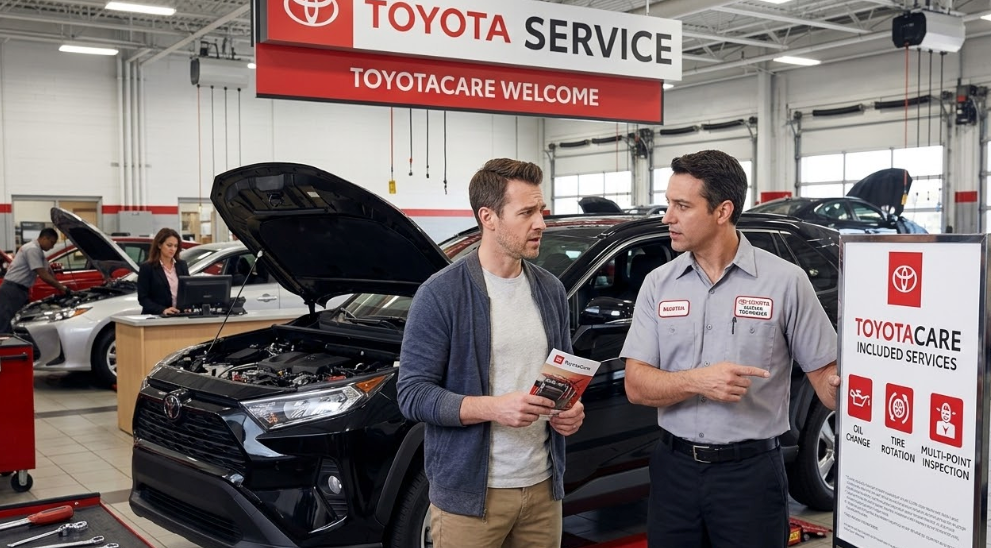
ToyotaCare covers normal factory scheduled maintenance for 2 years or 25,000 miles, whichever comes first, and it includes 24 hour roadside assistance for 2 years with unlimited miles. At our service center, that means many owners can handle the early basics through a participating Toyota dealer instead of piecing visits together on their own. Toyota and our own ToyotaCare information list engine oil and filter changes, tire rotations, multi-point inspections, and fluid level checks when required as core included services.

For a Kingsport commuter in a new Camry or RAV4, that early coverage matters because routine visits arrive fast when miles add up. Based on our experience here, ToyotaCare works best when you treat it as a schedule you use, not a perk you forget.

  • Routine maintenance follows Toyota’s factory schedule
  • Roadside assistance is included for 2 years with unlimited miles
  • Toyota-trained technicians and Genuine Toyota Parts support covered service
Coverage PointDuring ToyotaCareAfter ToyotaCare Ends
Maintenance term2 years or 25,000 miles on eligible new Toyota vehiclesOwner-paid unless another plan applies
Roadside assistance2 years, unlimited milesSeparate coverage decision
Routine servicesOil/filter, tires, inspections, fluid checks when requiredStill recommended, but no longer included
Service pathParticipating Toyota dealershipsDealer or independent shop, depending on owner choice
Record consistencyEasy to keep factory-aligned records from day oneDepends on where service is done
Best ForDrivers inside the included coverage termOwners planning the next maintenance step

Based on Toyota official website.

toyotacare eligible toyota cars

What ToyotaCare Does Not Cover

ToyotaCare is helpful, but it is not a blank check for every maintenance or repair need. Our service team is careful about that point because we want owners to know where the line is. Toyota states that ToyotaCare covers normal factory scheduled maintenance, which means unscheduled repairs, wear items outside the maintenance guide, cosmetic work, and vehicle issues unrelated to listed scheduled services are still separate from ToyotaCare coverage. If your brake pads wear early or you pick up a nail in a tire on I-81, that does not automatically become a ToyotaCare claim.

That does not reduce the value of the plan. It just sets the expectation correctly. For a Bristol family in a Highlander who wants simple ownership, we recommend looking at ToyotaCare as early routine maintenance and roadside support, not full ownership immunity.

What ToyotaCare does not replace:

  • Tire replacement after road damage
  • Repair work outside normal scheduled maintenance
  • Cosmetic or collision-related fixes
  • Wear items not included in the maintenance guide

Come in on time, follow your maintenance guide, and let us document each visit clearly. When you do that, ToyotaCare feels like a practical ownership tool instead of a vague promise. We also answer those questions before delivery whenever possible.

ToyotaCare, ToyotaCare Plus, and What Happens Next

Extended maintenance options are where many buyers get confused, and we understand why. Toyota’s current maintenance-plan information distinguishes between ToyotaCare, ToyotaCare Plus, and ToyotaCare Plus Service Drive, while our ToyotaCare Plus information describes eligibility for vehicles with 31,000 miles or less and within 37 months of date of first use, along with later scheduled services and extended roadside assistance. Our advice is simple: ask us to confirm which extended plan fits your exact Toyota and timing.

For a long-term Tacoma or RAV4 owner who plans to keep the vehicle well beyond the included 2-year or 25,000-mile period, we usually recommend talking through extended maintenance before the original plan expires. What we see here in Bristol is that owners who keep their Toyota for years often care just as much about convenience and service history as they do about short-term savings.

Toyota also notes special maintenance-plan timing for models like Mirai, bZ, and bZ4X. That is another reason we prefer vehicle-specific guidance instead of broad internet advice. If you drive a hybrid Camry, a RAV4 Hybrid, or an all-electric Toyota, we can review your options with your VIN and match the plan to your ownership goals. That keeps expectations clear.

ToyotaCare vs Paying Out of Pocket: Which Option Makes More Sense?

Key Takeaway: ToyotaCare beats paying as you go for most eligible new-Toyota owners.

ToyotaCare vs Paying Separately for Routine Maintenance

ToyotaCare wins the value comparison for most eligible new-vehicle owners because you are not starting from zero. The plan is already included with the purchase or lease of an eligible new Toyota, so the real question is not whether you should “buy” ToyotaCare.

Comparison PointToyotaCarePaying Out of PocketWhy We Lean Toward ToyotaCare
Up-front cost on eligible new ToyotaIncluded with purchase or leaseSeparate spending starts with the first visitYou are already getting the benefit
Scheduled maintenance coverageYes, during the coverage termYes, but each visit is owner-paidIncluded service lowers early ownership friction
Roadside assistanceIncluded for 2 years, unlimited milesSeparate membership or one-off service costsThe backup is already built in
Technician and parts pathToyota-trained technicians and Genuine Toyota Parts at participating dealersVaries by shopFactory-aligned service is easier to track
Record consistencyEasier to keep service history with one Toyota systemDepends on where and when you goBetter for organized ownership
Best ForNew Toyota buyers who want predictable early ownershipOwners of older vehicles outside included coverageToyotaCare is the better fit in the included period

Based on Toyota official website.

toyotacare roadside assistance

We recommend ToyotaCare for most Bristol-area buyers because the key difference between ToyotaCare and paying as you go is convenience with structure. You do not have to decide whether this month’s tire rotation can wait, and you do not have to line up a separate roadside plan right after you sign.

That matters most for:

  • Families balancing school, work, and weekend trips
  • Commuters building mileage quickly
  • First-time buyers who want less maintenance guesswork overall

Which Owners Benefit Most

This is where the answer becomes personal. ToyotaCare is not equally valuable to every owner, but it is useful to more drivers than many people assume. Based on what our customers tell us, especially after they compare our new Toyota inventory, the owners who benefit most are the ones who rack up miles, want a clear service record, or do not want to manage early maintenance one visit at a time.

For a daily commuter driving from Kingsport into Bristol five days a week, we recommend using ToyotaCare exactly on schedule because the miles come fast and the included visits arrive sooner. For a Johnson City family with a RAV4 Hybrid or Highlander, we recommend ToyotaCare because roadside coverage and scheduled dealer service reduce the odds of a small maintenance item disrupting the week. For an Abingdon retiree who drives fewer than 10,000 miles a year, we still see value because time matters too, and the roadside portion can still justify paying attention to the plan.

If you fit one of these situations, we usually recommend ToyotaCare most strongly:

  • If you commute more than 12,000 miles a year, we recommend using ToyotaCare for every included visit because the value shows up quickly.
  • If you bought your first new Toyota, we recommend ToyotaCare because it removes guesswork from early service timing.
  • If you want a clean dealer maintenance history, we recommend ToyotaCare because documentation stays simple.

If you are comparing a new Toyota purchase right now, we can make the ToyotaCare discussion specific instead of theoretical. Our team can show you how the included maintenance plan fits the vehicle you are considering, review the coverage window, and explain what your first service visits will likely look like based on your driving habits around Bristol, Kingsport, or Johnson City. We can also pull up our new Toyota inventory, walk you through a Camry, RAV4, or Tacoma that fits your commute or family needs, and help you request a fast quote from our site if you want to compare numbers from home first. If you already know the vehicle you want, use our quick quote tool or call us at 423-764-3155, and we will help you factor ToyotaCare into the real ownership picture instead of treating it like a footnote. We can also set up a test drive and show you where ToyotaCare fits alongside payment options, trade value, and expected first-year service.

toyotacare eligible toyota

Why ToyotaCare Matters More for Bristol and Tri-Cities Drivers

Key Takeaway: Local driving makes early maintenance easier to appreciate.

Local Driving Conditions and Regional Relevance

ToyotaCare can feel even more useful in our region because local driving is rarely one neat, flat pattern. We serve Bristol, Kingsport, Johnson City, Abingdon, Walnut Hill, and Holston Valley, and those routes can mix interstate speeds, stop-and-go errands, hills, rain, cold snaps, and weekend mileage swings. For a Kingsport driver commuting on I-81 into Bristol, steady mileage means scheduled service arrives sooner than expected. For an Abingdon driver who deals with elevation changes and colder mornings, regular inspections and on-time fluid checks matter because small maintenance issues are more noticeable when conditions shift.

Based on our experience here, ToyotaCare is especially helpful for local owners who do not want to lose track of early maintenance while juggling work, school, and weekend travel across the Tri-Cities. Having an easy path back to our service center lets us track visits, answer questions, and keep routine care tied to Toyota guidance.

Local Driver ProfileLocal PatternWhy ToyotaCare HelpsBest For
Kingsport commuterFrequent I-81 mileageIncluded visits come up faster and stay organizedHigh-mileage daily drivers
Bristol familyShort trips plus weekend errandsRoadside support and scheduled checks reduce hassleBusy households
Johnson City hybrid ownerMixed city and highway drivingDealer records and Toyota-trained care keep maintenance simpleHybrid owners
Abingdon low-mileage ownerFewer miles, more time-based ownershipRoadside coverage still adds value even with slower mileage growthRetirees and occasional drivers
Tri-Cities road tripperRegional weekend travelUnlimited-mile roadside term supports longer drivesCouples and families

If you already own an eligible Toyota and want to make sure you are using ToyotaCare the right way, stop by our service center at 3045 W State St in Bristol, TN, and let us review your plan with you. We can check where you are in the coverage window, help you decide whether now is the right time to schedule routine service, and talk through extended maintenance options if your included term is getting close to the end. Many of our customers from Abingdon, Kingsport, and Johnson City use our online service scheduler because it is the fastest way to reserve a time that fits the week, and you can always call us at 423-764-3155 if you would rather talk it through with our team. If your visit is a routine one, our Express Service can make the stop easier to fit into your day. We also back the ownership experience with our Advantage Plan, which is part of why local buyers come back to us for ongoing care instead of bouncing between shops. That way, you know exactly what is covered now, what comes next, and when to act.

Ownership Cost Analysis: What ToyotaCare Is Really Saving You in the First Two Years

Key Takeaway: ToyotaCare adds value by removing early ownership friction.

ToyotaCare saves the most for owners who actually use the included schedule, but even moderate drivers get more than a simple line-item discount. Our view is that the first-two-year value comes from three places working together: covered routine service, built-in roadside assistance, and the fact that many owners stay more consistent with maintenance when the visits are already included.

For a Bristol buyer planning to keep a Camry or Tacoma for many years, we recommend looking at ToyotaCare as the first chapter of a longer maintenance strategy. You begin ownership with factory-aligned service, clear documentation, and fewer excuses to delay the basics.

The cost value is usually strongest for owners who:

  • Drive enough to hit scheduled visits within the two-year window
  • Prefer dealer service records from day one
  • Would otherwise buy separate roadside coverage
  • Want early maintenance handled with less planning and less guesswork

We do not measure ToyotaCare only by the price of an oil change. We measure it by how much friction it removes from the first ownership period. If a plan makes it easier for you to service the vehicle on time, protect tire life, and keep support in place on the road, it is doing real work for you. That kind of value is harder to put into one number, but it shows up every time ownership feels easier.

Contrarian Insight: When ToyotaCare Is Less Valuable, and Why We Still Usually Recommend Using It

Key Takeaway: ToyotaCare is limited, but still useful for most owners.

ToyotaCare is less valuable for one kind of owner: the driver who barely uses the vehicle, misses service timing, and already has roadside coverage through another source. Even then, we usually still recommend using it because the plan is already included on eligible new Toyota vehicles, and leaving included benefits on the table rarely makes sense.

For an Abingdon retiree who drives short distances and logs fewer than 7,500 miles a year, the dollar value may feel slower to show up than it does for a Kingsport commuter. Still, that owner can benefit from:

  • A clear service reminder structure
  • Dealer maintenance records from the start
  • Unlimited-mile roadside support during the coverage term

We also tell shoppers not to overstate ToyotaCare. It does not replace every repair, it does not erase wear-and-tear costs, and it does not mean every future visit will be free. That honest framing matters, because buyers who understand the limits usually appreciate the plan more.

The bigger reason we still recommend using ToyotaCare is simple:

  • It is already part of the eligible new-vehicle ownership package
  • It gives us a chance to inspect the vehicle early and regularly
  • It keeps your first maintenance visits tied to Toyota guidance

Used correctly, ToyotaCare is not magic. It is smart, included ownership value, and for many drivers that practical benefit is exactly what makes it worth using instead of ignoring.

Key Takeaways about ToyotaCare

  • ToyotaCare includes early scheduled maintenance on eligible new Toyota vehicles.
  • Roadside assistance for 2 years with unlimited miles adds real backup.
  • High-mileage commuters usually feel the value fastest.
  • Low-mileage drivers still benefit from structure and service records.
  • We recommend using every covered visit on time.

Frequently Asked Questions About ToyotaCare
Is ToyotaCare free on every new Toyota?

ToyotaCare comes standard on eligible new Toyota purchases and leases, but the best way to phrase it is that it is included rather than universally identical on every single Toyota ownership situation. Toyota’s current maintenance-plan information says all new Toyota vehicles get ToyotaCare for 2 years or 25,000 miles, except certain special cases like Mirai, and our team can confirm what applies to your exact vehicle at delivery. That matters for buyers comparing trims and timelines before they sign, because the maintenance plan is part of the full value picture, not just a throw-in after the paperwork.

Does ToyotaCare cover oil changes and tire rotations?

ToyotaCare covers normal factory scheduled maintenance, and our ToyotaCare information specifically lists engine oil and filter changes, tire rotations, multi-point inspections, and fluid level checks when required. Based on what our technicians see here in Bristol, the owners who benefit most are the ones who return on time and let us document each visit clearly. Covered service is only helpful if you actually use the schedule the program gives you. That is where the plan earns its keep, because included maintenance only adds value when it turns into real visits and real records.

Is ToyotaCare worth it if I drive fewer than 10,000 miles a year?

ToyotaCare can still be worth it if you drive fewer than 10,000 miles a year, but the reason changes. Instead of getting value mainly from quickly stacking up service visits, you get more of the benefit from structure, convenience, dealer maintenance records, and the included roadside assistance term. For an Abingdon retiree or second-vehicle owner who drives sparingly, we still recommend using ToyotaCare because it keeps early ownership simple and gives us a chance to inspect the vehicle at the right points. The value may feel slower, but the support and maintenance rhythm still matter.

Should I ask about ToyotaCare Plus after the original plan ends?

If you plan to keep your Toyota beyond the included ToyotaCare term, we recommend asking us about ToyotaCare Plus or related extended maintenance options before your original coverage ends. Eligibility and plan structure can vary by vehicle, mileage, and timing, so we prefer to confirm the right option with your VIN instead of guessing.

Use cases

Use Case #Driver ProfileScenarioRecommendation
1Daily commuterKingsport driver putting heavy weekly mileage on a new Camry or RAV4Use ToyotaCare on schedule because mileage makes the included visits arrive quickly
2Low-mileage retireeAbingdon owner driving sparingly through the yearUse ToyotaCare for structure and roadside support even if mileage builds slowly
3Daily commuterKingsport commuter building miles fast on interstate routesUse every included visit because early maintenance value shows up quickly
4Family driverBristol family using a Highlander for school and errandsView ToyotaCare as routine maintenance and roadside support, not total repair coverage
5Long-term ownerTacoma or RAV4 owner planning to keep the vehicle for yearsAsk us about extended maintenance before the original plan expires
6Daily commuterKingsport to Bristol commuter driving five days a weekUse ToyotaCare exactly on schedule because the miles come fast
7Family driverJohnson City family using a RAV4 Hybrid or Highlander for a busy weekly routineUse ToyotaCare for scheduled service and roadside backup
8Retiree or second-car ownerAbingdon low-mileage owner driving fewer than 10,000 miles a yearKeep using ToyotaCare because time and roadside benefits still matter
9High-mileage commuterKingsport commuter on I-81 into BristolUse ToyotaCare because steady mileage makes routine service easy to track
10Seasonal weather driverAbingdon owner dealing with hills, colder mornings, and changing conditionsStay current on inspections and fluid checks through ToyotaCare
11First-time buyerNew Toyota owner planning long-term ownership in BristolTreat ToyotaCare as the first chapter of a longer maintenance strategy
12Low-mileage ownerAbingdon retiree with short trips and existing roadside backupUse ToyotaCare anyway because included benefits still add practical value

We are here to help you use ToyotaCare well. Visit us at 3045 W State St, Bristol, TN 37620, and we will review your coverage, your driving habits, and your next service step in plain language. We serve Bristol, Kingsport, Johnson City, Abingdon, and drivers across the Tri-Cities who want straightforward answers. If you are buying a new Toyota, we can show you how ToyotaCare and the Toyota of Bristol Advantage Plan fit into the full ownership picture. If you already own an eligible Toyota, schedule with us online or call 423-764-3155, and we will help you use your included maintenance and roadside benefits the right way. We will keep it simple.
Recommended Posts

Tundra i-FORCE MAX vs Tacoma i-FORCE MAX: Which Toyota Hybrid Truck Fits Your Life?

Tundra i-FORCE MAX vs Tacoma i-FORCE MAX: Which Toyota Hybrid Truck Fits Your Life?

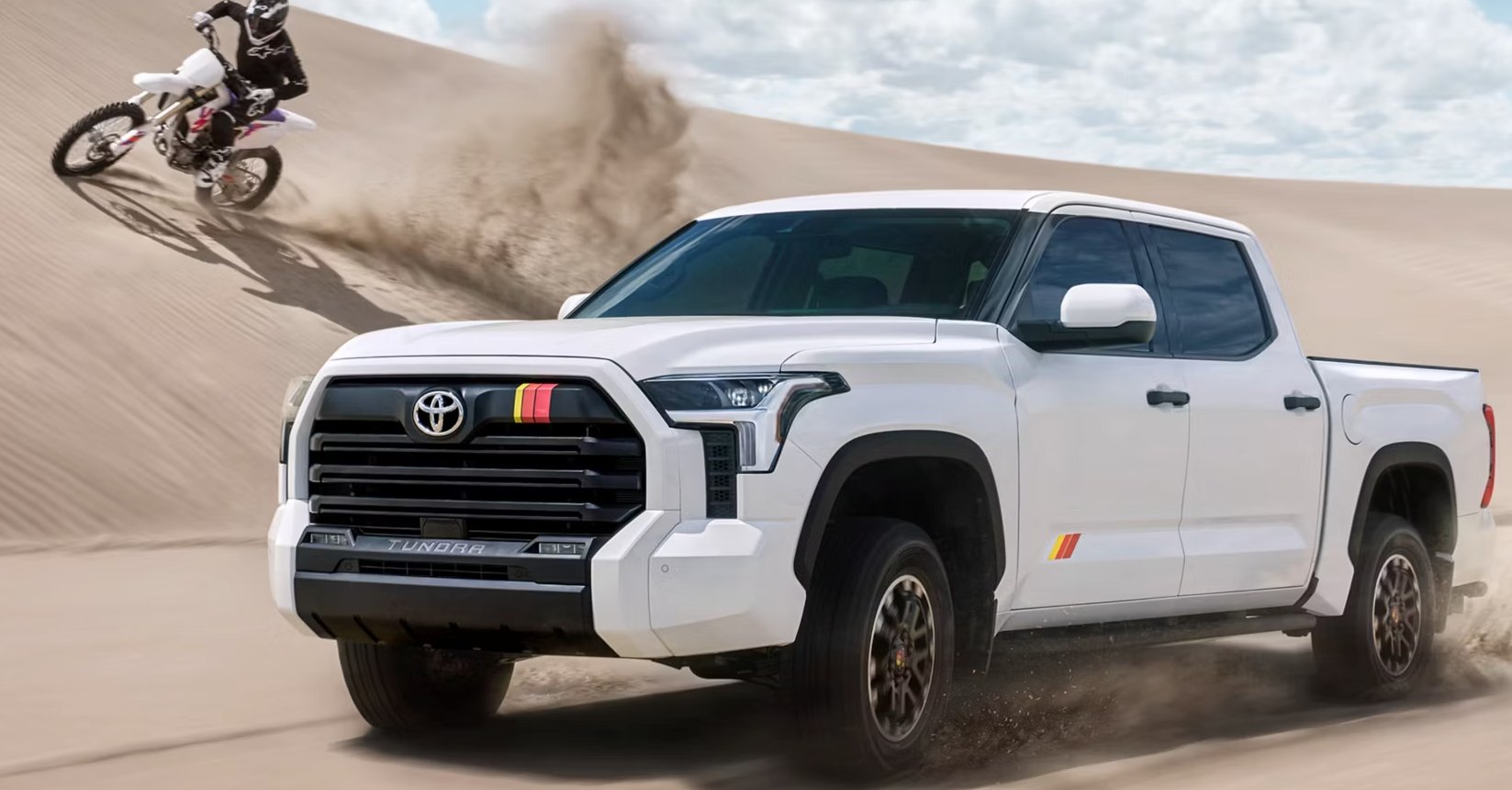
Compare Trims and Prices: Test Drive Your Toyota Hybrid Truck in Bristol Choose the Toyota Tundra i-FORCE MAX if you need full-size towing power, stronger torque, passenger room, and work or trailer confidence. Choose the Toyota Tacoma i-FORCE MAX if you want a midsize hybrid truck with easier daily maneuverability, strong torque, off-road personality, and weekend flexibility. Toyota of Bristol helps local truck shoppers compare both i-FORCE MAX trucks by towing needs, jobsite use, daily driving, family comfort, and local routes. For a Bristol driver deciding between towing a camper and driving through town every day, we usually start with the trailer first, then match the truck size to the rest of the week. This comparison is not a broad Tundra overview. It is a practical Toyota hybrid truck decision. Tundra i-FORCE MAX and Tacoma i-FORCE MAX both bring hybrid power to Toyota truck shoppers, but they serve different drivers. One is a full-size pickup built around bigger towing, cabin space, and long-distance strength. The other is a midsize pickup built around torque-rich drivability, easier sizing, off-road attitude, and everyday flexibility. We will compare horsepower, torque, towing, payload, size, parking, work use, family comfort, and local driving fit for Bristol, Kingsport, Johnson City, Abingdon, Blountville, Elizabethton, and the Tri-Cities. Definition: A Tundra i-FORCE MAX vs Tacoma i-FORCE MAX comparison is a full-size Toyota hybrid truck versus midsize Toyota hybrid truck decision. It helps drivers match power, towing, payload, cabin size, parking needs, passenger comfort, and local driving patterns to the right Toyota pickup. Toyota Hybrid Trucks Compare Toyota Truck Inventory If you are choosing between full-size towing power and midsize daily flexibility, our team can help compare Toyota truck availability, trims, cab choices, and capability needs. View New Toyota Inventory Table of Contents Tundra i-FORCE MAX vs Tacoma i-FORCE MAX Specs and Capability Which Toyota Hybrid Truck Should You Choose? Local Truck Fit for Bristol and Tri-Cities Drivers When Tacoma i-FORCE MAX Is the Smarter Daily Truck When Tundra i-FORCE MAX Earns the Bigger Footprint Tundra i-FORCE MAX vs Tacoma i-FORCE MAX FAQ Tundra i-FORCE MAX vs Tacoma i-FORCE MAX Specs and Capability Key Takeaway: Tundra i-FORCE MAX is the stronger full-size hybrid truck for towing, torque, and passenger comfort, while Tacoma i-FORCE MAX is the more maneuverable midsize hybrid truck for daily use, trails, and lighter towing needs. Horsepower, Torque, Towing, and Payload The biggest difference is capability scale. Tundra i-FORCE MAX is the larger, stronger truck. Toyota lists the Tundra i-FORCE MAX powertrain at 437 horsepower and 583 lb-ft of torque. Tundra is also the stronger towing choice, with Toyota listing up to 12,000 pounds of towing capability and up to 1,850 pounds of payload, depending on configuration. Tacoma i-FORCE MAX is not trying to be a full-size replacement. It gives midsize truck shoppers serious torque in a smaller package. Toyota lists Tacoma i-FORCE MAX at up to 326 horsepower and 465 lb-ft of torque, with maximum towing of 6,500 pounds and payload up to 1,705 pounds. For a Bristol driver towing a larger camper, boat, or work trailer, Tundra i-FORCE MAX is usually the cleaner starting point. For a Johnson City commuter who wants truck utility without the full-size parking burden, Tacoma i-FORCE MAX may fit better. Choose Tundra i-FORCE MAX if towing is the deciding factor. Choose Tacoma i-FORCE MAX if midsize maneuverability matters every day. Choose Tundra i-FORCE MAX if you regularly carry passengers and gear. Choose Tacoma i-FORCE MAX if trails, parking, and tighter routes matter more. Compare exact trims because tow ratings, payload, drivetrain, cab, and bed choices can vary. Capability Point Toyota Tundra i-FORCE MAX Toyota Tacoma i-FORCE MAX Best For Truck class Full-size hybrid truck Midsize hybrid truck Tundra for size; Tacoma for maneuverability Horsepower 437 hp Up to 326 hp Tundra for stronger output Torque 583 lb-ft Up to 465 lb-ft Tundra for heavier towing; Tacoma for strong midsize response Maximum towing Up to 12,000 lb Up to 6,500 lb Tundra for heavier trailers Maximum payload Up to 1,850 lb Up to 1,705 lb Compare exact configuration before loading Ideal Use Case Boat, camper, work trailer, larger crew, full-size comfort Daily driving, trails, tighter parking, lighter towing Match the truck to the heaviest real job Based on Toyota official website. Full-Size Truck vs Midsize Truck Dimensions and Daily Feel The daily feel is just as important as the spec sheet. Tundra i-FORCE MAX feels like the better truck when the job calls for a larger cabin, stronger road presence, more trailer confidence, and more full-size comfort. Tacoma i-FORCE MAX feels like the better truck when the driver needs truck utility but still wants easier parking, a more manageable footprint, and a truck that feels natural on errands, trails, and narrower roads. For a Kingsport contractor or work-truck driver, the choice depends on the workday. Tundra i-FORCE MAX makes sense when payload, passengers, trailers, and full-size space matter. Tacoma i-FORCE MAX makes sense when jobsites are tighter, parking is more limited, and the truck needs to move through town every day. Off-Road, Trail, Work, and Towing Technology Both trucks can bring useful technology, but they express it differently. Tacoma i-FORCE MAX has a strong adventure identity, especially for drivers looking at off-road-oriented trims and weekend trail use. Tundra i-FORCE MAX has a stronger full-size work and towing identity, especially for drivers comparing tow technology, passenger comfort, bed utility, and long-distance capability. For an Elizabethton off-road weekend driver, Tacoma i-FORCE MAX deserves a close look because the midsize platform can feel more natural on trails and tight backroads. For a Blountville family truck shopper who also tows on weekends, Tundra i-FORCE MAX may be the better long-term choice because cabin space and towing confidence matter together. Toyota Truck Research Ask About Toyota Truck Capability Our team can help compare towing equipment, payload needs, cab and bed choices, and exact truck availability before you choose between Tundra and Tacoma. Ask About Toyota Trucks Which Toyota Hybrid Truck Should You Choose? Key Takeaway: Choose Tundra i-FORCE MAX for full-size towing and passenger comfort. Choose Tacoma i-FORCE MAX for midsize flexibility, daily drivability, off-road personality, and strong capability without the full-size footprint. Tundra vs Tacoma i-FORCE MAX Decision Table The best way to choose is to name the job the truck must do most often. If towing and passenger space are the non-negotiables, Tundra i-FORCE MAX should be first on your list. If daily use, trails, errands, and moderate towing are the bigger priorities, Tacoma i-FORCE MAX may be the smarter fit. Driver Need Tundra i-FORCE MAX Fit Tacoma i-FORCE MAX Fit Best For Heavy towing Strongest fit with higher tow rating Works for lighter trailer needs Tundra i-FORCE MAX Daily commuting Comfortable but larger Easier to park and maneuver Tacoma i-FORCE MAX Work crew and gear Better when passenger and hauling needs are heavier Better when jobsites are tight Choose by jobsite size and load Family truck use More full-size cabin comfort Works for smaller households and lighter gear Tundra if passenger comfort is priority Weekend trails Capable but larger Strong midsize adventure personality Tacoma i-FORCE MAX Ideal Use Case Boat, camper, work trailer, family travel Commute, trails, errands, lighter towing Match the truck to the real week Based on Toyota official website. The practical verdict is simple: Tundra i-FORCE MAX is the better fit when the truck’s hardest job involves towing, carrying people, hauling heavier loads, or giving the driver full-size confidence. Tacoma i-FORCE MAX is the better fit when the truck’s hardest job is balancing capability with everyday use. A midsize truck can be easier to live with when the trailer is smaller, parking is tight, and weekend trails matter. Toyota Truck Test Drive Drive Tundra and Tacoma Back to Back The full-size versus midsize difference is easiest to feel in person, especially when you compare parking, cabin space, ride feel, and driver visibility. Schedule a Toyota Truck Test Drive Use-Case Recommendations for Towing, Work, Commuting, Family, and Weekend Adventure For a Bristol boat or camper owner, we recommend starting with Tundra i-FORCE MAX because towing strength and full-size stability matter when the trailer is part of the plan. For a Johnson City daily commuter, we recommend Tacoma i-FORCE MAX if the driver wants truck utility without a full-size parking burden. For a Kingsport contractor, we recommend comparing both by jobsite needs: Tundra if the workday includes heavier loads, crew, and trailers; Tacoma if tight spaces and quick movement matter more. If you tow a larger camper, Tundra i-FORCE MAX should be first on your list. If you commute every day and tow only sometimes, Tacoma i-FORCE MAX may fit better. If family comfort matters, compare Tundra cabin space closely. If weekend trails matter, compare Tacoma off-road-oriented trims closely. If work equipment is the deciding factor, check payload, bed, cab, and towing equipment by exact configuration. We can help you compare Toyota truck inventory, exact trims, cab and bed configurations, towing equipment, payload needs, and test-drive fit. Our team can also help you think through the trailer, passengers, tools, commute, parking, and weekend gear before you decide. Start with current inventory at https://www.toyotaofbristol.com/searchnew.aspx or call us at 423-764-3155 if you want to ask about Tundra i-FORCE MAX or Tacoma i-FORCE MAX availability. We recommend bringing your real towing or work needs into the conversation because the best Toyota truck choice depends on what the truck actually has to do. Truck Availability Ask About i-FORCE MAX Inventory If you are deciding between Tundra i-FORCE MAX and Tacoma i-FORCE MAX, we can review availability, trims, capability needs, and daily-driving fit. Contact Toyota of Bristol Local Truck Fit for Bristol and Tri-Cities Drivers Key Takeaway: Bristol and Tri-Cities drivers should choose Tundra i-FORCE MAX for heavier towing and full-size comfort, or Tacoma i-FORCE MAX for tighter roads, daily driving, trails, and moderate truck needs. I-81 Towing, I-26 Commutes, Kingsport Work Routes, Abingdon Roads, and Weekend Gear Local truck use is rarely one thing. A Bristol-area driver may tow on weekends, commute during the week, carry tools during the day, and haul home projects on Saturday. That is why Tundra i-FORCE MAX and Tacoma i-FORCE MAX should be compared by real routes and real loads, not just by which truck has the bigger number. For an Abingdon hilly-road driver, Tacoma i-FORCE MAX can be a strong mixed-use truck when maneuverability, torque, and weekend capability matter. Tundra i-FORCE MAX becomes the stronger fit if the same driver tows larger trailers or carries heavier loads. For a Kingsport work route, Tacoma can be easier around tight sites, while Tundra can earn its size when the job needs more space and stronger capability. Local Scenario Tundra i-FORCE MAX Advantage Tacoma i-FORCE MAX Advantage Best For I-81 towing Higher tow rating and full-size confidence Works for lighter trailer needs Tundra for heavier campers or boats I-26 commuting Comfortable full-size ride Easier daily size Tacoma if towing is occasional Kingsport work routes More space for crew and heavier work Better for tighter jobsite movement Choose by worksite and load Abingdon hilly roads Better for larger trailers Nimbler mixed-use feel Tacoma for daily mixed use; Tundra for towing Weekend gear and trails Room for people and gear Strong trail personality Tacoma for tighter trails; Tundra for bigger gear loads Ideal Use Case Heavy towing and full-size cabin comfort Midsize truck flexibility Choose by real route and load Based on Toyota official website. We invite drivers from Bristol, Kingsport, Johnson City, Abingdon, Blountville, and Elizabethton to visit us at 3045 W State St, Bristol, TN 37620, or call 423-764-3155 to compare Toyota hybrid trucks. Our team can help review ToyotaCare support, service planning, Toyota of Bristol Advantage Plan benefits, and long-term ownership needs. We also support Toyota truck maintenance through our service center at https://www.toyotaofbristol.com/service-center.html. If you are deciding between full-size power and midsize flexibility, we can help you compare the trucks around how you actually drive, tow, haul, and park. Toyota Truck Service Plan Long-Term Truck Care Our service center can support ToyotaCare visits, tire care, inspections, maintenance, towing-related service questions, and long-term Toyota truck ownership needs. Visit Our Service Center Ownership Cost Analysis: When Tacoma i-FORCE MAX Is the Smarter Daily Truck Key Takeaway: Tacoma i-FORCE MAX is the smarter daily truck when you want strong hybrid torque, easier parking, trail capability, and truck utility without carrying a full-size footprint every day. Tacoma i-FORCE MAX earns attention when daily life matters more than maximum towing. A midsize truck can be easier to park, easier to place on narrow roads, and easier to live with during errands, commuting, and weekend trail use. For a Johnson City daily commuter, we recommend Tacoma i-FORCE MAX if the driver wants truck utility but does not need a full-size pickup every day. For an Elizabethton off-road weekend driver, Tacoma i-FORCE MAX can also feel like the more natural truck. Its midsize proportions, strong torque, and off-road-oriented trim availability make it a smart fit for drivers who want adventure capability without moving into a larger truck than they need. Choose Tacoma i-FORCE MAX if parking and maneuverability matter every day. Choose Tacoma i-FORCE MAX if you tow lighter trailers or tow less often. Choose Tacoma i-FORCE MAX if off-road weekends are part of the plan. Choose Tacoma i-FORCE MAX if a full-size cabin is not necessary. Move up to Tundra i-FORCE MAX if towing and passenger space become priorities. Capability Upgrade: When Tundra i-FORCE MAX Earns the Bigger Footprint Key Takeaway: Tundra i-FORCE MAX earns the bigger footprint when towing, torque, passenger room, hauling confidence, and long-distance truck comfort matter more than easy parking or trail-size maneuverability. Tundra i-FORCE MAX is worth the upgrade when the truck has to work hard. If you tow a larger camper, carry a family and gear, haul materials, or spend time on longer highway trips, the full-size layout can pay off. For a Blountville family truck shopper, we recommend Tundra i-FORCE MAX when passenger comfort and weekend towing are both part of the decision. The bigger truck also makes sense when your future needs may grow. A shopper who buys Tacoma i-FORCE MAX for daily driving may be happy if towing stays moderate. A shopper who already knows larger trailers, heavier loads, and more passengers are coming should compare Tundra i-FORCE MAX seriously before choosing the smaller truck. Choose Tundra i-FORCE MAX if a larger trailer is part of the plan. Choose Tundra i-FORCE MAX if you carry passengers often. Choose Tundra i-FORCE MAX if long-distance comfort matters. Choose Tundra i-FORCE MAX if work loads are heavier. Choose Tacoma i-FORCE MAX if the truck needs to feel smaller every day. Truck Budget Planning Compare Financing Options If you are deciding between midsize flexibility and full-size capability, pre-qualification can help you compare Toyota truck options with your budget in mind. Get Pre-Qualified Key Takeaways Tundra i-FORCE MAX is the stronger choice for towing, torque, cabin room, and full-size confidence. Tacoma i-FORCE MAX is the stronger choice for daily maneuverability, trails, and moderate truck needs. Tundra i-FORCE MAX offers 437 hp, 583 lb-ft of torque, and up to 12,000 lb of towing. Tacoma i-FORCE MAX offers up to 326 hp, 465 lb-ft of torque, and up to 6,500 lb of towing. Bristol truck shoppers should choose by real towing, parking, work, family, and weekend needs. Tundra i-FORCE MAX vs Tacoma i-FORCE MAX FAQ Which has more power, Tundra i-FORCE MAX or Tacoma i-FORCE MAX? Tundra i-FORCE MAX has more power. Toyota lists Tundra i-FORCE MAX at 437 horsepower and 583 lb-ft of torque. Toyota lists Tacoma i-FORCE MAX at up to 326 horsepower and 465 lb-ft of torque. We recommend Tundra i-FORCE MAX when the driver wants full-size output for towing, hauling, and passenger comfort. We recommend Tacoma i-FORCE MAX when midsize flexibility matters more. Which Toyota hybrid truck is better for towing? Tundra i-FORCE MAX is better for heavier towing because Toyota lists Tundra with up to 12,000 pounds of towing capability. Tacoma i-FORCE MAX can tow up to 6,500 pounds, depending on configuration, which can fit lighter trailers and weekend needs. For a Bristol boat or camper owner, we recommend starting with Tundra i-FORCE MAX if the trailer is a major part of the decision. Is Tacoma i-FORCE MAX better for daily driving? Tacoma i-FORCE MAX can be better for daily driving if you want a midsize truck that is easier to park, easier to maneuver, and more natural for errands, commuting, and trail weekends. Tundra i-FORCE MAX can still be comfortable every day, but it is the larger truck. For a Johnson City commuter who tows only sometimes, we would compare Tacoma i-FORCE MAX first. Should I choose Tundra or Tacoma i-FORCE MAX for Bristol-area driving? Choose Tundra i-FORCE MAX if you tow heavier trailers, carry passengers often, need full-size comfort, or want the stronger Toyota hybrid truck. Choose Tacoma i-FORCE MAX if you want easier daily driving, trail-friendly sizing, and strong midsize capability. For Bristol, Kingsport, Johnson City, Abingdon, and nearby Tri-Cities drivers, the right choice depends on towing, work, parking, passengers, and weekend use. Compare Toyota Hybrid Trucks at Toyota of Bristol We are here to help you decide whether Tundra i-FORCE MAX or Tacoma i-FORCE MAX better fits your towing, work, commute, family, and weekend plans. Visit us at 3045 W State St, Bristol, TN 37620, or call 423-764-3155 so we can compare Toyota hybrid trucks with your real driving needs in mind. We serve Bristol, Kingsport, Johnson City, Abingdon, Blountville, Elizabethton, and nearby Tri-Cities communities. Our Toyota of Bristol Advantage Plan and ToyotaCare support help us keep ownership simple after the sale. Start with inventory, request availability, or schedule a test drive today. Related Toyota Insights & Updates Keep reading more Toyota truck guides, hybrid comparisons, and ownership updates from Toyota of Bristol. Truck Guide 2026 Toyota Tacoma Towing Capacity in Bristol, TN Review Tacoma towing strength, truck setup, local use cases, and how to compare exact configurations. Read More Hybrid SUV Comparison 2026 Toyota RAV4 vs Corolla Cross: Which Toyota SUV Fits Bristol Drivers? Compare two Toyota SUV choices by size, efficiency, cargo space, family fit, and everyday driving needs. Read More Service Guide Toyota Fall Visibility Checklist for Bristol, TN Drivers Use this fall checklist for wipers, headlights, washer fluid, tires, glass, and visibility-related service timing. Read More Plug-In Hybrid Guide Toyota Plug-In Hybrid Charging Guide for Bristol, TN Drivers See how Toyota plug-in hybrid charging works for home charging, public charging, daily errands, and longer trips. Read More

Toyota Plug-In Hybrid Charging Guide for Bristol, TN Drivers

Toyota Plug-In Hybrid Charging Guide for Bristol, TN Drivers

Maximizing EV Mode Range for Your Tri-Cities Commute Toyota plug-in hybrids can be charged at home or compatible public charging stations, then driven on electric power for shorter trips while keeping a gas engine for longer drives. Toyota of Bristol helps local shoppers compare plug-in hybrid charging needs for daily commutes, weekend travel, and long-term ownership. For a Bristol commuter who wants electric driving for weekday errands but gas flexibility for I-81 or Southwest Virginia trips, a Toyota plug-in hybrid can be a practical bridge between a standard hybrid and a fully electric vehicle. This guide is not a Prius Plug-In Hybrid model spotlight or a RAV4 Plug-In Hybrid model page. Instead, it explains how charging fits real life. We will cover Level 1 charging, Level 2 charging, public charging, electric driving range, hybrid mode, home setup questions, apartment considerations, and how to choose between Toyota plug-in hybrid options by lifestyle. We will also keep the focus local. A driver in Bristol, Kingsport, Johnson City, Abingdon, Blountville, or Elizabethton may have different charging needs depending on parking access, commute distance, work charging, road trips, and whether SUV space matters more than maximum efficiency. Definition: A Toyota plug-in hybrid is a vehicle with a gas engine, hybrid system, and larger battery that can be charged externally. It can drive on electric power when charged, then continue operating like a hybrid when battery charge is lower. For many drivers, that means electric-first commuting with gas flexibility. Plug-In Hybrid Shopping Compare Toyota Plug-In Hybrid Options If you want electric driving for daily trips and gas flexibility for longer routes, our team can help compare Toyota plug-in hybrid availability and charging fit. View New Toyota Inventory Table of Contents How Toyota Plug-In Hybrid Charging Works Should You Charge at Home, Work, or Public Stations? Local Charging and Driving Fit Around Bristol and the Tri-Cities What to Know Before Installing or Using a Home Charger Plug-In Hybrid vs Hybrid: When Charging Is Worth It Toyota Plug-In Hybrid Charging FAQ How Toyota Plug-In Hybrid Charging Works Key Takeaway: Toyota plug-in hybrid charging is built around flexibility. Charge when it is convenient, use electric power for shorter trips, and rely on hybrid gas-electric operation when the battery charge is lower or the drive is longer. Level 1, Level 2, and Public Charging Basics Toyota plug-in hybrid charging starts with a simple question: where will you park long enough to charge? A plug-in hybrid can usually fit drivers who charge at home overnight, charge at work during the day, or use compatible public chargers when convenient. The best setup depends on your parking access, daily mileage, schedule, and how often you want to begin the day with electric range available. Level 1 charging usually refers to using a standard household outlet with the correct charging equipment. It is the most familiar option for many homeowners because it does not require the same setup as a dedicated Level 2 charger. Level 2 charging usually uses a 240-volt setup or compatible charging station, which can make charging faster and more convenient for drivers who charge regularly. Public charging can help when a compatible station is available near work, errands, or travel stops. Level 1 charging can fit drivers who park overnight and have outlet access. Level 2 charging can fit drivers who want a more regular home charging routine. Public charging can help when a compatible station is located near work, shopping, or travel. Work charging can be helpful if your vehicle sits for several hours during the day. Apartment charging needs more planning because outlet or charger access may be limited. Charging Option How It Usually Works Why It Matters Best For Level 1 home charging Uses a standard outlet with proper equipment Simple entry point for overnight charging Bristol homeowner with garage or driveway access Level 2 home charging Uses a compatible 240-volt charging setup Supports a more regular charging routine Blountville homeowner who wants daily charging confidence Work charging Charges while parked during the workday Can help drivers without easy evening charging Johnson City commuter parked for several hours Public charging Uses compatible public charging stations Adds flexibility during errands or travel Driver with charging near shopping or work No regular charging access Driver relies mostly on hybrid operation May reduce the value of choosing a PHEV Apartment driver still comparing options Ideal Use Case Charge when convenient Use electric range when available Toyota shopper with predictable parking access Based on Toyota official website. Electric Range, Hybrid Mode, and Gas Flexibility The main benefit of a Toyota plug-in hybrid is that it can give you electric driving for shorter trips and gas-electric hybrid flexibility for longer ones. When the battery has enough charge, the vehicle can prioritize electric driving for many daily errands. When the battery charge is lower, the gas engine and hybrid system continue to support the drive. That flexibility is what makes a plug-in hybrid different from a full EV and different from a standard hybrid. Prius Plug-In Hybrid is the choice many drivers consider when efficiency and a lower-slung hatchback shape matter most. Toyota lists up to 44 miles of EPA-estimated all-electric driving range for the 2026 Prius Plug-In Hybrid with a fully charged battery, with exact range depending on trim. RAV4 Plug-In Hybrid is the choice many drivers consider when SUV space, ride height, and all-wheel-drive confidence matter more. Toyota Pressroom information for the 2026 RAV4 Plug-In Hybrid notes up to a manufacturer-estimated 52-mile all-electric driving range in the new generation. Prius Plug-In Hybrid vs RAV4 Plug-In Hybrid Charging Lifestyle The charging routine can be similar, but the lifestyle fit is different. Prius Plug-In Hybrid makes sense for a driver who wants a highly efficient plug-in hybrid for commuting, errands, and solo or two-person travel. RAV4 Plug-In Hybrid makes sense for a driver who wants plug-in hybrid capability with SUV cargo room, available adventure flexibility, and more family-friendly space. For a Kingsport family driver, RAV4 Plug-In Hybrid may be easier to recommend because school bags, groceries, sports gear, and weekend trips often favor SUV space. For a Bristol commuter who spends most weekdays driving solo, Prius Plug-In Hybrid may be the smarter charging lifestyle because it focuses on electric-first efficiency and daily usability. Toyota Plug-In Hybrid Models Compare Prius Plug-In Hybrid and RAV4 Plug-In Hybrid Our team can help you compare plug-in hybrid hatchback efficiency against plug-in hybrid SUV space, charging routine, and daily driving fit. Ask About Plug-In Hybrid Availability Should You Charge at Home, Work, or Public Stations? Key Takeaway: The best Toyota plug-in hybrid charging setup is the one you will actually use. Home charging is easiest for many drivers, work charging can support long parking hours, and public charging works best as a helpful bonus. Plug-In Hybrid Charging Decision Table Before choosing a Toyota plug-in hybrid, we recommend looking at your charging pattern honestly. A PHEV is strongest when the driver has a repeatable way to charge several days per week. That does not mean every driver needs a dedicated home charger right away, but it does mean charging access should fit normal life rather than become a chore. Charging Situation PHEV Fit What to Consider Best For Garage or driveway outlet Strong fit Check outlet access, parking distance, and charging schedule Blountville homeowner Dedicated Level 2 charger Very strong fit Use a qualified electrician and confirm vehicle compatibility Driver who wants routine charging Work charging Good fit if reliable Confirm charger availability, cost, and parking policy Johnson City commuter Apartment without charger Depends on nearby options Public charging alone may not be convenient enough Abingdon apartment driver comparing options Mostly road trips Still useful, but charging matters less Gas flexibility may matter more than electric miles Elizabethton road-tripper Ideal Use Case Regular charging access Match routine before choosing Toyota shopper who can charge predictably Based on Toyota official website. The decision is not simply home charging versus public charging. It is really about convenience. If you can plug in at home most nights, a Toyota plug-in hybrid can fit naturally into your routine. If you can charge at work, the vehicle may spend parked hours building electric range for the drive home. If you only plan to use public charging occasionally, a plug-in hybrid can still make sense, but you should choose it for the full package, not only for electric driving. Test Drive Planning Schedule a Plug-In Hybrid Test Drive A test drive can help you compare seating position, cargo space, driving feel, and whether Prius Plug-In Hybrid or RAV4 Plug-In Hybrid better fits your daily charging routine. Schedule a Test Drive Use-Case Recommendations for Commuters, Apartment Drivers, Families, and Road-Trippers For a Bristol daily commuter with home charging, we recommend a Toyota plug-in hybrid because weekday errands may fit within electric-first driving. For a Johnson City highway commuter, we recommend comparing Prius Plug-In Hybrid and RAV4 Plug-In Hybrid by route, space, and charging access because longer drives may use both electric and hybrid operation. For a Kingsport family driver, we recommend RAV4 Plug-In Hybrid because SUV space can matter more than maximum efficiency. If you park in a garage or driveway every night, a plug-in hybrid can fit your routine well. If you live in an apartment without a charger, check work or public charging before choosing a PHEV. If you run short errands most days, electric-first driving may be the strongest benefit. If you carry kids, gear, or weekend luggage, RAV4 Plug-In Hybrid may fit better. If you mostly drive solo and want efficiency, Prius Plug-In Hybrid deserves a close look. We can help you compare Toyota plug-in hybrid availability, charging equipment questions, trim differences, and test-drive fit in one conversation. Our team can also help you think through where you park, how far you drive daily, whether home charging is realistic, and which model better fits your passengers and cargo. Start with current inventory at https://www.toyotaofbristol.com/searchnew.aspx or call us at 423-764-3155 if you want to ask about Prius Plug-In Hybrid or RAV4 Plug-In Hybrid availability. We recommend discussing charging before the test drive so we can focus the visit on your real routine, not just the model specs. Plug-In Hybrid Availability Ask Our Team About PHEV Inventory If you are deciding between Prius Plug-In Hybrid and RAV4 Plug-In Hybrid, we can review availability, charging needs, and daily-driving fit. Contact Toyota of Bristol Local Charging and Driving Fit Around Bristol and the Tri-Cities Key Takeaway: A Toyota plug-in hybrid can fit Bristol and Tri-Cities drivers especially well when short local errands, predictable parking, and occasional longer trips are part of the same routine. Bristol Errands, I-81, I-26, Johnson City, Kingsport, Abingdon, and Weekend Trips Local driving is exactly where many plug-in hybrid benefits can show up. A driver may use electric power for Bristol errands, school drop-off, grocery runs, or a short work commute, then rely on hybrid operation for I-81, I-26, or regional travel. That blend is why many shoppers compare PHEVs when they are not ready for a full EV but want more electric driving than a standard hybrid offers. For an Elizabethton road-tripper, a Toyota plug-in hybrid can make sense because daily drives may use charging while longer trips still have gas flexibility. For an Abingdon apartment driver, we recommend checking public, work, or shared charging access first because charging convenience can determine whether a PHEV feels easy or frustrating. Local Driving Scenario Charging Need PHEV Advantage Best For Bristol errands Home charging helps most Electric-first short trips Daily commuter with driveway access Johnson City commute Home or work charging Electric range plus hybrid flexibility Longer-route commuter Kingsport family errands Regular home charging SUV space with electric driving potential RAV4 Plug-In Hybrid shopper Abingdon apartment parking Public or work charging may be needed Can still work if charging is predictable Driver who can verify charging access Weekend Southwest Virginia trips Charging before departure helps Gas engine supports longer travel Road-tripper wanting flexibility Ideal Use Case Predictable charging several days per week Electric driving plus gas backup Tri-Cities driver with mixed routes Based on Toyota official website. We invite drivers from Bristol, Kingsport, Johnson City, Abingdon, Blountville, and Elizabethton to visit us at 3045 W State St, Bristol, TN 37620, or call 423-764-3155 to compare plug-in hybrid options. Our team can help explain charging routines, ToyotaCare support, service planning, and Toyota of Bristol Advantage Plan benefits as part of the shopping conversation. We also support long-term Toyota ownership through our service center at https://www.toyotaofbristol.com/service-center.html. If you are unsure whether a plug-in hybrid fits your home, work, or travel routine, we can help you compare the daily realities before you choose a vehicle. Toyota Ownership Support Plan Plug-In Hybrid Service Support Our service center can support ToyotaCare visits, maintenance questions, tire care, inspections, and long-term Toyota ownership needs. Visit Our Service Center Ownership Planning: What to Know Before Installing or Using a Home Charger Key Takeaway: Before choosing a Toyota plug-in hybrid, confirm where you will park, how often you can charge, whether your outlet or charger setup is appropriate, and whether a qualified electrician should review your home charging plan. Home charging planning starts with the parking space, not the vehicle. Ask where the Toyota will sit most nights, whether the charging cable can reach safely, whether the outlet or charger is appropriate, and whether other household needs share the same electrical area. We recommend using a qualified electrician for Level 2 charger questions or any home electrical changes. If you rent, live in a condo, or park in a shared lot, confirm landlord, HOA, or property rules before assuming home charging will be simple. For an Abingdon apartment driver, a plug-in hybrid can still work if work charging or public charging is reliable, but we recommend testing that routine before choosing a PHEV as your daily driver. Check where you park overnight. Confirm whether outlet or charger access is realistic. Think through how many days per week you will charge. Ask a qualified electrician about Level 2 charger installation. Confirm apartment, landlord, or HOA rules before relying on home charging. Plug-In Hybrid vs Hybrid: When Charging Is Worth It Key Takeaway: A Toyota plug-in hybrid is worth considering when you can charge regularly and want electric-first driving for short trips. A standard Toyota hybrid may be simpler when you do not have predictable charging access. A standard Toyota hybrid does not require external charging, which makes it simple for drivers who want fuel efficiency without changing any routine. A Toyota plug-in hybrid adds charging, which can be valuable when short trips, home parking, and regular charging access line up. The extra planning is worth it when you will actually use the electric range. For a Bristol commuter with home charging and short weekday drives, a plug-in hybrid can be a strong fit. For a driver who parks on the street, takes mostly long trips, or does not want to think about charging, a standard Toyota hybrid may be the cleaner choice. We recommend comparing both paths with your actual parking and mileage instead of choosing only by the badge. Choose a plug-in hybrid if you can charge often and want electric-first trips. Choose a standard hybrid if you want efficiency without plugging in. Choose RAV4 Plug-In Hybrid if SUV space and plug-in capability both matter. Choose Prius Plug-In Hybrid if efficiency and daily electric driving are top priorities. Compare exact inventory, trim, and range information before deciding. Hybrid Budget Planning Compare Financing Options If you are comparing a standard Toyota hybrid with a plug-in hybrid, pre-qualification can help you review options with your budget in mind. Get Pre-Qualified Key Takeaways Toyota plug-in hybrids can charge externally, drive on electric power, and keep gas flexibility for longer trips. Home charging is the easiest routine for many Bristol-area drivers. Prius Plug-In Hybrid favors efficiency, while RAV4 Plug-In Hybrid favors SUV space and flexibility. Apartment drivers should confirm work or public charging before choosing a PHEV. A standard Toyota hybrid may be simpler if regular charging is not realistic. Toyota Plug-In Hybrid Charging FAQ for Bristol Drivers Can I charge a Toyota plug-in hybrid at home? Yes, many Toyota plug-in hybrid drivers charge at home when they have a safe, appropriate outlet or compatible home charging setup. Level 1 charging may fit drivers who park overnight and have outlet access, while Level 2 charging may fit drivers who want a more regular charging routine. We recommend confirming your parking setup and asking a qualified electrician about Level 2 installation questions. Do Toyota plug-in hybrids still use gas? Yes, Toyota plug-in hybrids still use gas. They combine a gas engine, hybrid system, and a larger battery that can be charged externally. When enough battery charge is available, the vehicle can use electric power for shorter drives. When battery charge is lower or the drive is longer, the gas engine and hybrid system support continued driving. How far can a Toyota plug-in hybrid drive on electric power? Electric driving range depends on model year, trim, battery charge, driving conditions, temperature, speed, and accessory use. Toyota lists up to 44 miles of EPA-estimated all-electric driving range for the 2026 Prius Plug-In Hybrid with a fully charged battery. Toyota Pressroom information for the 2026 RAV4 Plug-In Hybrid notes up to a manufacturer-estimated 52-mile all-electric driving range in the new generation. We recommend confirming the exact estimate for the vehicle you are considering. Should I choose Prius Plug-In Hybrid or RAV4 Plug-In Hybrid? Choose Prius Plug-In Hybrid if your priority is efficient commuting, electric-first errands, and a smaller vehicle footprint. Choose RAV4 Plug-In Hybrid if you want SUV space, cargo flexibility, ride height, and family-friendly practicality with plug-in hybrid capability. For a Bristol commuter driving mostly solo, Prius Plug-In Hybrid may fit well. For a Kingsport family driver, RAV4 Plug-In Hybrid may be the stronger daily match. Compare Toyota Plug-In Hybrids at Toyota of Bristol We are here to help you decide whether Toyota plug-in hybrid charging fits your commute, home parking, family needs, and long-term plans. Visit us at 3045 W State St, Bristol, TN 37620, or call 423-764-3155 so we can compare Prius Plug-In Hybrid, RAV4 Plug-In Hybrid, standard Toyota hybrids, and charging routines with your real life in mind. We serve Bristol, Kingsport, Johnson City, Abingdon, Blountville, Elizabethton, and nearby Tri-Cities communities. Our Toyota of Bristol Advantage Plan and ToyotaCare support help us keep ownership simple after the sale. Start with inventory, request availability, or schedule a test drive today. Related Toyota Insights & Updates Keep reading more Toyota hybrid guides, model comparisons, and ownership updates from Toyota of Bristol. Hybrid Sedan Comparison 2026 Toyota Corolla Hybrid vs Camry Hybrid: Which Sedan Fits Your Commute? Compare two Toyota hybrid sedans by MPG, comfort, space, power, and Bristol-area commute fit. Read More Hybrid SUV Comparison 2026 Toyota RAV4 vs Corolla Cross: Which Toyota SUV Fits Bristol Drivers? Compare two Toyota SUV choices by size, efficiency, cargo space, family fit, and everyday driving needs. Read More Toyota Technology Toyota Safety Sense 3.0 Explained: Features, Benefits, and Model Availability See what Toyota Safety Sense 3.0 may include and how Bristol shoppers can compare safety tech by exact model. Read More ToyotaCare Is ToyotaCare Worth It in Bristol? See how ToyotaCare, routine maintenance, service records, and ownership support fit everyday Toyota care in Bristol. Read More

toyota fall visibility

Toyota Fall Visibility Checklist for Bristol, TN Drivers

Clearing Fall Rain and Leaves: Genuine Toyota Wiper Blades A Toyota fall visibility checklist should include wiper blades, washer fluid, windshield clarity, headlights, taillights, brake lights, turn signals, tire tread, tire pressure, and any warning lights that may affect driving confidence. Toyota of Bristol recommends checking these items before fall rain, darker evening commutes, morning fog, and winter travel. For a Bristol commuter driving I-81 after work, we recommend starting with wipers, washer fluid, headlights, and tire condition because those items directly affect what you can see and how clearly other drivers can see you. This is not a general fall maintenance checklist. We already support seasonal maintenance conversations through broader service content, so this guide stays focused on visibility. That means glass, lighting, tires, driver-assist camera visibility, and the small service items that become more noticeable during early sunsets, rainy mornings, school traffic, and wet Tri-Cities roads. We will walk through what to check first, what you can inspect at home, when to schedule service, and how fall visibility needs change for drivers in Bristol, Kingsport, Johnson City, Abingdon, Blountville, Elizabethton, and nearby Southwest Virginia communities. Definition: A fall visibility checklist is a seasonal inspection of the systems that help a driver see and be seen. It includes wipers, washer fluid, glass, headlights, taillights, brake lights, turn signals, tires, and related driver-assist visibility needs. For Bristol-area drivers, it helps prepare for rain, fog, darker commutes, and changing road conditions. Fall Visibility Service Schedule a Toyota Fall Visibility Check If your wipers streak, headlights look dim, washer fluid runs low, or wet roads feel harder to read, our service team can inspect the visibility items that matter before fall driving gets busier. Schedule Fall Service Table of Contents Toyota Fall Visibility Checklist: What to Inspect First What Should You Check at Home vs Schedule for Service? Why Fall Visibility Matters Around Bristol and the Tri-Cities Why Clean Glass and Working Lights Matter for Modern Toyota Systems Small Visibility Fixes That Help Prevent Bigger Fall Driving Problems Toyota Fall Visibility Checklist FAQ Toyota Fall Visibility Checklist: What to Inspect First Key Takeaway: The best Toyota fall visibility checklist starts with wipers, washer fluid, glass clarity, exterior lights, tire condition, and any driver-assist visibility items that can affect rainy or dark commutes. Windshield Wipers, Washer Fluid, and Glass Clarity Wiper blades are the first visibility item we check because worn blades can streak, chatter, skip, or leave cloudy sections across the windshield. Washer fluid matters just as much because fall roads can add grime, leaves, mist, and spray to the glass during normal commuting. Toyota guidance emphasizes wiper blade condition and washer fluid because clear glass is essential during inclement weather. Based on what our service team sees in Bristol, a driver who waits until the first heavy fall rain often finds out too late that the wipers no longer clear evenly. For a Kingsport family driver handling school drop-off in morning fog and wet leaves, we recommend checking wiper blades, washer fluid, glass haze, and rear visibility before the morning routine gets darker. If your wipers streak, we recommend replacing them before fall rain becomes routine. If washer fluid runs low, refill it before your next longer drive. If the windshield looks hazy at night, clean the inside and outside glass. If your rear window is hard to see through, check the rear wiper where equipped. If your Toyota has rain-sensing wipers, we recommend extra care when replacing blades. Visibility Item What to Check Why It Matters Best For Wiper blades Streaking, skipping, cracking, noise Clearer view during rain and road spray Bristol commuter driving I-81 in fall rain Washer fluid Fluid level and spray pattern Helps remove grime, bugs, leaves, and road film Johnson City highway commuter Windshield clarity Interior haze, exterior film, chips, cracks Reduces glare from headlights and low sun Older driver doing evening errands Headlights Brightness, alignment, lens clarity Improves night and rain visibility I-26 commuter before sunrise Tires Tread depth, pressure, uneven wear Supports wet-road contact and handling feel Abingdon driver on hilly wet roads Ideal Use Case Fall visibility prep Helps drivers see and be seen Toyota owner preparing for darker commutes Based on Toyota official website. Headlights, Taillights, Brake Lights, and Turn Signals Lights do two jobs in fall driving. They help you see the road, and they help other drivers see your Toyota. We recommend checking headlights, high beams, taillights, brake lights, reverse lights, fog lights where equipped, and turn signals before early sunsets make lighting problems more obvious. For a Johnson City highway commuter who uses I-26 before sunrise or after work, we recommend a headlight, taillight, and turn-signal check before the season changes. A weak bulb, cloudy lens, or burned-out brake light may not feel urgent in daylight, but it can matter during rain, fog, school traffic, and lane changes. Tire Tread, Tire Pressure, and Driver-Assist Visibility Tires are part of a visibility checklist because fall driving is not only about seeing the road. It is also about how the vehicle feels when wet pavement, leaf debris, fog, and traffic require steady inputs. We recommend checking tire tread and tire pressure as part of fall visibility prep because road contact and driver confidence work together. Modern Toyota vehicles may also use cameras and sensors as part of Toyota Safety Sense features. We avoid overpromising how every system reacts in every condition, but we do recommend keeping the windshield, front camera area, lights, mirrors, and exterior glass clean. What we see here in Bristol is simple: clear glass, working lights, and healthy tires make a Toyota easier to drive confidently in changing fall conditions. Wipers and Visibility Replace Worn Toyota Wiper Blades If your wipers leave streaks, chatter across the glass, or miss sections of the windshield, we can help check fit and replacement options before rainy commutes become routine. Visit Our Toyota Service Center What Should You Check at Home vs Schedule for Service? Key Takeaway: Drivers can check simple visibility items at home, but we recommend service-center inspection for worn wipers, dim lights, tire wear, warning lights, unclear camera visibility, and anything that feels unsafe. Fall Visibility Inspection Decision Table A fall visibility check should be simple to act on. Some items are easy to notice in the driveway, while others are easier to confirm at our service center. We recommend starting with the items you can see and feel, then scheduling service for items that need replacement, diagnosis, adjustment, or technician review. Checklist Item At-Home Check Service Visit Recommended When Best For Wiper blades Check for streaks, skipping, cracks, or noise Blades leave water, chatter, or do not contact evenly Commuters in fall rain Washer fluid Check reservoir level and spray function Sprayers clog, fluid leaks, or warning light appears Highway drivers facing road spray Headlights Turn lights on and check brightness Bulb looks dim, light is out, or lens is cloudy Drivers before sunrise or after work Brake lights and turn signals Use reflection or a helper to confirm operation One side does not illuminate or flashes abnormally School traffic and lane changes Tires Look for low pressure or uneven wear Tread looks low, pressure drops, or vibration appears Wet roads and mountain routes Ideal Use Case Quick driveway screening Service-center confirmation and replacement Toyota owner preparing for fall driving Based on Toyota official website. The decision is practical: check fluid level, obvious streaking, visible bulb function, and glass haze at home, then schedule service when replacement, fitment, tire inspection, warning-light review, or professional confirmation is needed. We recommend not guessing when visibility affects night driving, wet roads, or driver-assist camera views. If you are unsure, a service visit is the cleaner choice because our technicians can inspect several fall visibility items in one appointment. Fall Service Appointment Book a Visibility Inspection We can check wipers, lights, washer fluid, tires, warning lights, and visibility concerns before fall rain and darker commutes become part of your daily routine. Book Visibility Service Use-Case Recommendations for Commuters, Families, Students, and Older Drivers For a Bristol daily commuter driving I-81 in fall rain and darker evening traffic, we recommend checking wipers, washer fluid, headlights, and tire condition because those items affect visibility every mile. For a Johnson City highway commuter who leaves before sunrise, we recommend a headlight, taillight, and turn-signal check because being seen matters as much as seeing the lane. For a Blountville older driver who wants clearer night driving, we recommend a service visit for wipers, lights, glass clarity, and tire condition because small visibility issues can make night errands more stressful. If you drive I-81 after work, we recommend wiper and headlight checks because fall rain and early darkness often overlap. If you handle school drop-off in Kingsport, we recommend checking brake lights and wipers because fog and wet leaves can slow traffic quickly. If you commute from Johnson City, we recommend checking headlights and washer fluid because highway spray builds fast. If you drive hilly Abingdon roads, we recommend checking tires, lights, and Toyota Safety Sense visibility areas. If you are a student in Elizabethton, we recommend checking washer fluid at home and scheduling service for bulbs, wipers, or tire concerns. We can help you turn a fall visibility concern into a simple service visit. Our service center supports wiper replacement, washer fluid checks, tire inspections, light checks, multi-point inspections, ToyotaCare visits, and Genuine Toyota parts needs. Start with our online scheduler at https://www.toyotaofbristol.com/schedule-service.html, or call us at 423-764-3155 if you want to describe a visibility issue before choosing your appointment type. We can also help you bundle wipers, tires, lights, and inspection items into the same visit when that fits your Toyota. We recommend scheduling before the first stretch of heavy rain because visibility problems are easier to address before they affect a commute. Toyota Maintenance Schedule Fall Maintenance Support A fall visit can help you handle visibility items alongside other seasonal service needs, including tires, fluids, filters, and inspections. Schedule Toyota Service Why Fall Visibility Matters Around Bristol and the Tri-Cities Key Takeaway: Fall visibility matters around Bristol because I-81 traffic, I-26 access, morning fog, seasonal rain, earlier sunsets, and mountain roads all make clear glass, strong lights, and healthy tires more important. I-81 Rain, I-26 Traffic, Morning Fog, Darker Commutes, and Mountain Roads Fall driving around Bristol can shift quickly. One week may feel like summer; the next may bring darker commutes, rain, fog, wet leaves, and cooler mornings. A Toyota that felt easy to drive in bright August weather may feel different when headlights, wipers, and glass clarity matter during the same route. For an Abingdon seasonal-weather driver on hilly roads, we recommend checking tire tread, tire pressure, headlights, and the windshield area before rain and early darkness become common. For a Kingsport family driver in school traffic, we recommend working brake lights, taillights, and clear wipers because visibility affects both the driver and surrounding traffic. Local Fall Condition Visibility Concern Recommended Check Best For I-81 rain Road spray and streaking windshield Wiper blades and washer fluid Bristol daily commuter I-26 early commute Low-light visibility Headlights, taillights, and turn signals Johnson City highway driver Morning fog Glass haze and reduced contrast Windshield clarity and lights Kingsport family driver Abingdon hilly roads Wet-road confidence and visibility Tires, lights, and glass Seasonal-weather driver Earlier sunsets Night glare and dim bulbs Headlight and windshield review Blountville older driver Ideal Use Case Fall local driving prep Visibility-focused inspection Tri-Cities Toyota owner Based on Toyota official website. We are easy to reach for drivers from Bristol, Kingsport, Johnson City, Abingdon, Blountville, and Elizabethton, and our team understands how local routes change when fall weather arrives. We can help check wipers, lights, washer fluid, tire condition, warning lights, and service history before darker commutes become routine. We also support ownership through ToyotaCare visits and the Toyota of Bristol Advantage Plan, which helps us keep service conversations organized for returning customers. Visit our service center at https://www.toyotaofbristol.com/service-center.html or call 423-764-3155 if you want help planning a fall visibility visit. We will help you prepare your Toyota for the roads and seasons you actually drive. Local Toyota Service Visit Our Bristol Service Center Our service center can help Bristol and Tri-Cities drivers prepare for fall rain, fog, darker commutes, and seasonal road changes. Visit Our Service Center Safety Engineering Detail: Why Clean Glass and Working Lights Matter for Modern Toyota Systems Key Takeaway: Clean glass, working lights, and clear exterior visibility areas support the driver first, and they also help modern Toyota driver-assist features operate with the clearest possible view. Modern Toyota vehicles may include Toyota Safety Sense features that use cameras and sensors, depending on model and trim. We do not want drivers to treat technology as a substitute for clear glass, clean lenses, working lights, and attentive driving. The better approach is to keep the basics in strong condition so the driver and vehicle systems have the clearest possible view. For an Abingdon driver who uses hilly roads in rain and early darkness, we recommend checking the windshield area, camera area where equipped, headlight lenses, wiper condition, and tire condition before seasonal driving becomes more demanding. Dirty glass, worn blades, and dim lights may not trigger a warning every time, but they can still make the road harder to read. Keep the windshield clear inside and outside. Replace wipers that streak, chatter, or miss sections. Check headlights and taillights before earlier sunsets. Clean exterior lenses if road film makes them look dull. Ask our team to inspect warning lights or unusual system messages. Ownership Cost Analysis: Small Visibility Fixes That Help Prevent Bigger Fall Driving Problems Key Takeaway: Small visibility fixes like wiper blades, washer fluid, bulb checks, tire pressure, and glass cleaning are easier to handle before fall weather makes them feel urgent. Visibility maintenance is one of the easiest fall service categories to underestimate. A worn wiper blade may seem minor until rain starts during a highway commute. Low washer fluid may not matter during dry errands, but it matters when road spray hits the windshield. A dim bulb may feel like a small issue until the drive home happens after sunset. For an Elizabethton student or young professional, we recommend checking washer fluid at home and scheduling service if wipers streak, lights fail, tire pressure drops, or warning lights appear. For a Blountville older driver, we recommend handling wipers, glass haze, and headlights before night driving becomes more difficult. Small fixes help reduce stress because they are easier to address before a rainy commute exposes the problem. If wipers streak now, replace them before heavy rain. If headlights look dim, check bulbs and lens clarity before evening commutes. If washer fluid runs low, refill it before highway driving. If tires look uneven, schedule inspection before wet-road driving. If warning lights appear, ask our technicians to review them before seasonal travel. Service Offers Check Current Service Specials Before you schedule fall visibility service, review current service offers for maintenance support that may fit your Toyota. Check Service Specials Key Takeaways A Toyota fall visibility checklist should include wipers, washer fluid, glass, lights, tires, and warning lights. Worn wipers, dim headlights, and low washer fluid become more noticeable during fall rain and darker commutes. Bristol drivers should prepare for I-81 traffic, I-26 access, morning fog, wet leaves, and mountain roads. Commuters should prioritize wipers, lights, and tire checks before fall driving becomes routine. Small visibility fixes are easier to handle before rainy or dark drives make them urgent. Toyota Fall Visibility Checklist FAQ for Bristol Drivers What should be on a Toyota fall visibility checklist? A Toyota fall visibility checklist should include wiper blades, washer fluid, windshield clarity, headlights, taillights, brake lights, turn signals, tire tread, tire pressure, and any warning lights. We recommend checking these items before fall rain, darker commutes, and winter travel. For a Bristol commuter driving I-81 after work, wipers, headlights, and tire condition should be near the top of the list. When should I replace Toyota wiper blades? We recommend replacing Toyota wiper blades when they streak, chatter, skip, crack, or leave sections of the windshield unclear. Wipers should clear rain and road spray evenly because fall driving often brings wet roads, fog, and earlier sunsets. For a Kingsport family driver handling school traffic, fresh wipers can make rainy morning drives feel much more manageable. Why should headlights and taillights be checked before fall? Headlights, taillights, brake lights, and turn signals help you see the road and help other drivers see your Toyota. We recommend checking them before fall because darker commutes, rain, and fog can expose dim bulbs or cloudy lenses quickly. For a Johnson City driver using I-26 before sunrise, working lights are part of daily driving confidence. Can Toyota of Bristol inspect visibility-related items before fall driving? Our service center can inspect wipers, washer fluid, headlights, taillights, brake lights, turn signals, tires, warning lights, and visibility concerns before fall driving. We recommend scheduling online or calling 423-764-3155 if your Toyota feels harder to see from at night or in rain. We serve Bristol, Kingsport, Johnson City, Abingdon, Blountville, Elizabethton, and nearby Tri-Cities communities. Schedule Fall Visibility Service at Toyota of Bristol We are here to help you prepare your Toyota for fall rain, fog, darker commutes, and changing Tri-Cities roads. Visit us at 3045 W State St, Bristol, TN 37620, or call 423-764-3155 so our service team can inspect wipers, lights, washer fluid, tires, glass, and warning lights. We serve Bristol, Kingsport, Johnson City, Abingdon, Blountville, and Elizabethton. Our Toyota of Bristol Advantage Plan and ToyotaCare support help us keep ownership service organized for returning customers. Schedule service online when your Toyota needs fall visibility support, or ask our team which visibility items belong in your next visit. Related Toyota Insights & Updates Keep reading more Toyota service guides, seasonal maintenance tips, and ownership updates from Toyota of Bristol. Fall Maintenance Toyota Fall Maintenance Tips Review broader fall maintenance items, including traction, batteries, wipers, tires, and seasonal service planning. Read More Brake Service Toyota Brake Service Warning Signs for Bristol and Tri-Cities Drivers Review brake noises, pedal changes, warning lights, vibration, and when to schedule Toyota brake inspection. Read More Tire Service How Often Should You Rotate Toyota Tires in Bristol, TN? Get Toyota tire rotation timing, local road-condition tips, and tire service guidance for Bristol and Tri-Cities driving. Read More ToyotaCare Is ToyotaCare Worth It in Bristol? See how ToyotaCare, routine maintenance, service records, and ownership support fit everyday Toyota care in Bristol. Read More