
Blog / New Toyota Cars

What Is the 2026 Tacoma’s Towing Capacity?

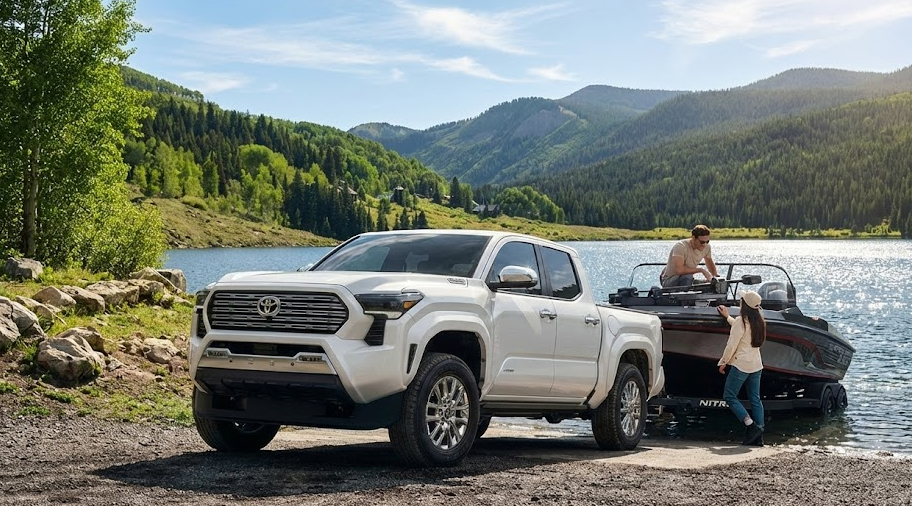
2026 toyota tacoma in spring

If you want the direct answer, the 2026 Toyota Tacoma can tow up to 6,500 pounds when properly equipped, and that headline number is the same figure Toyota also published for the 2025 Tacoma. The bigger year-to-year change is not a higher max tow rating. It is that Toyota made the tow hitch standard on 2026 SR XtraCab models, which gives entry-level buyers a cleaner path into towing-ready ownership. Here at Toyota of Bristol, we think that is the right way to frame the comparison for local truck shoppers: the 2026 Tacoma does not win because it suddenly tows far more than the 2025 model. It wins because it keeps the same strong ceiling while making towing utility easier to access in the lineup.

That matters around Bristol because midsize truck towing is rarely just a spec-sheet question. Our customers use Tacoma trucks for utility trailers, small campers, boats, landscaping gear, side-by-sides, and work equipment across Northeast Tennessee and Southwest Virginia. A truck that looks good at 6,500 pounds on paper still has to match your cab choice, bed length, trailer weight, passenger load, and daily comfort. Toyota is very clear that towing capacity depends on base curb weight plus cargo, occupants, and added equipment, so the real answer is always more specific than the big number in a headline.

For us, that is what makes the 2026 Tacoma such a strong local truck. Toyota backs it with available advanced towing technology like Trailer Backup Guide with Straight Path Assist, an integrated brake controller, and Blind Spot Monitor support that adjusts when a trailer is detected. Add in available XtraCab or Double Cab layouts, 5-foot or 6-foot bed choices, and both gas and i-FORCE MAX hybrid powertrains, and the Tacoma gives buyers several useful ways to build a truck around real towing needs instead of shopping by trim name alone.

Here at Toyota of Bristol, we recommend starting with what you actually tow, how often you tow it, and how much daily driving comfort you want the rest of the week. That is the difference between buying a Tacoma that merely can tow and buying one that fits your life in Bristol.

Definition: Tacoma towing capacity is the maximum trailer weight a Toyota Tacoma can pull when properly equipped and loaded according to Toyota guidelines. It is commonly used to match the truck to trailers, boats, campers, and jobsite gear. For drivers in Bristol, TN, it helps prevent overbuying, underbuying, and unsafe trailer setups.
Table of Contents

2026 Tacoma Towing Capacity Explained

Key Takeaway: The 2026 Tacoma’s published max tow rating is strong, but the real towing answer depends on how your truck is configured, loaded, and equipped.

Maximum 2026 Tacoma towing capacity and what "properly equipped" means

Toyota’s current towing guide puts the 2026 Tacoma at up to 6,500 pounds, and that is the headline number most shoppers start with. It is a good number for a midsize truck, and it gives Tacoma enough reach for many local towing jobs, including small campers, fishing boats, utility trailers, powersports trailers, and work gear. But Toyota also gives an important caution right next to that figure: you should never tow beyond the published capacity, and the real maximum depends on cargo, passengers, and added equipment in the truck. That means a Tacoma loaded with people, tools, bed accessories, and trailer tongue weight is not in the same position as a lightly loaded Tacoma built around a cleaner towing setup.

That is why we tell buyers not to stop at the number itself. “Properly equipped” is doing a lot of work in Toyota’s wording. It means the right truck configuration, the right hitch setup, the right trailer match, and the right attention to loading. It also means you have to think beyond the trailer’s dry weight. Real towing includes fuel, cargo inside the trailer, what is sitting in the bed, and who is riding inside the cab. The 2026 Tacoma gives you real capability, but the rating only pays off if the whole combination is set up honestly.

Towing factorWhy it matters in a Tacoma
Trailer weightMust stay within Toyota’s published tow rating
Cargo in truck bedReduces how much total load the truck can safely manage
Passengers in cabCount against available weight capacity
Added accessoriesBed racks, off-road gear, and other equipment affect usable capacity
Hitch and trailer setupProper hardware and loading are part of the towing equation

Table note: Based on Toyota official website.
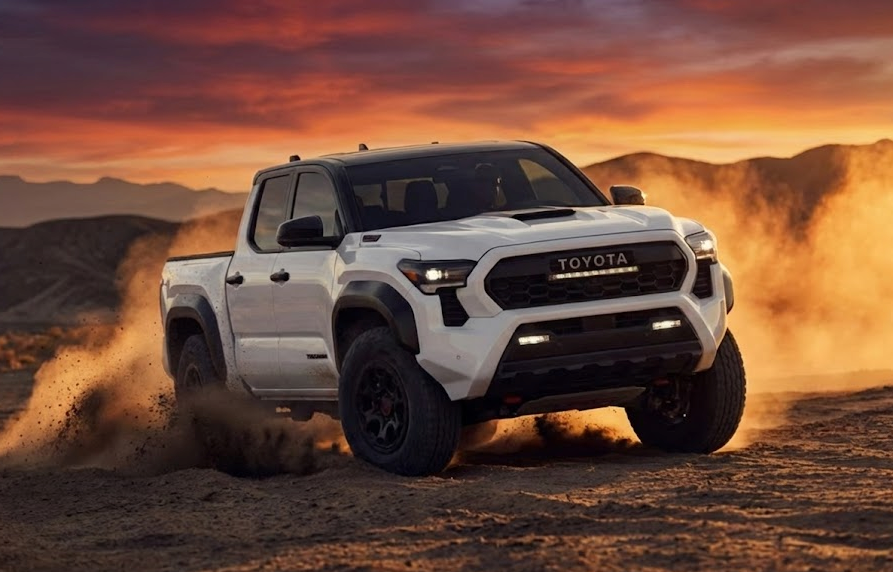
How trim, engine, cab, bed, and drivetrain affect 2026 Tacoma tow ratings

One reason the Tacoma remains such a smart midsize truck is that Toyota gives you several different ways to build one. The 2026 Tacoma lineup includes SR, SR5, TRD PreRunner, TRD Sport, TRD Off-Road, Limited, TRD Pro, and Trailhunter trims. Toyota also offers XtraCab and Double Cab layouts, 5-foot and 6-foot bed options, and 2WD, part-time 4WD, and full-time 4WD depending on the trim. On top of that, you can choose between the standard i-FORCE 2.4L turbocharged engine with up to 278 horsepower and 317 lb-ft of torque and the available i-FORCE MAX hybrid with up to 326 horsepower and 465 lb-ft of torque on select trims.

That flexibility is great for buyers, but it also means you cannot assume every Tacoma tows the same way in real life. Some buyers need the straightforward utility of an XtraCab with a 6-foot bed. Others need Double Cab comfort for family use. Some want a simpler value trim that can handle weekend towing. Others want the extra shove of the hybrid powertrain for heavier-feeling towing manners. We recommend thinking in priorities:

  • Choose around trailer type first, not appearance first.
  • Decide whether bed length or rear-seat space matters more to your routine.
  • Be honest about how much daily driving your Tacoma will do when it is not towing.
  • Remember that drivetrain, payload, and equipment all shape the real towing experience.

Towing technology in the 2026 Tacoma

The Tacoma’s towing value is not just about the mechanical rating. Toyota has also built in towing-focused technology that makes the truck easier to use with a trailer. On the 2026 Tacoma, Toyota highlights Trailer Backup Guide with Straight Path Assist, an integrated brake controller, and Blind Spot Monitor support that extends the detection area when the truck identifies a trailer is being towed. Toyota’s towing materials also highlight an available Trailer Blind Spot Monitor Trailer Camera, while the 2025 Tacoma press materials add details like the available digital rearview mirror and wireless trailer camera.

That tech matters more than people think. Backing a trailer into a campsite or a tight driveway in Bristol is where many drivers feel the most stress. A midsize truck with good towing assistance can feel more manageable than a larger truck with fewer helpful tools. Here at Toyota of Bristol, that is one reason we often recommend a Tacoma to buyers who tow regularly but do not want to step into a full-size truck for everyday life. The Tacoma gives you the kind of usable towing confidence that matters on ramps, in parking lots, and at launch points, not just on paper.

2025 vs 2026 Tacoma Towing Capacity Comparison and Real-World Value

Key Takeaway: The 2026 Tacoma does not beat the 2025 truck with a bigger max tow number. It beats it with a smarter utility story for some buyers, especially entry-level XtraCab shoppers.

2025 Tacoma vs 2026 Tacoma towing capacity, equipment, and key differences

Toyota’s published max towing figure is the same for both trucks. The 2025 Tacoma was introduced with up to 6,500 pounds of towing capacity and up to 1,705 pounds of payload, and Toyota’s 2026 Tacoma product materials repeat those same maximum figures. That means buyers expecting a major year-over-year tow rating jump are not going to find one. The real 2026 improvement is equipment value. Toyota says a tow hitch is now standard on SR XtraCab models for 2026, which gives that configuration a more useful starting point for buyers who want affordable, no-nonsense truck utility. That is why our verdict is simple: if you already like the 2025 Tacoma, you are not missing out on a bigger tow rating. If you are choosing between the two, the 2026 has the cleaner value argument because the towing story is easier to access in the lower part of the lineup.

Category2025 Tacoma2026 TacomaOur take
Max towing capacityUp to 6,500 lbsUp to 6,500 lbsNo headline change
Max payloadUp to 1,705 lbsUp to 1,705 lbsNo headline change
Key towing techAvailable trailer brake controller, Trailer Back Up Guide, digital rearview mirror, trailer-aware BSMAvailable Trailer Backup Guide, integrated brake controller, trailer-aware BSM, trailer camera supportStrong on both years
Utility changeStrong baseline lineupTow hitch now standard on SR XtraCab2026 wins for value-minded utility buyers
Best reason to choose itProven current-generation capabilitySame capability with smarter standard utility in key trim2026 gets the edge

Table note: Based on Toyota official website.
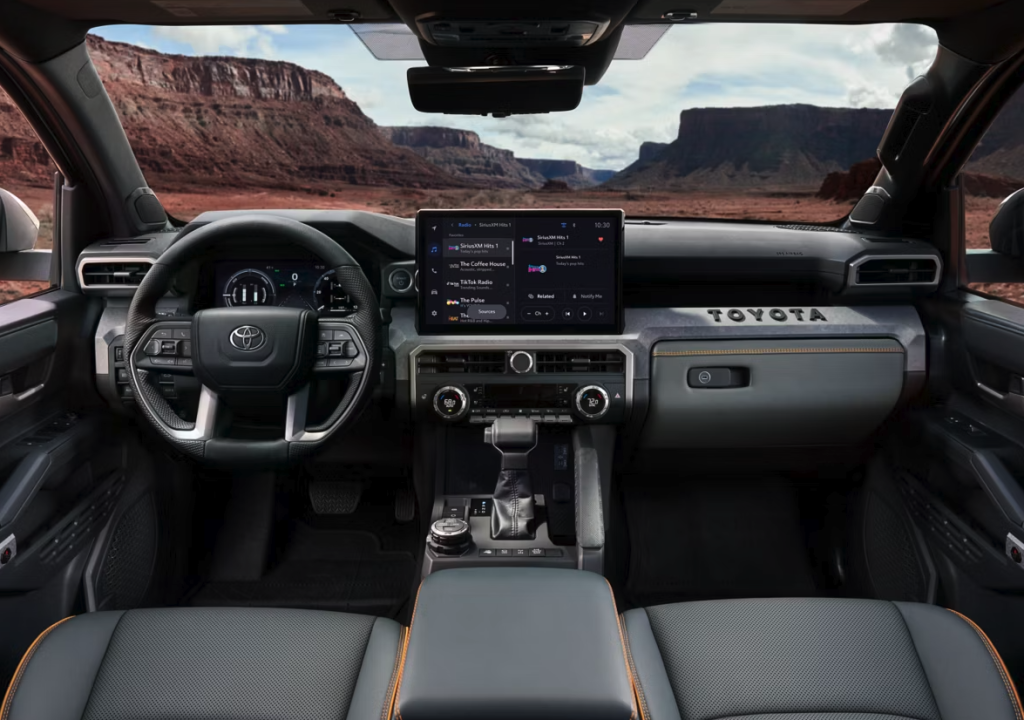
Best Tacoma setups for boats, utility trailers, small campers, and work gear

This is where towing capacity becomes a real buying decision instead of a trivia answer. Around Bristol, most buyers are not using a Tacoma to chase the absolute edge of the rating every weekend. They are towing practical loads. That is why we think the best Tacoma setup depends less on bragging rights and more on how often you tow, what bed you need, and how you drive Monday through Friday.

For local use, our recommendations usually break down like this:

  • SR5 or TRD Sport makes strong sense for buyers who want daily comfort and practical towing utility.
  • XtraCab with 6-foot bed fits work-minded buyers who want simple cargo space and utility.
  • Double Cab is better if family seating matters as much as trailer duty.
  • i-FORCE MAX hybrid trims deserve a close look if you want stronger-feeling torque response and a more premium towing experience.
  • TRD Pro and Trailhunter are excellent trucks, but they are not always the best pure towing value if your priority is towing first and off-road image second.
Towing use caseTacoma setup we would usually recommendWhy
Small fishing boat or jon boatSR5 or TRD SportBalanced price, comfort, and towing utility
Utility trailer and home project gearSR or SR5 XtraCabStraightforward work-truck value
Small camper or weekend trailerTRD Sport or LimitedBetter mix of comfort and trailer-focused tech
Work equipment plus regular commutingSR5 Double CabEasier everyday use without giving up truck utility
Heavier-feeling routine towing with premium feeli-FORCE MAX Limited or TRD Off-Road hybridStrong torque and upgraded feature content

Table note: Based on Toyota official website.

If you are shopping between a 2025 and 2026 Tacoma, we invite you to let us help you compare them with your real trailer in mind. Here at Toyota of Bristol, we would rather walk through trailer type, tongue weight, bed needs, and daily driving habits than push you toward the most expensive trim on the lot. Our team can show you which Tacoma layouts make the most sense for utility trailers, boats, campers, and local work use around Bristol and the Tri-Cities. We can also help you compare a new Tacoma with used-truck options if value is driving the decision just as much as capability. That keeps the truck choice honest, practical, and matched to the way you will actually use it.

What 2026 Tacoma Towing Capacity Means for Drivers in Bristol, TN

Key Takeaway: The right Tacoma for Bristol is not just the one with strong max towing. It is the one that matches hills, short local trips, interstate runs, and real trailer habits.

Local hills, lake trips, small trailer hauling, and jobsite use

Bristol-area truck use is rarely one-dimensional. A Tacoma here may spend one day carrying jobsite gear, the next day running local errands, and the weekend towing a small trailer or boat. That is where Tacoma’s midsize format works so well. It gives you enough towing muscle for a lot of real-world local needs without forcing you into full-size-truck bulk the rest of the week. For buyers who split time between town driving, interstate travel, and weekend hauling, that balance matters just as much as the max number itself.

The bigger local mistake is treating every trailer load like it is the same. A lightweight utility trailer for home projects feels very different from a loaded camper. A truck that seems fine towing on flat pavement can feel different once you add passengers, gear, hills, and braking demands. That is why we recommend matching the Tacoma to the trailer first, then to the lifestyle around that trailer. If your towing is occasional and light, a value-focused Tacoma can be the right answer. If towing is frequent, loaded, or paired with long-distance driving, it is worth moving up to the trim and feature set that make the job easier.

At Toyota of Bristol, we help local truck shoppers sort that out in a practical way. We know many of our customers come from Bristol, Kingsport, Johnson City, and nearby Virginia communities, and that means the truck often has to cover work duty, daily driving, and weekend towing in one package. Our team can walk you through new Tacoma options, compare them with used trucks, and help you look at trade value and financing before you commit. We can also show you how a Tacoma with the right bed, cab, and towing tech will feel more useful than simply chasing the highest trim. If towing is part of your plan, we want to help you build the truck around that use from the start.

Why "Up to 6,500 Pounds" Is Only Part of the 2026 Tacoma Towing Story

Key Takeaway: A max tow number is useful, but payload, passengers, accessories, and trailer balance are what decide whether towing feels easy or stressed.

Toyota’s towing disclaimer is the most important sentence many truck shoppers skip. The company says the maximum you can tow depends on base curb weight plus the total weight of occupants, cargo, and added equipment. That means the 6,500-pound figure is not a free-floating promise for every Tacoma in every real-life scenario. Load the bed, fill the cab, add accessories, or carry heavy trailer tongue weight, and you start using up the truck’s available capacity fast.
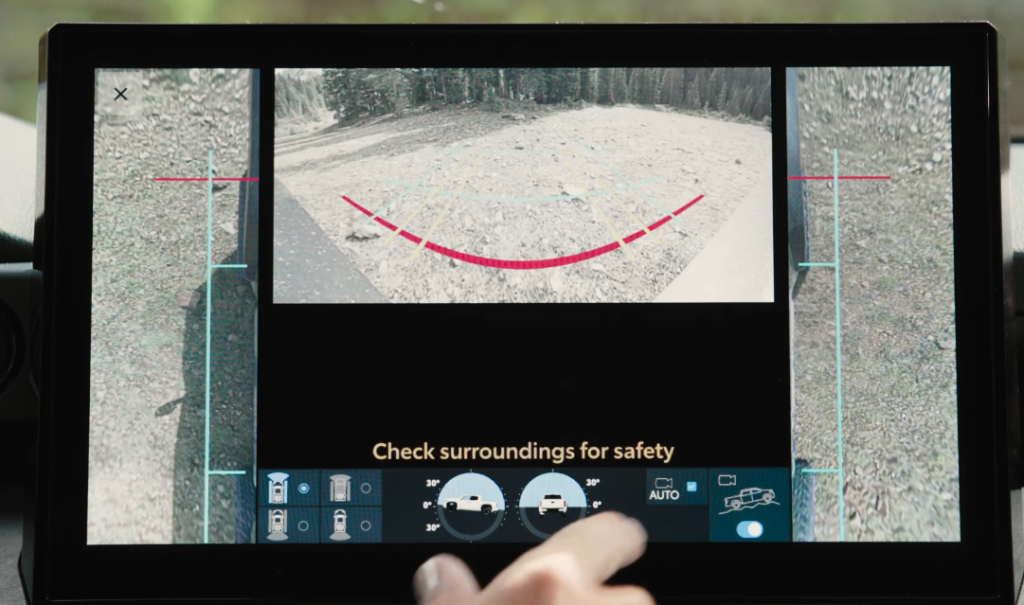
That is why we always tell buyers to think in layers. First, can the truck tow the trailer? Second, can the truck tow the trailer with your real load in it? Third, will it still feel comfortable doing it regularly? The Tacoma is a very capable midsize truck, but a properly matched 4,500-pound to 5,500-pound real-world trailer setup often feels a lot better than towing too close to the ceiling with a crowded cab and a loaded bed. That is not a weakness in Tacoma. That is just how honest towing math works.

The good news is Toyota gives the Tacoma the tools to make that capability usable. Trailer Back Up Guide, the integrated brake controller, trailer-aware Blind Spot Monitor behavior, and available camera help all matter more once you move beyond a simple utility trailer. For many buyers around Bristol, the smarter move is a Tacoma setup that tows confidently every time, not the one that only looks best in a headline.

The Payload, Tongue Weight, Hitch, and Bed Configuration Details Tacoma Buyers Miss

Key Takeaway: The spec details buyers skip are usually the ones that decide whether the Tacoma they buy feels like the right truck six months later.

Toyota’s 2025 and 2026 Tacoma materials both pair the 6,500-pound max towing figure with up to 1,705 pounds of payload, and that pairing matters because towing is never just about the trailer itself. Payload has to cover people, cargo in the bed, added accessories, and trailer tongue weight pressing down on the truck. That is one reason a boat trailer, a camper trailer, and a utility trailer can feel very different even when their headline weights look similar.

We also think buyers often underrate bed and cab choice. Toyota offers Tacoma with XtraCab or Double Cab layouts and 5-foot or 6-foot bed choices, and that changes how useful the truck feels before you ever hook up a trailer. The 2026 update making the tow hitch standard on SR XtraCab models is a good example of why configuration details matter. It does not change the max tow number, but it can make a lower-trim Tacoma more practical for the buyer who wants affordable towing utility from day one.

Overlooked detailWhy it matters
PayloadLimits how much total people and cargo weight the truck can carry while towing
Tongue weightUses part of your available payload
Cab styleChanges passenger room and real-life weight in the truck
Bed lengthAffects cargo flexibility and work utility
Standard hitch availabilityMakes some trims easier to use for towing right away

Table note: Based on Toyota official website.

A few Tacoma buying rules we use all the time are simple:

  • Do not buy by tow rating alone.
  • Do not ignore payload just because the trailer looks light on paper.
  • Do not treat bed length as an afterthought if work gear or camping gear matters.
  • Do not assume the off-road halo trims are the best towing value for every buyer.

That is why we recommend starting with use case, then matching the Tacoma trim to it.

Key Takeaways

  • The 2026 Tacoma tows up to 6,500 pounds when properly equipped.
  • The 2025 Tacoma carries the same published max tow figure.
  • The 2026 win is easier utility, not a bigger number.
  • Payload, tongue weight, and setup matter as much as towing capacity.
  • The right Tacoma depends on how you tow in real life.

FAQ About 2026 Tacoma Towing Capacity

Did the 2026 Tacoma tow more than the 2025 Tacoma?

No. Toyota publishes the same up to 6,500-pound maximum towing figure for the 2026 Tacoma and the 2025 Tacoma, and both model years are also listed at up to 1,705 pounds of payload in Toyota product materials. The better way to compare them is by equipment and utility. The 2026 Tacoma gains a standard tow hitch on SR XtraCab models, which gives that version a cleaner towing value story.

Which 2026 Tacoma trim tows the most?

Toyota’s current public materials emphasize the properly equipped maximum of up to 6,500 pounds rather than leading with a simple trim-by-trim tow chart on the main towing material. That means the right answer depends on configuration, drivetrain, and equipment. Here at Toyota of Bristol, we usually tell buyers to shop by trailer use and overall setup first, then trim. For many local drivers, SR5, TRD Sport, and selected hybrid trims are the most practical towing conversations to start with.

Can a 2026 Tacoma tow a camper?

Yes, many small campers and light travel trailers can fit within Tacoma capability, but the only honest answer depends on the camper’s loaded weight, tongue weight, cargo, and who is riding in the truck. Toyota’s towing guidance makes it clear that occupants, added equipment, and cargo affect what the truck can safely tow. We recommend matching the exact camper to the exact Tacoma before you buy, not assuming every camper under the headline number will feel equally comfortable.

Is the 2026 Tacoma enough truck for a boat or utility trailer?

For many buyers, yes. The Tacoma’s up to 6,500-pound max towing figure, available tow-focused technology, and practical bed and cab choices make it a strong fit for common local towing jobs like utility trailers, smaller boats, powersports trailers, and weekend gear hauling. The real question is how often you tow, how loaded the trailer is, and how much daily-driving comfort you want the rest of the time. That is where our team can help match the truck to the job.

The 2026 Tacoma is a smart towing truck because it gives you real midsize capability without forcing you into more truck than you need. Here at Toyota of Bristol, we can help you compare 2025 and 2026 Tacoma options, match the truck to your trailer, and sort out trade value and financing before you make the move. If you want a Tacoma that works for Bristol driving, weekday utility, and weekend towing, our team is ready to help. Start with our contact and directions links below, then come see us in Bristol, TN for a truck conversation built around how you actually use your pickup.
Posted in:

Related Posts

Tundra i-FORCE MAX vs Tacoma i-FORCE MAX: Which Toyota Hybrid Truck Fits Your Life?

Tundra i-FORCE MAX vs Tacoma i-FORCE MAX: Which Toyota Hybrid Truck Fits Your Life?

Compare Trims and Prices: Test Drive Your Toyota Hybrid Truck in Bristol Choose the Toyota Tundra i-FORCE MAX if you need full-size towing power, stronger torque, passenger room, and work or trailer confidence. Choose the Toyota Tacoma i-FORCE MAX if you want a midsize hybrid truck with easier daily maneuverability, strong torque, off-road personality, and weekend flexibility. Toyota of Bristol helps local truck shoppers compare both i-FORCE MAX trucks by towing needs, jobsite use, daily driving, family comfort, and local routes. For a Bristol driver deciding between towing a camper and driving through town every day, we usually start with the trailer first, then match the truck size to the rest of the week. This comparison is not a broad Tundra overview. It is a practical Toyota hybrid truck decision. Tundra i-FORCE MAX and Tacoma i-FORCE MAX both bring hybrid power to Toyota truck shoppers, but they serve different drivers. One is a full-size pickup built around bigger towing, cabin space, and long-distance strength. The other is a midsize pickup built around torque-rich drivability, easier sizing, off-road attitude, and everyday flexibility. We will compare horsepower, torque, towing, payload, size, parking, work use, family comfort, and local driving fit for Bristol, Kingsport, Johnson City, Abingdon, Blountville, Elizabethton, and the Tri-Cities. Definition: A Tundra i-FORCE MAX vs Tacoma i-FORCE MAX comparison is a full-size Toyota hybrid truck versus midsize Toyota hybrid truck decision. It helps drivers match power, towing, payload, cabin size, parking needs, passenger comfort, and local driving patterns to the right Toyota pickup. Toyota Hybrid Trucks Compare Toyota Truck Inventory If you are choosing between full-size towing power and midsize daily flexibility, our team can help compare Toyota truck availability, trims, cab choices, and capability needs. View New Toyota Inventory Table of Contents Tundra i-FORCE MAX vs Tacoma i-FORCE MAX Specs and Capability Which Toyota Hybrid Truck Should You Choose? Local Truck Fit for Bristol and Tri-Cities Drivers When Tacoma i-FORCE MAX Is the Smarter Daily Truck When Tundra i-FORCE MAX Earns the Bigger Footprint Tundra i-FORCE MAX vs Tacoma i-FORCE MAX FAQ Tundra i-FORCE MAX vs Tacoma i-FORCE MAX Specs and Capability Key Takeaway: Tundra i-FORCE MAX is the stronger full-size hybrid truck for towing, torque, and passenger comfort, while Tacoma i-FORCE MAX is the more maneuverable midsize hybrid truck for daily use, trails, and lighter towing needs. Horsepower, Torque, Towing, and Payload The biggest difference is capability scale. Tundra i-FORCE MAX is the larger, stronger truck. Toyota lists the Tundra i-FORCE MAX powertrain at 437 horsepower and 583 lb-ft of torque. Tundra is also the stronger towing choice, with Toyota listing up to 12,000 pounds of towing capability and up to 1,850 pounds of payload, depending on configuration. Tacoma i-FORCE MAX is not trying to be a full-size replacement. It gives midsize truck shoppers serious torque in a smaller package. Toyota lists Tacoma i-FORCE MAX at up to 326 horsepower and 465 lb-ft of torque, with maximum towing of 6,500 pounds and payload up to 1,705 pounds. For a Bristol driver towing a larger camper, boat, or work trailer, Tundra i-FORCE MAX is usually the cleaner starting point. For a Johnson City commuter who wants truck utility without the full-size parking burden, Tacoma i-FORCE MAX may fit better. Choose Tundra i-FORCE MAX if towing is the deciding factor. Choose Tacoma i-FORCE MAX if midsize maneuverability matters every day. Choose Tundra i-FORCE MAX if you regularly carry passengers and gear. Choose Tacoma i-FORCE MAX if trails, parking, and tighter routes matter more. Compare exact trims because tow ratings, payload, drivetrain, cab, and bed choices can vary. Capability Point Toyota Tundra i-FORCE MAX Toyota Tacoma i-FORCE MAX Best For Truck class Full-size hybrid truck Midsize hybrid truck Tundra for size; Tacoma for maneuverability Horsepower 437 hp Up to 326 hp Tundra for stronger output Torque 583 lb-ft Up to 465 lb-ft Tundra for heavier towing; Tacoma for strong midsize response Maximum towing Up to 12,000 lb Up to 6,500 lb Tundra for heavier trailers Maximum payload Up to 1,850 lb Up to 1,705 lb Compare exact configuration before loading Ideal Use Case Boat, camper, work trailer, larger crew, full-size comfort Daily driving, trails, tighter parking, lighter towing Match the truck to the heaviest real job Based on Toyota official website. Full-Size Truck vs Midsize Truck Dimensions and Daily Feel The daily feel is just as important as the spec sheet. Tundra i-FORCE MAX feels like the better truck when the job calls for a larger cabin, stronger road presence, more trailer confidence, and more full-size comfort. Tacoma i-FORCE MAX feels like the better truck when the driver needs truck utility but still wants easier parking, a more manageable footprint, and a truck that feels natural on errands, trails, and narrower roads. For a Kingsport contractor or work-truck driver, the choice depends on the workday. Tundra i-FORCE MAX makes sense when payload, passengers, trailers, and full-size space matter. Tacoma i-FORCE MAX makes sense when jobsites are tighter, parking is more limited, and the truck needs to move through town every day. Off-Road, Trail, Work, and Towing Technology Both trucks can bring useful technology, but they express it differently. Tacoma i-FORCE MAX has a strong adventure identity, especially for drivers looking at off-road-oriented trims and weekend trail use. Tundra i-FORCE MAX has a stronger full-size work and towing identity, especially for drivers comparing tow technology, passenger comfort, bed utility, and long-distance capability. For an Elizabethton off-road weekend driver, Tacoma i-FORCE MAX deserves a close look because the midsize platform can feel more natural on trails and tight backroads. For a Blountville family truck shopper who also tows on weekends, Tundra i-FORCE MAX may be the better long-term choice because cabin space and towing confidence matter together. Toyota Truck Research Ask About Toyota Truck Capability Our team can help compare towing equipment, payload needs, cab and bed choices, and exact truck availability before you choose between Tundra and Tacoma. Ask About Toyota Trucks Which Toyota Hybrid Truck Should You Choose? Key Takeaway: Choose Tundra i-FORCE MAX for full-size towing and passenger comfort. Choose Tacoma i-FORCE MAX for midsize flexibility, daily drivability, off-road personality, and strong capability without the full-size footprint. Tundra vs Tacoma i-FORCE MAX Decision Table The best way to choose is to name the job the truck must do most often. If towing and passenger space are the non-negotiables, Tundra i-FORCE MAX should be first on your list. If daily use, trails, errands, and moderate towing are the bigger priorities, Tacoma i-FORCE MAX may be the smarter fit. Driver Need Tundra i-FORCE MAX Fit Tacoma i-FORCE MAX Fit Best For Heavy towing Strongest fit with higher tow rating Works for lighter trailer needs Tundra i-FORCE MAX Daily commuting Comfortable but larger Easier to park and maneuver Tacoma i-FORCE MAX Work crew and gear Better when passenger and hauling needs are heavier Better when jobsites are tight Choose by jobsite size and load Family truck use More full-size cabin comfort Works for smaller households and lighter gear Tundra if passenger comfort is priority Weekend trails Capable but larger Strong midsize adventure personality Tacoma i-FORCE MAX Ideal Use Case Boat, camper, work trailer, family travel Commute, trails, errands, lighter towing Match the truck to the real week Based on Toyota official website. The practical verdict is simple: Tundra i-FORCE MAX is the better fit when the truck’s hardest job involves towing, carrying people, hauling heavier loads, or giving the driver full-size confidence. Tacoma i-FORCE MAX is the better fit when the truck’s hardest job is balancing capability with everyday use. A midsize truck can be easier to live with when the trailer is smaller, parking is tight, and weekend trails matter. Toyota Truck Test Drive Drive Tundra and Tacoma Back to Back The full-size versus midsize difference is easiest to feel in person, especially when you compare parking, cabin space, ride feel, and driver visibility. Schedule a Toyota Truck Test Drive Use-Case Recommendations for Towing, Work, Commuting, Family, and Weekend Adventure For a Bristol boat or camper owner, we recommend starting with Tundra i-FORCE MAX because towing strength and full-size stability matter when the trailer is part of the plan. For a Johnson City daily commuter, we recommend Tacoma i-FORCE MAX if the driver wants truck utility without a full-size parking burden. For a Kingsport contractor, we recommend comparing both by jobsite needs: Tundra if the workday includes heavier loads, crew, and trailers; Tacoma if tight spaces and quick movement matter more. If you tow a larger camper, Tundra i-FORCE MAX should be first on your list. If you commute every day and tow only sometimes, Tacoma i-FORCE MAX may fit better. If family comfort matters, compare Tundra cabin space closely. If weekend trails matter, compare Tacoma off-road-oriented trims closely. If work equipment is the deciding factor, check payload, bed, cab, and towing equipment by exact configuration. We can help you compare Toyota truck inventory, exact trims, cab and bed configurations, towing equipment, payload needs, and test-drive fit. Our team can also help you think through the trailer, passengers, tools, commute, parking, and weekend gear before you decide. Start with current inventory at https://www.toyotaofbristol.com/searchnew.aspx or call us at 423-764-3155 if you want to ask about Tundra i-FORCE MAX or Tacoma i-FORCE MAX availability. We recommend bringing your real towing or work needs into the conversation because the best Toyota truck choice depends on what the truck actually has to do. Truck Availability Ask About i-FORCE MAX Inventory If you are deciding between Tundra i-FORCE MAX and Tacoma i-FORCE MAX, we can review availability, trims, capability needs, and daily-driving fit. Contact Toyota of Bristol Local Truck Fit for Bristol and Tri-Cities Drivers Key Takeaway: Bristol and Tri-Cities drivers should choose Tundra i-FORCE MAX for heavier towing and full-size comfort, or Tacoma i-FORCE MAX for tighter roads, daily driving, trails, and moderate truck needs. I-81 Towing, I-26 Commutes, Kingsport Work Routes, Abingdon Roads, and Weekend Gear Local truck use is rarely one thing. A Bristol-area driver may tow on weekends, commute during the week, carry tools during the day, and haul home projects on Saturday. That is why Tundra i-FORCE MAX and Tacoma i-FORCE MAX should be compared by real routes and real loads, not just by which truck has the bigger number. For an Abingdon hilly-road driver, Tacoma i-FORCE MAX can be a strong mixed-use truck when maneuverability, torque, and weekend capability matter. Tundra i-FORCE MAX becomes the stronger fit if the same driver tows larger trailers or carries heavier loads. For a Kingsport work route, Tacoma can be easier around tight sites, while Tundra can earn its size when the job needs more space and stronger capability. Local Scenario Tundra i-FORCE MAX Advantage Tacoma i-FORCE MAX Advantage Best For I-81 towing Higher tow rating and full-size confidence Works for lighter trailer needs Tundra for heavier campers or boats I-26 commuting Comfortable full-size ride Easier daily size Tacoma if towing is occasional Kingsport work routes More space for crew and heavier work Better for tighter jobsite movement Choose by worksite and load Abingdon hilly roads Better for larger trailers Nimbler mixed-use feel Tacoma for daily mixed use; Tundra for towing Weekend gear and trails Room for people and gear Strong trail personality Tacoma for tighter trails; Tundra for bigger gear loads Ideal Use Case Heavy towing and full-size cabin comfort Midsize truck flexibility Choose by real route and load Based on Toyota official website. We invite drivers from Bristol, Kingsport, Johnson City, Abingdon, Blountville, and Elizabethton to visit us at 3045 W State St, Bristol, TN 37620, or call 423-764-3155 to compare Toyota hybrid trucks. Our team can help review ToyotaCare support, service planning, Toyota of Bristol Advantage Plan benefits, and long-term ownership needs. We also support Toyota truck maintenance through our service center at https://www.toyotaofbristol.com/service-center.html. If you are deciding between full-size power and midsize flexibility, we can help you compare the trucks around how you actually drive, tow, haul, and park. Toyota Truck Service Plan Long-Term Truck Care Our service center can support ToyotaCare visits, tire care, inspections, maintenance, towing-related service questions, and long-term Toyota truck ownership needs. Visit Our Service Center Ownership Cost Analysis: When Tacoma i-FORCE MAX Is the Smarter Daily Truck Key Takeaway: Tacoma i-FORCE MAX is the smarter daily truck when you want strong hybrid torque, easier parking, trail capability, and truck utility without carrying a full-size footprint every day. Tacoma i-FORCE MAX earns attention when daily life matters more than maximum towing. A midsize truck can be easier to park, easier to place on narrow roads, and easier to live with during errands, commuting, and weekend trail use. For a Johnson City daily commuter, we recommend Tacoma i-FORCE MAX if the driver wants truck utility but does not need a full-size pickup every day. For an Elizabethton off-road weekend driver, Tacoma i-FORCE MAX can also feel like the more natural truck. Its midsize proportions, strong torque, and off-road-oriented trim availability make it a smart fit for drivers who want adventure capability without moving into a larger truck than they need. Choose Tacoma i-FORCE MAX if parking and maneuverability matter every day. Choose Tacoma i-FORCE MAX if you tow lighter trailers or tow less often. Choose Tacoma i-FORCE MAX if off-road weekends are part of the plan. Choose Tacoma i-FORCE MAX if a full-size cabin is not necessary. Move up to Tundra i-FORCE MAX if towing and passenger space become priorities. Capability Upgrade: When Tundra i-FORCE MAX Earns the Bigger Footprint Key Takeaway: Tundra i-FORCE MAX earns the bigger footprint when towing, torque, passenger room, hauling confidence, and long-distance truck comfort matter more than easy parking or trail-size maneuverability. Tundra i-FORCE MAX is worth the upgrade when the truck has to work hard. If you tow a larger camper, carry a family and gear, haul materials, or spend time on longer highway trips, the full-size layout can pay off. For a Blountville family truck shopper, we recommend Tundra i-FORCE MAX when passenger comfort and weekend towing are both part of the decision. The bigger truck also makes sense when your future needs may grow. A shopper who buys Tacoma i-FORCE MAX for daily driving may be happy if towing stays moderate. A shopper who already knows larger trailers, heavier loads, and more passengers are coming should compare Tundra i-FORCE MAX seriously before choosing the smaller truck. Choose Tundra i-FORCE MAX if a larger trailer is part of the plan. Choose Tundra i-FORCE MAX if you carry passengers often. Choose Tundra i-FORCE MAX if long-distance comfort matters. Choose Tundra i-FORCE MAX if work loads are heavier. Choose Tacoma i-FORCE MAX if the truck needs to feel smaller every day. Truck Budget Planning Compare Financing Options If you are deciding between midsize flexibility and full-size capability, pre-qualification can help you compare Toyota truck options with your budget in mind. Get Pre-Qualified Key Takeaways Tundra i-FORCE MAX is the stronger choice for towing, torque, cabin room, and full-size confidence. Tacoma i-FORCE MAX is the stronger choice for daily maneuverability, trails, and moderate truck needs. Tundra i-FORCE MAX offers 437 hp, 583 lb-ft of torque, and up to 12,000 lb of towing. Tacoma i-FORCE MAX offers up to 326 hp, 465 lb-ft of torque, and up to 6,500 lb of towing. Bristol truck shoppers should choose by real towing, parking, work, family, and weekend needs. Tundra i-FORCE MAX vs Tacoma i-FORCE MAX FAQ Which has more power, Tundra i-FORCE MAX or Tacoma i-FORCE MAX? Tundra i-FORCE MAX has more power. Toyota lists Tundra i-FORCE MAX at 437 horsepower and 583 lb-ft of torque. Toyota lists Tacoma i-FORCE MAX at up to 326 horsepower and 465 lb-ft of torque. We recommend Tundra i-FORCE MAX when the driver wants full-size output for towing, hauling, and passenger comfort. We recommend Tacoma i-FORCE MAX when midsize flexibility matters more. Which Toyota hybrid truck is better for towing? Tundra i-FORCE MAX is better for heavier towing because Toyota lists Tundra with up to 12,000 pounds of towing capability. Tacoma i-FORCE MAX can tow up to 6,500 pounds, depending on configuration, which can fit lighter trailers and weekend needs. For a Bristol boat or camper owner, we recommend starting with Tundra i-FORCE MAX if the trailer is a major part of the decision. Is Tacoma i-FORCE MAX better for daily driving? Tacoma i-FORCE MAX can be better for daily driving if you want a midsize truck that is easier to park, easier to maneuver, and more natural for errands, commuting, and trail weekends. Tundra i-FORCE MAX can still be comfortable every day, but it is the larger truck. For a Johnson City commuter who tows only sometimes, we would compare Tacoma i-FORCE MAX first. Should I choose Tundra or Tacoma i-FORCE MAX for Bristol-area driving? Choose Tundra i-FORCE MAX if you tow heavier trailers, carry passengers often, need full-size comfort, or want the stronger Toyota hybrid truck. Choose Tacoma i-FORCE MAX if you want easier daily driving, trail-friendly sizing, and strong midsize capability. For Bristol, Kingsport, Johnson City, Abingdon, and nearby Tri-Cities drivers, the right choice depends on towing, work, parking, passengers, and weekend use. Compare Toyota Hybrid Trucks at Toyota of Bristol We are here to help you decide whether Tundra i-FORCE MAX or Tacoma i-FORCE MAX better fits your towing, work, commute, family, and weekend plans. Visit us at 3045 W State St, Bristol, TN 37620, or call 423-764-3155 so we can compare Toyota hybrid trucks with your real driving needs in mind. We serve Bristol, Kingsport, Johnson City, Abingdon, Blountville, Elizabethton, and nearby Tri-Cities communities. Our Toyota of Bristol Advantage Plan and ToyotaCare support help us keep ownership simple after the sale. Start with inventory, request availability, or schedule a test drive today. Related Toyota Insights & Updates Keep reading more Toyota truck guides, hybrid comparisons, and ownership updates from Toyota of Bristol. Truck Guide 2026 Toyota Tacoma Towing Capacity in Bristol, TN Review Tacoma towing strength, truck setup, local use cases, and how to compare exact configurations. Read More Hybrid SUV Comparison 2026 Toyota RAV4 vs Corolla Cross: Which Toyota SUV Fits Bristol Drivers? Compare two Toyota SUV choices by size, efficiency, cargo space, family fit, and everyday driving needs. Read More Service Guide Toyota Fall Visibility Checklist for Bristol, TN Drivers Use this fall checklist for wipers, headlights, washer fluid, tires, glass, and visibility-related service timing. Read More Plug-In Hybrid Guide Toyota Plug-In Hybrid Charging Guide for Bristol, TN Drivers See how Toyota plug-in hybrid charging works for home charging, public charging, daily errands, and longer trips. Read More

2026 toyota corolla hybrid

2026 Toyota Corolla Hybrid vs Camry Hybrid: Which Sedan Fits Your Commute?

Choose the 2026 Toyota Corolla Hybrid if you want a smaller, highly efficient commuter sedan with easy parking, strong fuel economy, and practical daily value. Choose the 2026 Toyota Camry Hybrid if you want more horsepower, more cabin comfort, available all-wheel drive, and a midsize feel for longer commutes. Toyota of Bristol helps local drivers compare both Toyota hybrid sedans by route, budget, passenger needs, and daily driving style. For a Bristol commuter choosing between easy parking and I-81 comfort, we usually start with Corolla Hybrid for city efficiency and Camry Hybrid for longer-drive comfort. This article is not a broad Corolla guide. We already support shoppers with separate Corolla model content, so this comparison stays focused on the decision between Corolla Hybrid and Camry Hybrid. That difference matters for commuters, students, small families, and fuel-conscious drivers who know they want a Toyota hybrid sedan but are not sure how much space, power, and comfort they need. We will compare MPG, horsepower, available AWD, sedan size, commute comfort, ownership value, and local driving fit for Bristol, Kingsport, Johnson City, Abingdon, Blountville, Elizabethton, and nearby Tri-Cities drivers. Definition: A 2026 Toyota Corolla Hybrid vs Camry Hybrid comparison is a compact hybrid sedan versus midsize hybrid sedan decision. It helps drivers compare MPG, size, comfort, power, available AWD, and commute fit. For drivers in Bristol and nearby communities, it clarifies which Toyota hybrid sedan better fits daily routes and long-term use. Hybrid Sedan Comparison Compare Toyota Hybrid Sedans Compare available Toyota hybrid sedans by MPG, comfort, space, technology, and daily driving needs near Bristol. View New Toyota Inventory Table of Contents Corolla Hybrid vs Camry Hybrid Specs, MPG, and Size Which Toyota Hybrid Sedan Fits Your Commute? Local Driving Fit for Bristol and Tri-Cities Hybrid Sedan Shoppers When Corolla Hybrid Is the Smarter Value Choice When Camry Hybrid Is Worth the Upgrade 2026 Toyota Corolla Hybrid vs Camry Hybrid FAQ Corolla Hybrid vs Camry Hybrid Specs, MPG, and Size Key Takeaway: Corolla Hybrid is the smaller and highly efficient commuter choice, while Camry Hybrid adds more power, more cabin comfort, and a midsize feel for drivers who spend more time on the highway. MPG, Horsepower, and Hybrid System Differences The most important spec difference is how each sedan balances efficiency and strength. The 2026 Toyota Corolla Hybrid is rated up to a manufacturer-estimated 53 city, 46 highway, and 50 combined MPG, with 138 net combined horsepower. The 2026 Toyota Camry Hybrid reaches up to an EPA-estimated 51 combined MPG in select configurations and offers up to 225 net combined horsepower with front-wheel drive or 232 net combined horsepower with available Electronic On-Demand AWD. We recommend Corolla Hybrid for drivers who want maximum small-sedan efficiency, and we recommend Camry Hybrid for drivers who want stronger acceleration and midsize comfort. For an Elizabethton budget-conscious commuter, Corolla Hybrid makes sense because it keeps the daily drive efficient without moving into a larger sedan. For a Johnson City highway commuter, Camry Hybrid can be the better fit because its added horsepower and larger cabin make longer I-26 or I-81 stretches feel more relaxed. Choose Corolla Hybrid if your top priority is small-sedan fuel efficiency. Choose Camry Hybrid if you want a stronger midsize sedan feel. Choose Corolla Hybrid if easy parking and lower-size practicality matter most. Choose Camry Hybrid if rear-seat comfort and highway confidence matter more. Compare exact trims because MPG, AWD, and equipment can vary. Comparison Point 2026 Toyota Corolla Hybrid 2026 Toyota Camry Hybrid Best For Sedan size Compact hybrid sedan Midsize hybrid sedan Corolla Hybrid for smaller footprint; Camry Hybrid for more space Fuel economy highlight Up to 53 city / 46 highway / 50 combined MPG Up to 51 combined MPG in select configurations Corolla Hybrid for city efficiency; Camry Hybrid for strong midsize MPG Net combined horsepower 138 horsepower Up to 225 FWD or 232 AWD horsepower Camry Hybrid for stronger passing and highway response AWD availability Available Electronic On-Demand AWD on select trims Available Electronic On-Demand AWD Camry Hybrid AWD for drivers who want more midsize confidence Daily practicality Easy to park and efficient for errands More comfortable for longer drives and passengers Choose by route length and passenger needs Ideal Use Case Bristol commuter, student, or budget-focused driver Johnson City highway commuter or small-family driver Match sedan size to how much comfort you need Based on Toyota official website. Compact Sedan vs Midsize Sedan Space and Comfort Corolla Hybrid works best when the driver wants a simple, efficient, easy-to-park sedan. It fits a student, young professional, or daily commuter who usually drives alone or with one passenger. Camry Hybrid works better when rear-seat room, cabin quietness, highway comfort, and long-term family flexibility matter more. For a Kingsport student or young professional, we recommend Corolla Hybrid because compact-sedan practicality keeps the car easy to own and easy to park. For a Blountville small family, we recommend Camry Hybrid because the midsize layout gives passengers more breathing room during school runs, errands, and weekend travel. Trim, AWD, and Feature Availability Both sedans can offer Toyota Safety Sense 3.0, Toyota Audio Multimedia, hybrid efficiency, and available Electronic On-Demand AWD in select configurations. Exact trim availability, technology, wheels, seating materials, and MPG can vary, so we recommend comparing the exact Corolla Hybrid or Camry Hybrid available before choosing. For an Abingdon seasonal-weather driver who wants added confidence on wet or hilly routes, Camry Hybrid AWD deserves a close look because it combines midsize comfort with available all-wheel drive. Corolla Hybrid AWD can also make sense for a driver who wants compact efficiency with added traction confidence, but the better fit depends on the exact commute and trim. Model Research Review the 2026 Toyota Corolla Use our Corolla model information to compare trims, efficiency, technology, and daily-driving fit before choosing a hybrid sedan. View 2026 Corolla Details Which Toyota Hybrid Sedan Fits Your Commute? Key Takeaway: Corolla Hybrid is usually the better commuter value for short daily routes and easy parking, while Camry Hybrid is better for longer highway drives, more passengers, and a stronger midsize feel. Corolla Hybrid vs Camry Hybrid Commuter Comparison Table A commuter sedan should match the trip, not just the MPG number. A short commute with tight parking rewards the Corolla Hybrid. A longer commute with highway speeds, passengers, and comfort needs can make the Camry Hybrid feel like the better long-term choice. Commute Scenario Corolla Hybrid Fit Camry Hybrid Fit Best For Short Bristol commute Excellent for fuel savings and parking Comfortable but more sedan than some drivers need Corolla Hybrid I-81 or I-26 highway drive Efficient and easy to own More power and midsize comfort Camry Hybrid Student parking and campus errands Smaller footprint and strong efficiency More comfort, higher-size feel Corolla Hybrid Small-family driving Works for lighter passenger needs More rear-seat comfort and stronger road feel Camry Hybrid Budget-conscious ownership Strong value and fuel economy Worth it if comfort and power matter Choose by payment and comfort priority Ideal Use Case Solo commuter, student, or compact-sedan buyer Highway commuter, small family, or comfort-focused driver Match the sedan to the route Based on Toyota official website. The commuter verdict is clear: we recommend Corolla Hybrid for drivers who want the easiest and most efficient Toyota hybrid sedan for short daily routes, campus parking, errands, and solo commuting. We recommend Camry Hybrid for drivers who want more passing power, more rear-seat comfort, available AWD, and a stronger midsize feel for I-81 or I-26. For Bristol-area drivers, the right hybrid sedan is the one that fits both the weekday route and the weekend plan. Hybrid Test Drive Drive Both Hybrid Sedans A back-to-back test drive makes the compact versus midsize decision much easier to feel. Schedule a Hybrid Sedan Test Drive Use-Case Recommendations for Students, Commuters, Families, and Highway Drivers For a Bristol daily commuter with short weekday routes and tight parking, we recommend Corolla Hybrid because it keeps the sedan easy to own and efficient. For a Johnson City highway commuter driving longer I-26 or I-81 stretches, we recommend Camry Hybrid because its extra horsepower and cabin comfort matter more at speed. For a Blountville small family that carries backpacks, groceries, and passengers often, we recommend Camry Hybrid because the midsize layout gives the cabin more flexibility. If you commute alone and want easy parking, we recommend Corolla Hybrid because the compact size fits daily errands well. If you drive longer highway routes, we recommend Camry Hybrid because the stronger powertrain and midsize comfort help on longer trips. If you are a student or young professional, we recommend Corolla Hybrid because it keeps ownership simple and fuel-efficient. If you carry passengers often, we recommend Camry Hybrid because rear-seat comfort matters every week. If you want available AWD with midsize sedan comfort, we recommend comparing Camry Hybrid AWD configurations. We can help you compare Corolla Hybrid and Camry Hybrid inventory with your actual commute in mind. Our sales team can review current availability, trim differences, hybrid MPG, available AWD, Toyota Safety Sense 3.0, Toyota Audio Multimedia, and financing options before you choose. Start with our new Toyota inventory at https://www.toyotaofbristol.com/searchnew.aspx or call us at 423-764-3155 and tell us whether your priority is compact efficiency or midsize comfort. We can also help you schedule a test drive that includes the type of route you drive most often. We recommend comparing both sedans in one visit because the difference between Corolla Hybrid and Camry Hybrid is easiest to feel from the driver’s seat. Inventory Help Check Hybrid Sedan Availability Tell us whether you prefer Corolla Hybrid efficiency or Camry Hybrid comfort, and we can help compare available options. Ask About Hybrid Sedan Availability Local Driving Fit for Bristol and Tri-Cities Hybrid Sedan Shoppers Key Takeaway: Bristol and Tri-Cities drivers should choose Corolla Hybrid for efficient local commuting and Camry Hybrid for longer highway drives, added comfort, and available AWD confidence. I-81, I-26, Johnson City Commutes, Kingsport Errands, and Southwest Virginia Trips Local route patterns matter. A driver who stays mostly around Bristol errands may value Corolla Hybrid’s compact size more than Camry Hybrid’s added cabin space. A driver who moves between Johnson City, Kingsport, Abingdon, and Southwest Virginia may value the Camry Hybrid’s highway comfort and power more than the Corolla Hybrid’s smaller footprint. For an Abingdon seasonal-weather driver who wants added confidence on wet or hilly roads, we recommend comparing Camry Hybrid AWD and Corolla Hybrid AWD side by side. For a Bristol commuter using I-81 every day, Corolla Hybrid works well if the drive is mostly solo, while Camry Hybrid makes sense when the same commute includes passengers, longer distances, or more highway passing. Local Scenario Corolla Hybrid Advantage Camry Hybrid Advantage Best For Bristol errands Easy parking and compact efficiency More comfort if passengers ride often Corolla Hybrid for solo errands Johnson City commute Strong fuel economy More comfort for longer stretches Camry Hybrid for frequent highway driving Kingsport student routes Simple, efficient, easy to park More room than many students need Corolla Hybrid Abingdon wet or hilly routes Available AWD in compact form Available AWD with midsize power Compare both AWD configurations Blountville family errands Efficient for lighter passenger needs More rear-seat comfort and cabin space Camry Hybrid Ideal Use Case Compact local commuting Longer drives and passenger comfort Choose by route length and cabin needs Based on Toyota official website. We invite drivers from Bristol, Kingsport, Johnson City, Abingdon, Blountville, and Elizabethton to compare both Toyota hybrid sedans with local driving in mind. We can help you review MPG, passenger comfort, available AWD, ToyotaCare, Toyota Safety Sense 3.0, and the Toyota of Bristol Advantage Plan before you decide. Visit us at 3045 W State St, Bristol, TN 37620, or call 423-764-3155 so we can help match the sedan to your commute. You can also use our service center at https://www.toyotaofbristol.com/service-center.html after the sale for routine Toyota maintenance and ownership support. We are here to help you choose the Toyota hybrid sedan that fits your daily route and your long-term plans. Toyota Service Support Plan Long-Term Hybrid Care Our service center can support ToyotaCare visits, routine maintenance, tire service, inspections, and hybrid ownership needs. Visit Our Service Center Ownership Cost Analysis: When Corolla Hybrid Is the Smarter Value Choice Key Takeaway: Corolla Hybrid is the smarter value choice when the driver wants high MPG, simple ownership, easy parking, and compact-sedan practicality more than midsize comfort. Corolla Hybrid is the value play when your daily routine is mostly commuting, errands, school, work, and light passenger use. It gives you Toyota hybrid efficiency without asking you to buy more sedan than you need. For a Kingsport student or young professional, we recommend Corolla Hybrid because lower-size practicality and strong MPG can make weekday ownership feel easier. For an Elizabethton budget-conscious commuter, Corolla Hybrid can be the better long-term match because it focuses on fuel savings and daily-use simplicity. If you rarely carry adults in the back seat, rarely take long highway trips, and care more about fuel economy than extra horsepower, we would start your comparison with Corolla Hybrid. If you drive mostly around town, Corolla Hybrid is the cleaner value fit. If you park in tight lots often, Corolla Hybrid is easier to manage. If your commute is mostly solo, Corolla Hybrid keeps the car right-sized. If your budget is firm, Corolla Hybrid deserves the first test drive. If you need more rear-seat comfort, Camry Hybrid may justify the upgrade. Family and Lifestyle Fit: When Camry Hybrid Is Worth the Upgrade Key Takeaway: Camry Hybrid is worth the upgrade when the driver wants stronger power, more rear-seat comfort, available AWD, and a midsize sedan that feels better on longer drives. Camry Hybrid makes sense when the car needs to serve more than one person or one route. If you carry coworkers, kids, parents, sports bags, luggage, or weekend gear, the midsize cabin can make the sedan easier to live with. For a Blountville small family, we recommend Camry Hybrid because rear-seat comfort and highway confidence matter during school runs, errands, and weekend drives. Camry Hybrid also fits drivers who want hybrid efficiency without giving up a stronger driving feel. The available AWD system and up to 232 net combined horsepower create a different personality than Corolla Hybrid. For an Abingdon driver who travels wet or hilly roads, Camry Hybrid AWD can be the more confidence-focused choice. If adults ride in the back seat often, Camry Hybrid is easier to recommend. If your commute includes highway miles, Camry Hybrid feels more relaxed. If you want stronger passing power, Camry Hybrid has the advantage. If available AWD matters, compare Camry Hybrid AWD carefully. If most drives are short and solo, Corolla Hybrid may be the smarter value. Hybrid Financing Compare Payment Options If you are deciding between compact value and midsize comfort, pre-qualification can help you compare both choices with your budget in mind. Get Pre-Qualified Key Takeaways Corolla Hybrid is the better fit for compact efficiency, easy parking, and budget-conscious commuting. Camry Hybrid is the better fit for stronger power, rear-seat comfort, highway drives, and available AWD. Corolla Hybrid is rated up to 53 city, 46 highway, and 50 combined MPG. Camry Hybrid offers up to 232 net combined horsepower with available AWD. Bristol solo commuters should start with Corolla Hybrid; longer-route drivers should compare Camry Hybrid. 2026 Toyota Corolla Hybrid vs Camry Hybrid FAQ Which gets better MPG, Corolla Hybrid or Camry Hybrid? The 2026 Toyota Corolla Hybrid has a manufacturer-estimated rating of up to 53 city, 46 highway, and 50 combined MPG, while the 2026 Toyota Camry Hybrid reaches up to 51 combined MPG in select configurations. We recommend Corolla Hybrid for drivers who want compact-sedan efficiency and easy local commuting. We recommend Camry Hybrid for drivers who want strong hybrid MPG with more power and cabin comfort. Is the Camry Hybrid bigger than the Corolla Hybrid? Camry Hybrid is the midsize sedan, while Corolla Hybrid is the compact sedan. We recommend Camry Hybrid if rear-seat comfort, a more relaxed highway feel, and a larger cabin matter to your routine. We recommend Corolla Hybrid if easy parking, compact sizing, and everyday fuel savings are more important. For a Blountville small family, Camry Hybrid is usually the stronger fit. Which Toyota hybrid sedan is better for commuting? Corolla Hybrid is usually better for short daily commutes, tight parking, students, and budget-focused drivers. Camry Hybrid is better for longer I-81 or I-26 commutes, frequent passengers, and drivers who want more horsepower. For a Bristol commuter driving mostly solo, we would start with Corolla Hybrid. For a Johnson City highway commuter, we would compare Camry Hybrid first. Should I choose Corolla Hybrid or Camry Hybrid for family use? Camry Hybrid is usually the better family choice because the midsize cabin gives passengers more comfort and the stronger hybrid powertrain feels better on longer drives. Corolla Hybrid can still work well for a small household with light passenger needs. We recommend bringing your family routine into the test drive so we can compare rear-seat comfort, trunk space, visibility, and daily use. Compare Toyota Hybrid Sedans at Toyota of Bristol We are here to help you choose the Toyota hybrid sedan that fits your commute, budget, passenger needs, and long-term driving plans. Visit us at 3045 W State St, Bristol, TN 37620, or call 423-764-3155 so we can compare Corolla Hybrid and Camry Hybrid with your real route in mind. We serve Bristol, Kingsport, Johnson City, Abingdon, Blountville, Elizabethton, and nearby Tri-Cities communities. Our Toyota of Bristol Advantage Plan and ToyotaCare support help us keep ownership simple after the sale. Start with inventory, request availability, or schedule a test drive so we can help you choose the right Toyota hybrid sedan. Related Toyota Insights & Updates Keep reading more Toyota model guides, hybrid shopping advice, and ownership updates from Toyota of Bristol. Model Guide 2026 Toyota Corolla in Bristol, TN: Our Complete Guide Review Corolla trims, efficiency, technology, safety features, and daily-driving fit for Bristol-area shoppers. Read More Hybrid SUV Comparison 2026 Toyota RAV4 vs Corolla Cross: Which Toyota SUV Fits Bristol Drivers? Compare two Toyota SUV choices by size, efficiency, cargo space, family fit, and everyday driving needs. Read More Toyota Technology Toyota Safety Sense 3.0 Explained: Features, Benefits, and Model Availability See what Toyota Safety Sense 3.0 may include and how Bristol shoppers can compare safety tech by exact model. Read More Service Guide Toyota Brake Service Warning Signs for Bristol and Tri-Cities Drivers Review brake noises, pedal changes, warning lights, vibration, and when to schedule Toyota brake inspection. Read More

2026 toyota sienna family car

2026 Toyota Sienna Hybrid: The Minivan Bristol Families Have Been Waiting For

Toyota of Bristol can answer the family-vehicle question directly: the 2026 Toyota Sienna Hybrid is the Toyota minivan for Bristol drivers who need standard hybrid efficiency, sliding-door practicality, available all-wheel drive, flexible cargo space, and seating for up to eight. Every 2026 Sienna uses a hybrid powertrain rated at 245 net combined horsepower, and Toyota lists up to an EPA-estimated 36 combined MPG on FWD models. For a Bristol family with three kids, school drop-off, sports bags, grocery runs, and weekend travel across the Tri-Cities, we see Sienna as one of Toyota’s most practical family choices. The reason is not only fuel economy. It is the way Sienna makes everyday family tasks easier. Sliding side doors help in tight school and grocery parking lots. The available all-wheel-drive system adds confidence for families who drive through changing weather. The 60/40 One-Motion-Stow Split & Stow 3rd Row gives families a simple way to change the cabin from passenger duty to cargo duty without turning the whole afternoon into a puzzle. This guide explains the 2026 Sienna’s hybrid performance, FWD versus AWD choice, trim differences, family use cases, local driving fit, and how the minivan compares with three-row Toyota SUVs such as Grand Highlander and Highlander. Definition: The 2026 Toyota Sienna Hybrid is a family minivan with a standard hybrid powertrain, flexible seating, sliding side doors, and available all-wheel drive. It is designed for daily efficiency, passenger access, cargo flexibility, and family travel in Bristol and nearby Tri-Cities communities. View Sienna Family Features Table of Contents Standard Hybrid Powertrain, MPG, and Daily Family Efficiency Hybrid Powertrain and Fuel Economy for Daily Driving FWD vs AWD: Which Sienna Setup Fits Bristol Families Toyota Safety Sense and Family Confidence Features 2026 Toyota Sienna Trims, Seating, and Family Configuration Choices LE vs XLE vs XSE vs Woodland Edition vs Limited vs Platinum Which Sienna Trim Fits Your Family Routine Why Sienna Works for Bristol, Kingsport, Johnson City, and Abingdon Families School Runs, Road Trips, Groceries, Sports Gear, and Grandparent Access Family and Lifestyle Fit: Why a Minivan Can Beat a Three-Row SUV Ownership Cost Analysis: Why Hybrid MPG Matters for Busy Families Key Takeaways 2026 Toyota Sienna Hybrid FAQ for Bristol Families Is the 2026 Toyota Sienna only available as a hybrid? How many people can the 2026 Toyota Sienna seat? Is AWD worth it on the 2026 Toyota Sienna? Is the Sienna better than a three-row SUV for families? Visit Us for the 2026 Toyota Sienna Hybrid in Bristol, TN Standard Hybrid Powertrain, MPG, and Daily Family Efficiency Key Takeaway: The 2026 Sienna gives families standard hybrid efficiency, available AWD, and practical minivan space without asking them to choose between fuel savings and daily usability. Hybrid Powertrain and Fuel Economy for Daily Driving The biggest reason we recommend Sienna to busy families is that every 2026 model is hybrid. Toyota rates the Sienna Hybrid System at 245 net combined horsepower, with manufacturer-estimated 36 combined MPG for FWD models and 35 combined MPG for AWD models. That matters for families who drive the same routes every week: school drop-off, work, practices, errands, weekend trips, and last-minute grocery runs. For a Kingsport parent commuter, we recommend the Sienna LE or XLE because the hybrid powertrain helps lower fuel use without forcing the family into a smaller vehicle. For a Bristol family with three kids and a calendar full of sports, the Sienna’s fuel economy is not an abstract number. It means fewer fuel stops during weeks that already feel packed. Standard hybrid powertrain on every 2026 Sienna 245 net combined horsepower Manufacturer-estimated 36 combined MPG on FWD models Manufacturer-estimated 35 combined MPG on AWD models Available seating for up to eight in select configurations Available 60/40 One-Motion-Stow Split & Stow 3rd Row Feature 2026 Toyota Sienna Hybrid Family Benefit Powertrain Standard Toyota Hybrid System Every trim gives families hybrid efficiency Horsepower 245 net combined hp Enough power for daily family driving and road trips Fuel Economy Up to manufacturer-estimated 36 combined MPG Helps reduce fuel stops during busy family weeks Drivetrain FWD or available AWD Lets families choose efficiency focus or added traction confidence Seating Up to 8 passengers in select configurations Works for kids, grandparents, carpooling, and guests Ideal Use Case Busy family daily driving Best for families that need space and lower fuel use together Based on Toyota official website. FWD vs AWD: Which Sienna Setup Fits Bristol Families The FWD versus AWD decision is one of the most important choices in the Sienna lineup. We recommend FWD for families focused on the strongest fuel economy and lower overall cost. We recommend AWD for families who regularly drive through rain, hilly roads, gravel driveways, or changing winter weather around Bristol, Abingdon, and Southwest Virginia. For an Abingdon family that deals with colder mornings, mountain roads, and wet routes, an AWD Sienna makes more sense than choosing a larger SUV just for traction confidence. For an Elizabethton family with mostly city and highway driving, a FWD Sienna can be the better value because it keeps the highest combined MPG rating. Our sales team walks customers through this choice by asking where they drive, not just which badge they like. Check New Sienna Availability Toyota Safety Sense and Family Confidence Features Sienna is also a strong family choice because Toyota includes Toyota Safety Sense driver-assistance technology. Features vary by Toyota Safety Sense generation and model configuration, but the family value is clear: Sienna is built around supporting the driver during routine traffic, school zones, long highway stretches, and busy parking lots. For families, that kind of confidence matters every day. What we see here in Bristol is that family shoppers often start by asking about MPG or seating, then quickly move into safety and ease of use. That is the right order. A minivan needs to be efficient, but it also needs to feel calm with kids in the second row, traffic ahead, and groceries in the back. Available Front and Rear Parking Assist with Automatic Braking, available digital camera systems, and modern Toyota multimedia features can make daily use feel easier. For a Bristol family moving from an older SUV into a modern Toyota minivan, we recommend test driving Sienna in the situations that matter most: parking, second-row access, third-row folding, and lane-change visibility. 2026 Toyota Sienna Trims, Seating, and Family Configuration Choices Key Takeaway: The best Sienna trim depends on whether the family values entry price, comfort, sport styling, AWD confidence, premium road-trip features, or top-level convenience most. LE vs XLE vs XSE vs Woodland Edition vs Limited vs Platinum The 2026 Sienna lineup gives families several clear personalities. LE is the practical starting point, and Toyota added more standard features for 2026, including an 8-speaker audio system, power rear door, rear window shades, and a power tilt/slide moonroof. XLE is the stronger comfort step. XSE adds a sportier look and feel. Woodland Edition brings standard AWD and an outdoors-oriented personality. Limited and Platinum move into premium family comfort. Trim Starting MSRP Drivetrain Availability Family Personality Best For LE $39,185, MSRP excludes destination charge FWD or AWD Practical hybrid family value Budget-focused families needing up to 8 seats XLE $43,995, MSRP excludes destination charge FWD or AWD Comfort-forward family trim Families wanting more convenience for daily routines XSE $47,220, MSRP excludes destination charge FWD or AWD Sportier styling and road feel Drivers who want minivan practicality with a sharper look Woodland Edition $51,075, MSRP excludes destination charge AWD Outdoor-oriented family setup Families heading to campsites, trails, and mountain weekends Limited $51,985, MSRP excludes destination charge FWD or AWD Premium comfort and convenience Road-trip families who want an upscale cabin Platinum $58,605, MSRP excludes destination charge AWD Top-level family convenience Families wanting the highest-content Sienna Based on Toyota official website. The key difference between these trims is not the hybrid system because every Sienna is hybrid. The real difference is how much comfort, convenience, styling, and AWD confidence the family wants. We recommend LE for families focused on value, XLE for the broadest family fit, Woodland Edition for families who want standard AWD and outdoor personality, and Limited or Platinum for long-trip comfort. Which Sienna Trim Fits Your Family Routine For a Bristol family with three kids, school drop-off, sports bags, and weekend travel, we recommend XLE or Limited because those trims match family comfort with everyday usability. For a Kingsport parent commuter who wants sliding doors, hybrid MPG, and a lower starting point, we recommend LE or XLE because they keep the practical minivan strengths without overcomplicating the purchase. For a Johnson City family road-tripper, we recommend Limited or Platinum because the cabin comfort and added convenience features matter more after several hours on the road. For an Abingdon family that drives in changing weather or heads toward outdoor weekend routes, we recommend an AWD Sienna or Woodland Edition because traction confidence is more useful than simply buying a larger SUV. If you want the strongest value, we recommend LE because it keeps the standard hybrid powertrain and family seating flexibility. If you want the best everyday family balance, we recommend XLE because comfort and convenience matter in daily routines. If you want sportier styling, we recommend XSE because it keeps minivan usefulness with a more expressive design. If you want standard AWD and outdoor personality, we recommend Woodland Edition because it fits weekend family travel. If you want premium long-trip comfort, we recommend Limited or Platinum because family road trips reward better cabin amenities. Our team can help you compare Sienna trims, seating layouts, color choices, AWD availability, and current local inventory before you make a family-vehicle decision. We can also help you test the features families actually use, including sliding doors, car-seat access, third-row folding, cargo loading, and driver visibility. Start with our Sienna information at https://www.toyotaofbristol.com/toyota-sienna, then schedule a test drive if you want to compare trims in person. You can call us at 423-764-3155 and tell us how many passengers you carry, what your weekly routine looks like, and whether AWD matters for your routes. We will help narrow the choices so the minivan fits real family life, not just a trim chart. Schedule a Sienna Test Drive Why Sienna Works for Bristol, Kingsport, Johnson City, and Abingdon Families Key Takeaway: Sienna fits Tri-Cities family life because it handles school routines, errands, road trips, sports gear, grandparents, and changing weather without forcing families into a larger SUV. School Runs, Road Trips, Groceries, Sports Gear, and Grandparent Access Family driving around Bristol is rarely one type of trip. A single week can include school traffic, I-81 commuting, soccer practice, grocery runs, medical appointments, and a weekend drive toward Johnson City or Southwest Virginia. Sienna works well because it is built around access. Sliding doors help with kids in tight lots. The low step-in height helps younger passengers and grandparents. The stowable third row helps when cargo takes priority over seating. For Bristol-area families, we recommend the 2026 Sienna when passenger access, fuel economy, and cargo flexibility matter more than SUV image. A minivan with sliding doors and a flexible third row can be easier to use every day than a three-row SUV, especially for families handling car seats, sports gear, groceries, and grandparents in tight parking spaces. Local Family Scenario Primary Need Sienna Feature That Helps Recommended Trim Direction Bristol school drop-off Fast, easy passenger access Sliding side doors and family-focused cabin LE or XLE Kingsport parent commute Fuel efficiency and comfort Standard hybrid powertrain LE or XLE Johnson City road trips Long-distance comfort and technology Premium cabin options and Toyota Audio Multimedia Limited or Platinum Abingdon weather changes Added traction confidence Available AWD AWD XLE, XSE, Limited, or Woodland Edition Blountville grandparent caregiver Easier entry and passenger movement Low step-in height and sliding doors XLE or Limited Elizabethton sports family Cargo flexibility for gear Split & Stow 3rd Row XLE or XSE We invite families from Bristol, Kingsport, Johnson City, Abingdon, Blountville, and Elizabethton to bring the whole family when comparing Sienna. That may sound obvious, but it helps. Kids notice second-row comfort. Parents notice parking-lot access. Grandparents notice step-in height. We can help you check those details at 3045 W State St, Bristol, TN 37620, and we can also talk through the Toyota of Bristol Advantage Plan as part of your ownership plan. Visit https://www.toyotaofbristol.com/ or call 423-764-3155, and tell us what your family week actually looks like. We will help you choose a Sienna that fits the routine you live every day. See Our Advantage Plan Family and Lifestyle Fit: Why a Minivan Can Beat a Three-Row SUV Key Takeaway: A minivan can be the smarter family choice when access, car seats, third-row use, cargo loading, and fuel efficiency matter more than SUV styling. We like Toyota SUVs, and we recommend Grand Highlander, Highlander, and Sequoia every day for the right driver. But for families with young kids, grandparents, car seats, and constant cargo changes, Sienna can be easier to live with. The sliding doors are the biggest difference. They make tight parking lots less stressful and give parents more room to buckle children into seats. Toyota Model Primary Strength Best For When We Recommend It 2026 Sienna Sliding-door access and hybrid family efficiency Families with kids, car seats, and daily cargo needs Choose it when everyday ease matters most Grand Highlander Three-row SUV space and family comfort Families wanting SUV shape with strong passenger room Choose it when SUV seating and style are priorities Highlander Midsize SUV practicality Smaller families that need occasional third-row use Choose it when daily size and SUV utility matter Sequoia Full-size SUV strength and towing Large families that tow campers, boats, or trailers Choose it when towing strength is a deciding factor Access Focus Sienna leads with sliding doors Parents and caregivers loading passengers often Choose Sienna if tight-lot access is a daily issue Ideal Use Case Sienna balances efficiency and family access Busy family with school, sports, errands, and trips Choose Sienna for the easiest daily family routine Based on Toyota official website. For a Blountville grandparent caregiver, we recommend Sienna XLE or Limited because easier entry and sliding doors matter more than a taller SUV stance. For a family still deciding between SUV image and daily practicality, we recommend loading car seats, backpacks, and sports gear into both styles before deciding. The answer usually becomes clear quickly. Ownership Cost Analysis: Why Hybrid MPG Matters for Busy Families Key Takeaway: Sienna’s hybrid MPG matters because family vehicles rack up miles quickly through school routes, work commutes, practices, errands, and road trips. A family vehicle can cover a surprising number of miles without ever feeling like a road-trip vehicle. Ten-minute drives add up when they happen all day. That is why the Sienna’s standard hybrid system matters so much. For an Elizabethton budget-conscious family, we recommend LE or XLE because both keep the hybrid efficiency, passenger space, and Toyota family features without pushing into the most expensive trims. We also recommend thinking about ownership through maintenance, not only fuel. ToyotaCare helps cover factory-scheduled maintenance for a set early ownership period, and our service center can help with tire rotations, brake inspections, multi-point inspections, genuine Toyota parts, and hybrid ownership questions after that. Busy families need a vehicle that is efficient to drive and straightforward to maintain. If your weekly routine includes school, work, and practices, hybrid MPG matters because short trips repeat constantly. If you drive between Bristol and Johnson City often, we recommend considering comfort and fuel economy together. If you plan to keep the minivan long-term, we recommend staying current on ToyotaCare and scheduled service. If you need AWD, we recommend comparing the small MPG difference against the traction confidence it adds. Review ToyotaCare Benefits Key Takeaways The 2026 Sienna is offered exclusively with a hybrid powertrain. FWD models are rated up to a manufacturer-estimated 36 combined MPG. AWD is available for families who want added traction confidence. XLE is our broadest family recommendation because it balances comfort, value, and usability. Sienna can be easier than an SUV for families using car seats, sliding doors, and flexible cargo space daily. 2026 Toyota Sienna Hybrid FAQ for Bristol Families Is the 2026 Toyota Sienna only available as a hybrid? The 2026 Toyota Sienna is offered as a 100% hybrid lineup. Every trim uses Toyota’s hybrid system with 245 net combined horsepower, so families do not have to pay extra just to get hybrid efficiency. We recommend Sienna for Bristol-area families that want lower fuel use than many traditional family vehicles while still keeping minivan passenger space, sliding doors, and cargo flexibility. How many people can the 2026 Toyota Sienna seat? The 2026 Sienna can seat up to eight people in select configurations. Other configurations use second-row captain’s chairs and seat seven, which can make the cabin feel more open and comfortable. We recommend eight-passenger seating for families that carpool or carry extra passengers often. We recommend seven-passenger seating for families that value second-row comfort and easier movement through the cabin. Is AWD worth it on the 2026 Toyota Sienna? AWD can be worth it on the 2026 Sienna for families who drive through rain, hills, gravel driveways, or changing weather around Bristol, Abingdon, and Southwest Virginia. FWD is the stronger fuel-economy and value choice for many families. We recommend AWD when traction confidence is part of your weekly routine, not only when it sounds good on a feature list. Is the Sienna better than a three-row SUV for families? Sienna can be better than a three-row SUV when families need easier passenger access, sliding doors, low step-in height, and flexible cargo loading every day. A Toyota SUV such as Grand Highlander or Sequoia may be better for shoppers who want SUV styling, higher stance, or stronger towing capability. We recommend Sienna when the daily family routine matters more than SUV image. Visit Us for the 2026 Toyota Sienna Hybrid in Bristol, TN We are here to help your family decide whether the 2026 Toyota Sienna Hybrid is the right minivan for school, work, road trips, sports gear, and daily life. Visit us at 3045 W State St, Bristol, TN 37620, or call Sales at 423-764-3155 so we can compare trims, seating layouts, AWD availability, and current options. We serve families from Bristol, Kingsport, Johnson City, Abingdon, Blountville, Elizabethton, and the wider Tri-Cities area. Our Toyota of Bristol Advantage Plan and ToyotaCare support help make ownership feel clearer after the sale. Tell us who rides with you, where you drive, and what your week looks like, and we will help match you with the Sienna that fits. Get Pre-Qualified for Sienna