

Blog / Toyota of Bristol Service

How to Check Your Toyota for Open Recalls: A Bristol Owner's Guide

How to Check Your Toyota for Open Recalls: A Bristol Owner's Guide
Check Toyota Recalls by VIN in Bristol, TN | Toyota of Bristol

What You Need Before Checking Your Toyota Recall Status

To check a Toyota for open safety recalls, find the 17-character VIN, which NHTSA says is on the lower left of the windshield, and enter it in NHTSA's Check for Recalls tool or in Toyota's recall lookup. If either tool shows an open recall, schedule the repair with a Toyota dealer, because Toyota states that safety recall repairs are performed at no charge to the vehicle owner. A result showing no open recalls covers only the recalls already identified for that VIN, so repeat the check periodically.

Toyota of Bristol wrote this guide for owners across the Tri-Cities who want a clear, step-by-step way to check a vehicle, whether it is a new purchase, a used vehicle from a private seller, or a family vehicle that has been in the driveway for years. We draw the process from NHTSA and Toyota, the two primary sources for recall information, and we do not make any statement about whether a particular vehicle has an open recall, because only a VIN lookup can answer that.

This article covers where to find your VIN, how the NHTSA and Toyota lookups differ, what each result means, what the lookups do not show, what to do if a recall is open, and how to set up alerts so you do not have to remember to check. It is general education and not a diagnosis of any specific vehicle. For a specific vehicle, the lookup and the recall notice are the authoritative sources, and our service team can help you act on them.

Definition: A vehicle safety recall is an action in which a manufacturer addresses a safety defect or a failure to meet a federal safety standard in a vehicle or its equipment. The manufacturer must remedy the problem through repair, replacement, a refund, or, in rare cases, repurchase. For owners in the Bristol, TN area, a recall check is done by VIN, and any resulting repair is scheduled with an authorized dealer.

How to Check a Toyota for Open Recalls

Key Takeaway: You can check any Toyota for open recalls in a few minutes with its 17-character VIN, and we recommend running both NHTSA's lookup and Toyota's.

Find Your VIN and Run the Lookup

Start with the VIN, because every reliable recall lookup depends on it. NHTSA says the 17-character vehicle identification number is on the lower left of the windshield, and it also appears on your registration card and may appear on your insurance card. Copy it carefully, because a single wrong character returns a different vehicle or no result. A photograph of the windshield VIN stored on your phone is a useful backup.

  1. Find the 17-character VIN on the lower left of the windshield, on your registration card, or on your insurance card if it is listed there.
  2. Open NHTSA's Check for Recalls tool or Toyota's recall lookup and enter the VIN.
  3. Read the result. NHTSA shows open recalls as needing repair, or displays "0 unrepaired recalls associated with this VIN." Toyota shows one of three messages, which are covered in the results section below.
  4. If a recall is open, schedule the repair with a Toyota dealer. Toyota's lookup includes a Find A Dealer button for this.
  5. Keep a record of the VIN, the date you checked, and the result, so you know when to check again.

Both tools accept a VIN, and both also accept a license plate. We recommend the VIN. NHTSA notes that license plate results come from state DMV records and may show a previous owner's vehicle, which is a real risk when you have recently bought a used vehicle or when plate records have not been updated.

NHTSA's Check for Recalls tool and Toyota's recall lookup both accept a 17-character VIN, and NHTSA recommends the VIN over a license plate because plate results may show a previous owner's vehicle. A result of "0 unrepaired recalls associated with this VIN" from NHTSA, or Toyota's message that there are no recalls for the vehicle at this time, means no open recall is currently listed for that VIN. It does not cover recalls that have not yet been identified for the VIN, and NHTSA lists several other exclusions.

NHTSA and Toyota Lookups Compared

Because the two lookups answer the same question from different sources, we suggest running both when the decision matters, such as before buying a used vehicle. The table compares what each one offers, based on the information each organization publishes.

Feature NHTSA Check for Recalls Toyota Recall Lookup
What you enter 17-character VIN or license plate 17-character VIN or license plate with state
What it shows Open recalls needing repair, or "0 unrepaired recalls associated with this VIN" VIN, recall and service campaign information, and available recall details
Possible messages Open recalls listed, or zero unrepaired recalls Recall items ready for repair; no recalls at this time; or unable to display results, try again later
Alerts Free SaferCar app and recall emails Vehicle-specific recall and campaign information through Toyota's owner resources
Cost to look up Free Free
Next step if a recall is open Contact a local dealership to fix the recalled part for free Use the Find A Dealer button to schedule service
Contact for questions Manufacturer or dealer Toyota at 1-800-331-4331

NHTSA's Check for Recalls tool and Toyota's recall lookup, based on each organization's published information.

The most useful difference is that Toyota's lookup includes manufacturer recall and service campaign information, while NHTSA provides additional alert tools that tell you when something new appears. Use the lookup for a snapshot and the alerts for ongoing monitoring.

Running both is less redundant than it sounds. The two tools draw on different organizations' records and update on their own schedules, so a very new recall may appear in one before the other. If the two results disagree, treat the open recall as the more important finding and call us or Toyota at 1-800-331-4331 to clarify. If both agree, you have a stronger basis for the result, though still only for the recalls identified at that time.

What the Lookups Do Not Show

A clean result can give a false sense of certainty if you do not know its limits. NHTSA states that its VIN search does not show recalls that have already been repaired, recent recalls where not all VINs have been identified yet, recalls more than 15 years old unless the manufacturer offers longer coverage, recalls from some small manufacturers, non-safety campaigns such as customer service actions, or recalls for international vehicles.

Two of those limits matter most to owners. The first is timing. When a manufacturer announces a recall, it can take time before every affected VIN is identified, and NHTSA advises checking back regularly. The second is age. If you own an older vehicle, a lookup may not list very old recalls, and a vehicle that was purchased or imported from outside the United States may not be covered at all. In either case, our service team can help you work out what applies to your specific vehicle.

Toyota's lookup adds one more category. It states that Limited Service Campaigns are also performed at no charge, but only if they have not expired. A service campaign is not the same as a safety recall, and the terms differ, so read the details in the notice.

What to Do If Your Toyota Has an Open Recall

Key Takeaway: If a lookup shows an open recall, we recommend scheduling the repair with a Toyota dealer promptly and following any interim safety guidance in the notice.

What Each Lookup Result Means

Each lookup result calls for a specific response. The table below pairs the messages NHTSA and Toyota display with what they mean and what we recommend you do next. It describes the lookups' messages in general and says nothing about any specific vehicle.

Result You See What It Means What We Recommend
Toyota: "One or more recall items are ready for repair" At least one recall item is open for that VIN Schedule service with a Toyota dealer using Find A Dealer, or call us at 423-764-3155
NHTSA: open recalls listed as needing repair NHTSA lists at least one unrepaired recall for the VIN Read the recall details, follow any interim safety guidance, and contact a dealer
NHTSA: "0 unrepaired recalls associated with this VIN" No unrepaired recalls are currently listed for that VIN Note the date; check again later because new recalls may not yet list every VIN
Toyota: "There are no recalls for this vehicle at this time" No safety recalls are currently listed for that VIN Note the date, and run the NHTSA check as a second source
Toyota: unable to display recalls or campaigns The lookup could not complete Try again later, run the NHTSA check, or call Toyota at 1-800-331-4331 or our service team
Any result that does not match your vehicle The VIN or plate may be wrong or may belong to a prior owner Re-enter the VIN from the windshield and confirm each character

Lookup messages, their general meaning, and our recommended next step.

Several points keep the result in perspective. A recall repair is performed at no charge to the owner, according to Toyota's lookup. Follow any interim safety guidance from the manufacturer while you wait for a repair. And Toyota's lookup includes a specific warning about Takata airbags, stating that defective airbags can cause serious injury or even death if not repaired immediately.

It also helps to know what you are looking at. A safety recall addresses a safety defect or a failure to meet a federal safety standard, and the remedy is free. A Limited Service Campaign, as Toyota describes it, is also free but only until it expires. Routine maintenance, such as an oil change or tire rotation, follows Toyota's maintenance schedule and is billed in the ordinary way. When a lookup shows something you do not recognize, ask our team which category it falls into before you decide how urgent it is.

If a lookup shows an open recall on your Toyota, schedule the repair with a Toyota dealer as soon as you can and follow any interim safety guidance in the recall notice. Toyota states that safety recall repairs are performed at no charge to the vehicle owner, and NHTSA advises contacting a local dealership to fix the recalled part for free. When a recall involves airbags, Toyota's lookup warns that defective airbags can cause serious injury or even death if not repaired immediately, so we recommend not postponing that repair.

Getting the Repair Done

Scheduling a recall repair takes a few minutes if you have the right information ready. Here is what we recommend you have on hand when you call or book.

  • Your VIN: so our team can confirm the open recall items and the vehicle they apply to.
  • Recall details: from the lookup or from a notice you received, including any instruction about driving the vehicle.
  • Your preferred day and time: Our service department is open Monday through Friday from 7:30 AM to 6:30 PM and Saturday from 8:00 AM to 5:00 PM.
  • Questions about parts: A recall repair can depend on parts availability, and we can tell you what we know about the status for your vehicle. Contact Toyota of Bristol for information about scheduling and expected repair timing.
  • Transportation needs: Ask our team about options such as our complimentary shuttle service. Availability for your appointment can be discussed when you book.

A recall notice typically explains what the problem is, what risk it creates, what remedy the manufacturer will provide, and how to arrange the repair. Reading it fully matters, because it may contain interim guidance, such as an instruction about how to use or whether to drive the vehicle until the repair is complete. If the notice and a phone conversation seem to differ, follow the notice and ask us or Toyota to clarify.

If you received a recall notice in the mail, bring it, but you do not need it to start. The VIN is enough for us to look up the open items.

Toyota of Bristol Service

Schedule a Recall Check and Repair With Our Service Team

Our service team can check your VIN, confirm which recall items are open, and schedule the repair at a time that fits your week. We do not guess about a recall, and we do not tell you a vehicle is clear without checking it, because only the lookup and Toyota's records can answer that. You can book directly through our online service scheduler or call our service department at 423-764-3155 and give us your VIN. Our Toyota-certified technicians perform recall repairs and our Saturday hours let you take care of it without missing work. Stop by our service center at 3045 W State Street in Bristol, and we will walk you through what the recall covers and what to expect.

Schedule Toyota Service

Local Authority: Why Recall Checks Matter in the Tri-Cities

Key Takeaway: We serve owners across Bristol, Kingsport, Johnson City, and Abingdon, and recall checks matter most when a vehicle changes hands or sits unused.

Used Vehicles, Handed-Down Vehicles, and Vehicles That Sit

Recall checks matter in the Tri-Cities for ordinary reasons, and several of them involve moving vehicles between owners. Used vehicles routinely change hands across the Tennessee and Virginia line, with sales between neighbors in Bristol, Abingdon, Kingsport, and Johnson City, and a vehicle bought from a private seller may have an open recall the seller never mentioned or never knew about. A family vehicle handed down to a college student at East Tennessee State University or Virginia Highlands Community College may have been through several owners.

Vehicles that sit also deserve a check. A truck parked at a family property, a second car that is driven only in summer, or a vehicle left with a relative can go years without a service visit, which means a recall notice may never have reached the current driver. A lookup by VIN does not depend on an up-to-date mailing address.

If you are buying from a private seller, we suggest a short routine. Ask for the VIN before you visit, run both lookups, and note the date and result. Ask the seller whether any recall repairs have been done and whether they have records. Run the lookup again the day you complete the purchase, since the VIN you check should match the vehicle you drive away. If a recall is open, you can still buy the vehicle, but you should plan the repair and know that Toyota states it will be performed at no charge to the owner. Follow any safety instructions in the recall notice before deciding whether the vehicle can be driven.

Our service center is on West State Street in Bristol, and we serve owners from Bristol, Kingsport, Johnson City, and Abingdon. If you are unsure whether a vehicle has been checked, bring it in or call us with the VIN, and we will tell you what the lookup shows. We cannot state anything about a particular vehicle without checking it first.

Toyota of Bristol

Buying Used? Ask Us About a Recall Check

If you are buying a used vehicle, a recall check should be part of your process, and we are glad to help you run it. Browse our current used selection and ask our sales team about the recall status of any specific vehicle you are considering. If you want to know what your current vehicle is worth before you shop, our KBB Value My Trade tool is a good first step, and our team can discuss your appraisal in person. We are a 2011 Toyota President's Award winner serving Bristol, Kingsport, Johnson City, and Abingdon, and Tri-Us You'll Like Us is how we want every visit to feel. Call us at 423-764-3155 with your questions, and we will help you check the vehicle you are considering.

Browse Used Toyota Vehicles

Service and Ownership Implication: When to Check and Why Twice a Year

Key Takeaway: Checking recalls twice a year is a practical routine, and tying the check to events like buying, selling, or a long trip makes the habit easier to keep.

NHTSA advises checking recall information regularly because new recalls can be announced at any time. We recommend checking twice a year, which is a simple rule that most owners do not follow, because nothing prompts them. Linking the check to events you already remember makes it easier. The table lists moments when a check makes sense and why.

When to Check Why It Matters
Before you buy a used vehicle An open recall may not have been repaired by prior owners
Right after you buy a vehicle Plate-based records may show a previous owner, so confirm by VIN
Twice a year A practical schedule for checking whether new recalls have been announced
After a recall news report about your model The lookup is the way to confirm whether your VIN is included
Before a long trip It is easier to schedule a repair before you leave than after a problem
Before you sell or trade Knowing the status avoids surprises when a buyer or appraiser checks
After moving or changing your address A recall notice mailed to an old address may never reach you

Moments when a recall check is worthwhile, and why.

Keep your own record, because it answers questions later. A note listing the vehicle, the VIN, the date of each check, and the result takes seconds to write. If a recall is announced for your model, you can see at once whether you have checked since, and if you sell the vehicle, you can show a prospective buyer when it was last checked. We also recommend filing the service record for any recall repair, since it shows that the recall was addressed.

A recall check takes a few minutes. A repair appointment usually takes longer, so we recommend scheduling the check when you have time to act on the result, not on the morning of a trip. Repair duration depends on which recall applies, and our team at Toyota of Bristol can provide details for your specific vehicle when you call.

Technology Walkthrough: Alerts and Records That Keep You Informed

Key Takeaway: NHTSA's free SaferCar app can alert you when a recall is found for a vehicle you have entered, which turns recall tracking into a notification.

A lookup is a snapshot, and alerts keep you informed after it. NHTSA offers a free SaferCar app that can alert you when a recall is found for a vehicle you have entered, and you can also sign up for general recall emails. These tools turn recall tracking from a task into a notification.

  • Enter every vehicle in your household in the SaferCar app, including the one you rarely drive.
  • Sign up for NHTSA's general recall emails if you want to see announcements across the market.
  • Store each VIN in your phone notes and as a photo of the windshield label.
  • Keep any recall notice you receive until the repair is complete and documented.
  • After a repair, keep the service record, which shows the recall was addressed.

Alerts do not replace a lookup, and a lookup does not replace the recall notice. Use them together, and when you are unsure, call our service team at 423-764-3155.

Key Takeaways

  • To check a Toyota for open recalls, enter the 17-character VIN in NHTSA's Check for Recalls tool or Toyota's recall lookup.
  • NHTSA recommends the VIN over a license plate, because plate results may show a previous owner's vehicle.
  • NHTSA's VIN search does not show repaired recalls, recent recalls not yet matched to every VIN, recalls older than 15 years unless the manufacturer offers longer coverage, non-safety campaigns, or international vehicles.
  • Toyota states that safety recall repairs are performed at no charge to the vehicle owner, and our service team at 423-764-3155 can schedule them.
  • Checking twice a year is a useful routine, and NHTSA's SaferCar app can alert you when a recall is found.

Frequently Asked Questions About Toyota Recalls in Bristol, TN

Can I check for recalls with my license plate instead of my VIN?

Yes, both NHTSA's and Toyota's tools accept a license plate, but we recommend the VIN. NHTSA notes that plate results come from state DMV records and may show a previous owner's vehicle, which can happen after a used vehicle purchase or when records are out of date. The VIN is specific to your vehicle and is on the lower left of the windshield and on your registration card. If a plate lookup gives a result that does not match your vehicle, re-enter the VIN. Our team can also check the VIN for you when you call 423-764-3155.

Does a clean recall result mean my Toyota has no safety problems?

No. A clean result means no unrepaired recall is currently listed for that VIN, and it does not mean the vehicle has no other concerns. NHTSA says its search does not show recent recalls where not all VINs have been identified, non-safety campaigns, and some other categories. A clean result also does not replace regular maintenance or an inspection of brakes, tires, and other safety-related parts. We recommend repeating the check about twice a year, and our service team can review maintenance items with you when you visit.

Do I need an appointment for a Toyota recall repair at Toyota of Bristol?

We recommend scheduling, because recall repairs can depend on parts availability and technician time, and scheduling lets us confirm what is needed before you arrive. You can book at our online service scheduler or call 423-764-3155. Have your VIN ready. The duration of a recall repair depends on the specific recall and required work, so contact Toyota of Bristol for details about your appointment. Our service department is open Monday through Friday from 7:30 AM to 6:30 PM and Saturday from 8:00 AM to 5:00 PM.

Closing

We want Bristol, Kingsport, Johnson City, and Abingdon owners to feel confident that their vehicles have been checked, and the process is simple enough to do today. Find your VIN, run the NHTSA and Toyota lookups, and call us if either one shows an open recall. Our team at 3045 W State Street in Bristol will confirm the open items and schedule the repair at no charge to you, as Toyota states for safety recalls. We can also discuss how the Bristol Advantage Plan applies to your next Toyota purchase. Call us at 423-764-3155 or book service, and let us help you take care of it.

Related Toyota Insights & Updates

Explore more Toyota ownership, maintenance, and used-vehicle guides from Toyota of Bristol.

Toyota Maintenance

Is ToyotaCare Worth It? A Bristol Driver's Guide

Learn what ToyotaCare covers, how scheduled maintenance works, and what owners should know about service benefits.

Read More

Vehicle Safety & Service

Toyota Fall Visibility Checklist for Bristol, TN Drivers

Review wipers, headlights, tire condition, windshield visibility, and other important checks for seasonal driving.

Read More

Used Toyota Guide

Certified Pre-Owned Toyota Explained

Understand Toyota Certified Used Vehicles, inspection requirements, warranty coverage, and what to consider before buying used.

Read More

Posted in:

Related Posts

toyota fall visibility

Toyota Fall Visibility Checklist for Bristol, TN Drivers

Clearing Fall Rain and Leaves: Genuine Toyota Wiper Blades A Toyota fall visibility checklist should include wiper blades, washer fluid, windshield clarity, headlights, taillights, brake lights, turn signals, tire tread, tire pressure, and any warning lights that may affect driving confidence. Toyota of Bristol recommends checking these items before fall rain, darker evening commutes, morning fog, and winter travel. For a Bristol commuter driving I-81 after work, we recommend starting with wipers, washer fluid, headlights, and tire condition because those items directly affect what you can see and how clearly other drivers can see you. This is not a general fall maintenance checklist. We already support seasonal maintenance conversations through broader service content, so this guide stays focused on visibility. That means glass, lighting, tires, driver-assist camera visibility, and the small service items that become more noticeable during early sunsets, rainy mornings, school traffic, and wet Tri-Cities roads. We will walk through what to check first, what you can inspect at home, when to schedule service, and how fall visibility needs change for drivers in Bristol, Kingsport, Johnson City, Abingdon, Blountville, Elizabethton, and nearby Southwest Virginia communities. Definition: A fall visibility checklist is a seasonal inspection of the systems that help a driver see and be seen. It includes wipers, washer fluid, glass, headlights, taillights, brake lights, turn signals, tires, and related driver-assist visibility needs. For Bristol-area drivers, it helps prepare for rain, fog, darker commutes, and changing road conditions. Fall Visibility Service Schedule a Toyota Fall Visibility Check If your wipers streak, headlights look dim, washer fluid runs low, or wet roads feel harder to read, our service team can inspect the visibility items that matter before fall driving gets busier. Schedule Fall Service Table of Contents Toyota Fall Visibility Checklist: What to Inspect First What Should You Check at Home vs Schedule for Service? Why Fall Visibility Matters Around Bristol and the Tri-Cities Why Clean Glass and Working Lights Matter for Modern Toyota Systems Small Visibility Fixes That Help Prevent Bigger Fall Driving Problems Toyota Fall Visibility Checklist FAQ Toyota Fall Visibility Checklist: What to Inspect First Key Takeaway: The best Toyota fall visibility checklist starts with wipers, washer fluid, glass clarity, exterior lights, tire condition, and any driver-assist visibility items that can affect rainy or dark commutes. Windshield Wipers, Washer Fluid, and Glass Clarity Wiper blades are the first visibility item we check because worn blades can streak, chatter, skip, or leave cloudy sections across the windshield. Washer fluid matters just as much because fall roads can add grime, leaves, mist, and spray to the glass during normal commuting. Toyota guidance emphasizes wiper blade condition and washer fluid because clear glass is essential during inclement weather. Based on what our service team sees in Bristol, a driver who waits until the first heavy fall rain often finds out too late that the wipers no longer clear evenly. For a Kingsport family driver handling school drop-off in morning fog and wet leaves, we recommend checking wiper blades, washer fluid, glass haze, and rear visibility before the morning routine gets darker. If your wipers streak, we recommend replacing them before fall rain becomes routine. If washer fluid runs low, refill it before your next longer drive. If the windshield looks hazy at night, clean the inside and outside glass. If your rear window is hard to see through, check the rear wiper where equipped. If your Toyota has rain-sensing wipers, we recommend extra care when replacing blades. Visibility Item What to Check Why It Matters Best For Wiper blades Streaking, skipping, cracking, noise Clearer view during rain and road spray Bristol commuter driving I-81 in fall rain Washer fluid Fluid level and spray pattern Helps remove grime, bugs, leaves, and road film Johnson City highway commuter Windshield clarity Interior haze, exterior film, chips, cracks Reduces glare from headlights and low sun Older driver doing evening errands Headlights Brightness, alignment, lens clarity Improves night and rain visibility I-26 commuter before sunrise Tires Tread depth, pressure, uneven wear Supports wet-road contact and handling feel Abingdon driver on hilly wet roads Ideal Use Case Fall visibility prep Helps drivers see and be seen Toyota owner preparing for darker commutes Based on Toyota official website. Headlights, Taillights, Brake Lights, and Turn Signals Lights do two jobs in fall driving. They help you see the road, and they help other drivers see your Toyota. We recommend checking headlights, high beams, taillights, brake lights, reverse lights, fog lights where equipped, and turn signals before early sunsets make lighting problems more obvious. For a Johnson City highway commuter who uses I-26 before sunrise or after work, we recommend a headlight, taillight, and turn-signal check before the season changes. A weak bulb, cloudy lens, or burned-out brake light may not feel urgent in daylight, but it can matter during rain, fog, school traffic, and lane changes. Tire Tread, Tire Pressure, and Driver-Assist Visibility Tires are part of a visibility checklist because fall driving is not only about seeing the road. It is also about how the vehicle feels when wet pavement, leaf debris, fog, and traffic require steady inputs. We recommend checking tire tread and tire pressure as part of fall visibility prep because road contact and driver confidence work together. Modern Toyota vehicles may also use cameras and sensors as part of Toyota Safety Sense features. We avoid overpromising how every system reacts in every condition, but we do recommend keeping the windshield, front camera area, lights, mirrors, and exterior glass clean. What we see here in Bristol is simple: clear glass, working lights, and healthy tires make a Toyota easier to drive confidently in changing fall conditions. Wipers and Visibility Replace Worn Toyota Wiper Blades If your wipers leave streaks, chatter across the glass, or miss sections of the windshield, we can help check fit and replacement options before rainy commutes become routine. Visit Our Toyota Service Center What Should You Check at Home vs Schedule for Service? Key Takeaway: Drivers can check simple visibility items at home, but we recommend service-center inspection for worn wipers, dim lights, tire wear, warning lights, unclear camera visibility, and anything that feels unsafe. Fall Visibility Inspection Decision Table A fall visibility check should be simple to act on. Some items are easy to notice in the driveway, while others are easier to confirm at our service center. We recommend starting with the items you can see and feel, then scheduling service for items that need replacement, diagnosis, adjustment, or technician review. Checklist Item At-Home Check Service Visit Recommended When Best For Wiper blades Check for streaks, skipping, cracks, or noise Blades leave water, chatter, or do not contact evenly Commuters in fall rain Washer fluid Check reservoir level and spray function Sprayers clog, fluid leaks, or warning light appears Highway drivers facing road spray Headlights Turn lights on and check brightness Bulb looks dim, light is out, or lens is cloudy Drivers before sunrise or after work Brake lights and turn signals Use reflection or a helper to confirm operation One side does not illuminate or flashes abnormally School traffic and lane changes Tires Look for low pressure or uneven wear Tread looks low, pressure drops, or vibration appears Wet roads and mountain routes Ideal Use Case Quick driveway screening Service-center confirmation and replacement Toyota owner preparing for fall driving Based on Toyota official website. The decision is practical: check fluid level, obvious streaking, visible bulb function, and glass haze at home, then schedule service when replacement, fitment, tire inspection, warning-light review, or professional confirmation is needed. We recommend not guessing when visibility affects night driving, wet roads, or driver-assist camera views. If you are unsure, a service visit is the cleaner choice because our technicians can inspect several fall visibility items in one appointment. Fall Service Appointment Book a Visibility Inspection We can check wipers, lights, washer fluid, tires, warning lights, and visibility concerns before fall rain and darker commutes become part of your daily routine. Book Visibility Service Use-Case Recommendations for Commuters, Families, Students, and Older Drivers For a Bristol daily commuter driving I-81 in fall rain and darker evening traffic, we recommend checking wipers, washer fluid, headlights, and tire condition because those items affect visibility every mile. For a Johnson City highway commuter who leaves before sunrise, we recommend a headlight, taillight, and turn-signal check because being seen matters as much as seeing the lane. For a Blountville older driver who wants clearer night driving, we recommend a service visit for wipers, lights, glass clarity, and tire condition because small visibility issues can make night errands more stressful. If you drive I-81 after work, we recommend wiper and headlight checks because fall rain and early darkness often overlap. If you handle school drop-off in Kingsport, we recommend checking brake lights and wipers because fog and wet leaves can slow traffic quickly. If you commute from Johnson City, we recommend checking headlights and washer fluid because highway spray builds fast. If you drive hilly Abingdon roads, we recommend checking tires, lights, and Toyota Safety Sense visibility areas. If you are a student in Elizabethton, we recommend checking washer fluid at home and scheduling service for bulbs, wipers, or tire concerns. We can help you turn a fall visibility concern into a simple service visit. Our service center supports wiper replacement, washer fluid checks, tire inspections, light checks, multi-point inspections, ToyotaCare visits, and Genuine Toyota parts needs. Start with our online scheduler at https://www.toyotaofbristol.com/schedule-service.html, or call us at 423-764-3155 if you want to describe a visibility issue before choosing your appointment type. We can also help you bundle wipers, tires, lights, and inspection items into the same visit when that fits your Toyota. We recommend scheduling before the first stretch of heavy rain because visibility problems are easier to address before they affect a commute. Toyota Maintenance Schedule Fall Maintenance Support A fall visit can help you handle visibility items alongside other seasonal service needs, including tires, fluids, filters, and inspections. Schedule Toyota Service Why Fall Visibility Matters Around Bristol and the Tri-Cities Key Takeaway: Fall visibility matters around Bristol because I-81 traffic, I-26 access, morning fog, seasonal rain, earlier sunsets, and mountain roads all make clear glass, strong lights, and healthy tires more important. I-81 Rain, I-26 Traffic, Morning Fog, Darker Commutes, and Mountain Roads Fall driving around Bristol can shift quickly. One week may feel like summer; the next may bring darker commutes, rain, fog, wet leaves, and cooler mornings. A Toyota that felt easy to drive in bright August weather may feel different when headlights, wipers, and glass clarity matter during the same route. For an Abingdon seasonal-weather driver on hilly roads, we recommend checking tire tread, tire pressure, headlights, and the windshield area before rain and early darkness become common. For a Kingsport family driver in school traffic, we recommend working brake lights, taillights, and clear wipers because visibility affects both the driver and surrounding traffic. Local Fall Condition Visibility Concern Recommended Check Best For I-81 rain Road spray and streaking windshield Wiper blades and washer fluid Bristol daily commuter I-26 early commute Low-light visibility Headlights, taillights, and turn signals Johnson City highway driver Morning fog Glass haze and reduced contrast Windshield clarity and lights Kingsport family driver Abingdon hilly roads Wet-road confidence and visibility Tires, lights, and glass Seasonal-weather driver Earlier sunsets Night glare and dim bulbs Headlight and windshield review Blountville older driver Ideal Use Case Fall local driving prep Visibility-focused inspection Tri-Cities Toyota owner Based on Toyota official website. We are easy to reach for drivers from Bristol, Kingsport, Johnson City, Abingdon, Blountville, and Elizabethton, and our team understands how local routes change when fall weather arrives. We can help check wipers, lights, washer fluid, tire condition, warning lights, and service history before darker commutes become routine. We also support ownership through ToyotaCare visits and the Toyota of Bristol Advantage Plan, which helps us keep service conversations organized for returning customers. Visit our service center at https://www.toyotaofbristol.com/service-center.html or call 423-764-3155 if you want help planning a fall visibility visit. We will help you prepare your Toyota for the roads and seasons you actually drive. Local Toyota Service Visit Our Bristol Service Center Our service center can help Bristol and Tri-Cities drivers prepare for fall rain, fog, darker commutes, and seasonal road changes. Visit Our Service Center Safety Engineering Detail: Why Clean Glass and Working Lights Matter for Modern Toyota Systems Key Takeaway: Clean glass, working lights, and clear exterior visibility areas support the driver first, and they also help modern Toyota driver-assist features operate with the clearest possible view. Modern Toyota vehicles may include Toyota Safety Sense features that use cameras and sensors, depending on model and trim. We do not want drivers to treat technology as a substitute for clear glass, clean lenses, working lights, and attentive driving. The better approach is to keep the basics in strong condition so the driver and vehicle systems have the clearest possible view. For an Abingdon driver who uses hilly roads in rain and early darkness, we recommend checking the windshield area, camera area where equipped, headlight lenses, wiper condition, and tire condition before seasonal driving becomes more demanding. Dirty glass, worn blades, and dim lights may not trigger a warning every time, but they can still make the road harder to read. Keep the windshield clear inside and outside. Replace wipers that streak, chatter, or miss sections. Check headlights and taillights before earlier sunsets. Clean exterior lenses if road film makes them look dull. Ask our team to inspect warning lights or unusual system messages. Ownership Cost Analysis: Small Visibility Fixes That Help Prevent Bigger Fall Driving Problems Key Takeaway: Small visibility fixes like wiper blades, washer fluid, bulb checks, tire pressure, and glass cleaning are easier to handle before fall weather makes them feel urgent. Visibility maintenance is one of the easiest fall service categories to underestimate. A worn wiper blade may seem minor until rain starts during a highway commute. Low washer fluid may not matter during dry errands, but it matters when road spray hits the windshield. A dim bulb may feel like a small issue until the drive home happens after sunset. For an Elizabethton student or young professional, we recommend checking washer fluid at home and scheduling service if wipers streak, lights fail, tire pressure drops, or warning lights appear. For a Blountville older driver, we recommend handling wipers, glass haze, and headlights before night driving becomes more difficult. Small fixes help reduce stress because they are easier to address before a rainy commute exposes the problem. If wipers streak now, replace them before heavy rain. If headlights look dim, check bulbs and lens clarity before evening commutes. If washer fluid runs low, refill it before highway driving. If tires look uneven, schedule inspection before wet-road driving. If warning lights appear, ask our technicians to review them before seasonal travel. Service Offers Check Current Service Specials Before you schedule fall visibility service, review current service offers for maintenance support that may fit your Toyota. Check Service Specials Key Takeaways A Toyota fall visibility checklist should include wipers, washer fluid, glass, lights, tires, and warning lights. Worn wipers, dim headlights, and low washer fluid become more noticeable during fall rain and darker commutes. Bristol drivers should prepare for I-81 traffic, I-26 access, morning fog, wet leaves, and mountain roads. Commuters should prioritize wipers, lights, and tire checks before fall driving becomes routine. Small visibility fixes are easier to handle before rainy or dark drives make them urgent. Toyota Fall Visibility Checklist FAQ for Bristol Drivers What should be on a Toyota fall visibility checklist? A Toyota fall visibility checklist should include wiper blades, washer fluid, windshield clarity, headlights, taillights, brake lights, turn signals, tire tread, tire pressure, and any warning lights. We recommend checking these items before fall rain, darker commutes, and winter travel. For a Bristol commuter driving I-81 after work, wipers, headlights, and tire condition should be near the top of the list. When should I replace Toyota wiper blades? We recommend replacing Toyota wiper blades when they streak, chatter, skip, crack, or leave sections of the windshield unclear. Wipers should clear rain and road spray evenly because fall driving often brings wet roads, fog, and earlier sunsets. For a Kingsport family driver handling school traffic, fresh wipers can make rainy morning drives feel much more manageable. Why should headlights and taillights be checked before fall? Headlights, taillights, brake lights, and turn signals help you see the road and help other drivers see your Toyota. We recommend checking them before fall because darker commutes, rain, and fog can expose dim bulbs or cloudy lenses quickly. For a Johnson City driver using I-26 before sunrise, working lights are part of daily driving confidence. Can Toyota of Bristol inspect visibility-related items before fall driving? Our service center can inspect wipers, washer fluid, headlights, taillights, brake lights, turn signals, tires, warning lights, and visibility concerns before fall driving. We recommend scheduling online or calling 423-764-3155 if your Toyota feels harder to see from at night or in rain. We serve Bristol, Kingsport, Johnson City, Abingdon, Blountville, Elizabethton, and nearby Tri-Cities communities. Schedule Fall Visibility Service at Toyota of Bristol We are here to help you prepare your Toyota for fall rain, fog, darker commutes, and changing Tri-Cities roads. Visit us at 3045 W State St, Bristol, TN 37620, or call 423-764-3155 so our service team can inspect wipers, lights, washer fluid, tires, glass, and warning lights. We serve Bristol, Kingsport, Johnson City, Abingdon, Blountville, and Elizabethton. Our Toyota of Bristol Advantage Plan and ToyotaCare support help us keep ownership service organized for returning customers. Schedule service online when your Toyota needs fall visibility support, or ask our team which visibility items belong in your next visit. Related Toyota Insights & Updates Keep reading more Toyota service guides, seasonal maintenance tips, and ownership updates from Toyota of Bristol. Fall Maintenance Toyota Fall Maintenance Tips Review broader fall maintenance items, including traction, batteries, wipers, tires, and seasonal service planning. Read More Brake Service Toyota Brake Service Warning Signs for Bristol and Tri-Cities Drivers Review brake noises, pedal changes, warning lights, vibration, and when to schedule Toyota brake inspection. Read More Tire Service How Often Should You Rotate Toyota Tires in Bristol, TN? Get Toyota tire rotation timing, local road-condition tips, and tire service guidance for Bristol and Tri-Cities driving. Read More ToyotaCare Is ToyotaCare Worth It in Bristol? See how ToyotaCare, routine maintenance, service records, and ownership support fit everyday Toyota care in Bristol. Read More

toyota brake service inspection

Toyota Brake Service Warning Signs for Bristol and Tri-Cities Drivers

Toyota brake service warning signs include squealing, grinding, longer stopping distance, steering-wheel vibration while braking, a soft or low brake pedal, pulling, burning smells, and brake or ABS warning lights. Toyota of Bristol recommends scheduling a brake inspection when these symptoms appear, especially before fall rain, darker commutes, or winter travel. For a Bristol commuter who feels vibration while braking on I-81, we recommend having our technicians inspect the brake pads, rotors, calipers, brake fluid, and warning-light status before the symptom gets worse. Brake symptoms are easy to overlook at first because they often start small. A light squeal may show up only at low speed. A pedal may feel slightly lower than usual. A vibration may happen only when exiting the interstate or slowing down through traffic. Our service team treats those early changes as useful clues because brakes, tires, suspension, road conditions, and driver habits all affect how a Toyota feels when stopping. This guide explains the most common Toyota brake warning signs, how to prioritize symptoms, why Bristol and Tri-Cities roads matter, and when we recommend scheduling service before seasonal driving makes a small issue feel more serious. Definition: Brake service warning signs are symptoms that suggest a vehicle’s brake system may need inspection, maintenance, or repair. They can include noise, vibration, pedal changes, warning lights, longer stopping distance, or unusual smells. For drivers in Bristol and nearby communities, these signs help identify braking concerns before fall and winter driving. Schedule Toyota Brake Service Table of Contents Common Toyota Brake Service Warning Signs Brake Noise, Grinding, and Squealing Pedal Feel, Vibration, and Longer Stopping Distance Brake Warning Lights, ABS Lights, and When to Schedule Inspection Which Brake Symptom Should You Act On First? Brake Warning Sign Decision Table Use-Case Recommendations for Commuters, Families, Truck Owners, and Hybrid Drivers Why Brake Service Matters for Bristol and Tri-Cities Driving I-81 Traffic, Fall Rain, Mountain Roads, and Stop-and-Go Commutes Local Driving Insight: How Fall and Winter Roads Can Expose Brake Problems Ownership Cost Analysis: Why Early Brake Inspection Can Prevent Bigger Repairs Key Takeaways Toyota Brake Service Warning Signs FAQ for Bristol Drivers What are the most common Toyota brake service warning signs? Should I keep driving if my Toyota brakes are grinding? What does a Toyota brake or ABS warning light mean? Can Toyota of Bristol inspect my brakes? Schedule Brake Service at Toyota of Bristol Common Toyota Brake Service Warning Signs Key Takeaway: Toyota brake warning signs usually appear as noise, vibration, pedal changes, warning lights, longer stopping distance, pulling, or unusual smells, and we recommend inspection before those symptoms become harder to control. Brake Noise, Grinding, and Squealing Brake noise is one of the most common reasons Toyota owners contact our service center. A high-pitched squeal can point to brake pad wear indicators, while grinding or scraping can suggest the brake pads are severely worn or that metal contact may be occurring. Toyota brake pads, rotors, calipers, and brake hardware all work together, so our technicians inspect the full brake area rather than treating the sound as a single-part issue. Based on our experience at Toyota of Bristol, a Kingsport family driver who hears squealing during school drop-off should schedule brake pad inspection before the sound turns into grinding. Squealing can start quietly, but waiting too long may allow wear to reach the rotor surface. We recommend prompt inspection because brake noise often gives owners an early chance to address pad wear before the repair becomes more involved. If you hear a high-pitched squeal, we recommend a brake pad inspection. If you hear grinding or scraping, we recommend scheduling service promptly. If the sound changes with speed, turning, or pressure, tell our technicians exactly when it happens. If noise appears after rain or parking overnight, we can check whether surface rust or pad wear is involved. If the noise gets louder week by week, we recommend not delaying inspection. Brake Symptom What It May Indicate Recommended Next Step Best For Squealing or squeaking Possible brake pad wear or wear-indicator noise Schedule brake pad inspection Kingsport family driver hearing noise during errands Grinding or scraping Possible severe pad wear or metal contact Schedule prompt brake service Bristol commuter hearing noise on I-81 exits Steering-wheel vibration Possible rotor, pad, tire, or suspension concern Inspect brakes and related components Daily commuter slowing from highway speeds Soft or low brake pedal Possible brake fluid, hydraulic, or system concern Schedule brake system inspection Johnson City driver preparing for travel Brake or ABS warning light Possible brake system, ABS, or Brake Assist concern Have warning light inspected Elizabethton hybrid driver seeing a dash warning Ideal Use Case Symptom-based brake planning Match warning sign to inspection timing Toyota owner preparing for fall or winter driving Based on Toyota official website. Pedal Feel, Vibration, and Longer Stopping Distance Brake concerns are not always loud. Some Toyota owners first notice that the pedal feels softer, the vehicle takes longer to slow down, or the steering wheel shakes under braking. Those symptoms can feel minor around town but become more noticeable when slowing from highway speed, driving downhill, or stopping in wet weather. For a Bristol daily commuter using I-81, we recommend scheduling inspection if braking vibration appears while slowing from highway speed. Vibration can involve brake rotors, pads, wheel balance, tire condition, or suspension components, so our technicians inspect more than one system when needed. Our goal is to find the cause before the symptom affects daily stopping confidence. Our service center also listens closely to how drivers describe pedal feel. A pedal that feels low, soft, spongy, or inconsistent deserves attention because brake fluid and hydraulic performance are part of the stopping system. A Toyota Camry, RAV4, Highlander, Tacoma, Tundra, Corolla, or Sienna can all show brake symptoms differently based on vehicle weight, driving route, and use pattern. Read Our Brake Inspection Guide Brake Warning Lights, ABS Lights, and When to Schedule Inspection Brake and ABS warning lights should not be treated like normal maintenance reminders. Toyota’s warning-light guidance describes the ABS warning light as a possible malfunction in the ABS or Brake Assist system. If a warning light appears, our service team recommends having the Toyota inspected instead of guessing whether the light is tied to brake pads, brake fluid, ABS function, Brake Assist, or another system. For an Elizabethton hybrid driver who sees a brake warning light, we recommend scheduling Toyota brake system inspection rather than assuming regenerative braking changes the answer. Hybrid braking systems can feel different from traditional systems, but warning lights still deserve diagnostic attention. Our technicians can review stored codes, warning-light status, brake components, and service history. Warning lights are especially important before travel. A Johnson City road-tripper getting ready for a weekend drive through Southwest Virginia should not ignore a brake, ABS, or traction-related alert. We recommend inspection before long drives, wet roads, or mountain routes make stopping demands more stressful. Which Brake Symptom Should You Act On First? Key Takeaway: Grinding, warning lights, soft pedal feel, longer stopping distance, and strong vibration should move to the top of your service list because they can affect brake confidence quickly. Brake Warning Sign Decision Table Not every symptom has the same urgency. A faint squeal still matters, but grinding, warning lights, soft pedal feel, or longer stopping distance deserve faster action. We recommend using the symptom to decide how quickly to schedule service, then letting our technicians confirm what the Toyota actually needs. Symptom Priority Warning Sign Why It Matters Recommended Action Best For High Grinding or scraping May suggest severe pad wear or metal contact Schedule brake service promptly Bristol commuter hearing noise when exiting I-81 High Brake or ABS warning light May point to brake system, ABS, or Brake Assist concerns Schedule diagnostic inspection Elizabethton hybrid driver seeing a dash alert High Soft, low, or inconsistent pedal May involve brake fluid or hydraulic performance Schedule brake system inspection Johnson City road-tripper before mountain travel Medium Vibration while braking May involve rotors, pads, tires, or suspension Inspect brakes and related components I-26 or I-81 commuter slowing from speed Medium Squealing or squeaking May point to pad wear or wear indicators Schedule pad and rotor inspection Kingsport family driver hearing noise during errands Ideal Use Case Symptom-based scheduling Helps avoid waiting until braking feels worse Match urgency to the warning sign Toyota owners preparing for fall and winter driving Based on Toyota official website. The key difference between a routine brake concern and a higher-priority brake concern is how directly the symptom affects stopping confidence. We recommend scheduling promptly for grinding, soft pedal feel, longer stopping distance, warning lights, or strong vibration because those symptoms can change the way your Toyota slows down. If the symptom appears more often or feels stronger, we recommend moving the appointment earlier rather than waiting for your next routine service interval. Book Brake Inspection Online Use-Case Recommendations for Commuters, Families, Truck Owners, and Hybrid Drivers For a Bristol commuter who feels vibration when braking from I-81 speeds, we recommend brake inspection because highway-speed vibration can involve rotors, pads, tires, or suspension. For a Kingsport family driver who hears squealing during school drop-off, we recommend brake pad inspection because early pad wear is easier to address before grinding begins. For a Blountville truck owner who carries tools or weekend cargo and notices pedal changes, we recommend prompt brake system inspection because load and route demands can make stopping feel different. If you hear squealing during school traffic, we recommend brake pad inspection because the sound may be an early wear clue. If you feel vibration on I-81, we recommend brake and rotor review because highway braking can make vibration more noticeable. If your brake pedal feels soft, we recommend system inspection because pedal feel is tied to stopping confidence. If your Toyota truck carries work gear, we recommend checking brakes before heavy weekend use because load changes stopping demand. If a hybrid warning light appears, we recommend Toyota diagnostic inspection because regenerative braking does not remove the need for brake system review. We can inspect your brakes, explain what our technicians find, and help you choose the right next step without turning every noise into a guess. You can start with our Toyota brake service and repair information, or use our online scheduler when you already know the symptom you want checked. Our service center supports brake pads, rotors, calipers, drums, shoes, brake components, brake inspections, and related maintenance for Toyota cars, SUVs, trucks, vans, and hybrids. Call us at 423-764-3155 if you want to describe the sound, warning light, pedal change, or vibration before choosing your appointment type. We will help you connect the symptom to the right inspection path and service visit. View Toyota Brake Service Why Brake Service Matters for Bristol and Tri-Cities Driving Key Takeaway: Brake symptoms matter more around Bristol because I-81 traffic, I-26 access, mountain grades, fall rain, darker commutes, and stop-and-go Tri-Cities routes all increase braking demand. I-81 Traffic, Fall Rain, Mountain Roads, and Stop-and-Go Commutes Bristol-area drivers ask a lot from their brakes. A normal week can include I-81 traffic, I-26 access, school lines, wet fall roads, Appalachian elevation changes, mountain roads toward Southwest Virginia, and stop-and-go errands in Kingsport or Johnson City. Small brake symptoms often feel more serious when roads are wet, visibility is lower, or traffic changes speed quickly. For an Abingdon seasonal-weather driver who travels through mountain roads in fall rain, we recommend inspecting pads, rotors, brake fluid, and warning lights before the weather turns less predictable. For a Johnson City road-tripper heading toward Southwest Virginia, we recommend brake inspection with a multi-point inspection before longer weekend travel. For a Bristol commuter, we recommend acting early when brake feel changes because I-81 traffic can require repeated braking during the same trip. Local Condition Brake Concern It Can Expose Recommended Service Focus Best For I-81 commuting Vibration or longer stopping distance Brake pads, rotors, tires, and related inspection Bristol daily commuter Fall rain in Kingsport Reduced stopping confidence Brake inspection before seasonal weather changes Kingsport family driver I-26 and Johnson City travel Highway braking and trip preparation Brake system and multi-point inspection Johnson City road-tripper Abingdon mountain roads More downhill braking demand Pad, rotor, fluid, and warning-light review Abingdon seasonal-weather driver Blountville cargo use Load-related stopping demand Brake inspection focused on vehicle use Truck or SUV owner carrying gear Ideal Use Case Local brake readiness before fall and winter Match brake inspection to route and season Tri-Cities Toyota service customer Based on Toyota official website. Our service center is easy to reach for drivers from Bristol, Kingsport, Johnson City, Abingdon, Blountville, and Elizabethton, and we understand how local routes affect brake feel. We can inspect brake components, review warning lights, check service history, and talk through what our technicians find before you approve work. We also connect brake care with broader ownership support through the Toyota of Bristol Advantage Plan, which helps us keep service conversations organized for returning customers. Visit our Toyota service center online or call 423-764-3155 if you want help choosing the right visit for noise, vibration, warning lights, or pedal changes. We will help you prepare your Toyota for the roads and seasons you actually drive. Visit Our Toyota Service Center Local Driving Insight: How Fall and Winter Roads Can Expose Brake Problems Key Takeaway: Fall and winter conditions can make small brake symptoms more noticeable because wet pavement, leaves, darker commutes, and elevation changes increase the need for consistent stopping feel. Brake warning signs often become easier to feel as driving conditions change. A small squeal in August can become a louder concern during cooler mornings. A slight vibration can feel more unsettling on wet pavement. A soft pedal can feel more stressful when traffic slows suddenly in darker evening commutes. Based on what our technicians see here in Bristol, September is a smart time to check brake symptoms because fall rain and winter travel are close behind. We recommend brake inspection for drivers who use I-81 daily, travel between Kingsport and Johnson City, or head into Southwest Virginia on weekends. Local weather does not create worn brake pads by itself, but it can make existing symptoms harder to ignore. For a senior driver in Elizabethton who drives mostly during daylight but occasionally needs evening travel, we recommend addressing brake noise or warning lights before shorter days arrive. For an outdoor driver heading toward mountain roads with bikes, camping gear, or family supplies, we recommend brake inspection before repeated downhill braking becomes part of the trip. If wet roads make braking feel less steady, we recommend inspection before the next long commute. If darker evening drives make you more aware of pedal feel, we recommend checking the system early. If mountain roads are part of fall travel, we recommend brake review before the trip. If your Toyota has been quiet all summer but now squeals on cooler mornings, we recommend pad and rotor inspection. Ownership Cost Analysis: Why Early Brake Inspection Can Prevent Bigger Repairs Key Takeaway: Early brake inspection can help catch brake pad wear, rotor concerns, fluid issues, and warning-light problems before they turn into more involved repairs. Waiting on brake symptoms rarely saves time. A squeal can become grinding. Vibration can become more frequent. A warning light can turn into a bigger diagnostic visit if the driver keeps delaying. We recommend early inspection because it gives our technicians more room to identify the issue while the repair path may still be simpler. For a Blountville truck owner who carries tools or weekend cargo, we recommend early brake inspection because heavier use can make stopping demands more noticeable. For a Corolla or Camry commuter in Bristol, we recommend inspection when noise first starts rather than waiting until grinding appears. For a Highlander, RAV4, Sienna, Tacoma, or Tundra owner planning family travel, we recommend pairing brake inspection with a tire check and multi-point inspection before the route gets longer. If brake pads are wearing, early inspection can help protect rotors from added damage. If vibration is present, inspection can help separate brake concerns from tire or suspension concerns. If a warning light appears, diagnostic review can help identify the system involved. If a trip is coming, inspection can reduce last-minute service stress. If replacement is needed, Genuine Toyota brake components are designed for Toyota fit and performance. Check Service Specials Key Takeaways Toyota brake warning signs include squealing, grinding, vibration, pedal changes, warning lights, pulling, and longer stopping distance. Grinding, soft pedal feel, warning lights, and longer stopping distance should move to the top of your service list. Bristol and Tri-Cities roads can make brake symptoms more noticeable during fall rain, mountain driving, and I-81 traffic. Families, commuters, truck owners, and hybrid drivers should match inspection timing to how the vehicle is used. Early brake inspection can help identify pad, rotor, fluid, warning-light, or related concerns before symptoms get worse. Toyota Brake Service Warning Signs FAQ for Bristol Drivers What are the most common Toyota brake service warning signs? The most common Toyota brake service warning signs include squealing, squeaking, grinding, steering-wheel vibration while braking, longer stopping distance, a soft or low brake pedal, pulling, burning smells, and brake or ABS warning lights. Based on what our service team sees in Bristol, we recommend scheduling inspection when a symptom repeats or gets stronger. For a Kingsport family driver who hears squealing during school traffic, brake pad inspection is the right first step. Should I keep driving if my Toyota brakes are grinding? Grinding brakes should be treated as a higher-priority warning sign because grinding can suggest severe pad wear or metal contact. We recommend scheduling brake service promptly if your Toyota makes a grinding or scraping sound while braking. For a Bristol commuter hearing grinding when exiting I-81, we would not wait for the next routine maintenance visit. Our technicians can inspect pads, rotors, calipers, and related components to confirm the repair path. What does a Toyota brake or ABS warning light mean? A Toyota brake or ABS warning light can point to a brake system, ABS, Brake Assist, or related system concern, depending on the vehicle and light shown. We recommend having warning lights inspected rather than guessing from the dashboard symbol alone. For an Elizabethton hybrid driver, a brake warning light still deserves Toyota diagnostic review even if regenerative braking makes the vehicle feel different. Our service team can check codes, components, and service history. Can Toyota of Bristol inspect my brakes? Our service center can inspect Toyota brake pads, rotors, calipers, brake fluid, warning lights, vibration symptoms, pedal concerns, and related components. We recommend scheduling online or calling 423-764-3155 if your Toyota brakes squeal, grind, vibrate, pull, or show a warning light. We serve Bristol, Kingsport, Johnson City, Abingdon, Blountville, Elizabethton, and nearby Tri-Cities communities. Schedule Brake Service at Toyota of Bristol We are here to help you take brake symptoms seriously before they become more stressful during Bristol and Tri-Cities driving. Visit us at 3045 W State St, Bristol, TN 37620, or call 423-764-3155 so our service team can inspect brake noise, vibration, pedal changes, warning lights, and stopping concerns. We serve drivers from Bristol, Kingsport, Johnson City, Abingdon, Blountville, and Elizabethton. Our Toyota of Bristol Advantage Plan and ToyotaCare support help us keep ownership service organized for returning customers. Schedule brake service online when warning signs appear, or use our brake service information to choose the right appointment type. Related Articles Keep reading more Toyota service guides, seasonal maintenance tips, and ownership advice from Toyota of Bristol. Brake Service Toyota Brake Inspection Overview Review how our brake inspection process supports pads, rotors, warning signs, and confident stopping for Bristol-area drivers. Read More Tire Service How Often Should You Rotate Toyota Tires in Bristol, TN? Get Toyota tire rotation timing, local road-condition tips, and tire service guidance for Bristol and Tri-Cities driving. Read More Seasonal Service Spring Car Cleaning and Service Tips in Bristol Freshen your Toyota with filter checks, glass cleaning, tire rotation reminders, and simple seasonal service tips. Read More ToyotaCare Is ToyotaCare Worth It in Bristol? See how ToyotaCare, routine maintenance, service records, and ownership support fit everyday Toyota care in Bristol. Read More

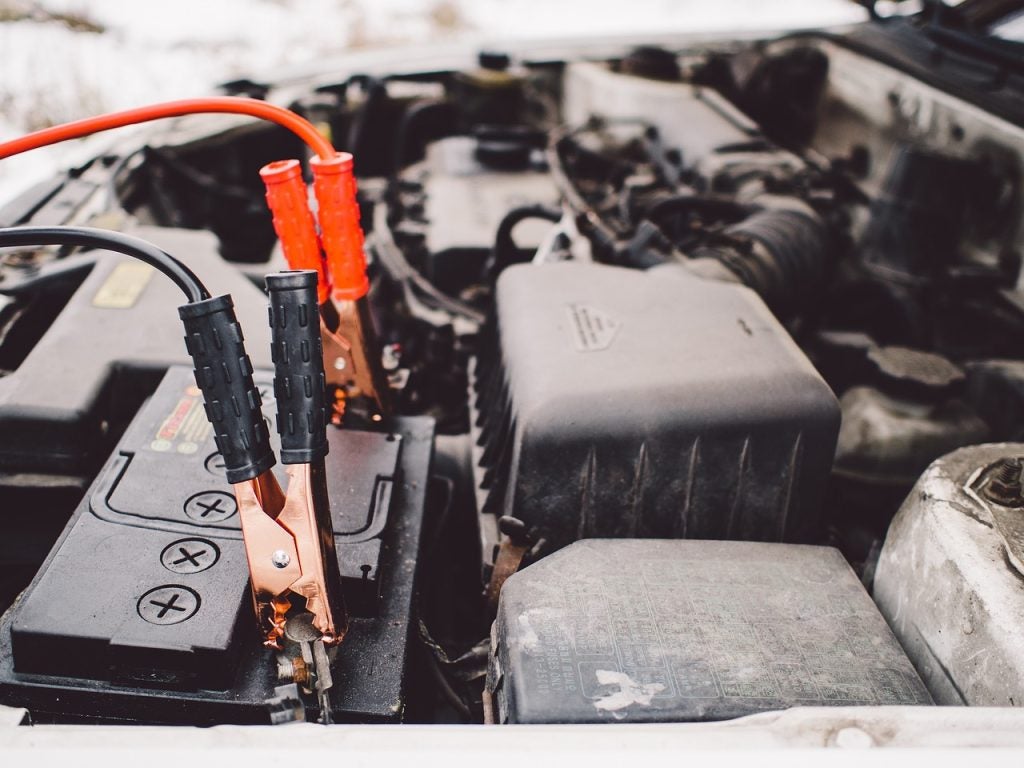
Image-by-StockSnap-from-Pixabay-1024x768

A Step-by-Step Toyota Jumpstart Guide

Toyota of Bristol can answer the emergency question clearly: most gas Toyota vehicles can be jump-started with properly connected jumper cables or a correctly rated jump pack, while Toyota hybrid models must be handled through the 12-volt system and the model-specific jump terminal or battery location described in the owner’s manual. The safe starting point is always the same: inspect the battery area first, connect positive to positive, connect the final negative clamp to a safe ground point, and stop if you see leaking fluid, heavy corrosion, smoke, damaged cables, or warning signs that do not make sense. For a Bristol commuter with a dead battery before work, a jumpstart may get the vehicle moving, but it does not explain why the battery died. For a Kingsport family after a long evening event, the cause may be as simple as an interior light left on. For a Johnson City hybrid owner whose Toyota will not show READY mode, the issue may be a discharged 12-volt battery even though the high-voltage hybrid battery is a different system. This guide explains safe jumpstart steps, Toyota hybrid rules, local battery-drain scenarios, and when our service team recommends a battery test instead of another roadside attempt. Definition: A Toyota jumpstart is a temporary restart procedure that uses an external 12-volt power source to restore enough electrical power for the vehicle to start or enter READY mode. It is an emergency step, not a replacement for battery diagnosis. Schedule Battery Service Table of Contents How to Jumpstart a Toyota Safely, Step by Step Before You Connect Anything: Safety Checks and Tools Jumper Cable Order for Most Gas Toyota Vehicles What to Do After the Toyota Starts Toyota Hybrid Jumpstart Rules: 12V Battery, READY Mode, and What Not to Touch Gas Toyota vs Toyota Hybrid Jumpstart Comparison Hybrid Use Cases: Prius, Camry Hybrid, RAV4 Hybrid, Sienna Hybrid, and Corolla Hybrid Battery Trouble Around Bristol, Kingsport, Johnson City, and Abingdon Local Weather, Short Trips, Events, Road Trips, and Battery Drain Technical Deep Dive: Why the 12V Battery Matters So Much in Toyota Hybrids Ownership Cost Analysis: When a Jumpstart Means You Need Battery Service Key Takeaways Toyota Jumpstart FAQ for Bristol Drivers Can you jumpstart a Toyota hybrid? Where do I connect jumper cables on a Toyota hybrid? What if my Toyota does not start after a jump? Is it safe to use a portable jump starter on a Toyota? Schedule Toyota Battery Service in Bristol, TN How to Jumpstart a Toyota Safely, Step by Step Key Takeaway: A safe Toyota jumpstart starts with inspection, correct cable order, a secure ground point, and a service follow-up if the battery problem repeats. Before You Connect Anything: Safety Checks and Tools The safest jumpstart is the one you do not rush. Before connecting cables, we recommend checking the battery area, cable condition, terminal condition, and vehicle surroundings. A normal dead battery is one thing. A swollen battery case, leaking fluid, burning smell, damaged cable, or heavy corrosion is different. In those situations, do not continue the jumpstart attempt. Call roadside assistance or schedule service. For a Bristol commuter on a cold morning, the pressure to get moving is real. Still, our service team advises taking one full minute to check the basics. Make sure the vehicles are in Park, the parking brakes are set, accessories are off, cables are not tangled near belts or fans, and the booster source is appropriate for a 12-volt automotive battery. Use jumper cables in good condition or a properly rated portable jump starter. Keep clamps away from moving belts, fans, and hot components. Turn off headlights, climate control, audio, and accessories before connecting. Do not jumpstart a battery that is leaking, smoking, frozen, cracked, or badly swollen. Check the owner’s manual before jumpstarting a hybrid Toyota. Situation Safe to Proceed? Recommended Action Best For Battery appears normal but vehicle is dead Usually yes Follow correct jumpstart steps Bristol commuter with a one-time no-start Light corrosion on terminals Pause first Inspect connections and consider service Older Toyota owner with slow starts Battery case is swollen or leaking No Do not jumpstart; call service support Summer heat battery failure Hybrid Toyota will not enter READY mode Manual required Use model-specific 12V jump guidance Johnson City Prius or RAV4 Hybrid owner Jumpstart works but battery dies again Temporary only Schedule battery and charging-system test Elizabethton driver needing repeated jumps Ideal Use Case Proceed only when safe Jump once, then confirm battery health Any Toyota driver with a no-start Based on Toyota official website and Toyota owner manual guidance. Visit Our Service Center Jumper Cable Order for Most Gas Toyota Vehicles For most gas Toyota vehicles with accessible 12-volt battery terminals, the standard cable order is positive first, then ground. Connect one red clamp to the positive terminal on the dead Toyota battery. Connect the other red clamp to the positive terminal on the good battery or approved booster source. Connect one black clamp to the negative terminal on the good battery. Connect the final black clamp to an unpainted metal ground point away from the dead battery. Our service team recommends this order because the final connection should be away from the battery whenever possible. After the clamps are secure, start the assisting vehicle if using another vehicle, let it run briefly, then try to start the Toyota. If the Toyota starts, remove the cables in reverse order and keep the clamps from touching each other. We recommend the following Toyota jumpstart cable order for most gas models: red to the dead battery positive terminal, red to the booster positive terminal, black to the booster negative terminal, and black to a safe metal ground point on the Toyota. If your Toyota has a special jump terminal or the manual gives a different model-specific procedure, follow the manual instead. What to Do After the Toyota Starts A successful jumpstart is not the end of the battery story. Once the Toyota starts, let the vehicle run long enough to stabilize, remove the cables carefully, and avoid shutting it off immediately unless you are safely parked where help is available. If the vehicle struggles, warning lights stay on, the battery light appears, or the engine dies again, we recommend service instead of repeated jumps. For a Kingsport family after an event, a jump may be enough if an interior light drained the battery one time. For an Elizabethton older Toyota owner who needs three jumps in one month, the jumpstart is a symptom, not a fix. Our technicians would check battery health, terminal condition, charging performance, and parasitic draw possibilities. If the Toyota starts, drive carefully and schedule a battery check if the cause is unclear. Repeated jumpstarts can mask a weak battery, charging-system concern, accessory drain, or connection issue. Toyota Hybrid Jumpstart Rules: 12V Battery, READY Mode, and What Not to Touch Key Takeaway: Toyota hybrids can often be restarted after a 12V battery discharge, but drivers must use the correct 12V jump terminal or battery location and never treat the high-voltage hybrid battery like a normal jumpstart point. Gas Toyota vs Toyota Hybrid Jumpstart Comparison A Toyota hybrid jumpstart is different because the goal is usually to restore enough 12-volt power for the vehicle’s computers, electronic key system, and hybrid startup logic to wake up. The high-voltage hybrid battery is not the battery drivers jump with cables. Toyota hybrid manuals commonly direct owners to use a model-specific 12-volt jump terminal or battery connection point, then look for the READY indicator after the system restarts. Jumpstart Topic Gas Toyota Toyota Hybrid Why It Matters Battery involved 12-volt starting battery 12-volt auxiliary battery or designated jump terminal The hybrid high-voltage battery is not the jump point Primary goal Crank and start the engine Power electronics and enter READY mode READY mode confirms the hybrid system is active Connection location Usually battery terminals and ground point Model-specific terminal, fuse box terminal, or battery location Owner’s manual matters more on hybrids What not to touch Damaged battery or unsafe wiring High-voltage hybrid components Hybrid systems require extra caution After success Let vehicle run and test battery Confirm READY, then test 12V battery A weak 12V battery may return as a no-start Ideal Use Case Gas Toyota with one-time dead battery Hybrid Toyota with discharged 12V battery Correct procedure prevents damage and confusion Based on Toyota official website. The key difference between a gas Toyota jumpstart and a Toyota hybrid jumpstart is what the 12-volt battery does. In a gas Toyota, the battery helps crank the engine. In a Toyota hybrid, the 12-volt battery helps power the control systems that allow the hybrid system to enter READY mode. We recommend checking the owner’s manual before connecting anything on a hybrid. Hybrid Use Cases: Prius, Camry Hybrid, RAV4 Hybrid, Sienna Hybrid, and Corolla Hybrid For a Johnson City Prius or Corolla Hybrid owner whose vehicle will not enter READY mode, we recommend treating the 12V battery as the first practical check. If the electronic key is present, the vehicle is in Park, and the display is dark or weak, a discharged 12-volt battery may be the reason the hybrid system cannot wake up. The correct next step is model-specific jump guidance, not touching orange high-voltage cables. For a Bristol RAV4 Hybrid owner, a Camry Hybrid commuter, or a Sienna Hybrid family, the safest rule is to open the owner’s manual and locate the proper jump terminal or 12V battery access point before using cables. Toyota manuals may direct owners to open the hood, remove a fuse box cover, open the exclusive jump-starting terminal cover, and connect the positive clamp to that designated terminal. If your hybrid will not show READY, we recommend checking 12V battery guidance first. If the manual shows an under-hood jump terminal, use that terminal exactly as directed. If warning messages remain after the jump, we recommend service inspection. If the 12V battery dies again soon, we recommend battery testing and replacement evaluation. If you are unsure which terminal is correct, stop and call our service team. Our service center can help Toyota owners separate a simple 12V battery issue from a larger electrical concern. We can test the battery, inspect terminals, review warning messages, and help determine whether the battery needs charging, replacement, or additional diagnosis. Start with our online service scheduler at https://www.toyotaofbristol.com/schedule-service.html, or call 423-764-3155 if your Toyota needed a jump and you do not trust the battery yet. We especially recommend inspection after repeated no-starts, a hybrid READY issue, or a jumpstart that only worked briefly. We would rather check the battery early than have you stranded again in Bristol, Kingsport, Johnson City, Abingdon, Blountville, or Elizabethton. Book a Battery Test Battery Trouble Around Bristol, Kingsport, Johnson City, and Abingdon Key Takeaway: Bristol-area battery failures often show up after cold mornings, summer heat, short trips, event parking, accessory use, or long gaps between drives. Local Weather, Short Trips, Events, Road Trips, and Battery Drain Battery problems are local in a very real way. A driver in Abingdon may notice weak starts during colder mornings. A Bristol commuter may have battery strain after short trips that never give the system much time to recover. A Kingsport family may come back from an event to find an interior light or accessory drained the battery. A Blountville road-trip driver may discover a weak battery the day before leaving. For Toyota drivers around Bristol and the Tri-Cities, we recommend a battery test after any unexplained jumpstart because local driving patterns can hide battery weakness until the worst moment. Cold mornings, summer heat, short trips, and long parking periods can all expose a 12-volt battery that was already near the end of its service life. Local Scenario Battery Risk Driver Profile Recommended Action Bristol cold morning before work Weak battery shows up as a no-start Daily commuter Jump safely, then schedule battery test Kingsport event parking Interior light or accessory drain Family driver Jump once and confirm battery health Johnson City hybrid owner Discharged 12V prevents READY mode Hybrid driver Follow manual and inspect 12V battery Abingdon winter short trips Battery never fully recovers Mountain-road commuter Battery health and charging check Blountville road-trip prep Weak battery discovered before travel Weekend traveler Test battery before leaving Elizabethton repeated no-starts Battery, alternator, or drain concern Older Toyota owner Schedule diagnostic service We invite Toyota drivers from Bristol, Kingsport, Johnson City, Abingdon, Blountville, and Elizabethton to bring battery concerns to us before the next no-start. We can test the battery, inspect terminals, check for corrosion, review charging performance, and help with Toyota Genuine battery replacement when needed. Our Toyota of Bristol Advantage Plan and ToyotaCare support reflect the same goal: help ownership feel less stressful after the sale. Visit us at 3045 W State St, Bristol, TN 37620, start at https://www.toyotaofbristol.com/, or call 423-764-3155 for service help. Tell us what happened before the battery died, and we can help decide whether it was a one-time drain or a warning sign. See Our Advantage Plan Technical Deep Dive: Why the 12V Battery Matters So Much in Toyota Hybrids Key Takeaway: A Toyota hybrid can feel completely dead when the 12V battery is discharged because the vehicle needs 12-volt power to wake up the electronics and enter READY mode. The most common hybrid misunderstanding is thinking the high-voltage hybrid battery is the battery being jumped. It is not. The driver-accessible emergency jump procedure is about the 12-volt system. That system supports computers, relays, locks, displays, and the startup sequence that lets the hybrid system become active. That is why a Prius, RAV4 Hybrid, Camry Hybrid, Corolla Hybrid, Highlander Hybrid, or Sienna Hybrid can appear dead even when the hybrid battery itself is not the issue. A weak 12V battery can create confusing symptoms such as dim lights, no READY indicator, key detection trouble, or warning messages. We recommend taking those symptoms seriously instead of repeatedly jumping the vehicle and hoping they disappear. For a Blountville road-trip driver carrying a portable jump pack, the safest approach is preparation. Keep the jump pack charged, store it according to the manufacturer’s instructions, and confirm the correct Toyota jump terminal before the trip. If you cannot identify the correct 12V connection point, call service support rather than experimenting. Ownership Cost Analysis: When a Jumpstart Means You Need Battery Service Key Takeaway: One jumpstart may solve a simple drain, but repeated jumps, slow cranking, corrosion, warning lights, or quick battery failure after a jump mean the Toyota needs service. A jumpstart should be treated as temporary help. If the battery died because a light stayed on once, the fix may be simple. If the Toyota needs repeated jumps, starts slowly, shows warning lights, or loses power again shortly after running, we recommend testing instead of guessing. Battery age, terminal corrosion, loose connections, charging-system concerns, and accessory drain can all create no-start patterns. Warning Sign Possible Cause Recommended Service Step Ideal Use Case One-time dead battery Accessory or light left on Battery test if cause is unclear Kingsport family after event parking Slow cranking Weak 12V battery Battery health test Bristol commuter Repeated jumpstarts Failing battery or charging concern Battery and charging-system inspection Elizabethton older Toyota owner Corrosion at terminals Poor connection or battery aging Terminal inspection and battery review Abingdon short-trip driver Hybrid no READY after jump 12V battery or system concern Diagnostic inspection Johnson City hybrid owner Ideal Use Case Prevent repeat no-starts Test before replacing parts blindly Any Toyota driver after a jumpstart For long-term ownership, we recommend documenting when the battery died, how old the battery is, whether accessories were left on, and whether the Toyota started normally afterward. ToyotaCare includes a no-cost maintenance plan for new Toyota vehicles for 2 years or 25,000 miles, whichever comes first, and 24-hour roadside assistance for 2 years with unlimited miles. Our service team can help with battery testing, Toyota Genuine replacement batteries, and multi-point inspections. Review ToyotaCare Support Key Takeaways Most Toyota jumpstarts use 12-volt power, correct cable order, and a safe ground point. Toyota hybrids rely on the 12V battery to wake up electronics and enter READY mode. Never jump a Toyota hybrid using high-voltage hybrid components. Repeated jumpstarts, slow cranking, corrosion, or warning lights mean service is needed. Bristol-area weather, short trips, and event parking can expose weak Toyota batteries. Toyota Jumpstart FAQ for Bristol Drivers Can you jumpstart a Toyota hybrid? A Toyota hybrid can often be restarted when the 12-volt battery is discharged, but it must be done through the model-specific 12V jump procedure. We recommend using the owner’s manual before connecting cables because many hybrids use an under-hood jump terminal or specific battery access point. The goal is to get the Toyota into READY mode, not to jump the high-voltage hybrid battery. Where do I connect jumper cables on a Toyota hybrid? The correct connection point depends on the model. Some Toyota hybrids use an exclusive under-hood jump-starting terminal inside the fuse box area, while others may have different access instructions. We recommend opening the owner’s manual and following the exact terminal and ground-point directions for your vehicle. If the correct point is unclear, call our service team before connecting cables. What if my Toyota does not start after a jump? If your Toyota does not start after a jump, stop repeated attempts and check for loose clamps, poor ground connection, corrosion, battery damage, or warning messages. A gas Toyota may have a weak battery, starter concern, or charging issue. A hybrid Toyota may have a 12V battery or system concern that prevents READY mode. We recommend service inspection before the next attempt causes more trouble. Is it safe to use a portable jump starter on a Toyota? A portable jump starter can be safe when it is properly rated, charged, connected correctly, and used according to both the jump pack instructions and the Toyota owner’s manual. We recommend keeping the jump pack away from heat, checking clamp polarity carefully, and stopping if the battery appears damaged. Hybrid owners should confirm the correct 12V terminal before using any booster pack. Schedule Toyota Battery Service in Bristol, TN We are here to help when your Toyota needs a jump, starts slowly, will not enter READY mode, or keeps losing 12-volt power. Visit us at 3045 W State St, Bristol, TN 37620, or call 423-764-3155 so our service team can test the battery, inspect connections, and check related systems. We serve drivers from Bristol, Kingsport, Johnson City, Abingdon, Blountville, Elizabethton, and nearby Tri-Cities communities. Our Toyota of Bristol Advantage Plan and ToyotaCare support help make ownership easier after the sale. If your Toyota needed a jump and the cause is not obvious, schedule service before the next no-start. Schedule Toyota Battery Help