Blog / Bristol Toyota Service

Blog

All Bristol Toyota Service New Toyota Cars Toyota of Bristol Service Bristol Toyota Dealer Bristol Used Cars
Best Toyotas for College Commuters in Bristol, TN

Best Toyotas for College Commuters in Bristol, TN

The best Toyotas for college commuters in Bristol come down to a short list: the Corolla for the lowest price and simplest ownership, the Corolla Hybrid for the best fuel economy on repeat highway trips, and the Corolla Cross or RAV4 for students who need more cargo room for gear, roommates, or trips home. Toyota of Bristol works with students commuting to East Tennessee State University in Johnson City, King University here in Bristol, and Milligan University near Elizabethton every semester, and the right choice usually depends on how far you drive, how much you can spend upfront, and whether you need extra space beyond a sedan trunk. Consider an ETSU student driving from Kingsport into Johnson City five days a week, watching every dollar of gas money while juggling a class schedule and a part-time job. That daily grind is exactly what this guide is built around. We wrote it to walk you through what actually matters in a commuter vehicle, how the Corolla compares to the Corolla Hybrid, when a Corolla Cross or RAV4 makes more sense than a sedan, and how new, certified pre-owned, and used options stack up on a student budget. By the end, you will know which Toyota fits your specific commute and your wallet, whether you are starting your freshman year or driving to campus for your final semester. Definition: A college commuter vehicle is a car chosen primarily for reliable, cost-efficient daily travel between home and campus rather than long-distance travel or heavy hauling. It is designed to balance low fuel and maintenance costs with dependable daily use. For students commuting to ETSU, King University, or Milligan from Bristol, Kingsport, or Elizabethton, it means a vehicle that keeps fuel and repair costs predictable across a full semester. On this guide: What Makes a Good College Commuter Vehicle? Fuel Economy and Ownership Cost Safety and Reliability Practical Considerations for Campus Life Toyota Corolla and Corolla Hybrid Comparing Corolla and Corolla Hybrid Which One Fits Your Commute Which Toyota Fits Your ETSU, King University, or Milligan Commute Toyota Corolla Cross and RAV4 Used and Certified Toyota Options for Students Key Takeaways Frequently Asked Questions Find Your Commuter Toyota at Toyota of Bristol What Makes a Good College Commuter Vehicle? A good commuter vehicle for students balances low fuel and ownership cost, standard safety technology, and enough practicality for campus life, without paying for size or features a daily commute does not need. Before comparing specific models, it helps to know what actually separates a good commuter car from one that simply looks appealing on a lot. Price matters, but so does how that price plays out over four years of ownership once fuel, insurance, and maintenance are added in. Fuel Economy and Ownership Cost For a student driving to campus most days of the week, fuel economy adds up fast over a semester. The 2026 Corolla starts around $23,500 and returns up to an EPA-estimated 35 mpg combined on gas, while the Corolla Hybrid starts closer to $24,975 and returns up to an EPA-estimated 50 mpg combined. Here is what we ask students to weigh: Total miles driven per week between home, campus, and work. Whether the extra hybrid cost pays for itself in fuel savings within a reasonable timeframe. Insurance cost differences, which can vary more by trim than by gas versus hybrid. Expected maintenance costs, including routine service covered under ToyotaCare on new purchases. For an ETSU student commuting daily from Kingsport into Johnson City, we recommend running the math on your actual weekly mileage before assuming the hybrid is automatically worth the higher price, since a shorter commute may not generate enough fuel savings to offset the difference as quickly as a longer one would. A rough rule we share with students is to multiply your daily round-trip mileage by the number of days you drive each week, then compare that weekly total against typical fuel prices in the Tri-Cities before deciding. Priority Why It Matters for Students Toyota Answer Low starting price Limited budget, financial aid, or family contribution Corolla LE gas trim Best fuel economy Long or frequent highway commutes Corolla Hybrid Cargo space Textbooks, instruments, sports gear, roommate moves Corolla Cross or RAV4 Standard safety tech Peace of mind for students and parents Toyota Safety Sense, standard across the lineup Predictable maintenance cost Limited budget for surprise repairs ToyotaCare coverage on new purchases Resale value Reselling after graduation Toyota's strong resale reputation across the lineup Based on Toyota official website. Safety and Reliability Toyota Safety Sense comes standard across the current Corolla, Corolla Cross, RAV4, and Camry lineups, which means students are not paying extra for core driver-assist features like pre-collision support and lane departure alerts. For parents helping a student choose their first car from out of state, that standard safety equipment often matters more than horsepower or styling. For a parent in another state helping their King University freshman pick a first car, we recommend prioritizing standard safety technology and Toyota's reliability reputation over trim-level styling, since those two factors do more for peace of mind across four years of ownership than upgraded wheels or a sportier badge. Reliability also matters more than it might seem during the school year itself, since a student without a backup vehicle cannot afford unexpected downtime during exam week or a work shift. Practical Considerations for Campus Life What we see students actually deal with day to day includes tight campus parking, limited driveway space at off-campus housing, and the reality of moving between dorms or apartments once or twice a year. A smaller Corolla is easier to park near campus housing in Bristol, while a Corolla Cross or RAV4 earns its keep during move-in and move-out weekends. Insurance is another practical factor students sometimes overlook until after signing, since rates can vary noticeably between a sedan and a crossover even within the same Toyota lineup. If you want to confirm which trims include ToyotaCare and how long that coverage lasts on a specific model, our team can walk through it with you before you commit to a purchase. See Your Toyota's ToyotaCare Coverage Toyota Corolla and Corolla Hybrid The Corolla and Corolla Hybrid share the same core reliability and safety equipment, so the decision mostly comes down to upfront price versus long-term fuel savings based on how much you actually drive. These two versions of the same nameplate are the most common starting point for students shopping with us, largely because the price gap between them is small enough that the decision often comes down to math rather than personal preference. Comparing Corolla and Corolla Hybrid We put together this comparison because students often assume the hybrid is simply the "better" choice without checking whether their specific commute makes the extra cost worthwhile. Feature Corolla (Gas) Corolla Hybrid Starting price Around $23,500 Around $24,975 EPA-estimated combined MPG Up to 35 mpg Up to 50 mpg Engine 2.0-liter 4-cylinder 1.8-liter 4-cylinder with electric motor Available AWD No Yes, on select trims Transmission CVT eCVT Toyota Safety Sense Standard Standard Best For / Ideal Use Case Students with shorter commutes who want the lowest upfront price Students with longer, frequent commutes who want to minimize gas station visits Based on Toyota official website. Based on our experience at Toyota of Bristol, the Corolla Hybrid earns its price difference fastest for students commuting from Kingsport, Abingdon, or other longer routes into Johnson City or Bristol, while a shorter drive within Bristol itself often does not rack up enough miles to make the hybrid's extra upfront cost pay off as quickly. Neither option is the wrong choice; the math simply favors different students depending on how far they actually drive each week. Which One Fits Your Commute If your daily round trip is under fifteen miles, then the gas Corolla likely saves you money overall once you factor in the lower purchase price. If you are driving thirty or more highway miles a day, then the Corolla Hybrid's fuel savings start adding up meaningfully across a semester. If you regularly deal with wet or snowy mountain routes near Abingdon, then the available all-wheel-drive Corolla Hybrid trims are worth a closer look. For a King University student living close to campus in Bristol, we recommend the gas Corolla LE because a short commute rarely generates enough fuel savings to justify the hybrid's higher price. For an ETSU student commuting daily from Kingsport, we recommend the Corolla Hybrid because the mileage adds up quickly enough to make the fuel savings meaningful within a couple of years. For a Milligan student who splits time between Elizabethton and winter mountain driving, we recommend looking at the Corolla Hybrid's available AWD trims for extra confidence on slick roads. For a transfer student who just moved to the area and is not yet sure how their new schedule will affect their weekly mileage, we recommend starting with the gas Corolla and reassessing after a semester, since it is easier to step up to a hybrid later than to have overpaid upfront for fuel savings you did not end up needing. We invite you to stop by our showroom at 3045 W State St in Bristol to sit in both the Corolla and Corolla Hybrid before deciding, since the difference in driving feel is small but noticeable once you compare them back to back. Our sales team can pull actual fuel cost estimates based on your specific commute distance so you are not guessing which option saves more over four years of school. If you are financing your first car, we can also walk through student-friendly financing options and what a realistic monthly payment looks like on each trim. Bring your class schedule or a rough idea of your weekly mileage, and we will help you run the numbers on the spot. Whether you end up with the gas Corolla or the hybrid, we want you leaving with a choice that fits your actual budget, not just a guess. Parents are welcome to join that conversation too, since financing decisions made together tend to hold up better than ones made under pressure the week before move-in. Browse Corolla and Corolla Hybrid Inventory Which Toyota Fits Your ETSU, King University, or Milligan Commute Your specific commute route, whether that is city driving in Bristol, the stretch into Johnson City, or the roads near Elizabethton, matters as much as the model you pick. We hear from students at all three schools every fall, and the same models tend to come up again once we match the vehicle to the actual drive rather than the school name alone. Matching Your Route to the Right Toyota Students commuting to King University mostly deal with in-town Bristol driving and short trips, which favors a lower-cost gas Corolla. Students driving to ETSU from Kingsport or Bristol cover more highway miles, which tips the math toward the Corolla Hybrid. Students near Milligan University, closer to Elizabethton, often deal with more rural roads and seasonal weather, which can make available all-wheel-drive trims or the added ground clearance of a Corolla Cross worth considering. School Typical Commute Pattern Toyota to Consider King University (Bristol) Short in-town driving Corolla LE gas ETSU (Johnson City) Longer highway commute from Kingsport or Bristol Corolla Hybrid Milligan University (near Elizabethton) Rural roads, seasonal weather Corolla Hybrid AWD or Corolla Cross Any school, moving weekends Occasional need for extra cargo space Corolla Cross or RAV4 For a King University student who mostly drives within Bristol between campus, work, and home, we recommend keeping it simple with the gas Corolla, since the shorter distances involved rarely justify a bigger upfront investment. For a Milligan student navigating rural roads near Elizabethton through the winter, we recommend at least test-driving a Corolla Hybrid AWD trim before settling on a front-wheel-drive-only option. Route and weather matter just as much as the school name itself, so students living off campus with a longer personal commute should weigh their actual drive, not just their university's general location. Our team works with students and parents from Bristol, Kingsport, Johnson City, Abingdon, Blountville, and Elizabethton every back-to-school season, so we know the routes and the routines fairly well by now. If you are choosing between two models and cannot decide, tell us your typical week, including class days, work shifts, and how often you head home on weekends, and we can point you toward the option that actually fits rather than the one that just sounds good on paper. We recommend scheduling a test drive before you commit, since seat comfort and visibility matter more on a daily commute than they do on a single weekend trip. You can request a test drive through toyotaofbristol.com or by calling our showroom directly. We treat student budgets seriously, not as an afterthought to a bigger sale, and that includes being upfront when a less expensive option genuinely makes more sense for your situation than the vehicle with the bigger markup. Schedule a Test Drive Toyota Corolla Cross and RAV4 When a sedan trunk is not enough, either because of gear, roommates, or regular trips home, the Corolla Cross and RAV4 both add meaningful cargo space without losing Toyota's fuel efficiency and reliability reputation. Not every student needs the extra size, but for the ones who do, the choice between these two usually comes down to how much cargo room you need versus how much you want to spend. Feature Corolla Cross RAV4 Size Compact crossover, smaller footprint Larger compact SUV, more interior room EPA-estimated combined MPG Competitive with Corolla sedan trims Slightly lower than Corolla Cross, still efficient for its class Cargo space More than a Corolla sedan, less than RAV4 Most cargo room of the two Available AWD Yes, on select trims Yes, widely available Best for Students who want SUV height and cargo without stepping up to full RAV4 size Students hauling more gear, instruments, or regularly moving between housing Based on Toyota official website. For a Milligan student who splits time between campus near Elizabethton and trips home most weekends, we recommend the Corolla Cross because the added cargo room and available AWD handle both routines without the higher price of a full RAV4. For a graduate student in Kingsport hauling equipment or instruments to campus regularly, we recommend the RAV4 because the extra cargo volume makes a genuine difference when a sedan trunk simply is not enough. Either model still keeps fuel costs closer to a sedan than many buyers expect, which matters when a student is already budgeting tightly for the semester. Browse Corolla Cross and RAV4 Inventory Used and Certified Toyota Options for Students A certified pre-owned Toyota often gives students most of the reliability and warranty confidence of a new vehicle at a meaningfully lower price than buying new. Budget usually drives this conversation more than any other part of the buying process, so we lay out the three main paths plainly rather than pushing students toward the most expensive option by default. Option Price Point Warranty Confidence Best For New Highest Full factory warranty and ToyotaCare Students who want the newest safety tech and longest ownership runway Certified Pre-Owned Moderate Extended warranty coverage backed by Toyota Students who want warranty confidence at a lower price than new Standard Used Lowest Limited or no remaining factory warranty Students on the tightest budget who accept more ownership risk Based on Toyota official website. We recommend thinking through these before deciding which route fits your situation: If your budget is tight but you still want warranty protection, then a certified pre-owned Corolla is worth prioritizing over a cheaper standard used option. If you plan to keep the car well past graduation, then a new purchase with full ToyotaCare coverage may be worth the higher upfront cost. If you are buying your very first car and want the lowest possible payment, then a standard used Corolla can work if you budget for maintenance without a warranty cushion. For a parent buying a first car for their King University freshman on a strict budget, we recommend starting with our certified pre-owned Corolla and Corolla Cross inventory, since the extended warranty coverage reduces the chance of an unexpected repair bill landing in the middle of a semester. We can also walk through how many miles remain on a specific certified vehicle's coverage, which helps put a real number behind the peace of mind rather than a vague promise. Get Pre-Qualified Before You Shop Key Takeaways The gas Corolla offers the lowest starting price; the Corolla Hybrid pays off fastest on longer commutes. Toyota Safety Sense comes standard across Corolla, Corolla Cross, RAV4, and Camry, so safety tech is not an upgrade cost. Students near Milligan or driving mountain routes should consider available AWD trims. The Corolla Cross and RAV4 add cargo room for gear, instruments, or moving weekends. Certified pre-owned Toyotas offer warranty confidence at a lower price than buying new. College Commuter Toyota Questions Students Ask What is the best Toyota for a college commuter in Bristol, TN? The best choice depends on your specific commute and budget. For short in-town driving, we recommend the gas Corolla for its low starting price. For longer highway commutes into Johnson City or from Kingsport, the Corolla Hybrid's fuel economy typically saves more money over a semester. For students needing extra cargo space, the Corolla Cross or RAV4 are worth considering over a sedan, especially during move-in and move-out weekends when trunk space alone rarely cuts it. Is the Corolla or Corolla Hybrid better for students? Both share the same core reliability and standard safety equipment, so the decision mostly comes down to your commute distance and budget. Students with shorter drives often save more overall with the lower-priced gas Corolla, while students covering longer or more frequent highway miles typically make back the Corolla Hybrid's higher price through fuel savings within a couple of years. If you are not sure which category your commute falls into, our team can help you estimate it before you decide. Should a college student buy a new, certified pre-owned, or used Toyota? This depends on budget and how much warranty protection matters to you. A certified pre-owned Toyota often gives students most of the confidence of buying new, including extended warranty coverage, at a meaningfully lower price. A standard used Toyota can work well on the tightest budgets, but students should plan for maintenance costs without a warranty cushion in place. If graduation is still several years away, leaning toward certified pre-owned or new usually makes more sense than saving a little upfront and risking a bigger repair bill later. Does Toyota Safety Sense come standard on student-friendly Toyota models? Yes, Toyota Safety Sense comes standard across the current Corolla, Corolla Cross, RAV4, and Camry lineups, so students are not paying extra to get core driver-assist features like pre-collision support and lane departure alerts. That standard equipment applies regardless of trim level, so even the most budget-friendly option in the lineup includes the same core safety foundation. Find Your Commuter Toyota at Toyota of Bristol We are here to help you find the right Toyota for your specific commute and budget, whether that means a brand-new Corolla, a certified pre-owned Corolla Cross, or a RAV4 with room for everything you are hauling to campus. Stop by our showroom at 3045 W State St in Bristol, TN, and our team will walk through options based on your actual weekly mileage rather than a generic recommendation. We proudly work with students and families connected to ETSU, King University, and Milligan University across Bristol, Kingsport, Johnson City, Abingdon, Blountville, and Elizabethton every school year. If you are heading back to campus soon and need a reliable way to get there, call us or stop in and we will help you compare your options today. We would rather spend thirty minutes matching you to the right Toyota now than have you regret a rushed decision three months into the semester. That thirty minutes, in our experience, is almost always worth more than the time it saves to just grab whatever is on the lot. See Our Certified Pre-Owned Program Related Articles Keep reading more Toyota model guides and ownership advice from Toyota of Bristol. Student Guide Best Toyota Cars for Graduates See more affordable, reliable Toyota options built for campus life and life after graduation. Read More Used Vehicle Guide Certified Pre-Owned Toyota Explained See what Toyota certification covers and how it protects your purchase on a student budget. Read More SUV Comparison 2026 Toyota RAV4 vs Corolla Cross: Which Toyota SUV Fits Bristol Drivers? Compare size, cargo room, efficiency, and price to decide which SUV fits your routine. Read More Safety & Tech Guide Toyota Safety Sense 3.0 Explained See what Toyota Safety Sense 3.0 may include and how it applies across the Toyota lineup. Read More

Signs Your Toyota Transmission Needs Service

Signs Your Toyota Transmission Needs Service

The most common signs your Toyota transmission needs service are delayed or hesitant shifting, gears that slip or feel like they lose power while accelerating, grinding or whining noises, a burning smell, red or brown fluid under the vehicle, and a dashboard warning light related to the transmission or hybrid system. Toyota of Bristol sees these symptoms across gas and hybrid Toyota models alike, though what causes them and how urgent they are can differ depending on whether your vehicle uses a conventional automatic transmission or Toyota's hybrid eCVT. If you notice more than one of these signs at the same time, that combination usually means it is time to schedule an inspection rather than wait and see. Consider a Bristol commuter who feels a short hesitation every time they shift from Park into Drive. On its own, that hesitation might be minor, but paired with a new noise or a dashboard light, it becomes a much clearer signal. We wrote this guide to walk you through the most common warning signs, how gas and hybrid Toyota drivetrains show trouble differently, when a symptom means you should stop driving instead of scheduling a routine visit, and what our technicians actually check during a transmission inspection. By the end, you will know which signs matter most, how quickly you should act on them, and what our technicians actually look for once you bring your Toyota in. Definition: A transmission warning sign is any change in shifting behavior, sound, smell, fluid condition, or dashboard indicator that suggests a vehicle's transmission or drivetrain system may not be operating normally. It is designed to alert drivers before a minor issue becomes a major mechanical failure. For drivers in Bristol, Kingsport, and Johnson City, recognizing these signs early can help avoid being stranded on routes like I-81 or in mountain terrain near Abingdon, where a developing issue can become inconvenient quickly. On this guide: Common Toyota Transmission Warning Signs Delayed Shifts and Slipping Unusual Noises and Smells Dashboard Warning Lights and Fluid Leaks Gas Transmission vs Hybrid Drivetrain Symptoms Comparing How Symptoms Show Up Which Symptoms Apply to Your Toyota Scheduling a Transmission Check in Bristol and the Tri-Cities When to Stop Driving and Schedule Service What Happens During a Toyota Transmission Inspection Key Takeaways Frequently Asked Questions Book Toyota Service in Bristol, TN Common Toyota Transmission Warning Signs Delayed shifting, slipping gears, unusual noises, burning smells, fluid leaks, and dashboard warning lights are the most common signs a Toyota transmission needs attention, and noticing more than one at once means it is time to schedule an inspection. Delayed Shifts and Slipping A healthy transmission should engage smoothly and promptly when you shift from Park into Drive or Reverse. Here is what we ask owners to pay attention to: A noticeable pause or hesitation before the vehicle moves after shifting. A jolt or thud when the gear finally engages. The engine revving higher than usual without a matching increase in speed, which points to slipping. Difficulty maintaining speed on an incline that used to feel effortless. For a Bristol commuter who feels a short hesitation every time they shift into Drive at a stoplight, we recommend having the vehicle looked at soon rather than waiting for the symptom to worsen, since delayed engagement often points to fluid condition or an internal component that is easier to address early than after it fails completely. This same hesitation can feel almost unnoticeable at first, which is exactly why we encourage owners to mention it during a routine oil change instead of waiting for it to become obvious enough to worry them. Symptom Severity Example General Guidance Minor, worth watching Occasional slight hesitation shifting into Drive Schedule an inspection soon, continue normal driving in the meantime Minor, worth watching A faint, consistent whine that has not changed Mention it at your next scheduled service visit Needs attention soon Slipping gears or engine revving without matching speed Schedule service within the next few days Needs attention soon A new grinding or clunking noise during shifts Schedule service within the next few days Needs immediate attention Burning smell combined with any other symptom Have the vehicle inspected right away Needs immediate attention Red or brown fluid actively leaking under the vehicle Have the vehicle inspected right away Best For / Ideal Use Case Use this table as a general planning guide; any symptom paired with a dashboard warning light should move straight to immediate attention regardless of how minor it seems alone. Based on Toyota official website. Unusual Noises and Smells Noises and smells often show up before a transmission problem becomes obvious in how the vehicle drives. Whining that changes with engine speed, grinding during a shift, clunking when moving from Park to Drive, or a burning odor from the engine bay are the signals our service team hears about most often. A single faint noise that has not changed in weeks is different from a new noise that is getting louder. For a used Toyota Tacoma owner in Blountville who hears a new grinding noise while towing a trailer up a grade, we recommend stopping the tow as soon as it is safe and having the vehicle inspected before continuing, since added load can turn a manageable issue into a more serious one quickly. A noise that only appears under load, like towing or climbing a grade, is still worth mentioning even if it disappears once you are back on flat ground. Dashboard Warning Lights and Fluid Leaks According to Toyota's official guidance, a dashboard light indicating a transmission control system malfunction should prompt an inspection at a Toyota dealer as soon as possible, since the vehicle's onboard sensors are designed to catch abnormal shift patterns or gear ratios before a driver would necessarily feel them. Fluid leaks are another visual cue, most often noticed as reddish or brownish spots left on a driveway or parking spot. If you want to confirm exactly which warning light your specific Toyota model uses for transmission or drivetrain issues, our team can walk through your owner's manual with you or check it against your VIN, since not every model displays the same icon or message for the same underlying concern. Confirm Your Model's Drivetrain Type Gas Transmission vs Hybrid Drivetrain Symptoms Toyota's hybrid eCVT works differently from a conventional automatic transmission, so the same underlying concern, like a new whining noise or reduced power, can point to a different system depending on which drivetrain your Toyota uses. Comparing How Symptoms Show Up We put this comparison together because owners switching between a gas Toyota and a hybrid Toyota often assume the same warning signs mean the same thing, and that is not always the case. Symptom Conventional Automatic Transmission Toyota Hybrid eCVT Delayed or rough shifting Common sign of low or degraded fluid, or worn internal components Less common, since there is no traditional gear shift; may point to the power-split device instead Whining noise Often linked to fluid or torque converter issues Some motor whine is normal; a whine that grows louder over time is not Burning smell Usually tied to overheated or degraded transmission fluid Less common; more often linked to other underlying issues that still warrant inspection Jerking or hesitation Can indicate slipping gears or a failing solenoid May indicate a rough transition between electric and gas power delivery Dashboard warning light Transmission control system malfunction light Hybrid system malfunction or check hybrid system light Reduced power or sluggish acceleration Often tied to slipping or a failing torque converter Can relate to the hybrid battery, inverter, or drivetrain control system Best For / Ideal Use Case Gas Toyota owners should focus on fluid, shift feel, and noise; hybrid Toyota owners should pay closer attention to dashboard hybrid system alerts and changes in power delivery between electric and gas modes. Based on Toyota official website. This distinction matters most when you are trying to describe a symptom to us over the phone, since knowing whether your Toyota is gas-powered or a hybrid helps our service team ask the right follow-up questions before you even arrive. Based on our experience at Toyota of Bristol, the clearest way to tell the two apart is the dashboard light itself. A conventional automatic will typically flag a transmission-specific warning, while a hybrid Toyota is more likely to show a hybrid system malfunction message, even when the underlying concern involves how power reaches the wheels rather than a traditional gear problem. Owners who have driven both a gas Toyota and a hybrid Toyota sometimes assume the hybrid is malfunctioning simply because it behaves differently, when in fact smoother, quieter operation is often just how the eCVT is designed to feel. Which Symptoms Apply to Your Toyota For a Kingsport driver whose RAV4 Hybrid has developed a whining noise that gets louder during acceleration, we recommend having it checked rather than assuming it is normal motor noise, since a whine that changes over time is different from the mild sound that is typical in most Toyota hybrids. For a Johnson City family whose Highlander Hybrid jerks noticeably when switching between electric and gas power, we recommend scheduling an inspection because that kind of rough transition is not considered normal hybrid behavior. For a Bristol driver in a gas-powered Camry who notices the check engine light along with hesitation shifting into gear, we recommend treating that combination as a priority rather than a routine oil-change-cycle item. Two symptoms appearing together almost always deserve faster attention than either one showing up alone. If your Toyota is gas-powered and you notice fluid on the ground, then check the color and schedule service promptly. If your Toyota is a hybrid and you see a hybrid system warning, then treat it the same way you would treat a transmission warning light on a gas vehicle. If you are not sure which drivetrain your Toyota uses, then our team can confirm it by VIN before you try to diagnose the symptom yourself. We invite you to bring your Toyota to our service center at 3045 W State St in Bristol so our technicians can look at the specific symptom you are noticing rather than guessing from a general list. We ask a few quick questions when you arrive, including when the symptom started, whether it happens at a certain speed, and whether any dashboard lights have appeared, since those details help our team narrow down the cause faster. If you are not sure whether what you are feeling is normal for your specific Toyota model, we would rather you ask than assume. You can request an appointment through toyotaofbristol.com or call our service department directly. We treat drivetrain symptoms as a priority, not a routine wait-your-turn item, because we know how disruptive it is to lose confidence in your vehicle. Whatever you are noticing, we will give you a straight answer about what it means. Schedule a Transmission Inspection Scheduling a Transmission Check in Bristol and the Tri-Cities Mountain grades, towing on I-81, and stop-and-go Bristol traffic can all add extra stress to a transmission or hybrid drivetrain that is already showing early warning signs. Local Driving Conditions That Add Stress Here in the Tri-Cities, we see certain driving patterns accelerate an existing transmission concern rather than cause it outright. Steady climbs on mountain routes near Abingdon put extra load on a transmission that is already slipping. Stop-and-go traffic through Bristol and Kingsport during commute hours means more frequent shifting, which can make a delayed-engagement symptom more noticeable. Towing or hauling on I-81 adds heat and mechanical stress that a struggling transmission handles poorly. Local Condition Added Stress Driver Profile Mountain grades near Abingdon, VA Extra load during sustained climbs Commuter crossing into Southwest Virginia Bristol and Kingsport stop-and-go traffic More frequent shifting exposes hesitation symptoms Daily city commuter I-81 towing or hauling Increased heat and mechanical load Truck or SUV owner carrying cargo Elizabethton and Blountville rural routes Longer trips between service opportunities Rural commuter with less frequent inspections For a driver in Johnson City who notices a burning smell specifically after climbing hills on I-81, we recommend having the fluid level and condition checked as soon as possible, since heat under load is one of the more common reasons early transmission symptoms become noticeable in our region. For a driver near Abingdon who has a slow fluid leak but has not noticed a change in how the vehicle drives yet, we still recommend an inspection rather than waiting, since leaks rarely resolve on their own and mountain driving tends to expose the problem sooner rather than later. A small leak today is often the easiest and least expensive point to catch a developing issue. Our service team has diagnosed transmission and drivetrain concerns for drivers across Bristol, Kingsport, Johnson City, Abingdon, Blountville, and Elizabethton for years, and that regional experience means we know which symptoms tend to show up first on local roads. If you are enrolled in our Toyota of Bristol Advantage Plan, mention it when you schedule, since your service history helps our technicians spot changes faster. We recommend describing exactly when the symptom happens, whether that is during a hill climb, a cold start, or while towing, so we can start the inspection with useful context instead of starting from zero. You can reach us through toyotaofbristol.com or by calling our service department directly. We would rather you call with a question that turns out to be nothing than wait on something that turns out to matter. Either way, we will take the time to explain what we find in plain language. Talk to Our Service Team When to Stop Driving and Schedule Service A single mild symptom usually allows time to schedule a normal appointment, but a burning smell, a flashing warning light, or a sudden loss of power means you should stop driving and have the vehicle inspected right away. What You Notice Recommended Action Occasional mild hesitation, no other symptoms Schedule a normal service appointment within the next week or two Slipping gears with the engine revving unusually Limit driving to essential trips and schedule service promptly Grinding or clunking noise that is new and getting worse Schedule service within a few days, avoid towing or hauling until then Burning smell from the engine bay Pull over safely, stop driving, and arrange a tow or inspection Flashing dashboard warning light or sudden loss of power Pull over safely as soon as possible and stop driving until inspected Based on Toyota official website. For an Elizabethton driver on a mountain route whose dashboard shows a hybrid system malfunction light along with a sudden drop in power, we recommend pulling over safely as soon as the road allows and stopping the vehicle rather than trying to finish the trip, since continuing to drive under those conditions risks turning a repairable issue into a more serious one. If you are ever unsure whether your specific situation counts as an emergency, treat it as one and call us before continuing. It costs nothing to call and describe what you are feeling, and that quick conversation can save you from a much more expensive repair down the road. See Your Toyota's ToyotaCare Coverage What Happens During a Toyota Transmission Inspection A transmission inspection at our service center typically includes a fluid check, a road test, a diagnostic scan, and a conversation with you about exactly what you are feeling before any repair recommendation is made. We do not start with guesswork. Owners sometimes expect us to jump straight to a repair estimate, but a rushed diagnosis on a drivetrain concern usually costs more time and money than a proper inspection up front. Here is generally what our technicians walk through during a transmission or drivetrain inspection: A conversation with you about when the symptom started and what triggers it. A visual check of transmission fluid level, color, and smell. A diagnostic scan to check for stored codes related to shifting, drivetrain, or hybrid system performance. A road test, when appropriate, to feel the symptom firsthand rather than relying only on your description. A clear explanation of what we found before any repair work begins. For a Bristol owner of a used Camry who has never had a transmission concern looked at before, we recommend coming in with as much detail as possible, including when the symptom happens and how often, since that context often shortens the inspection and gets you a clearer answer the same day. See What Our Service Center Covers Key Takeaways Delayed shifting, slipping, unusual noises, burning smells, fluid leaks, and warning lights are the main signs to watch for. Hybrid Toyota models show drivetrain trouble differently than gas models, often through a hybrid system warning rather than a traditional transmission light. Mountain grades near Abingdon and towing on I-81 can make an existing symptom worse faster. A burning smell, flashing warning light, or sudden power loss means stop driving and get the vehicle inspected right away. Our inspection process starts with a conversation and a diagnostic scan, not an assumption about what is wrong. Toyota Transmission Questions Bristol Drivers Ask Is it safe to keep driving with a slipping transmission? Driving with a slipping transmission is not something we recommend, even for short trips, because slipping puts extra stress on internal components and can turn a manageable repair into a more serious one. If you notice the engine revving without a matching increase in speed, we recommend limiting driving to what is essential and scheduling an inspection as soon as possible rather than waiting to see if the symptom improves on its own. Do Toyota hybrids have transmission problems the same way gas cars do? Toyota hybrids use an eCVT, which relies on a planetary gearset and electric motor-generators rather than a traditional torque converter and gear sets. Because of that difference, hybrid drivetrain trouble more often shows up as a hybrid system warning light or a change in how power is delivered rather than the shifting-specific symptoms typical of a conventional automatic transmission. Both systems benefit from the same basic approach: do not ignore a dashboard warning or a new noise, and do not assume a symptom will resolve itself simply because the vehicle still drives. What should I do if my Toyota's dashboard shows a transmission or hybrid system warning light? This is one of the more common questions we hear from first-time owners who are not sure whether a warning light means an emergency or a routine reminder. According to Toyota's official guidance, a transmission control system malfunction light calls for inspection at a Toyota dealer as soon as possible. If the light is flashing or paired with reduced power, we recommend pulling over safely and stopping rather than continuing to your destination. How much does a transmission inspection typically involve? A transmission inspection generally includes a fluid check, a diagnostic scan for stored codes, and often a road test, followed by a clear explanation of what our technicians found before any repair work begins. Bringing details about when the symptom occurs helps our team move through this process more efficiently. Book Toyota Service in Bristol, TN We are here to help you get a straight answer about what your Toyota is telling you, whether that turns out to be a minor item or something that needs immediate attention. Stop by our service center at 3045 W State St in Bristol, TN, or request an appointment through toyotaofbristol.com so our technicians can take a look. If you are enrolled in our Toyota of Bristol Advantage Plan or follow your ToyotaCare schedule, mention that when you book, since your service history helps us diagnose faster. We proudly serve drivers across Bristol, Kingsport, Johnson City, Abingdon, Blountville, and Elizabethton with the same direct approach, a real inspection instead of guesswork. If something feels off with how your Toyota shifts, sounds, or drives right now, call us or stop in today. We would rather check it and tell you everything looks fine than have you drive around wondering. That peace of mind is worth far more than the few minutes it takes to schedule a visit. Book Toyota Service in Bristol, TN Related Articles Keep reading more Toyota service guides, ownership tips, and maintenance advice from Toyota of Bristol. Maintenance Guide How Often Should You Change Your Toyota Oil? See how oil intervals connect to tire rotation, fluid checks, and other factory-scheduled maintenance. Read More Ownership Guide Is ToyotaCare Worth It in Bristol? See what ToyotaCare covers and how it can help catch issues like drivetrain concerns early. Read More Technology Guide How to Set Up the Toyota App See how Service Connect alerts can help you track maintenance needs, including drivetrain-related codes. Read More Tire Care Guide How Often Should You Rotate Toyota Tires in Bristol, TN? See rotation intervals and how Tri-Cities driving conditions affect tire and drivetrain wear together. Read More

How to Set Up the Toyota App | Bristol Driver Guide

How to Set Up the Toyota App | Bristol Driver Guide

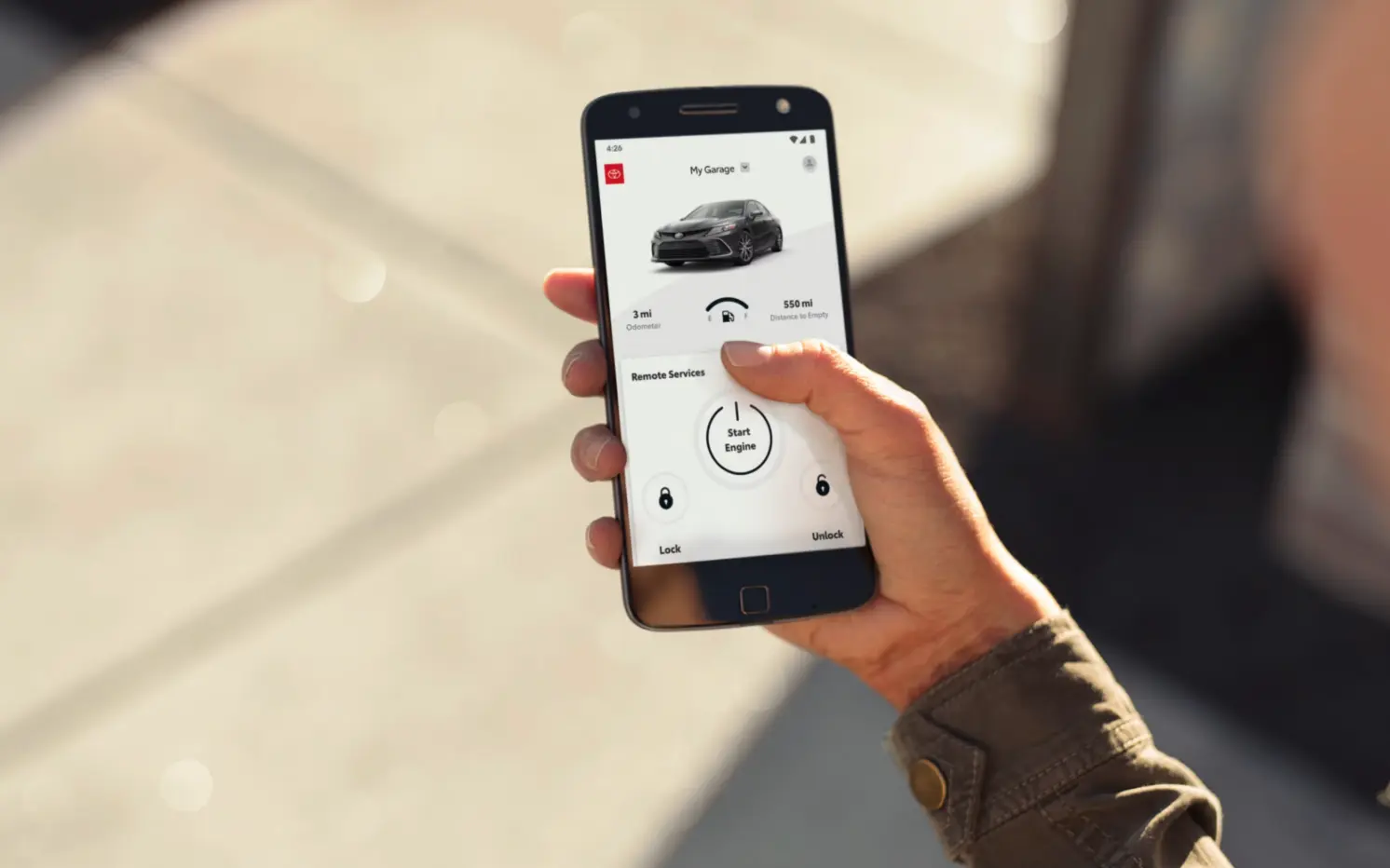
Setting up the Toyota app takes about five minutes once you download it, create an account, and link it to your vehicle using your VIN or a QR code from your glovebox, and once that link is complete you can view maintenance alerts, lock or unlock your doors on supported models, and check your vehicle's status from your phone. Toyota of Bristol walks new and returning owners through this setup every week, and the short answer is this: download the Toyota app from the App Store or Google Play, sign in or create a Toyota account, add your vehicle by VIN, and confirm which connected services your specific model and trim support, since availability varies by vehicle and model year. Consider a Bristol driver who just picked up a new RAV4 and wants to confirm their vehicle is locked before leaving for work each morning. That single feature, checking lock status remotely, is often the first thing new owners set up. We wrote this guide to walk you through downloading the app, linking your vehicle, understanding the difference between Remote Connect, Service Connect, Drive Connect, and Safety Connect, and fixing the most common setup issues we see at our dealership. By the end, you will know exactly how to get your Toyota app running and which features are worth activating for your daily routine, whether you just took delivery or have owned your Toyota for years and never got around to setting it up. Definition: The Toyota app is a smartphone application that links to a compatible vehicle to provide remote vehicle status, maintenance alerts, and available connected services such as Remote Connect and Service Connect. It is designed to give owners convenient access to their vehicle information without being physically present. For drivers in Bristol, Kingsport, and Johnson City, it provides a way to check service reminders and vehicle status from anywhere with cellular coverage. On this guide: How to Download and Set Up the Toyota App Download and Create Your Account Link Your Vehicle What You Can Do Once Setup Is Complete Remote Connect, Service Connect, and Trial Options Comparing the Connected Services Which Service Fits Your Situation Getting Toyota App Support Locally in Bristol and the Tri-Cities Common Toyota App Troubleshooting Tips How the Toyota App Works With ToyotaCare and Service Reminders Key Takeaways Frequently Asked Questions Get Help from Toyota of Bristol How to Download and Set Up the Toyota App Setting up the Toyota app takes three steps: download it, create or sign into a Toyota account, and link your vehicle using your VIN, and the whole process usually takes less than ten minutes. Download and Create Your Account We recommend starting on your phone's app store rather than searching the web, since the official Toyota app is free and available for both Apple and Android devices. Here is the setup sequence we walk new owners through: Download the Toyota app from the App Store or Google Play. Open the app and choose to create an account or sign in with an existing Toyota account. Enter the basic information requested, including your name and contact details. Confirm your account through the verification email or text message the app sends. Accept the Connected Services Terms of Use before adding your vehicle. For a Bristol driver who just picked up a new 2026 RAV4, we recommend completing account creation before leaving our lot, because our team can confirm your VIN and help you finish the first step while you are still with us. This same sequence, download, create an account, verify, and accept the terms, applies whether you drive a brand-new Toyota or one that is a few years old, as long as your model supports connected services. Our sales team can confirm connected services eligibility by VIN before you even open the app, which saves you a step if your model was built earlier in a given production year. Link Your Vehicle Once your account is active, linking your vehicle is the next step. You can add your Toyota using the 17-character VIN found on your dashboard, driver's door jamb sticker, or registration, or by scanning the QR code often found in your glovebox or owner's manual. After entering this information, the app confirms your vehicle and displays which connected services, Remote Connect, Service Connect, Drive Connect, or Safety Connect, are available for your specific model and trim. For a returning Toyota owner who upgraded phones and needs to relink an existing vehicle, we recommend removing the old device from your Toyota account settings first, then reinstalling the app on the new phone and signing back in, since two active devices on the same vehicle can sometimes cause remote commands to lag or fail. Our team can confirm your VIN and registration status if the app does not recognize your vehicle on the first attempt. This step trips up more owners than any other part of setup, usually because the VIN was typed with a mixed-up character or the vehicle had not yet been fully registered with Toyota at the time of purchase. Setup Step New Owner (Just Purchased) Returning or Transferring Owner Download the app Do this before leaving our showroom Reinstall if switching to a new phone Create or sign into account Create a new account Sign into your existing account Link vehicle by VIN Confirm VIN with our team on delivery day Remove the old vehicle first if it was sold or traded Review available features Try every trial feature from day one Reconfirm which features carry over to the new vehicle Remove old devices Not applicable Remove prior phone from account settings Confirm notifications Enable notifications during setup Recheck phone notification permissions after reinstalling Best For / Ideal Use Case New owners should complete setup at delivery with our team present; returning owners switching phones or vehicles should clear old devices and vehicles from their account first. Based on Toyota official website. What You Can Do Once Setup Is Complete Once setup is complete, what we see most new owners use first is the ability to check their vehicle's lock status and last known location before leaving for work or after parking in a crowded lot. From there, our sales team walks customers through the fuller feature set, including remote start on supported models, vehicle health reports, and maintenance alerts tied to your actual mileage rather than a generic calendar reminder. If you want to confirm exactly which connected features apply to your specific Toyota model and trim before you finish setup, our team can pull that information directly from your VIN and walk through it with you in person, whether that is during a delivery appointment or a separate visit weeks later. Research Your Toyota's Connected Features Remote Connect, Service Connect, and Trial Options Remote Connect, Service Connect, Drive Connect, and Safety Connect each cover different features, and most new Toyota vehicles include a trial period before a subscription is required to keep using them. Comparing the Connected Services We put together the comparison below from the current Toyota connected services lineup so you can see what each one actually does before deciding what to activate. Service What It Does Included Trial Best For Remote Connect Lock and unlock, remote start on supported models, vehicle locator, Digital Key on select models Included trial period, length varies by model Owners who want daily convenience and quick vehicle checks Service Connect Vehicle health reports, maintenance alerts tied to mileage Included trial period, length varies by model Owners who want to stay ahead of service needs Drive Connect Cloud navigation, live agent destination assist, voice commands Included trial period, length varies by model Owners who road-trip often or want live routing help Safety Connect Automatic collision notification, emergency assistance button, roadside assistance support Included trial period, length varies by model Owners who prioritize emergency response features Digital Key (select models) Phone-as-key vehicle access without a physical key Availability varies by model and trim Owners who want key-free entry Owner Resources Digital owner's manual and warranty guides Included at no extra cost Any owner who wants quick reference documents Best For / Ideal Use Case New owners should activate Remote Connect and Service Connect first, since those two cover daily convenience and maintenance awareness; add Drive Connect or Safety Connect based on your driving habits. Based on Toyota official website. Based on our experience at Toyota of Bristol, most owners get the most everyday value from Remote Connect and Service Connect, since those two features cover daily convenience and maintenance awareness without requiring you to learn a new navigation system. Drive Connect and Safety Connect add real value for road-trippers and safety-focused drivers, but they are less essential for a short daily commute. Which Service Fits Your Situation If you drive short daily errands, then Remote Connect alone likely covers what you need. If you want maintenance reminders tied to your real mileage, then Service Connect keeps you ahead of service visits. If you take regular road trips across the Tri-Cities or beyond, then Drive Connect's live routing support is worth activating. If emergency response and roadside assistance matter most to you, then Safety Connect should be a priority. For a Kingsport commuter who mainly wants to confirm their car is locked from their desk, we recommend Remote Connect because it covers that single need without adding features you will not use daily. For a Johnson City family tracking maintenance across two Toyota vehicles, we recommend Service Connect because mileage-based alerts help you stay ahead of service instead of guessing from a sticker on the windshield. For an Abingdon driver who frequently crosses into Southwest Virginia for work, we recommend Drive Connect because live destination assist and cloud navigation hold up better than a phone's map app in areas with inconsistent signal. Many owners end up activating more than one service once they see how the features complement each other during daily driving. We invite you to stop by our showroom at 3045 W State St in Bristol if you want help activating any of these features in person rather than working through settings menus on your own. Our team can pull up your VIN, confirm exactly which connected services your Toyota supports, and walk through the app with you step by step. If you already own a Toyota and are not sure whether your trial period is still active, we can check that for you the same day. We also help owners decide which services are worth keeping active once a trial period ends, based on how you actually drive rather than a generic recommendation. Whether you need five minutes of help or a full walkthrough, call us or stop in and we will make time for it. We built this process to be simple, not something you have to figure out alone. Talk to Our Team About Your Toyota App Getting Toyota App Support Locally in Bristol and the Tri-Cities Cellular coverage and terrain across Bristol and the Tri-Cities can affect how quickly Remote Connect and Safety Connect respond, and knowing what to expect locally helps set the right expectations. Local Connectivity and What to Expect Here in the Tri-Cities, we see Remote Connect and Safety Connect work fastest in Bristol, Kingsport, and Johnson City proper, where cellular coverage is strongest, while owners driving mountain routes near Abingdon or rural stretches near Elizabethton may notice a short delay before a remote command confirms, since the app relies on your vehicle's cellular connection rather than your phone's. Area Connectivity Note Recommended Tip Bristol city center Generally strong cellular coverage Remote commands typically respond within seconds I-81 corridor toward Kingsport Coverage mostly consistent, occasional dips in low areas Allow a few extra seconds for remote start confirmation Mountain routes near Abingdon, VA Coverage can vary with elevation and terrain Try the command again once you reach a clearer signal area Rural stretches near Elizabethton and Blountville Coverage can be more limited Vehicle location and lock status still sync once signal returns For a Kingsport commuter whose remote start sometimes takes a few extra seconds to confirm on I-81, we recommend simply waiting a moment before repeating the command, since the delay usually reflects a brief signal gap rather than an app problem. For an Elizabethton owner unsure whether their specific model even supports connected services, we recommend asking our team to check availability by VIN before assuming a feature is missing or broken. A quick VIN check takes our team less than a minute and removes the guesswork entirely. Our team has helped owners across Bristol, Kingsport, Johnson City, Abingdon, and Elizabethton get their Toyota app running correctly for years, and that local troubleshooting experience is part of why so many owners come back to us with app questions instead of guessing on their own. If you are enrolled in our Toyota of Bristol Advantage Plan, our service team can also confirm how your app's maintenance alerts line up with your actual service history. We recommend bringing your phone with the app open when you visit for service, so our technicians can confirm everything is syncing correctly in the same visit. You can request an appointment through toyotaofbristol.com or call our showroom directly. Either way, we treat app questions the same way we treat any other ownership question, with a direct answer, not a runaround. We want your Toyota app working the way it should before you leave. Schedule Service With Toyota of Bristol Common Toyota App Troubleshooting Tips Most Toyota app issues come down to an old device or vehicle still linked to your account, a weak cellular signal, or notification settings on your phone, and each has a straightforward fix. Issue Likely Cause What to Try App shows a vehicle you no longer own Old vehicle was not removed after a trade-in or sale Remove the vehicle from your account settings, then add your current Toyota Remote commands are slow or fail Weak cellular signal at your vehicle's location Wait a moment and try again once you are in a stronger coverage area App will not recognize your VIN VIN entered incorrectly or vehicle not yet registered Double check each character, or ask our team to confirm registration Notifications are not arriving Notification permissions disabled on your phone Check your phone's notification settings for the Toyota app Two devices show conflicting status Vehicle linked to more than one active device Remove the older device from your account settings Based on Toyota official website. For an owner whose app still shows a vehicle they traded in or sold months ago, we recommend removing that vehicle from your account settings before adding your current Toyota, since leaving an old vehicle linked can cause confusing notifications and status updates that have nothing to do with the car you actually drive now. If none of these steps resolve the issue, our team can look at your account directly rather than leaving you to troubleshoot alone. We would rather spend five minutes checking your account in person than have you stuck cycling through the same settings menu at home. Browse Our New Toyota Inventory How the Toyota App Works With ToyotaCare and Service Reminders The Toyota app and ToyotaCare work together to keep your service schedule visible, so maintenance alerts in the app can help you plan the same visits your factory coverage already includes. Service Connect's maintenance alerts are most useful when they line up with what your ToyotaCare coverage already includes, since the app can remind you a service is due while ToyotaCare, when applicable, helps cover the visit itself. Here is how we recommend using both together: Check your app's vehicle health report before scheduling service, so you arrive with a clear picture of what is due. Match app alerts to your ToyotaCare coverage window, since early visits are often included at no extra cost. Use the app to confirm your service history, which helps our technicians move faster at check-in. If your maintenance alert and your ToyotaCare window line up, then scheduling that visit costs you nothing extra in most cases. If your alert appears after your ToyotaCare coverage ends, then we will walk through pricing before any work begins. If you are unsure which applies to your vehicle, then bringing your app to your appointment lets our team confirm it on the spot. For a Johnson City family managing two Toyota vehicles on different service schedules, we recommend checking the app before each visit rather than relying on memory, since mileage-based alerts account for how each vehicle is actually driven rather than assuming both cars age the same way. This habit alone prevents most of the missed-service surprises we see at check-in. See Your Toyota's ToyotaCare Coverage Key Takeaways Setup takes three steps: download the app, create your account, and link your vehicle by VIN. Remote Connect and Service Connect cover most owners' daily needs; Drive Connect and Safety Connect add value for road-trippers and safety-focused drivers. Mountain routes near Abingdon and rural stretches near Elizabethton may show a short delay before remote commands confirm. Removing an old vehicle or device from your account fixes most confusing notifications after a trade-in or phone upgrade. Matching app maintenance alerts to your ToyotaCare window can help you schedule service at no extra cost. Toyota App Questions Bristol Drivers Ask Is the Toyota app free to use? The Toyota app itself is free to download and use for basic account and vehicle information. Many connected services, including Remote Connect, Service Connect, Drive Connect, and Safety Connect, come with an included trial period on eligible models, and a subscription is required to keep using select features after that trial ends. We recommend checking your app's Multimedia Settings screen for your exact trial length and included services, since these vary by model and model year. What is the difference between Remote Connect and Service Connect? Remote Connect focuses on daily convenience, including locking and unlocking your doors, remote start on supported models, and locating your vehicle in a parking lot. Service Connect focuses on ownership upkeep, delivering vehicle health reports and maintenance alerts tied to your actual mileage rather than a generic calendar reminder. Most owners find value in activating both, since one handles daily use and the other keeps you ahead of scheduled service. Why won't my Toyota app connect to my vehicle? This is one of the most common questions we hear from owners who recently traded vehicles or switched phones, and it almost always comes down to an old vehicle or device still linked to the account. Removing the previous vehicle from your account settings, then re-adding your current Toyota by VIN, resolves most connection issues. If the app still will not recognize your VIN after that, our team can confirm your vehicle's registration status directly. Can I use the Toyota app on more than one phone? You can sign into your Toyota account on more than one device, but keeping two active devices linked to the same vehicle can sometimes cause remote commands to lag or show conflicting status. We recommend removing an older phone from your account settings once you switch devices to keep everything running smoothly. Get Help from Toyota of Bristol We are here to help you get your Toyota app working the way it should, whether you just took delivery or have owned your Toyota for years. Stop by our showroom at 3045 W State St in Bristol, TN, and our team will walk through setup, feature activation, or troubleshooting with you in person. If you are enrolled in our Toyota of Bristol Advantage Plan or already follow your ToyotaCare schedule, bring your phone with the app open at your next visit so we can confirm everything is syncing correctly. We proudly support drivers across Bristol, Kingsport, Johnson City, Abingdon, Blountville, and Elizabethton with the same direct, in-person help we would want if the roles were reversed. If you have a specific Toyota app question right now, call us or stop in and we will find you an answer today. We would rather solve it in person in a few minutes than have you searching through settings menus on your own tonight, and that same offer stands whether you bought your Toyota from us or somewhere else entirely. Visit Our Service Center Related Articles Keep reading more Toyota ownership guides, service tips, and technology walkthroughs from Toyota of Bristol. Ownership Guide Is ToyotaCare Worth It in Bristol? See what ToyotaCare covers, how long it lasts, and how Bristol and Tri-Cities owners can get the most from it. Read More Service Comparison Toyota Service Care vs ToyotaCare in Bristol, TN Compare what ToyotaCare includes versus paid Service Care and ToyotaCare Plus options for Tri-Cities owners. Read More Maintenance Guide How Often Should You Change Your Toyota Oil? See how oil intervals, tire rotation, and inspections fit together in your Toyota's factory maintenance schedule. Read More Tire Care Guide How Often Should You Rotate Toyota Tires in Bristol, TN? See rotation intervals, warning signs, and how Tri-Cities driving conditions affect tire wear. Read More

Toyota Trade-Up Program vs Trade-In: What Bristol Drivers Should Know

Toyota Trade-Up Program vs Trade-In: What Bristol Drivers Should Know

A Toyota Trade-Up Program lets you roll the value of your current vehicle directly into a newer Toyota, while a traditional trade-in simply exchanges your car for a credit that can go toward any vehicle you choose. The right choice depends on your loan payoff, your equity position, and how quickly you want newer safety technology and a fresh warranty. Toyota of Bristol works with drivers across the Tri-Cities every week who are weighing these two paths, and the short answer is this: if you have positive equity and want to stay in a newer model without a separate selling process, the Trade-Up Program almost always gets you there faster. If you are unsure about your equity, need cash back, or are comparing vehicles outside the Toyota lineup, a traditional trade-in may fit better. Consider a Bristol driver ready to move from a paid-off Corolla into a newer RAV4 for extra cargo room ahead of family trip season. That is a textbook trade-up scenario. We built this guide to walk you through what separates a trade-up from a trade-in, how appraisal, payoff, and equity actually work, what to bring when you visit us for a valuation, and how to decide which path fits your situation. By the end, you will know exactly which option makes sense for your vehicle, your loan, and your next Toyota, whether you drive a Toyota today or are considering one for the first time. Definition: A trade-up program is a dealership process that applies a vehicle's appraised equity directly toward a newer model in a single visit, while a trade-in is a standard appraisal used as credit toward any vehicle purchase. Both begin with a vehicle valuation and loan payoff check. For drivers in Bristol, Kingsport, and Johnson City, understanding the difference helps determine the faster, lower-paperwork path to a newer vehicle. On this guide: Trade-Up Program vs Traditional Trade-In What Each Option Means Appraisal, Payoff, and Equity Explained Upgrade Options and What We See Locally Comparing Your Options: Trade-Up, Trade-In, and Private Sale Side-by-Side Comparison When Trading Up May Make Sense What to Bring for a Vehicle Appraisal in Bristol Owe More Than It's Worth? Understanding Equity and Payoff Timing Your Trade-Up: Mileage, Model Year, and Warranty Windows Key Takeaways Frequently Asked Questions Start Your Trade-Up at Toyota of Bristol Trade-Up Program vs Traditional Trade-In A trade-up applies your vehicle's equity directly toward a newer Toyota in one visit, while a trade-in is a separate valuation step that can be used toward any vehicle purchase, in cash, or financed elsewhere. What Each Option Means We carry the Trade-Up Program as a standard option for any current owner, Toyota or otherwise, who wants to move into a newer model without running a separate sale on their own. Here is how the main paths differ in practice: Trade-Up Program: Your vehicle's appraised value is applied directly toward a newer Toyota, often the same day, with financing and paperwork handled in one visit. Traditional Trade-In: Your vehicle is appraised and the value is applied as a credit toward any vehicle you choose, new or used, at our dealership. Private Sale: You sell the vehicle yourself, which can take weeks and requires you to handle listings, buyer meetings, and paperwork on your own. For a Bristol driver with a 2021 Toyota RAV4 carrying roughly $3,000 in positive equity, we recommend the Trade-Up Program because that equity applies immediately toward a 2026 RAV4 purchase or lease, and our finance team coordinates the payoff with your current lender directly instead of leaving that step to you. We stock every current RAV4 trim on our lot, so this same driver can move from an older model straight into the configuration that fits their needs without waiting on a special order. Browse Our New Toyota Inventory Appraisal, Payoff, and Equity Explained Our appraisal starts with a market-based valuation of your vehicle using current condition, mileage, and regional demand, similar to the methodology Kelley Blue Book publishes for used vehicle values. From there, our team pulls your exact loan payoff from your lender, since the number on your monthly statement is rarely your true ten-day payoff amount. The difference between your appraised value and your payoff is your equity, and it can be positive or negative. For example, an owner with an $18,000 loan payoff and a vehicle appraised at $21,000 has $3,000 in positive equity, which applies directly toward a new purchase. An owner with a $19,500 payoff and a $17,000 appraisal has $2,500 in negative equity, meaning that gap gets added to the new loan rather than paid out of pocket at signing. Either way, we walk through these numbers with you before you commit to anything. Our technicians also factor in tire wear, brake pad thickness, and any open recalls during the physical inspection, since those details can shift the final appraised value up or down from the initial online estimate. Upgrade Options and What We See Locally What we see here in Bristol is that most trade-up requests come from owners whose vehicle no longer fits a changed need, a growing family, a longer commute, or simply the desire for updated Toyota Safety Sense features and a fresh factory warranty. Our sales team walks customers through every trim available on a comparable new model so the transition feels like an upgrade, not just a swap. For a young professional in Bristol trading in an older off-brand sedan for a first new Toyota Corolla, we recommend starting with a trade-up conversation rather than a private sale, because it consolidates the appraisal, financing, and paperwork into a single, same-day process instead of three separate errands spread across a few weeks. We also see this approach work well for buyers stepping up from a Corolla into a Camry or RAV4 as their needs change, since the appraisal process stays the same regardless of which model you are moving into or away from. Comparing Your Options: Trade-Up, Trade-In, and Private Sale The fastest path to a newer Toyota usually depends on whether your appraised value covers your loan payoff, not on which option sounds better on paper. Side-by-Side Comparison We built the table below from what our own appraisal desk sees week to week, so you can line up speed, paperwork, and equity handling before you decide which path to take. Option Speed Paperwork Equity Application Works With Negative Equity Toyota Trade-Up Program Often same visit Handled in one appointment by our finance team Applied directly to a newer Toyota Case by case, often yes Traditional Trade-In Same-day appraisal Appraisal plus separate purchase paperwork Applied as purchase credit Yes, rolled into new loan Private Sale Typically weeks Full responsibility on the seller Cash before next purchase Payoff must clear before title transfers KBB-Based Online Estimate Minutes online Informational only Not applicable Not applicable Certified Pre-Owned Trade-In Same-day Similar to standard trade-in Applied as purchase credit Yes Lease Return Plus Trade-Up Same-day lease-end appointment Lease-end and trade-up paperwork combined Applied if equity exists Depends on mileage and wear charges Best For / Ideal Use Case Drivers with positive equity who want a newer Toyota the same day should start with the Trade-Up Program; drivers who owe more than their car is worth or want maximum cash should start with a traditional trade-in or private sale conversation. Based on Toyota official website. Based on our experience at Toyota of Bristol, the Trade-Up Program is the better fit whenever your appraised value is equal to or greater than your loan payoff, because it collapses the appraisal, payoff, and next purchase into a single visit instead of three separate transactions. For drivers who owe more than their car is worth or want maximum cash before shopping elsewhere, a traditional trade-in or private sale may still make more sense. When Trading Up May Make Sense If your appraised value covers your loan payoff, then the Trade-Up Program gets you into a newer Toyota the same day. If you owe more than your car is worth, then a traditional trade-in lets us roll the difference into your next loan with clear terms upfront. If you want maximum cash and have weeks to spare, then a private sale may net more money before fees. If your lease is ending within 60 days, then a lease-end trade-up appointment combines your return and upgrade in one visit. If you drive Kingsport's I-81 corridor daily and want to skip listing and negotiating a private sale, then the Trade-Up Program applies your value the same day. If you are a Johnson City family moving from a Corolla to a three-row Grand Highlander before youth sports season, then a traditional trade-in paired with our Get Pre-Qualified tool gives more flexibility to compare configurations first. If you are an Abingdon, VA driver looking to simplify to one easier-to-drive Toyota, then the Trade-Up Program reduces paperwork to a single visit while our team coordinates payoff directly. For a Kingsport commuter who wants to avoid the hassle of a private sale, we recommend the Trade-Up Program because it applies your trade value the same day and skips separate listing and negotiation steps entirely. This same approach works well for anyone balancing a full work schedule who simply does not have time to field calls and texts from private buyers over several weeks. We invite you to stop by our showroom at 3045 W State St in Bristol so our team can walk you through a real trade-up appraisal on your current vehicle. We use current market data and your loan payoff information to give you an accurate number in minutes, not days. If you already have an idea of your vehicle's value, you can start with our Value Your Trade tool on toyotaofbristol.com before you arrive, which speeds up your visit once you are here. Our finance team coordinates directly with your current lender to confirm payoff, so you are never guessing about what you owe. Whether you are ready to trade up today or just want to understand your options, call us and we will set aside time to review your specific numbers. We keep this process straightforward because we want you to leave with a clear answer, not more questions. Get Pre-Qualified For Your Trade-Up What to Bring for a Vehicle Appraisal in Bristol Bristol and Tri-Cities drivers face mountain grades, seasonal weather, and longer commutes that affect vehicle wear and appraisal value, and knowing what to bring speeds up your visit. Appraisal Checklist and Local Driving Factors Here in Bristol, we see accelerated wear on tires, brakes, and suspension components from I-81 grades, seasonal ice on Appalachian elevation changes, and daily Bristol and Kingsport traffic, and our appraisal accounts for these regional factors rather than applying a generic nationwide estimate. Drivers commuting the I-26 corridor toward Johnson City or crossing into Southwest Virginia through Abingdon often show more brake wear than the mileage alone would suggest, so we inspect those components closely rather than relying only on odometer figures. Document or Item Why We Need It Title or most recent loan payoff statement Confirms ownership and remaining loan balance Current vehicle registration Confirms ownership details match our records Both sets of keys and remotes Missing keys can affect the final appraisal number Maintenance and service records Documented upkeep supports stronger value for well-maintained vehicles Valid driver's license Required for any test drive or same-day transaction Current insurance card Needed if you finance a new vehicle the same day For an Elizabethton driver arriving for a first appraisal appointment unsure what paperwork to bring, we recommend bringing your title or most recent loan statement, both sets of keys, and your maintenance records, because these three items alone resolve most of the delays we see at check-in. For a Blountville driver whose 2016 Tacoma is already paid off and in solid mechanical shape, we recommend a traditional trade-in appraisal because a clean title with full ownership lets you apply 100 percent of the appraised value toward your next Toyota, whether that is a trade-up or a straightforward purchase. Paid-off trucks and SUVs with documented maintenance tend to hold value especially well in our market, since local buyers and our own used inventory both place a premium on well-kept, higher-clearance vehicles suited to Tri-Cities winters. Value Your Trade Before You Visit Our team has appraised vehicles for drivers across Bristol, Kingsport, Johnson City, Abingdon, and Elizabethton for years, and that local reputation is part of why so many owners return to us when it is time to trade up again. If you are already part of our Toyota of Bristol Advantage Plan, bring your service records with you, since documented maintenance at our service center often supports a stronger appraisal. We recommend scheduling your appraisal appointment ahead of a weekend visit so our appraiser has time to walk the vehicle with you and answer questions on the spot. You can request an appointment through toyotaofbristol.com or call our showroom directly to reserve a time that works for your schedule. Either way, we will have your paperwork ready before you arrive so the visit moves quickly. We built this process around minimizing your time in the dealership, not maximizing it. Start Your Vehicle Appraisal Owe More Than It's Worth? Understanding Equity and Payoff Negative equity does not rule out a trade-up. It simply means the gap between what you owe and what your car is worth gets added to your next Toyota loan, and knowing that number upfront keeps the process transparent. We recently worked with a driver who owed $19,500 on a vehicle appraised at $17,000, a $2,500 gap. Rather than treating that as a dead end, our finance team rolled the difference into the new loan and reviewed the updated monthly payment before any paperwork was signed, so there were no surprises at delivery. Scenario Payoff Appraised Value Equity Recommended Path Positive equity, small gap $16,000 $19,000 +$3,000 Trade-Up Program Positive equity, large gap $10,000 $22,000 +$12,000 Trade-Up Program or Trade-In Break-even $18,000 $18,000 $0 Trade-Up Program Negative equity, small gap $19,500 $17,000 -$2,500 Trade-Up with rolled balance Negative equity, large gap $24,000 $16,000 -$8,000 Traditional Trade-In with finance review Paid off, no loan $0 $15,000 +$15,000 Trade-In or Trade-Up Best For / Ideal Use Case Any owner uncertain about their equity position should start with a free appraisal before deciding between a trade-up and a trade-in. Based on Toyota official website. Our finance team advises getting your exact payoff number before you assume negative equity is a barrier, because the real gap is often smaller than owners expect once a ten-day payoff quote replaces an estimated monthly statement balance. We also review term length and interest rate on the new loan side by side with your old one, so rolling in negative equity never comes as a surprise on your first new payment. Timing Your Trade-Up: Mileage, Model Year, and Warranty Windows The best time to trade up is usually before high mileage or an expiring warranty pulls your appraisal value down, not after. Mileage and remaining factory warranty coverage both influence your appraisal, and waiting too long can quietly shrink your equity. Here is what we recommend watching for: If your vehicle is approaching 60,000 miles, appraise it now, since values typically step down at that mileage threshold. If your Toyota Basic Warranty is within six months of expiring, a trade-up lets you move into a fresh coverage window before repairs become an out-of-pocket concern. If you are within 60 days of a lease-end date, combine your lease return and trade-up appointment to avoid separate visits. If a new model year has just been announced, expect trade-in values on your current model year to shift, so timing your appraisal before that shift can work in your favor. For a driver nearing the end of a Toyota lease who assumes a trade-up only applies to owned vehicles, we recommend scheduling a lease-end trade-up appointment instead, because our team can review your mileage, wear charges, and next-vehicle options in the same visit rather than treating lease return and shopping as two separate errands. We also track factory incentives that shift by model year, so timing your appraisal around a current offer can add value on top of your vehicle's equity alone. Check Current Toyota Incentives Key Takeaways The Trade-Up Program applies your vehicle's equity directly toward a newer Toyota, often the same day. A $2,500 negative equity gap, for example, simply rolls into your next loan rather than blocking the upgrade. Bring your title or payoff statement, both key sets, and maintenance records to speed up your appraisal. Kingsport commuters and Johnson City families typically benefit most from a same-visit trade-up over a private sale. Appraise your vehicle before it crosses 60,000 miles or your factory warranty expires to protect your equity. Trade-Up and Trade-In Questions Bristol Drivers Ask What is the difference between a Toyota Trade-Up Program and a trade-in? The Trade-Up Program applies your current vehicle's appraised equity directly toward a newer Toyota in one visit, with our finance team coordinating your loan payoff and new financing together. A traditional trade-in is a separate appraisal step, and the resulting credit can go toward any vehicle you choose, new or used, rather than being tied to an immediate upgrade. Most Bristol drivers with positive equity find the Trade-Up Program faster, while drivers comparing several vehicles, including non-Toyota models, often prefer the flexibility of a standard trade-in before deciding what to buy next. Can I use the Trade-Up Program if I owe more than my car is worth? This is one of the most common questions we hear from first-time trade customers in Bristol who assume negative equity rules out an upgrade entirely. It does not. Our finance team confirms your exact ten-day payoff, compares it to your appraisal, and rolls any gap into your new loan with the updated payment shown to you before you sign anything. Many owners are surprised the real gap is smaller than the monthly statement balance suggested, since a payoff quote accounts for interest already paid down. What documents do I need for a trade-up or trade-in appraisal at Toyota of Bristol? Based on what our team sees here in Bristol, bringing your title or most recent loan payoff statement, both sets of keys, your current registration, and any maintenance records covers nearly every appraisal scenario. A valid driver's license and current insurance card are also needed if you plan to finance a new Toyota the same day. Arriving with these items typically cuts appraisal and paperwork time in half compared to arriving without them. If you are missing a document, call ahead and we can often confirm payoff or registration details directly with your lender or the county clerk before your appointment, so a missing paper does not turn into a wasted trip. Does trading up affect my current ToyotaCare or factory warranty coverage? Trading up moves you into a new vehicle with its own fresh ToyotaCare and factory warranty terms, so any remaining coverage on your current vehicle transfers with that vehicle, not with you. This is one reason we recommend trading up before your existing warranty runs low, so you move directly into new coverage without a gap. Start Your Trade-Up at Toyota of Bristol We are here to help you decide between a trade-up and a trade-in with real numbers, not guesswork. Stop by our showroom at 3045 W State St in Bristol, TN, and our team will walk you through an accurate appraisal on your current vehicle the same day. If you are already enrolled in our Toyota of Bristol Advantage Plan or have kept up with ToyotaCare maintenance, bring those records, since they often strengthen your appraisal. We proudly serve drivers across Bristol, Kingsport, Johnson City, Abingdon, Blountville, and Elizabethton, and we build every appraisal around your specific loan, mileage, and vehicle condition. If you are ready to see what your current Toyota is worth toward a newer model, request an appointment on toyotaofbristol.com or call our showroom directly. We will have your paperwork ready before you walk in, so your visit moves quickly and ends with a clear next step. Our goal is the same for every driver who walks through our doors, whether you drive in from Bristol, Kingsport, or across the state line from Abingdon: a straightforward answer about your equity and a clear path to your next Toyota. View Our Trade-Up Program Related Articles Keep reading more Toyota model guides, service tips, and ownership advice from Toyota of Bristol. Ownership Guide Maximizing Your Toyota Trade-In Value: A Bristol Driver's Guide Simple prep steps, from detailing to minor repairs, that can help boost your Toyota's trade-in appraisal before your visit. Read More SUV Comparison 2026 Toyota RAV4 vs Corolla Cross: Which Toyota SUV Fits Bristol Drivers? See how size, cargo room, efficiency, and price compare so shoppers in Bristol, Kingsport, and Johnson City can choose confidently. Read More Safety & Tech Guide Toyota Safety Sense 3.0 Explained: Features, Benefits, and Model Availability See what Toyota Safety Sense 3.0 may include and how Bristol and Tri-Cities shoppers can compare safety tech across Toyota models. Read More Service Guide How Often Should You Rotate Toyota Tires in Bristol, TN? Learn rotation intervals, warning signs, and how mountain roads and Tri-Cities driving conditions affect tire wear. Read More

toyota of bristol toyota hybrid service

How Long Does a Toyota Hybrid Battery Last?

Toyota Hybrid Ownership Guide How Long Does a Toyota Hybrid Battery Last? A Toyota hybrid battery often lasts much longer than many drivers expect. For 2020 and newer Toyota hybrid vehicles, Toyota hybrid battery warranty coverage is 10 years or 150,000 miles, whichever comes first. Real-world battery life depends on use, maintenance, heat, airflow, storage habits, and overall vehicle condition. View New Toyota Inventory Schedule Hybrid Service Quick Answer Many Toyota hybrid batteries can provide reliable performance for 10 years or more, and some continue working well beyond 100,000 miles with proper care. Battery health is not determined by mileage alone. Regular driving, clean cooling airflow, timely service, and warning-message diagnosis are all important factors for Bristol drivers. Key Takeaways for Toyota Hybrid Drivers Warranty Is Strong 2020 and newer Toyota hybrid batteries are covered for 10 years or 150,000 miles, whichever comes first. Cooling Matters Blocked battery cooling vents, heat, pet hair, lint, and cargo can create avoidable battery stress. Mileage Is Not Everything A well-maintained high-mileage hybrid may be healthier than a low-mileage hybrid that sat unused. Table of Contents Average Toyota Hybrid Battery Lifespan What Affects Toyota Hybrid Battery Life? How Toyota Hybrid Batteries Charge and Wear Toyota Hybrid Battery Warranty vs Replacement Reality Battery Life Across Toyota Hybrid Models What Battery Life Means for Bristol Drivers Why Battery Cooling Matters Buying a Used Toyota Hybrid Toyota Hybrid Battery FAQ Average Toyota Hybrid Battery Lifespan The question we hear most is simple: how long does a Toyota hybrid battery last? A practical answer is that many Toyota hybrid batteries can deliver solid performance for 8 to 15 years, and many stay healthy past 100,000 miles. Toyota’s warranty coverage gives useful context, especially for shoppers comparing new, used, and Toyota Certified hybrid vehicles. Starting with the 2020 model year, Toyota hybrid battery coverage is 10 years from the date of first use or 150,000 miles, whichever comes first. For older Toyota hybrid vehicles, hybrid-related battery coverage is generally 8 years or 100,000 miles. That does not mean the battery expires at those numbers. It means Toyota stands behind the hybrid battery system for that coverage period. Battery Life Factor What It Usually Means Why It Matters 2020 and newer Toyota hybrid Hybrid battery warranty up to 10 years or 150,000 miles. Gives shoppers a long factory-backed ownership window. Pre-2020 Toyota hybrid Hybrid battery coverage is generally 8 years or 100,000 miles. Still useful for evaluating used hybrid value and history. Regular driving Supports consistent charge cycling. Often healthier than long periods of sitting. Long inactivity Can contribute to battery discharge and condition decline. Storage history matters when buying used. Clean cooling airflow Helps manage battery temperature. Heat control supports long-term performance. What Affects Toyota Hybrid Battery Life? A Toyota hybrid battery is not a routine wear item like tires, brake pads, or windshield wipers. It is part of a managed hybrid system that recaptures energy through regenerative braking, balances gasoline and electric power, and uses cooling strategies to help protect long-term performance. For Bristol drivers, battery life is influenced by how the vehicle is used and maintained. Local stop-and-go driving, I-81 commuting, elevation changes around the Tri-Cities, and summer cabin heat can all shape how the system works. However, those conditions do not mean your battery is on a short countdown. In many cases, regular driving and proper service are better for a hybrid battery than long periods of sitting. Most Important Toyota Hybrid Battery Life Factors Regular driving and consistent use. Clean hybrid battery cooling intake areas. Timely service when warning messages appear. Service history and previous ownership habits. Heat exposure and airflow restrictions. Long-term storage or inactivity. Driving conditions, including hills and stop-and-go traffic. Overall vehicle condition. How Toyota Hybrid Batteries Charge and Wear Over Time A Toyota hybrid battery does not behave like a phone battery that is fully charged at night and drained during the day. The system is designed to operate within a managed state of charge. The vehicle constantly balances gasoline power, electric motor assistance, regenerative braking, and battery temperature management. Under braking and deceleration, the hybrid system recaptures energy and sends it back to the battery. Under acceleration, the electric motor can assist the gas engine, helping with smooth response and fuel efficiency. Because the battery is not normally pushed to full charge or full discharge in everyday driving, it avoids some of the stress that shortens batteries in other applications. Ownership note: Toyota hybrid systems are built to manage battery charge automatically. Drivers do not need to plug in a traditional Toyota hybrid, and the vehicle manages normal charge and discharge activity during everyday driving. Real battery aging is usually shaped by heat, storage, airflow, maintenance, and system condition. Stop-and-go driving is not automatically bad for a hybrid. Toyota hybrids are built to benefit from regenerative braking and low-speed electric assist. Mountain grades and heavy loads can raise demand on the system, but normal Tennessee driving is well within what Toyota hybrids are designed to handle. Toyota Hybrid Battery Warranty vs Replacement Reality For most buyers, the first value question is not only how long the battery lasts. It is whether the battery risk is reasonable compared with the fuel savings, reliability, and daily drivability you get back. Toyota’s 10-year, 150,000-mile warranty coverage for 2020 and newer hybrid batteries is a strong confidence signal for long-term ownership. Replacement reality is also more nuanced than broad online estimates make it sound. Toyota hybrid battery replacement cost can vary by model, battery type, labor time, parts availability, and what a proper diagnostic process finds. That is why Toyota of Bristol recommends diagnosis before assuming replacement is needed. Concern What It Means Best Next Step Battery warning message The vehicle may need hybrid system inspection. Schedule service and avoid guessing. Fuel economy drop Could relate to battery condition, tires, driving habits, weather, or maintenance. Review service history and inspect the vehicle. Used hybrid purchase Vehicle history matters as much as mileage. Compare records, warning history, and current condition. Replacement concern Battery replacement is not the first assumption. Start with a proper diagnostic appointment. Battery Life Across Toyota Hybrid Models A smart way to evaluate Toyota hybrid value is by model use case. The Prius remains the efficiency benchmark, with the 2026 Toyota Prius listed at up to 57 combined EPA-estimated MPG. The 2026 Toyota Camry uses an all-hybrid powertrain and offers up to 51 combined EPA-estimated MPG. The 2026 Toyota RAV4 is hybrid-only, which shows how central electrification has become in Toyota’s mainstream SUV lineup. Toyota Hybrid Model What Owners Usually Value Best Fit Prius Maximum MPG and long hybrid track record. Frequent commuters and efficiency-focused drivers. Camry Hybrid Sedan comfort with standard hybrid efficiency. Drivers who want a comfortable daily car with fewer fuel stops. RAV4 Hybrid SUV utility with hybrid-only 2026 lineup positioning. Families and commuters who want cargo room, ride height, and efficiency. Highlander Hybrid Three-row practicality with hybrid efficiency. Families who need more space without stepping away from hybrid value. If you drive across Bristol, Johnson City, and Kingsport every week, Prius and Camry Hybrid may deliver the most immediate fuel-payback feeling. If your routine includes groceries, sports gear, strollers, pets, or mountain-weekend luggage, RAV4 Hybrid and Highlander Hybrid may make more sense. Shop New Toyota Models Shop Used Vehicles What Toyota Hybrid Battery Life Means for Bristol Drivers Driving in and around Bristol is a good match for Toyota hybrid ownership. Daily traffic on State Street and Volunteer Parkway gives the hybrid system plenty of opportunities to use regenerative braking. Regular interstate travel on I-81 adds steady-speed miles that help a hybrid settle into efficient operation. Weekend drives toward South Holston Lake, Abingdon, or mountain roads around the Tri-Cities bring elevation changes, but those climbs and descents do not automatically shorten battery life. The bigger local issue is cabin heat and airflow during warm-weather months. If rear-seat storage, pet hair, lint, or debris blocks a hybrid battery cooling intake, that can create unnecessary heat stress. That is one of the most overlooked ownership habits we discuss with hybrid drivers. Bristol-Area Driving Habit What It Means for Your Hybrid Ownership Tip Stop-and-go local traffic Creates opportunities for regenerative braking. Normal use for Toyota hybrid systems. I-81 commuting Offers steady-speed driving for many owners. Monitor fuel economy trends over time. Warm summer parking Can increase cabin and battery-area heat. Keep cooling intake areas clear. Weekend hill and grade driving Normal use for a Toyota hybrid. Respond quickly to warning lights or unusual behavior. Why Battery Cooling Matters More Than Most Drivers Realize A lot of hybrid battery talk focuses on years and miles, but cooling is often the more practical technical detail. Heat speeds up chemical aging inside high-voltage batteries. A Toyota hybrid system can manage charge and discharge very well, but if cabin debris, pet hair, luggage, or seat covers restrict airflow, the system has a harder time moving heat away from the battery area. Drivers can support battery health with simple habits: Keep visible battery air intake areas clear. Avoid placing cargo, blankets, or seat covers over airflow paths. Vacuum lint and pet hair before buildup becomes heavy. Have hybrid warning messages checked early. Use the vehicle regularly instead of letting it sit for long periods. Schedule service if fuel economy changes without a clear reason. In practical terms, drivers who protect airflow and respond quickly to warnings usually give the battery a better chance at a long service life. That is especially helpful for families using hybrids for school drop-offs, commutes, road trips, and daily errands across the Tri-Cities. High Mileage Alone Does Not Decide When a Toyota Hybrid Battery Fails High mileage by itself does not prove a Toyota hybrid battery is close to failure, and low mileage by itself does not guarantee the battery is healthier. A lightly driven hybrid that sat for long periods may have different risks than a higher-mileage hybrid that was driven regularly, serviced on time, and kept properly cooled. Used Toyota Hybrid Shopping Checklist Review service records. Ask whether warning lights have appeared. Check remaining hybrid battery warranty if applicable. Look for consistent driving and maintenance history. Compare Toyota Certified options. Schedule a diagnostic check if battery condition is uncertain. When evaluating a used hybrid, ask better questions than “How many miles are on it?” Ask how the vehicle was used, whether service history is consistent, whether the battery system has been inspected, and whether the vehicle currently shows any warning messages. The better measure is condition, history, and how the system behaves now. Get Toyota Hybrid Battery Guidance in Bristol, TN If you are shopping for a Toyota hybrid, comparing used hybrid options, or seeing a battery warning message, Toyota of Bristol can help. Our team serves drivers from Bristol, Kingsport, Johnson City, Abingdon, Blountville, and nearby Tri-Cities communities with clear guidance and practical next steps. Schedule Hybrid Service Contact Toyota of Bristol FAQ About Toyota Hybrid Battery Life How long does a Toyota hybrid battery usually last? Many Toyota hybrid batteries can provide reliable performance for 8 to 15 years, and many last 10 years or more with proper care. Actual lifespan depends on use, storage habits, heat, airflow, maintenance, and vehicle condition. What is Toyota hybrid battery warranty coverage? For 2020 and newer Toyota hybrid vehicles, Toyota hybrid battery coverage is 10 years from the date of first use or 150,000 miles, whichever comes first. Older Toyota hybrid vehicles generally carry 8 years or 100,000 miles of hybrid-related battery coverage. Can a Toyota hybrid battery last more than 10 years? Yes. Many Toyota hybrid batteries can last more than 10 years. Warranty coverage should not be treated as an expiration date. Real-world battery life depends on usage, maintenance, climate, airflow, and system condition. What are signs of a failing Toyota hybrid battery? Warning signs can include hybrid system warning messages, unusual battery state-of-charge swings, noticeable fuel economy drops, reduced performance, or traction battery inspection messages. These signs do not automatically mean replacement is needed, but they should be diagnosed. Does high mileage mean a Toyota hybrid battery is failing? No. High mileage alone does not prove the battery is failing. A regularly driven, well-maintained hybrid can be a strong long-term vehicle. Service history, warning history, cooling airflow, and current system behavior matter more than mileage alone. Should I buy a used Toyota hybrid with over 100,000 miles? A used Toyota hybrid with over 100,000 miles can still be a smart buy if the vehicle has strong service records, no unresolved warning messages, and good overall condition. A diagnostic inspection can provide extra confidence before purchase. Where can I schedule Toyota hybrid service near Bristol? You can schedule Toyota hybrid service with Toyota of Bristol at 3045 W State St in Bristol, TN. The service center supports drivers from Bristol, Kingsport, Johnson City, Abingdon, Blountville, and nearby Tri-Cities communities.

toyotacare questions

Is ToyotaCare Worth It? A Bristol Driver's Guide to Coverage, Value, and What We Recommend

For most new Toyota owners, yes, ToyotaCare is worth it because it bundles the factory-scheduled maintenance most drivers will need early in ownership and adds 24-hour roadside assistance for two years. Toyota says ToyotaCare covers normal factory scheduled maintenance for 2 years or 25,000 miles, whichever comes first, and includes roadside assistance for 2 years with unlimited miles. That combination matters because early ownership costs are usually concentrated around oil changes, tire rotations, inspections, and small but annoying roadside events like a dead battery or lockout. For a Kingsport commuter putting real miles on a new RAV4 or Camry, that value shows up quickly. For an Abingdon driver who logs fewer miles, the value shifts more toward convenience, service records, and roadside coverage. Here at Toyota of Bristol, we see the value most clearly for drivers who want an easy service plan, consistent maintenance records, and Toyota-trained technicians handling each visit. If you commute through Bristol, head toward Johnson City or Kingsport during the week, or spend weekends on mountain roads and longer highway runs, ToyotaCare removes guesswork during the first stage of ownership. It is not a bumper-to-bumper service contract, and it is not the right answer for every long-term budget strategy. But if your goal is predictable routine maintenance and built-in roadside support from day one, ToyotaCare is usually a smart benefit to use in full. Toyota of Bristol’s ToyotaCare and service-center pages also reinforce that these services are handled by factory-trained technicians using Genuine Toyota parts. Definition: ToyotaCare is a no-cost maintenance and roadside assistance program included with eligible new Toyota vehicles. It is designed to cover normal factory scheduled maintenance for a limited time and mileage period. For drivers in Bristol, TN and Bristol, Kingsport, Johnson City, Abingdon, and the Tri-Cities, it provides early ownership convenience and service support. Coverage Point During ToyotaCare After ToyotaCare Ends Maintenance term 2 years or 25,000 miles on eligible new Toyota vehicles Owner-paid unless another plan applies Roadside assistance 2 years, unlimited miles Separate coverage decision Routine services Oil/filter, tires, inspections, fluid checks when required Still recommended, but no longer included Service path Participating Toyota dealerships Dealer or independent shop, depending on owner choice Record consistency Easy to keep factory-aligned records from day one Depends on where service is done Best For Drivers inside the included coverage term Owners planning the next maintenance step Based on Toyota official website. What ToyotaCare Does Not Cover ToyotaCare is helpful, but it is not a blank check for every maintenance or repair need. Our service team is careful about that point because we want owners to know where the line is. Toyota states that ToyotaCare covers normal factory scheduled maintenance, which means unscheduled repairs, wear items outside the maintenance guide, cosmetic work, and vehicle issues unrelated to listed scheduled services are still separate from ToyotaCare coverage. If your brake pads wear early or you pick up a nail in a tire on I-81, that does not automatically become a ToyotaCare claim. That does not reduce the value of the plan. It just sets the expectation correctly. For a Bristol family in a Highlander who wants simple ownership, we recommend looking at ToyotaCare as early routine maintenance and roadside support, not full ownership immunity. What ToyotaCare does not replace: Tire replacement after road damage Repair work outside normal scheduled maintenance Cosmetic or collision-related fixes Wear items not included in the maintenance guide Come in on time, follow your maintenance guide, and let us document each visit clearly. When you do that, ToyotaCare feels like a practical ownership tool instead of a vague promise. We also answer those questions before delivery whenever possible. ToyotaCare, ToyotaCare Plus, and What Happens Next Extended maintenance options are where many buyers get confused, and we understand why. Toyota’s current maintenance-plan information distinguishes between ToyotaCare, ToyotaCare Plus, and ToyotaCare Plus Service Drive, while our ToyotaCare Plus information describes eligibility for vehicles with 31,000 miles or less and within 37 months of date of first use, along with later scheduled services and extended roadside assistance. Our advice is simple: ask us to confirm which extended plan fits your exact Toyota and timing. For a long-term Tacoma or RAV4 owner who plans to keep the vehicle well beyond the included 2-year or 25,000-mile period, we usually recommend talking through extended maintenance before the original plan expires. What we see here in Bristol is that owners who keep their Toyota for years often care just as much about convenience and service history as they do about short-term savings. Toyota also notes special maintenance-plan timing for models like Mirai, bZ, and bZ4X. That is another reason we prefer vehicle-specific guidance instead of broad internet advice. If you drive a hybrid Camry, a RAV4 Hybrid, or an all-electric Toyota, we can review your options with your VIN and match the plan to your ownership goals. That keeps expectations clear. ToyotaCare vs Paying Out of Pocket: Which Option Makes More Sense? Key Takeaway: ToyotaCare beats paying as you go for most eligible new-Toyota owners. ToyotaCare vs Paying Separately for Routine Maintenance ToyotaCare wins the value comparison for most eligible new-vehicle owners because you are not starting from zero. The plan is already included with the purchase or lease of an eligible new Toyota, so the real question is not whether you should “buy” ToyotaCare. Comparison Point ToyotaCare Paying Out of Pocket Why We Lean Toward ToyotaCare Up-front cost on eligible new Toyota Included with purchase or lease Separate spending starts with the first visit You are already getting the benefit Scheduled maintenance coverage Yes, during the coverage term Yes, but each visit is owner-paid Included service lowers early ownership friction Roadside assistance Included for 2 years, unlimited miles Separate membership or one-off service costs The backup is already built in Technician and parts path Toyota-trained technicians and Genuine Toyota Parts at participating dealers Varies by shop Factory-aligned service is easier to track Record consistency Easier to keep service history with one Toyota system Depends on where and when you go Better for organized ownership Best For New Toyota buyers who want predictable early ownership Owners of older vehicles outside included coverage ToyotaCare is the better fit in the included period Based on Toyota official website. We recommend ToyotaCare for most Bristol-area buyers because the key difference between ToyotaCare and paying as you go is convenience with structure. You do not have to decide whether this month’s tire rotation can wait, and you do not have to line up a separate roadside plan right after you sign. That matters most for: Families balancing school, work, and weekend trips Commuters building mileage quickly First-time buyers who want less maintenance guesswork overall Which Owners Benefit Most This is where the answer becomes personal. ToyotaCare is not equally valuable to every owner, but it is useful to more drivers than many people assume. Based on what our customers tell us, especially after they compare our new Toyota inventory, the owners who benefit most are the ones who rack up miles, want a clear service record, or do not want to manage early maintenance one visit at a time. For a daily commuter driving from Kingsport into Bristol five days a week, we recommend using ToyotaCare exactly on schedule because the miles come fast and the included visits arrive sooner. For a Johnson City family with a RAV4 Hybrid or Highlander, we recommend ToyotaCare because roadside coverage and scheduled dealer service reduce the odds of a small maintenance item disrupting the week. For an Abingdon retiree who drives fewer than 10,000 miles a year, we still see value because time matters too, and the roadside portion can still justify paying attention to the plan. If you fit one of these situations, we usually recommend ToyotaCare most strongly: If you commute more than 12,000 miles a year, we recommend using ToyotaCare for every included visit because the value shows up quickly. If you bought your first new Toyota, we recommend ToyotaCare because it removes guesswork from early service timing. If you want a clean dealer maintenance history, we recommend ToyotaCare because documentation stays simple. If you are comparing a new Toyota purchase right now, we can make the ToyotaCare discussion specific instead of theoretical. Our team can show you how the included maintenance plan fits the vehicle you are considering, review the coverage window, and explain what your first service visits will likely look like based on your driving habits around Bristol, Kingsport, or Johnson City. We can also pull up our new Toyota inventory, walk you through a Camry, RAV4, or Tacoma that fits your commute or family needs, and help you request a fast quote from our site if you want to compare numbers from home first. If you already know the vehicle you want, use our quick quote tool or call us at 423-764-3155, and we will help you factor ToyotaCare into the real ownership picture instead of treating it like a footnote. We can also set up a test drive and show you where ToyotaCare fits alongside payment options, trade value, and expected first-year service. Why ToyotaCare Matters More for Bristol and Tri-Cities Drivers Key Takeaway: Local driving makes early maintenance easier to appreciate. Local Driving Conditions and Regional Relevance ToyotaCare can feel even more useful in our region because local driving is rarely one neat, flat pattern. We serve Bristol, Kingsport, Johnson City, Abingdon, Walnut Hill, and Holston Valley, and those routes can mix interstate speeds, stop-and-go errands, hills, rain, cold snaps, and weekend mileage swings. For a Kingsport driver commuting on I-81 into Bristol, steady mileage means scheduled service arrives sooner than expected. For an Abingdon driver who deals with elevation changes and colder mornings, regular inspections and on-time fluid checks matter because small maintenance issues are more noticeable when conditions shift. Based on our experience here, ToyotaCare is especially helpful for local owners who do not want to lose track of early maintenance while juggling work, school, and weekend travel across the Tri-Cities. Having an easy path back to our service center lets us track visits, answer questions, and keep routine care tied to Toyota guidance. Local Driver Profile Local Pattern Why ToyotaCare Helps Best For Kingsport commuter Frequent I-81 mileage Included visits come up faster and stay organized High-mileage daily drivers Bristol family Short trips plus weekend errands Roadside support and scheduled checks reduce hassle Busy households Johnson City hybrid owner Mixed city and highway driving Dealer records and Toyota-trained care keep maintenance simple Hybrid owners Abingdon low-mileage owner Fewer miles, more time-based ownership Roadside coverage still adds value even with slower mileage growth Retirees and occasional drivers Tri-Cities road tripper Regional weekend travel Unlimited-mile roadside term supports longer drives Couples and families If you already own an eligible Toyota and want to make sure you are using ToyotaCare the right way, stop by our service center at 3045 W State St in Bristol, TN, and let us review your plan with you. We can check where you are in the coverage window, help you decide whether now is the right time to schedule routine service, and talk through extended maintenance options if your included term is getting close to the end. Many of our customers from Abingdon, Kingsport, and Johnson City use our online service scheduler because it is the fastest way to reserve a time that fits the week, and you can always call us at 423-764-3155 if you would rather talk it through with our team. If your visit is a routine one, our Express Service can make the stop easier to fit into your day. We also back the ownership experience with our Advantage Plan, which is part of why local buyers come back to us for ongoing care instead of bouncing between shops. That way, you know exactly what is covered now, what comes next, and when to act. Ownership Cost Analysis: What ToyotaCare Is Really Saving You in the First Two Years Key Takeaway: ToyotaCare adds value by removing early ownership friction. ToyotaCare saves the most for owners who actually use the included schedule, but even moderate drivers get more than a simple line-item discount. Our view is that the first-two-year value comes from three places working together: covered routine service, built-in roadside assistance, and the fact that many owners stay more consistent with maintenance when the visits are already included. For a Bristol buyer planning to keep a Camry or Tacoma for many years, we recommend looking at ToyotaCare as the first chapter of a longer maintenance strategy. You begin ownership with factory-aligned service, clear documentation, and fewer excuses to delay the basics. The cost value is usually strongest for owners who: Drive enough to hit scheduled visits within the two-year window Prefer dealer service records from day one Would otherwise buy separate roadside coverage Want early maintenance handled with less planning and less guesswork We do not measure ToyotaCare only by the price of an oil change. We measure it by how much friction it removes from the first ownership period. If a plan makes it easier for you to service the vehicle on time, protect tire life, and keep support in place on the road, it is doing real work for you. That kind of value is harder to put into one number, but it shows up every time ownership feels easier. Contrarian Insight: When ToyotaCare Is Less Valuable, and Why We Still Usually Recommend Using It Key Takeaway: ToyotaCare is limited, but still useful for most owners. ToyotaCare is less valuable for one kind of owner: the driver who barely uses the vehicle, misses service timing, and already has roadside coverage through another source. Even then, we usually still recommend using it because the plan is already included on eligible new Toyota vehicles, and leaving included benefits on the table rarely makes sense. For an Abingdon retiree who drives short distances and logs fewer than 7,500 miles a year, the dollar value may feel slower to show up than it does for a Kingsport commuter. Still, that owner can benefit from: A clear service reminder structure Dealer maintenance records from the start Unlimited-mile roadside support during the coverage term We also tell shoppers not to overstate ToyotaCare. It does not replace every repair, it does not erase wear-and-tear costs, and it does not mean every future visit will be free. That honest framing matters, because buyers who understand the limits usually appreciate the plan more. The bigger reason we still recommend using ToyotaCare is simple: It is already part of the eligible new-vehicle ownership package It gives us a chance to inspect the vehicle early and regularly It keeps your first maintenance visits tied to Toyota guidance Used correctly, ToyotaCare is not magic. It is smart, included ownership value, and for many drivers that practical benefit is exactly what makes it worth using instead of ignoring. Key Takeaways about ToyotaCare ToyotaCare includes early scheduled maintenance on eligible new Toyota vehicles. Roadside assistance for 2 years with unlimited miles adds real backup. High-mileage commuters usually feel the value fastest. Low-mileage drivers still benefit from structure and service records. We recommend using every covered visit on time. Frequently Asked Questions About ToyotaCare Is ToyotaCare free on every new Toyota? ToyotaCare comes standard on eligible new Toyota purchases and leases, but the best way to phrase it is that it is included rather than universally identical on every single Toyota ownership situation. Toyota’s current maintenance-plan information says all new Toyota vehicles get ToyotaCare for 2 years or 25,000 miles, except certain special cases like Mirai, and our team can confirm what applies to your exact vehicle at delivery. That matters for buyers comparing trims and timelines before they sign, because the maintenance plan is part of the full value picture, not just a throw-in after the paperwork. Does ToyotaCare cover oil changes and tire rotations? ToyotaCare covers normal factory scheduled maintenance, and our ToyotaCare information specifically lists engine oil and filter changes, tire rotations, multi-point inspections, and fluid level checks when required. Based on what our technicians see here in Bristol, the owners who benefit most are the ones who return on time and let us document each visit clearly. Covered service is only helpful if you actually use the schedule the program gives you. That is where the plan earns its keep, because included maintenance only adds value when it turns into real visits and real records. Is ToyotaCare worth it if I drive fewer than 10,000 miles a year? ToyotaCare can still be worth it if you drive fewer than 10,000 miles a year, but the reason changes. Instead of getting value mainly from quickly stacking up service visits, you get more of the benefit from structure, convenience, dealer maintenance records, and the included roadside assistance term. For an Abingdon retiree or second-vehicle owner who drives sparingly, we still recommend using ToyotaCare because it keeps early ownership simple and gives us a chance to inspect the vehicle at the right points. The value may feel slower, but the support and maintenance rhythm still matter. Should I ask about ToyotaCare Plus after the original plan ends? If you plan to keep your Toyota beyond the included ToyotaCare term, we recommend asking us about ToyotaCare Plus or related extended maintenance options before your original coverage ends. Eligibility and plan structure can vary by vehicle, mileage, and timing, so we prefer to confirm the right option with your VIN instead of guessing. We are here to help you use ToyotaCare well. Visit us at 3045 W State St, Bristol, TN 37620, and we will review your coverage, your driving habits, and your next service step in plain language. We serve Bristol, Kingsport, Johnson City, Abingdon, and drivers across the Tri-Cities who want straightforward answers. If you are buying a new Toyota, we can show you how ToyotaCare and the Toyota of Bristol Advantage Plan fit into the full ownership picture. If you already own an eligible Toyota, schedule with us online or call 423-764-3155, and we will help you use your included maintenance and roadside benefits the right way. We will keep it simple. Sources Source URL Information Verified Toyota Owners Maintenance Plans https://www.toyota.com/maintenance-plans/ ToyotaCare term of 2 years or 25,000 miles; special-case notes for Mirai, bZ, and bZ4X; existence of ToyotaCare Plus options ToyotaCare at Toyota of Bristol https://www.toyotaofbristol.com/Toyotacare.html Included services listed on the dealer page, including oil and filter changes, tire rotations, multi-point inspections, fluid checks, and 2 years of unlimited-mile roadside assistance ToyotaCare Plus at Toyota of Bristol https://www.toyotaofbristol.com/toyotacare-plus.html Extended-plan eligibility language for vehicles with 31,000 miles or less and within 37 months of first use; dealer-presented maintenance and roadside terms Toyota of Bristol Service Center https://www.toyotaofbristol.com/service-center.html Use of Toyota-trained technicians, Genuine Toyota parts, Express Service availability, and service-center offerings Toyota of Bristol Contact https://www.toyotaofbristol.com/contactus.aspx Dealership phone number 423-764-3155 and address 3045 W State St, Bristol, TN 37620 Use cases Use Case # Driver Profile Scenario Recommendation 1 Daily commuter Kingsport driver putting heavy weekly mileage on a new Camry or RAV4 Use ToyotaCare on schedule because mileage makes the included visits arrive quickly 2 Low-mileage retiree Abingdon owner driving sparingly through the year Use ToyotaCare for structure and roadside support even if mileage builds slowly 3 Daily commuter Kingsport commuter building miles fast on interstate routes Use every included visit because early maintenance value shows up quickly 4 Family driver Bristol family using a Highlander for school and errands View ToyotaCare as routine maintenance and roadside support, not total repair coverage 5 Long-term owner Tacoma or RAV4 owner planning to keep the vehicle for years Ask us about extended maintenance before the original plan expires 6 Daily commuter Kingsport to Bristol commuter driving five days a week Use ToyotaCare exactly on schedule because the miles come fast 7 Family driver Johnson City family using a RAV4 Hybrid or Highlander for a busy weekly routine Use ToyotaCare for scheduled service and roadside backup 8 Retiree or second-car owner Abingdon low-mileage owner driving fewer than 10,000 miles a year Keep using ToyotaCare because time and roadside benefits still matter 9 High-mileage commuter Kingsport commuter on I-81 into Bristol Use ToyotaCare because steady mileage makes routine service easy to track 10 Seasonal weather driver Abingdon owner dealing with hills, colder mornings, and changing conditions Stay current on inspections and fluid checks through ToyotaCare 11 First-time buyer New Toyota owner planning long-term ownership in Bristol Treat ToyotaCare as the first chapter of a longer maintenance strategy 12 Low-mileage owner Abingdon retiree with short trips and existing roadside backup Use ToyotaCare anyway because included benefits still add practical value For most new Toyota owners, yes, ToyotaCare is worth it because it bundles the factory-scheduled maintenance most drivers will need early in ownership and adds 24-hour roadside assistance for two years. Toyota says ToyotaCare covers normal factory scheduled maintenance for 2 years or 25,000 miles, whichever comes first, and includes roadside assistance for 2 years with unlimited miles. That combination matters because early ownership costs are usually concentrated around oil changes, tire rotations, inspections, and small but annoying roadside events like a dead battery or lockout. For a Kingsport commuter putting real miles on a new RAV4 or Camry, that value shows up quickly. For an Abingdon driver who logs fewer miles, the value shifts more toward convenience, service records, and roadside coverage. Here at Toyota of Bristol, we see the value most clearly for drivers who want an easy service plan, consistent maintenance records, and Toyota-trained technicians handling each visit. If you commute through Bristol, head toward Johnson City or Kingsport during the week, or spend weekends on mountain roads and longer highway runs, ToyotaCare removes guesswork during the first stage of ownership. It is not a bumper-to-bumper service contract, and it is not the right answer for every long-term budget strategy. But if your goal is predictable routine maintenance and built-in roadside support from day one, ToyotaCare is usually a smart benefit to use in full. Toyota of Bristol’s ToyotaCare and service-center pages also reinforce that these services are handled by factory-trained technicians using Genuine Toyota parts. Definition: ToyotaCare is a no-cost maintenance and roadside assistance program included with eligible new Toyota vehicles. It is designed to cover normal factory scheduled maintenance for a limited time and mileage period. For drivers in Bristol, TN and Bristol, Kingsport, Johnson City, Abingdon, and the Tri-Cities, it provides early ownership convenience and service support. What ToyotaCare Covers and How the Value Adds Up What Is Included in ToyotaCare What ToyotaCare Does Not Cover ToyotaCare, ToyotaCare Plus, and What Happens Next ToyotaCare vs Paying Out of Pocket: Which Option Makes More Sense? ToyotaCare vs Paying Separately for Routine Maintenance Which Owners Benefit Most Why ToyotaCare Matters More for Bristol and Tri-Cities Drivers Local Driving Conditions and Regional Relevance Ownership Cost Analysis: What ToyotaCare Is Really Saving You in the First Two Years Contrarian Insight: When ToyotaCare Is Less Valuable, and Why We Still Usually Recommend Using It Key Takeaways about ToyotaCare Frequently Asked Questions About ToyotaCare What ToyotaCare Covers and How the Value Adds Up Key Takeaway: ToyotaCare is strongest when you use it on schedule. What Is Included in ToyotaCare ToyotaCare covers normal factory scheduled maintenance for 2 years or 25,000 miles, whichever comes first, and it includes 24 hour roadside assistance for 2 years with unlimited miles. At our service center, that means many owners can handle the early basics through a participating Toyota dealer instead of piecing visits together on their own. Toyota and our own ToyotaCare information list engine oil and filter changes, tire rotations, multi-point inspections, and fluid level checks when required as core included services. For a Kingsport commuter in a new Camry or RAV4, that early coverage matters because routine visits arrive fast when miles add up. Based on our experience here, ToyotaCare works best when you treat it as a schedule you use, not a perk you forget. Routine maintenance follows Toyota’s factory schedule Roadside assistance is included for 2 years with unlimited miles Toyota-trained technicians and Genuine Toyota Parts support covered service Coverage Point During ToyotaCare After ToyotaCare Ends Maintenance term 2 years or 25,000 miles on eligible new Toyota vehicles Owner-paid unless another plan applies Roadside assistance 2 years, unlimited miles Separate coverage decision Routine services Oil/filter, tires, inspections, fluid checks when required Still recommended, but no longer included Service path Participating Toyota dealerships Dealer or independent shop, depending on owner choice Record consistency Easy to keep factory-aligned records from day one Depends on where service is done Best For Drivers inside the included coverage term Owners planning the next maintenance step Based on Toyota official website. What ToyotaCare Does Not Cover ToyotaCare is helpful, but it is not a blank check for every maintenance or repair need. Our service team is careful about that point because we want owners to know where the line is. Toyota states that ToyotaCare covers normal factory scheduled maintenance, which means unscheduled repairs, wear items outside the maintenance guide, cosmetic work, and vehicle issues unrelated to listed scheduled services are still separate from ToyotaCare coverage. If your brake pads wear early or you pick up a nail in a tire on I-81, that does not automatically become a ToyotaCare claim. That does not reduce the value of the plan. It just sets the expectation correctly. For a Bristol family in a Highlander who wants simple ownership, we recommend looking at ToyotaCare as early routine maintenance and roadside support, not full ownership immunity. What ToyotaCare does not replace: Tire replacement after road damage Repair work outside normal scheduled maintenance Cosmetic or collision-related fixes Wear items not included in the maintenance guide Come in on time, follow your maintenance guide, and let us document each visit clearly. When you do that, ToyotaCare feels like a practical ownership tool instead of a vague promise. We also answer those questions before delivery whenever possible. ToyotaCare, ToyotaCare Plus, and What Happens Next Extended maintenance options are where many buyers get confused, and we understand why. Toyota’s current maintenance-plan information distinguishes between ToyotaCare, ToyotaCare Plus, and ToyotaCare Plus Service Drive, while our ToyotaCare Plus information describes eligibility for vehicles with 31,000 miles or less and within 37 months of date of first use, along with later scheduled services and extended roadside assistance. Our advice is simple: ask us to confirm which extended plan fits your exact Toyota and timing. For a long-term Tacoma or RAV4 owner who plans to keep the vehicle well beyond the included 2-year or 25,000-mile period, we usually recommend talking through extended maintenance before the original plan expires. What we see here in Bristol is that owners who keep their Toyota for years often care just as much about convenience and service history as they do about short-term savings. Toyota also notes special maintenance-plan timing for models like Mirai, bZ, and bZ4X. That is another reason we prefer vehicle-specific guidance instead of broad internet advice. If you drive a hybrid Camry, a RAV4 Hybrid, or an all-electric Toyota, we can review your options with your VIN and match the plan to your ownership goals. That keeps expectations clear. ToyotaCare vs Paying Out of Pocket: Which Option Makes More Sense? Key Takeaway: ToyotaCare beats paying as you go for most eligible new-Toyota owners. ToyotaCare vs Paying Separately for Routine Maintenance ToyotaCare wins the value comparison for most eligible new-vehicle owners because you are not starting from zero. The plan is already included with the purchase or lease of an eligible new Toyota, so the real question is not whether you should “buy” ToyotaCare. Comparison Point ToyotaCare Paying Out of Pocket Why We Lean Toward ToyotaCare Up-front cost on eligible new Toyota Included with purchase or lease Separate spending starts with the first visit You are already getting the benefit Scheduled maintenance coverage Yes, during the coverage term Yes, but each visit is owner-paid Included service lowers early ownership friction Roadside assistance Included for 2 years, unlimited miles Separate membership or one-off service costs The backup is already built in Technician and parts path Toyota-trained technicians and Genuine Toyota Parts at participating dealers Varies by shop Factory-aligned service is easier to track Record consistency Easier to keep service history with one Toyota system Depends on where and when you go Better for organized ownership Best For New Toyota buyers who want predictable early ownership Owners of older vehicles outside included coverage ToyotaCare is the better fit in the included period Based on Toyota official website. We recommend ToyotaCare for most Bristol-area buyers because the key difference between ToyotaCare and paying as you go is convenience with structure. You do not have to decide whether this month’s tire rotation can wait, and you do not have to line up a separate roadside plan right after you sign. That matters most for: Families balancing school, work, and weekend trips Commuters building mileage quickly First-time buyers who want less maintenance guesswork overall Which Owners Benefit Most This is where the answer becomes personal. ToyotaCare is not equally valuable to every owner, but it is useful to more drivers than many people assume. Based on what our customers tell us, especially after they compare our new Toyota inventory, the owners who benefit most are the ones who rack up miles, want a clear service record, or do not want to manage early maintenance one visit at a time. For a daily commuter driving from Kingsport into Bristol five days a week, we recommend using ToyotaCare exactly on schedule because the miles come fast and the included visits arrive sooner. For a Johnson City family with a RAV4 Hybrid or Highlander, we recommend ToyotaCare because roadside coverage and scheduled dealer service reduce the odds of a small maintenance item disrupting the week. For an Abingdon retiree who drives fewer than 10,000 miles a year, we still see value because time matters too, and the roadside portion can still justify paying attention to the plan. If you fit one of these situations, we usually recommend ToyotaCare most strongly: If you commute more than 12,000 miles a year, we recommend using ToyotaCare for every included visit because the value shows up quickly. If you bought your first new Toyota, we recommend ToyotaCare because it removes guesswork from early service timing. If you want a clean dealer maintenance history, we recommend ToyotaCare because documentation stays simple. If you are comparing a new Toyota purchase right now, we can make the ToyotaCare discussion specific instead of theoretical. Our team can show you how the included maintenance plan fits the vehicle you are considering, review the coverage window, and explain what your first service visits will likely look like based on your driving habits around Bristol, Kingsport, or Johnson City. We can also pull up our new Toyota inventory, walk you through a Camry, RAV4, or Tacoma that fits your commute or family needs, and help you request a fast quote from our site if you want to compare numbers from home first. If you already know the vehicle you want, use our quick quote tool or call us at 423-764-3155, and we will help you factor ToyotaCare into the real ownership picture instead of treating it like a footnote. We can also set up a test drive and show you where ToyotaCare fits alongside payment options, trade value, and expected first-year service. Why ToyotaCare Matters More for Bristol and Tri-Cities Drivers Key Takeaway: Local driving makes early maintenance easier to appreciate. Local Driving Conditions and Regional Relevance ToyotaCare can feel even more useful in our region because local driving is rarely one neat, flat pattern. We serve Bristol, Kingsport, Johnson City, Abingdon, Walnut Hill, and Holston Valley, and those routes can mix interstate speeds, stop-and-go errands, hills, rain, cold snaps, and weekend mileage swings. For a Kingsport driver commuting on I-81 into Bristol, steady mileage means scheduled service arrives sooner than expected. For an Abingdon driver who deals with elevation changes and colder mornings, regular inspections and on-time fluid checks matter because small maintenance issues are more noticeable when conditions shift. Based on our experience here, ToyotaCare is especially helpful for local owners who do not want to lose track of early maintenance while juggling work, school, and weekend travel across the Tri-Cities. Having an easy path back to our service center lets us track visits, answer questions, and keep routine care tied to Toyota guidance. Local Driver Profile Local Pattern Why ToyotaCare Helps Best For Kingsport commuter Frequent I-81 mileage Included visits come up faster and stay organized High-mileage daily drivers Bristol family Short trips plus weekend errands Roadside support and scheduled checks reduce hassle Busy households Johnson City hybrid owner Mixed city and highway driving Dealer records and Toyota-trained care keep maintenance simple Hybrid owners Abingdon low-mileage owner Fewer miles, more time-based ownership Roadside coverage still adds value even with slower mileage growth Retirees and occasional drivers Tri-Cities road tripper Regional weekend travel Unlimited-mile roadside term supports longer drives Couples and families If you already own an eligible Toyota and want to make sure you are using ToyotaCare the right way, stop by our service center at 3045 W State St in Bristol, TN, and let us review your plan with you. We can check where you are in the coverage window, help you decide whether now is the right time to schedule routine service, and talk through extended maintenance options if your included term is getting close to the end. Many of our customers from Abingdon, Kingsport, and Johnson City use our online service scheduler because it is the fastest way to reserve a time that fits the week, and you can always call us at 423-764-3155 if you would rather talk it through with our team. If your visit is a routine one, our Express Service can make the stop easier to fit into your day. We also back the ownership experience with our Advantage Plan, which is part of why local buyers come back to us for ongoing care instead of bouncing between shops. That way, you know exactly what is covered now, what comes next, and when to act. Ownership Cost Analysis: What ToyotaCare Is Really Saving You in the First Two Years Key Takeaway: ToyotaCare adds value by removing early ownership friction. ToyotaCare saves the most for owners who actually use the included schedule, but even moderate drivers get more than a simple line-item discount. Our view is that the first-two-year value comes from three places working together: covered routine service, built-in roadside assistance, and the fact that many owners stay more consistent with maintenance when the visits are already included. For a Bristol buyer planning to keep a Camry or Tacoma for many years, we recommend looking at ToyotaCare as the first chapter of a longer maintenance strategy. You begin ownership with factory-aligned service, clear documentation, and fewer excuses to delay the basics. The cost value is usually strongest for owners who: Drive enough to hit scheduled visits within the two-year window Prefer dealer service records from day one Would otherwise buy separate roadside coverage Want early maintenance handled with less planning and less guesswork We do not measure ToyotaCare only by the price of an oil change. We measure it by how much friction it removes from the first ownership period. If a plan makes it easier for you to service the vehicle on time, protect tire life, and keep support in place on the road, it is doing real work for you. That kind of value is harder to put into one number, but it shows up every time ownership feels easier. Contrarian Insight: When ToyotaCare Is Less Valuable, and Why We Still Usually Recommend Using It Key Takeaway: ToyotaCare is limited, but still useful for most owners. ToyotaCare is less valuable for one kind of owner: the driver who barely uses the vehicle, misses service timing, and already has roadside coverage through another source. Even then, we usually still recommend using it because the plan is already included on eligible new Toyota vehicles, and leaving included benefits on the table rarely makes sense. For an Abingdon retiree who drives short distances and logs fewer than 7,500 miles a year, the dollar value may feel slower to show up than it does for a Kingsport commuter. Still, that owner can benefit from: A clear service reminder structure Dealer maintenance records from the start Unlimited-mile roadside support during the coverage term We also tell shoppers not to overstate ToyotaCare. It does not replace every repair, it does not erase wear-and-tear costs, and it does not mean every future visit will be free. That honest framing matters, because buyers who understand the limits usually appreciate the plan more. The bigger reason we still recommend using ToyotaCare is simple: It is already part of the eligible new-vehicle ownership package It gives us a chance to inspect the vehicle early and regularly It keeps your first maintenance visits tied to Toyota guidance Used correctly, ToyotaCare is not magic. It is smart, included ownership value, and for many drivers that practical benefit is exactly what makes it worth using instead of ignoring. Key Takeaways about ToyotaCare ToyotaCare includes early scheduled maintenance on eligible new Toyota vehicles. Roadside assistance for 2 years with unlimited miles adds real backup. High-mileage commuters usually feel the value fastest. Low-mileage drivers still benefit from structure and service records. We recommend using every covered visit on time. Frequently Asked Questions About ToyotaCare Is ToyotaCare free on every new Toyota? ToyotaCare comes standard on eligible new Toyota purchases and leases, but the best way to phrase it is that it is included rather than universally identical on every single Toyota ownership situation. Toyota’s current maintenance-plan information says all new Toyota vehicles get ToyotaCare for 2 years or 25,000 miles, except certain special cases like Mirai, and our team can confirm what applies to your exact vehicle at delivery. That matters for buyers comparing trims and timelines before they sign, because the maintenance plan is part of the full value picture, not just a throw-in after the paperwork. Does ToyotaCare cover oil changes and tire rotations? ToyotaCare covers normal factory scheduled maintenance, and our ToyotaCare information specifically lists engine oil and filter changes, tire rotations, multi-point inspections, and fluid level checks when required. Based on what our technicians see here in Bristol, the owners who benefit most are the ones who return on time and let us document each visit clearly. Covered service is only helpful if you actually use the schedule the program gives you. That is where the plan earns its keep, because included maintenance only adds value when it turns into real visits and real records. Is ToyotaCare worth it if I drive fewer than 10,000 miles a year? ToyotaCare can still be worth it if you drive fewer than 10,000 miles a year, but the reason changes. Instead of getting value mainly from quickly stacking up service visits, you get more of the benefit from structure, convenience, dealer maintenance records, and the included roadside assistance term. For an Abingdon retiree or second-vehicle owner who drives sparingly, we still recommend using ToyotaCare because it keeps early ownership simple and gives us a chance to inspect the vehicle at the right points. The value may feel slower, but the support and maintenance rhythm still matter. Should I ask about ToyotaCare Plus after the original plan ends? If you plan to keep your Toyota beyond the included ToyotaCare term, we recommend asking us about ToyotaCare Plus or related extended maintenance options before your original coverage ends. Eligibility and plan structure can vary by vehicle, mileage, and timing, so we prefer to confirm the right option with your VIN instead of guessing. We are here to help you use ToyotaCare well. Visit us at 3045 W State St, Bristol, TN 37620, and we will review your coverage, your driving habits, and your next service step in plain language. We serve Bristol, Kingsport, Johnson City, Abingdon, and drivers across the Tri-Cities who want straightforward answers. If you are buying a new Toyota, we can show you how ToyotaCare and the Toyota of Bristol Advantage Plan fit into the full ownership picture. If you already own an eligible Toyota, schedule with us online or call 423-764-3155, and we will help you use your included maintenance and roadside benefits the right way. We will keep it simple. Sources Source URL Information Verified Toyota Owners Maintenance Plans https://www.toyota.com/maintenance-plans/ ToyotaCare term of 2 years or 25,000 miles; special-case notes for Mirai, bZ, and bZ4X; existence of ToyotaCare Plus options ToyotaCare at Toyota of Bristol https://www.toyotaofbristol.com/Toyotacare.html Included services listed on the dealer page, including oil and filter changes, tire rotations, multi-point inspections, fluid checks, and 2 years of unlimited-mile roadside assistance ToyotaCare Plus at Toyota of Bristol https://www.toyotaofbristol.com/toyotacare-plus.html Extended-plan eligibility language for vehicles with 31,000 miles or less and within 37 months of first use; dealer-presented maintenance and roadside terms Toyota of Bristol Service Center https://www.toyotaofbristol.com/service-center.html Use of Toyota-trained technicians, Genuine Toyota parts, Express Service availability, and service-center offerings Toyota of Bristol Contact https://www.toyotaofbristol.com/contactus.aspx Dealership phone number 423-764-3155 and address 3045 W State St, Bristol, TN 37620 Use cases Use Case # Driver Profile Scenario Recommendation 1 Daily commuter Kingsport driver putting heavy weekly mileage on a new Camry or RAV4 Use ToyotaCare on schedule because mileage makes the included visits arrive quickly 2 Low-mileage retiree Abingdon owner driving sparingly through the year Use ToyotaCare for structure and roadside support even if mileage builds slowly 3 Daily commuter Kingsport commuter building miles fast on interstate routes Use every included visit because early maintenance value shows up quickly 4 Family driver Bristol family using a Highlander for school and errands View ToyotaCare as routine maintenance and roadside support, not total repair coverage 5 Long-term owner Tacoma or RAV4 owner planning to keep the vehicle for years Ask us about extended maintenance before the original plan expires 6 Daily commuter Kingsport to Bristol commuter driving five days a week Use ToyotaCare exactly on schedule because the miles come fast 7 Family driver Johnson City family using a RAV4 Hybrid or Highlander for a busy weekly routine Use ToyotaCare for scheduled service and roadside backup 8 Retiree or second-car owner Abingdon low-mileage owner driving fewer than 10,000 miles a year Keep using ToyotaCare because time and roadside benefits still matter 9 High-mileage commuter Kingsport commuter on I-81 into Bristol Use ToyotaCare because steady mileage makes routine service easy to track 10 Seasonal weather driver Abingdon owner dealing with hills, colder mornings, and changing conditions Stay current on inspections and fluid checks through ToyotaCare 11 First-time buyer New Toyota owner planning long-term ownership in Bristol Treat ToyotaCare as the first chapter of a longer maintenance strategy 12 Low-mileage owner Abingdon retiree with short trips and existing roadside backup Use ToyotaCare anyway because included benefits still add practical value Use Case # Driver Profile Scenario Recommendation 1 Daily commuter Kingsport driver putting heavy weekly mileage on a new Camry or RAV4 Use ToyotaCare on schedule because mileage makes the included visits arrive quickly 2 Low-mileage retiree Abingdon owner driving sparingly through the year Use ToyotaCare for structure and roadside support even if mileage builds slowly 3 Daily commuter Kingsport commuter building miles fast on interstate routes Use every included visit because early maintenance value shows up quickly 4 Family driver Bristol family using a Highlander for school and errands View ToyotaCare as routine maintenance and roadside support, not total repair coverage 5 Long-term owner Tacoma or RAV4 owner planning to keep the vehicle for years Ask us about extended maintenance before the original plan expires 6 Daily commuter Kingsport to Bristol commuter driving five days a week Use ToyotaCare exactly on schedule because the miles come fast 7 Family driver Johnson City family using a RAV4 Hybrid or Highlander for a busy weekly routine Use ToyotaCare for scheduled service and roadside backup 8 Retiree or second-car owner Abingdon low-mileage owner driving fewer than 10,000 miles a year Keep using ToyotaCare because time and roadside benefits still matter 9 High-mileage commuter Kingsport commuter on I-81 into Bristol Use ToyotaCare because steady mileage makes routine service easy to track 10 Seasonal weather driver Abingdon owner dealing with hills, colder mornings, and changing conditions Stay current on inspections and fluid checks through ToyotaCare 11 First-time buyer New Toyota owner planning long-term ownership in Bristol Treat ToyotaCare as the first chapter of a longer maintenance strategy 12 Low-mileage owner Abingdon retiree with short trips and existing roadside backup Use ToyotaCare anyway because included benefits still add practical value For most new Toyota owners, yes, ToyotaCare is worth it because it bundles the factory-scheduled maintenance most drivers will need early in ownership and adds 24-hour roadside assistance for two years. Toyota says ToyotaCare covers normal factory scheduled maintenance for 2 years or 25,000 miles, whichever comes first, and includes roadside assistance for 2 years with unlimited miles. That combination matters because early ownership costs are usually concentrated around oil changes, tire rotations, inspections, and small but annoying roadside events like a dead battery or lockout. For a Kingsport commuter putting real miles on a new RAV4 or Camry, that value shows up quickly. For an Abingdon driver who logs fewer miles, the value shifts more toward convenience, service records, and roadside coverage. Here at Toyota of Bristol, we see the value most clearly for drivers who want an easy service plan, consistent maintenance records, and Toyota-trained technicians handling each visit. If you commute through Bristol, head toward Johnson City or Kingsport during the week, or spend weekends on mountain roads and longer highway runs, ToyotaCare removes guesswork during the first stage of ownership. It is not a bumper-to-bumper service contract, and it is not the right answer for every long-term budget strategy. But if your goal is predictable routine maintenance and built-in roadside support from day one, ToyotaCare is usually a smart benefit to use in full. Toyota of Bristol’s ToyotaCare and service-center pages also reinforce that these services are handled by factory-trained technicians using Genuine Toyota parts. Definition: ToyotaCare is a no-cost maintenance and roadside assistance program included with eligible new Toyota vehicles. It is designed to cover normal factory scheduled maintenance for a limited time and mileage period. For drivers in Bristol, TN and Bristol, Kingsport, Johnson City, Abingdon, and the Tri-Cities, it provides early ownership convenience and service support. What ToyotaCare Covers and How the Value Adds Up What Is Included in ToyotaCare What ToyotaCare Does Not Cover ToyotaCare, ToyotaCare Plus, and What Happens Next ToyotaCare vs Paying Out of Pocket: Which Option Makes More Sense? ToyotaCare vs Paying Separately for Routine Maintenance Which Owners Benefit Most Why ToyotaCare Matters More for Bristol and Tri-Cities Drivers Local Driving Conditions and Regional Relevance Ownership Cost Analysis: What ToyotaCare Is Really Saving You in the First Two Years Contrarian Insight: When ToyotaCare Is Less Valuable, and Why We Still Usually Recommend Using It Key Takeaways about ToyotaCare Frequently Asked Questions About ToyotaCare What ToyotaCare Covers and How the Value Adds Up Key Takeaway: ToyotaCare is strongest when you use it on schedule. What Is Included in ToyotaCare ToyotaCare covers normal factory scheduled maintenance for 2 years or 25,000 miles, whichever comes first, and it includes 24 hour roadside assistance for 2 years with unlimited miles. At our service center, that means many owners can handle the early basics through a participating Toyota dealer instead of piecing visits together on their own. Toyota and our own ToyotaCare information list engine oil and filter changes, tire rotations, multi-point inspections, and fluid level checks when required as core included services. For a Kingsport commuter in a new Camry or RAV4, that early coverage matters because routine visits arrive fast when miles add up. Based on our experience here, ToyotaCare works best when you treat it as a schedule you use, not a perk you forget. Routine maintenance follows Toyota’s factory schedule Roadside assistance is included for 2 years with unlimited miles Toyota-trained technicians and Genuine Toyota Parts support covered service Coverage Point During ToyotaCare After ToyotaCare Ends Maintenance term 2 years or 25,000 miles on eligible new Toyota vehicles Owner-paid unless another plan applies Roadside assistance 2 years, unlimited miles Separate coverage decision Routine services Oil/filter, tires, inspections, fluid checks when required Still recommended, but no longer included Service path Participating Toyota dealerships Dealer or independent shop, depending on owner choice Record consistency Easy to keep factory-aligned records from day one Depends on where service is done Best For Drivers inside the included coverage term Owners planning the next maintenance step Based on Toyota official website. What ToyotaCare Does Not Cover ToyotaCare is helpful, but it is not a blank check for every maintenance or repair need. Our service team is careful about that point because we want owners to know where the line is. Toyota states that ToyotaCare covers normal factory scheduled maintenance, which means unscheduled repairs, wear items outside the maintenance guide, cosmetic work, and vehicle issues unrelated to listed scheduled services are still separate from ToyotaCare coverage. If your brake pads wear early or you pick up a nail in a tire on I-81, that does not automatically become a ToyotaCare claim. That does not reduce the value of the plan. It just sets the expectation correctly. For a Bristol family in a Highlander who wants simple ownership, we recommend looking at ToyotaCare as early routine maintenance and roadside support, not full ownership immunity. What ToyotaCare does not replace: Tire replacement after road damage Repair work outside normal scheduled maintenance Cosmetic or collision-related fixes Wear items not included in the maintenance guide Come in on time, follow your maintenance guide, and let us document each visit clearly. When you do that, ToyotaCare feels like a practical ownership tool instead of a vague promise. We also answer those questions before delivery whenever possible. ToyotaCare, ToyotaCare Plus, and What Happens Next Extended maintenance options are where many buyers get confused, and we understand why. Toyota’s current maintenance-plan information distinguishes between ToyotaCare, ToyotaCare Plus, and ToyotaCare Plus Service Drive, while our ToyotaCare Plus information describes eligibility for vehicles with 31,000 miles or less and within 37 months of date of first use, along with later scheduled services and extended roadside assistance. Our advice is simple: ask us to confirm which extended plan fits your exact Toyota and timing. For a long-term Tacoma or RAV4 owner who plans to keep the vehicle well beyond the included 2-year or 25,000-mile period, we usually recommend talking through extended maintenance before the original plan expires. What we see here in Bristol is that owners who keep their Toyota for years often care just as much about convenience and service history as they do about short-term savings. Toyota also notes special maintenance-plan timing for models like Mirai, bZ, and bZ4X. That is another reason we prefer vehicle-specific guidance instead of broad internet advice. If you drive a hybrid Camry, a RAV4 Hybrid, or an all-electric Toyota, we can review your options with your VIN and match the plan to your ownership goals. That keeps expectations clear. ToyotaCare vs Paying Out of Pocket: Which Option Makes More Sense? Key Takeaway: ToyotaCare beats paying as you go for most eligible new-Toyota owners. ToyotaCare vs Paying Separately for Routine Maintenance ToyotaCare wins the value comparison for most eligible new-vehicle owners because you are not starting from zero. The plan is already included with the purchase or lease of an eligible new Toyota, so the real question is not whether you should “buy” ToyotaCare. Comparison Point ToyotaCare Paying Out of Pocket Why We Lean Toward ToyotaCare Up-front cost on eligible new Toyota Included with purchase or lease Separate spending starts with the first visit You are already getting the benefit Scheduled maintenance coverage Yes, during the coverage term Yes, but each visit is owner-paid Included service lowers early ownership friction Roadside assistance Included for 2 years, unlimited miles Separate membership or one-off service costs The backup is already built in Technician and parts path Toyota-trained technicians and Genuine Toyota Parts at participating dealers Varies by shop Factory-aligned service is easier to track Record consistency Easier to keep service history with one Toyota system Depends on where and when you go Better for organized ownership Best For New Toyota buyers who want predictable early ownership Owners of older vehicles outside included coverage ToyotaCare is the better fit in the included period Based on Toyota official website. We recommend ToyotaCare for most Bristol-area buyers because the key difference between ToyotaCare and paying as you go is convenience with structure. You do not have to decide whether this month’s tire rotation can wait, and you do not have to line up a separate roadside plan right after you sign. That matters most for: Families balancing school, work, and weekend trips Commuters building mileage quickly First-time buyers who want less maintenance guesswork overall Which Owners Benefit Most This is where the answer becomes personal. ToyotaCare is not equally valuable to every owner, but it is useful to more drivers than many people assume. Based on what our customers tell us, especially after they compare our new Toyota inventory, the owners who benefit most are the ones who rack up miles, want a clear service record, or do not want to manage early maintenance one visit at a time. For a daily commuter driving from Kingsport into Bristol five days a week, we recommend using ToyotaCare exactly on schedule because the miles come fast and the included visits arrive sooner. For a Johnson City family with a RAV4 Hybrid or Highlander, we recommend ToyotaCare because roadside coverage and scheduled dealer service reduce the odds of a small maintenance item disrupting the week. For an Abingdon retiree who drives fewer than 10,000 miles a year, we still see value because time matters too, and the roadside portion can still justify paying attention to the plan. If you fit one of these situations, we usually recommend ToyotaCare most strongly: If you commute more than 12,000 miles a year, we recommend using ToyotaCare for every included visit because the value shows up quickly. If you bought your first new Toyota, we recommend ToyotaCare because it removes guesswork from early service timing. If you want a clean dealer maintenance history, we recommend ToyotaCare because documentation stays simple. If you are comparing a new Toyota purchase right now, we can make the ToyotaCare discussion specific instead of theoretical. Our team can show you how the included maintenance plan fits the vehicle you are considering, review the coverage window, and explain what your first service visits will likely look like based on your driving habits around Bristol, Kingsport, or Johnson City. We can also pull up our new Toyota inventory, walk you through a Camry, RAV4, or Tacoma that fits your commute or family needs, and help you request a fast quote from our site if you want to compare numbers from home first. If you already know the vehicle you want, use our quick quote tool or call us at 423-764-3155, and we will help you factor ToyotaCare into the real ownership picture instead of treating it like a footnote. We can also set up a test drive and show you where ToyotaCare fits alongside payment options, trade value, and expected first-year service. Why ToyotaCare Matters More for Bristol and Tri-Cities Drivers Key Takeaway: Local driving makes early maintenance easier to appreciate. Local Driving Conditions and Regional Relevance ToyotaCare can feel even more useful in our region because local driving is rarely one neat, flat pattern. We serve Bristol, Kingsport, Johnson City, Abingdon, Walnut Hill, and Holston Valley, and those routes can mix interstate speeds, stop-and-go errands, hills, rain, cold snaps, and weekend mileage swings. For a Kingsport driver commuting on I-81 into Bristol, steady mileage means scheduled service arrives sooner than expected. For an Abingdon driver who deals with elevation changes and colder mornings, regular inspections and on-time fluid checks matter because small maintenance issues are more noticeable when conditions shift. Based on our experience here, ToyotaCare is especially helpful for local owners who do not want to lose track of early maintenance while juggling work, school, and weekend travel across the Tri-Cities. Having an easy path back to our service center lets us track visits, answer questions, and keep routine care tied to Toyota guidance. Local Driver Profile Local Pattern Why ToyotaCare Helps Best For Kingsport commuter Frequent I-81 mileage Included visits come up faster and stay organized High-mileage daily drivers Bristol family Short trips plus weekend errands Roadside support and scheduled checks reduce hassle Busy households Johnson City hybrid owner Mixed city and highway driving Dealer records and Toyota-trained care keep maintenance simple Hybrid owners Abingdon low-mileage owner Fewer miles, more time-based ownership Roadside coverage still adds value even with slower mileage growth Retirees and occasional drivers Tri-Cities road tripper Regional weekend travel Unlimited-mile roadside term supports longer drives Couples and families If you already own an eligible Toyota and want to make sure you are using ToyotaCare the right way, stop by our service center at 3045 W State St in Bristol, TN, and let us review your plan with you. We can check where you are in the coverage window, help you decide whether now is the right time to schedule routine service, and talk through extended maintenance options if your included term is getting close to the end. Many of our customers from Abingdon, Kingsport, and Johnson City use our online service scheduler because it is the fastest way to reserve a time that fits the week, and you can always call us at 423-764-3155 if you would rather talk it through with our team. If your visit is a routine one, our Express Service can make the stop easier to fit into your day. We also back the ownership experience with our Advantage Plan, which is part of why local buyers come back to us for ongoing care instead of bouncing between shops. That way, you know exactly what is covered now, what comes next, and when to act. Ownership Cost Analysis: What ToyotaCare Is Really Saving You in the First Two Years Key Takeaway: ToyotaCare adds value by removing early ownership friction. ToyotaCare saves the most for owners who actually use the included schedule, but even moderate drivers get more than a simple line-item discount. Our view is that the first-two-year value comes from three places working together: covered routine service, built-in roadside assistance, and the fact that many owners stay more consistent with maintenance when the visits are already included. For a Bristol buyer planning to keep a Camry or Tacoma for many years, we recommend looking at ToyotaCare as the first chapter of a longer maintenance strategy. You begin ownership with factory-aligned service, clear documentation, and fewer excuses to delay the basics. The cost value is usually strongest for owners who: Drive enough to hit scheduled visits within the two-year window Prefer dealer service records from day one Would otherwise buy separate roadside coverage Want early maintenance handled with less planning and less guesswork We do not measure ToyotaCare only by the price of an oil change. We measure it by how much friction it removes from the first ownership period. If a plan makes it easier for you to service the vehicle on time, protect tire life, and keep support in place on the road, it is doing real work for you. That kind of value is harder to put into one number, but it shows up every time ownership feels easier. Contrarian Insight: When ToyotaCare Is Less Valuable, and Why We Still Usually Recommend Using It Key Takeaway: ToyotaCare is limited, but still useful for most owners. ToyotaCare is less valuable for one kind of owner: the driver who barely uses the vehicle, misses service timing, and already has roadside coverage through another source. Even then, we usually still recommend using it because the plan is already included on eligible new Toyota vehicles, and leaving included benefits on the table rarely makes sense. For an Abingdon retiree who drives short distances and logs fewer than 7,500 miles a year, the dollar value may feel slower to show up than it does for a Kingsport commuter. Still, that owner can benefit from: A clear service reminder structure Dealer maintenance records from the start Unlimited-mile roadside support during the coverage term We also tell shoppers not to overstate ToyotaCare. It does not replace every repair, it does not erase wear-and-tear costs, and it does not mean every future visit will be free. That honest framing matters, because buyers who understand the limits usually appreciate the plan more. The bigger reason we still recommend using ToyotaCare is simple: It is already part of the eligible new-vehicle ownership package It gives us a chance to inspect the vehicle early and regularly It keeps your first maintenance visits tied to Toyota guidance Used correctly, ToyotaCare is not magic. It is smart, included ownership value, and for many drivers that practical benefit is exactly what makes it worth using instead of ignoring. Key Takeaways about ToyotaCare ToyotaCare includes early scheduled maintenance on eligible new Toyota vehicles. Roadside assistance for 2 years with unlimited miles adds real backup. High-mileage commuters usually feel the value fastest. Low-mileage drivers still benefit from structure and service records. We recommend using every covered visit on time. Frequently Asked Questions About ToyotaCare Is ToyotaCare free on every new Toyota? ToyotaCare comes standard on eligible new Toyota purchases and leases, but the best way to phrase it is that it is included rather than universally identical on every single Toyota ownership situation. Toyota’s current maintenance-plan information says all new Toyota vehicles get ToyotaCare for 2 years or 25,000 miles, except certain special cases like Mirai, and our team can confirm what applies to your exact vehicle at delivery. That matters for buyers comparing trims and timelines before they sign, because the maintenance plan is part of the full value picture, not just a throw-in after the paperwork. Does ToyotaCare cover oil changes and tire rotations? ToyotaCare covers normal factory scheduled maintenance, and our ToyotaCare information specifically lists engine oil and filter changes, tire rotations, multi-point inspections, and fluid level checks when required. Based on what our technicians see here in Bristol, the owners who benefit most are the ones who return on time and let us document each visit clearly. Covered service is only helpful if you actually use the schedule the program gives you. That is where the plan earns its keep, because included maintenance only adds value when it turns into real visits and real records. Is ToyotaCare worth it if I drive fewer than 10,000 miles a year? ToyotaCare can still be worth it if you drive fewer than 10,000 miles a year, but the reason changes. Instead of getting value mainly from quickly stacking up service visits, you get more of the benefit from structure, convenience, dealer maintenance records, and the included roadside assistance term. For an Abingdon retiree or second-vehicle owner who drives sparingly, we still recommend using ToyotaCare because it keeps early ownership simple and gives us a chance to inspect the vehicle at the right points. The value may feel slower, but the support and maintenance rhythm still matter. Should I ask about ToyotaCare Plus after the original plan ends? If you plan to keep your Toyota beyond the included ToyotaCare term, we recommend asking us about ToyotaCare Plus or related extended maintenance options before your original coverage ends. Eligibility and plan structure can vary by vehicle, mileage, and timing, so we prefer to confirm the right option with your VIN instead of guessing. We are here to help you use ToyotaCare well. Visit us at 3045 W State St, Bristol, TN 37620, and we will review your coverage, your driving habits, and your next service step in plain language. We serve Bristol, Kingsport, Johnson City, Abingdon, and drivers across the Tri-Cities who want straightforward answers. If you are buying a new Toyota, we can show you how ToyotaCare and the Toyota of Bristol Advantage Plan fit into the full ownership picture. If you already own an eligible Toyota, schedule with us online or call 423-764-3155, and we will help you use your included maintenance and roadside benefits the right way. We will keep it simple. Sources Source URL Information Verified Toyota Owners Maintenance Plans https://www.toyota.com/maintenance-plans/ ToyotaCare term of 2 years or 25,000 miles; special-case notes for Mirai, bZ, and bZ4X; existence of ToyotaCare Plus options ToyotaCare at Toyota of Bristol https://www.toyotaofbristol.com/Toyotacare.html Included services listed on the dealer page, including oil and filter changes, tire rotations, multi-point inspections, fluid checks, and 2 years of unlimited-mile roadside assistance ToyotaCare Plus at Toyota of Bristol https://www.toyotaofbristol.com/toyotacare-plus.html Extended-plan eligibility language for vehicles with 31,000 miles or less and within 37 months of first use; dealer-presented maintenance and roadside terms Toyota of Bristol Service Center https://www.toyotaofbristol.com/service-center.html Use of Toyota-trained technicians, Genuine Toyota parts, Express Service availability, and service-center offerings Toyota of Bristol Contact https://www.toyotaofbristol.com/contactus.aspx Dealership phone number 423-764-3155 and address 3045 W State St, Bristol, TN 37620 Use cases Use Case # Driver Profile Scenario Recommendation 1 Daily commuter Kingsport driver putting heavy weekly mileage on a new Camry or RAV4 Use ToyotaCare on schedule because mileage makes the included visits arrive quickly 2 Low-mileage retiree Abingdon owner driving sparingly through the year Use ToyotaCare for structure and roadside support even if mileage builds slowly 3 Daily commuter Kingsport commuter building miles fast on interstate routes Use every included visit because early maintenance value shows up quickly 4 Family driver Bristol family using a Highlander for school and errands View ToyotaCare as routine maintenance and roadside support, not total repair coverage 5 Long-term owner Tacoma or RAV4 owner planning to keep the vehicle for years Ask us about extended maintenance before the original plan expires 6 Daily commuter Kingsport to Bristol commuter driving five days a week Use ToyotaCare exactly on schedule because the miles come fast 7 Family driver Johnson City family using a RAV4 Hybrid or Highlander for a busy weekly routine Use ToyotaCare for scheduled service and roadside backup 8 Retiree or second-car owner Abingdon low-mileage owner driving fewer than 10,000 miles a year Keep using ToyotaCare because time and roadside benefits still matter 9 High-mileage commuter Kingsport commuter on I-81 into Bristol Use ToyotaCare because steady mileage makes routine service easy to track 10 Seasonal weather driver Abingdon owner dealing with hills, colder mornings, and changing conditions Stay current on inspections and fluid checks through ToyotaCare 11 First-time buyer New Toyota owner planning long-term ownership in Bristol Treat ToyotaCare as the first chapter of a longer maintenance strategy 12 Low-mileage owner Abingdon retiree with short trips and existing roadside backup Use ToyotaCare anyway because included benefits still add practical value


toyota service at bristol

Spring Car Cleaning and Service Tips in Bristol

Spring in the Tri Cities brings pollen, rain, and road grime, which makes a seasonal refresh the smartest way to protect your Toyota and your comfort. This local checklist focuses on interior air quality, exterior decontamination, and quick service items that pay off all year. We include links to Toyota resources for accurate guidance, and we point you to Toyota of Bristol for scheduling and savings. With a simple plan, your cabin stays fresh, your paint stays protected, and your maintenance stays on time for the drives ahead. Cabin Air Quality, Filters, and Fast Interior Wins Start where you breathe. The cabin air filter screens dust and pollen, which spike around Bristol each spring. Toyota explains that Genuine Toyota cabin air filters help remove dust and allergens, and that replacement may be needed more often in high pollen or dusty environments. Pop the glove box on many models to access the housing, then replace with the correct Toyota part for best airflow and fit. Vacuum carpets and seats slowly in straight passes, then use a soft interior brush to lift dust from vents and seams before you wipe. If kids or pets ride often, install washable seat covers and a rear seat protector that anchors securely and does not block buckles. Clean glass last, working top to bottom for a streak free finish. Finish with a quick disinfecting of high touch points like steering wheel, shifter, and door handles. Replace worn wiper blades, then top the washer reservoir so spring showers never reduce visibility. For a deeper clean, schedule a visit and ask our team to replace the cabin air filter and inspect the blower for debris. You will feel the difference on the first warm day, and your HVAC will work less to maintain comfort. A fresh filter, tidy surfaces, and clear glass reset the cabin for allergy season and road trips. When to Replace the Cabin Air Filter Intervals vary by model and conditions, so check your owner’s manual and follow Toyota guidance. If you drive through tree lined neighborhoods or park outdoors, plan for more frequent changes. Signs of a clogged filter include reduced airflow, musty odor, and a film of dust on the dash soon after cleaning. Genuine Toyota filters balance filtration and flow, which keeps the fan quiet and effective. Pair the filter swap with a thorough vacuum and a vent brush pass so you remove trapped dust throughout the system. When in doubt, book a quick inspection and our advisors will confirm the right part and interval for your vehicle. Paint Decontamination, Wash, and Protection Spring cleanup is the time to remove bonded contaminants that regular soap leaves behind. Begin with a contactless rinse, then a two bucket wash using clean mitts for the upper and lower panels. Dry with plush towels and inspect the paint with a plastic bag test. If the surface feels rough, use a paint safe clay bar with a proper lubricant to lift stubborn road film and brake dust. Follow with a mild polish by hand on any hazy areas, then apply a quality sealant or wax to boost gloss and protection before spring storms. Clean wheels and tires with dedicated tools so you do not transfer grit to the paint. Vacuum the cowl area under the hood where leaves collect, since trapped debris can direct water toward seals. Lubricate door seals lightly to reduce squeaks and sticking after temperature swings. Finish by cleaning door jambs and fuel filler area, these spots collect grime that transfers to clothes. If you prefer a professional touch, schedule with Toyota of Bristol and add an alignment check when you book, winter potholes can nudge angles out of spec. Your paint will bead water and resist dirt longer, which makes weekly washes faster through the season. Glass, Wipers, and Rain Readiness Clear vision ties your whole spring plan together. Replace wiper inserts if they chatter, streak, or leave missed arcs. Clean glass with a dedicated cleaner and a clean microfiber towel, then buff the outside with a glass polish or a clay towel to strip road film that causes haze in oncoming headlights. Apply a hydrophobic treatment to front and side glass to help water sheet away at highway speeds. Top washer fluid with a bug removing formula before summer trips. A ten minute glass session and new wipers transform rainy drives around State Street and the I 81 corridor, and you will notice the confidence boost on day one. Quick Service Essentials for Spring Drives A fresh season deserves a quick look under the car and under the hood. Toyota advises rotating tires on a regular interval to even wear, which protects ride, braking, and tire warranty coverage. Ask our team to rotate tires and to reset the tire pressure warning system if equipped. Replace the engine air filter if it is dark or clogged, and inspect the battery and terminals after winter. Request a brake inspection, a fluid level check, and a look at belts and hoses for cracks. If your steering wheel sits off center or the car pulls after pothole season, add an alignment. When you book online, you can apply current coupons for rotations, filters, and brakes to keep costs down. Track maintenance in your Toyota Owners account so you have digital records for resale. These small steps prevent bigger hassles, and they keep your Toyota feeling tight and quiet as mileage climbs. DIY or Book It, How to Decide If you enjoy weekend projects, interior detailing, glass care, and basic filter swaps are approachable with the right tools. For rotations, alignments, brake measurements, and battery testing, book with Toyota of Bristol so trained technicians handle safety critical items. Use our online scheduler, then attach a coupon from our service specials. Keep receipts and photos of your spring cleanup for your records, a tidy car and clean history support value at trade in time. Whether you do it yourself or let us help, the goal is a safe, clean Toyota that is ready for every drive. A spring reset does more than shine paint, it also improves health and focus. Dust and pollen can irritate passengers, especially on longer trips or after outdoor sports, which is why a clean filter and vents matter. A tidy trunk reduces rattles and frees space for sports gear and groceries, which keeps trips efficient. Fresh glass and blades reduce eye strain on wet evenings, which makes commuting calmer. Layering these wins turns spring into the easiest driving season of the year. Local conditions change fast across our hills and valleys. Plan washes after heavy pollen drops and before rain, which prevents cement like pollen from bonding to the paint. After gravel road weekends, rinse the wheel wells and the underside to remove grit that traps moisture. Consider all weather mats to catch mud and to speed cleanup under the pedals and rear seats. Small routines stack up to a Toyota that still feels new years later. Keep service simple and predictable. Combine a rotation, a filter, and a multi point inspection on one visit so we can catch small issues early. Ask about alignment if you feel a drift on a straight road, and mention any brake squeaks or vibrations at checkout. Set reminders in your phone for mid season checks and for your next wash day. Staying a step ahead keeps costs down and confidence high. Visit Toyota of Bristol for a spring service and a fresh cabin air filter. Our Toyota trained technicians use Genuine Toyota parts and follow factory procedures, which keeps your car feeling right. Book online in minutes, then apply current coupons to save on rotation, filters, and brakes. We serve Bristol, Kingsport, Johnson City, and Abingdon with friendly help and clear options. Start clean, then enjoy every mile this spring. Prefer to start at home, review your maintenance history in the Toyota Owners portal and make a quick list before you book. Add cabin filter, wiper inserts, and tire rotation to your request, then choose a time that fits your day. We will confirm parts, complete the work, and text you when it is ready. Keeping a Toyota clean and maintained is simple when the plan is local and clear. We are here to help when you are ready. A spring refresh is the simplest way to protect comfort, safety, and value. Replace the cabin air filter, clean glass thoroughly, and rotate tires on schedule, then track work in your Toyota Owners account. With a quick appointment at Toyota of Bristol, you can bundle the essentials and enjoy cleaner air and clearer views on every drive. Start today and make spring the most relaxing season behind the wheel.

toyota battery lifetime replacement

Toyota Battery Care Guide

Cold snaps strain car batteries across the Tri Cities, which is why a quick check before winter can save time and stress. This guide explains warning signs, Toyota TrueStart warranty basics, and the difference between the 12 volt battery and the traction battery on Toyota hybrids. Common warning signs and when to act in winter Slow cranking after a cold night is the classic sign of a weak 12 volt battery. Dim interior lighting at startup and random warning messages are other clues that voltage is not stable. If you needed a jump recently, a load test is the smart next step before another cold front arrives. Our service team can test state of health and reserve capacity in minutes and check for corrosion on terminals. We also verify alternator output and battery hold down condition, since both affect performance over bumps and on rough roads. Short, infrequent trips can prevent a full charge, so a longer weekend drive helps keep levels healthy. For consistently cold forecasts and mountain trips, consider a battery check at the same visit where we look at coolant strength, wiper blades, and tire tread depth. Toyota of Bristol remind drivers to use fluids suited to expected temperatures and to have batteries inspected before extended cold. Booking that check now avoids surprises when schedules are tight. Hybrid vehicles, two batteries and simple care steps Toyota hybrids use a conventional 12 volt battery for accessories and a separate high voltage traction battery to move the car. The 12 volt battery needs the same basic care as any vehicle, which includes clean terminals, a secure hold down, and periodic testing as it ages. The traction battery manages its own state of charge, and the system will display messages if service is required. Keep the cooling intake clear of debris and do not spray water into vents during washing. For long periods of storage, consult the owner materials for guidance on maintaining charge and system health. If you see a hybrid warning indicator, call us so we can schedule a factory procedure diagnosis. Understanding which battery does what makes ownership simple. We will review both during a seasonal service visit so you leave ready for winter. Toyota TrueStart warranty and why genuine matters Genuine Toyota TrueStart batteries are engineered for the demands of Toyota vehicles and include strong coverage. The limited warranty provides free exchange for the first twenty four months, and prorated coverage for up to eighty four months from the purchase date on most applications. Cold Cranking Amps and Reserve Capacity are matched to model requirements, which supports dependable starts on freezing mornings. Genuine fit also ensures the correct venting and hold downs, which protects components around the battery tray. If your current battery is three years old or shows symptoms, ask us to test it. We can review the results, explain the warranty terms in clear language, and recycle your old battery responsibly if replacement makes sense. What to expect when you schedule battery service with us Booking a battery test or replacement at Toyota of Bristol takes only a few clicks. Use our online scheduler to choose a time, add a short note about symptoms, and we will prepare the correct parts and tools for your VIN. When you arrive, a service advisor will confirm concerns, perform a state of health and charging system test, and review findings with you. If replacement is needed, we install a Genuine Toyota TrueStart battery and reset any vehicle memory items noted by the manufacturer. We also check related items like battery cables, ground points, and alternator output to prevent repeat issues. During the same appointment we can inspect wipers, coolant, and tire tread depth to confirm winter readiness. Clear communication and quick turnaround are our standard, and we recycle every core responsibly. Seasonal ownership tips that extend battery life Simple habits extend battery life through winter. Keep the battery top clean and dry since moisture can enable surface discharge. Confirm the hold down is snug so bumps do not stress internal plates. Avoid leaving lights or accessories on when the engine is off, and close doors firmly to prevent interior lights from staying on overnight. If your routine is all short trips, plan an occasional longer drive to bring charge levels up. Before the first freeze, schedule a quick battery test and have a technician inspect terminal condition. Combine that visit with a check of coolant strength and wipers so you leave ready for cold, rain, and sleet. When temperatures rise in spring, schedule another quick check so hot weather does not catch the system off guard. Between visit care, simple checks you can do at home You can keep tabs on battery health with a short checklist. Pop the hood and look for any buildup on terminals, then schedule a cleaning if you see green or white residue. Confirm the battery case is free of bulges and that the tie down bracket is secure. If your vehicle cranks slowly or lights dim at idle, book a test right away so we can measure state of health. Keep jumper cables or a jump pack in your emergency kit and review the owner guide for correct jump procedures. When washing the engine bay, avoid direct spray on the battery and electronics. If you plan a long trip, ask us to perform a quick check during an oil change visit. These small habits keep you ahead of surprises and support dependable starts all season. Toyota Battery Manufacturing North Carolina began shipping batteries in June twenty twenty five, which underscores Toyota’s investment in electrification and reliable supply. This commitment supports long term parts availability and service confidence for owners in Bristol. If your vehicle is a hybrid, remember that the traction battery carries a ten year or one hundred fifty thousand mile limited warranty for model year twenty twenty and newer. The hybrid system components remain covered for eight years or one hundred thousand miles. We can review coverage by VIN during your visit. Seasonal driving in the Appalachians brings wide temperature swings. Plan a battery check before the first cold snap and again before summer road trips. Combine that visit with coolant and wiper inspections to avoid surprises. Our team will tailor a maintenance plan around your mileage and routine. Cold weather exposes weak batteries, so a quick test is one of the smartest winter steps you can take. Toyota of Bristol will verify battery health, explain options, and get you back on the road quickly. Make an appointment today and drive with confidence all season. Visit Toyota of Bristol for a quick battery health test and winter readiness check. Schedule online now and drive with confidence through the coldest mornings in Bristol, TN.

Contact Us

Fill out this form below and we'll contact you shortly
*Required Fields