
Blog

All New Toyota Cars Toyota of Bristol Service Bristol Toyota Dealer Bristol Toyota Service Bristol Used Cars
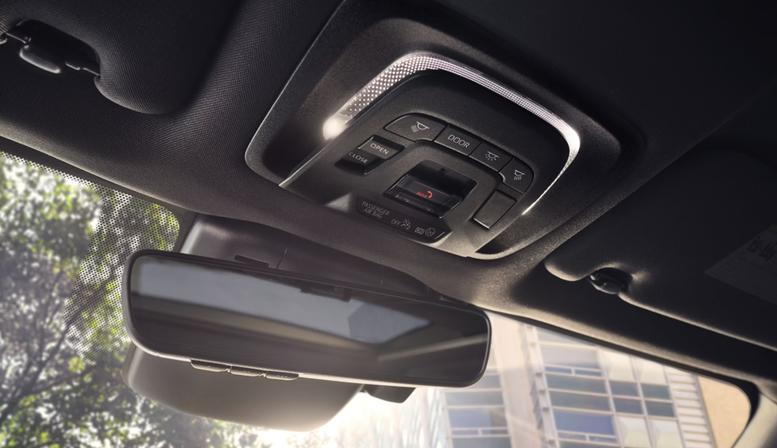
Toyota-SS_50

Toyota Safety Sense 3.0 Explained: Features, Benefits, and Model Availability

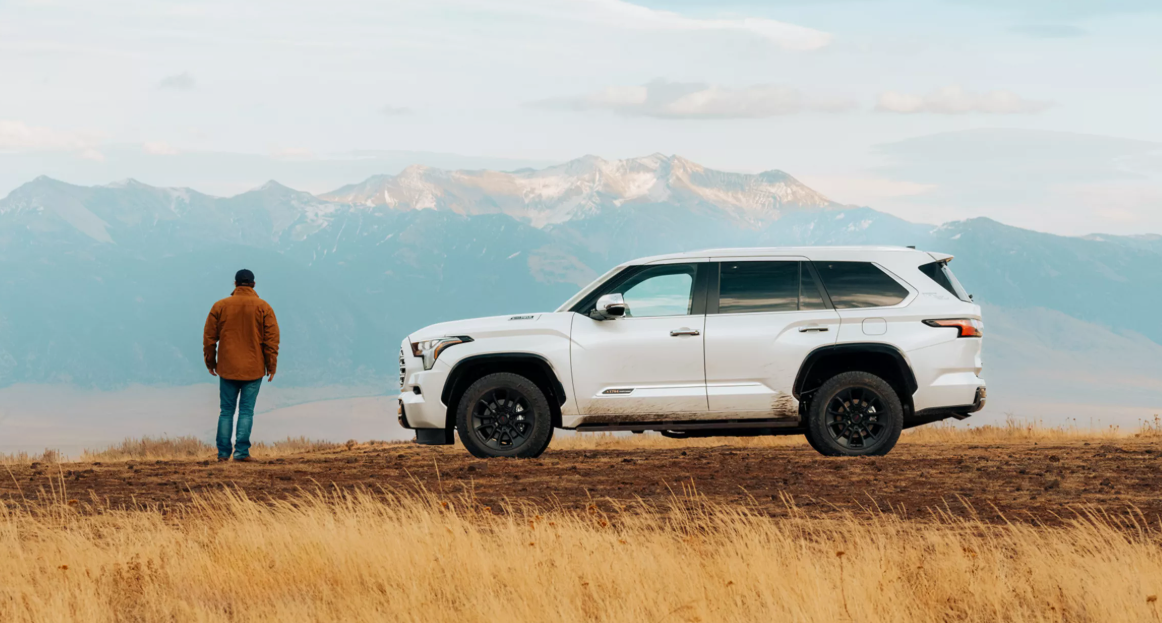
Toyota Safety Sense 3.0 is a current-generation Toyota active safety and driver-assistance suite that may include features such as Pre-Collision System, Lane Departure Alert, Lane Tracing Assist, Dynamic Radar Cruise Control, Road Sign Assist, Automatic High Beams, and Proactive Driving Assist, depending on the Toyota model and configuration. Toyota of Bristol helps shoppers compare those features by exact model, trim, window sticker, and owner’s manual. For a Bristol family comparing Camry, RAV4, Corolla Cross, and Highlander safety tech, we recommend checking the specific vehicle rather than assuming every Toyota has the same Safety Sense version. That model-specific approach matters because Toyota Safety Sense is not one universal feature list across every Toyota ever built. The version, functions, operating conditions, and availability can vary. Our sales team helps local shoppers understand what a system can help with, when driver attention still matters, and how safety tech fits daily driving around Bristol, Kingsport, Johnson City, Abingdon, Blountville, and Elizabethton. This guide explains what TSS 3.0 may include, how the major features support the driver, which features matter most for different routines, and how we help shoppers compare Toyota safety technology before choosing a model. Definition: Toyota Safety Sense 3.0 is a suite of active driver-assistance features designed to support awareness, braking assistance, lane support, cruise control, sign recognition, and low-light driving assistance. For drivers in Bristol and nearby Tri-Cities communities, it provides helpful support during commuting, school traffic, rain, night driving, and longer highway trips. Compare Toyota Safety Features Table of Contents What Is Toyota Safety Sense 3.0? Pre-Collision, Lane Support, Cruise Control, and Road Sign Features Cameras, Radar, and Why Driver Attention Still Matters What TSS 3.0 Can Help With During Daily Driving Toyota Safety Sense 3.0 Features and Benefits Compared Feature-by-Feature Comparison Table Which Safety Features Matter Most for Your Driving Routine How Toyota Safety Sense Helps Bristol Drivers I-81 Commuting, School Traffic, Rain, Night Driving, and Mountain Roads Technology Walkthrough: Which Toyota Models May Offer TSS 3.0? Safety Engineering Detail: Why TSS 3.0 Supports the Driver, But Does Not Replace the Driver Key Takeaways Toyota Safety Sense 3.0 FAQ for Bristol Shoppers What is Toyota Safety Sense 3.0? What features may be included in Toyota Safety Sense 3.0? Do all 2026 Toyota models have Toyota Safety Sense 3.0? Can Toyota Safety Sense 3.0 drive the vehicle for me? Compare Toyota Safety Features at Toyota of Bristol What Is Toyota Safety Sense 3.0? Key Takeaway: Toyota Safety Sense 3.0 is a driver-assistance suite that can support awareness, braking, lane guidance, speed management, sign recognition, and low-light visibility when equipped and used under proper conditions. Pre-Collision, Lane Support, Cruise Control, and Road Sign Features Toyota Safety Sense 3.0 is built around several active safety and driver-assistance functions. Toyota’s official TSS 3.0 material includes Pre-Collision System, Lane Departure Alert, Dynamic Radar Cruise Control, Lane Tracing Assist, Road Sign Assist, Automatic High Beams, and Proactive Driving Assist. Availability can vary by model and trim, so we recommend confirming the exact feature set on the Toyota you are considering. The core idea is driver support. Pre-Collision System can help detect certain vehicles, pedestrians, bicyclists, and motorcyclists under specific conditions. Lane support features can help with lane awareness and steering assistance in certain situations. Dynamic Radar Cruise Control can help maintain a set speed and distance from a vehicle ahead. Road Sign Assist and Automatic High Beams can support awareness in specific driving conditions. Pre-Collision System supports forward-collision warning and braking assistance under certain conditions. Lane Departure Alert can help warn the driver if the vehicle may be leaving its lane. Lane Tracing Assist can help support lane centering when enabled and conditions are met. Dynamic Radar Cruise Control can help manage following distance on compatible roads. Road Sign Assist can help display certain detected road signs. Automatic High Beams can help manage high-beam use during night driving. TSS 3.0 Feature What It Helps With Driver Benefit Best For Pre-Collision System Forward hazard awareness and braking assistance Supports the driver when certain frontal risks are detected Johnson City parent in school traffic Lane Departure Alert Lane awareness Can help warn if the vehicle may leave its lane Bristol commuter on longer highway stretches Lane Tracing Assist Lane-centering support when conditions are met Can reduce driver workload on compatible roads Kingsport driver using I-81 regularly Dynamic Radar Cruise Control Speed and following-distance support Can help maintain distance from a vehicle ahead I-26 and I-81 commuters Road Sign Assist Sign recognition support Can help display certain detected signs Elizabethton older driver on mixed roads Ideal Use Case Driver-assistance support during daily driving Helps the driver stay aware, not replace the driver Safety-focused Toyota shopper Based on Toyota official website. View New Toyota Inventory Cameras, Radar, and Why Driver Attention Still Matters TSS 3.0 features use sensing technology such as a forward-facing camera and radar sensor. Those systems are designed to help read lane markings, vehicles, certain road users, road signs, and traffic conditions depending on the feature. The technology is helpful, but it still has operating limits based on weather, road markings, sensor cleanliness, lighting, traffic movement, and driver input. Our team explains this carefully during test drives because Toyota Safety Sense is not autonomous driving. The driver must stay attentive, keep hands available, watch the road, and respond to changing conditions. For a Blountville first-time Toyota buyer, we recommend viewing TSS 3.0 as added support, not as permission to stop paying attention. What most buyers do not realize is that safety tech depends on the condition around it. A dirty windshield, blocked camera area, heavy rain, faded lane lines, or poor visibility can affect how driver-assistance systems behave. We recommend reading the owner’s manual for the exact Toyota you choose. What TSS 3.0 Can Help With During Daily Driving Daily driving is where Toyota Safety Sense can feel most useful. A Kingsport commuter may care most about Dynamic Radar Cruise Control and Lane Tracing Assist on I-81. A Johnson City parent may care more about Pre-Collision System support in busy school traffic. An Abingdon night driver may pay closer attention to Automatic High Beams on darker rural roads. We recommend comparing features based on your driving routine, not only the technology name. If you do most of your driving on highways, cruise and lane support features may feel more valuable. If your week includes school zones, intersections, and errands, forward detection and sign support may matter more. If you drive at night through Southwest Virginia, lighting assistance may be part of the conversation. Toyota Safety Sense 3.0 Features and Benefits Compared Key Takeaway: The most useful TSS 3.0 feature depends on whether your routine involves highway commuting, school traffic, night driving, unfamiliar roads, or mixed daily errands. Feature-by-Feature Comparison Table We use feature comparisons to help shoppers connect Toyota Safety Sense to real situations. A feature list is useful, but it does not answer the practical question most shoppers ask: which safety features matter most for how I drive? Driving Need Most Relevant TSS 3.0 Feature How It Helps Best For Forward-traffic awareness Pre-Collision System Can warn and assist braking under certain conditions Parents and city drivers Lane awareness Lane Departure Alert Can warn if the vehicle may drift from its lane Daily commuters Highway support Lane Tracing Assist Can support lane centering when enabled and conditions are met I-81 and I-26 drivers Following-distance support Dynamic Radar Cruise Control Can help maintain a set gap from a vehicle ahead Kingsport commuters Sign awareness Road Sign Assist Can display certain detected road signs Elizabethton drivers on mixed routes Ideal Use Case Match feature to routine Choose the Toyota and trim that fit your actual driving Bristol safety-focused shopper Based on Toyota official website. The key difference between Toyota Safety Sense features is the situation they support. We recommend Pre-Collision System as a high-priority feature for shoppers who drive in busy traffic, school zones, or stop-and-go conditions. We recommend Dynamic Radar Cruise Control and Lane Tracing Assist for drivers who spend more time on I-81, I-26, or longer Tri-Cities commutes. The best safety-feature match depends on the driver, the model, and the exact feature availability. Which Safety Features Matter Most for Your Driving Routine For a Kingsport daily commuter using I-81, we recommend prioritizing Dynamic Radar Cruise Control and Lane Tracing Assist where equipped because those features can support speed and lane management on longer highway drives. For a Johnson City parent driving through school zones and busy intersections, we recommend focusing on Pre-Collision System and Road Sign Assist where equipped because forward awareness and sign visibility can be useful in dense traffic. For an Abingdon night driver, we recommend asking about Automatic High Beams because darker rural routes make lighting support more relevant. If you commute on I-81, we recommend comparing Dynamic Radar Cruise Control and Lane Tracing Assist because highway support may matter most. If you drive children through school traffic, we recommend prioritizing Pre-Collision System because forward-traffic support is valuable in busy zones. If you drive rural routes after dark, we recommend checking Automatic High Beams because lighting support may reduce repeated manual switching. If you often drive unfamiliar routes, we recommend reviewing Road Sign Assist because sign recognition can support awareness. If you are a first-time Toyota buyer, we recommend a test drive because the best way to understand safety tech is to see the alerts, displays, and controls in person. Our sales team can help you compare Toyota Safety Sense features by model, trim, and current availability. We can walk you through the vehicle’s window sticker, Toyota model information, owner’s manual references, and test-drive controls so you understand what is actually equipped. Start with our new Toyota inventory at our new Toyota inventory, or call us at 423-764-3155 and tell us which Toyota models you are comparing. We can help shoppers compare Camry, Corolla, RAV4, Corolla Cross, Highlander, Grand Highlander, and other Toyota models without making assumptions. We recommend bringing your daily driving routine into the conversation so the feature comparison stays practical. Schedule a Safety Tech Test Drive How Toyota Safety Sense Helps Bristol Drivers Key Takeaway: Toyota Safety Sense can be especially helpful around Bristol because local drivers mix interstate commuting, school traffic, summer rain, night routes, and Appalachian elevation changes. I-81 Commuting, School Traffic, Rain, Night Driving, and Mountain Roads Bristol-area driving can change quickly. A morning commute may include I-81 traffic, wet roads, lane markings affected by rain, and stop-and-go slowdowns. A family afternoon may include school zones, grocery lots, and traffic near Johnson City or Kingsport. An evening drive toward Abingdon or Southwest Virginia may bring darker roads and changing visibility. For Bristol and Tri-Cities drivers, we recommend comparing Toyota Safety Sense features by real route. A commuter on I-81 may value Dynamic Radar Cruise Control and Lane Tracing Assist more than a driver who stays mostly in town. A Johnson City parent may value Pre-Collision System support during school traffic. An Abingdon night driver may value Automatic High Beams where equipped, especially on darker rural roads. Local Driving Scenario Helpful TSS Feature Why It Helps Best For Bristol I-81 commuting Dynamic Radar Cruise Control Can support speed and following distance under certain conditions Daily commuter Kingsport to Bristol traffic Lane Tracing Assist Can support lane-centering assistance when enabled Highway driver Johnson City school zones Pre-Collision System Can support forward hazard awareness under certain conditions Parent driver Abingdon darker rural roads Automatic High Beams Can assist with high-beam switching in certain night conditions Night driver Elizabethton mixed routes Road Sign Assist Can display certain detected road signs Older driver or new local driver Ideal Use Case Feature match by route Compare safety tech based on where you drive most Tri-Cities Toyota shopper Based on Toyota official website. Compare Bristol Toyota Models We invite shoppers from Bristol, Kingsport, Johnson City, Abingdon, Blountville, and Elizabethton to compare safety technology with us in person. We can help you check exact model availability, review window stickers, discuss owner’s manual guidance, and test the displays and controls during a drive. We also connect safety-tech conversations to ownership support through our Toyota of Bristol Advantage Plan because choosing a Toyota is only one part of the relationship. Visit us at 3045 W State St, Bristol, TN 37620, start at our Toyota of Bristol website, or call 423-764-3155 with the models you are comparing. We will help you match the right safety features to the way you drive around the Tri-Cities. Contact Our Toyota Team Technology Walkthrough: Which Toyota Models May Offer TSS 3.0? Key Takeaway: Toyota Safety Sense 3.0 availability should always be confirmed by exact Toyota model, trim, model year, window sticker, and owner’s manual because feature sets can vary. We do not recommend assuming that every Toyota model or trim has the same Toyota Safety Sense version. Toyota Safety Sense is widely available across many new Toyota vehicles, but the exact version and feature list can vary. The most accurate way to confirm TSS 3.0 is to review the specific vehicle details. For a Bristol family comparing Camry, RAV4, Corolla Cross, Highlander, and Grand Highlander, we recommend checking each exact vehicle instead of relying on a broad model assumption. A feature may be standard on one model, unavailable on another, or tied to a specific trim or model year. Our team can help confirm the feature set before you test drive. Check the Toyota model information for the exact model year. Review the window sticker for the exact vehicle. Ask our team to confirm trim-level safety technology. Read the owner’s manual for operating conditions and limitations. Use the test drive to review displays, alerts, steering wheel controls, and driver settings. For safety-focused shoppers in Bristol, the best answer is exact-vehicle verification. We recommend asking us to confirm TSS 3.0 availability before comparing monthly payments, colors, or accessories because safety technology is often a deciding factor for families and commuters. Safety Engineering Detail: Why TSS 3.0 Supports the Driver, But Does Not Replace the Driver Key Takeaway: Toyota Safety Sense 3.0 is driver-assistance technology, not self-driving technology, so the driver remains responsible for steering, braking, awareness, and safe vehicle control. Toyota Safety Sense features are designed to support the driver under certain conditions. They are not designed to take over the full driving task. Weather, lane markings, sensor visibility, speed, road shape, traffic movement, sunlight, darkness, dirt, and camera or radar obstruction can all affect system performance. For a Blountville first-time Toyota buyer, we recommend reading the owner’s manual and asking us to demonstrate the system during a test drive. For an Elizabethton older driver who wants extra confidence with sign recognition and following distance, we recommend choosing the Toyota that provides the right mix of safety features without assuming the vehicle will drive itself. Keep the windshield and camera area clean. Keep the radar area clear of dirt, snow, stickers, and obstruction. Watch road markings closely during rain, glare, construction, or faded-lane conditions. Use driver-assistance features only as described in the owner’s manual. Schedule service if warning messages appear or a sensor area is damaged. Our service center can help if a Toyota displays safety-system warnings or if a windshield, bumper, camera, or radar area has been repaired. We recommend scheduling service rather than ignoring warning messages, especially before long highway trips or family travel. Schedule Safety System Support Key Takeaways Toyota Safety Sense 3.0 may include Pre-Collision System, lane support, cruise control, sign recognition, lighting assistance, and Proactive Driving Assist depending on model and configuration. Feature availability should be checked by exact Toyota model, trim, model year, window sticker, and owner’s manual. I-81 commuters may value Dynamic Radar Cruise Control and Lane Tracing Assist where equipped. Families in school traffic may prioritize Pre-Collision System and Road Sign Assist where equipped. TSS 3.0 supports attentive driving, but it does not replace the driver. Toyota Safety Sense 3.0 FAQ for Bristol Shoppers What is Toyota Safety Sense 3.0? Toyota Safety Sense 3.0 is a Toyota active safety and driver-assistance suite that may include features such as Pre-Collision System, Lane Departure Alert, Lane Tracing Assist, Dynamic Radar Cruise Control, Road Sign Assist, Automatic High Beams, and Proactive Driving Assist. We recommend confirming the exact feature set on the Toyota model and trim you are considering because availability can vary by vehicle. What features may be included in Toyota Safety Sense 3.0? Toyota Safety Sense 3.0 may include Pre-Collision System, Lane Departure Alert, Lane Tracing Assist, Dynamic Radar Cruise Control, Road Sign Assist, Automatic High Beams, and Proactive Driving Assist, depending on model and configuration. For a Kingsport commuter, we would focus on cruise and lane-support features where equipped. For a Johnson City parent, we would focus more on forward-awareness and sign-support features where equipped. Do all 2026 Toyota models have Toyota Safety Sense 3.0? Not every Toyota model, trim, or model year should be assumed to have the same Toyota Safety Sense version or feature list. Toyota describes Safety Sense as active safety technology available on many new Toyota vehicles, but exact availability should be confirmed by model, trim, window sticker, and owner’s manual. Our team can help Bristol shoppers confirm the safety technology on the exact Toyota they want to compare. Can Toyota Safety Sense 3.0 drive the vehicle for me? Toyota Safety Sense 3.0 cannot replace the driver. It is driver-assistance technology that supports awareness, lane guidance, speed management, and braking assistance under certain conditions when equipped. We recommend staying attentive, keeping hands available, watching the road, and reading the owner’s manual for system limitations before relying on any safety feature. Compare Toyota Safety Features at Toyota of Bristol We are here to help you compare Toyota Safety Sense features with confidence before you choose your next vehicle. Visit us at 3045 W State St, Bristol, TN 37620, or call 423-764-3155 so we can review model availability, trims, window stickers, and test-drive controls with you. We serve shoppers from Bristol, Kingsport, Johnson City, Abingdon, Blountville, Elizabethton, and nearby Tri-Cities communities. Our Toyota of Bristol Advantage Plan helps support ownership after the sale, and our service center can help with safety-system questions when warning messages or sensor concerns appear. Start with our inventory, then let us help you match the right Toyota safety technology to your daily driving routine. Find a Toyota With Safety Tech Related Articles Keep reading more Toyota safety guides, service tips, and model comparisons from Toyota of Bristol. Safety Guide Is a Cracked Windshield Dangerous? Here’s Why You Shouldn’t Ignore It See why windshield damage can affect visibility, vehicle structure, and Toyota safety-system confidence. Read More Model Guide 2026 Toyota Corolla in Bristol, TN: Our Complete Guide Compare Corolla trims, efficiency, technology, safety features, and daily-driving fit for Bristol-area shoppers. Read More EV Guide The All-New 2026 Toyota C-HR: A Fully Electric Crossover in Bristol, TN Get a local look at Toyota EV range, charging, tech, safety, and ownership fit for Bristol-area drivers. Read More
Toyota A/C Service

Toyota A/C Service in Bristol, TN: Summer Cooling Guide

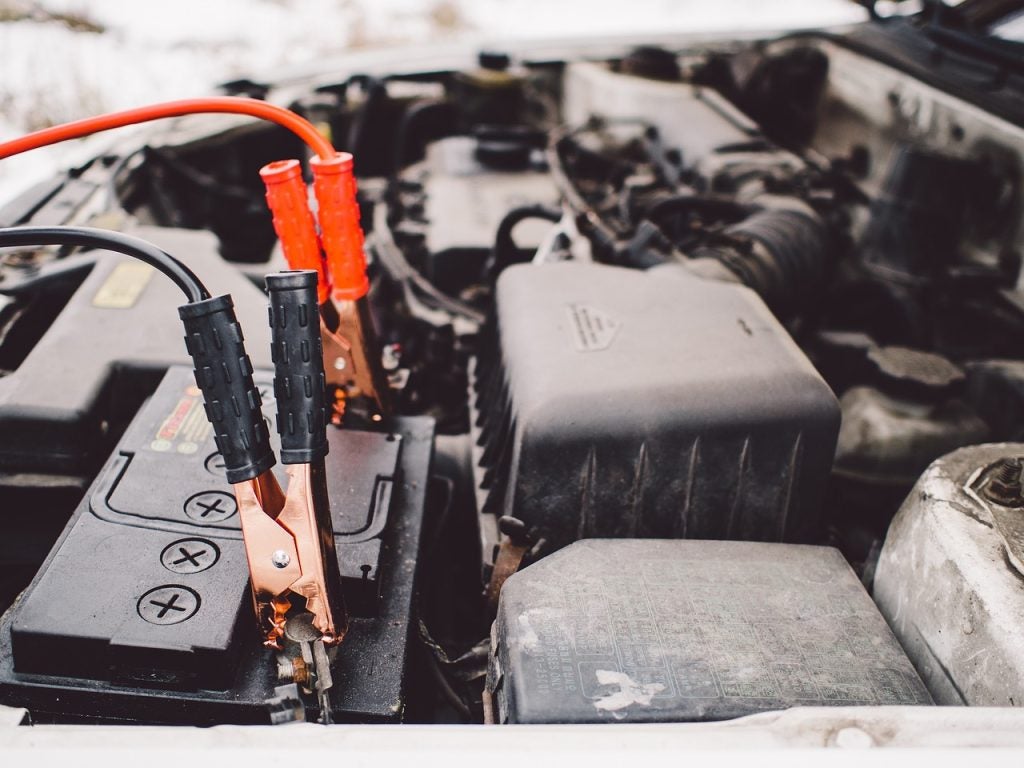
Toyota A/C service in Bristol, TN is recommended when your Toyota blows warm air, has weak airflow, produces musty odors, makes unusual noises, or struggles to cool the cabin during summer humidity. Toyota of Bristol helps local drivers identify whether the issue may involve airflow, cabin filtration, refrigerant performance, electrical controls, or another HVAC concern. For a Bristol commuter whose A/C feels weak after the vehicle sits in afternoon heat, we recommend scheduling an A/C diagnosis instead of guessing at parts. Summer comfort matters here because Bristol drivers deal with humid afternoons, I-81 traffic, family errands, and road trips across the Tri-Cities. A Toyota that cools well in the morning may feel different after sitting in a parking lot at school pickup, work, or a weekend event. Our service team looks at the full pattern: when the symptom happens, whether the airflow changes by vent setting, whether there is an odor, and whether the cabin air filter is restricting flow. This guide explains A/C warning signs, cabin air filter checks, summer service timing, and how we help drivers from Bristol, Kingsport, Johnson City, Abingdon, Blountville, and Elizabethton prepare their Toyota for warm-weather driving. Definition: Toyota A/C service is an inspection and diagnostic process for cabin cooling, airflow, filtration, and related HVAC components. It is designed to help restore comfortable cabin temperatures, cleaner airflow, and dependable cooling for drivers in Bristol and nearby Tri-Cities communities. Schedule Toyota A/C Service Table of Contents Signs Your Toyota A/C May Need Service Weak Airflow, Warm Air, Odors, and Noises What A/C Symptoms Tell Us During a Service Visit When a Cabin Air Filter Helps and When It Does Not Cabin Air Filter and Cooling System Checks Cabin Filter vs Cooling System Diagnosis Which Toyota A/C Service Step Fits Your Situation When to Schedule Toyota A/C Service in Bristol, TN Summer Humidity, I-81 Trips, Short Commutes, and Family Travel Local Driving Insight: Why Summer A/C Issues Feel Different in the Tri-Cities Ownership Cost Analysis: How Early A/C Checks Help Avoid Guesswork Key Takeaways Toyota A/C Service FAQ for Bristol Drivers Why is my Toyota A/C blowing warm air? Can a dirty cabin air filter make Toyota A/C weak? When should I schedule Toyota A/C service before a summer trip? Does Toyota of Bristol handle A/C and cabin filter service? Book Toyota Service at Toyota of Bristol Signs Your Toyota A/C May Need Service Key Takeaway: Weak airflow, warm air, odor, noise, or inconsistent cooling are the clearest signs that your Toyota A/C system should be inspected before summer driving gets harder on the cabin. Weak Airflow, Warm Air, Odors, and Noises The first warning sign is weak airflow. If the fan is set high but the air barely moves through the vents, we recommend checking the cabin air filter and blower performance. A clogged cabin air filter can restrict the air you feel from the vents, especially in pollen-heavy months or after driving dusty roads. It may not be the only issue, but it is a practical place to begin. Warm air is different. If the fan blows strongly but the air never becomes cold, our service team looks beyond the filter and checks cooling-system performance. That may include refrigerant-related concerns, compressor operation, electrical controls, or another HVAC component. A Bristol commuter who notices warm air after the vehicle sits in afternoon heat should tell us whether the A/C cools after several minutes or stays warm the whole drive. Odors and noises also matter. A musty smell can point us toward the cabin filter or moisture-related odor inside the HVAC system. Clicking, rattling, squealing, or sudden changes in fan behavior should be inspected rather than ignored. Weak airflow can point toward a cabin filter, blower, or ducting concern. Warm air can point toward A/C performance, refrigerant, compressor, or control issues. Musty odors can point toward cabin filtration or moisture-related HVAC odor. Unusual noises can point toward fan, pulley, belt, or component concerns. Intermittent cooling should be diagnosed with the timing and driving pattern noted. A/C Symptom What the Driver Feels Possible Service Direction Best For Weak airflow Fan sounds active, but vents feel low Cabin air filter and blower airflow check Kingsport parent during school pickup Warm air Air moves, but it does not cool the cabin A/C performance diagnosis Bristol commuter after afternoon parking Musty odor Smell appears when A/C starts Cabin filter and HVAC odor review Abingdon driver after humid mornings Noise when A/C is on Clicking, rattling, squealing, or grinding Component and fan inspection Blountville older Toyota owner Intermittent cooling Cold air comes and goes System diagnosis with symptom timing Johnson City road-trip family No cooling at all Cabin stays hot even on max A/C Prompt A/C inspection Any Toyota owner preparing for summer travel What A/C Symptoms Tell Us During a Service Visit A/C service works better when the technician knows what happened before the appointment. We recommend telling us whether the A/C is weak all the time, only at idle, only after the vehicle sits in heat, or only during longer drives. Those details help us avoid guessing. They also help us separate an airflow concern from a cooling concern. For a Johnson City road-trip family, intermittent cooling deserves special attention before I-26 or I-81 travel. A system that cools for ten minutes and then fades may not be solved by a cabin filter alone. For a Bristol commuter, warm air that improves after highway speed may tell a different story than warm air that never improves at all. Based on our experience at Toyota of Bristol, the best A/C appointment starts with a clear symptom pattern. We recommend noting the outside temperature, fan setting, vent mode, odor, noise, and whether the issue happens at idle or while moving. That gives our technicians better information from the start. Visit Our Toyota Service Center When a Cabin Air Filter Helps and When It Does Not A cabin air filter is important, but it is not a cure for every A/C symptom. The filter helps clean air entering the cabin and can affect airflow when it becomes clogged with dust, pollen, leaves, or debris. In the Tri-Cities, pollen and seasonal debris can build up faster than some drivers expect, especially if the vehicle parks under trees or travels dusty roads. A cabin filter can help when the main complaint is weak airflow, dusty air, or odor. It usually will not solve a Toyota that blows warm air with strong fan speed. That is why we recommend an inspection instead of assuming the lowest-effort fix will solve every cooling concern. For an Abingdon driver who notices a musty odor after rain, a cabin filter check is a smart first step. For a Bristol driver whose Toyota never cools after sitting in heat, we recommend a broader A/C diagnosis. Cabin Air Filter and Cooling System Checks Key Takeaway: A cabin air filter check helps with airflow and air quality, while A/C diagnosis is needed when the Toyota has warm air, inconsistent cooling, noises, or system-performance concerns. Cabin Filter vs Cooling System Diagnosis The cabin air filter and the A/C cooling system work together for comfort, but they are not the same repair path. We recommend thinking of the cabin filter as the airflow and air-cleanliness check. We recommend thinking of A/C diagnosis as the cooling-performance check. A Toyota can need one, the other, or both. Service Question Cabin Air Filter Check A/C System Diagnosis Why It Matters Main purpose Supports cleaner airflow into the cabin Checks why cooling performance is weak Helps avoid treating every A/C issue the same way Best symptom match Weak airflow, odor, dusty cabin air Warm air, intermittent cooling, system noises Symptom type guides the first service step Driver example Kingsport parent with low vent airflow Bristol commuter with warm air after parking Different drivers need different checks What it cannot confirm alone Refrigerant or compressor performance Filter cleanliness unless inspected Both may need review in one visit Timing Good during seasonal maintenance Best when cooling symptoms appear Summer prep can catch issues early Ideal Use Case Odor, pollen, or airflow concern Warm air or inconsistent cooling Choose based on the actual symptom Based on Toyota official website. The key difference is simple: a dirty cabin air filter can restrict airflow, but it does not diagnose the whole A/C system. We recommend a cabin filter check for airflow or odor concerns, and we recommend A/C diagnosis for warm air, noise, or cooling that changes during the drive. For Bristol-area drivers, the best service path starts with the symptom, not a guess. Which Toyota A/C Service Step Fits Your Situation For a Bristol commuter whose Toyota blows warm air after sitting in a hot parking lot, we recommend an A/C performance diagnosis because the issue may go beyond airflow. For a Kingsport parent with weak vent output during school pickup, we recommend a cabin air filter inspection plus an airflow check because restricted airflow can make the cabin feel hotter even when the cooling system is working. For a Johnson City family heading out on a summer road trip, we recommend a seasonal inspection before travel because cooling issues are easier to handle before luggage and passengers are loaded. If your Toyota has weak airflow, we recommend a cabin air filter and blower airflow check because vent output matters before cooling can feel effective. If your Toyota blows warm air, we recommend A/C diagnosis because refrigerant, compressor, control, or other system concerns may be involved. If your Toyota smells musty, we recommend a filter and HVAC odor review because moisture and debris can affect cabin comfort. If your Toyota cools inconsistently, we recommend noting when the issue appears because timing helps our technicians diagnose it. If you have a summer trip planned, we recommend service before departure because cooling issues are harder to manage on the road. Our service team can check airflow, cabin filter condition, cooling performance, odors, and noises in one appointment. We can also help you bundle A/C concerns with other summer service needs, such as tire pressure, battery health, wiper condition, and multi-point inspection. Start with our online scheduler at https://www.toyotaofbristol.com/schedule-service.html, or call us at 423-764-3155 and describe the symptom you are feeling. We recommend telling us whether the A/C is weak at idle, after parking, during highway driving, or only after rain. That detail helps us prepare for the visit and gives our technicians a clearer starting point. Book an A/C Inspection When to Schedule Toyota A/C Service in Bristol, TN Key Takeaway: Toyota A/C service is best scheduled before heat, humidity, road trips, and family travel turn a small cooling complaint into a stressful summer drive. Summer Humidity, I-81 Trips, Short Commutes, and Family Travel Summer in Bristol can make a small A/C concern feel bigger quickly. A Toyota that seems fine on a cool morning may struggle after sitting in the afternoon sun. Short trips can also make the issue feel inconsistent because the cabin may not have enough time to cool fully before the next stop. Families traveling between Bristol, Kingsport, Johnson City, and Abingdon feel this faster because passengers in every row notice the cabin temperature. For Toyota owners in Bristol and the Tri-Cities, we recommend A/C service when cooling changes with humidity, traffic, parking-lot heat, or longer I-81 drives. A system that feels weak during summer errands may become much more noticeable on a loaded family road trip, especially when kids, pets, groceries, or luggage are in the cabin. Local Driving Condition A/C Stress Point Driver Profile Recommended Service Step Bristol afternoon parking Hot cabin after vehicle sits in sun Daily commuter Check cooling performance if warm air continues Kingsport school pickup Stop-and-go heat and low airflow Parent driver Cabin filter and airflow inspection Johnson City summer road trip Longer drives with passengers and luggage Family traveler Pre-trip A/C and multi-point inspection Abingdon humid mornings Musty odor and moisture-related comfort issues Mountain-route commuter Cabin filter and HVAC odor review Blountville errands Repeated short drives with hot restarts Older Toyota owner Symptom-based A/C diagnosis Elizabethton weekend travel Heat builds up before longer drives Budget-conscious owner Early inspection to avoid guessing at parts We invite drivers from Bristol, Kingsport, Johnson City, Abingdon, Blountville, and Elizabethton to schedule service before summer cooling concerns become part of every drive. We can inspect cabin airflow, filter condition, A/C performance, and related comfort concerns at our service center. We also help Toyota owners keep maintenance records clear through ToyotaCare when applicable and through our Toyota of Bristol Advantage Plan ownership support. Visit us at 3045 W State St, Bristol, TN 37620, start at https://www.toyotaofbristol.com/service-center.html, or call 423-764-3155 with your A/C symptoms. We will help you choose the right service step based on what your Toyota is actually doing. Plan Summer Toyota Service Local Driving Insight: Why Summer A/C Issues Feel Different in the Tri-Cities Key Takeaway: Bristol-area A/C symptoms often feel worse because humidity, pollen, parked-vehicle heat, rain, and mountain-route driving all affect cabin comfort differently. A Toyota A/C system does not operate in a vacuum. Local conditions change how quickly a driver notices a problem. Humidity can make a cabin feel heavy even after air begins moving. Pollen can clog cabin filters faster. Rain and moisture can make musty odors more noticeable when the blower starts. Parking in direct sun can heat the dashboard, seats, glass, and vents before the drive even begins. For a Blountville older Toyota owner who hears a noise only when the fan is high, we recommend service because noise is a clue, not a comfort preference. For an Abingdon driver who notices odor after damp mornings, we recommend a cabin filter check and odor discussion. For a Bristol commuter who feels poor cooling at idle but better cooling at highway speed, we recommend reporting that exact pattern. The most useful thing you can bring to an A/C appointment is a specific description. Tell us whether the symptom is warm air, weak airflow, odor, noise, or inconsistent cooling. Tell us when it happens. Tell us if the issue changed after pollen season, a long trip, or parking in heat. Those details help our team work smarter from the first inspection. Ownership Cost Analysis: How Early A/C Checks Help Avoid Guesswork Key Takeaway: Early A/C service helps Toyota owners avoid guessing at filters, parts, or repairs by matching the service path to the actual symptom. We are intentionally not giving exact A/C repair pricing here because the right cost depends on what our technicians find. A weak airflow complaint, a clogged cabin filter, warm air, a noise, and intermittent cooling can all lead to different service paths. The better approach is to diagnose first, then decide what the Toyota needs. For an Elizabethton budget-conscious owner, we recommend early service because waiting can make the issue harder to describe and more frustrating to solve. A cabin filter check is straightforward, but a true cooling concern deserves proper diagnosis. Guessing at parts can cost more time than a focused appointment. If the symptom is weak airflow, we recommend starting with cabin filter and airflow checks. If the symptom is warm air, we recommend A/C performance diagnosis. If the symptom is odor, we recommend a filter and HVAC moisture discussion. If the symptom is noise, we recommend service before the sound becomes louder. If the symptom appears before a trip, we recommend scheduling before travel day. We also recommend keeping service records clear. ToyotaCare can support factory-recommended maintenance for eligible vehicles, and our service team can document A/C concerns, filter replacement, and related inspections. That record helps the next visit start with better information. Review ToyotaCare Support Key Takeaways Weak airflow, warm air, odors, noises, and intermittent cooling are the main signs your Toyota A/C should be inspected. A cabin air filter can affect airflow and cabin air quality, but it does not diagnose every A/C concern. Bristol humidity, I-81 travel, pollen, and parking-lot heat can make A/C symptoms more noticeable. Service before a summer road trip helps reduce cooling stress during family travel. Symptom notes help our technicians match the service path to the real issue. Toyota A/C Service FAQ for Bristol Drivers Why is my Toyota A/C blowing warm air? A Toyota A/C system can blow warm air for several reasons, including cooling-system performance concerns, control issues, compressor-related concerns, or other HVAC problems. We recommend service diagnosis when airflow is strong but the cabin does not cool. For a Bristol commuter whose A/C stays warm after parking in afternoon heat, we would ask when the problem starts, whether cooling improves while driving, and whether any noises appear. Can a dirty cabin air filter make Toyota A/C weak? A dirty cabin air filter can make Toyota A/C feel weak if airflow through the vents is restricted. It can also contribute to dusty air or musty odors inside the cabin. It usually does not explain every warm-air complaint, especially if the fan blows strongly but the air never becomes cold. Our service team recommends a cabin filter check for airflow or odor concerns and a broader A/C diagnosis for true cooling issues. When should I schedule Toyota A/C service before a summer trip? We recommend scheduling Toyota A/C service before a summer road trip if the system has weak airflow, delayed cooling, warm air, odor, noise, or inconsistent performance. A Johnson City family heading onto I-26 or I-81 with kids, luggage, and summer heat should not wait until travel day to test the cabin cooling. A pre-trip appointment can also include tires, battery, wipers, and a multi-point inspection. Does Toyota of Bristol handle A/C and cabin filter service? Our service center can inspect Toyota A/C symptoms, cabin airflow, cabin air filter condition, odors, noises, and related summer service needs. We recommend scheduling online or calling 423-764-3155 with the symptom details before the appointment. We serve Bristol, Kingsport, Johnson City, Abingdon, Blountville, Elizabethton, and nearby Tri-Cities drivers. Book Toyota Service at Toyota of Bristol We are here to help your Toyota feel ready for Bristol summer driving, humid afternoons, family errands, and road trips across the Tri-Cities. Visit us at 3045 W State St, Bristol, TN 37620, or call 423-764-3155 so our service team can review your A/C symptoms and recommend the right next step. We support drivers from Bristol, Kingsport, Johnson City, Abingdon, Blountville, and Elizabethton. Our Toyota of Bristol Advantage Plan and ToyotaCare support help keep ownership straightforward after the sale. Schedule service online when your Toyota has weak airflow, warm air, odor, noise, or inconsistent cooling. Schedule Toyota Service Now Related Articles Keep reading more Toyota service guides, safety tips, and seasonal ownership advice from Toyota of Bristol. Service Guide A Step-by-Step Toyota Jumpstart Guide Use this Toyota battery guide for safe jumpstart steps, hybrid 12V reminders, and service advice after a no-start. Read More Safety Guide Is a Cracked Windshield Dangerous? Here’s Why You Shouldn’t Ignore It See why windshield damage can affect visibility, vehicle structure, and Toyota safety-system confidence. Read More Seasonal Service Spring Car Cleaning and Service Tips in Bristol Freshen your Toyota with filter checks, glass cleaning, tire rotation reminders, and simple seasonal service tips. Read More Ownership Support ToyotaCare Benefits at Toyota of Bristol Review ToyotaCare maintenance support, roadside assistance, and how Toyota-trained technicians support your ownership plan. Read More

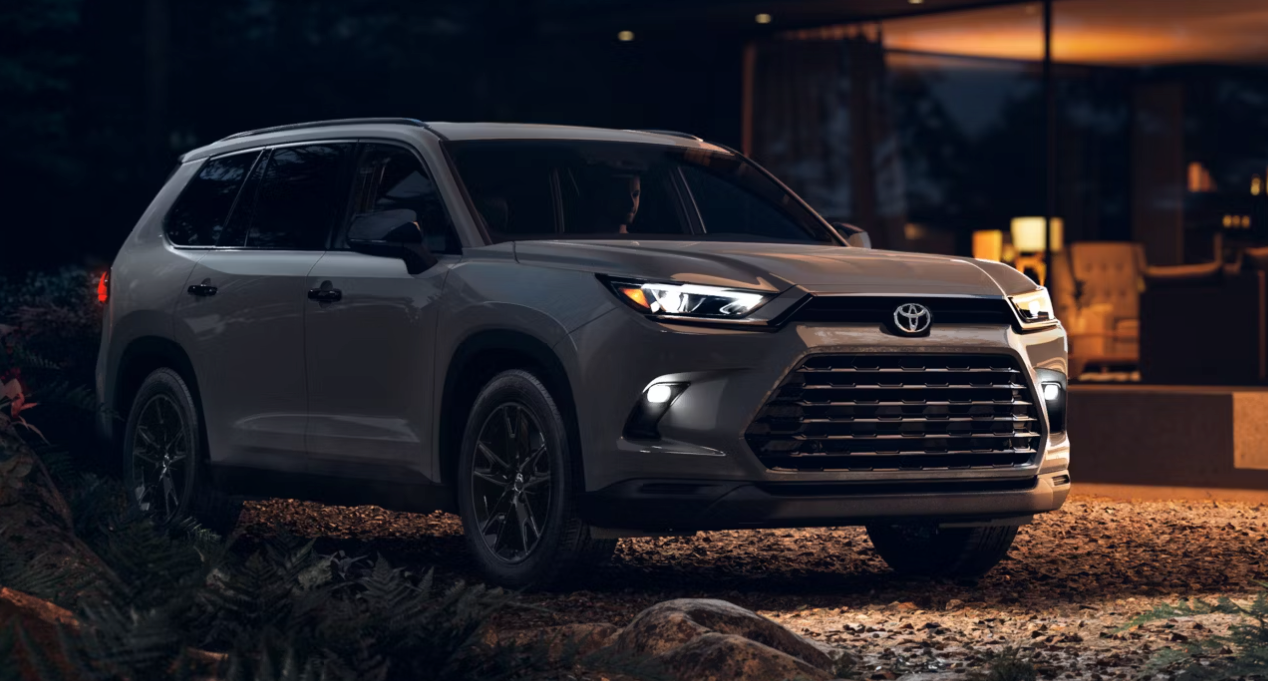
2026 toyota land cruiser

Best 2026 Toyota SUVs for Off-Road Adventures Near Bristol, TN

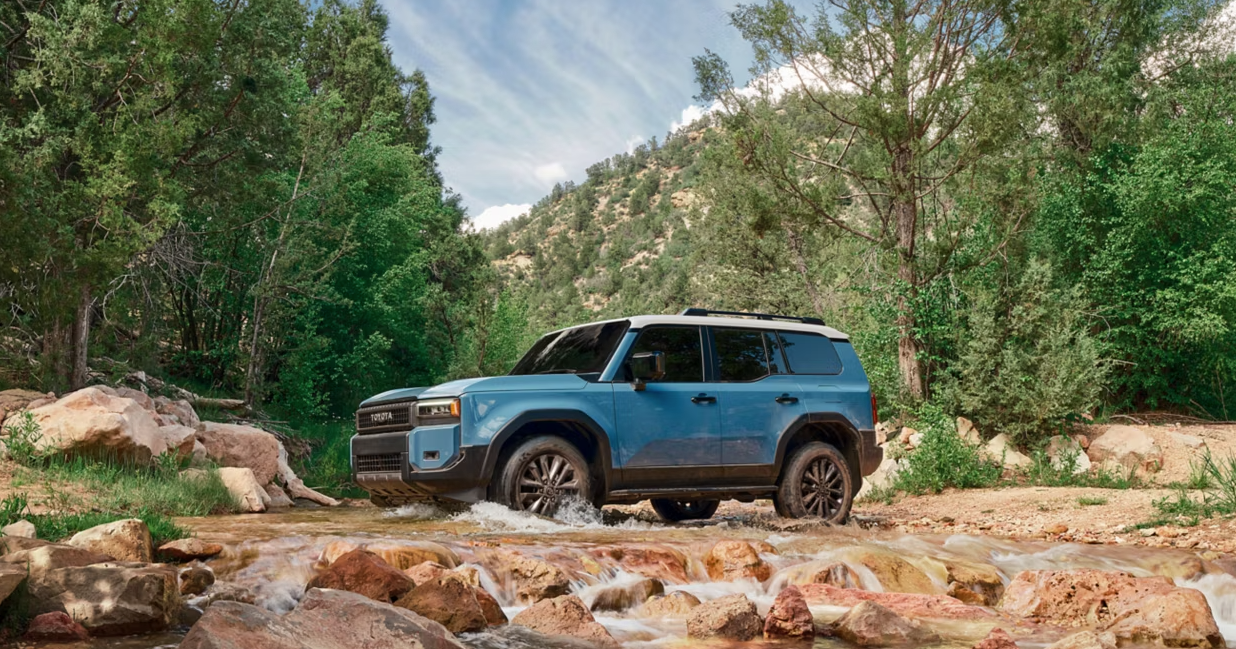
Toyota of Bristol can answer the adventure question clearly: the strongest 2026 Toyota choices for off-road driving near Bristol are the 2026 4Runner TRD Pro or Trailhunter for serious trail use, the 2026 Land Cruiser for full-time 4WD adventure comfort, and the 2026 Tacoma TRD Off-Road or TRD Pro for drivers who need a truck bed with trail capability. For a Bristol outdoor driver heading toward South Holston Lake, Appalachian gravel access roads, or weekend campsites, we recommend choosing the Toyota based on terrain, gear, passengers, and how often the vehicle will also handle daily driving. The best answer is not always the most specialized trim. A Johnson City camper may want a 4Runner Trailhunter because overlanding equipment matters. An Abingdon driver may prefer Land Cruiser because full-time 4WD and road-trip comfort fit mountain-weather driving. A Blountville homeowner who hauls bikes, tools, mulch, and muddy gear may be better served by Tacoma because the truck bed is the point. This guide compares 4Runner, Land Cruiser, and Tacoma for Bristol, Kingsport, Johnson City, Abingdon, Blountville, and Elizabethton drivers who want real capability without buying more off-road hardware than they need. Definition: Off-road Toyota SUVs are adventure-oriented Toyota vehicles built with traction systems, ground clearance, trail-control features, and rough-road hardware for loose surfaces, uneven roads, and outdoor travel. For Bristol-area drivers, they help support camping, gravel access roads, mountain weather, and weekend recreation. Check Toyota Adventure Inventory Table of Contents 2026 4Runner, Land Cruiser, and Tacoma Off-Road Capability Compared 2026 4Runner TRD Pro and Trailhunter: Built for Appalachian Trails 2026 Land Cruiser: Full-Time 4WD and Hybrid Adventure Power 2026 Tacoma TRD Off-Road: Trail Capability With a Truck Bed Which 2026 Toyota Off-Road Model Should You Choose? 4Runner vs Land Cruiser vs Tacoma Decision Table Use-Case Recommendations for Camping, Gravel Roads, Towing, and Daily Driving Why These Toyota Models Fit Bristol, Kingsport, Johnson City, and Abingdon Adventures Local Roads, Trailheads, Lake Trips, Mountain Weather, and Weekend Gear Technical Deep Dive: When TRD Pro or Trailhunter Is Actually Worth It Ownership Cost Analysis: Off-Road Toyota Maintenance After Weekend Adventures Key Takeaways 2026 Toyota Off-Road SUV FAQ for Bristol Adventure Drivers What is the best 2026 Toyota SUV for off-road adventures? Is the 2026 4Runner better than the Land Cruiser off-road? Should I choose Tacoma instead of an SUV for camping? Do I need TRD Pro for gravel roads near Bristol? Find Your Off-Road Toyota at Toyota of Bristol 2026 4Runner, Land Cruiser, and Tacoma Off-Road Capability Compared Key Takeaway: The 2026 4Runner is the most flexible Toyota SUV for trail-focused shoppers, Land Cruiser is the best comfort-focused full-time 4WD choice, and Tacoma is the better fit when outdoor gear needs a truck bed. 2026 4Runner TRD Pro and Trailhunter: Built for Appalachian Trails The 2026 4Runner is the Toyota SUV we recommend first for shoppers who want a dedicated off-road SUV with multiple ways to configure capability. Toyota lists 4Runner ground clearance at up to 10.1 inches, and the lineup includes trail-focused grades such as TRD Off-Road, TRD Pro, and Trailhunter. The i-FORCE MAX hybrid powertrain is standard on TRD Pro, Trailhunter, and Platinum, giving those versions strong torque delivery for technical driving and loaded weekend trips. For a Johnson City camper who wants cargo space, roof-rack flexibility, and serious trail hardware, we recommend 4Runner Trailhunter or TRD Pro because those trims are built around outdoor use rather than appearance alone. For a Bristol outdoor driver heading to South Holston Lake or gravel access roads, we may recommend TRD Off-Road or TRD Off-Road Premium if the goal is confidence on rough roads without paying for the most specialized equipment. Choose 4Runner TRD Off-Road for strong trail capability and better everyday balance. Choose 4Runner TRD Pro when suspension performance and aggressive off-road hardware matter. Choose 4Runner Trailhunter when overlanding equipment and self-sufficient adventure setup matter. Choose 4Runner Limited or Platinum when comfort matters more than difficult trail use. Model Primary Off-Road Strength Powertrain Context Trail Hardware Focus Best For 2026 4Runner Trail-focused SUV flexibility i-FORCE or available i-FORCE MAX on select trims TRD Off-Road, TRD Pro, Trailhunter choices Drivers who want a dedicated adventure SUV 2026 Land Cruiser Full-time 4WD and comfort i-FORCE MAX hybrid with 326 hp Full-time 4WD, 2-speed transfer case, trail tech Drivers who want trail confidence and road-trip comfort 2026 Tacoma Truck-bed utility with off-road trims i-FORCE or available i-FORCE MAX on select trims TRD Off-Road and TRD Pro hardware Drivers hauling bikes, tools, muddy gear, and camping equipment Ground Clearance Focus 4Runner leads the SUV trail conversation Trim-dependent Up to 10.1 in. on 4Runner Rough trail access and uneven surfaces Towing Focus Land Cruiser supports adventure towing 326-hp i-FORCE MAX hybrid Up to 6,000-lb towing Small camper or gear trailer users Ideal Use Case Match vehicle to terrain and gear Hybrid torque can help in loaded use Choose hardware based on real trail difficulty Bristol-area weekend adventure drivers Based on Toyota official website. 2026 Land Cruiser: Full-Time 4WD and Hybrid Adventure Power The 2026 Land Cruiser is the Toyota we recommend for drivers who want off-road credibility with a more composed road-trip personality. Toyota lists Land Cruiser with a full-time 4WD system, electronically controlled 2-speed transfer case, 326-hp i-FORCE MAX hybrid powertrain, and up to 6,000 pounds of towing capacity. That combination works well for Abingdon mountain-road drivers who want traction confidence year-round and still want a comfortable cabin for long drives. For a Kingsport daily driver with weekend trail plans, Land Cruiser can make more sense than the most aggressive 4Runner trim. It gives rugged capability, but it does not push every buyer into the most specialized trail setup. We recommend it for drivers who split time between commuting, family travel, gravel roads, and occasional outdoor weekends. Compare Land Cruiser Details 2026 Tacoma TRD Off-Road: Trail Capability With a Truck Bed Tacoma belongs in this conversation because many outdoor drivers need a truck more than they need an SUV. A Blountville homeowner who hauls bikes, tools, mulch, wet gear, and camping equipment may be better served by Tacoma TRD Off-Road than by an enclosed SUV. The truck bed changes what the vehicle can do after the trail ride is over. The Tacoma lineup includes trims built for off-road shoppers, including TRD Off-Road and TRD Pro, and Toyota positions Tacoma as a truck for work, play, and adventure. Available i-FORCE MAX hybrid power in Tacoma delivers 326 horsepower and 465 lb-ft of torque on equipped models, based on Toyota’s current Tacoma powertrain family. For a driver who wants to tow, haul, and keep muddy gear out of the cabin, Tacoma is often the cleanest answer. Which 2026 Toyota Off-Road Model Should You Choose? Key Takeaway: We recommend 4Runner for SUV-based trail use, Land Cruiser for full-time 4WD comfort, and Tacoma when cargo-bed utility matters more than enclosed SUV space. 4Runner vs Land Cruiser vs Tacoma Decision Table Choosing between these Toyota adventure models should start with the job. If the hardest job is trail driving with passengers and enclosed cargo, 4Runner is the natural place to start. If the hardest job is balancing daily driving, traction confidence, comfort, and weekend adventure, Land Cruiser deserves a close look. If the hardest job is carrying dirty gear, tools, bikes, and outdoor equipment, Tacoma should be on the list. Buying Question 2026 4Runner 2026 Land Cruiser 2026 Tacoma Best core identity Trail-ready SUV Comfortable full-time 4WD adventure SUV Off-road truck with bed utility Best for camping Strong fit, especially Trailhunter Strong fit for comfortable trips Best if gear is dirty, bulky, or bed-friendly Best for daily driving Good, trim-dependent Strongest comfort balance Good if a pickup fits your routine Best for rougher trails TRD Pro or Trailhunter Capable, but comfort-focused TRD Off-Road or TRD Pro Best for hauling gear Enclosed cargo space Enclosed cargo space Open bed is the advantage Ideal Use Case Johnson City camper or Bristol trail driver Abingdon driver wanting traction and comfort Blountville homeowner and outdoor hauler Based on Toyota official website. The key difference between these choices is lifestyle fit. We recommend 4Runner when trail capability is the center of the purchase. We recommend Land Cruiser when the driver wants trail confidence but also values long-drive comfort, full-time 4WD, and a refined daily feel. We recommend Tacoma when the bed solves problems an SUV cannot solve. Use-Case Recommendations for Camping, Gravel Roads, Towing, and Daily Driving For a Bristol outdoor driver who spends summer weekends near South Holston Lake and drives gravel access roads, we recommend 4Runner TRD Off-Road or TRD Off-Road Premium because it gives useful trail capability without forcing the highest trim price. For a Johnson City camper who wants a vehicle built around gear, sleeping setups, and extended weekends, we recommend 4Runner Trailhunter because the overlanding focus has a real purpose. For a Kingsport daily driver who wants one Toyota for commuting and weekend trails, we recommend Land Cruiser if comfort, full-time 4WD, and road manners matter most. For a Blountville homeowner who hauls bikes, mulch, tools, and muddy camping gear, we recommend Tacoma TRD Off-Road because the bed is more useful than folding SUV seats. If you camp often, we recommend 4Runner Trailhunter because overlanding hardware can support longer outdoor trips. If you drive gravel roads but commute daily, we recommend Land Cruiser because full-time 4WD and comfort matter together. If you haul muddy gear, we recommend Tacoma TRD Off-Road because the truck bed keeps the cabin cleaner. If you want the most aggressive SUV stance, we recommend 4Runner TRD Pro because its suspension focus fits serious trail use. If you only drive light gravel, we recommend avoiding overbuying and choosing a balanced trim instead. Our team can help you compare 4Runner, Land Cruiser, Tacoma, and other Toyota adventure models in person before you commit to one setup. We can talk through trails, camping gear, towing plans, daily commuting, financing, trade value, and availability. Start with our new Toyota inventory at https://www.toyotaofbristol.com/searchnew.aspx, then schedule a test drive when you want to feel the difference between an SUV and a truck. You can also call us at 423-764-3155 and tell us where you drive most often. We will help you choose capability that fits real Bristol-area weekends instead of paying for equipment you may never use. Schedule an Adventure Test Drive Why These Toyota Models Fit Bristol, Kingsport, Johnson City, and Abingdon Adventures Key Takeaway: Bristol-area adventure driving rewards traction, clearance, durable hardware, and smart cargo planning because local trips often mix interstate driving, lake access, gravel roads, and mountain weather. Local Roads, Trailheads, Lake Trips, Mountain Weather, and Weekend Gear Outdoor driving around Bristol is not one kind of road. A weekend can start on I-81, turn toward South Holston Lake, continue onto gravel access roads, and end with wet shoes, camping gear, bikes, coolers, and dogs. That is why the right Toyota is not only about a badge. It is about how the vehicle handles the entire trip from driveway to destination and back. For Appalachian roads near Bristol and Southwest Virginia, we recommend matching the Toyota to the terrain: 4Runner for tighter trail-focused SUV use, Land Cruiser for full-time 4WD comfort over mixed surfaces, and Tacoma for drivers who need a bed for dirty or bulky gear. The best choice is the one that fits the road and the gear, not simply the one with the most aggressive trim name. Local Adventure Scenario Main Challenge Recommended Toyota Why It Fits South Holston Lake weekend Gear, passengers, mixed pavement and gravel 4Runner or Tacoma 4Runner fits enclosed gear, Tacoma fits dirty or bulky cargo Kingsport weekday plus weekend trails Daily comfort and light adventure Land Cruiser Full-time 4WD and comfort balance both needs Johnson City camping trips Gear organization and rougher access roads 4Runner Trailhunter Overlanding focus fits extended outdoor use Abingdon mountain weather Changing traction and elevation Land Cruiser or 4Runner 4WD systems and clearance support confidence Blountville home and trail use Tools, yard supplies, bikes, and muddy gear Tacoma TRD Off-Road Truck bed handles cargo that should stay outside Elizabethton family adventures Weekday errands plus light outdoor weekends 4Runner TRD Off-Road Premium or Land Cruiser Balances family use with outdoor confidence We invite drivers from Bristol, Kingsport, Johnson City, Abingdon, Blountville, and Elizabethton to visit us at 3045 W State St, Bristol, TN 37620 with real trip details. Tell us if you tow, camp, bike, fish, hunt, travel with kids, or need a daily commuter during the week. We can compare 4Runner, Land Cruiser, Tacoma, Sequoia, and Tundra based on the way you actually use a vehicle. We can also discuss the Toyota of Bristol Advantage Plan and our service support for tires, brakes, alignment, accessories, and maintenance. Visit https://www.toyotaofbristol.com/ or call 423-764-3155, and we will help you find the Toyota that fits your local adventure life. See Our Advantage Plan Technical Deep Dive: When TRD Pro or Trailhunter Is Actually Worth It Key Takeaway: TRD Pro and Trailhunter are worth it when the driver will use the suspension, protection, traction hardware, and trail-focused equipment often enough to justify the upgrade. We like the specialized trims, but we do not recommend them automatically. TRD Pro is the better fit when suspension performance, high-speed rough-road control, and aggressive trail hardware matter. Trailhunter is the better fit when camping, overlanding, power needs, and longer self-sufficient trips are part of the plan. A driver who mostly visits gravel lots, boat ramps, and maintained forest roads may not need either one. Trim Type Primary Purpose Worth It When Not Necessary When Best For TRD Off-Road Trail capability with daily balance You want real 4WD features without maximum hardware You only need paved-road confidence Light to moderate trail users TRD Pro Performance-focused off-road hardware You drive rough trails often enough to use the suspension You mostly commute and like the look Serious off-road SUV or truck drivers Trailhunter Overlanding and extended adventure setup You camp, carry gear, and travel farther off pavement You take short gravel-road trips only Campers and overlanding shoppers Land Cruiser Full-time 4WD adventure comfort You want traction confidence plus daily comfort You need a truck bed Mixed-use adventure families Tacoma TRD Off-Road Trail truck utility You need cargo-bed function with off-road capability You need enclosed third-row passenger space Outdoor haulers and homeowners Ideal Use Case Right-size capability You match hardware to real trail difficulty You buy only for styling Drivers who want value and capability together Based on Toyota official website. For an Elizabethton family adventurer who mainly handles school, errands, weekend gravel roads, and occasional camping, we may recommend 4Runner TRD Off-Road Premium or Land Cruiser before jumping to TRD Pro. The smartest off-road build is the one that matches how often the hardware gets used. Ownership Cost Analysis: Off-Road Toyota Maintenance After Weekend Adventures Key Takeaway: Off-road ownership does not end when the trail ends, because tires, brakes, alignment, underbody components, and fluids should be checked after rough or muddy use. Our service team advises adventure drivers to treat off-road use as a maintenance factor. Even light trail driving can add dirt, mud, gravel impacts, brake wear, tire damage, and alignment changes. That does not mean every weekend trip requires major service, but it does mean drivers should build a smarter inspection routine. After rocky or rutted roads, we recommend checking tire sidewalls and tread. After muddy trips, we recommend underbody cleaning and visual inspection. After repeated gravel-road driving, we recommend watching alignment and steering feel. After towing or long mountain trips, we recommend paying attention to brakes and fluids. Before summer travel, we recommend a multi-point inspection through our service center. For a Bristol driver who uses 4Runner, Land Cruiser, Tacoma, or Tundra for weekend adventure, scheduled service is part of keeping the vehicle ready for the next trip. ToyotaCare can help with early scheduled maintenance, and our certified technicians can help with tires, brakes, alignments, accessories, and genuine Toyota parts. Schedule Off-Road Service Check Key Takeaways 4Runner is the strongest Toyota SUV choice for trail-focused adventure driving. Land Cruiser is the best Toyota choice for full-time 4WD comfort and mixed-use outdoor travel. Tacoma is the better answer when the driver needs a truck bed for dirty or bulky gear. TRD Pro and Trailhunter are worth it when the hardware will be used often. Off-road Toyota ownership should include tire, brake, alignment, underbody, and fluid checks. 2026 Toyota Off-Road SUV FAQ for Bristol Adventure Drivers What is the best 2026 Toyota SUV for off-road adventures? For most serious off-road SUV shoppers, we recommend the 2026 4Runner TRD Pro or Trailhunter because those trims are built around trail capability, ground clearance, and specialized hardware. Land Cruiser is the better fit when full-time 4WD comfort and daily drivability matter more than maximum trail specialization. For Bristol-area adventure drivers, the best choice depends on terrain, passengers, gear, and daily use. Is the 2026 4Runner better than the Land Cruiser off-road? The 2026 4Runner is usually the better choice for shoppers who want a more trail-focused SUV, especially in TRD Pro or Trailhunter form. Land Cruiser is still highly capable, but we recommend it more for drivers who want full-time 4WD, hybrid power, comfort, and mixed-use adventure confidence. A Johnson City camper may prefer 4Runner, while an Abingdon mountain-road commuter may prefer Land Cruiser. Should I choose Tacoma instead of an SUV for camping? We recommend Tacoma instead of an SUV when your camping setup includes muddy gear, bikes, tools, firewood, coolers, or equipment that is easier to carry in a truck bed. Tacoma TRD Off-Road is especially useful for Blountville homeowners and outdoor drivers who need both daily utility and trail capability. Choose 4Runner or Land Cruiser when enclosed cargo and passenger comfort matter more. Do I need TRD Pro for gravel roads near Bristol? Most drivers do not need TRD Pro for maintained gravel roads near Bristol. We recommend TRD Pro when you regularly drive rougher trails, want upgraded suspension hardware, and will actually use the extra capability. For light gravel, lake access, and daily driving, a balanced 4Runner, Land Cruiser, or Tacoma TRD Off-Road may be the smarter buy. Find Your Off-Road Toyota at Toyota of Bristol We are here to help you choose the right Toyota for Appalachian roads, lake trips, camping weekends, towing, gear hauling, and daily driving. Visit us at 3045 W State St, Bristol, TN 37620, or call Sales at 423-764-3155 so we can compare 4Runner, Land Cruiser, Tacoma, Tundra, Sequoia, and other Toyota models with your actual trips in mind. We serve drivers from Bristol, Kingsport, Johnson City, Abingdon, Blountville, Elizabethton, and the wider Tri-Cities area. Our Toyota of Bristol Advantage Plan and service center support help keep your vehicle ready after the weekend ends. Tell us where you drive, what you carry, and how much capability you need, and we will help you choose the right setup. Get Pre-Qualified for Adventure

2026 toyota sienna family car

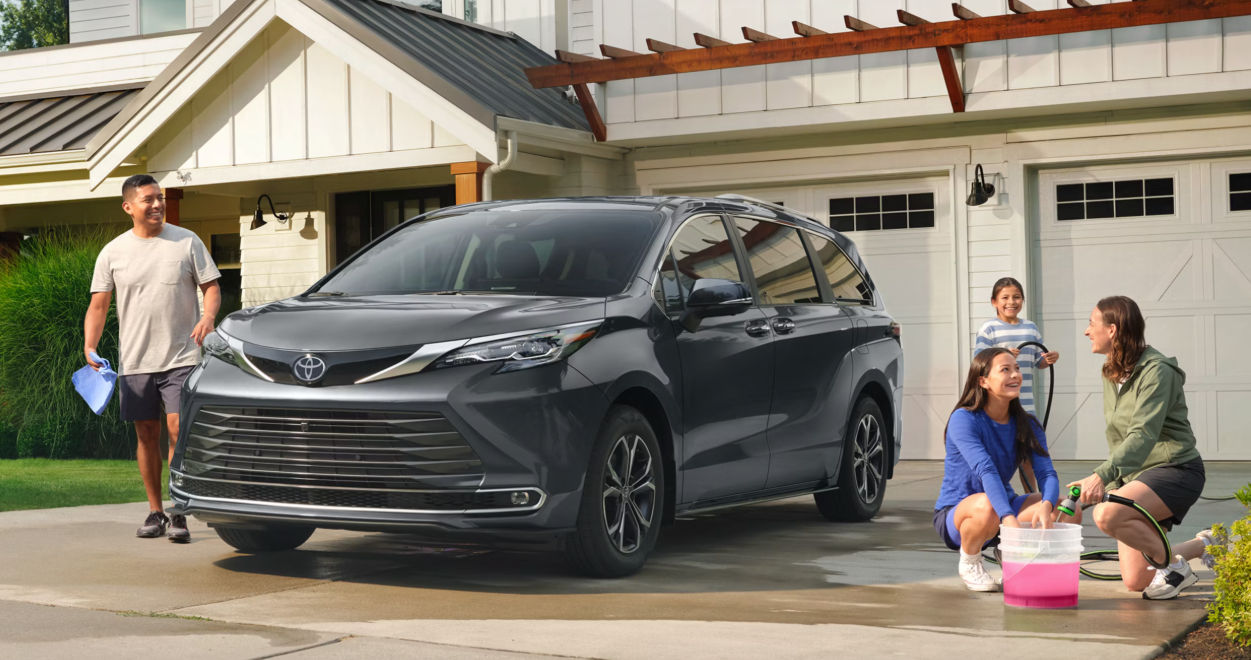
2026 Toyota Sienna Hybrid: The Minivan Bristol Families Have Been Waiting For

Toyota of Bristol can answer the family-vehicle question directly: the 2026 Toyota Sienna Hybrid is the Toyota minivan for Bristol drivers who need standard hybrid efficiency, sliding-door practicality, available all-wheel drive, flexible cargo space, and seating for up to eight. Every 2026 Sienna uses a hybrid powertrain rated at 245 net combined horsepower, and Toyota lists up to an EPA-estimated 36 combined MPG on FWD models. For a Bristol family with three kids, school drop-off, sports bags, grocery runs, and weekend travel across the Tri-Cities, we see Sienna as one of Toyota’s most practical family choices. The reason is not only fuel economy. It is the way Sienna makes everyday family tasks easier. Sliding side doors help in tight school and grocery parking lots. The available all-wheel-drive system adds confidence for families who drive through changing weather. The 60/40 One-Motion-Stow Split & Stow 3rd Row gives families a simple way to change the cabin from passenger duty to cargo duty without turning the whole afternoon into a puzzle. This guide explains the 2026 Sienna’s hybrid performance, FWD versus AWD choice, trim differences, family use cases, local driving fit, and how the minivan compares with three-row Toyota SUVs such as Grand Highlander and Highlander. Definition: The 2026 Toyota Sienna Hybrid is a family minivan with a standard hybrid powertrain, flexible seating, sliding side doors, and available all-wheel drive. It is designed for daily efficiency, passenger access, cargo flexibility, and family travel in Bristol and nearby Tri-Cities communities. View Sienna Family Features Table of Contents Standard Hybrid Powertrain, MPG, and Daily Family Efficiency Hybrid Powertrain and Fuel Economy for Daily Driving FWD vs AWD: Which Sienna Setup Fits Bristol Families Toyota Safety Sense and Family Confidence Features 2026 Toyota Sienna Trims, Seating, and Family Configuration Choices LE vs XLE vs XSE vs Woodland Edition vs Limited vs Platinum Which Sienna Trim Fits Your Family Routine Why Sienna Works for Bristol, Kingsport, Johnson City, and Abingdon Families School Runs, Road Trips, Groceries, Sports Gear, and Grandparent Access Family and Lifestyle Fit: Why a Minivan Can Beat a Three-Row SUV Ownership Cost Analysis: Why Hybrid MPG Matters for Busy Families Key Takeaways 2026 Toyota Sienna Hybrid FAQ for Bristol Families Is the 2026 Toyota Sienna only available as a hybrid? How many people can the 2026 Toyota Sienna seat? Is AWD worth it on the 2026 Toyota Sienna? Is the Sienna better than a three-row SUV for families? Visit Us for the 2026 Toyota Sienna Hybrid in Bristol, TN Standard Hybrid Powertrain, MPG, and Daily Family Efficiency Key Takeaway: The 2026 Sienna gives families standard hybrid efficiency, available AWD, and practical minivan space without asking them to choose between fuel savings and daily usability. Hybrid Powertrain and Fuel Economy for Daily Driving The biggest reason we recommend Sienna to busy families is that every 2026 model is hybrid. Toyota rates the Sienna Hybrid System at 245 net combined horsepower, with manufacturer-estimated 36 combined MPG for FWD models and 35 combined MPG for AWD models. That matters for families who drive the same routes every week: school drop-off, work, practices, errands, weekend trips, and last-minute grocery runs. For a Kingsport parent commuter, we recommend the Sienna LE or XLE because the hybrid powertrain helps lower fuel use without forcing the family into a smaller vehicle. For a Bristol family with three kids and a calendar full of sports, the Sienna’s fuel economy is not an abstract number. It means fewer fuel stops during weeks that already feel packed. Standard hybrid powertrain on every 2026 Sienna 245 net combined horsepower Manufacturer-estimated 36 combined MPG on FWD models Manufacturer-estimated 35 combined MPG on AWD models Available seating for up to eight in select configurations Available 60/40 One-Motion-Stow Split & Stow 3rd Row Feature 2026 Toyota Sienna Hybrid Family Benefit Powertrain Standard Toyota Hybrid System Every trim gives families hybrid efficiency Horsepower 245 net combined hp Enough power for daily family driving and road trips Fuel Economy Up to manufacturer-estimated 36 combined MPG Helps reduce fuel stops during busy family weeks Drivetrain FWD or available AWD Lets families choose efficiency focus or added traction confidence Seating Up to 8 passengers in select configurations Works for kids, grandparents, carpooling, and guests Ideal Use Case Busy family daily driving Best for families that need space and lower fuel use together Based on Toyota official website. FWD vs AWD: Which Sienna Setup Fits Bristol Families The FWD versus AWD decision is one of the most important choices in the Sienna lineup. We recommend FWD for families focused on the strongest fuel economy and lower overall cost. We recommend AWD for families who regularly drive through rain, hilly roads, gravel driveways, or changing winter weather around Bristol, Abingdon, and Southwest Virginia. For an Abingdon family that deals with colder mornings, mountain roads, and wet routes, an AWD Sienna makes more sense than choosing a larger SUV just for traction confidence. For an Elizabethton family with mostly city and highway driving, a FWD Sienna can be the better value because it keeps the highest combined MPG rating. Our sales team walks customers through this choice by asking where they drive, not just which badge they like. Check New Sienna Availability Toyota Safety Sense and Family Confidence Features Sienna is also a strong family choice because Toyota includes Toyota Safety Sense driver-assistance technology. Features vary by Toyota Safety Sense generation and model configuration, but the family value is clear: Sienna is built around supporting the driver during routine traffic, school zones, long highway stretches, and busy parking lots. For families, that kind of confidence matters every day. What we see here in Bristol is that family shoppers often start by asking about MPG or seating, then quickly move into safety and ease of use. That is the right order. A minivan needs to be efficient, but it also needs to feel calm with kids in the second row, traffic ahead, and groceries in the back. Available Front and Rear Parking Assist with Automatic Braking, available digital camera systems, and modern Toyota multimedia features can make daily use feel easier. For a Bristol family moving from an older SUV into a modern Toyota minivan, we recommend test driving Sienna in the situations that matter most: parking, second-row access, third-row folding, and lane-change visibility. 2026 Toyota Sienna Trims, Seating, and Family Configuration Choices Key Takeaway: The best Sienna trim depends on whether the family values entry price, comfort, sport styling, AWD confidence, premium road-trip features, or top-level convenience most. LE vs XLE vs XSE vs Woodland Edition vs Limited vs Platinum The 2026 Sienna lineup gives families several clear personalities. LE is the practical starting point, and Toyota added more standard features for 2026, including an 8-speaker audio system, power rear door, rear window shades, and a power tilt/slide moonroof. XLE is the stronger comfort step. XSE adds a sportier look and feel. Woodland Edition brings standard AWD and an outdoors-oriented personality. Limited and Platinum move into premium family comfort. Trim Starting MSRP Drivetrain Availability Family Personality Best For LE $39,185, MSRP excludes destination charge FWD or AWD Practical hybrid family value Budget-focused families needing up to 8 seats XLE $43,995, MSRP excludes destination charge FWD or AWD Comfort-forward family trim Families wanting more convenience for daily routines XSE $47,220, MSRP excludes destination charge FWD or AWD Sportier styling and road feel Drivers who want minivan practicality with a sharper look Woodland Edition $51,075, MSRP excludes destination charge AWD Outdoor-oriented family setup Families heading to campsites, trails, and mountain weekends Limited $51,985, MSRP excludes destination charge FWD or AWD Premium comfort and convenience Road-trip families who want an upscale cabin Platinum $58,605, MSRP excludes destination charge AWD Top-level family convenience Families wanting the highest-content Sienna Based on Toyota official website. The key difference between these trims is not the hybrid system because every Sienna is hybrid. The real difference is how much comfort, convenience, styling, and AWD confidence the family wants. We recommend LE for families focused on value, XLE for the broadest family fit, Woodland Edition for families who want standard AWD and outdoor personality, and Limited or Platinum for long-trip comfort. Which Sienna Trim Fits Your Family Routine For a Bristol family with three kids, school drop-off, sports bags, and weekend travel, we recommend XLE or Limited because those trims match family comfort with everyday usability. For a Kingsport parent commuter who wants sliding doors, hybrid MPG, and a lower starting point, we recommend LE or XLE because they keep the practical minivan strengths without overcomplicating the purchase. For a Johnson City family road-tripper, we recommend Limited or Platinum because the cabin comfort and added convenience features matter more after several hours on the road. For an Abingdon family that drives in changing weather or heads toward outdoor weekend routes, we recommend an AWD Sienna or Woodland Edition because traction confidence is more useful than simply buying a larger SUV. If you want the strongest value, we recommend LE because it keeps the standard hybrid powertrain and family seating flexibility. If you want the best everyday family balance, we recommend XLE because comfort and convenience matter in daily routines. If you want sportier styling, we recommend XSE because it keeps minivan usefulness with a more expressive design. If you want standard AWD and outdoor personality, we recommend Woodland Edition because it fits weekend family travel. If you want premium long-trip comfort, we recommend Limited or Platinum because family road trips reward better cabin amenities. Our team can help you compare Sienna trims, seating layouts, color choices, AWD availability, and current local inventory before you make a family-vehicle decision. We can also help you test the features families actually use, including sliding doors, car-seat access, third-row folding, cargo loading, and driver visibility. Start with our Sienna information at https://www.toyotaofbristol.com/toyota-sienna, then schedule a test drive if you want to compare trims in person. You can call us at 423-764-3155 and tell us how many passengers you carry, what your weekly routine looks like, and whether AWD matters for your routes. We will help narrow the choices so the minivan fits real family life, not just a trim chart. Schedule a Sienna Test Drive Why Sienna Works for Bristol, Kingsport, Johnson City, and Abingdon Families Key Takeaway: Sienna fits Tri-Cities family life because it handles school routines, errands, road trips, sports gear, grandparents, and changing weather without forcing families into a larger SUV. School Runs, Road Trips, Groceries, Sports Gear, and Grandparent Access Family driving around Bristol is rarely one type of trip. A single week can include school traffic, I-81 commuting, soccer practice, grocery runs, medical appointments, and a weekend drive toward Johnson City or Southwest Virginia. Sienna works well because it is built around access. Sliding doors help with kids in tight lots. The low step-in height helps younger passengers and grandparents. The stowable third row helps when cargo takes priority over seating. For Bristol-area families, we recommend the 2026 Sienna when passenger access, fuel economy, and cargo flexibility matter more than SUV image. A minivan with sliding doors and a flexible third row can be easier to use every day than a three-row SUV, especially for families handling car seats, sports gear, groceries, and grandparents in tight parking spaces. Local Family Scenario Primary Need Sienna Feature That Helps Recommended Trim Direction Bristol school drop-off Fast, easy passenger access Sliding side doors and family-focused cabin LE or XLE Kingsport parent commute Fuel efficiency and comfort Standard hybrid powertrain LE or XLE Johnson City road trips Long-distance comfort and technology Premium cabin options and Toyota Audio Multimedia Limited or Platinum Abingdon weather changes Added traction confidence Available AWD AWD XLE, XSE, Limited, or Woodland Edition Blountville grandparent caregiver Easier entry and passenger movement Low step-in height and sliding doors XLE or Limited Elizabethton sports family Cargo flexibility for gear Split & Stow 3rd Row XLE or XSE We invite families from Bristol, Kingsport, Johnson City, Abingdon, Blountville, and Elizabethton to bring the whole family when comparing Sienna. That may sound obvious, but it helps. Kids notice second-row comfort. Parents notice parking-lot access. Grandparents notice step-in height. We can help you check those details at 3045 W State St, Bristol, TN 37620, and we can also talk through the Toyota of Bristol Advantage Plan as part of your ownership plan. Visit https://www.toyotaofbristol.com/ or call 423-764-3155, and tell us what your family week actually looks like. We will help you choose a Sienna that fits the routine you live every day. See Our Advantage Plan Family and Lifestyle Fit: Why a Minivan Can Beat a Three-Row SUV Key Takeaway: A minivan can be the smarter family choice when access, car seats, third-row use, cargo loading, and fuel efficiency matter more than SUV styling. We like Toyota SUVs, and we recommend Grand Highlander, Highlander, and Sequoia every day for the right driver. But for families with young kids, grandparents, car seats, and constant cargo changes, Sienna can be easier to live with. The sliding doors are the biggest difference. They make tight parking lots less stressful and give parents more room to buckle children into seats. Toyota Model Primary Strength Best For When We Recommend It 2026 Sienna Sliding-door access and hybrid family efficiency Families with kids, car seats, and daily cargo needs Choose it when everyday ease matters most Grand Highlander Three-row SUV space and family comfort Families wanting SUV shape with strong passenger room Choose it when SUV seating and style are priorities Highlander Midsize SUV practicality Smaller families that need occasional third-row use Choose it when daily size and SUV utility matter Sequoia Full-size SUV strength and towing Large families that tow campers, boats, or trailers Choose it when towing strength is a deciding factor Access Focus Sienna leads with sliding doors Parents and caregivers loading passengers often Choose Sienna if tight-lot access is a daily issue Ideal Use Case Sienna balances efficiency and family access Busy family with school, sports, errands, and trips Choose Sienna for the easiest daily family routine Based on Toyota official website. For a Blountville grandparent caregiver, we recommend Sienna XLE or Limited because easier entry and sliding doors matter more than a taller SUV stance. For a family still deciding between SUV image and daily practicality, we recommend loading car seats, backpacks, and sports gear into both styles before deciding. The answer usually becomes clear quickly. Ownership Cost Analysis: Why Hybrid MPG Matters for Busy Families Key Takeaway: Sienna’s hybrid MPG matters because family vehicles rack up miles quickly through school routes, work commutes, practices, errands, and road trips. A family vehicle can cover a surprising number of miles without ever feeling like a road-trip vehicle. Ten-minute drives add up when they happen all day. That is why the Sienna’s standard hybrid system matters so much. For an Elizabethton budget-conscious family, we recommend LE or XLE because both keep the hybrid efficiency, passenger space, and Toyota family features without pushing into the most expensive trims. We also recommend thinking about ownership through maintenance, not only fuel. ToyotaCare helps cover factory-scheduled maintenance for a set early ownership period, and our service center can help with tire rotations, brake inspections, multi-point inspections, genuine Toyota parts, and hybrid ownership questions after that. Busy families need a vehicle that is efficient to drive and straightforward to maintain. If your weekly routine includes school, work, and practices, hybrid MPG matters because short trips repeat constantly. If you drive between Bristol and Johnson City often, we recommend considering comfort and fuel economy together. If you plan to keep the minivan long-term, we recommend staying current on ToyotaCare and scheduled service. If you need AWD, we recommend comparing the small MPG difference against the traction confidence it adds. Review ToyotaCare Benefits Key Takeaways The 2026 Sienna is offered exclusively with a hybrid powertrain. FWD models are rated up to a manufacturer-estimated 36 combined MPG. AWD is available for families who want added traction confidence. XLE is our broadest family recommendation because it balances comfort, value, and usability. Sienna can be easier than an SUV for families using car seats, sliding doors, and flexible cargo space daily. 2026 Toyota Sienna Hybrid FAQ for Bristol Families Is the 2026 Toyota Sienna only available as a hybrid? The 2026 Toyota Sienna is offered as a 100% hybrid lineup. Every trim uses Toyota’s hybrid system with 245 net combined horsepower, so families do not have to pay extra just to get hybrid efficiency. We recommend Sienna for Bristol-area families that want lower fuel use than many traditional family vehicles while still keeping minivan passenger space, sliding doors, and cargo flexibility. How many people can the 2026 Toyota Sienna seat? The 2026 Sienna can seat up to eight people in select configurations. Other configurations use second-row captain’s chairs and seat seven, which can make the cabin feel more open and comfortable. We recommend eight-passenger seating for families that carpool or carry extra passengers often. We recommend seven-passenger seating for families that value second-row comfort and easier movement through the cabin. Is AWD worth it on the 2026 Toyota Sienna? AWD can be worth it on the 2026 Sienna for families who drive through rain, hills, gravel driveways, or changing weather around Bristol, Abingdon, and Southwest Virginia. FWD is the stronger fuel-economy and value choice for many families. We recommend AWD when traction confidence is part of your weekly routine, not only when it sounds good on a feature list. Is the Sienna better than a three-row SUV for families? Sienna can be better than a three-row SUV when families need easier passenger access, sliding doors, low step-in height, and flexible cargo loading every day. A Toyota SUV such as Grand Highlander or Sequoia may be better for shoppers who want SUV styling, higher stance, or stronger towing capability. We recommend Sienna when the daily family routine matters more than SUV image. Visit Us for the 2026 Toyota Sienna Hybrid in Bristol, TN We are here to help your family decide whether the 2026 Toyota Sienna Hybrid is the right minivan for school, work, road trips, sports gear, and daily life. Visit us at 3045 W State St, Bristol, TN 37620, or call Sales at 423-764-3155 so we can compare trims, seating layouts, AWD availability, and current options. We serve families from Bristol, Kingsport, Johnson City, Abingdon, Blountville, Elizabethton, and the wider Tri-Cities area. Our Toyota of Bristol Advantage Plan and ToyotaCare support help make ownership feel clearer after the sale. Tell us who rides with you, where you drive, and what your week looks like, and we will help match you with the Sienna that fits. Get Pre-Qualified for Sienna

Image-by-StockSnap-from-Pixabay-1024x768

A Step-by-Step Toyota Jumpstart Guide

Toyota of Bristol can answer the emergency question clearly: most gas Toyota vehicles can be jump-started with properly connected jumper cables or a correctly rated jump pack, while Toyota hybrid models must be handled through the 12-volt system and the model-specific jump terminal or battery location described in the owner’s manual. The safe starting point is always the same: inspect the battery area first, connect positive to positive, connect the final negative clamp to a safe ground point, and stop if you see leaking fluid, heavy corrosion, smoke, damaged cables, or warning signs that do not make sense. For a Bristol commuter with a dead battery before work, a jumpstart may get the vehicle moving, but it does not explain why the battery died. For a Kingsport family after a long evening event, the cause may be as simple as an interior light left on. For a Johnson City hybrid owner whose Toyota will not show READY mode, the issue may be a discharged 12-volt battery even though the high-voltage hybrid battery is a different system. This guide explains safe jumpstart steps, Toyota hybrid rules, local battery-drain scenarios, and when our service team recommends a battery test instead of another roadside attempt. Definition: A Toyota jumpstart is a temporary restart procedure that uses an external 12-volt power source to restore enough electrical power for the vehicle to start or enter READY mode. It is an emergency step, not a replacement for battery diagnosis. Schedule Battery Service Table of Contents How to Jumpstart a Toyota Safely, Step by Step Before You Connect Anything: Safety Checks and Tools Jumper Cable Order for Most Gas Toyota Vehicles What to Do After the Toyota Starts Toyota Hybrid Jumpstart Rules: 12V Battery, READY Mode, and What Not to Touch Gas Toyota vs Toyota Hybrid Jumpstart Comparison Hybrid Use Cases: Prius, Camry Hybrid, RAV4 Hybrid, Sienna Hybrid, and Corolla Hybrid Battery Trouble Around Bristol, Kingsport, Johnson City, and Abingdon Local Weather, Short Trips, Events, Road Trips, and Battery Drain Technical Deep Dive: Why the 12V Battery Matters So Much in Toyota Hybrids Ownership Cost Analysis: When a Jumpstart Means You Need Battery Service Key Takeaways Toyota Jumpstart FAQ for Bristol Drivers Can you jumpstart a Toyota hybrid? Where do I connect jumper cables on a Toyota hybrid? What if my Toyota does not start after a jump? Is it safe to use a portable jump starter on a Toyota? Schedule Toyota Battery Service in Bristol, TN How to Jumpstart a Toyota Safely, Step by Step Key Takeaway: A safe Toyota jumpstart starts with inspection, correct cable order, a secure ground point, and a service follow-up if the battery problem repeats. Before You Connect Anything: Safety Checks and Tools The safest jumpstart is the one you do not rush. Before connecting cables, we recommend checking the battery area, cable condition, terminal condition, and vehicle surroundings. A normal dead battery is one thing. A swollen battery case, leaking fluid, burning smell, damaged cable, or heavy corrosion is different. In those situations, do not continue the jumpstart attempt. Call roadside assistance or schedule service. For a Bristol commuter on a cold morning, the pressure to get moving is real. Still, our service team advises taking one full minute to check the basics. Make sure the vehicles are in Park, the parking brakes are set, accessories are off, cables are not tangled near belts or fans, and the booster source is appropriate for a 12-volt automotive battery. Use jumper cables in good condition or a properly rated portable jump starter. Keep clamps away from moving belts, fans, and hot components. Turn off headlights, climate control, audio, and accessories before connecting. Do not jumpstart a battery that is leaking, smoking, frozen, cracked, or badly swollen. Check the owner’s manual before jumpstarting a hybrid Toyota. Situation Safe to Proceed? Recommended Action Best For Battery appears normal but vehicle is dead Usually yes Follow correct jumpstart steps Bristol commuter with a one-time no-start Light corrosion on terminals Pause first Inspect connections and consider service Older Toyota owner with slow starts Battery case is swollen or leaking No Do not jumpstart; call service support Summer heat battery failure Hybrid Toyota will not enter READY mode Manual required Use model-specific 12V jump guidance Johnson City Prius or RAV4 Hybrid owner Jumpstart works but battery dies again Temporary only Schedule battery and charging-system test Elizabethton driver needing repeated jumps Ideal Use Case Proceed only when safe Jump once, then confirm battery health Any Toyota driver with a no-start Based on Toyota official website and Toyota owner manual guidance. Visit Our Service Center Jumper Cable Order for Most Gas Toyota Vehicles For most gas Toyota vehicles with accessible 12-volt battery terminals, the standard cable order is positive first, then ground. Connect one red clamp to the positive terminal on the dead Toyota battery. Connect the other red clamp to the positive terminal on the good battery or approved booster source. Connect one black clamp to the negative terminal on the good battery. Connect the final black clamp to an unpainted metal ground point away from the dead battery. Our service team recommends this order because the final connection should be away from the battery whenever possible. After the clamps are secure, start the assisting vehicle if using another vehicle, let it run briefly, then try to start the Toyota. If the Toyota starts, remove the cables in reverse order and keep the clamps from touching each other. We recommend the following Toyota jumpstart cable order for most gas models: red to the dead battery positive terminal, red to the booster positive terminal, black to the booster negative terminal, and black to a safe metal ground point on the Toyota. If your Toyota has a special jump terminal or the manual gives a different model-specific procedure, follow the manual instead. What to Do After the Toyota Starts A successful jumpstart is not the end of the battery story. Once the Toyota starts, let the vehicle run long enough to stabilize, remove the cables carefully, and avoid shutting it off immediately unless you are safely parked where help is available. If the vehicle struggles, warning lights stay on, the battery light appears, or the engine dies again, we recommend service instead of repeated jumps. For a Kingsport family after an event, a jump may be enough if an interior light drained the battery one time. For an Elizabethton older Toyota owner who needs three jumps in one month, the jumpstart is a symptom, not a fix. Our technicians would check battery health, terminal condition, charging performance, and parasitic draw possibilities. If the Toyota starts, drive carefully and schedule a battery check if the cause is unclear. Repeated jumpstarts can mask a weak battery, charging-system concern, accessory drain, or connection issue. Toyota Hybrid Jumpstart Rules: 12V Battery, READY Mode, and What Not to Touch Key Takeaway: Toyota hybrids can often be restarted after a 12V battery discharge, but drivers must use the correct 12V jump terminal or battery location and never treat the high-voltage hybrid battery like a normal jumpstart point. Gas Toyota vs Toyota Hybrid Jumpstart Comparison A Toyota hybrid jumpstart is different because the goal is usually to restore enough 12-volt power for the vehicle’s computers, electronic key system, and hybrid startup logic to wake up. The high-voltage hybrid battery is not the battery drivers jump with cables. Toyota hybrid manuals commonly direct owners to use a model-specific 12-volt jump terminal or battery connection point, then look for the READY indicator after the system restarts. Jumpstart Topic Gas Toyota Toyota Hybrid Why It Matters Battery involved 12-volt starting battery 12-volt auxiliary battery or designated jump terminal The hybrid high-voltage battery is not the jump point Primary goal Crank and start the engine Power electronics and enter READY mode READY mode confirms the hybrid system is active Connection location Usually battery terminals and ground point Model-specific terminal, fuse box terminal, or battery location Owner’s manual matters more on hybrids What not to touch Damaged battery or unsafe wiring High-voltage hybrid components Hybrid systems require extra caution After success Let vehicle run and test battery Confirm READY, then test 12V battery A weak 12V battery may return as a no-start Ideal Use Case Gas Toyota with one-time dead battery Hybrid Toyota with discharged 12V battery Correct procedure prevents damage and confusion Based on Toyota official website. The key difference between a gas Toyota jumpstart and a Toyota hybrid jumpstart is what the 12-volt battery does. In a gas Toyota, the battery helps crank the engine. In a Toyota hybrid, the 12-volt battery helps power the control systems that allow the hybrid system to enter READY mode. We recommend checking the owner’s manual before connecting anything on a hybrid. Hybrid Use Cases: Prius, Camry Hybrid, RAV4 Hybrid, Sienna Hybrid, and Corolla Hybrid For a Johnson City Prius or Corolla Hybrid owner whose vehicle will not enter READY mode, we recommend treating the 12V battery as the first practical check. If the electronic key is present, the vehicle is in Park, and the display is dark or weak, a discharged 12-volt battery may be the reason the hybrid system cannot wake up. The correct next step is model-specific jump guidance, not touching orange high-voltage cables. For a Bristol RAV4 Hybrid owner, a Camry Hybrid commuter, or a Sienna Hybrid family, the safest rule is to open the owner’s manual and locate the proper jump terminal or 12V battery access point before using cables. Toyota manuals may direct owners to open the hood, remove a fuse box cover, open the exclusive jump-starting terminal cover, and connect the positive clamp to that designated terminal. If your hybrid will not show READY, we recommend checking 12V battery guidance first. If the manual shows an under-hood jump terminal, use that terminal exactly as directed. If warning messages remain after the jump, we recommend service inspection. If the 12V battery dies again soon, we recommend battery testing and replacement evaluation. If you are unsure which terminal is correct, stop and call our service team. Our service center can help Toyota owners separate a simple 12V battery issue from a larger electrical concern. We can test the battery, inspect terminals, review warning messages, and help determine whether the battery needs charging, replacement, or additional diagnosis. Start with our online service scheduler at https://www.toyotaofbristol.com/schedule-service.html, or call 423-764-3155 if your Toyota needed a jump and you do not trust the battery yet. We especially recommend inspection after repeated no-starts, a hybrid READY issue, or a jumpstart that only worked briefly. We would rather check the battery early than have you stranded again in Bristol, Kingsport, Johnson City, Abingdon, Blountville, or Elizabethton. Book a Battery Test Battery Trouble Around Bristol, Kingsport, Johnson City, and Abingdon Key Takeaway: Bristol-area battery failures often show up after cold mornings, summer heat, short trips, event parking, accessory use, or long gaps between drives. Local Weather, Short Trips, Events, Road Trips, and Battery Drain Battery problems are local in a very real way. A driver in Abingdon may notice weak starts during colder mornings. A Bristol commuter may have battery strain after short trips that never give the system much time to recover. A Kingsport family may come back from an event to find an interior light or accessory drained the battery. A Blountville road-trip driver may discover a weak battery the day before leaving. For Toyota drivers around Bristol and the Tri-Cities, we recommend a battery test after any unexplained jumpstart because local driving patterns can hide battery weakness until the worst moment. Cold mornings, summer heat, short trips, and long parking periods can all expose a 12-volt battery that was already near the end of its service life. Local Scenario Battery Risk Driver Profile Recommended Action Bristol cold morning before work Weak battery shows up as a no-start Daily commuter Jump safely, then schedule battery test Kingsport event parking Interior light or accessory drain Family driver Jump once and confirm battery health Johnson City hybrid owner Discharged 12V prevents READY mode Hybrid driver Follow manual and inspect 12V battery Abingdon winter short trips Battery never fully recovers Mountain-road commuter Battery health and charging check Blountville road-trip prep Weak battery discovered before travel Weekend traveler Test battery before leaving Elizabethton repeated no-starts Battery, alternator, or drain concern Older Toyota owner Schedule diagnostic service We invite Toyota drivers from Bristol, Kingsport, Johnson City, Abingdon, Blountville, and Elizabethton to bring battery concerns to us before the next no-start. We can test the battery, inspect terminals, check for corrosion, review charging performance, and help with Toyota Genuine battery replacement when needed. Our Toyota of Bristol Advantage Plan and ToyotaCare support reflect the same goal: help ownership feel less stressful after the sale. Visit us at 3045 W State St, Bristol, TN 37620, start at https://www.toyotaofbristol.com/, or call 423-764-3155 for service help. Tell us what happened before the battery died, and we can help decide whether it was a one-time drain or a warning sign. See Our Advantage Plan Technical Deep Dive: Why the 12V Battery Matters So Much in Toyota Hybrids Key Takeaway: A Toyota hybrid can feel completely dead when the 12V battery is discharged because the vehicle needs 12-volt power to wake up the electronics and enter READY mode. The most common hybrid misunderstanding is thinking the high-voltage hybrid battery is the battery being jumped. It is not. The driver-accessible emergency jump procedure is about the 12-volt system. That system supports computers, relays, locks, displays, and the startup sequence that lets the hybrid system become active. That is why a Prius, RAV4 Hybrid, Camry Hybrid, Corolla Hybrid, Highlander Hybrid, or Sienna Hybrid can appear dead even when the hybrid battery itself is not the issue. A weak 12V battery can create confusing symptoms such as dim lights, no READY indicator, key detection trouble, or warning messages. We recommend taking those symptoms seriously instead of repeatedly jumping the vehicle and hoping they disappear. For a Blountville road-trip driver carrying a portable jump pack, the safest approach is preparation. Keep the jump pack charged, store it according to the manufacturer’s instructions, and confirm the correct Toyota jump terminal before the trip. If you cannot identify the correct 12V connection point, call service support rather than experimenting. Ownership Cost Analysis: When a Jumpstart Means You Need Battery Service Key Takeaway: One jumpstart may solve a simple drain, but repeated jumps, slow cranking, corrosion, warning lights, or quick battery failure after a jump mean the Toyota needs service. A jumpstart should be treated as temporary help. If the battery died because a light stayed on once, the fix may be simple. If the Toyota needs repeated jumps, starts slowly, shows warning lights, or loses power again shortly after running, we recommend testing instead of guessing. Battery age, terminal corrosion, loose connections, charging-system concerns, and accessory drain can all create no-start patterns. Warning Sign Possible Cause Recommended Service Step Ideal Use Case One-time dead battery Accessory or light left on Battery test if cause is unclear Kingsport family after event parking Slow cranking Weak 12V battery Battery health test Bristol commuter Repeated jumpstarts Failing battery or charging concern Battery and charging-system inspection Elizabethton older Toyota owner Corrosion at terminals Poor connection or battery aging Terminal inspection and battery review Abingdon short-trip driver Hybrid no READY after jump 12V battery or system concern Diagnostic inspection Johnson City hybrid owner Ideal Use Case Prevent repeat no-starts Test before replacing parts blindly Any Toyota driver after a jumpstart For long-term ownership, we recommend documenting when the battery died, how old the battery is, whether accessories were left on, and whether the Toyota started normally afterward. ToyotaCare includes a no-cost maintenance plan for new Toyota vehicles for 2 years or 25,000 miles, whichever comes first, and 24-hour roadside assistance for 2 years with unlimited miles. Our service team can help with battery testing, Toyota Genuine replacement batteries, and multi-point inspections. Review ToyotaCare Support Key Takeaways Most Toyota jumpstarts use 12-volt power, correct cable order, and a safe ground point. Toyota hybrids rely on the 12V battery to wake up electronics and enter READY mode. Never jump a Toyota hybrid using high-voltage hybrid components. Repeated jumpstarts, slow cranking, corrosion, or warning lights mean service is needed. Bristol-area weather, short trips, and event parking can expose weak Toyota batteries. Toyota Jumpstart FAQ for Bristol Drivers Can you jumpstart a Toyota hybrid? A Toyota hybrid can often be restarted when the 12-volt battery is discharged, but it must be done through the model-specific 12V jump procedure. We recommend using the owner’s manual before connecting cables because many hybrids use an under-hood jump terminal or specific battery access point. The goal is to get the Toyota into READY mode, not to jump the high-voltage hybrid battery. Where do I connect jumper cables on a Toyota hybrid? The correct connection point depends on the model. Some Toyota hybrids use an exclusive under-hood jump-starting terminal inside the fuse box area, while others may have different access instructions. We recommend opening the owner’s manual and following the exact terminal and ground-point directions for your vehicle. If the correct point is unclear, call our service team before connecting cables. What if my Toyota does not start after a jump? If your Toyota does not start after a jump, stop repeated attempts and check for loose clamps, poor ground connection, corrosion, battery damage, or warning messages. A gas Toyota may have a weak battery, starter concern, or charging issue. A hybrid Toyota may have a 12V battery or system concern that prevents READY mode. We recommend service inspection before the next attempt causes more trouble. Is it safe to use a portable jump starter on a Toyota? A portable jump starter can be safe when it is properly rated, charged, connected correctly, and used according to both the jump pack instructions and the Toyota owner’s manual. We recommend keeping the jump pack away from heat, checking clamp polarity carefully, and stopping if the battery appears damaged. Hybrid owners should confirm the correct 12V terminal before using any booster pack. Schedule Toyota Battery Service in Bristol, TN We are here to help when your Toyota needs a jump, starts slowly, will not enter READY mode, or keeps losing 12-volt power. Visit us at 3045 W State St, Bristol, TN 37620, or call 423-764-3155 so our service team can test the battery, inspect connections, and check related systems. We serve drivers from Bristol, Kingsport, Johnson City, Abingdon, Blountville, Elizabethton, and nearby Tri-Cities communities. Our Toyota of Bristol Advantage Plan and ToyotaCare support help make ownership easier after the sale. If your Toyota needed a jump and the cause is not obvious, schedule service before the next no-start. Schedule Toyota Battery Help

2026 toyota sequoia

2026 Toyota Sequoia: Full Size Power and Comfort at Toyota of Bristol

Toyota of Bristol can answer the main question directly: the 2026 Toyota Sequoia is the full-size Toyota SUV for drivers who need hybrid power, serious towing strength, three-row seating, and a more commanding family vehicle than a midsize crossover. It uses Toyota’s i-FORCE MAX twin-turbo V6 hybrid system with 437 horsepower and 583 lb-ft of torque, can tow up to 9,500 pounds when properly equipped, and offers seating for up to eight with second-row bench seating. For a Bristol family that needs to tow a camper on the weekend and still carry kids, luggage, coolers, and sports gear during the week, we see Sequoia as the most capable Toyota SUV answer. That does not mean every shopper needs the same Sequoia. A Kingsport driver who wants towing confidence for lake trips may be happiest in an SR5 or Limited. A Johnson City family that wants premium comfort for longer road trips may prefer Platinum or 1794 Edition. An Abingdon driver who spends weekends on rougher access roads may look hard at TRD Pro. Our job is to help match the trim, seating layout, towing setup, and budget to the way the SUV will actually be used. This guide covers Sequoia power, towing, trims, local driving fit, ownership considerations, and how it compares with Grand Highlander and Tundra for shoppers around Bristol, Kingsport, Johnson City, Abingdon, Blountville, and Elizabethton. Definition: The 2026 Toyota Sequoia is a full-size three-row hybrid SUV built for towing, passenger space, and long-distance comfort. For drivers in Bristol, Kingsport, Johnson City, Abingdon, Blountville, and Elizabethton, it provides truck-based strength with family-focused seating and cargo flexibility. Table of Contents i-FORCE MAX Hybrid Power, Towing, and Full-Size SUV Capability i-FORCE MAX Hybrid Engine: 437 HP and 583 lb-ft Up to 9,500 Pounds of Towing and Trailer-Friendly Features Suspension, Drive Modes, and TRD Capability for Local Roads 2026 Toyota Sequoia Trims and Which One We Recommend SR5 vs Limited vs Platinum vs 1794 Edition vs TRD Pro vs Capstone Which Sequoia Trim Fits Your Family, Towing, or Adventure Needs Why the Sequoia Fits Bristol, Kingsport, Johnson City, and Abingdon Drivers Local Towing, Family Travel, and Appalachian Driving Conditions Ownership Cost Analysis: Why Hybrid Power Matters in a Full-Size SUV Family and Lifestyle Fit: When Sequoia Makes More Sense Than Grand Highlander or Tundra Key Takeaways 2026 Toyota Sequoia FAQ for Bristol Full-Size SUV Shoppers How much can the 2026 Toyota Sequoia tow? Which 2026 Toyota Sequoia trim is best for families? Does the 2026 Toyota Sequoia seat eight people? Is the Sequoia better than the Grand Highlander for towing? Visit Us for the 2026 Toyota Sequoia in Bristol, TN i-FORCE MAX Hybrid Power, Towing, and Full-Size SUV Capability Key Takeaway: The 2026 Sequoia stands out because every trim uses Toyota’s i-FORCE MAX hybrid powertrain, giving full-size SUV shoppers real towing strength and hybrid efficiency in one package. i-FORCE MAX Hybrid Engine: 437 HP and 583 lb-ft The core reason we recommend the 2026 Sequoia for serious family and towing use is its standard i-FORCE MAX twin-turbo V6 hybrid system. Toyota rates this powertrain at 437 horsepower and 583 lb-ft of torque, paired with a 10-speed automatic transmission. That torque number matters more than shoppers sometimes realize because torque is what helps a large SUV move confidently with passengers, cargo, and a trailer attached. Based on our experience at Toyota of Bristol, shoppers who compare Sequoia with smaller SUVs often notice the difference as soon as they talk through their real weekend needs. A family of six in Bristol may not need 9,500 pounds of maximum towing every day, but they may need the confidence to pull a camper, boat, utility trailer, or loaded cargo trailer without feeling like they bought too little vehicle. Standard i-FORCE MAX twin-turbo V6 hybrid powertrain 437 horsepower 583 lb-ft of torque 10-speed automatic transmission Up to an EPA-estimated 22 combined MPG rating Available 4WD for drivers who want added traction confidence Specification 2026 Toyota Sequoia Why It Matters Engine i-FORCE MAX Twin-Turbo V6 Hybrid Gives every trim the same core hybrid power foundation Horsepower 437 hp Supports confident acceleration in a full-size SUV Torque 583 lb-ft Helps with towing, merging, hill climbs, and loaded driving Maximum Towing Up to 9,500 lb when properly equipped Fits campers, boats, utility trailers, and family recreation gear Fuel Efficiency Up to EPA-estimated 22 combined MPG Strong efficiency context for a full-size SUV Ideal Use Case Large family with towing needs Best when three-row space and towing strength both matter Based on Toyota official website. View 2026 Sequoia Details Up to 9,500 Pounds of Towing and Trailer-Friendly Features The 2026 Sequoia can tow up to 9,500 pounds when properly equipped, and that figure puts it in a different category than most three-row crossovers. For a Kingsport commuter who tows a fishing boat on weekends, we recommend starting with towing needs before choosing a trim. The right setup depends on trailer weight, passenger count, cargo load, and how often the driver will be on I-81, I-26, or mountain routes outside Bristol. The Sequoia also offers towing-focused support features such as available power-extending tow mirrors, Tow/Haul and Tow+ modes, and available load-leveling rear height control air suspension. The practical benefit is control. A full-size SUV should not just pull a trailer; it should help the driver feel stable, informed, and prepared while towing. For Johnson City families pulling a camper toward the mountains, we recommend choosing Sequoia because the combination of 583 lb-ft of torque, available towing aids, and full-size structure gives the vehicle a stronger towing foundation than a midsize family SUV. That recommendation matters when the same vehicle also needs to handle school drop-off, groceries, and long-distance travel. Suspension, Drive Modes, and TRD Capability for Local Roads Sequoia is not only about towing in a straight line. Toyota offers available Adaptive Variable Suspension, available Load-leveling Rear Height Control Air Suspension, available Crawl Control, available Multi-Terrain Monitor, and an available electronic locking rear differential depending on trim and package. Those features matter for drivers who split time between paved roads, gravel access roads, wet driveways, and uneven campsites. What we see here in Bristol is that large SUV shoppers often need one vehicle to do many jobs. An Abingdon outdoor driver may want the TRD Pro because its FOX internal bypass shocks, TRD Pro hardware, and off-road focus better fit rougher weekend use. A Blountville family may prefer Limited because comfort and towing matter more than trail hardware. A buyer who wants a premium road-trip feel may choose Platinum, 1794 Edition, or Capstone. Schedule a Sequoia Test Drive 2026 Toyota Sequoia Trims and Which One We Recommend Key Takeaway: The best 2026 Sequoia trim depends on whether the buyer values price, family comfort, towing confidence, off-road hardware, or premium interior appointments most. SR5 vs Limited vs Platinum vs 1794 Edition vs TRD Pro vs Capstone The Sequoia lineup gives shoppers six core trim personalities. We recommend SR5 for shoppers who want full-size Sequoia capability at the lowest starting point. Limited is the most natural fit for many families because it adds comfort and technology without jumping straight to the highest price tier. Platinum, 1794 Edition, and Capstone bring more premium interior content, while TRD Pro is the off-road-focused choice. Trim Starting MSRP EPA-Est. MPG City/Hwy Key Feature Focus Best For SR5 $65,025, MSRP excludes destination charge 21/24 TSS 2.5, 18-in. wheels, 8-in. multimedia touchscreen Budget-aware full-size SUV shoppers Limited $70,795, MSRP excludes destination charge 21/24 20-in. wheels, leather-trimmed seats, 14-in. touchscreen Families wanting comfort and value balance Platinum $81,035, MSRP excludes destination charge 19/22 Premium lighting, panoramic roof, premium comfort content Road-trip families wanting a more upscale cabin 1794 Edition $81,850, MSRP excludes destination charge 19/22 Saddle Tan interior and American walnut wood-grain trim Drivers who want premium western-inspired style TRD Pro $81,765, MSRP excludes destination charge 19/22 FOX shocks, TRD Pro suspension, BBS wheels Outdoor drivers and rough-road weekend users Capstone $85,435, MSRP excludes destination charge 19/22 22-in. wheels, premium textured leather, power running boards Shoppers wanting the highest-content Sequoia feel Based on Toyota official website. The key difference between the trims is not power because every 2026 Sequoia uses the same i-FORCE MAX hybrid output. The difference is comfort, technology, suspension hardware, design character, and how much premium content the driver wants. We recommend Limited for many family shoppers because it adds the 14-in. Toyota Audio Multimedia touchscreen and leather-trimmed seating while keeping the focus on family usefulness. We recommend TRD Pro only when off-road hardware is a real use case, not just a style preference. Which Sequoia Trim Fits Your Family, Towing, or Adventure Needs Driver Profile plus Scenario plus Recommendation plus Reason is the easiest way to choose the right Sequoia. If you are a Bristol family of six towing a camper several times a year, we recommend Limited or Platinum because both keep the Sequoia’s 9,500-lb maximum towing capability context while adding the comfort families notice on longer trips. If you are a Kingsport lake driver towing a boat on weekends, we recommend SR5 or Limited because the standard hybrid powertrain already gives you the strength you need, while the trim choice can stay focused on budget and comfort. If you are a Johnson City business owner carrying clients during the week and towing equipment on weekends, we recommend Platinum or 1794 Edition because the cabin presentation matters as much as capability. If you are an Abingdon outdoor driver using rougher access roads, we recommend TRD Pro because the FOX shocks, TRD Pro suspension, and off-road-oriented hardware are built for that job. If you need the strongest value point, we recommend SR5 because it keeps the i-FORCE MAX powertrain standard. If you have a large family and want the most balanced trim, we recommend Limited because it adds comfort and a larger touchscreen. If you take frequent road trips, we recommend Platinum because the cabin and comfort upgrades matter over long distances. If you spend time on rough access roads, we recommend TRD Pro because the off-road hardware serves a real purpose. If you want the most premium Sequoia, we recommend Capstone because it brings the highest-content interior feel. Our team can help you compare Sequoia trims in person, check current availability, request a quote, and look at financing options before you visit. We can also walk through seating needs, towing plans, and trade-in value so you are not guessing from a spec sheet alone. Start with our 2026 Sequoia model information at https://www.toyotaofbristol.com/2026-toyota-sequoia.html, then use our test drive form when you are ready to get behind the wheel. You can also call Sales at 423-764-3155 and tell us how many passengers you carry, what you tow, and which communities you drive through most often. We will help you narrow the Sequoia lineup to the trim that fits your life instead of pushing a one-size answer. Request a Sequoia Quote Why the Sequoia Fits Bristol, Kingsport, Johnson City, and Abingdon Drivers Key Takeaway: Sequoia fits the Tri-Cities region because it combines towing strength, family seating, hybrid power, and available traction features for mountain weather, interstate driving, and weekend hauling. Local Towing, Family Travel, and Appalachian Driving Conditions For our local roads, the Sequoia’s value is not just size. It is the way size, power, towing support, and comfort come together. Bristol drivers often deal with I-81 traffic, seasonal rain, mountain grades, and quick weekend trips into Southwest Virginia. Kingsport and Johnson City families may need one SUV for school, work, sports, and towing. Abingdon drivers may care more about rough-road confidence and cargo flexibility for outdoor weekends. Local Scenario Driver Need Sequoia Feature That Helps Recommended Trim Direction Bristol family towing a camper on I-81 Power, stability, room for passengers i-FORCE MAX torque and up to 9,500-lb towing Limited or Platinum Kingsport lake-trip driver Boat towing plus weekday comfort Tow/Haul and Tow+ modes, available tow mirrors SR5 or Limited Johnson City road-trip family Cabin comfort and technology Available 14-in. Toyota Audio Multimedia touchscreen Limited, Platinum, or Capstone Abingdon outdoor driver Rough-road confidence TRD Pro suspension, Crawl Control, Multi-Terrain Monitor TRD Pro Blountville shopper with a growing family Three rows with stronger capability than a crossover Up to eight seats and full-size SUV structure Limited Elizabethton weekend traveler Cargo, comfort, fuel-conscious full-size travel Hybrid power and power-folding third-row cargo flexibility Limited or Platinum For a Bristol-area family that needs one SUV for towing, passengers, and regional travel, we recommend the 2026 Sequoia over a smaller crossover when trailer weight and passenger count both matter. The i-FORCE MAX hybrid system gives the Sequoia 583 lb-ft of torque, while the available towing and suspension features help it feel prepared for Appalachian elevation changes, interstate traffic, and weekend recreation. That is the local reason this SUV makes sense here. We also recommend thinking beyond the sale and planning ownership with service in mind. Our certified Toyota technicians can help with tire rotations, brake inspections, multi-point inspections, ToyotaCare maintenance, and genuine Toyota parts as the miles add up. That matters more on a full-size SUV that may tow, carry passengers, and see changing weather across East Tennessee and Southwest Virginia. We invite you to visit us at 3045 W State St, Bristol, TN 37620 so we can connect the Sequoia to the way you actually drive around Bristol, Kingsport, Johnson City, Abingdon, Blountville, and Elizabethton. Instead of only comparing trim names online, we can help you sit in the cabin, check the second-row setup, look at cargo access, and talk through towing plans. We can also review the Toyota of Bristol Advantage Plan and show how our service center supports ownership after you buy. If you already own a Toyota SUV or truck, bring your trade details so we can help you understand your next step. Visit https://www.toyotaofbristol.com/ or call 423-764-3155 and ask our team to help you compare Sequoia trims for your family, trailer, and budget. Check New Toyota Inventory Ownership Cost Analysis: Why Hybrid Power Matters in a Full-Size SUV Key Takeaway: Sequoia’s hybrid system matters because full-size SUV owners care about power, but they also feel fuel use, maintenance planning, and long-trip efficiency in real household budgets. A full-size SUV is a major purchase, so we recommend looking at ownership from more than the monthly payment. Sequoia gives buyers standard hybrid power, and Toyota lists fuel efficiency as high as an EPA-estimated 22 combined MPG rating. That does not turn a full-size SUV into a compact hybrid, but it does give families a more fuel-conscious way to buy the size and towing strength they need. For an Elizabethton road-trip family, that matters because long weekends can add up quickly. A vehicle that can tow, carry passengers, and still deliver hybrid efficiency in Toyota’s full-size SUV lineup helps balance capability with real-world use. We would not recommend choosing Sequoia only because it is hybrid. We recommend it because the hybrid system is attached to genuine power, useful torque, and the full-size structure many families need. Our service team also advises planning regular maintenance around the way the SUV is used. A Sequoia that tows, travels loaded, or spends time on mountain roads should stay current on tire rotations, brake inspections, fluid checks, and multi-point inspections. ToyotaCare helps cover scheduled maintenance for a set early ownership period, and our service center can help keep the maintenance plan clear after that coverage period ends. Review ToyotaCare Benefits Family and Lifestyle Fit: When Sequoia Makes More Sense Than Grand Highlander or Tundra Key Takeaway: Sequoia makes the most sense when a shopper needs both three-row family space and stronger truck-like capability than a midsize SUV can provide. Many Toyota shoppers compare Sequoia with Grand Highlander and Tundra, and that is a smart comparison. We recommend Grand Highlander for families that mainly need three-row space, easier everyday maneuverability, and strong comfort without full-size towing demands. We recommend Tundra for buyers who need a pickup bed, heavier work use, or open cargo hauling. We recommend Sequoia when the buyer needs three-row seating and towing strength in the same vehicle. Toyota Model Primary Strength Best For When We Recommend It 2026 Sequoia Full-size three-row SUV capability Families that tow and travel loaded Choose it when seating and towing both matter 2026 Grand Highlander Family space and everyday comfort Families prioritizing room and daily ease Choose it when towing is not the deciding factor 2026 Tundra Truck bed utility and work capability Drivers hauling tools, materials, or gear Choose it when open-bed cargo matters most Seating Focus Sequoia and Grand Highlander Families with kids, guests, and gear Choose Sequoia if towing is added to the family equation Utility Focus Tundra and Sequoia Towing, hauling, and weekend projects Choose Tundra if the truck bed is essential Ideal Use Case Sequoia balances passengers and capability Large family with camper, boat, or trailer Choose Sequoia for one family vehicle that can tow seriously Based on Toyota official website. Choose Sequoia if you need three rows and strong towing in one SUV. Choose Grand Highlander if your priority is family room with easier daily driving. Choose Tundra if you need a truck bed more than enclosed third-row passenger space. For a Blountville shopper choosing between Grand Highlander and Tundra, the Sequoia becomes the middle answer only if both passenger space and trailer capability matter. That is why we recommend building the decision around the hardest job the vehicle must do, not just the nicest feature list. Key Takeaways The 2026 Sequoia uses a standard i-FORCE MAX twin-turbo V6 hybrid powertrain with 437 hp and 583 lb-ft. Properly equipped, Sequoia can tow up to 9,500 pounds. Limited is our most balanced family recommendation; TRD Pro fits rough-road outdoor use. Sequoia is the Toyota SUV choice when three-row seating and towing strength both matter. ToyotaCare and our service center help support early ownership and long-term maintenance planning. 2026 Toyota Sequoia FAQ for Bristol Full-Size SUV Shoppers How much can the 2026 Toyota Sequoia tow? The 2026 Toyota Sequoia can tow up to 9,500 pounds when properly equipped. We recommend checking trailer weight, passenger load, cargo weight, trim, and equipment before deciding if a specific Sequoia setup fits your towing plan. For a Bristol family pulling a camper or a Kingsport driver towing a boat, that rating gives Sequoia the strength needed for many recreational towing needs while still keeping three-row SUV usefulness. Which 2026 Toyota Sequoia trim is best for families? For many families, we recommend the 2026 Sequoia Limited because it balances price, comfort, technology, and family usability well. It adds features such as leather-trimmed seats and a 14-in. Toyota Audio Multimedia touchscreen while keeping the same standard i-FORCE MAX hybrid powertrain used across the lineup. Families that want more premium comfort may prefer Platinum, while outdoor-focused families who need trail hardware should compare TRD Pro. Does the 2026 Toyota Sequoia seat eight people? The 2026 Sequoia can seat up to eight people when equipped with second-row bench seating. Available second-row captain’s chairs reduce seating capacity to seven but make second-row comfort and third-row access easier for many families. We recommend the bench seat for families that regularly carry more passengers, and we recommend captain’s chairs for families who prioritize comfort, easier movement through the cabin, and longer road-trip convenience. Is the Sequoia better than the Grand Highlander for towing? Sequoia is the stronger towing choice because it is Toyota’s full-size SUV and can tow up to 9,500 pounds when properly equipped. Grand Highlander can be the better everyday family choice for shoppers who do not need that level of towing strength. Our recommendation is simple: choose Sequoia when towing and three-row space both matter, and choose Grand Highlander when passenger room, comfort, and daily driving ease matter more than maximum trailer capability. Visit Us for the 2026 Toyota Sequoia in Bristol, TN We are here to help you decide whether the 2026 Toyota Sequoia is the right full-size SUV for your family, trailer, road trips, and daily life. Visit us at 3045 W State St, Bristol, TN 37620, or call Sales at 423-764-3155 so we can walk through trims, seating layouts, current availability, trade value, and financing options. We serve drivers from Bristol, Kingsport, Johnson City, Abingdon, Blountville, Elizabethton, and the wider Tri-Cities area. Our Toyota of Bristol Advantage Plan and ToyotaCare support help make ownership feel clearer after the sale. Tell us how you drive, what you tow, and who rides with you, and we will help match you with the Sequoia that fits. Get Pre-Qualified for Sequoia

cracked-windshield-1024x683

Is a Cracked Windshield Dangerous? Here’s Why You Shouldn’t Ignore It

Toyota of Bristol can answer this directly: a cracked windshield can be dangerous because it can reduce driver visibility, weaken the glass structure, affect rollover protection, interfere with airbag deployment paths, and create problems for camera-based safety systems on modern Toyota vehicles. For a Bristol commuter driving I-81 with a crack spreading across the driver’s sightline, we recommend treating the damage as a safety issue instead of a cosmetic annoyance. A crack that looks small in the driveway can become more distracting at night, in rain, or when sunlight hits the glass at an angle. We also want Toyota drivers to think about the technology behind the windshield. Many current Toyota models use Toyota Safety Sense features that depend on cameras, radar, and accurate system calibration. If the windshield is damaged near the camera area or replaced without the correct follow-up steps, the concern is not only the glass. The concern is whether the vehicle’s safety systems can read the road the way they were designed to read it. In this updated guide, we cover visibility, windshield structure, Toyota Safety Sense, camera recalibration, repair versus replacement, and the local reasons Bristol, Kingsport, Johnson City, Abingdon, Blountville, and Elizabethton drivers should act early. Definition: A cracked windshield is damaged laminated safety glass that may affect visibility, vehicle structure, airbag support, and advanced driver-assistance camera function. For drivers in Bristol and nearby Tri-Cities communities, windshield damage should be inspected before it spreads or interferes with safe driving. Schedule Windshield Inspection Table of Contents Why a Cracked Windshield Is a Real Safety Issue Visibility, Glare, and Driver Sightlines Structural Support, Roof Strength, and Airbag Deployment Small Chips, Spreading Cracks, and When Damage Becomes Urgent Toyota Safety Sense, ADAS Cameras, and Windshield Recalibration How Toyota Windshield Cameras Support Safety Features Repair, Replacement, and Recalibration Decision Guide Cracked Windshield Risks for Bristol, Kingsport, Johnson City, and Abingdon Drivers Local Weather, Road Debris, Mountain Grades, and Commuting Routes Safety Engineering Detail: Why Windshield Damage Can Affect More Than the Glass Contrarian Insight: Why Waiting Can Cost More Than an Early Inspection Key Takeaways Cracked Windshield and Toyota Safety Sense FAQ for Bristol Drivers Is it safe to drive with a cracked windshield? Can a cracked windshield affect Toyota Safety Sense? Does a Toyota need camera recalibration after windshield replacement? Should I repair or replace a small windshield chip? Schedule Toyota Windshield Safety Service in Bristol, TN Why a Cracked Windshield Is a Real Safety Issue Key Takeaway: A cracked windshield matters because it can affect what the driver sees, how the vehicle structure performs, and how quickly a minor chip becomes a major repair. Visibility, Glare, and Driver Sightlines The first safety concern is simple: the driver has to see clearly. A crack can bend light, create glare, distract the eye, and make night driving more difficult. That is especially important for Bristol drivers commuting on I-81, where traffic speed, headlights, rain, and road spray can make a small crack feel much more intrusive than it looked during the day. Based on what our service team sees, we recommend immediate inspection when damage sits in the driver’s direct line of sight, reaches across a large section of glass, or reflects light in a way that pulls attention from the road. For a Bristol commuter who drives early mornings or evenings, a crack across the sightline is not a small issue. It is a visibility problem that can reduce reaction time when traffic suddenly slows. A crack in the driver’s sightline deserves faster attention than a chip near the edge of the passenger side. Night glare can make windshield damage more distracting than it appears during daylight. Rain, fog, and road spray can make cracks harder to ignore during Tri-Cities commutes. Damage near the windshield-mounted camera area should be treated as a technology concern, not only a glass concern. Damage Type Main Safety Concern Recommended Next Step Ideal Use Case Small chip away from driver sightline May spread if ignored Inspect promptly to see if repair is possible Kingsport parent after road debris impact Short crack in lower glass May grow with vibration and temperature changes Schedule inspection before the crack spreads Elizabethton commuter with daily road vibration Crack in driver sightline Visibility loss and glare distraction Service inspection as soon as possible Bristol driver using I-81 at night Edge crack Higher structural concern Likely replacement review Abingdon driver on rough rural routes Damage near camera area Possible Toyota Safety Sense concern Confirm ADAS inspection and calibration needs Johnson City Toyota owner with Safety Sense Spreading crack Worsening visibility and repair urgency Do not delay inspection Blountville road-trip driver preparing for travel Based on Toyota official website and Toyota service guidance. Visit Our Toyota Service Center Structural Support, Roof Strength, and Airbag Deployment A windshield is not just a window. It is part of the vehicle’s safety design, and it helps support visibility, cabin integrity, and the way certain safety systems function. AAA notes that windshield damage can compromise driver vision and that the windshield helps support the roof in a rollover. That is why our technicians do not treat windshield damage as a harmless cosmetic issue. Our service team advises Bristol-area drivers to take windshield damage seriously when the crack is long, spreading, located near the edge, or connected to any other impact damage. The windshield also works with airbag deployment paths in many vehicles, which means a weakened or improperly installed windshield can create concerns beyond the glass itself. For a family vehicle carrying kids through Johnson City traffic, that is enough reason to get the damage checked early. For a Toyota owner, the safest approach is practical and direct: do not guess from the driver’s seat. If the glass damage affects sightlines, structure, or sensor areas, we recommend inspection before more driving, especially before highway trips, mountain routes, or bad-weather commutes. Small Chips, Spreading Cracks, and When Damage Becomes Urgent Small windshield chips deserve attention because they do not always stay small. Temperature changes, road vibration, moisture, and another rock strike can turn a repairable chip into a crack that requires replacement. AAA warns that even minor chips and cracks can grow, especially with extreme weather and rapid temperature changes. For a Kingsport parent who notices a chip after a school commute, we recommend inspection while the damage is still small enough to evaluate. For an Abingdon driver dealing with mountain-road vibration and colder mornings, waiting can allow the crack to expand across the glass. The location of the damage matters as much as the size. A small chip near the driver’s view or camera area may be more urgent than larger damage in a less sensitive location. Our recommendation is simple: if the crack is spreading, in your direct view, near the edge, near a camera, or connected to a recent impact, schedule service quickly. The repair decision gets easier when the damage is inspected early. Toyota Safety Sense, ADAS Cameras, and Windshield Recalibration Key Takeaway: On modern Toyota vehicles, windshield damage can affect more than glass because Toyota Safety Sense features may depend on a forward-facing camera and correct calibration. How Toyota Windshield Cameras Support Safety Features Toyota Safety Sense is a suite of active safety and driver-assistance technologies. Toyota materials describe TSS 3.0 as using an upgraded forward-facing camera with higher resolution and wider angles, along with an improved radar sensor. Toyota Parts & Service also explains that advanced driver assistance systems require the right repair procedures, including calibration when needed. The key point for Toyota owners is that the windshield is part of the camera’s working environment. If glass is cracked, replaced, contaminated, or not aligned correctly near the camera area, a safety system that depends on road-reading accuracy may need professional attention. We recommend that drivers ask about Toyota Safety Sense camera inspection and calibration whenever windshield replacement is involved. Toyota Safety Feature Why the Windshield Area Matters Possible Driver Concern Best For Pre-Collision System Uses forward sensing to help detect certain hazards Camera obstruction or calibration concern after glass work Drivers in stop-and-go Bristol traffic Lane Departure Alert Depends on lane visibility and forward camera input Lane markings may not be read as intended if the camera area is affected I-81 and I-26 commuters Lane Tracing Assist Uses road and lane information when active Incorrect camera aim can affect system support Johnson City highway drivers Automatic High Beams Uses forward detection for light control Dirty, cracked, or misaligned glass may create issues Abingdon and rural-route night drivers Road Sign Assist Relies on forward camera recognition where equipped Glass or camera concerns may affect sign reading Drivers moving between Tennessee and Virginia routes Ideal Use Case Correct camera view and calibration Confirm after windshield replacement or camera-area damage Toyota owners with Safety Sense equipped vehicles Based on Toyota official website. What most buyers do not realize is that a windshield replacement on a Toyota with camera-based driver assistance is not only a glass job. The system may need calibration so the forward camera is aimed and reading correctly. We recommend documenting warning messages, asking whether calibration is required, and confirming the repair path before assuming the vehicle is finished. Repair, Replacement, and Recalibration Decision Guide The right next step depends on the size, location, depth, and spread of the windshield damage. It also depends on whether the damage is near the camera area or whether the windshield has already been replaced. For a Johnson City Toyota owner with Safety Sense, a replacement windshield should raise one immediate question: has the camera system been inspected and recalibrated according to the repair requirements for that vehicle? Based on our service experience, we recommend early inspection for small chips and faster action for cracks that affect sightlines, edges, spreading areas, or camera zones. Repair may be possible for some small chips, but replacement becomes more likely when the damage is long, deep, spreading, in the driver’s view, or located where repair would not restore safe visibility and structure. Situation Repair May Fit Replacement May Fit Calibration Question Recommended Action Ideal Use Case Small chip outside driver sightline Possible after inspection Less likely if damage is stable Usually not if glass is not replaced Inspect early Kingsport school commute Crack across driver view Less likely More likely Ask if Safety Sense camera is involved Do not delay Bristol highway commute Edge crack Less likely More likely Required if windshield is replaced on equipped models Schedule professional review Abingdon rough-road driver Damage near camera bracket Depends on damage Possible Yes, confirm calibration needs Ask for ADAS-aware service guidance Johnson City Toyota SUV owner Windshield already replaced Not applicable Completed if correct glass installed Confirm calibration was completed if required Check documentation and warning messages Elizabethton used Toyota buyer Ideal Use Case Small stable damage Structural, sightline, or camera-zone damage Any ADAS-equipped Toyota after windshield replacement Inspect before the problem spreads Tri-Cities family vehicle Based on Toyota official website. Book Toyota Safety Service Our service center can help you decide what type of inspection your Toyota needs after windshield damage. We can check the vehicle, review warning messages, discuss Toyota Safety Sense concerns, and help you understand whether glass replacement, calibration, or another repair path should be part of the plan. Start with our online service scheduler at https://www.toyotaofbristol.com/schedule-service.html, or call our service team at 423-764-3155 if the crack is spreading, sits in your line of sight, or is near the camera area. We also recommend telling us whether the vehicle has already had glass work performed somewhere else. That detail helps us ask better questions and avoid treating a modern safety-system concern like an old-school windshield-only repair. Talk With Our Service Team Cracked Windshield Risks for Bristol, Kingsport, Johnson City, and Abingdon Drivers Key Takeaway: Bristol-area driving can make windshield cracks worse because local drivers face interstate debris, seasonal rain, temperature swings, and mountain-road vibration. Local Weather, Road Debris, Mountain Grades, and Commuting Routes Windshield damage is especially frustrating in the Tri-Cities because local driving mixes highway speed with changing weather. A driver traveling between Bristol and Kingsport on I-81 may deal with kicked-up gravel from traffic. A Johnson City commuter may see glare and rain in the same week. An Abingdon driver may deal with colder mornings, rougher backroads, and elevation changes that add vibration to already-stressed glass. For Bristol and Southwest Virginia drivers, we recommend checking windshield damage quickly because the local mix of I-81 debris, seasonal rain, mountain-road vibration, and temperature swings can turn a small chip into a larger visibility and safety concern. That is especially true before family road trips, night driving, or long highway commutes. Local Condition Windshield Risk Driver Profile Recommended Action I-81 traffic near Bristol Rock chips and high-speed debris Daily commuter Inspect chips before they spread Kingsport to Bristol school and work routes Repeated vibration and glare Parent driver Check driver sightline damage quickly Johnson City highway driving Longer exposure to rain and road spray Hybrid or SUV owner Watch for cracks that distort vision Abingdon mountain roads Temperature swings and rougher surfaces Outdoor driver Do not ignore edge cracks Blountville family travel Cracks worsen before road trips Road-trip family Schedule inspection before travel Elizabethton early morning drives Cold glass stress and changing light First-time Toyota owner Ask if repair is still possible We invite drivers from Bristol, Kingsport, Johnson City, Abingdon, Blountville, and Elizabethton to bring windshield concerns to our team before the damage becomes harder to address. We can help review visibility, Toyota Safety Sense concerns, service history, and any warning lights that appeared after glass work. Our Toyota of Bristol Advantage Plan reflects the same idea we use in service every day: ownership should feel supported after the sale, not confusing. You can visit us at 3045 W State St, Bristol, TN 37620, call 423-764-3155, or start at https://www.toyotaofbristol.com/ when you need help deciding the next step. We would rather inspect a small concern early than have a driver wait until the windshield creates a bigger safety or technology problem. View Our Advantage Plan Safety Engineering Detail: Why Windshield Damage Can Affect More Than the Glass Key Takeaway: The windshield works with visibility, body structure, airbags, and camera-based safety systems, so damage in the wrong location can matter even when the vehicle still drives normally. The windshield is laminated safety glass, which means it is designed to help stay together better than ordinary glass after an impact. That design helps protect occupants from loose glass, but it does not mean cracks are harmless. A crack can weaken the glass, distort the driver’s view, and create a stress path that spreads under vibration or temperature change. Modern Toyota vehicles add another layer: the camera area near the top center of the windshield. Toyota collision repair material identifies the forward recognition camera as a key element in many Toyota Safety Sense systems. That is why our technicians pay close attention to camera location, glass condition, warning messages, and any customer report that a safety feature behaves differently after damage or replacement. For an Elizabethton first-time Toyota owner, the best move is not to decide from online photos alone. We recommend scheduling an inspection if the chip is near the camera area, if a warning message appears, or if the windshield was replaced and the calibration paperwork is unclear. The vehicle may feel normal, but camera aim and driver-assist performance require the right procedure. Contrarian Insight: Why Waiting Can Cost More Than an Early Inspection Key Takeaway: Waiting on windshield damage can turn a simple inspection into a larger repair because cracks can spread, reduce repair options, and add ADAS calibration questions. Some drivers wait because the crack is small. We understand that instinct, but our recommendation is the opposite: check it early so you have more options. A chip that can be evaluated quickly may be easier to address than a crack that has stretched across the glass after a week of highway vibration, cold mornings, and rain. If you drive daily on I-81, we recommend inspection after the first chip because road vibration can spread damage. If the crack crosses your sightline, we recommend service review before night driving because glare can make the problem worse. If your Toyota has Safety Sense and the damage is near the camera area, we recommend asking about ADAS inspection needs. If you are planning a family trip from Blountville or Elizabethton, we recommend handling windshield damage before packing the vehicle. For a Blountville road-trip driver, early action can protect visibility and avoid a stressful last-minute replacement. For a Johnson City Toyota owner with driver-assistance features, early action also gives time to confirm whether calibration belongs in the repair plan. That is why waiting can be the more expensive choice, even when the crack starts small. Key Takeaways A cracked windshield can affect visibility, structure, airbag support, and Toyota Safety Sense camera function. Cracks in the driver’s sightline, edge cracks, spreading cracks, and camera-area damage deserve fast inspection. Windshield replacement on Toyota models with camera-based safety systems may require calibration. Bristol-area road debris, rain, temperature swings, and mountain routes can make cracks spread faster. Early inspection gives Toyota owners better repair, replacement, and safety-system guidance. Cracked Windshield and Toyota Safety Sense FAQ for Bristol Drivers Is it safe to drive with a cracked windshield? A cracked windshield may be unsafe when it blocks the driver’s view, creates glare, spreads across the glass, sits near the edge, or affects a camera area. We recommend service inspection instead of guessing, especially for Bristol drivers using I-81 or driving at night. A small chip outside the sightline may be less urgent than a long crack, but it can still spread and become more serious. Can a cracked windshield affect Toyota Safety Sense? A cracked windshield can affect Toyota Safety Sense if the damage interferes with the forward-facing camera area or if replacement glass changes camera alignment without proper calibration. Toyota Safety Sense features depend on correct sensing and clear forward recognition. Our service team advises Toyota owners to ask about camera inspection when damage is near the mirror area, when warning messages appear, or after windshield replacement. Does a Toyota need camera recalibration after windshield replacement? Many Toyota models with camera-based driver assistance may require calibration after windshield replacement. The exact requirement depends on model, equipment, repair procedure, and system design. We recommend confirming calibration before considering the job complete, especially on Toyota vehicles with Toyota Safety Sense. For a Johnson City or Kingsport driver, this matters because lane and collision-assist features need correct camera aim to support the driver properly. Should I repair or replace a small windshield chip? A small windshield chip may be repairable if it is stable, limited, and away from critical sightlines or camera areas, but replacement may be needed if the damage spreads, reaches the edge, or affects driver visibility. We recommend early inspection because time, vibration, moisture, and temperature swings can reduce repair options. Bristol-area drivers should act before the chip turns into a longer crack. Schedule Toyota Windshield Safety Service in Bristol, TN We are here to help you decide what your cracked windshield means for safe driving, Toyota Safety Sense, and your next service step. Visit us at 3045 W State St, Bristol, TN 37620, or call 423-764-3155 to talk with our service team. We support Toyota drivers from Bristol, Kingsport, Johnson City, Abingdon, Blountville, Elizabethton, and nearby Tri-Cities communities. Our Toyota of Bristol Advantage Plan and ToyotaCare support help make ownership clearer after the sale. If the crack is spreading, blocking your view, or close to the camera area, schedule service before the problem becomes harder to correct. Schedule Toyota Service Now

2026 toyota gr engine

2026 Toyota GR Corolla: Turbocharged Performance Arrives at Toyota of Bristol

Toyota of Bristol can answer the main question fast: the 2026 Toyota GR Corolla is Toyota’s rally-inspired performance hatchback with a turbocharged 1.6-liter three-cylinder, 300 horsepower, 295 lb-ft of torque, standard GR-FOUR all-wheel drive, and a choice between a 6-speed manual and an available 8-speed Direct Automatic Transmission. That gives it one of the most focused performance setups in Toyota’s lineup, but it still keeps the practicality of a hatchback and the confidence of AWD for real-world driving. Our dealership also already has a live 2026 GR Corolla model page and a current 2026 Premium Plus MT inventory listing, so this is not just theory for Bristol-area shoppers. For a Bristol performance enthusiast who wants a small AWD car with real character, the GR Corolla is the clear Toyota answer. For a Kingsport daily driver who wants something exciting during the week without giving up hatchback usefulness, the transmission choice matters just as much as the power figure. For an Abingdon backroad driver, the combination of turbo response, AWD grip, and manual-transmission availability is what makes this car feel different from a lot of heavier performance cars. That is the reason this article focuses on buyer fit as much as raw specs. In the sections below, we break down the GR Corolla’s engine and AWD system, manual versus DAT decision, trim differences, and why it fits so well for performance drivers around Bristol, Kingsport, Johnson City, Abingdon, Blountville, and Elizabethton. Table of Contents Turbocharged Three-Cylinder Engine and GR-FOUR AWD System Track-Inspired Design, Interior, and Which GR Corolla Trim Fits You Which 2026 GR Corolla Fits Your Bristol-Area Driving Style Why the 2026 GR Corolla Works for Bristol, Kingsport, and Johnson City Drivers Why the GR Corolla’s AWD and Turbo Setup Matter More Than the Spec Sheet Alone Why the GR Corolla Can Make More Sense Than a Bigger, Heavier Performance Car for Local Drivers Key Takeaways 2026 Toyota GR Corolla FAQ for Bristol Performance Shoppers The 2026 Toyota GR Corolla is a turbocharged all-wheel-drive performance hatchback designed for quick acceleration, sharp handling, and everyday usability. For Bristol-area drivers, it combines compact size, rally-inspired traction, and real driver engagement in a way most everyday compact cars do not. View 2026 GR Corolla Details Turbocharged Three-Cylinder Engine and GR-FOUR AWD System Key Takeaway: The 2026 GR Corolla stands out because it delivers real turbocharged punch, AWD traction, and a driver-focused setup in a compact hatchback that still works every day. 300 Horsepower, 295 lb-ft, and What That Feels Like on the Road Toyota says the 2026 GR Corolla makes 300 horsepower and 295 lb-ft of torque from its turbocharged 1.6-liter three-cylinder engine. Those are the headline numbers, but what they really mean is that the car feels urgent, responsive, and much more serious than a normal compact hatchback. Because the GR Corolla is small, the output feels more dramatic than the number alone might suggest. That is why so many shoppers focus on it as a hot hatch instead of just a sporty Corolla. For a Bristol performance enthusiast, the best part is not just straight-line pace. It is the combination of compact size and real punch. For an Elizabethton weekend driver, the car feels lively without needing huge-displacement power to create excitement. Based on our experience at Toyota of Bristol, that is what makes people take the GR Corolla seriously the moment they drive it. It has the kind of performance that feels immediate instead of distant or filtered. Here are the core numbers that define the car: 300 horsepower 295 lb-ft of torque Turbocharged 1.6-liter three-cylinder Standard GR-FOUR AWD 6-speed manual or available 8-speed DAT Performance hatchback format with real daily usability Performance Detail 2026 Toyota GR Corolla Engine Turbocharged 1.6-liter 3-cylinder Horsepower 300 hp Torque 295 lb-ft Drivetrain GR-FOUR AWD Transmission choices 6MT or 8-speed DAT Best For Drivers who want small-car performance with real grip GR-FOUR AWD, Drive Feel, and Why This Car Feels Different The AWD system is a huge part of why the GR Corolla feels the way it does. Toyota positions GR-FOUR AWD as a core part of the GR Corolla’s performance identity, and that matters because the car is not trying to be a front-drive sporty commuter with extra power. It is meant to feel planted, adjustable, and more confident when the road gets tighter or more demanding. For an Abingdon backroad driver, that AWD setup is one of the best reasons to shop this car. For a Kingsport buyer who deals with changing conditions and still wants a fun driver’s car, it makes the GR Corolla easier to live with than a purely rear-drive or front-drive alternative. What most buyers do not realize is that the AWD system is not there just for grip in bad weather. It is a huge part of what gives the GR Corolla its personality. Manual vs 8-Speed DAT and Which Transmission Makes More Sense Toyota of Bristol’s 2026 GR Corolla page highlights the close-ratio 8-speed Direct Automatic Transmission, while Toyota’s official GR Corolla specs also confirm a 6-speed manual remains available. That makes the transmission decision one of the most important choices in the whole article. The manual is still the answer for buyers who want the most traditional driver engagement. The DAT makes more sense for buyers who want performance but will use the car more often in traffic, during commutes, or as a daily driver. For a Kingsport daily driver, the best option may actually be the DAT because it keeps the performance feel but makes week-to-week ownership easier. For a Bristol enthusiast who wants the most tactile version of the car, the 6-speed manual is still the stronger choice. We recommend choosing the transmission based on how often you will drive the car in traffic versus how much you value interaction for its own sake. Schedule Your GR Corolla Test Drive Track-Inspired Design, Interior, and Which GR Corolla Trim Fits You Key Takeaway: The right GR Corolla depends less on whether you want performance at all and more on whether you want the purest manual experience, a more daily-friendly DAT setup, or the extra content in Premium Plus. Base / Manual vs Automatic vs Premium Plus MT vs Premium Plus DAT Toyota of Bristol already has a live 2026 model page and a 2026 Premium Plus MT inventory listing, which gives us a good local anchor for how buyers will shop this car. The biggest trim question is really a two-part decision: standard versus Premium Plus, and manual versus DAT. That means the shopper is not just asking what features they get. They are asking what kind of GR Corolla ownership experience they want. Version Main Personality Best For Transmission Focus Buyer Fit Base Manual Purest enthusiast choice Drivers who want max engagement 6-speed manual Bristol performance enthusiasts Base DAT Daily-friendly performance Commuters who still want speed 8-speed DAT Kingsport weekday drivers Premium Plus MT Better-equipped enthusiast trim Buyers wanting features and involvement 6-speed manual Johnson City young enthusiasts Premium Plus DAT Best daily-use premium version Shoppers wanting performance with ease 8-speed DAT Elizabethton mixed-use drivers Ideal Use Case Depends on driving habits Daily use vs weekend fun MT vs DAT matters most Match the car to your routine Based on Toyota official website. The key difference between these versions is not that one is “good” and another is not. The key difference is how much of the car’s performance personality you want filtered through convenience. We recommend the base manual for buyers who want the rawest driver-focused version. We recommend the Premium Plus MT for buyers who still want the manual but care about stepping up the ownership feel. We recommend the DAT versions for buyers who know this car will spend enough time in traffic or daily use that convenience matters. Compare GR Corolla Trims Which 2026 GR Corolla Fits Your Bristol-Area Driving Style For a Bristol performance enthusiast, we recommend the manual GR Corolla because that version gives the cleanest expression of what the car is meant to be. For a Kingsport daily driver, we recommend the DAT if traffic and weekday comfort matter enough to outweigh the manual’s extra engagement. For a Johnson City young enthusiast who wants more than the base setup, the Premium Plus MT is probably the sweet spot because it keeps the manual identity while stepping up the car’s overall feel. For an Elizabethton mixed-use driver who wants one car for errands and fun, the Premium Plus DAT may actually be the smartest answer. Use case recommendations we would give in the showroom: If you want the most enthusiast-focused setup, we recommend the manual. If you want performance that is easier to live with every day, we recommend the DAT. If you want more content with the manual, we recommend Premium Plus MT. If you want the most rounded daily version, we recommend Premium Plus DAT. Our customers who shop the GR Corolla usually know they want something special. The hard part is deciding whether they want the version that is most fun on a perfect road or the version they will enjoy more often in real life. That is where we can usually help most. Our team can help you compare transmissions, trims, and daily-use tradeoffs in person. We can show you what is available locally, help you value your trade, and talk through financing on a specialty model that not every Toyota shopper is cross-shopping. If you want to save time, start with the model page and inventory online, then visit us in Bristol ready to compare the few versions that really fit your driving life. Get a Quote on a GR Corolla Why the 2026 GR Corolla Works for Bristol, Kingsport, and Johnson City Drivers Key Takeaway: The GR Corolla works well around Bristol because it gives local drivers serious performance in a smaller, more usable package than many bigger performance cars. Local Roads, Backroad Driving, and Tri-Cities Performance Use Performance driving in this region is not only about highway pulls. It is about backroads, changing elevation, tighter turns, and the kind of roads where balance matters more than size. That is exactly why the GR Corolla makes sense here. Its compact dimensions, AWD traction, and punchy turbo setup fit the kinds of roads local drivers actually use for fun. That is also why a smaller performance car can make more sense here than something heavier and larger. This is an inference based on the GR Corolla’s specs and the kinds of regional roads around Bristol and Southwest Virginia. Driver Profile Primary Need Recommended Version Key Reason Bristol enthusiast Max engagement Base Manual or Premium Plus MT Purest driver focus Kingsport daily driver Weekday usability plus fun DAT Easier everyday ownership Johnson City young enthusiast Premium-feel performance Premium Plus MT Strong feature/performance balance Abingdon backroad driver Grip and driver control Manual Better fit for regional fun roads Blountville cross-shopper Lighter-feeling performance GR Corolla More usable than bigger performance cars Elizabethton mixed-use owner One car for errands and fun Premium Plus DAT Better all-around fit For local buyers, that is the real GR Corolla argument. It is fast enough to feel special, compact enough to stay usable, and practical enough to live with as more than a toy. Based on our experience at Toyota of Bristol, that is why it speaks to a very specific kind of driver so well. Our team can help you figure out whether the GR Corolla is the right kind of performance car for your life, not just the right spec sheet for your browser tabs. We can help you review local inventory, trade value, and financing, and talk through whether manual or DAT makes more sense for the way you actually drive. If you are shopping a specialty performance model, that kind of clarity matters a lot before you commit. Check Our GR Corolla Inventory Why the GR Corolla’s AWD and Turbo Setup Matter More Than the Spec Sheet Alone Key Takeaway: The GR Corolla’s appeal is not just the 300-hp number; it is how the turbo engine, AWD system, and compact hatchback size work together as one package. A lot of performance cars can post good numbers. What makes the GR Corolla different is how concentrated the package feels. The turbo engine gives it punch, the AWD gives it usable grip, and the hatchback size keeps it from feeling bloated. That is why the GR Corolla often feels more alive than a spec comparison alone would suggest. For a Blountville buyer cross-shopping heavier performance cars, that difference can matter more than a slightly bigger horsepower figure somewhere else. Why the GR Corolla Can Make More Sense Than a Bigger, Heavier Performance Car for Local Drivers Key Takeaway: For many local drivers, the GR Corolla makes more sense than a bigger performance car because you can actually use more of its ability more often. This is the contrarian part of the GR Corolla story. Bigger performance cars can look more impressive on paper, but they are not always more satisfying on real roads. Around Bristol, Kingsport, and Abingdon, a lighter-feeling, smaller AWD hatchback can be the smarter kind of fun. You get real pace, real traction, and far more usability than many specialty cars with larger footprints. That is why the GR Corolla often makes sense for drivers who care about feel and frequency of enjoyment, not only maximum numbers. This is an inference based on the GR Corolla’s package and independent first-drive impressions. Key Takeaways The 2026 GR Corolla makes 300 horsepower and 295 lb-ft of torque. It comes with standard GR-FOUR AWD. Buyers can choose a 6-speed manual or 8-speed DAT. Manual is best for pure enthusiast use; DAT is often better for daily driving. This is an inference based on the transmission options and use cases. Premium Plus trims fit buyers who want a more rounded ownership experience. 2026 Toyota GR Corolla FAQ for Bristol Performance Shoppers How much horsepower does the 2026 Toyota GR Corolla make? Toyota says the 2026 GR Corolla makes 300 horsepower and 295 lb-ft of torque from its turbocharged 1.6-liter three-cylinder engine. That makes it one of Toyota’s most driver-focused road cars and a serious performance hatchback for shoppers who want something more specialized than a normal compact car. Does the 2026 GR Corolla come with manual and automatic transmission options? Yes. Toyota’s official and dealer materials show that the 2026 GR Corolla is available with a 6-speed manual and an available 8-speed Direct Automatic Transmission. The manual is the better fit for drivers who want the most involvement, while the DAT is the better fit for buyers who want more convenience in daily use. Which 2026 GR Corolla trim is best for daily driving? For many daily drivers, a DAT-equipped GR Corolla makes the most sense because it keeps the car’s performance identity but makes traffic and routine use easier. For buyers who still want premium content and the easiest all-around ownership fit, a Premium Plus DAT is probably the sweet spot. That recommendation is an inference based on the model structure and local use cases. Is the 2026 GR Corolla a good fit for Bristol and Tri-Cities roads? Yes. The GR Corolla’s compact size, AWD traction, and lively turbocharged setup make it a strong fit for the kinds of roads local performance drivers actually enjoy, especially around Bristol, Kingsport, and Southwest Virginia. It is one of the reasons this car makes so much sense here. This is an inference from the car’s specs and regional driving context. We are here to help you figure out whether the 2026 Toyota GR Corolla is the right performance car for your life in Bristol, Kingsport, Johnson City, Abingdon, Blountville, or Elizabethton. Our team can help you compare manual and DAT versions, look at current inventory, review trade value, and decide whether base or Premium Plus is the better fit for the way you drive. Visit us at 3045 W State St, Bristol, TN 37620, call us at 423-764-3155, or start online with our GR Corolla model page and inventory tools. We also support ownership after the sale with our certified Toyota service team. We would love to help you get into the GR Corolla that fits both your enthusiasm and your everyday life.

2026 grand highlander exterior

2026 Toyota Grand Highlander Hybrid: The Three Row SUV Bristol Families Need

Toyota of Bristol has a pretty direct answer for family shoppers here: the 2026 Toyota Grand Highlander Hybrid is one of the strongest three-row SUVs in Toyota’s lineup because it combines family-size space with hybrid efficiency in a way that actually works for daily life. Toyota’s official and dealer materials show seating for up to eight, 33.5 inches of third-row legroom, room for seven carry-on suitcases behind the third row, and hybrid fuel economy listed as high as 36/32 estimated mpg on certain versions. That means this is not just a big SUV with a hybrid badge. It is a vehicle built for families who need real passenger room, real luggage space, and lower fuel costs than a traditional large SUV usually delivers. For a Bristol family of five, that matters because the Grand Highlander Hybrid gives you three rows without forcing you to give up the cargo space you still need for groceries, backpacks, sports gear, and weekend travel. For a Kingsport sports family, it matters because the vehicle is large enough to stay practical when the seats are full and the cargo area still needs to work. For a Johnson City commuter family trying to use one SUV for school runs, workdays, carpools, and road trips, the hybrid setup matters because fuel costs stay more manageable over time. Toyota of Bristol also already has a live 2026 Grand Highlander page and local 2026 inventory presence, so this is a real local shopping conversation, not a future-only placeholder. In this guide, we break down the family-space story, the hybrid mpg story, which trims make the most sense, and why the Grand Highlander Hybrid fits so well for families around Bristol, Kingsport, Johnson City, Abingdon, Blountville, and Elizabethton. Table of Contents Three Rows, Eight Seats, and the Cargo Space Families Actually Use Hybrid Fuel Economy That Saves Families at the Pump Which 2026 Grand Highlander Hybrid Trim Fits Your Bristol-Area Family Toyota Safety Sense 3.0 and Family-Friendly Technology Why the Grand Highlander Hybrid Makes More Sense Than a Smaller Three-Row SUV for Busy Families When the Grand Highlander Hybrid Is Worth Paying More For Key Takeaways 2026 Toyota Grand Highlander Hybrid FAQ for Bristol Families The 2026 Toyota Grand Highlander Hybrid is a three-row family SUV that combines hybrid efficiency with usable passenger and cargo space. For Bristol-area families, it offers seating for up to eight, adult-friendlier third-row room, and everyday fuel economy that makes a bigger family vehicle easier to live with. View 2026 Grand Highlander Hybrid Details Three Rows, Eight Seats, and the Cargo Space Families Actually Use Key Takeaway: The 2026 Grand Highlander Hybrid works for families because it gives you the kind of third-row room and seats-up cargo space that still feels useful when the whole family is actually along for the ride. Passenger Space, Third-Row Room, and Seating Configurations Toyota’s official and dealer materials make the Grand Highlander Hybrid family case pretty clear. It seats up to eight passengers, and the third row offers 33.5 inches of legroom, which is a big part of why the vehicle feels more practical than many occasional-use three-row SUVs. That number matters because it means the third row is not only there for emergencies. It is meant to be used more often by growing kids, teens, and even adults on shorter trips. For a Bristol family of five, the best option is often a trim and seating setup that keeps three-row flexibility available for carpools, grandparents, or extra passengers on weekends. For a Johnson City commuter family, that added room matters because a family SUV does not stay “big enough” for long when kids get older and weekend activities multiply. What most buyers do not realize is that the Grand Highlander Hybrid’s biggest family advantage is not overall size by itself. It is the way Toyota packaged the size so that the third row stays realistic instead of symbolic. Up to 8-passenger seating 33.5 inches of third-row legroom Bench-seat flexibility for bigger households Better fit for regular three-row use More family-friendly packaging than many tighter midsize SUVs Passenger Space Detail 2026 Grand Highlander Hybrid Maximum seating capacity Up to 8 Third-row legroom 33.5 inches Family focus Real three-row usability Best For Carpools, larger families, weekend travel Ideal Use Case Families who regularly use all rows Cargo Space Behind the Third Row and for Family Travel Cargo space is where this SUV goes from “big” to “family-useful.” Toyota says the Grand Highlander can fit seven carry-on suitcases behind the third row, and total cargo capacity reaches 97.5 cubic feet with the rear rows folded. That means the vehicle keeps real utility in the exact situation that frustrates a lot of three-row SUV owners: when all the seats are in use and you still need room for the family’s stuff. For a Kingsport sports family, that is the whole point. If the whole family is riding along, you still need room for bags, a cooler, chairs, or equipment. For an Abingdon road-trip family, you need seats and luggage capacity at the same time. Based on our experience at Toyota of Bristol, that is where the Grand Highlander Hybrid earns its reputation. It does not just offer max cargo with every seat folded flat. It stays helpful in normal family mode. Why the Hybrid Model Makes Sense for School Runs, Carpools, and Daily Family Life The hybrid version matters because it takes all of that family space and makes it easier to live with week after week. Toyota’s official and BuyaToyota materials list the 2026 Grand Highlander Hybrid at up to 36/32 estimated mpg on certain trims, which is a major part of why family buyers look at it so seriously. A three-row SUV that seats up to eight and still returns hybrid-level mpg changes the daily ownership math. For a Bristol family running school drop-offs, errands, and practice runs all week, that efficiency matters. For a Johnson City commuter family, it matters even more because one vehicle is covering both family hauling and routine commuting. We recommend the Grand Highlander Hybrid for families who know they need the space but do not want the fuel cost profile of a more traditional large SUV. Schedule Your Grand Highlander Hybrid Test Drive Hybrid Fuel Economy That Saves Families at the Pump Key Takeaway: The Grand Highlander Hybrid makes the strongest case for itself when your family really needs three-row space and you want that space without the higher fuel-cost feel of many traditional large SUVs. Grand Highlander Hybrid LE vs XLE vs Limited vs Hybrid MAX Platinum Toyota’s official shopping materials show the Grand Highlander Hybrid lineup spanning trims such as LE, XLE, Limited, and Hybrid MAX Platinum, with estimated mpg listed as high as 36/32 on at least some versions and starting MSRP shown from $45,210 on BuyaToyota for the 2026 Grand Highlander Hybrid LE. That gives family buyers a lineup that ranges from value-focused hybrid practicality to high-output premium ownership. Trim Main Personality Best For Efficiency Direction Family Fit LE Entry hybrid family value Budget-aware larger families Strongest value path Great first step XLE Better-equipped mainstream family trim Most family buyers Strong hybrid efficiency Sweet spot Limited Premium family comfort Road-trip families Hybrid with more comfort Excellent Hybrid MAX Platinum Highest-output premium trim Buyers wanting power and top features More performance-focused Luxury family fit Ideal Use Case Depends on budget and family priorities Seating + mpg + comfort Hybrid-first ownership Match trim to lifestyle Based on Toyota official website. The key difference between these trims is not whether one is “family friendly” and one is not. They all are. The difference is how much comfort, power, and premium ownership you want wrapped around the hybrid family-SUV core. We recommend the XLE for most local families because it usually lands in the best middle ground. We recommend the Limited for families who road trip more often or care more about premium comfort. We recommend the LE when family value and hybrid efficiency matter more than luxury content. We recommend Hybrid MAX Platinum for buyers who want the top end of the lineup and know they will actually use and appreciate it. Compare Grand Highlander Hybrid Trims Which 2026 Grand Highlander Hybrid Trim Fits Your Bristol-Area Family For a Bristol family of five that wants three rows and better fuel economy without overspending, we recommend the Grand Highlander Hybrid LE or XLE because those trims keep the family-SUV story clear and efficient. For a Kingsport sports family carrying gear all weekend, the XLE is usually the best answer because it balances family practicality and feature content. For a Johnson City commuter family that wants one SUV for daily driving and longer trips, the Limited makes more sense when comfort matters enough to justify the step up. For an Elizabethton large household, the question is usually not whether the vehicle is big enough. It is whether the hybrid version is worth it. For many of those buyers, the answer is yes because the family use is steady enough for the fuel-economy benefit to matter over time. Use case recommendations we would give in the showroom: If you want the best family-value hybrid trim, we recommend LE or XLE. If you road trip often and want more comfort, we recommend Limited. If you want the most premium version, we recommend Hybrid MAX Platinum. If your family rarely uses three rows, we recommend confirming you really need Grand Highlander size before moving up. Our customers usually know they need the room before they know which trim they want. That is where we can help most. Our team can help you compare seats, cargo fit, trim differences, and family-use practicality in person. We can also help you review current inventory, talk through your trade, and decide whether LE, XLE, Limited, or Hybrid MAX Platinum actually fits the way your family lives. If you want to keep the process simple, start online and then visit us in Bristol ready to focus on the trims that really fit your family instead of every trim in the lineup. Check Our Grand Highlander Hybrid Inventory Toyota Safety Sense 3.0 and Family-Friendly Technology Key Takeaway: The Grand Highlander Hybrid fits local family driving well because it combines size, mpg, and Toyota’s current family-safety and connectivity expectations in one package. Why the Grand Highlander Hybrid Fits Bristol, Kingsport, and Johnson City Family Driving Toyota’s 2026 Grand Highlander materials position the SUV as a family-focused model with Toyota Safety Sense 3.0 and current tech features, while Toyota of Bristol’s 2026 page highlights the roomy third row and family-ready interior. That matters because family SUV shopping is not only about seats and mpg. It is also about whether the vehicle feels current, convenient, and confidence-inspiring when used every day. For a Bristol family juggling school runs and weekend errands, the Grand Highlander Hybrid makes sense because it stays efficient without giving up the room families wanted in the first place. For an Abingdon road-trip family, the mix of seating, luggage capacity, and hybrid fuel economy is what makes it stand out. For a Johnson City commuter family, the value is in using one SUV for everything instead of owning a vehicle that feels too small half the time and too thirsty the rest of the time. Based on what we see locally, that balance is why the Grand Highlander Hybrid hits such a sweet spot. Family Profile Primary Need Recommended Trim Key Reason Bristol family of five Space plus better mpg LE or XLE Best family-value balance Kingsport sports family Seats and gear room XLE or Limited Better all-around family fit Johnson City commuter family One SUV for daily life and trips Limited Comfort plus hybrid value Abingdon road-trip family Luggage room with all rows in use Limited Strong travel packaging Blountville upsizer More room than a smaller crossover LE or XLE Easier family upgrade Elizabethton large household Big-SUV utility with lower fuel cost XLE or Limited Better long-term ownership fit Our team can help you see whether the Grand Highlander Hybrid’s family fit is real for your household or just good on paper. We can show you inventory, help you compare trims, and talk through trade value or financing if your current SUV has become too small for the way your family actually moves. Value Your Trade for a Grand Highlander Hybrid Our team is here to help you shop this vehicle like a family, not like a spreadsheet. We can show you the third row, let you see how much cargo room is left with seats in use, and help you decide whether LE, XLE, Limited, or Hybrid MAX Platinum is worth it for your budget and your daily routine. We can also help you review financing and current inventory so the next step feels practical instead of overwhelming. Ask Us If the Grand Highlander Hybrid Fits Your Family Why the Grand Highlander Hybrid Makes More Sense Than a Smaller Three-Row SUV for Busy Families Key Takeaway: The Grand Highlander Hybrid makes more sense than a smaller three-row SUV when your family actually uses all three rows and still expects room for real life behind them. For a Blountville buyer moving up from a smaller crossover, this is the real question: do you need more vehicle, or just a different layout? Based on Toyota’s own passenger and cargo figures, the Grand Highlander Hybrid makes the strongest case when your family life regularly demands both extra seating and cargo room at the same time. That is the part smaller three-row SUVs often struggle with. For a busy family, that difference shows up every week, not just on one vacation. When the Grand Highlander Hybrid Is Worth Paying More For Key Takeaway: The Grand Highlander Hybrid is worth paying more for when your family truly needs three-row space and drives enough for the mpg advantage to matter over time. For an Elizabethton large household, the ownership-cost question is not only about sticker price. It is about whether better hybrid mpg offsets the higher cost of moving into the family SUV you already know you need. Toyota and BuyaToyota show hybrid mpg as high as 36/32 on certain trims, and that is a meaningful part of the value story if the SUV is going to be used constantly for commuting, family hauling, and road trips. If your family rarely needs the room, the step up is harder to justify. If the room and the mpg both matter every week, the math starts looking a lot better. Key Takeaways The 2026 Grand Highlander Hybrid seats up to eight passengers. Toyota lists 33.5 inches of third-row legroom. It can fit seven carry-on bags behind the third row. Some trims are listed as high as 36/32 estimated mpg. XLE and Limited are likely the sweet spots for many Bristol-area families. This is an inference based on the trim lineup and family-use fit. 2026 Toyota Grand Highlander Hybrid FAQ for Bristol Families What mpg does the 2026 Toyota Grand Highlander Hybrid get? Toyota and BuyaToyota list the 2026 Grand Highlander Hybrid at up to 36/32 estimated mpg on certain versions. The exact figure depends on trim and configuration, but the key point is that this SUV offers family-size space with hybrid efficiency that is much easier to live with than many traditional larger SUVs. Is the 2026 Grand Highlander Hybrid good for large families? Yes. Toyota’s own size figures show seating for up to eight, 33.5 inches of third-row legroom, and luggage room behind the third row, which is why the Grand Highlander Hybrid works so well for larger families. It is especially strong for households that need all three rows to be useful on a regular basis. How much room does the 2026 Grand Highlander Hybrid have behind the third row? Toyota says the Grand Highlander can fit seven carry-on suitcases behind the third row, which is one of the clearest real-world ways to understand its cargo room. That is a major reason families shop it, because many three-row SUVs lose too much practicality once the back seats are occupied. Which 2026 Grand Highlander Hybrid trim is best for Bristol families? For many families, the XLE is likely the best middle-ground trim because it balances hybrid efficiency, family practicality, and feature content. The LE makes sense for value-focused households, the Limited for comfort-focused road-trip families, and the Hybrid MAX Platinum for buyers who want the top of the lineup. That recommendation is an inference based on Toyota’s trim structure and family-use fit. We are here to help you decide whether the 2026 Toyota Grand Highlander Hybrid is the right family SUV for your life in Bristol, Kingsport, Johnson City, Abingdon, Blountville, and Elizabethton. Our team can help you compare trims, see how the third row and cargo space actually work, review trade value, and figure out whether LE, XLE, Limited, or Hybrid MAX Platinum fits your family best. Visit us at 3045 W State St, Bristol, TN 37620, call us at 423-764-3155, or start online with our inventory and finance tools. We also support your ownership experience through ToyotaCare and our certified Toyota service team after the sale. We would love to help you find the family SUV that fits the way your household really lives.

2026 corolla cross

2026 Toyota Corolla Cross Trims: Find the Right Fit at Toyota of Bristol

Toyota of Bristol can give you the short version right away: the 2026 Toyota Corolla Cross lineup is built to make compact SUV shopping easier, because it gives you a clear split between value-focused gas trims and higher-efficiency hybrid trims. Toyota says the 2026 Corolla Cross is available in both gas and hybrid versions, which means local shoppers can choose between a lower-cost entry point, a better-equipped daily driver, or a more efficient AWD hybrid depending on what matters most. For most Bristol-area buyers, the real question is not whether the Corolla Cross is a smart compact SUV. It is which trim makes the most sense for your budget, your commute, and your everyday life. For a Bristol first-time buyer, the lineup starts making sense with the L or LE because those trims keep the ownership story simple. For a Kingsport commuter, the LE often lands in the sweet spot because it balances value and daily comfort. For a Johnson City buyer who wants more premium features or stronger efficiency, the XLE or a Corolla Cross Hybrid trim becomes more attractive. Toyota also positions the 2026 Corolla Cross as available in gas or hybrid form, and Toyota of Bristol already has a live 2026 Corolla Cross model page plus local 2026 inventory pages online, so this is a real local buying conversation, not a future-placeholder one. In this guide, we break down which 2026 Corolla Cross trims deliver the best value, which ones make more sense for commuters and small families, and when it is actually worth moving from the gas model to the hybrid. Table of Contents 2026 Corolla Cross L and LE: Affordable Crossover Value 2026 Corolla Cross XLE and Hybrid Trims: More Features, Better Efficiency, or Both? Which 2026 Corolla Cross Trim Fits Your Bristol-Area Driving Life Why the 2026 Corolla Cross Works So Well for Bristol, Kingsport, and Johnson City Drivers When It Is Worth Moving From Gas Corolla Cross to Hybrid Why the Corolla Cross Hits the Sweet Spot Between Corolla and RAV4 Key Takeaways 2026 Toyota Corolla Cross FAQ for Bristol Shoppers The 2026 Toyota Corolla Cross is a compact SUV offered in gas and hybrid versions for commuters, first-time buyers, and small families. For drivers in Bristol, Kingsport, Johnson City, Abingdon, Blountville, and Elizabethton, it gives you a practical Toyota SUV choice with multiple trim levels and available AWD. View 2026 Corolla Cross Details 2026 Corolla Cross L and LE: Affordable Crossover Value Key Takeaway: For most shoppers who want the 2026 Corolla Cross for commuting, first-time ownership, and daily practicality, the L and especially the LE are where the value story starts to make the most sense. Pricing, Standard Features, and Why the L Matters The Corolla Cross L matters because every lineup needs a trim that keeps the price approachable. Toyota positions the 2026 Corolla Cross as an upcoming compact SUV available in gas or hybrid form, and local Toyota of Bristol inventory pages already show 2026 gas trims like the Corolla Cross L and XLE. That tells us the L is still the entry point for buyers who want a Toyota SUV without paying for premium trim content they may not need. For a Bristol first-time buyer, the best option is often the Corolla Cross L because it gets you into a Toyota SUV with the core practicality, higher seating position, and simpler ownership experience you want. The reason the L matters is not because it is flashy. It matters because it gives budget-focused buyers a legitimate entry point into the compact SUV market without forcing a jump to RAV4 pricing or size. Here is why the L stays relevant: Lowest trim position in the gas lineup Good fit for budget-conscious buyers Easier move for sedan owners shopping their first SUV Strong starting point if premium features are not your priority Local 2026 L inventory pages already exist at Toyota of Bristol Value Trim Detail Corolla Cross L Corolla Cross LE Role in lineup Entry gas trim Better-equipped value trim Main appeal Lowest-cost entry point Better daily comfort Best For First-time buyers Commuters and small households Ownership focus Simple and practical Practical with added convenience Ideal Use Case Bristol buyer moving up from a sedan Kingsport daily commuter LE Upgrades, Daily Comfort, and Commuter Value For many local buyers, the LE is where the Corolla Cross lineup starts to feel complete. It still stays value-focused, but it usually makes more sense than the base trim for drivers who spend real time commuting or want a little more day-to-day comfort. For a Kingsport commuter using the car every day, the best option is usually the Corolla Cross LE because it hits the point where price and practicality feel balanced. This is the trim we would usually recommend to buyers who know they want the Corolla Cross concept but do not want to feel like they settled for the most stripped-down version. That makes it especially strong for commuters and small families who care more about comfort and convenience than about a premium badge. Gas Model Practicality, Cargo Space, and Everyday Use The gas Corolla Cross still matters because not every buyer needs the hybrid story to justify this vehicle. Some people just want a compact Toyota SUV that is easy to park, easy to own, and practical enough for groceries, commuting, and moderate family use. Toyota frames the 2026 Corolla Cross as a compact crossover with comfort, smart safety features, and gas or hybrid choice, which is exactly why it works well for so many daily-use buyers. For an Abingdon buyer moving up from a Corolla, the gas Corolla Cross can be the right answer because it gives you more ride height, more cargo usefulness, and more SUV flexibility without moving all the way to RAV4 size. For a small household in Bristol, that is often the sweet spot. Schedule Your Corolla Cross Test Drive 2026 Corolla Cross XLE and Hybrid Trims: More Features, Better Efficiency, or Both? Key Takeaway: The XLE is the best choice when you want a more premium gas Corolla Cross, while the Hybrid trims make the most sense when efficiency and AWD hybrid confidence are part of your daily priorities. L vs LE vs XLE vs Hybrid S/SE/XSE Framework This is where the Corolla Cross lineup becomes a real decision instead of a simple budget choice. Toyota says the 2026 Corolla Cross is available in gas or hybrid form, and Toyota of Bristol’s 2026 model page explicitly calls out the gas Corolla Cross and Corolla Cross Hybrid as part of the lineup. That means the biggest trim question is not just “which feature list do I like?” It is also “do I want gas simplicity or hybrid efficiency?” Trim Group Main Personality Best For Efficiency Direction Buyer Fit L Entry value First-time buyers Gas Budget-focused LE Balanced daily trim Commuters Gas Best value for many shoppers XLE Premium gas trim Buyers wanting more comfort Gas Johnson City professionals Hybrid S/SE Efficient AWD-focused step Fuel-conscious commuters Hybrid Blountville and Kingsport daily drivers Hybrid XSE Best-equipped hybrid Buyers wanting efficiency plus features Hybrid Premium-minded efficient SUV shoppers Ideal Use Case Depends on budget and routine Commuting, family, small-SUV use Gas or hybrid Match trim to life, not just badge Based on Toyota official website. The key difference between these trims is not only equipment. It is ownership style. We recommend the LE for most buyers because it is usually the easiest trim to justify. We recommend the XLE for buyers who know they want more comfort and a more premium feel. We recommend the Hybrid trims when your daily driving makes fuel savings and hybrid AWD feel worth paying for. That is the part a lot of generic trim guides miss. The right choice depends on how you drive, not just what looks best in the configurator. Compare Corolla Cross Trims Which 2026 Corolla Cross Trim Fits Your Bristol-Area Driving Life For a Bristol first-time buyer, we recommend the L or LE depending how tight the budget is. For a Kingsport commuter, we recommend the LE because it usually gives the best balance of price and daily livability. For a Johnson City young professional, the XLE makes more sense if cabin feel and nicer daily features matter enough to justify the higher trim. For a Blountville fuel-conscious commuter, the Hybrid SE or Hybrid XSE is usually the better answer because hybrid efficiency and AWD-style confidence can add real value in everyday driving. Use case recommendations we would give in the showroom: If you want the best budget entry into a Toyota SUV, we recommend Corolla Cross L. If you commute daily and want the strongest value, we recommend Corolla Cross LE. If you want a nicer gas trim with more comfort, we recommend Corolla Cross XLE. If fuel savings and hybrid AWD matter, we recommend driving the hybrid trims before deciding. Our customers often arrive already knowing they like the Corolla Cross size. The part they need help with is figuring out how much trim they really need and whether the hybrid step is actually worth it for their route. That is where we can usually save people money or point them toward a trim they will be happier with long term. Our team can make this much easier in person than any generic trim chart can. We can compare gas and hybrid versions side by side, walk you through the feature jumps, and help you decide whether your life really points to L, LE, XLE, or Hybrid. We can also help with quotes, current inventory, and pre-qualification if you are ready to move from research into shopping. If you want to save time, start online and then come see us in Bristol with a much shorter list of trims to compare. Get a Quote on a Corolla Cross Why the 2026 Corolla Cross Works So Well for Bristol, Kingsport, and Johnson City Drivers Key Takeaway: The Corolla Cross works so well around Bristol because it is small enough to be easy every day, but still flexible enough for commuting, weather changes, errands, and small-family life. Local Commuting, Parking, Weather, and Small-Family Use Across the Tri-Cities Drivers around Bristol and the Tri-Cities often want one vehicle that covers commuting, errands, occasional bad weather, and small-family use without feeling oversized. That is exactly where the Corolla Cross works well. It is easier to park than a larger SUV, easier to justify than a bigger family vehicle, and easier to fit into everyday local driving patterns than something that simply takes up more space than you need. Toyota also frames the 2026 Corolla Cross as a gas-or-hybrid compact crossover with comfort and smart safety features, which matches the kind of buyer we see asking about it. Driver Profile Primary Need Recommended Trim Key Reason Bristol first-time buyer Affordable SUV ownership L or LE Low barrier to entry Kingsport commuter Daily comfort and value LE Best all-around practical fit Johnson City professional Better features and nicer cabin XLE More premium daily feel Blountville fuel-saver Efficiency and hybrid appeal Hybrid SE or XSE Better fit for fuel-conscious driving Elizabethton small family One compact SUV for everything LE or Hybrid Family flexibility without oversizing Abingdon Corolla owner moving up More room and higher seating LE or XLE Clear step up without RAV4 bulk For many local buyers, the Corolla Cross is the right answer because it fits the middle ground. It gives more versatility than a sedan and a smaller footprint than a larger SUV. That is a big reason it works well for the mix of city, suburban, and regional driving we see around Bristol, Kingsport, and Johnson City. Our team can help you take that local-use logic and turn it into a real trim choice. We can show you current inventory, help you review trade value, and walk you through financing if you are moving up from a sedan or downsizing from a larger SUV. If your goal is to find a Toyota that is easy to own every day and still feels useful enough for real life, the Corolla Cross is worth seeing in person. Check Our Corolla Cross Inventory When It Is Worth Moving From Gas Corolla Cross to Hybrid Key Takeaway: Moving from gas Corolla Cross to Hybrid is worth it when your daily driving is steady enough for the efficiency benefits to matter and when hybrid AWD fits your confidence needs better than the standard gas setup. For a Blountville commuter who drives every day and cares about fuel use, the hybrid trims are easier to justify because the benefit is not theoretical. It shows up in regular ownership. For a buyer who drives less, or who simply wants the lowest-cost SUV entry point, the gas L or LE may still be the better answer. That is why we recommend choosing the hybrid based on your routine, not just the word “hybrid” itself. Why the Corolla Cross Hits the Sweet Spot Between Corolla and RAV4 Key Takeaway: The Corolla Cross works so well because it gives buyers more room and SUV flexibility than Corolla without asking them to jump all the way to RAV4 size, cost, or footprint. For an Abingdon buyer moving up from a Corolla, the Corolla Cross is often the natural next step. It gives you the higher ride height, easier cargo loading, and SUV shape you want, but it stays easier to manage than a larger compact SUV. For a small family in Elizabethton, that middle-ground fit is exactly the point. It is why the Corolla Cross can feel like the most sensible Toyota SUV in the lineup for some buyers. Key Takeaways The 2026 Corolla Cross is available in gas and hybrid versions. L and LE are the strongest value trims for many local buyers. XLE is the better gas trim for buyers who want more comfort and features. Hybrid trims make the most sense for fuel-conscious commuters. The Corolla Cross fits well between Corolla and RAV4 in size and daily usability. 2026 Toyota Corolla Cross FAQ for Bristol Shoppers What trims does the 2026 Toyota Corolla Cross come in? Toyota says the 2026 Corolla Cross is available in both gas and hybrid forms. In practical shopping terms, that means buyers can choose among gas trims like L, LE, and XLE, plus hybrid trim groups that move the lineup toward stronger efficiency and hybrid AWD appeal. The main point is that this lineup is built to give you both a value path and an efficiency path. Which 2026 Corolla Cross trim is best for commuting? For most local commuters, we recommend the LE if you want the best gas-trim balance of value and comfort. We recommend a Hybrid SE or Hybrid XSE if you drive enough that fuel savings and hybrid efficiency are more important to you than keeping the initial price lower. The right answer depends on your route and your budget, not just the trim name. Is the 2026 Corolla Cross Hybrid worth it? Yes, for the right buyer. If you drive regularly, care about efficiency, and like the appeal of a hybrid compact SUV, the Corolla Cross Hybrid is worth considering. If your budget is tighter or your driving is lighter, the gas trims may still make more sense. We recommend deciding based on your routine, not just on the idea of hybrid ownership by itself. Which 2026 Corolla Cross trim is best for a small family? For a small family, the LE is often the best starting point because it balances comfort, practicality, and price. If your family also wants better efficiency or hybrid appeal, then a Hybrid trim becomes more attractive. The Corolla Cross works best for small families because it keeps the SUV format practical without becoming larger than it needs to be. We are here to help you figure out which 2026 Toyota Corolla Cross trim actually fits the way you drive in Bristol, Kingsport, Johnson City, Abingdon, Blountville, and Elizabethton. Our team can walk you through gas and hybrid options, help you compare trims, review trade value, and show you which version gives you the best mix of price, comfort, and efficiency. Visit us at 3045 W State St, Bristol, TN 37620, call us at 423-764-3155, or start online with our inventory and finance tools. We also support your ownership experience with ToyotaCare and our certified Toyota service team after the sale. We would love to help you get into the Corolla Cross that fits your life instead of just the one that looks best on paper.

2026 grand highlander

How Big is the Toyota Grand Highlander? A Quick Guide

Toyota of Bristol can answer this one quickly: the 2026 Toyota Grand Highlander is a true three-row family SUV with space that feels meaningfully more usable than many midsize SUVs. Toyota says it offers seating for up to eight, 33.5 inches of third-row legroom, room for seven carry-on suitcases behind the third row, and up to 97.5 cubic feet of cargo volume with the rear seats folded. That means the Grand Highlander is not just “a little bigger.” It is built to solve the real family problem of needing all three rows and still having room left for groceries, sports gear, backpacks, or travel bags. For a Bristol family of five, that size matters because the third row is actually usable for more than occasional emergencies. For a Kingsport sports family, it matters because cargo room behind the third row is still useful when the whole family is on board. For a Johnson City commuter family trying to use one SUV for school runs, errands, weekend trips, and holiday travel, the Grand Highlander’s real advantage is that it feels large in the ways families actually notice every day. Toyota of Bristol also already has a live 2026 Grand Highlander model page, so this is a vehicle local families can research and shop with us right now. In this guide, we break down how much room the Grand Highlander really gives you, what that space means for daily family life, how its cargo area works in different seating setups, and which Bristol-area families benefit most from moving into a Grand Highlander. Table of Contents How Much Passenger and Cargo Space Does the 2026 Grand Highlander Have? How Big Is the Grand Highlander Compared With What Families Actually Need? Which Bristol-Area Families Benefit Most From the Grand Highlander’s Size Why the Grand Highlander’s Size Works So Well for Bristol, Kingsport, and Johnson City Families How the Grand Highlander Solves the “We Need More Room” Problem Without Moving to a Minivan The Size Details Most Buyers Miss Until They See the Grand Highlander in Person Key Takeaways 2026 Toyota Grand Highlander Size FAQ for Bristol Families The 2026 Toyota Grand Highlander is a three-row midsize SUV designed for larger families, more cargo flexibility, and a roomier third row. For Bristol, Kingsport, Johnson City, Abingdon, Blountville, and Elizabethton families, it provides more usable passenger and luggage space for daily life and road trips. View 2026 Grand Highlander Details How Much Passenger and Cargo Space Does the 2026 Grand Highlander Have? Key Takeaway: The 2026 Grand Highlander is big where families need it to be big, with a genuinely usable third row, room for luggage behind that third row, and a max cargo area that supports real road-trip and daily-life needs. Third-Row Room, Seating Capacity, and Family Fit The biggest reason families ask about Grand Highlander size is simple: they want to know whether the third row is actually usable. Toyota says the 2026 Grand Highlander seats up to eight passengers and provides 33.5 inches of third-row legroom. That is one of the most important numbers in the whole vehicle because it tells you this SUV was packaged to make the third row more realistic for older kids, teens, and even adults on shorter trips. Toyota also positions the Grand Highlander specifically as the roomier family choice in this part of the lineup, and that matches what shoppers are usually looking for when they step up from a smaller two-row SUV or a tighter three-row model. For a Bristol family of five that regularly carpools kids and friends, this matters more than total body length alone. Seating for seven or eight only helps if the third row is not a penalty box. Based on our experience at Toyota of Bristol, the Grand Highlander attracts families who already know they need three rows but are tired of SUVs where the back row is only there for occasional use. This one is built to be used more often, and that is the key distinction. Here are the size points that matter most to families: Up to 8-passenger seating 33.5 inches of third-row legroom Adult-friendlier third-row design Bench or captain’s-chair style family-use flexibility More practical three-row packaging than many midsize SUVs Passenger Space Detail 2026 Toyota Grand Highlander Maximum seating capacity Up to 8 Third-row legroom 33.5 inches Family focus True three-row usability Best For Carpools, larger families, road trips Ideal Use Case Families who regularly use all rows Cargo Space Behind the Third Row, With Seats Folded, and for Real Life Cargo space is where the Grand Highlander really separates itself for family use. Toyota says there is room for seven carry-on suitcases behind the third row, which is one of the easiest real-world ways to understand what the space means. Toyota also says max cargo capacity reaches 97.5 cubic feet with the rear seats folded. That gives families three useful cargo realities to think about: everyday space with all seats in use, bigger storage with the third row down, and full cargo mode with the rear rows folded. For a Kingsport sports family, the key question is not “what is the max cargo number?” It is “can we carry kids and still fit the gear?” The Grand Highlander answers that well because it gives you meaningful room even before you start folding seats down. That is why it works so well for strollers, grocery loads, team bags, or a few suitcases without forcing you to sacrifice the whole third row every time. What Fits Inside for Groceries, Sports Gear, and Road Trips This is where size becomes useful instead of abstract. For a Bristol family doing a weekly grocery run, the Grand Highlander’s rear cargo area is large enough to stay practical even when all three rows are in play. For a Johnson City family with sports bags, a cooler, and backpacks, the vehicle’s packaging is what makes the difference. For an Abingdon road-trip family carrying multiple suitcases, Toyota’s “seven carry-ons behind the third row” figure gives a much more helpful picture than a cubic-foot number by itself. What we see here in Bristol is that many families do not need a full-size SUV. They need a three-row SUV that does not force them to choose between passengers and cargo every single day. That is the Grand Highlander’s strongest size advantage. Schedule Your Grand Highlander Test Drive How Big Is the Grand Highlander Compared With What Families Actually Need? Key Takeaway: The Grand Highlander is the right size for families who are not just asking for “more room,” but for a three-row SUV that still works when kids, bags, and weekend plans all happen at once. Grand Highlander Space by Seating and Cargo Scenario This is the easiest way to think about Grand Highlander size: not just as a spec sheet, but by what happens when your family actually uses the vehicle. Toyota’s official figures already tell us the third row is more adult-friendly and that there is room for seven carry-ons behind it. The practical question is what that means in real use. It means this SUV can stay useful in family mode, not just cargo mode. Seating / Cargo Scenario What It Means in Real Life Best For Space Verdict All seats in use Up to 8 passengers plus useful rear cargo room Carpools and school runs Strong Third row up with luggage Room for seven carry-ons behind third row Road trips with full family load Strong Third row folded Larger cargo area for family gear Sports weekends and errands Very strong Rear rows folded Up to 97.5 cu. ft. max cargo Big shopping runs, moving gear, travel Excellent Adult passengers in third row 33.5 inches of legroom Older kids, teens, short adult trips Better than expected Daily family mixed use Passengers plus bags plus flexibility Busy family schedules One of its best strengths Based on Toyota official website. The key difference between the Grand Highlander and a merely “large enough” three-row SUV is that the space still works when you use all of it at once. We recommend it for families who are already tired of sacrificing the third row to make room for cargo. If your current SUV only feels roomy after you fold seats down, the Grand Highlander is probably solving the right problem. Compare Grand Highlander Seating and Cargo Which Bristol-Area Families Benefit Most From the Grand Highlander’s Size For a Johnson City commuter family using one SUV for school runs, errands, and weekend travel, the Grand Highlander is the best fit when third-row use is regular instead of occasional. For a Kingsport sports family, the size makes the most sense when there is always some combination of kids, bags, chairs, coolers, or equipment involved. For a Blountville buyer moving up from a smaller SUV, the Grand Highlander is usually the right step when you want more room without jumping all the way into a minivan or full-size SUV. Use case recommendations we would give in the showroom: If your family regularly uses three rows and still needs cargo room, we recommend the Grand Highlander. If your kids are growing and your current third row feels cramped, we recommend driving the Grand Highlander before settling for “good enough.” If your weekends always involve sports gear or travel bags, we recommend checking the Grand Highlander’s cargo area in person. If you rarely use a third row and mostly want cargo room, we recommend comparing whether a smaller SUV still fits. Our customers usually figure out quickly whether the Grand Highlander is right once they load the family scenario into their head instead of just reading measurements. That is why seeing the third row and cargo area in person matters so much. Our team can help you test the Grand Highlander the way family buyers actually shop. We can show you seating layouts, let you see how the third row feels, and walk you through how much room is left behind it when the whole family is on board. We can also help you compare inventory, trade value, and finance options if you already know you need more room than your current SUV gives you. If your family is at the stage where cargo space and passenger space are both daily priorities, this is exactly the kind of vehicle worth seeing in person. Check Our Grand Highlander Inventory Why the Grand Highlander’s Size Works So Well for Bristol, Kingsport, and Johnson City Families Key Takeaway: The Grand Highlander works so well for local families because it is sized for the real mix of carpools, errands, weekend sports, and road trips that Tri-Cities households deal with every week. Carpools, Weekend Trips, and Tri-Cities Family Driving Scenarios Around Bristol and the Tri-Cities, family vehicles do a little bit of everything. They handle school drop-off, grocery runs, sports practice, church, family visits, and weekend travel. That is why a vehicle like the Grand Highlander makes so much sense here. It gives families the third-row space they actually need while keeping useful cargo room in reserve. For an Abingdon family road-tripper, the room behind the third row matters because a family trip does not stop needing luggage just because every seat is full. For a Johnson City commuter family, the adult-friendlier third row matters because carpools and growing kids make space more important over time, not less. Family Profile Primary Need Grand Highlander Benefit Best Fit Reason Bristol family of five Real three-row use 8-passenger seating and usable third row Better daily family flexibility Kingsport sports family Kids plus gear Strong cargo area even with rear seats up Better weekend practicality Johnson City commuter family One SUV for everything Balanced passenger and cargo space Strong daily-use fit Abingdon road-trip family Luggage and passenger room Seven carry-ons behind third row Better travel packaging Blountville upsizer More room than a smaller SUV Meaningful step up in family space Easier long-term fit Elizabethton large household More seats without minivan switch Three-row family practicality Better lifestyle balance That is why we think the Grand Highlander lands so well with local families. It does not just add size for the sake of it. It adds the kinds of size that solve daily friction. Our team can help you turn that from theory into a real family fit. We can show you the third row, let you see the cargo area with different seating setups, and help you decide whether the Grand Highlander gives your household enough of a step up from your current SUV. We can also help with trade value, finance options, and current inventory if you are already in the “we need more room now” stage. If that sounds familiar, it is worth seeing the Grand Highlander in person at our Bristol showroom. Value Your Trade for a Grand Highlander How the Grand Highlander Solves the “We Need More Room” Problem Without Moving to a Minivan Key Takeaway: The Grand Highlander is the answer for families who know they need more room but are not ready to switch to a minivan or a much larger full-size SUV. For a lot of families, that is the real buying question. They are not asking “is it big?” in a vacuum. They are asking whether it gives them enough extra room to avoid the daily frustration of a too-tight second row, a barely usable third row, or cargo space that disappears when the whole family rides together. That is where the Grand Highlander is at its best. For an Elizabethton large household, it solves the “we need more room” problem without changing the basic family-SUV formula. That makes it especially appealing for buyers who still want SUV styling, higher ride height, and Toyota family practicality. The Size Details Most Buyers Miss Until They See the Grand Highlander in Person Key Takeaway: The most important Grand Highlander size details are often the ones buyers do not fully appreciate until they see how the third row and cargo area work together in person. Many buyers focus on overall length or just the total cargo number. What they miss is how valuable the packaging becomes with all rows in use. The Grand Highlander’s 33.5 inches of third-row legroom and room for seven carry-on bags behind the third row are the details that usually make the difference once families see the vehicle in person. That is why we recommend not shopping it only by headline dimensions. The layout is part of the size story, and that is where the Grand Highlander earns its reputation with families. Key Takeaways The 2026 Grand Highlander seats up to eight passengers. It offers 33.5 inches of third-row legroom. Toyota says it can fit seven carry-ons behind the third row. Max cargo capacity reaches 97.5 cubic feet with the rear seats folded. It is a strong fit for Bristol-area families who need both passenger room and luggage space. 2026 Toyota Grand Highlander Size FAQ for Bristol Families How big is the 2026 Toyota Grand Highlander? The 2026 Toyota Grand Highlander is a three-row SUV with seating for up to eight passengers, 33.5 inches of third-row legroom, and up to 97.5 cubic feet of cargo space with the rear seats folded. The most important part of that answer is that it is packaged to stay useful when families are actually using the third row, not just when the back seats are folded down. How much cargo space does the 2026 Grand Highlander have? Toyota says the Grand Highlander offers room for seven carry-on bags behind the third row and up to 97.5 cubic feet of max cargo volume with the rear seats folded. For family buyers, that means the cargo area stays practical even when the whole vehicle is in passenger mode, which is a major reason people shop this SUV in the first place. Is the third row in the 2026 Grand Highlander actually comfortable? Toyota says the Grand Highlander provides 33.5 inches of third-row legroom, which is one of the strongest reasons families consider it. That does not mean every adult will want to live back there on a cross-country drive, but it does mean the third row is far more usable than the occasional-use setups many buyers are trying to upgrade from. Is the Grand Highlander a good fit for large families in Bristol and the Tri-Cities? Yes, especially for families that regularly use all three rows and still need room for bags, groceries, or weekend gear. Based on how local families shop, the Grand Highlander is one of the better answers when a smaller SUV no longer feels big enough but a minivan or full-size SUV is not the direction you want to go. We are here to help you figure out whether the 2026 Toyota Grand Highlander is the right size for your family’s daily life in Bristol, Kingsport, Johnson City, Abingdon, Blountville, or Elizabethton. Our team can show you the third row, help you check cargo fit, compare seating layouts, and walk you through current inventory if you already know your family needs more room. Visit us at 3045 W State St, Bristol, TN 37620, call us at 423-764-3155, or start online with our inventory and trade tools. We also support your ownership experience with ToyotaCare and our certified Toyota service team after the sale. We would love to help you find the family SUV that actually fits the way your household lives.

2026 toyota tundra passenger seat

2026 Toyota Tundra i-FORCE MAX: Hybrid Truck Power at Toyota of Bristol

2026 Toyota Tundra i-FORCE MAX: Hybrid Truck Power at Toyota of Bristol Toyota of Bristol can answer the big question right away: the 2026 Toyota Tundra i-FORCE MAX is the hybrid version of Toyota’s full-size truck, pairing a twin-turbo V6 with an electric motor for 437 net combined horsepower and 583 lb.-ft. of torque. That makes it one of the strongest choices in the Tundra lineup for drivers who tow, haul, merge onto faster roads with a load behind them, or simply want a truck that feels stronger and more immediate in everyday driving. Toyota also says the Tundra i-FORCE MAX can reach up to 12,000 pounds of max towing when properly equipped, which is a big part of why this powertrain matters to Bristol-area truck shoppers. For a Bristol towing user who wants stronger low-end response and more confidence when the truck is loaded down, we usually start the conversation with i-FORCE MAX. For a Kingsport contractor or work-truck buyer, the hybrid powertrain matters because torque arrives low in the rev range and helps the truck feel more capable in real work use. For a Johnson City shopper who wants premium truck features without giving up serious power, trims like the 1794 Edition, TRD Pro, and Capstone make the i-FORCE MAX story even more attractive. Toyota of Bristol also already has live 2026 i-FORCE MAX inventory pages on the site, which means this is not just theoretical product info for local buyers. In this guide, we break down how the hybrid powertrain works for towing and daily use, which trims carry the i-FORCE MAX setup, and which version we would recommend based on the way truck buyers around Bristol, Kingsport, Johnson City, Abingdon, Blountville, and Elizabethton actually use their trucks. Table of Contents Twin-Turbo V6 Hybrid Powertrain and Towing Performance Interior Technology, Comfort, and Which i-FORCE MAX Trim Fits You Which 2026 Tundra i-FORCE MAX Trim Fits Your Bristol-Area Driving Life Why the 2026 Tundra i-FORCE MAX Works for Bristol, Kingsport, and Johnson City Truck Buyers When Hybrid Truck Power Is Worth Paying For How We Match Tundra i-FORCE MAX Trims to Appalachian Truck Use Key Takeaways 2026 Toyota Tundra i-FORCE MAX FAQ for Bristol Truck Shoppers The 2026 Toyota Tundra i-FORCE MAX is a full-size hybrid pickup that combines a twin-turbo V6 with an electric motor to deliver stronger output for towing, hauling, and everyday truck use. For Bristol-area drivers, it offers more torque-focused performance across premium, off-road, and higher-capability trims. View 2026 Tundra i-FORCE MAX Details Twin-Turbo V6 Hybrid Powertrain and Towing Performance Key Takeaway: The 2026 Tundra i-FORCE MAX matters because it gives truck buyers big low-end torque, strong towing capability, and a more effortless feel under load than the standard engine alone. 437 Horsepower, 583 lb-ft, and What That Feels Like on the Road Toyota says the i-FORCE MAX hybrid powertrain combines the twin-turbo V6 with a motor generator inside the bell housing between the engine and the 10-speed automatic transmission, producing 437 net combined horsepower at 5,200 rpm and 583 lb.-ft. of torque at 2,400 rpm. Those are the headline numbers, but what they really mean is that the truck feels strong sooner and more confidently when you are pulling a trailer, carrying weight in the bed, or merging onto faster roads. For a Bristol towing user, the best part of the i-FORCE MAX is not just bragging-rights horsepower. It is the way the torque shows up low in the rev range. That matters more in real truck use than a spec sheet flex. For a Kingsport buyer who pulls equipment or a utility trailer during the week, that kind of response can make the truck feel less stressed and more stable in everyday use. What most buyers do not realize is that hybrid truck power here is really about performance under load, not just fuel-saving branding. Here are the core powertrain highlights that shape the buying decision: 437 net combined horsepower 583 lb.-ft. of torque Twin-turbo V6 hybrid setup 10-speed automatic transmission Torque arrives low in the rev range Strong fit for towing and loaded driving Powertrain Detail 2026 Tundra i-FORCE MAX Engine type Twin-turbo V6 hybrid Output 437 net combined hp Torque 583 lb.-ft. Transmission 10-speed automatic Main benefit Strong loaded performance Best For Towing, hauling, premium truck buyers Towing, Payload, and Why i-FORCE MAX Matters for Real Truck Use Toyota says the Tundra can reach up to 12,000 pounds of max towing when properly equipped, and that is a major reason buyers look closely at this powertrain. The truck’s frame, suspension, and powertrain are all part of that story, but the i-FORCE MAX adds the kind of response that helps towing feel easier and more composed in the real world. For a Kingsport contractor or work-truck buyer, that matters because towing is not only about the maximum number. It is about confidence when pulling away from a stop, merging, climbing, and living with the truck every day. For an Elizabethton family that road-trips with gear or pulls a trailer on weekends, the i-FORCE MAX can make a big truck feel more relaxed when there is real work to do. We recommend looking at this powertrain first if towing and loaded driving are part of your routine more than once in a while. Cab Layout, Bed Utility, and Daily Driver Practicality Truck buyers around Bristol do not just want power. They want a truck that still works on weekdays when it is not towing. Toyota’s 2026 Tundra materials highlight multiple bed lengths and a composite bed designed to resist dents and corrosion, which matters for both work users and personal-use owners. Toyota also offers the Tundra in CrewMax configurations that make the truck easier to live with if you use it as both a work tool and a family vehicle. For an Elizabethton family road tripper, the real value of an i-FORCE MAX truck is often that it can do both jobs: tow with confidence and still feel like a practical full-size truck during the week. For a Blountville buyer trading out of a gas half-ton, daily-driver practicality may be just as important as torque. That is why we do not think of this as only a towing truck. It is also a premium-use, all-purpose full-size pickup for buyers who want more from the drive itself. Schedule Your 2026 Tundra Test Drive Interior Technology, Comfort, and Which i-FORCE MAX Trim Fits You Key Takeaway: We recommend choosing your Tundra i-FORCE MAX trim based on how you actually use the truck, because Limited, 1794 Edition, TRD Pro, and Capstone all solve different problems even though they share the same hybrid power advantage. Limited vs 1794 Edition vs TRD Pro vs Capstone Toyota’s 2026 Tundra i-FORCE MAX lineup spans several very different trim personalities. The Limited is often the most balanced starting point for buyers who want hybrid truck power without immediately moving to the top of the range. The 1794 Edition leans into upscale Western-style luxury. TRD Pro is the obvious answer for buyers who want factory off-road credibility. Capstone is the premium flagship for shoppers who want the most high-end Tundra ownership experience Toyota offers. Toyota of Bristol also already has 2026 i-FORCE MAX inventory pages live for trims like the 1794 Edition and TRD Pro, which helps confirm local availability for this conversation. Trim Main Personality Best For Comfort Direction Use Case Limited Best all-around value Work + family + towing Strong Bristol towing user 1794 Edition Premium Western luxury Premium truck buyers Higher Johnson City daily luxury truck TRD Pro Off-road halo trim Outdoor and trail-focused users Strong but rugged Abingdon adventure driver Capstone Flagship luxury Top-tier premium shoppers Highest Buyer wanting full luxury plus hybrid power Ideal Use Case Balanced hybrid truck Refined truck power Premium or purpose-built Depends on ownership style Based on Toyota official website. The key difference between these trims is not the hybrid powertrain itself. The key difference is what kind of ownership experience you want wrapped around it. We recommend the Limited for most local buyers because it gives you the i-FORCE MAX benefits without forcing you into the highest price point. We recommend the 1794 Edition for buyers who care about upscale design and premium truck feel. We recommend the TRD Pro if your life genuinely includes off-road use and you want Toyota’s factory trail halo trim. We recommend the Capstone if you want the most luxury-focused version of the hybrid Tundra. Compare Tundra Hybrid Trims Which 2026 Tundra i-FORCE MAX Trim Fits Your Bristol-Area Driving Life For a Bristol towing user who wants one truck for trailer duty, errands, and family driving, we recommend the Limited because it usually gives the clearest value-to-capability balance. For a Johnson City premium-truck shopper, the 1794 Edition or Capstone makes more sense because cabin feel and upscale ownership are part of the decision, not just towing numbers. For an Abingdon outdoor driver who wants hybrid torque plus factory off-road credibility, the TRD Pro is the natural answer. Use case recommendations we would give in the showroom: If you tow regularly and want the smartest all-around trim, we recommend Limited. If you want luxury and hybrid truck power together, we recommend 1794 Edition or Capstone. If you want factory off-road personality and hybrid muscle, we recommend TRD Pro. If you are not sure the top trim is worth it, we recommend driving Limited before spending more. Our customers often know they want i-FORCE MAX before they know which trim they want. That is exactly where we can help most. We can turn a broad “I want the Tundra hybrid” idea into a trim recommendation that actually fits your work use, commute, towing habits, and budget. Our team can make this easier in person than any national truck review can. We can show you how the i-FORCE MAX feels on local roads, help you compare trims side by side, and talk through whether your real use justifies Limited, 1794, TRD Pro, or Capstone. We can also help with quotes, trade value, and finance questions before you commit to a trim that looks great on paper but is not the best fit for your actual truck life. If you want to save time, start online with our inventory or pre-qualification tools, then visit us in Bristol ready to focus on the few trims that truly fit you. Get a Quote on a Tundra i-FORCE MAX Why the 2026 Tundra i-FORCE MAX Works for Bristol, Kingsport, and Johnson City Truck Buyers Key Takeaway: The Tundra i-FORCE MAX works especially well around Bristol because local truck buyers often need one truck to cover towing, work duty, family use, and mountain-region travel without feeling underpowered. Local Towing, Work, Family, and Weekend Use Across the Tri-Cities Truck use around Bristol is rarely one-dimensional. Some drivers tow for work. Some need a truck for weekend gear and family travel. Some spend most of the week on pavement and only need the extra capability when life gets heavier. That is exactly why the Tundra i-FORCE MAX makes so much sense here. The hybrid powertrain is not just about efficiency language. It is about giving local buyers more usable strength in the situations that matter most. For a Kingsport contractor, the best option is often a Limited i-FORCE MAX because it balances truck capability and daily livability. For an Elizabethton family that road-trips with gear or tows on weekends, the 1794 Edition can make a lot of sense because it adds comfort to a truck that still has real power. For an Abingdon outdoor driver, the TRD Pro lines up better with weekend use, changing conditions, and the appeal of factory off-road confidence. Based on our experience at Toyota of Bristol, that local use-case fit is often more important than chasing the flashiest trim name. Driver Profile Primary Need Recommended Trim Key Reason Bristol towing user Strong all-around capability Limited Best mix of hybrid power and value Kingsport contractor Workday truck use plus towing Limited Practical hybrid truck balance Johnson City premium buyer Luxury and power 1794 Edition or Capstone Premium interior with i-FORCE MAX Abingdon outdoor driver Off-road identity and torque TRD Pro Trail-focused halo trim Elizabethton family road tripper Comfort and trailer confidence 1794 Edition Premium long-distance feel Blountville gas-truck upgrader Wants hybrid power without guesswork Limited Smart step into i-FORCE MAX ownership Our team can help turn that local use into a real trim decision. We can talk trade value, cab and bed needs, towing expectations, and how much premium content you actually want in everyday ownership. That is usually the fastest way to narrow the truck down without overbuying. Ask Us Which Tundra Hybrid Fits You We are here to help you shop the Tundra i-FORCE MAX in a way that fits how you really use a truck around Bristol, Kingsport, Johnson City, Abingdon, Blountville, and Elizabethton. We can review your current vehicle value, talk through finance options, and help you decide whether the hybrid powertrain is worth the jump for your specific towing, work, or family use. Every new Toyota also comes with ToyotaCare, and Toyota of Bristol supports owners with certified service and genuine Toyota parts after delivery, which matters when you are investing in a full-size truck. Visit us at 3045 W State St, Bristol, TN 37620, or call 423-764-3155 and let us know which Tundra trims you want to compare first. Value Your Trade for a New Tundra When Hybrid Truck Power Is Worth Paying For Key Takeaway: The Tundra i-FORCE MAX is worth paying for when your truck regularly tows, carries weight, or needs to feel more effortless under load than the standard powertrain. For a Blountville buyer trading out of a gas half-ton, this is usually the real question: when is the hybrid truck actually worth it? Based on the official power figures and how the powertrain is positioned, the answer is clearest when towing, loaded driving, premium-trim ownership, and stronger low-end response are already part of your routine. If your truck is mostly a light-duty commuter with rare heavy use, the standard setup may still make sense. If your truck is genuinely a work tool, a trailer hauler, or a premium daily-use pickup, the i-FORCE MAX becomes easier to justify because the stronger torque shows up where truck owners actually feel it. How We Match Tundra i-FORCE MAX Trims to Appalachian Truck Use Key Takeaway: Around Bristol and the Tri-Cities, the right Tundra i-FORCE MAX trim depends on whether your truck life is work-focused, tow-focused, luxury-focused, or outdoor-focused. What we see locally is that Appalachian truck use is mixed. Some owners want a truck for work plus interstate towing. Some want a premium full-size truck that still feels confident with a trailer. Some want outdoor capability without giving up hybrid torque. That is why we usually steer buyers toward Limited as the smartest all-around trim, 1794 Edition for premium comfort, TRD Pro for rugged identity, and Capstone for top-tier luxury. The local road mix around Bristol, Kingsport, and Johnson City makes that trim-matching process more useful than simply chasing the highest badge. Key Takeaways The 2026 Tundra i-FORCE MAX makes 437 horsepower and 583 lb.-ft. of torque. Properly equipped Tundra models can tow up to 12,000 pounds. Limited is usually the best all-around i-FORCE MAX trim for local buyers. 1794 Edition and Capstone fit premium truck shoppers best. TRD Pro makes the most sense for outdoor-focused hybrid truck buyers. 2026 Toyota Tundra i-FORCE MAX FAQ for Bristol Truck Shoppers What is the 2026 Toyota Tundra i-FORCE MAX? The 2026 Toyota Tundra i-FORCE MAX is the hybrid version of Toyota’s full-size pickup. It combines a twin-turbo V6 engine with an electric motor to produce 437 net combined horsepower and 583 lb.-ft. of torque. That setup is designed to give truck buyers stronger loaded performance, more immediate response, and a premium-capability version of the Tundra lineup. How much can the 2026 Toyota Tundra i-FORCE MAX tow? Toyota says properly equipped 2026 Tundra models can tow up to 12,000 pounds. The exact figure depends on how the truck is configured, but the i-FORCE MAX powertrain is clearly positioned as a strong towing and hauling option for buyers who need real full-size pickup capability. Which Tundra trims offer the i-FORCE MAX hybrid? Toyota’s 2026 materials position the i-FORCE MAX across premium and specialty trims, including versions like TRD Pro and upscale grades, and Toyota of Bristol already has local 2026 i-FORCE MAX inventory pages live for trims like 1794 Edition and TRD Pro. In practice, this means local buyers can shop the hybrid powertrain in more than one ownership style, not just one flagship configuration. Which 2026 Tundra i-FORCE MAX trim is best for daily driving and towing? For most Bristol-area buyers, we recommend the Limited because it gives you the hybrid powertrain, strong all-around truck capability, and a practical everyday ownership balance. We recommend 1794 Edition or Capstone for premium-truck buyers, and TRD Pro for buyers who want more rugged character and factory off-road appeal. We are here to help you figure out whether the 2026 Toyota Tundra i-FORCE MAX is the right truck for your towing, work, family, and weekend needs around Bristol, Kingsport, Johnson City, Abingdon, Blountville, and Elizabethton. Our team can walk you through hybrid-truck trims, compare inventory, value your trade, and help you decide whether Limited, 1794 Edition, TRD Pro, or Capstone fits your life best. Visit us at 3045 W State St, Bristol, TN 37620, call us at 423-764-3155, or start online with our inventory and finance tools. Every new Toyota also includes ToyotaCare, and our certified service team is here after the sale to help you keep your truck in shape. We would love to help you get into the right Tundra for the way you actually use a truck. Plan Your Visit to Toyota of Bristol

Contact Us

Fill out this form below and we'll contact you shortly
*Required Fields