

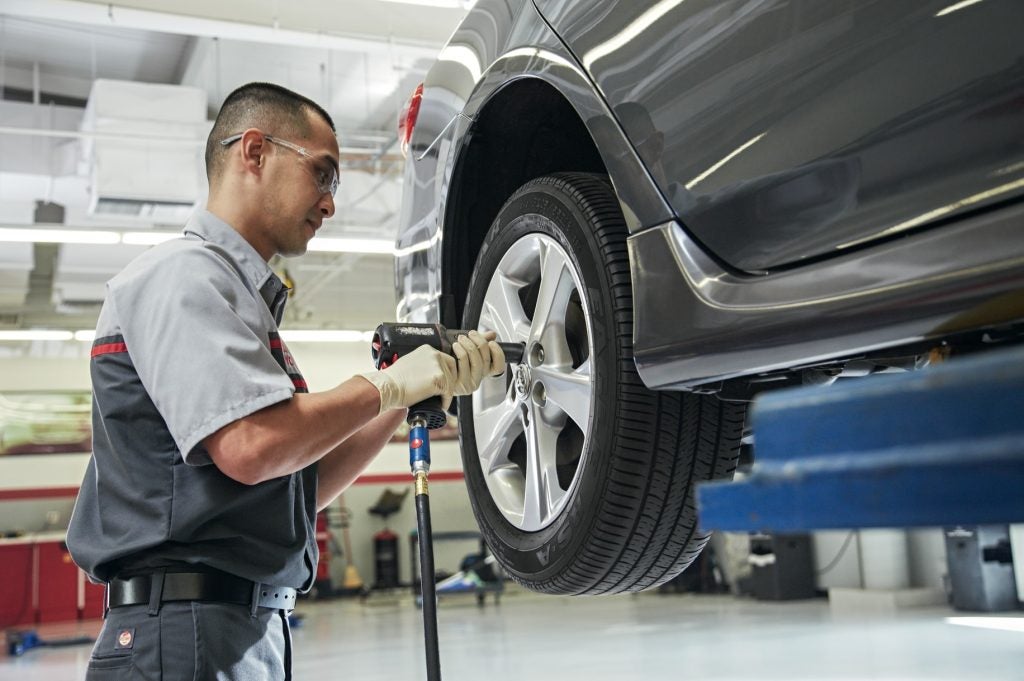
Toyota of Bristol can answer this one clearly: yes, a bad coil pack can cause a car not to start if the ignition system cannot deliver the spark needed to ignite the air-fuel mixture. The important detail is that not every bad coil creates the same result. If only one ignition coil is weak, your Toyota may still start but run rough, misfire, or hesitate. If multiple coils fail, or if the engine ends up with a true no-spark condition, the vehicle may crank and still refuse to start. That difference is where a lot of drivers get confused, and it is exactly why a no-start diagnosis should look at more than just the battery.

For a Bristol commuter trying to get to work, the practical question is not just “can a coil pack do this?” It is also “how do I tell whether this feels like a bad coil, a bad battery, a starter problem, or something else in the ignition system?” Rough idle, hard starts, misfires, and a check engine light often show up before a total no-start when ignition coils are beginning to fail. That means many Toyota drivers get warning signs before the vehicle leaves them stranded, but only if they know what to look for.

In this updated 2026 guide, we explain how ignition coils affect starting, why one bad coil is different from multiple failed coils, how to compare coil-pack symptoms against battery and starter symptoms, and what our service team checks during a Toyota no-start diagnosis here in Bristol.

An ignition coil, sometimes called a coil pack, converts low battery voltage into the high voltage needed to fire the spark plugs. If spark delivery becomes weak or stops completely, your Toyota may misfire, run poorly, or fail to start.

Table of Contents


How a Bad Coil Pack Can Stop Your Toyota From Starting

Key Takeaway: A bad coil pack can stop a Toyota from starting if the engine loses the spark it needs, but one weak coil often causes rough running before it causes a complete no-start.

What an Ignition Coil Does and Why Spark Matters

Your Toyota’s ignition coil is there to generate the high voltage needed to fire the spark plugs. Without that spark, the engine cannot ignite the air-fuel mixture, which means combustion does not happen and the vehicle may crank without starting. That is why a bad coil pack can absolutely be part of a no-start condition. This is not just a performance issue. It is a basic ignition issue.

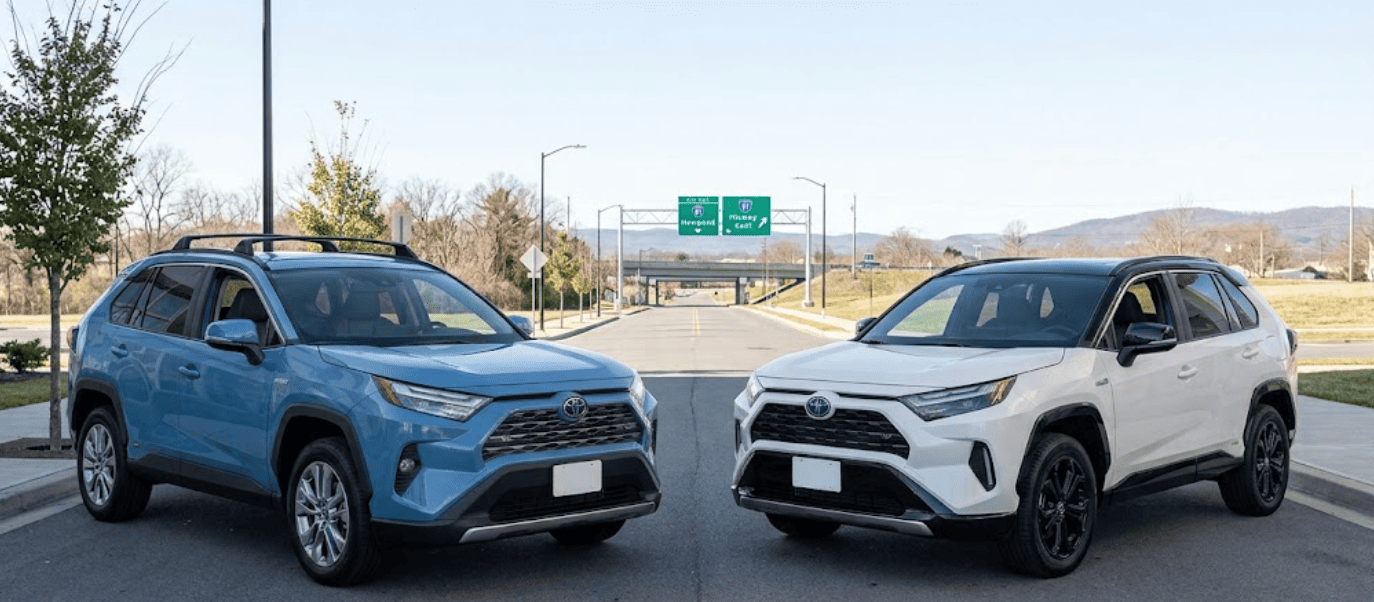
toyota ignition coilpacks


For a Bristol commuter hearing the engine crank but not catch, this matters because the sound of cranking does not automatically point to the battery. A bad battery usually changes the way the engine turns over, while a coil-related issue can leave you with a crank-no-start pattern because the starter is still turning the engine but the spark is not there when it needs to be. That is one of the clearest reasons not to guess from one symptom alone.

Here is the basic sequence:

  • The battery provides low-voltage power
  • The ignition coil steps that voltage up dramatically
  • The spark plug uses that high voltage to create spark
  • The engine ignites the air-fuel mixture
  • If spark does not happen, the engine may not start
Ignition Situation What Usually Happens No-Start Risk Best For
Healthy coil and plugs Engine starts and runs normally Low Routine drivers
Weak single coil Rough idle, misfire, hard start possible Moderate Drivers seeing early symptoms
Multiple failed coils Severe misfire or crank-no-start High Vehicles with escalating ignition failure
Full no-spark condition Engine cranks but will not fire Very high Drivers stranded by a no-start
Unknown ignition fault Symptoms overlap with other causes Variable Owners needing diagnosis
Ignition issue plus worn plugs Starting gets worse and performance drops High High-mileage vehicles

What most drivers do not realize is that the ignition coil is not working in isolation. Spark plugs, related wiring, and the rest of the ignition system also influence how the problem shows up. That is why our technicians diagnose the system instead of assuming one part.

One Bad Coil vs Multiple Failed Coils

This is the distinction that matters most. One bad ignition coil does not always mean a total no-start. In many cases, the engine will still start but run poorly. You may feel shaking, hesitation, rough idle, reduced power, or a flashing or steady check engine light before the vehicle stops starting altogether. That is why many coil failures begin as drivability complaints rather than immediate breakdowns.

For a Blountville Corolla or Camry owner, that means early symptoms matter. If the engine is already misfiring and you keep driving, the problem can become more severe. Once multiple coils fail, or once spark loss becomes widespread enough, the vehicle can move from rough-running to crank-no-start. That progression is exactly why we recommend diagnosis before the problem escalates. A coil issue is easier to manage when it is still a warning sign instead of a breakdown.

What Our Technicians Check During a No-Start Ignition Diagnosis

When a Toyota comes into our service center with a no-start complaint, our technicians do not stop at “it might be a coil.” We look at the whole starting and ignition picture. That can include symptom history, warning lights, whether the engine cranks normally, spark-related clues, and the condition of related ignition components. Our service center emphasizes certified technicians and genuine Toyota parts, which matters when a no-start issue needs proper diagnosis instead of guesswork.

Based on what we see here in Bristol, this is where drivers save time and money. If the problem is a coil, we want to confirm it. If it is battery-related, starter-related, or tied to spark plugs or another ignition-system component, we want to catch that before unnecessary parts get replaced. For a Johnson City used-car owner, that kind of inspection can be the difference between a quick repair and a second no-start a few days later.


Coil Pack Symptoms vs Battery, Starter, and Spark Plug Problems

Key Takeaway: Coil-pack problems usually come with ignition-related warning signs like misfires, rough idle, and hard starts, while battery and starter problems usually feel different from the moment you turn the key or push the start button.

How to Tell a Coil Pack Problem From Other No-Start Causes

A lot of drivers searching this topic are really trying to answer a slightly different question: “How do I know this is a coil pack and not the battery or starter?” That is the right question, because no-start symptoms overlap. A battery issue often shows up as weak cranking, clicking, or electrical sluggishness. A starter issue may mean the engine does not crank the way it should. A coil-related issue is more likely to appear as hard starts, rough running, misfires, or crank-no-start behavior tied to spark loss. Spark plug problems can overlap with coil symptoms because both live in the ignition system, which is why our technicians often inspect them together.

Problem Type Typical Clue What You Notice Recommended Action Best For
Bad coil pack Weak or missing spark Misfire, rough idle, crank-no-start possible Ignition-system diagnosis Drivers with rough running before no-start
Bad battery Low available power Clicking, slow crank, weak electrical behavior Battery and charging test Drivers with weak startup power
Bad starter Cranking problem Engine may not turn normally Starting-system diagnosis Drivers hearing abnormal start behavior
Worn spark plugs Weak combustion spark Hard starts, hesitation, misfire Plug and ignition inspection High-mileage maintenance cases
Multiple ignition faults Overlapping symptoms Rough running, warning lights, no-start risk Full diagnosis Used-car or delayed-service owners
Unknown no-start Symptoms unclear Vehicle simply will not start Professional diagnosis Any stranded driver

Based on Toyota official website and Toyota of Bristol service guidance.

The key difference between a coil issue and a dead battery is that a coil issue often gives you warning signs while the engine still cranks and may even still run. We recommend paying attention to misfires, hard starts, and rough idle because those clues often show up before the true no-start does.

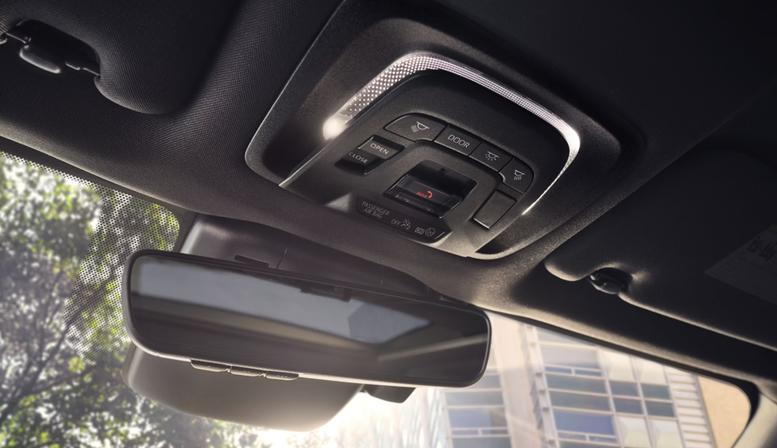
toyota ignition coilpacks


Which Toyota Drivers Around Bristol Should Schedule Diagnosis Right Away

For a Bristol commuter whose Toyota cranks but will not start before work, we recommend scheduling diagnosis right away because the issue has already moved past “watch and wait.” For a Kingsport high-mileage owner who has had a rough idle, a check engine light, and occasional hard starts, we recommend not waiting for the full no-start because the ignition problem may already be escalating. For an Abingdon family driver getting ready for a road trip, we recommend inspection as soon as those symptoms show up because ignition issues rarely get more convenient with time.

Use case recommendations we would give in the service lane:

  • If your Toyota cranks but does not fire, we recommend professional diagnosis immediately.
  • If your check engine light came on with misfire symptoms, we recommend an ignition inspection soon.
  • If you have hard starts and rough idle together, we recommend not waiting for a breakdown.
  • If you are unsure whether the issue is battery or ignition-related, we recommend diagnosis instead of guessing.

Our service center can help you sort that out quickly because we work with starting, ignition, and drivability issues every day. We would rather identify a coil problem while it is still manageable than see it turn into a true roadside no-start. If your Toyota is already showing the warning signs, let us inspect it before the next start attempt becomes the one that leaves you stuck.

Our team serves drivers from Bristol, Johnson City, Kingsport, Abingdon, Blountville, and Elizabethton, and we know that no-start concerns never happen at a convenient time. You can schedule diagnosis online, tell us whether the engine still cranks, and let us know if misfires or warning lights showed up first. That context helps our technicians approach the visit faster and more accurately. If you want to get ahead of the problem before it turns into a full no-start, the smartest move is to book the inspection now.


What Happens Before a Toyota Becomes a True No-Start

Key Takeaway: Most ignition-coil failures do not begin as complete no-starts; they usually start with rough idle, misfires, hard starts, and warning lights that give you a chance to act before the vehicle quits starting.

Rough Idle, Misfire, Hard Starts, and Check Engine Lights in Daily Tri-Cities Driving

Before a Toyota becomes a true no-start from ignition-coil failure, the vehicle often gives you clues. Rough idle at stoplights in Bristol traffic, hesitation pulling onto faster roads near Johnson City, harder cold starts in the morning, and a check engine light paired with a misfire feeling are all warning signs that something in the ignition system may already be weakening. That is why we tell drivers not to ignore “it still starts most of the time.” Those symptoms are often the window where diagnosis is easiest.

For a Kingsport high-mileage owner, those early signs may feel minor until the day the vehicle refuses to start. For an Abingdon family driver planning a weekend trip, they are a reason to schedule inspection before leaving town. Based on what we see at our service center, early ignition symptoms are where a lot of expensive inconvenience can still be avoided. Once the vehicle becomes a true no-start, the situation is always more urgent, and often more disruptive, than it would have been a few days earlier.

Symptom What It Can Mean Urgency Recommended Action
Rough idle Early ignition weakness Medium Schedule inspection soon
Intermittent hard start Coil or plug issue may be developing Medium to high Book diagnosis
Misfire feeling under load Spark delivery problem possible High Inspect ignition system
Check engine light with drivability symptoms Ignition or related fault likely High Diagnostic appointment
Crank-no-start Spark loss possible Very high Immediate diagnosis
Multiple symptoms together Problem may be escalating Very high Stop guessing and schedule service

Our service team can inspect ignition coils, related components, and the overall no-start picture so you are not left guessing whether the battery, starter, plugs, or coils are to blame. That kind of clarity is what keeps a warning sign from turning into a surprise repair at the worst possible time.

Our service center is here to help whether your Toyota is already in a no-start condition or just showing the early clues. We use Toyota service processes, genuine parts, and certified technicians, and we can explain exactly what we found before recommending the next step. If you are coming from Elizabethton, Blountville, Johnson City, or Kingsport, it is worth letting our team inspect the problem before one weak ignition component causes more disruption than it needed to. You can also ask about service specials and online scheduling if you are trying to keep the repair convenient.


Why a Bad Coil Pack Does Not Always Cause an Immediate No-Start

Key Takeaway: A bad coil pack does not always cause an immediate no-start because one weak coil can still leave enough spark for the engine to run, even if it runs badly.

This is the part a lot of generic articles blur. One failing ignition coil can let the engine start and stumble, while multiple failed coils or a broader no-spark condition are much more likely to create a true crank-no-start. That difference matters because many drivers dismiss the early symptoms precisely because the Toyota still starts. For a Blountville owner wondering whether one bad coil automatically means a breakdown, the honest answer is no. The more useful answer is that one bad coil is often the warning stage before a bigger ignition problem shows up.


Why Early Ignition Diagnosis Can Prevent Bigger Repair Bills

Key Takeaway: Early ignition diagnosis is usually cheaper and less disruptive than waiting until a Toyota becomes a full no-start.

For an Elizabethton owner trying to avoid a bigger repair bill, this is where timing matters. If the vehicle is already rough-idling, hard-starting, or misfiring, diagnosing the issue early can keep the repair more focused and help prevent unnecessary stress on the rest of the ignition system. Waiting until the Toyota refuses to start can mean more towing hassle, more inconvenience, and a more urgent repair situation. We recommend catching ignition issues while they are still warning signs, because that is usually the most manageable point to deal with them.


Key Takeaways

  • Yes, a bad coil pack can cause a no-start if spark is lost.
  • One weak coil may still let the engine start but run poorly.
  • Battery and starter symptoms often feel different from coil symptoms.
  • Rough idle, hard starts, and misfires are common warning signs.
  • Early diagnosis is easier than waiting for a full no-start.

Toyota Coil Pack and No-Start FAQ for Bristol Drivers

Can one bad coil pack keep a Toyota from starting?

It can, but not always. One bad coil often causes rough running, misfires, or hard starts before it causes a true no-start. A full crank-no-start is more likely when multiple coils fail or when spark loss becomes broad enough that the engine cannot ignite the air-fuel mixture at all. That is why early ignition symptoms matter so much.

What are the signs of a bad ignition coil?

Common signs include rough idle, misfires, hesitation, hard starts, and a check engine light. In some cases, those symptoms show up well before the Toyota becomes a no-start. We recommend paying attention to the combination of symptoms, not just one isolated issue, because ignition problems often build over time before they become severe.

How do we tell the difference between a bad coil and a bad battery?

A bad battery often shows up as slow cranking, clicking, or weak electrical power at startup. A bad coil is more likely to show up as hard starts, misfires, rough idle, or crank-no-start behavior tied to missing spark. The overlap is why our technicians diagnose the system instead of guessing from one symptom.

Can we inspect spark plugs during a coil-pack diagnosis?

Yes. Spark plugs and ignition coils work together, so if your Toyota comes in with hard starts, misfires, or a no-start complaint, our technicians may inspect both. That helps us avoid missing the actual root cause and gives you a clearer picture of what the ignition system needs.

We are here to help you figure out whether your Toyota’s no-start issue is really a bad coil pack, a battery problem, a starter problem, or something else in the ignition system. Our service center at 3045 W State St, Bristol, TN 37620 works with drivers from Bristol, Kingsport, Johnson City, Abingdon, Blountville, and Elizabethton every day, and we can help you move from symptoms to a clear diagnosis. We use certified technicians, Toyota service processes, and genuine parts so the repair starts with the right information. Call us at 423-764-3155, schedule service online, or reach out to our team if your Toyota is hard-starting, misfiring, or already refusing to start. We would love to help you catch the problem early and get your Toyota back on the road.

Toyota of Bristol has a clear answer for local EV shoppers: the 2026 Toyota bZ lineup now gives you two more distinct choices than before. The standard 2026 Toyota bZ is the right fit for most commuters and everyday drivers because it offers up to 314 miles of manufacturer-estimated range in XLE FWD Plus form, available front- or all-wheel drive, a larger 14-inch touchscreen, and NACS charging access. The new 2026 Toyota bZ Woodland takes the same electric direction and shifts it toward utility, with standard AWD, 375 combined system horsepower, about 260 miles of manufacturer-estimated range, 8.3 inches of ground clearance, and up to 3,500 pounds of towing capacity. For buyers in Bristol, Kingsport, Johnson City, and the Tri-Cities, the real question is not whether Toyota finally has stronger EV options. It is which version fits your actual life better.

For a Bristol commuter who wants an EV that feels current, easy to park, and easy to live with, we would usually start with the standard bZ. For an Abingdon driver who wants a little more gear space, a more rugged look, and better dirt-road confidence for weekends, the bZ Woodland makes more sense. We are also seeing interest from shoppers who want Toyota EV efficiency but do not want to move into a larger electric SUV than they actually need. That is exactly where this new two-model bZ story becomes useful. In this guide, we break down range, charging, trim fit, local driving use, and which bZ model we would recommend based on the way people around Bristol really drive.

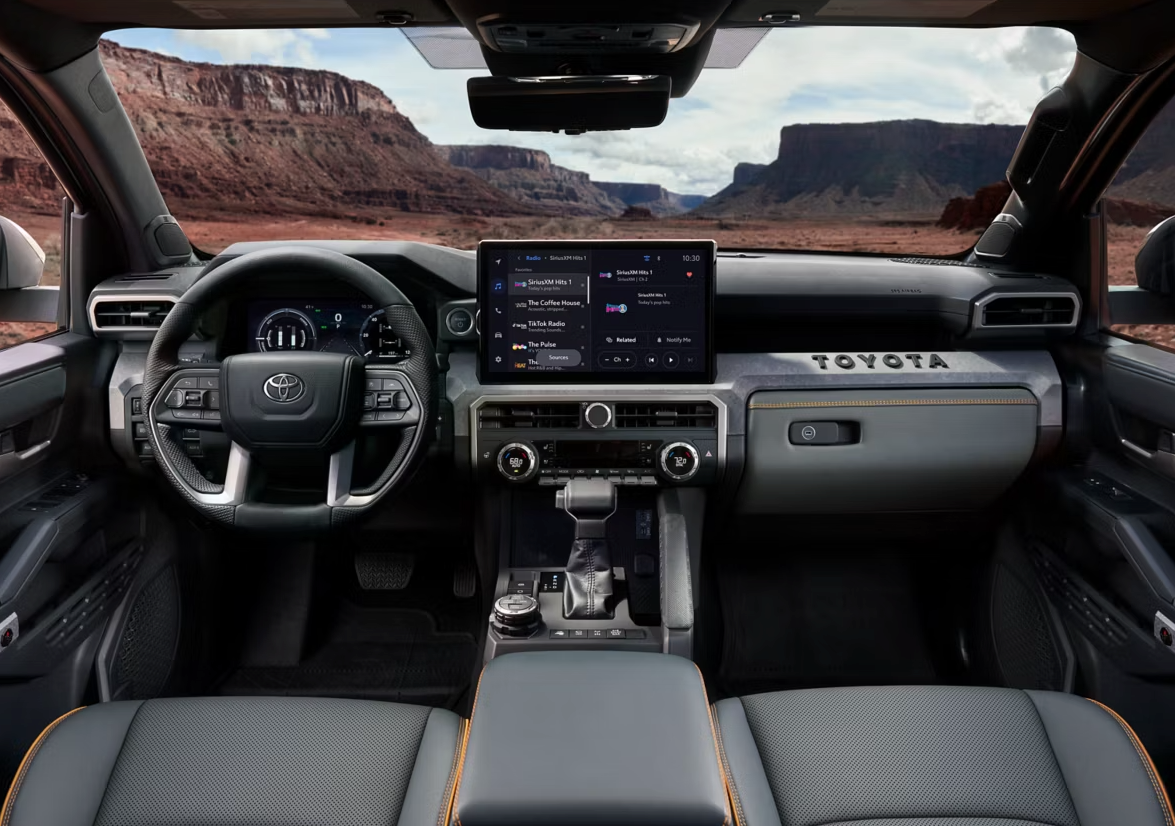
2026 toyota bz


The 2026 Toyota bZ lineup is Toyota’s battery-electric crossover family for drivers who want all-electric daily use with current charging technology and SUV practicality. For drivers in Bristol, Kingsport, Johnson City, Abingdon, Blountville, and Elizabethton, it offers a standard bZ for commuting and a bZ Woodland for buyers who want more utility and light-adventure readiness.

2026 Toyota bZ: A 314-Mile Range Electric Sedan Alternative in Crossover Form

Key Takeaway: The standard 2026 Toyota bZ is the best fit for most local EV shoppers because it combines strong range, current charging access, everyday crossover space, and a simpler ownership story than a larger electric SUV.

Range, Power, and Why the Standard bZ Fits Daily Bristol Driving

The standard 2026 Toyota bZ is the everyday side of Toyota’s EV lineup, and that is exactly why it matters. Toyota says the 2026 bZ can deliver up to 314 miles of manufacturer-estimated range in XLE FWD Plus form, while AWD models can make up to 338 combined system net horsepower. That gives us two strong talking points for Bristol-area buyers: useful range for real commuting and enough power to keep the drive from feeling flat. The bZ is also available in XLE and Limited grades, with either FWD or AWD, so buyers can tune the vehicle more closely to budget, weather, and route habits.

For a Kingsport commuter who uses I-81 through the week, we would usually recommend starting with the standard bZ instead of the Woodland because the bZ’s main job is efficiency and daily usability. For a Bristol commuter who wants to stop paying for gas but does not want the size or cost of a larger EV, the standard bZ is the cleaner answer. What most buyers do not realize is that the strongest EV choice is often the one that best matches the routine, not the one that looks the most rugged. That is one reason we think the standard bZ is going to fit a lot of local shoppers better than they expect.

Here are the specs that matter most to the buying decision:

  • Up to 314 miles of manufacturer-estimated range on XLE FWD Plus
  • Available front-wheel drive or all-wheel drive
  • Up to 338 combined system net horsepower on AWD versions
  • Available XLE and Limited trims
  • New 14-inch Toyota Audio Multimedia touchscreen
  • Toyota Safety Sense driver-assist technology and current in-cabin tech updates
Feature 2026 Toyota bZ XLE 2026 Toyota bZ Limited
Role in lineup Value and range-focused trim More premium everyday EV
Drive choices FWD or AWD FWD or AWD
Max manufacturer-est. range Up to 314 miles in XLE FWD Plus Lower than XLE FWD Plus depending configuration
Main priority Efficiency and value Premium tech and cabin feel
Best For Bristol and Kingsport commuters Johnson City professionals and comfort-focused buyers
Ideal Use Case First-time EV ownership Premium daily driver with EV efficiency

Charging Speed, NACS Access, and Everyday EV Ownership

Charging is where many EV conversations get real fast, and Toyota improved the 2026 bZ in ways that matter. Toyota says the 2026 bZ now has a North American Charging Standard port, Plug & Charge capability, intelligent Apple Maps EV Routing, battery preconditioning, and an enhanced onboard charger. Toyota’s e-brochure also says DC fast charging can take the bZ from 10 percent to 80 percent in about 30 minutes under ideal conditions. That is the kind of update that changes ownership from “possible” to “practical” for many drivers.

For an apartment-dwelling buyer in Johnson City, that broader fast-charging access matters more than it might for a homeowner in Bristol with easy overnight charging. For an Abingdon commuter who can charge at home and mostly uses public charging as backup, the standard bZ is even easier to justify. We recommend thinking of home charging as the main routine if possible, then using DC fast charging as the flexibility tool. That is usually the ownership pattern that creates the least stress and the clearest value.

XLE vs Limited and Which Standard bZ Trim Makes the Most Sense

For most buyers, this is where the decision gets simple. We recommend the bZ XLE if your main priorities are range, value, and an easier path into EV ownership. We recommend the bZ Limited if your priorities lean toward premium details, a more upscale cabin, and a higher-end daily experience. Toyota of Bristol’s model page calls out features like the panoramic moonroof with power sunshade as standard on Limited and available on XLE, which is exactly the kind of difference that matters to comfort-focused buyers.

For a Bristol first-time EV buyer, the XLE is usually the best starting point because it keeps the story straightforward. For a Johnson City professional who wants a more upscale EV cabin and expects that premium feel to matter every day, the Limited makes more sense. Our sales team sees this all the time: once buyers understand whether they care more about range-value or premium feel, the trim choice gets much easier.

2026 Toyota bZ Woodland: All-Terrain Capability Goes Electric

Key Takeaway: The bZ Woodland is the better fit only when you truly want more utility, more ground clearance, more towing, and a more rugged electric crossover personality than the standard bZ provides.

bZ vs bZ Woodland

The new bZ Woodland gives Toyota something it did not have before: a more adventure-leaning electric crossover that feels different enough from the standard bZ to matter. Toyota says the 2026 bZ Woodland comes standard with AWD, makes 375 combined system horsepower, offers about 260 miles of manufacturer-estimated all-electric range, has 8.3 inches of ground clearance, over 30 cubic feet of rear cargo space, and can tow up to 3,500 pounds. Toyota’s Newsroom also says it is nearly 6 inches longer than the standard bZ and offers 74.3 cubic feet of storage with the second row folded versus 67.1 cubic feet in the standard bZ.

Feature 2026 Toyota bZ 2026 Toyota bZ Woodland
Main role Everyday EV crossover Rugged, utility-focused EV crossover
Drive options FWD or AWD Standard AWD
Max manufacturer-est. range Up to 314 miles About 260 miles
Power Up to 338 hp on AWD 375 hp combined
Ground clearance Lower, everyday crossover setup 8.3 inches
Utility direction Commuting and daily use Cargo, towing, light adventure
Towing Not the key focus Up to 3,500 lbs
Best For Bristol and Kingsport commuters Abingdon and weekend-gear buyers

Based on Toyota official website.

2026 toyota bz


The key difference between the bZ and the bZ Woodland is not just styling. The standard bZ wins for most buyers because it gives better range and a cleaner everyday ownership story. The Woodland wins when the buyer truly needs the added utility, higher ride stance, stronger cargo direction, and towing capability. We recommend the standard bZ for most local EV shoppers because commuting and daily usability are usually more important than rugged image. We recommend the Woodland when the real-life use case includes outdoor gear, dirt access roads, weekend camping, or a stronger utility angle from day one.

Which bZ Model Fits Your Driving Style in Bristol and the Tri-Cities

For a Bristol commuter who drives every day and wants the cleanest EV ownership experience, we recommend the standard bZ because range and simplicity matter more than extra ride height. For a Kingsport commuter who spends most of the week on pavement and wants a modern electric crossover with current charging support, we would still recommend the standard bZ. For an Abingdon driver who carries outdoor gear, uses rougher access roads, and wants an electric vehicle that feels more ready for a light-adventure lifestyle, the bZ Woodland is the better choice.

Use case recommendations we would give in the showroom:

  • If you want the best everyday range and easiest commuter fit, we recommend bZ XLE.
  • If you want a premium-feel EV for daily driving, we recommend bZ Limited.
  • If you want rugged styling and real utility upgrades, we recommend bZ Woodland.
  • If you are not sure you will use the Woodland’s utility features often enough, we recommend driving the standard bZ first.

Our team can make this much easier in person because we can quickly tell whether you are shopping for an electric commuter, an all-purpose family EV, or a more utility-focused weekend vehicle. We can compare charging questions, trim fit, trade value, and real-world ownership patterns with you instead of leaving you to sort through national reviews that are not tied to Bristol-area driving. If you want to save time before visiting us, you can start with our quote or inventory tools online, then stop by our showroom at 3045 W State St in Bristol with a shorter, more useful shortlist.

Charging, Incentives, and EV Fit for Bristol, Kingsport, and Johnson City Drivers

Key Takeaway: Around Bristol and the Tri-Cities, the best Toyota EV fit usually comes down to your home-charging setup, daily route length, and whether you need rugged utility or just efficient electric commuting.

Local Driving Conditions, Home Charging Patterns, and Where Each bZ Model Makes Sense

Around Bristol, local EV ownership is not one-size-fits-all. Some drivers have easy overnight home charging. Some rely more on workplace or public charging. Some drive mostly in town. Others stack highway miles between Bristol, Johnson City, Kingsport, and Southwest Virginia. That is why we do not think every local buyer should default to the Woodland just because it looks tougher. For a lot of people here, the standard bZ is the smarter choice because it lines up better with the actual driving pattern.

For an Elizabethton small household that wants one EV for errands, commuting, and occasional weekend travel, the standard bZ usually wins. For an Abingdon buyer who heads toward trailheads or carries more gear and appreciates extra utility, the Woodland makes more sense. For a Johnson City apartment dweller who cares about fast-charging access and efficient use of public charging stops, the standard bZ’s better range story is a big advantage. Based on our experience at Toyota of Bristol, the standard bZ is the right answer more often than the Woodland, but the Woodland is a real answer when the utility need is genuine.

Driver Profile Primary Need Recommended Model Key Reason
Bristol daily commuter Range and easy parking bZ XLE Better everyday range fit
Johnson City professional Premium-feel EV bZ Limited More upscale cabin direction
Kingsport I-81 commuter Range confidence bZ Everyday efficiency
Abingdon outdoor driver Utility and gear space bZ Woodland AWD, cargo, towing focus
Blountville first-time EV buyer Simpler ownership bZ XLE Clearest value story
Elizabethton small household One-vehicle versatility bZ or bZ Limited Better commuter-family balance

Our team can also help you connect the EV decision to the rest of ownership. If you want to look at trade value, financing, or what switching from gas to electric might mean for your budget, we can make that conversation practical and local. We also support owners after delivery with service scheduling, ToyotaCare resources, and the Toyota of Bristol Advantage Plan, so your experience does not stop at the sale. If you want to start with the financial side first, use our trade and finance tools online, then come see us in Bristol.

2026 toyota bz


What Daily Charging Habits Mean for Tri-Cities EV Buyers

Key Takeaway: The real cost difference between the standard bZ and the bZ Woodland is not just price; it is how your daily charging pattern rewards range or utility.

For a Bristol buyer with home charging and a steady weekday route, the standard bZ will usually produce the stronger ownership-value story because the better range fit means fewer compromises and fewer public-charging stops. For a buyer whose life genuinely includes extra cargo, more utility, and more rugged use, the Woodland may still justify itself. But that should be a real-use decision, not an appearance-first one.

Here is the framework we usually recommend:

  • Choose bZ XLE if value and range are the priorities.
  • Choose bZ Limited if premium daily comfort matters more.
  • Choose bZ Woodland if utility, towing, and rugged use are part of your routine.
  • Treat home charging as the normal plan if possible.
  • Use DC fast charging as flexibility, not as your everyday routine. (Toyota)

Why Some Bristol EV Shoppers Should Choose bZ Instead of a Larger Electric SUV

Key Takeaway: Some Bristol EV shoppers should skip the larger electric SUV idea entirely because the standard bZ gives them better everyday efficiency, easier parking, and enough crossover utility without extra size they may never use.

What we see here locally is that plenty of buyers think they need a larger electric SUV when they really need a well-sized electric crossover. For Bristol and Johnson City commuting, the standard bZ can be the better answer because it keeps the ownership story simpler. It is easier to place on the road, easier to park, and easier to justify if your routine is mostly commuting, errands, and moderate weekend travel. The Woodland belongs in the conversation when the utility need is real, but the standard bZ is the smarter fit for many Tri-Cities buyers.

Key Takeaways

  • The 2026 Toyota bZ is the stronger fit for most commuters and first-time EV buyers.
  • The new bZ Woodland adds more power, more utility, and a more rugged EV personality.
  • The standard bZ offers up to 314 miles of manufacturer-estimated range.
  • The Woodland offers about 260 miles of range, standard AWD, and up to 3,500 pounds of towing.
  • For Tri-Cities driving, the best choice depends on whether your life is commuter-focused or utility-focused.

2026 Toyota bZ FAQ for Bristol EV Shoppers

What is the difference between the 2026 Toyota bZ and bZ Woodland?

The standard 2026 Toyota bZ is Toyota’s everyday all-electric crossover, focused more on commuter range, daily practicality, and a simpler ownership story. The 2026 bZ Woodland takes that EV idea in a more utility-focused direction with standard AWD, 375 horsepower, about 260 miles of manufacturer-estimated range, more cargo room, more ground clearance, and up to 3,500 pounds of towing. We recommend the standard bZ for most buyers and the Woodland for buyers with real gear, cargo, or light-adventure needs.

Is the 2026 Toyota bZ good for commuting around Bristol and Johnson City?

Yes, and that is one of the strongest reasons to look at it. For a commuter moving between Bristol and Johnson City during the week, the standard bZ gives you strong manufacturer-estimated range, current fast-charging support, and a crossover shape that feels more practical than a sedan without becoming oversized. Based on how we see local buyers shop, the standard bZ is usually the right answer for drivers whose life is mostly workdays, errands, and moderate weekend use.

Does the 2026 Toyota bZ use fast charging and NACS?

Yes. Toyota says the 2026 bZ uses a North American Charging Standard port and supports Plug & Charge. Toyota also says under ideal conditions DC fast charging can take the battery from 10 percent to 80 percent in about 30 minutes. For local buyers, that means the 2026 bZ is much easier to fit into a real ownership routine than older EV shoppers may expect.

Which 2026 Toyota bZ model should I buy?

We recommend the standard bZ if your main priorities are commuting, efficiency, value, and easier everyday EV ownership. We recommend the bZ Woodland if your route or lifestyle really benefits from more cargo direction, more ride height, towing capability, and a tougher overall setup. For most Bristol-area buyers, the standard bZ is the smarter answer. For a smaller group of outdoor-focused buyers, the Woodland is the better fit.

2026 toyota bz


We are here to help you sort out whether the 2026 Toyota bZ or the new bZ Woodland fits the way you actually drive in Bristol, Kingsport, Johnson City, Abingdon, Blountville, and Elizabethton. Our team can walk you through the charging questions, the trim differences, the trade value side, and the financing side without turning the process into a guessing game. Visit us at 3045 W State St, Bristol, TN 37620, call us at 423-764-3155, or start online with our inventory, trade, and finance tools. We also support your ownership experience with ToyotaCare resources and the Toyota of Bristol Advantage Plan. We would love to help you get into the right Toyota EV for your routine, not just the one that looks best on paper.

Toyota of Bristol can already tell you the main answer most shoppers want: the 2026 Toyota 4Runner lineup gives you nine distinct grades, and the right choice depends on whether you want value, trail capability, family comfort, or premium hybrid power. The lineup starts with SR5 at an MSRP of $41,570 before delivery, processing, and handling, and it now stretches all the way to Platinum, with TRD Off-Road, TRD Sport, Limited, TRD Pro, and Trailhunter in between. Toyota also says the i-FORCE MAX hybrid powertrain is standard on TRD Pro, Trailhunter, and Platinum, and available on several other trims, which makes the trim decision even more important for Bristol-area buyers.

For a Bristol commuter who wants 4Runner utility without overbuying off-road hardware, we usually start with SR5 or SR5 Premium. For a Johnson City driver who actually plans to use the vehicle on gravel, muddy trail access roads, or mountain weekends, TRD Off-Road or Trailhunter makes far more sense. For a Kingsport family that wants the 4Runner look and body-on-frame durability but cares just as much about comfort and premium features, Limited or Platinum is where the conversation gets serious. That is why this guide is built around how people really shop, not just how trim charts look on paper.

In the sections below, we break down what each major 2026 4Runner trim group offers, which buyers each one fits best, and how we match these trims to local driving around Bristol, Kingsport, Johnson City, Abingdon, Blountville, and Elizabethton.

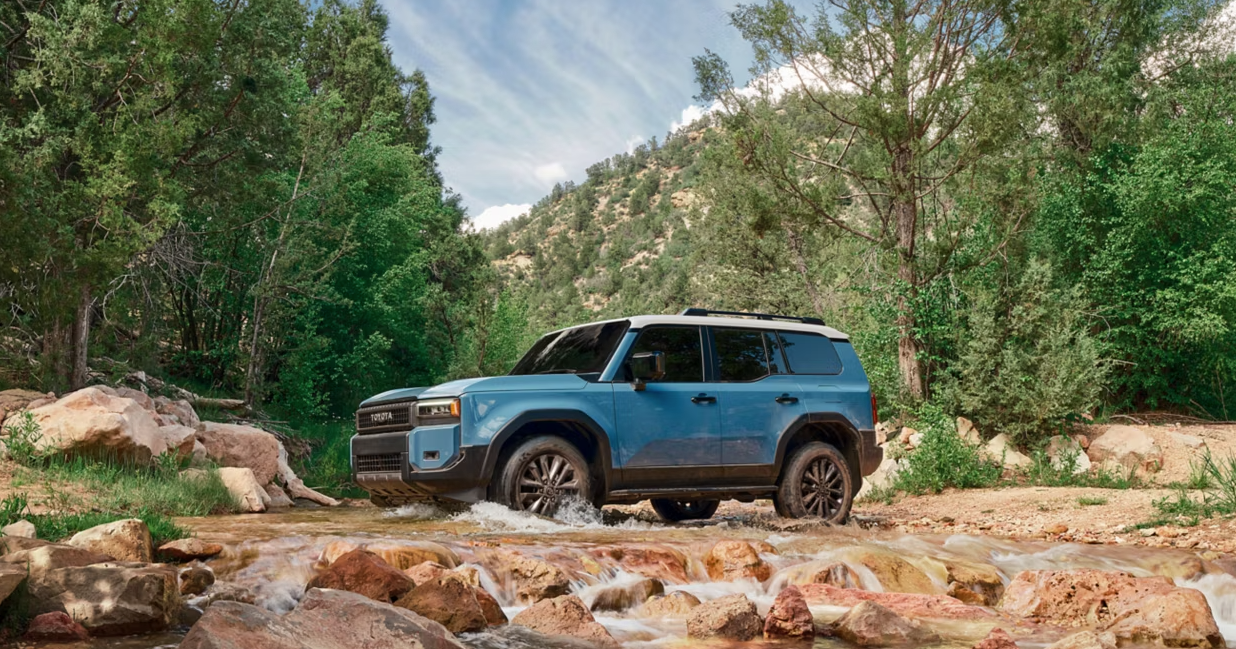
2026 Toyota 4runner


The 2026 Toyota 4Runner is a body-on-frame midsize SUV with multiple trim levels built for daily driving, towing, trail use, and family travel. For drivers in Bristol, Kingsport, Johnson City, Abingdon, Blountville, and Elizabethton, it offers a wide range of configurations from value-focused SR5 models to premium and off-road-ready hybrid trims.

4Runner SR5 and SR5 Premium: Everyday Value and Capability

Key Takeaway: For most buyers who want a 4Runner for daily use, road trips, weather confidence, and classic SUV durability, SR5 and SR5 Premium are where the smartest value usually starts.

Pricing, Core Features, and Why SR5 Is the Entry Point

The 2026 Toyota 4Runner SR5 matters because it gives buyers a real entry point into the lineup without feeling stripped down. Toyota says the 2026 4Runner starts at $41,570 MSRP before delivery, processing, and handling, and that matters for buyers who want the body-on-frame platform, available four-wheel drive, and rugged SUV identity without jumping straight into premium or off-road-specialized trims. Based on our experience at Toyota of Bristol, that makes SR5 one of the most important trims in the whole lineup.

For a Bristol buyer who wants something tougher than a crossover but still usable every day, the SR5 is usually where we start. It is the trim for drivers who care more about broad capability than specialty hardware. It also gives shoppers a strong baseline for comparing the rest of the lineup.

Here is why SR5 stays relevant:

  • Lower entry MSRP than the upper trims
  • Access to the 4Runner’s new-generation platform and design
  • Good fit for buyers moving out of midsize crossovers
  • Easier to justify for daily driving than TRD Pro or Trailhunter
  • Strong starting point for family, commuting, and road-trip use
Feature 2026 4Runner SR5 2026 4Runner SR5 Premium
Position in lineup Entry value trim Value trim with extra comfort
Starting point Lowest 4Runner MSRP Above SR5
Everyday focus Strong Strong
Cabin upgrade level Basic-to-mid Higher comfort feel
Best For Budget-aware SUV shoppers Daily drivers who want more comfort
Ideal Use Case Bristol commuter with weekend utility needs Kingsport family wanting comfort without jumping to Limited

What most buyers do not realize is that the key difference between SR5 and the higher trims is not whether the vehicle is capable. It is how much specialized equipment you actually need. If the vehicle’s real job is commuting, sports practice, road trips, winter weather, and occasional gear hauling, SR5 can already cover a lot of ground.

Cabin Utility, Seating, and Daily Driver Practicality

Our sales team spends a lot of time with buyers who love the look of the 4Runner but worry it may be too trail-focused for everyday use. In practice, the SR5 and SR5 Premium are usually the trims that answer that concern. They keep the classic SUV identity while making the 4Runner more realistic for commuting, family hauling, and daily errands around Bristol and the Tri-Cities.

For a Kingsport family of five, the question is not whether the 4Runner can handle weekend gear. It can. The better question is whether the trim you choose supports daily comfort well enough to live with year-round. That is where SR5 Premium starts to matter. If your kids, cargo, travel bags, sports equipment, or pet gear are part of the routine, the extra comfort and convenience upgrades can make a clear difference in ownership satisfaction.

We also see plenty of buyers cross-shopping the 4Runner with Grand Highlander, Highlander, and Land Cruiser. That comparison usually comes down to priorities:

  • If you want maximum family-first refinement, Grand Highlander may still be the better answer.
  • If you want classic SUV toughness with daily usability, SR5 Premium often lands in the sweet spot.
  • If you want more off-road focus, then the TRD side of the lineup becomes the better conversation.

When SR5 Premium Makes More Sense Than Moving Higher

This is where a lot of local buyers save themselves money. We recommend SR5 Premium when you want the 4Runner image and capability, but your real life does not justify TRD Pro, Trailhunter, or Platinum pricing. For a Bristol driver who wants daily comfort, occasional mountain weather confidence, and a vehicle that still feels rugged, SR5 Premium often makes more sense than climbing too high in the range.

For a Johnson City buyer who mostly drives pavement but wants something that can still handle trailhead parking lots, campground roads, and family travel, SR5 Premium is often the smarter answer. It gives you more everyday value without forcing you to pay for off-road equipment you may not use often enough to matter. That is the kind of recommendation we make all the time because our job is to match the trim to your routine, not just point to the flashiest badge.

4Runner TRD Off-Road, TRD Pro, and Trailhunter: Built for the Drivers Who Actually Use the Capability

Key Takeaway: We recommend starting with TRD Off-Road for most serious local adventure buyers, moving to TRD Pro only if you want a higher-performance factory trail package, and choosing Trailhunter if overlanding gear and expedition-style use are truly part of your plan.

TRD Off-Road vs TRD Off-Road Premium vs TRD Pro vs Trailhunter

This is the part of the lineup that gets the most attention, and for good reason. Toyota says the 2026 4Runner lineup includes TRD Off-Road, TRD Off-Road Premium, TRD Pro, and Trailhunter, with the i-FORCE MAX hybrid standard on TRD Pro and Trailhunter and available on TRD Off-Road and TRD Off-Road Premium. That matters because not every off-road buyer has the same goal. Some want trail access. Some want factory-built credibility. Some want premium-grade overlanding hardware from day one.

Feature TRD Off-Road TRD Off-Road Premium TRD Pro Trailhunter
Role Core trail-ready trim Trail-ready with more comfort High-performance factory off-road trim Overlanding-focused flagship
Hybrid availability Available i-FORCE MAX Available i-FORCE MAX Standard i-FORCE MAX Standard i-FORCE MAX
Comfort level Mid Higher High High
Off-road specialization Strong Strong Stronger factory performance focus Expedition and gear focus
Best For Johnson City weekend trail users Buyers mixing trails and daily comfort Serious off-road enthusiasts Camping and long-form adventure users
Ideal Use Case Gravel, mud, outdoor weekends Daily use plus trail access Buyers who want factory halo capability Abingdon overlanding and gear-heavy travel

Based on Toyota official website.

2026 Toyota 4runner


The key difference between these trims is not just how extreme they look. It is how specifically their equipment matches your actual plans. We recommend TRD Off-Road for most buyers because it gives you the hardware and image many local shoppers want without forcing you to pay the premium that comes with TRD Pro or Trailhunter. We recommend TRD Pro when you know factory performance-focused trail hardware is worth the money to you. We recommend Trailhunter only when your life really includes camping gear, longer adventure travel, and the kind of use that benefits from a true overlanding-first approach.

Which Off-Road 4Runner Fits Your Driving Style in Bristol and the Tri-Cities

For a Johnson City buyer who spends weekends on gravel, trail access roads, and outdoor routes but still drives the vehicle to work Monday through Friday, we recommend the TRD Off-Road because it gives you the capability you will actually use without becoming too specialized. For an Abingdon driver who camps often and loads up gear for longer weekends, we recommend the Trailhunter because the expedition-style focus is more aligned with that lifestyle. For a Bristol buyer who wants a factory halo trim and plans to use the vehicle aggressively enough to justify it, the TRD Pro is the better statement piece and performance choice.

Use case recommendations we would give in the showroom:

  • If you want one SUV for workdays and weekends, we recommend TRD Off-Road Premium because it balances comfort and capability.
  • If you want the strongest factory off-road image and setup, we recommend TRD Pro because it is built for buyers who know they want that package.
  • If your trips regularly involve camping gear, remote travel, and longer outdoor weekends, we recommend Trailhunter because it is targeted at exactly that use.
  • If you mostly want rugged styling but do not truly need trail hardware, we recommend looking back at SR5 Premium before overspending.

Our customers tell us the hard part is not loving these trims. The hard part is knowing which one is justified. That is where we can help most, because we know which drivers are using their 4Runner for Smokies road trips, gravel pull-offs, or regional outdoor weekends and which drivers simply want a rugged daily SUV.

Our team can help you compare these trims in a way national comparison pages cannot. We can line up a route that includes city traffic, tighter parking, and the kind of local pavement conditions you will actually see around Bristol. We can also help you look at quotes, current or incoming inventory, and whether the hybrid-equipped trims are worth the jump based on your real plans. If you want to save time before visiting us, start with our online quote or inventory tools, then come in ready to compare the trims that fit your driving life instead of all nine grades at once. Call us at 423-764-3155 or visit us at 3045 W State St in Bristol and we will make the process easier.

4Runner Limited and Platinum: Luxury Meets Adventure

Key Takeaway: Limited and Platinum are the trims we recommend for buyers who want the 4Runner’s rugged platform but care just as much about premium comfort, family travel, and hybrid-backed refinement.

Hybrid Availability, Premium Features, and Local Family Use

Toyota says the i-FORCE MAX hybrid is standard on Platinum and available on Limited, which immediately makes these trims relevant for buyers who want more than a stripped-down rugged SUV. This is where the 4Runner becomes more attractive to families, long-distance drivers, and buyers who want a premium ownership feel without leaving the model entirely for Land Cruiser or Grand Highlander.

For a Bristol buyer who wants rugged looks but premium comfort, the best option is often the Platinum because it puts the hybrid powertrain and premium feel together in one package. For an Elizabethton family road-tripper, the Limited can make more sense because it gives you a nicer long-distance environment while staying more grounded than the halo trims. For Kingsport households that tow occasionally, road trip often, and still want the 4Runner identity, Limited and Platinum are usually where the lineup becomes most compelling.

Driver Profile Primary Need Recommended Trim Key Reason
Bristol premium buyer Rugged image with comfort Platinum Standard hybrid plus upscale feel
Elizabethton family road tripper Long-distance comfort Limited Better family-use balance
Kingsport active household Versatility plus refinement Limited or Platinum Family comfort with SUV durability
Johnson City daily driver with premium taste Stylish everyday use Platinum Premium cabin and hybrid setup
Abingdon mixed-use buyer Adventure and comfort Limited Easier balance than TRD halo trims
Buyer leaving a crossover SUV identity without losing comfort Limited Familiar comfort with 4Runner character

We are happy to help you sort out this side of the lineup because premium buyers often get overlooked in 4Runner conversations. If you are in Kingsport, Johnson City, or Elizabethton and want a family-ready SUV that still feels like a true Toyota body-on-frame model, we can walk you through Limited and Platinum in a way that is tied to your real routine. We can also help you value your current vehicle, review available finance options, and show you how ToyotaCare and the Toyota of Bristol Advantage Plan add value beyond the initial purchase. Stop by our showroom or call 423-764-3155 and we will help you narrow the lineup fast.

Which 4Runner Trim Works Best for Bristol Families, Road Trips, and Weekend Gear

Key Takeaway: The best family 4Runner trim is usually not the most extreme one; it is the one that fits the balance between cargo, comfort, weather confidence, and how often your weekends actually demand rugged hardware.

For Bristol families, the smartest 4Runner trim usually comes down to how often weekend plans really move beyond pavement. If your life is mostly school runs, sports schedules, trips across the Tri-Cities, and occasional mountain weekends, we recommend SR5 Premium or Limited before you look at TRD Pro. If your family weekends regularly involve gravel access roads, trailhead parking, and outdoor gear, TRD Off-Road Premium becomes easier to justify. If your trips are long, family-heavy, and comfort matters most, Limited may simply be the better answer.

For an Elizabethton family road tripper, the best option is often Limited because it keeps the SUV identity while leaning into comfort. For a Kingsport family with camping gear and active weekends, TRD Off-Road Premium usually makes more sense because it balances daily livability and weekend capability.

How We Match 4Runner Trims to Tri-Cities Roads, Weather, and Weekend Plans

Key Takeaway: Around Bristol, the right 4Runner trim depends as much on road type, weather, and weekend habits as it does on budget.
2026 Toyota 4runner

What we see here locally is that roads and routines shape the trim decision more than shoppers expect. Bristol and Johnson City buyers often need something that feels comfortable in traffic and easy on longer paved drives. Kingsport and Abingdon buyers may care more about cargo, trips, and changing weather. Drivers heading toward outdoor weekend routes often overestimate how much hardware they really need. That is why we often steer shoppers back toward SR5 Premium or TRD Off-Road instead of instantly pushing them to the top of the range.

Our rule of thumb is simple:

  • Mostly pavement and family use: SR5 Premium or Limited
  • Mixed daily use and outdoor weekends: TRD Off-Road Premium
  • Premium-focused daily driving: Platinum
  • Real expedition or halo-trim goals: Trailhunter or TRD Pro

That local decision-making lens is where we add the most value.

Key Takeaways

  • The 2026 Toyota 4Runner lineup includes nine grades, starting at $41,570 MSRP before delivery.
  • SR5 and SR5 Premium are the strongest value picks for many daily drivers.
  • TRD Off-Road is usually the best starting point for local off-road shoppers.
  • Limited and Platinum work well for families who want more comfort and hybrid availability.
  • For Tri-Cities driving, the best trim depends on real use, not just the badge.

2026 Toyota 4Runner Trim FAQ for Bristol Drivers

What trims are available on the 2026 Toyota 4Runner?

Toyota says the 2026 4Runner lineup offers nine distinct grades. The main range includes SR5, TRD Sport, TRD Off-Road, TRD Off-Road Premium, Limited, TRD Pro, Trailhunter, and Platinum, with SR5 Premium also part of the lineup grouping Toyota highlights across trim discussions. The practical takeaway is that the lineup spans value, sport styling, serious trail use, and premium family comfort.

Which 2026 Toyota 4Runner trims offer the i-FORCE MAX hybrid?

Toyota says the i-FORCE MAX hybrid is standard on TRD Pro, Trailhunter, and Platinum. It is also available on TRD Off-Road, TRD Off-Road Premium, and Limited. Based on how we help local buyers shop, that means you do not have to move all the way into a halo trim just to access hybrid power.

Which 2026 Toyota 4Runner trim is best for off-roading?

For most local buyers, we recommend TRD Off-Road as the best starting point because it gives you real trail-focused hardware without forcing you into the higher price of TRD Pro or Trailhunter. We recommend TRD Pro if you want a higher-level factory off-road package, and Trailhunter if your use is more overlanding- and camping-oriented.

Which 2026 Toyota 4Runner trim is best for everyday driving and family use?

For everyday family use, we usually recommend SR5 Premium, Limited, or Platinum depending on your comfort expectations and budget. A Kingsport family doing school runs, road trips, and weekend gear hauling will usually be happier in one of those trims than in TRD Pro, unless real off-road use is part of the routine.

We are here to help you choose the 2026 Toyota 4Runner trim that actually fits the way you drive in Bristol, Kingsport, Johnson City, Abingdon, Blountville, and Elizabethton. Our team can walk you through SR5, TRD, Limited, and Platinum options, help you compare hybrid availability, and line up a test drive that makes the differences feel clear. Visit us at 3045 W State St, Bristol, TN 37620, call us at 423-764-3155, or start with our inventory and finance tools online. We also back your ownership experience with ToyotaCare and the Toyota of Bristol Advantage Plan, so the support does not end after delivery. We would love to help you find the right 4Runner for your budget, your road conditions, and your weekend plans.

Toyota of Bristol can answer this one pretty directly: most Toyota spark plug replacement appointments take about 1 to 2 hours, but the actual time depends on the engine layout, how easy the plugs are to reach, how many plugs need to be replaced, and whether our technicians find related ignition issues during the visit. On many Toyota models, spark plug service is straightforward. On others, especially engines with tighter access, the job can take longer because more components have to be moved to reach the plugs correctly. That is why the right answer is not just “how long do spark plugs last,” but also “how much labor does my Toyota need to replace them properly.” Toyota’s own maintenance guidance also notes that spark plug timing depends on vehicle and service schedule, not one universal mileage number for every model.

For a Bristol commuter trying to fit maintenance into a weekday, that difference matters. For a Johnson City driver dealing with a rough idle or a check engine light, it matters even more because the visit may include diagnosis, not just routine replacement. We recommend thinking about spark plug service in two ways: routine maintenance and symptom-driven repair. If your Toyota is simply due based on mileage or age, the visit is often more predictable. If your engine is already misfiring, starting hard, or running rough, the appointment can take longer because our technicians may need to inspect coils, oil intrusion, or other ignition-related issues before we finish the work.

In this refreshed 2026 guide, we explain typical replacement time, what changes labor time from one Toyota to another, the signs you should not ignore, and what our service team checks when you bring your vehicle to our Bristol service center.

Spark plug replacement is the service that removes worn spark plugs and installs new ones so the engine can ignite fuel properly and run efficiently. For Toyota drivers in Bristol, Kingsport, Johnson City, Abingdon, Blountville, and Elizabethton, it helps protect performance, fuel economy, and starting reliability.

Table of Contents


What Affects Toyota Spark Plug Replacement Time?

Key Takeaway: Most Toyota spark plug jobs take about 1 to 2 hours, but engine access, cylinder count, and whether our technicians find related ignition issues are what usually push the appointment shorter or longer.

Typical Service Time for Most Toyota Models

For most Toyota drivers, spark plug replacement is not an all-day repair. In a straightforward maintenance visit, our technicians can often complete the service in about 1 to 2 hours, especially on engines where the plugs are easy to access and there are no related ignition problems. That estimate lines up with the current Toyota of Bristol post and with general Toyota maintenance guidance that emphasizes following the model-specific schedule and inspecting related signs of wear when symptoms appear.

Where the timing changes is when the service is no longer just “remove old plugs and install new ones.” If the engine bay is tight, if additional covers or intake components must be removed, or if the vehicle came in with misfire symptoms, the visit can extend beyond the simple replacement window. For a Bristol Camry owner who is only due for scheduled maintenance, we would usually expect a more predictable appointment. For a used RAV4 owner from Kingsport coming in with a rough idle and a check engine light, the visit may include diagnosis first and replacement second. That difference is important because many people searching this question are actually asking two questions at once: how long does the labor take, and how long will my visit take if something else is wrong.

Here is the practical breakdown we give customers:

  • Routine spark plug replacement on an accessible engine: often about 1 to 2 hours
  • Tighter-access engines or more complex layouts: often longer
  • Vehicles with misfire symptoms or ignition concerns: diagnosis can add time
  • Additional recommended work, like coil or boot inspection: can extend the appointment
  • Waiting on badly seized or damaged plugs: can also increase labor time
Toyota Spark Plug Service Scenario Typical Time Expectation What Changes Time? Best For
Routine maintenance on accessible 4-cylinder About 1 to 2 hours Straight access, no major issues found Drivers due by maintenance schedule
V6 or tighter-access engine Often longer than a basic visit More labor to reach plugs Owners with more complex engine layouts
Symptom-driven inspection plus replacement Can exceed a standard service window Diagnosis, coil check, misfire tracing Drivers with rough idle or check engine light
Hybrid with routine maintenance visit Varies by engine access Layout and inspection steps Hybrid owners following scheduled service
Same-day appointment with no added concerns Usually predictable No extra ignition issues Preventive maintenance customers
Delayed service with multiple symptoms Less predictable Additional faults may be present High-mileage owners who waited too long
sparkplug toyota


For a Bristol commuter who just wants a quick answer, the best answer is this: if your Toyota is due for spark plugs and not showing bigger problems, the service is often pretty manageable in one visit.

Why 4-Cylinder, V6, and Hybrid Layouts Change Labor Time

This is where the broad “1 to 2 hours” estimate starts to get more specific. Not every Toyota engine is equally easy to work on. A 4-cylinder layout is often simpler because the plugs are more accessible. Some V6 layouts can require more time because the rear bank may be tighter to reach, which can mean more disassembly before the actual plug replacement happens. Hybrids can also vary because the gasoline engine itself still uses spark plugs, but the packaging and service access can differ by model. That is why our service team avoids giving a one-size-fits-all promise without knowing which Toyota you drive.

For a Blountville Camry owner, the service may be simpler than it would be for a Highlander or another Toyota with a tighter engine bay. For an older V6 owner in Johnson City, we may need more time because of access and because age can increase the chance of additional ignition wear. What most drivers do not realize is that the spark plug itself is only part of the job. Getting to it correctly is often what determines labor time. That is the kind of practical detail generic service articles skip, but it is exactly what shapes the visit in the real world.

What Our Technicians Inspect During Spark Plug Service

When you bring your Toyota to our service center for spark plug replacement, we do more than swap parts and send you on your way. Our certified technicians look at the condition of the old plugs, check for signs of misfire or uneven wear, inspect related ignition components when needed, and watch for contamination or oil intrusion that may point to a deeper issue. That matters because the goal is not only to install new plugs. It is to make sure the engine is firing correctly after the job is done.

Based on what our technicians see here in Bristol, this inspection step is often what protects drivers from repeat problems. If a coil boot is worn, if a plug looks abnormal, or if there is evidence of another ignition concern, we would rather catch it during service than have you come back with a misfire a week later. For a Johnson City used-car owner already seeing a check engine light, that inspection is one of the most valuable parts of the appointment.


When Should You Replace Toyota Spark Plugs?

Key Takeaway: We recommend replacing Toyota spark plugs by your maintenance schedule or sooner if you notice hard starts, rough idle, misfires, or a drop in performance, because waiting usually turns a routine visit into a diagnosis visit.

Routine Maintenance vs Warning Signs That Mean You Should Not Wait

Toyota’s own guidance says spark plug intervals depend on your specific vehicle and maintenance schedule, and it also highlights symptoms such as rough running, hard starting, poor fuel economy, and check engine warnings as reasons not to wait. That distinction matters. Routine replacement is about keeping your Toyota running properly before problems start. Symptom-driven replacement is about fixing an issue that is already affecting drivability. Those are not the same appointment, and they do not feel the same from the driver’s seat.

Situation What It Means Recommended Action Urgency Best For
Due by maintenance schedule Normal wear over time Schedule routine spark plug replacement Moderate Preventive maintenance drivers
Rough idle at stoplights Possible weak spark or ignition issue Book inspection soon High Commuters noticing drivability changes
Hard starting Ignition performance may be dropping Do not wait long High Older or high-mileage owners
Check engine light with misfire symptoms Spark, coil, or related issue possible Diagnostic visit first High Drivers with active warning signs
Reduced fuel economy Combustion may be less efficient Inspect plugs and ignition system Moderate to high High-mileage daily drivers
No symptoms but high mileage Wear may still be present Follow Toyota schedule Moderate Owners trying to stay ahead of repairs

Based on Toyota official website.

The key difference between routine spark plug replacement and symptom-based service is that routine service is usually faster, cheaper, and easier to plan. Once your Toyota starts misfiring or struggling to start, the visit may involve more parts of the ignition system and more technician time. We recommend not waiting for obvious symptoms if you already know your Toyota is due. That is one of the simplest ways to protect reliability and keep the visit more predictable.

Which Toyota Drivers Around Bristol Should Schedule Spark Plug Service Sooner

For a high-mileage Kingsport driver who has started noticing a rough idle and lower fuel economy, we recommend scheduling service sooner rather than later because those are classic signs that spark plug performance may be dropping. For a Johnson City used-car owner dealing with hard starts and a check engine light, we recommend a diagnostic appointment because the issue could be plugs, coils, or a related ignition fault. For an Abingdon family getting ready for a road trip, we recommend taking a preventive approach if the Toyota is already near the scheduled interval. Waiting until misfires start is rarely the smarter plan.

Use case recommendations we would give in the service lane:

  • If you commute every day and your Toyota feels rough at idle, we recommend booking an ignition inspection soon.
  • If your check engine light came on with hard starting, we recommend diagnosis before the issue gets worse.
  • If your Toyota is nearing the spark plug interval and you have travel coming up, we recommend replacing them before the trip.
  • If your fuel economy has dropped and there is no clear reason, we recommend checking plugs as part of a full inspection.

Our service center can handle this as either a maintenance visit or a drivability diagnosis, depending on what your Toyota is doing. We use Toyota service processes, genuine OEM parts, and certified technicians who know how these engines wear over time. If you want to keep the appointment simple, the best move is to schedule before symptoms turn a basic tune-up item into a bigger ignition problem.

Our team sees this all the time with local drivers from Bristol, Kingsport, and Johnson City. The owners who schedule spark plug service on time usually keep the visit shorter and the repair smaller. The owners who wait until the engine is already running rough often need more diagnosis and sometimes more parts. If your Toyota is due, or if it is already showing signs like misfires, hard starts, or a check engine light, let us take a look before the issue gets more expensive. You can book service online, ask about current service specials, and have our technicians inspect the ignition system during the same visit.


What Spark Plug Replacement Means for Performance, Fuel Economy, and Reliability

Key Takeaway: Replacing worn spark plugs on time helps protect how your Toyota starts, idles, accelerates, and uses fuel, and it reduces the chance that a simple maintenance item turns into a bigger ignition problem.

How Worn Spark Plugs Show Up in Daily Driving Around Bristol and the Tri-Cities

Spark plug wear does not always show up dramatically at first. Sometimes it starts as a slightly rough idle at a light in Bristol traffic. Sometimes it looks like harder cold starts in the morning, weaker throttle response on the way to Kingsport, or fuel economy that does not feel as good as it used to. For some drivers, the first obvious sign is a check engine light. Toyota’s own guidance lists many of these same symptoms, which is why we take them seriously in the service lane.

For an Abingdon family vehicle headed out for a weekend trip, worn spark plugs can mean the difference between a routine service stop and a frustrating drivability issue on the road. For a Bristol commuter, worn plugs can slowly chip away at efficiency and responsiveness before the problem becomes obvious. Based on our experience at Toyota of Bristol, that is why preventive replacement matters so much. It is one of those services that is easy to put off because the vehicle may still run, but on-time service often protects you from a much worse inconvenience later.

Daily Driving Symptom What It Can Suggest Recommended Action Best For
Rough idle in traffic Weak ignition performance Inspect plugs soon Daily commuters
Hard start in the morning Worn plugs or related ignition issue Schedule diagnosis Older or high-mileage vehicles
Lower fuel economy Incomplete combustion possible Inspect plugs and maintenance history Highway commuters
Hesitation under acceleration Ignition weakness or misfire Book service quickly Drivers noticing performance loss
Check engine light Misfire or related fault may be present Diagnostic appointment Warning-light drivers
Trip planned soon Preventive maintenance need Replace if due by schedule Family and road-trip drivers

Our technicians can inspect the plugs, review maintenance timing, and tell you whether the issue is still a simple service item or whether another part of the ignition system needs attention. That kind of clarity is one of the biggest reasons drivers choose our service center instead of guessing.

sparkplug toyota


Our service center is set up to help whether you are due for maintenance or already dealing with symptoms. We can inspect ignition components, use genuine OEM parts, and explain exactly what we found before recommending the next step. If you are coming from Elizabethton, Blountville, Kingsport, or Johnson City, it is worth letting our team check the issue before a minor drivability complaint turns into a larger repair. You can schedule online, ask about parts availability, and let us know if the vehicle is already misfiring so we can prepare for the visit. We are also here to help you keep the rest of your Toyota maintenance on track through our service center and online tools.


Why Some Toyota Engines Take Longer Than Others for Spark Plug Service

Key Takeaway: Spark plug labor time changes less because of the plugs themselves and more because of how much engine access the technician has to work with.

This is the part most generic articles skip. Spark plug replacement time is often shaped by packaging, not by the plug. On some Toyota engines, access is simple and direct. On others, the technician may need to move covers, intake-related components, or work through a much tighter space to safely reach the plugs. That is why two Toyota owners can both be replacing spark plugs and still have very different labor times. For a Blountville Camry owner, the job may be more straightforward than it is for a V6 SUV owner whose rear bank is harder to access. That does not make one vehicle “bad” to service. It just means labor time is tied to engine design and service access.


Why Replacing Spark Plugs on Time Can Prevent Bigger Repairs

Key Takeaway: Replacing spark plugs on time is usually one of the cheaper ways to protect Toyota performance, fuel economy, and ignition-system reliability before symptoms spread to other parts of the system.

For a budget-conscious Elizabethton owner, this is often the real question: is it worth doing now if the Toyota still runs? Based on what our service team sees, yes. Waiting too long can turn a routine maintenance visit into a drivability diagnosis, and that usually means more time, more labor, and potentially more parts. If worn plugs are already stressing the ignition system, you may also end up needing additional inspection or replacement work that could have been avoided with earlier service. We recommend staying ahead of spark plug wear because preventive maintenance is almost always easier to manage than surprise repair work.


Key Takeaways

  • Most Toyota spark plug replacement jobs take about 1 to 2 hours.
  • Engine layout and access are two of the biggest reasons labor time changes.
  • Rough idle, hard starts, and check engine lights are common warning signs.
  • Routine replacement is usually easier than symptom-based diagnosis.
  • Replacing plugs on time can help protect reliability and fuel economy.

Toyota Spark Plug Replacement FAQ for Bristol Drivers

How long does Toyota spark plug replacement take?

Most Toyota spark plug replacement jobs take about 1 to 2 hours when the service is routine and the plugs are easy to access. The visit can take longer if your engine layout is tighter, if additional parts have to be moved to reach the plugs, or if our technicians need to diagnose related ignition symptoms like misfires or coil issues first. For most maintenance-based appointments, though, this is usually a manageable same-day service.

How often should Toyota spark plugs be replaced?

Toyota says spark plug intervals depend on your specific vehicle and maintenance schedule, so the best answer is always to check your model’s service guidance. Many modern Toyota spark plugs are long-life iridium plugs, but that does not mean every Toyota uses the same interval. We recommend following the schedule for your vehicle and booking service sooner if drivability symptoms show up before the expected maintenance point.

What are the signs my Toyota needs new spark plugs?

Common warning signs include rough idle, hard starting, reduced fuel economy, hesitation under acceleration, and a check engine light, especially if the engine feels like it is misfiring. Toyota’s maintenance guidance highlights several of these same symptoms. If you are seeing more than one of them at once, we recommend not waiting, because the issue may already be affecting drivability and could involve more than just plug wear.

Can we inspect ignition coils during spark plug service?

Yes. If your Toyota comes in for spark plug replacement and there are signs of ignition trouble, our technicians can inspect related components such as coils or coil boots as part of the visit. That matters because replacing plugs without paying attention to the rest of the ignition system can miss the root cause of a misfire or repeat problem. Based on what we see at our Bristol service center, that inspection is often worth doing when symptoms are already present.

We are here to help you figure out whether your Toyota needs routine spark plug replacement or a more complete ignition inspection. Our service center at 3045 W State St, Bristol, TN 37620 works with drivers from Bristol, Kingsport, Johnson City, Abingdon, Blountville, and Elizabethton every day, and we can explain what your Toyota needs without making the process confusing. We use genuine OEM parts, Toyota-trained service processes, and online scheduling tools to make maintenance easier to plan. Visit our service center online, call us at 423-764-3155, or book your next appointment through our schedule service tools. We would love to help you keep your Toyota running smoothly and catch spark plug issues before they turn into something bigger.

Toyota of Bristol has a strong answer for local shoppers who want a compact electric SUV that feels quick, current, and easy to live with. The all new 2026 Toyota C-HR is a fully electric crossover with standard all-wheel drive, 338 net combined horsepower, and up to 287 miles of EPA-estimated range on the SE trim, which makes it a practical fit for daily driving around Bristol, Kingsport, Johnson City, and the wider Tri-Cities area. We recommend it for commuters, first-time EV buyers, and smaller households who want more flexibility than a sedan without moving into a larger and heavier electric SUV.

For a Bristol driver who commutes into Johnson City during the week and still wants enough battery range left for errands, school pickup, or dinner downtown, the 2026 C-HR makes a lot of sense. It gives you standard AWD for changing weather, a compact footprint that is easier to park than a larger EV, and fast enough performance to feel lively every day. We are also seeing interest from shoppers who like the revised Toyota bZ but want something sportier and easier to place on the road. In this guide, we break down the range, charging, trim differences, interior technology, and local ownership advantages that matter most if you are shopping for an EV near our Bristol showroom.

Table of Contents

2026 toyota c-hr


The 2026 Toyota C-HR is a battery-electric compact crossover with standard all-wheel drive and a coupe-inspired profile. It is designed to provide efficient daily driving, quick acceleration, and useful cabin technology. For drivers in Bristol, Kingsport, Johnson City, Abingdon, Blountville, and Elizabethton, it offers an EV option sized for commuting, mixed city-highway travel, and year-round practicality.

What Makes the 2026 C-HR a Breakthrough for Toyota

Key Takeaway: The 2026 Toyota C-HR stands out because it combines compact dimensions, standard AWD, quick acceleration, and enough electric range to fit real Tri-Cities driving without feeling like a compromise.

Battery Range, Power, and Everyday Efficiency

The biggest reason the 2026 Toyota C-HR matters is that Toyota did not build it as a stripped-down entry EV. The SE is rated at up to 287 miles of EPA-estimated total range, while the XSE is rated at up to 273 miles. Both trims use a 74.7-kWh battery pack, both come standard with dual motors and electronic AWD, and Toyota says the system produces 338 net combined horsepower with a manufacturer-estimated 0 to 60 mph time of 4.9 seconds. Those numbers put the C-HR in a strong position for buyers who want more than basic commuter performance.

For a Kingsport commuter who spends part of the week on I-81, we recommend the C-HR SE because the stronger range rating gives a little more cushion through a busy week, while standard AWD helps when East Tennessee weather turns wet or cold. What most buyers do not realize is that the value here is not only in the range figure. The C-HR also gives you fast response, a compact shape, and a driving feel that should be easier to manage in traffic and parking lots than a larger EV.

Here are the specs that matter most to local EV shoppers:

  • Up to 287 miles of EPA-estimated range on C-HR SE
  • Up to 273 miles of EPA-estimated range on C-HR XSE
  • 338 net combined horsepower
  • Standard electronic AWD
  • Manufacturer-estimated 0 to 60 mph in 4.9 seconds
  • Up to 25.3 cubic feet of cargo room behind the rear seats
  • Up to 59.5 cubic feet with the rear seats folded flat
Spec 2026 Toyota C-HR SE 2026 Toyota C-HR XSE
Starting MSRP $37,000 excluding dealer processing and handling $39,000 excluding dealer processing and handling
EPA-estimated total range 287 miles 273 miles
Battery pack 74.7 kWh 74.7 kWh
Drivetrain Standard AWD Standard AWD
Horsepower 338 net combined hp 338 net combined hp
Cargo behind rear seats 25.3 cu. ft. 25.3 cu. ft.
Best For Value-focused commuters Premium-look EV shoppers

Charging Speed, Regenerative Braking, and Ownership Practicality

Range gets the headlines, but charging and daily ownership are where most buying decisions get made. Toyota says the C-HR can charge from 10 percent to 80 percent in about 30 minutes on DC fast charging under ideal conditions, and the vehicle uses a North American Charging Standard port. Toyota also notes that repeated DC fast-charging sessions in a single day may reduce charging speed later that same day, which is exactly the kind of ownership detail buyers should know before they sign.

For an Abingdon driver who crosses into Bristol often and wants an EV that feels simple, we recommend thinking of home charging as the normal routine and public fast charging as your flexibility option. That is usually the easiest ownership pattern. We also like that Toyota includes paddle-controlled regenerative braking, Plug & Charge support, and Toyota app functions that help first-time EV buyers feel more comfortable with the transition from gas to electric power.

Our sales team also hears a version of the same question every week: will a compact EV feel limiting? Based on what we see, the answer for many local drivers is no. If your daily routine is commuting, errands, and short regional trips, the C-HR can fit better than a larger EV because it gives you the charging flexibility you need without asking you to carry size and cost you may never use.

SE vs XSE Features and Which Upgrade Path Makes Sense

The trim walk is refreshingly simple because the 2026 C-HR lineup stays focused on two versions. Even the SE is not an empty base model. The C-HR comes with a 14-inch touchscreen, a 12.3-inch digital gauge cluster, Toyota Audio Multimedia, wireless Apple CarPlay and Android Auto compatibility, and Toyota Safety Sense 3.0. That means entry buyers still get a modern cabin and a current active-safety package.

We recommend the SE if your priority is value, the longer range rating, and a more straightforward monthly payment. For a Bristol first-time EV buyer who wants standard AWD and current technology without stretching the budget, that is probably the smarter starting point. We recommend the XSE if your priority is appearance, larger wheels, and a more premium impression every time you get in. For a Johnson City professional who wants the C-HR to feel more upscale on the daily commute, the XSE makes sense.

What we see locally is that buyers usually know their answer once they drive both trims. If range and value lead the conversation, the SE usually wins. If cabin feel and presentation matter more, the XSE earns the extra spend.

Interior Design, Technology, and Which C-HR Trim Fits Your Life

Key Takeaway: We recommend the 2026 Toyota C-HR SE for most value-focused commuters, while the XSE is the better fit for buyers who care more about premium presentation and added visual impact.

2026 toyota c-hr


2026 Toyota C-HR SE vs XSE

The easiest way to shop the 2026 C-HR is to focus on how the trim differences affect your routine, not just the window sticker. Both trims share the same core EV foundation, which means neither one feels like the wrong choice. The actual decision is whether you want the strongest range and value story or whether you place more value on the premium-grade feel and styling cues that come with the higher trim.

Feature 2026 Toyota C-HR SE 2026 Toyota C-HR XSE
Starting MSRP $37,000 excluding dealer processing and handling $39,000 excluding dealer processing and handling
EPA-estimated range 287 miles 273 miles
Wheels 18-inch 20-inch
Drivetrain Standard AWD Standard AWD
Touchscreen 14-inch 14-inch
Driver display 12.3-inch digital cluster 12.3-inch digital cluster
Safety suite Toyota Safety Sense 3.0 Toyota Safety Sense 3.0
Best For Commuters, first EV buyers Style-first and premium-trim shoppers

Based on Toyota official website.

The key difference between the SE and XSE is not capability. The key difference is ownership focus. We recommend the SE for most Bristol-area buyers because the longer range rating and lower starting price make it easier to justify as a daily vehicle. We recommend the XSE when the buyer knows that premium appearance, larger wheels, and higher-trim presentation will matter every single day. That clarity helps because many people spend extra money on a trim level that does not actually improve their routine.

Best Fit by Driver Type in Bristol and the Tri-Cities

This is where we stop talking like a brochure and start matching trims to actual drivers.

If you commute from Bristol to Johnson City most weekdays, we recommend the C-HR SE because the extra range cushion supports a simpler charging routine.

If you are a young professional in Kingsport and you want a compact EV that feels sporty and current, we recommend the XSE because the premium presentation may matter to you every single day.

If you are a first-time EV buyer in Blountville, we recommend starting with the SE because it keeps the ownership decision simpler and more budget-friendly.

If your household in Elizabethton needs one small crossover for errands, parking ease, and regular local driving, we recommend the SE unless upscale details are a major priority.

For Johnson City commuters who spend a lot of time on multi-lane traffic routes, the best option is the C-HR SE because the higher range rating and standard AWD give practical value every day. For Kingsport buyers who care as much about how the vehicle feels and looks as how it charges, the XSE is the better option because its premium-grade presentation adds something tangible to ownership. For a Bristol shopper cross-shopping the Corolla Cross or even a RAV4, the C-HR works best when the goal is electric driving and compact dimensions, not maximum cargo room. That is the decision point we help customers sort out in person.

Our customers who drive the Prius, Corolla Cross, and RAV4 often tell us they want a clearer answer than “it depends.” We can give that answer once we know your route, parking situation, and charging options. That is the reason our side-by-side showroom conversations matter more than a generic national review.

Our team can make this simpler in person than any spec page can. We can show you current or incoming availability, compare the SE and XSE side by side, and help you decide whether the premium trim actually changes your ownership experience enough to justify the extra cost. We can also walk you through payments, current new inventory, ToyotaCare coverage basics, and the next steps if you want to move from research into a real quote. If you want to save time before you stop by, you can start with our Get Pre-Qualified tool online, request a quick quote, and then visit us at 3045 W State St, Bristol, TN 37620. You can also call our sales team at 423-764-3155 and let us know which trim you want ready when you arrive, because having the right vehicle charged and staged makes the visit more useful.

2026 toyota c-hr


Why the 2026 Toyota C-HR Works So Well Around Bristol, Kingsport, and Johnson City

Key Takeaway: The 2026 Toyota C-HR works well around Bristol because its compact size, standard AWD, and useful range line up with the mixed commuting, changing weather, and moderate travel patterns we see every day in the Tri-Cities.

Local Driving Conditions, EV Range Confidence, and AWD Value

Drivers in our area do not all use their vehicles the same way, but there are patterns we see constantly. Bristol and Kingsport drivers mix short local trips with highway stretches. Johnson City commuters often spend time on busier multi-lane roads. Abingdon and Elizabethton drivers may see more elevation change, colder mornings, or more unpredictable weather. That is why the C-HR’s combination of standard AWD, compact size, and meaningful range makes sense here. It matches the region better than a larger electric SUV for many households because it gives you capability without demanding more space or budget than you need.

For a Johnson City commuter, the range and acceleration may matter most. For an Abingdon driver heading into Bristol regularly, standard AWD and manageable size may matter more. For a Bristol household that wants one electric crossover for errands, shopping, and moderate weekly travel, the C-HR fits the region better than a bigger EV that costs more and may do more than you actually need. Based on our experience at Toyota of Bristol, that balance is exactly why compact EVs can make so much sense in this market.

Local Scenario Primary Need Recommended Trim Key Feature
Bristol to Johnson City weekday commute Range confidence C-HR SE Up to 287-mile EPA-estimated range
Kingsport highway merging Fast response and traction SE or XSE 338 hp plus AWD
Abingdon to Bristol mixed-weather driving Stability in changing conditions SE or XSE Standard AWD
Elizabethton errands and local parking Easy maneuverability C-HR SE Compact crossover footprint
Small Tri-Cities household Daily practicality C-HR SE Range, AWD, current tech
Style-first local buyer Premium look and feel C-HR XSE Higher-trim presentation

We want this process to feel practical from the start. If you are coming from Kingsport, Johnson City, Abingdon, Blountville, or Elizabethton, we can help you compare trade value, look at available inventory, and decide whether the C-HR or another Toyota such as the bZ, Corolla Cross, or RAV4 fits your routine better. We also back new Toyota purchases and leases with the Toyota of Bristol Advantage Plan, which adds ownership value after delivery and not just at signing. If you want to take the next step, use our trade-in tools online, then stop by our showroom at 3045 W State St in Bristol or call us at 423-764-3155 so we can line up the right trim for your visit. Our team also makes it easy to keep your current Toyota in shape through our service center, genuine parts support, and online service scheduling if you are still timing your move into an EV.

How the C-HR Fits Tri-Cities Commutes Better Than Larger EVs

Key Takeaway: For many Tri-Cities shoppers, the 2026 Toyota C-HR is more appealing than a larger EV because it gives them the performance and traction they want without extra size they may never use.

A lot of EV shoppers assume bigger automatically means better. Based on what we see at our dealership, that is often not true. Many local drivers do not need a large electric SUV. They need something that parks easily at work, feels quick on the highway, stays composed in changing weather, and does not waste space or money on capability they will never use. That is exactly where the C-HR earns its place.

For a commuter going from Bristol to Johnson City five days a week, a compact electric crossover can be the better ownership fit because it combines useful range with a more city-friendly footprint. For a small household in Kingsport, it can feel more natural than a larger EV that adds cost and bulk without solving a real need. For shoppers coming out of a Corolla, Prius, or Corolla Cross, the C-HR can feel like a smart step into electric driving instead of a giant jump. That local fit is one of the strongest parts of the C-HR story. It answers a question we hear often from buyers who want an EV but do not want to overbuy the vehicle.

What Daily Charging and EV Efficiency Mean for Bristol Drivers

Key Takeaway: The best ownership value in the 2026 Toyota C-HR comes from picking the trim and charging routine that match how you actually drive, not from automatically chasing the highest trim.

2026 toyota c-hr


The ownership-cost question is usually where research becomes real. For many Bristol-area drivers, the better answer is the SE because it starts at a lower MSRP and carries the stronger range rating. That combination can make charging habits and monthly budgeting easier for commuters and first-time EV owners. For buyers who already know premium feel is part of the value equation, the XSE can still be the right decision, but it should be a deliberate choice.

Here is the framework we usually recommend:

  • Choose the SE if your priority is value, range, and a simpler first EV experience.
  • Choose the XSE if premium presentation will matter to you every day.
  • Plan on home charging as your normal habit if possible.
  • Use DC fast charging as flexibility, not the everyday default.
  • Compare the C-HR against your current gas, service, and commute habits before deciding.

For a Blountville buyer replacing an older gas crossover, the C-HR SE may be the strongest financial fit because it keeps the transition simple. For a style-first buyer in Bristol who already knows they want a more premium-feeling compact EV, the XSE can absolutely justify itself. That approach usually produces the best long-term satisfaction.

Key Takeaways

  • The 2026 Toyota C-HR is an all-electric compact crossover with standard AWD.
  • C-HR SE is rated at up to 287 miles of EPA-estimated range.
  • We recommend the SE for commuters who prioritize value and range.
  • We recommend the XSE for buyers who want a more premium feel.
  • The C-HR fits Tri-Cities driving well because it is compact, quick, and practical.

2026 Toyota C-HR FAQ for Bristol EV Shoppers

Is the 2026 Toyota C-HR really all electric?

Yes. The 2026 Toyota C-HR is a battery-electric vehicle, not a hybrid or plug-in hybrid. Toyota’s official model information and Toyota of Bristol’s local model page both describe it as an all-electric compact crossover with standard AWD and DC fast-charging capability. For a Bristol driver who wants to stop buying gas but still wants compact SUV practicality, that makes the C-HR one of the most relevant new Toyota choices in the lineup. It is especially relevant for drivers who want EV efficiency without moving into a much larger SUV.

What is the difference between the 2026 Toyota C-HR SE and XSE?

The biggest difference is buyer focus, not core performance. Both trims share the same 338 net combined horsepower and standard AWD setup, but the SE carries the stronger EPA-estimated range rating at 287 miles while the XSE is rated at 273 miles. We recommend the SE for value-minded commuters and first-time EV buyers. We recommend the XSE for drivers who care more about premium feel, larger wheels, and a more upscale presentation in everyday ownership. In simple terms, the SE leans practical and the XSE leans upscale.

Is the 2026 Toyota C-HR good for commuting around Bristol and Johnson City?

Yes, and that is one of its strongest use cases. For a commuter moving between Bristol and Johnson City during the week, the C-HR gives you a compact footprint, quick acceleration for highway traffic, standard AWD, and enough EPA-estimated range to make weekday driving feel realistic. Based on how we see local buyers shop, the SE is usually the better commuting answer because the extra range cushion simplifies the ownership routine. That balance is a big reason we expect it to do well with local commuters.

Can we help you compare the C-HR with other Toyota options?

Absolutely. We can compare the 2026 C-HR with other Toyota vehicles that fit a similar budget or lifestyle need, including the updated bZ, Corolla Cross, RAV4, or even Prius if efficiency is your main priority. We can also help you review trade value, financing, and which trim fits your route, parking situation, and charging plans best. That is usually the fastest way to turn a broad EV question into a real decision.

We believe the 2026 Toyota C-HR is going to be a strong fit for many drivers in Bristol, Kingsport, Johnson City, Abingdon, Blountville, and Elizabethton who want an EV that feels quick, current, and easy to live with. We are here to help you compare trims, value your trade, review financing, and decide whether the C-HR or another Toyota is the better long-term fit for your daily routine. When you buy or lease a new Toyota from us, the Toyota of Bristol Advantage Plan adds ownership value that many local shoppers appreciate, and our service center is here to support you after delivery too. Visit us at 3045 W State St, Bristol, TN 37620, call us at 423-764-3155, or start online with our inventory, trade, and finance tools. We would love to help you get into the right Toyota for the way you actually drive.

If you have been thinking about a sedan that feels easy to live with in Bristol, TN, the 2026 Toyota Camry deserves a fresh look. For 2026, Toyota keeps Camry exclusively hybrid, so every trim is designed to blend strong everyday performance with fuel saving efficiency. That is a big deal for Tri Cities commuters who spend time on I 81, weave through local traffic, and still want a car that feels confident when the weather turns. In this guide, we will break down the Camry hybrid powertrain, the Nightshade styling updates, and the tech and safety features that help you drive with more peace of mind. We will also share a practical trim guide so you can decide which Camry fits your routine before you visit Toyota of Bristol. 

2026 Toyota Camry Hybrid MPG in Bristol, TN. Where efficiency meets confidence.

If your daily drive runs from Bristol to Johnson City, Kingsport, or over the state line into Abingdon, the biggest story for the 2026 Toyota Camry is simple: every Camry is a hybrid. Toyota says the Camry lineup is exclusively hybrid for 2026, pairing the fifth generation Toyota Hybrid System with a 2.5 liter four cylinder engine and an electronically controlled CVT for smooth, easy power. That setup is built to feel natural when you pull onto I 81, merge around Exit 74, or climb the rolling grades that are common in our corner of Northeast Tennessee. On front wheel drive models, Toyota lists 225 net combined horsepower, while models equipped with all wheel drive make 232 net combined horsepower. That means you can shop for efficiency without feeling like you are giving up passing power on the highway or acceleration in town. 

Efficiency is the other headline, especially for commuters who rack up miles between Bristol, Bluff City, and the Tri Cities. Toyota notes that the LE front wheel drive grade carries a manufacturer estimated 51 MPG combined rating, and the Camry line can reach up to an EPA estimated 52 city MPG on select trims. Your exact results will depend on traffic, weather, and driving style, but the hybrid system is designed to deliver strong fuel economy in stop and go conditions as well as steady cruising. You also get selectable drive modes, including Normal, Eco, and Sport, so you can tailor the response for a relaxed weekday commute or a more spirited drive on back roads. 

For local drivers who see rain, occasional snow, and plenty of damp leaves in fall, available Electronic On Demand All Wheel Drive is a real advantage. Toyota explains that the system uses an electric motor generator on the rear axle and can adjust torque distribution based on conditions. In practice, that can help you feel more planted when pulling away from a wet intersection, heading up a steep neighborhood street, or navigating a slick parking lot. Because it is an on demand system, you still get hybrid efficiency in everyday driving, and the extra traction is there when you need it most. 

Toyota also highlights an Electronically Controlled Braking system that helps deliver consistent brake feel, and every grade uses a MacPherson strut front suspension with a multi link rear setup for balanced ride and handling. Together, those details make the hybrid powertrain feel refined, not complicated. 

What the all Hybrid Camry feels like on Bristol roads

Numbers are helpful, but most shoppers in Bristol want to know what the 2026 Camry feels like in real life. A hybrid sedan should be quiet at low speeds, confident when traffic opens up, and predictable when the weather changes. With the Camry’s hybrid only lineup, you can expect smooth, easy movement through downtown Bristol and along Volunteer Parkway, then an unhurried cruise on I 81. Toyota says the Camry uses an electronically controlled CVT, which helps keep acceleration seamless, especially when you are creeping in stop and go traffic. 

On the way out toward South Holston Lake or up into the hills, a responsive chassis matters as much as fuel economy. Toyota notes that every model uses a MacPherson strut front suspension and a multi link rear suspension, and that sport oriented grades like SE, Nightshade, and XSE receive a sport tuned suspension for extra stability and handling confidence. If you enjoy a more connected feel, those grades are worth a closer look during your test drive. If you prefer a softer, more relaxed ride for long commutes, the LE or XLE may be a better match. 

Traction is another piece of the story for our region. Available all wheel drive can add reassurance when the road surface is slick from rain or an early morning frost. You may not notice it at steady speed, but you can feel the difference when you pull away from a stop or turn onto a wet side street. During your drive, try switching between Normal, Eco, and Sport modes to see how the throttle responds in your typical conditions, and notice the consistent brake feel Toyota highlights with its Electronically Controlled Braking system. A quick loop from State Street to the interstate and back usually tells you more than a spec sheet ever will. 

2026 Toyota Camry Nightshade design and Bristol ready style

The Camry has always been a smart pick for everyday driving, but the 2026 model year leans harder into style. Toyota’s own description of the ninth generation Camry emphasizes a sleek, athletic stance and a modern front end that brings a sharper personality to a familiar nameplate. For 2026, the headline change is the new Nightshade Edition, built on the SE grade and designed for drivers who want a darker, more aggressive vibe. Toyota says Nightshade adds Midnight Black Metallic exterior cues across key touch points, including the grille, air curtains, side canards, door handles, mirror caps, shark fin antenna, rear lower sport diffuser, and rear spoiler. It also adds unique 19 inch wheels and gloss black badging, which can look especially striking against brighter paint choices. 

Toyota notes that Nightshade is offered in Ice Cap, Supersonic Red, and Midnight Black Metallic, and it is joined by a new exterior color called Dark Cosmos on select grades. Dark Cosmos is described as a hazy blue, and it fits the region well since it hides dust and road spray better than some lighter colors during rainy weeks. Across the lineup, Toyota highlights LED headlights and daytime running lights, which are a practical upgrade on early morning drives toward Kingsport or late night runs back from a game. The design changes are not only about looks, either. Toyota points out functional aerodynamic elements on sport grades like SE and XSE, such as air ducts, canards, and a rear diffuser, which help the car slice cleanly through the air while reinforcing the sport focused appearance. 

If you are deciding between grades, it helps to look at wheels and trim details because they change the whole impression. Toyota lists a 16 inch alloy wheel setup on the LE, larger wheel options on higher grades, and a 19 inch wheel design on XSE. Nightshade’s satin black wheels and black accents give it a stealthy presence that stands out in downtown Bristol without feeling flashy. The best way to pick your favorite is to see the colors in person, walk around the car in natural light, and picture it in your own driveway and on your daily route. 

Toyota also mentions available two tone exterior combinations on XSE, pairing select colors with a Midnight Black Metallic roof, which is a great option if you want a premium look without going over the top. 

2026 Toyota Camry Lineup Comparison

Trim LevelStyle & PerformanceInterior & Tech HighlightsBest For…
LE16-inch alloy wheels8-inch touchscreen; Dual-zone climateThe Efficiency Purist
SESport-tuned suspension; Black wheelsSport SofTex®-trimmed seatsThe Balanced Commuter
NightshadeSE-based; 19-inch Satin Black wheelsBlacked-out exterior accents & badgesThe Style Conscious
XLEComfort-tuned suspension12.3-inch touchscreen; Leather trimThe Premium Professional
XSE19-inch wheels; Dual chrome exhaust12.3-inch gauge cluster; HUD availableThe Performance Enthusiast

Interior comfort and convenience for Bristol commuters

Step inside the 2026 Camry and the theme is modern comfort without fuss. Toyota describes an open concept interior design and a center console built for everyday storage, which is exactly what you want when you are juggling coffee, sunglasses, and a phone charger on the way to work. Convenience starts with the basics, and Toyota says the next generation Camry includes standard push button start plus dual zone automatic climate control with rear air vents, so front and back seat passengers can stay comfortable on longer drives. That matters in our area where mornings can start chilly and afternoons can warm up fast.

From there, the cabin gets more premium as you move up the lineup. Toyota highlights available heated and ventilated front seats and an available heated steering wheel, which are easy to appreciate during winter mornings in Bristol. The Camry also offers a Qi compatible wireless charging pad and up to five available USB ports, so it is simpler to keep everyone powered up on a road trip. For households with more than one driver, Toyota notes that XLE and XSE grades offer available driver position memory along with memory side view mirrors, which can save time and reduce the constant seat adjustment dance. 

Practical details can make a bigger difference than flashy features. For example, available rain sensing wipers can help maintain visibility when a spring shower rolls in, and a well tuned seating position can reduce fatigue when you spend a lot of time on the interstate. When you test drive, pay attention to outward visibility, how quickly the cabin cools or warms, and how intuitive the storage layout feels. A Camry that fits your daily routine will feel like a natural extension of your day, not another thing you have to manage. 

2026 Toyota Camry technology and safety in Bristol, TN

For many local shoppers, the Camry decision comes down to confidence, not just comfort. The 2026 Toyota Camry brings a strong mix of driver assist technology and daily convenience features that can make Bristol area traffic feel less stressful. Toyota lists Toyota Safety Sense 3.0 as a core part of Camry’s safety and convenience package, and it pairs that with standard Blind Spot Monitor to help you stay aware when vehicles slip into hard to see areas on busy roads. If your commute includes I 81 merges or a lot of lane changes through Johnson City, those alerts can be a welcome second set of eyes. 

Up front, the displays are designed to keep information clear and close to your natural line of sight. Toyota highlights an available 12.3 inch digital gauge cluster and an available head up display, which can put key data where you can glance without hunting through menus. On the entertainment side, Toyota notes a Toyota Audio Multimedia touchscreen that starts with an 8 inch display on LE and can be available as a larger 12.3 inch screen on XLE, along with an available nine speaker JBL premium audio system for drivers who want a richer sound experience. Add in features like a Qi compatible wireless charging pad and multiple available USB ports, and the cabin is set up to support real daily life, not just a showroom demo. 

For highway heavy drivers, Traffic Jam Assist can be especially interesting. Toyota explains that this feature helps navigate the ebb and flow of stop and go traffic on controlled access freeways, and it requires an active Drive Connect trial or subscription with 4G network availability. That kind of support can reduce fatigue during long stretches of congestion, especially on travel days. The key is to remember that driver assist features are designed to support you, not replace attentive driving. 

When you test drive a Camry, take a minute to explore the menus, adjust the displays, and see how quickly you can find common functions. If the controls feel intuitive now, they will feel effortless after a week. You will also see small touches that help in daily use, like configurable storage and clear alerts that keep you informed without overwhelming the screen. Technology should make your drive simpler, safer, and more connected to what matters, especially when you are navigating the busy mix of local streets and interstate miles around Bristol. 

Toyota Camry trims: LE, SE, Nightshade, XLE, and XSE. Pick the right Camry for you.

Toyota keeps the 2026 Camry lineup simple with five trims, LE, SE, Nightshade, XLE, and XSE, and Toyota says every grade can be paired with either front wheel drive or all wheel drive. The best trim for you usually depends on three questions: how you want the car to look, how much comfort you want in the cabin, and whether you prefer a softer or sportier feel.

LE is the efficiency minded starting point and Toyota lists a Toyota Audio Multimedia touchscreen with an 8 inch display, plus dual zone automatic climate control with rear seat vents. If you like a clean, straightforward daily driver, LE is a strong place to begin. SE adds more athletic design cues, including black finished wheels and sport oriented seating materials, which can make the cabin feel more performance inspired. The Nightshade Edition is based on SE and layers on blacked out exterior accents, a gloss black sport mesh grille, and satin black finished 19 inch wheels, which is perfect if you want your Camry to stand out without being loud.

XLE and XSE move into a more premium feel. Toyota lists a larger 12.3 inch Toyota Audio Multimedia touchscreen on XLE, along with heated front seats trimmed in leather and microfiber and available ventilated seating for extra comfort. XSE takes the sport theme further with 19 inch wheels and a sport tuned suspension, and Toyota notes a single exhaust with dual chrome finished tips for a sharper look from the rear. No matter which grade you choose, a quick test drive in each style you are considering is the easiest way to find the one that fits your daily routine. If screens matter to you, ask about the available 12.3 inch digital gauge cluster and head up display that Toyota highlights on higher grades.

Hybrid ownership is often about long term confidence, and ToyotaCare can make the first years of Camry ownership feel simpler. ToyotaCare is described by Toyota of Bristol as a no cost maintenance plan that includes 24 hour roadside assistance. The plan covers normal factory scheduled maintenance for 2 years or 25,000 miles, whichever comes first, and roadside assistance is included for 2 years with unlimited miles. That means you can stay on top of basics like oil and filter changes, tire rotations, and multi point inspections with less guesswork. It also means you have help available if you run into a dead battery, a lockout, or need towing to the nearest Toyota dealer under the program terms.

For Bristol drivers who put serious miles on their cars, having a clear maintenance rhythm helps protect performance and fuel economy over time. It is also a nice reminder that a hybrid is still a vehicle that benefits from regular service, good tires, and the right fluids. If you want to keep everything easy, schedule ToyotaCare service with our service center and let a factory trained Toyota technician handle the details. Keeping your maintenance records in one place can also help if you ever decide to trade or sell. 

If your goal is to squeeze the most out of your 2026 Toyota Camry hybrid in Bristol, TN commute, the biggest gains usually come from small habits. Smooth starts help the hybrid system stay efficient, especially when traffic lights are close together on State Street. Look farther ahead, ease off early, and let the car slow gradually when you can, because steady deceleration is often more efficient than late, hard braking. On I 81, keep a consistent speed and give yourself extra following distance, since constant passing and speed swings can reduce fuel economy. In hilly areas, try to maintain momentum rather than flooring it at the base of every climb.

When weather warms up, park in shade when possible, because a super hot cabin makes the air conditioner work harder at the start of your drive. Make sure your tires are properly inflated, and remove heavy items you do not need in the trunk, since extra weight can add up over time. Finally, pick the drive mode that matches your mood, because Eco mode can encourage gentler inputs, while Sport mode can feel more responsive for passing. A quick reset of your trip display each week can also help you track what changes actually improve your numbers.

Bristol Driving Features & Efficiency

Tri-Cities Performance Kit

  • Exclusively Hybrid: Every 2026 Camry features the 5th Gen Toyota Hybrid System (2.5L engine).
  • Electronic On-Demand AWD: Uses a dedicated rear electric motor—perfect for rainy Tennessee mornings or frosty hills.
  • Selectable Drive Modes: Choose Eco for the I-81 commute or Sport for more responsive handling on back roads.
  • ToyotaCare: No-cost maintenance plan for 2 years or 25,000 miles, including 24-hour roadside assistance.

Efficiency Breakdown

  • LE FWD: Manufacturer-estimated 51 MPG Combined.
  • City Efficiency: Capable of reaching up to an EPA-estimated 52 City MPG on select trims.
  • Horsepower: 225 net combined HP (FWD) or 232 net combined HP (AWD).

Shopping for a new hybrid sedan is easier when you walk in with a simple plan. Start by deciding whether you want front wheel drive or all wheel drive, then narrow your trim list to two favorites so the comparison is clear. Next, think about your daily routes, because a longer interstate commute might make you prioritize comfort and driver assist features, while city driving might make you care more about easy parking. If you are planning to trade, bring your title information and a second set of keys, because it helps speed up the appraisal process.

For financing, it is smart to review options with the Toyota of Bristol finance team, since they can explain terms, approvals, and the steps that come next. Most importantly, set aside enough time for a test drive on roads you actually use, so you can judge visibility, ride comfort, and how the tech feels during real traffic. A little preparation makes the shopping experience feel calm and confident from the first handshake. It also helps you focus on the trim that fits your lifestyle, not just what looks good online.

Ready to see the 2026 Toyota Camry hybrid in person. Visit Toyota of Bristol at 3045 W State St in Bristol, TN and let our team match you with the right trim and drivetrain. We can show you what is available now and help you compare features side by side. If you prefer to start from home, browse online and save your favorites so your visit is quick and focused.

Toyota of Bristol is here for more than the sale, we are here for the life of your Camry. Our service center can help you stay on schedule with ToyotaCare maintenance and any future needs. If you have questions about financing, trade ins, or what to bring for your appointment, our team is ready to walk you through it. You can start the process online, then finish in store with a plan that fits your budget and timeline. Stop by when it works for you and experience a community focused dealership that knows the roads you drive.

The 2026 Toyota Camry is a strong match for Bristol drivers who want efficiency without giving up everyday confidence. With an all hybrid lineup, available all wheel drive, and a range of trims from practical to sporty, it is built to fit a lot of routines in the Tri Cities area. Add modern comfort features, helpful driver assist tech, and clear display options, and you get a sedan that feels ready for commutes, errands, and weekend plans alike. The smartest next step is a test drive on roads you know, so you can feel the difference between trims and decide what fits best. When you are ready, Toyota of Bristol is here to help you compare, choose, and drive home with confidence. 

Frequently Asked Questions about Toyota 2026 Camry

Is the 2026 Toyota Camry available in a non-hybrid version?

No. For the 2026 model year, the Camry is exclusively hybrid. This ensures every driver in Bristol benefits from high fuel efficiency and smooth, electric-assisted torque.

How does the All-Wheel Drive (AWD) system work without a traditional driveshaft?

Toyota uses an Electronic On-Demand AWD system. It places a separate electric motor on the rear axle that engages automatically when the car detects a loss of traction, providing extra grip on slick Bristol roads without sacrificing much fuel economy.

What makes the Nightshade Edition unique?

The Nightshade is a styling package built on the SE trim. It adds aggressive Midnight Black Metallic accents to the grille, mirror caps, and spoiler, along with distinctive 19-inch Satin Black finished wheels.

Does the Camry have features to help with heavy I-81 traffic?

Yes. Available Traffic Jam Assist (requires subscription/trial) helps manage steering, braking, and acceleration in stop-and-go traffic on controlled-access freeways, significantly reducing driver fatigue.

What safety technology is standard on all trims?

Every 2026 Camry comes standard with Toyota Safety Sense 3.0 and a Blind Spot Monitor with Rear Cross-Traffic Alert, providing peace of mind for merges and lane changes in the Tri-Cities area.

2026 toyota tacoma in spring

If you want the direct answer, the 2026 Toyota Tacoma can tow up to 6,500 pounds when properly equipped, and that headline number is the same figure Toyota also published for the 2025 Tacoma. The bigger year-to-year change is not a higher max tow rating. It is that Toyota made the tow hitch standard on 2026 SR XtraCab models, which gives entry-level buyers a cleaner path into towing-ready ownership. Here at Toyota of Bristol, we think that is the right way to frame the comparison for local truck shoppers: the 2026 Tacoma does not win because it suddenly tows far more than the 2025 model. It wins because it keeps the same strong ceiling while making towing utility easier to access in the lineup.

That matters around Bristol because midsize truck towing is rarely just a spec-sheet question. Our customers use Tacoma trucks for utility trailers, small campers, boats, landscaping gear, side-by-sides, and work equipment across Northeast Tennessee and Southwest Virginia. A truck that looks good at 6,500 pounds on paper still has to match your cab choice, bed length, trailer weight, passenger load, and daily comfort. Toyota is very clear that towing capacity depends on base curb weight plus cargo, occupants, and added equipment, so the real answer is always more specific than the big number in a headline.

For us, that is what makes the 2026 Tacoma such a strong local truck. Toyota backs it with available advanced towing technology like Trailer Backup Guide with Straight Path Assist, an integrated brake controller, and Blind Spot Monitor support that adjusts when a trailer is detected. Add in available XtraCab or Double Cab layouts, 5-foot or 6-foot bed choices, and both gas and i-FORCE MAX hybrid powertrains, and the Tacoma gives buyers several useful ways to build a truck around real towing needs instead of shopping by trim name alone.

Here at Toyota of Bristol, we recommend starting with what you actually tow, how often you tow it, and how much daily driving comfort you want the rest of the week. That is the difference between buying a Tacoma that merely can tow and buying one that fits your life in Bristol.

Definition: Tacoma towing capacity is the maximum trailer weight a Toyota Tacoma can pull when properly equipped and loaded according to Toyota guidelines. It is commonly used to match the truck to trailers, boats, campers, and jobsite gear. For drivers in Bristol, TN, it helps prevent overbuying, underbuying, and unsafe trailer setups.

Table of Contents

2026 Tacoma Towing Capacity Explained

Key Takeaway: The 2026 Tacoma’s published max tow rating is strong, but the real towing answer depends on how your truck is configured, loaded, and equipped.

Maximum 2026 Tacoma towing capacity and what “properly equipped” means

Toyota’s current towing guide puts the 2026 Tacoma at up to 6,500 pounds, and that is the headline number most shoppers start with. It is a good number for a midsize truck, and it gives Tacoma enough reach for many local towing jobs, including small campers, fishing boats, utility trailers, powersports trailers, and work gear. But Toyota also gives an important caution right next to that figure: you should never tow beyond the published capacity, and the real maximum depends on cargo, passengers, and added equipment in the truck. That means a Tacoma loaded with people, tools, bed accessories, and trailer tongue weight is not in the same position as a lightly loaded Tacoma built around a cleaner towing setup.

That is why we tell buyers not to stop at the number itself. “Properly equipped” is doing a lot of work in Toyota’s wording. It means the right truck configuration, the right hitch setup, the right trailer match, and the right attention to loading. It also means you have to think beyond the trailer’s dry weight. Real towing includes fuel, cargo inside the trailer, what is sitting in the bed, and who is riding inside the cab. The 2026 Tacoma gives you real capability, but the rating only pays off if the whole combination is set up honestly.

Towing factorWhy it matters in a Tacoma
Trailer weightMust stay within Toyota’s published tow rating
Cargo in truck bedReduces how much total load the truck can safely manage
Passengers in cabCount against available weight capacity
Added accessoriesBed racks, off-road gear, and other equipment affect usable capacity
Hitch and trailer setupProper hardware and loading are part of the towing equation

Table note: Based on Toyota official website.

How trim, engine, cab, bed, and drivetrain affect 2026 Tacoma tow ratings

One reason the Tacoma remains such a smart midsize truck is that Toyota gives you several different ways to build one. The 2026 Tacoma lineup includes SR, SR5, TRD PreRunner, TRD Sport, TRD Off-Road, Limited, TRD Pro, and Trailhunter trims. Toyota also offers XtraCab and Double Cab layouts, 5-foot and 6-foot bed options, and 2WD, part-time 4WD, and full-time 4WD depending on the trim. On top of that, you can choose between the standard i-FORCE 2.4L turbocharged engine with up to 278 horsepower and 317 lb-ft of torque and the available i-FORCE MAX hybrid with up to 326 horsepower and 465 lb-ft of torque on select trims.

That flexibility is great for buyers, but it also means you cannot assume every Tacoma tows the same way in real life. Some buyers need the straightforward utility of an XtraCab with a 6-foot bed. Others need Double Cab comfort for family use. Some want a simpler value trim that can handle weekend towing. Others want the extra shove of the hybrid powertrain for heavier-feeling towing manners. We recommend thinking in priorities:

  • Choose around trailer type first, not appearance first.
  • Decide whether bed length or rear-seat space matters more to your routine.
  • Be honest about how much daily driving your Tacoma will do when it is not towing.
  • Remember that drivetrain, payload, and equipment all shape the real towing experience.

Towing technology in the 2026 Tacoma

The Tacoma’s towing value is not just about the mechanical rating. Toyota has also built in towing-focused technology that makes the truck easier to use with a trailer. On the 2026 Tacoma, Toyota highlights Trailer Backup Guide with Straight Path Assist, an integrated brake controller, and Blind Spot Monitor support that extends the detection area when the truck identifies a trailer is being towed. Toyota’s towing materials also highlight an available Trailer Blind Spot Monitor Trailer Camera, while the 2025 Tacoma press materials add details like the available digital rearview mirror and wireless trailer camera.

That tech matters more than people think. Backing a trailer into a campsite or a tight driveway in Bristol is where many drivers feel the most stress. A midsize truck with good towing assistance can feel more manageable than a larger truck with fewer helpful tools. Here at Toyota of Bristol, that is one reason we often recommend a Tacoma to buyers who tow regularly but do not want to step into a full-size truck for everyday life. The Tacoma gives you the kind of usable towing confidence that matters on ramps, in parking lots, and at launch points, not just on paper.

2025 vs 2026 Tacoma Towing Capacity Comparison and Real-World Value

Key Takeaway: The 2026 Tacoma does not beat the 2025 truck with a bigger max tow number. It beats it with a smarter utility story for some buyers, especially entry-level XtraCab shoppers.

2025 Tacoma vs 2026 Tacoma towing capacity, equipment, and key differences

Toyota’s published max towing figure is the same for both trucks. The 2025 Tacoma was introduced with up to 6,500 pounds of towing capacity and up to 1,705 pounds of payload, and Toyota’s 2026 Tacoma product materials repeat those same maximum figures. That means buyers expecting a major year-over-year tow rating jump are not going to find one. The real 2026 improvement is equipment value. Toyota says a tow hitch is now standard on SR XtraCab models for 2026, which gives that configuration a more useful starting point for buyers who want affordable, no-nonsense truck utility. That is why our verdict is simple: if you already like the 2025 Tacoma, you are not missing out on a bigger tow rating. If you are choosing between the two, the 2026 has the cleaner value argument because the towing story is easier to access in the lower part of the lineup.

Category2025 Tacoma2026 TacomaOur take
Max towing capacityUp to 6,500 lbsUp to 6,500 lbsNo headline change
Max payloadUp to 1,705 lbsUp to 1,705 lbsNo headline change
Key towing techAvailable trailer brake controller, Trailer Back Up Guide, digital rearview mirror, trailer-aware BSMAvailable Trailer Backup Guide, integrated brake controller, trailer-aware BSM, trailer camera supportStrong on both years
Utility changeStrong baseline lineupTow hitch now standard on SR XtraCab2026 wins for value-minded utility buyers
Best reason to choose itProven current-generation capabilitySame capability with smarter standard utility in key trim2026 gets the edge

Table note: Based on Toyota official website.

Best Tacoma setups for boats, utility trailers, small campers, and work gear

This is where towing capacity becomes a real buying decision instead of a trivia answer. Around Bristol, most buyers are not using a Tacoma to chase the absolute edge of the rating every weekend. They are towing practical loads. That is why we think the best Tacoma setup depends less on bragging rights and more on how often you tow, what bed you need, and how you drive Monday through Friday.

For local use, our recommendations usually break down like this:

  • SR5 or TRD Sport makes strong sense for buyers who want daily comfort and practical towing utility.
  • XtraCab with 6-foot bed fits work-minded buyers who want simple cargo space and utility.
  • Double Cab is better if family seating matters as much as trailer duty.
  • i-FORCE MAX hybrid trims deserve a close look if you want stronger-feeling torque response and a more premium towing experience.
  • TRD Pro and Trailhunter are excellent trucks, but they are not always the best pure towing value if your priority is towing first and off-road image second.
Towing use caseTacoma setup we would usually recommendWhy
Small fishing boat or jon boatSR5 or TRD SportBalanced price, comfort, and towing utility
Utility trailer and home project gearSR or SR5 XtraCabStraightforward work-truck value
Small camper or weekend trailerTRD Sport or LimitedBetter mix of comfort and trailer-focused tech
Work equipment plus regular commutingSR5 Double CabEasier everyday use without giving up truck utility
Heavier-feeling routine towing with premium feeli-FORCE MAX Limited or TRD Off-Road hybridStrong torque and upgraded feature content

Table note: Based on Toyota official website.

If you are shopping between a 2025 and 2026 Tacoma, we invite you to let us help you compare them with your real trailer in mind. Here at Toyota of Bristol, we would rather walk through trailer type, tongue weight, bed needs, and daily driving habits than push you toward the most expensive trim on the lot. Our team can show you which Tacoma layouts make the most sense for utility trailers, boats, campers, and local work use around Bristol and the Tri-Cities. We can also help you compare a new Tacoma with used-truck options if value is driving the decision just as much as capability. That keeps the truck choice honest, practical, and matched to the way you will actually use it.

What 2026 Tacoma Towing Capacity Means for Drivers in Bristol, TN

Key Takeaway: The right Tacoma for Bristol is not just the one with strong max towing. It is the one that matches hills, short local trips, interstate runs, and real trailer habits.

Local hills, lake trips, small trailer hauling, and jobsite use

Bristol-area truck use is rarely one-dimensional. A Tacoma here may spend one day carrying jobsite gear, the next day running local errands, and the weekend towing a small trailer or boat. That is where Tacoma’s midsize format works so well. It gives you enough towing muscle for a lot of real-world local needs without forcing you into full-size-truck bulk the rest of the week. For buyers who split time between town driving, interstate travel, and weekend hauling, that balance matters just as much as the max number itself.

The bigger local mistake is treating every trailer load like it is the same. A lightweight utility trailer for home projects feels very different from a loaded camper. A truck that seems fine towing on flat pavement can feel different once you add passengers, gear, hills, and braking demands. That is why we recommend matching the Tacoma to the trailer first, then to the lifestyle around that trailer. If your towing is occasional and light, a value-focused Tacoma can be the right answer. If towing is frequent, loaded, or paired with long-distance driving, it is worth moving up to the trim and feature set that make the job easier.

At Toyota of Bristol, we help local truck shoppers sort that out in a practical way. We know many of our customers come from Bristol, Kingsport, Johnson City, and nearby Virginia communities, and that means the truck often has to cover work duty, daily driving, and weekend towing in one package. Our team can walk you through new Tacoma options, compare them with used trucks, and help you look at trade value and financing before you commit. We can also show you how a Tacoma with the right bed, cab, and towing tech will feel more useful than simply chasing the highest trim. If towing is part of your plan, we want to help you build the truck around that use from the start.

Why “Up to 6,500 Pounds” Is Only Part of the 2026 Tacoma Towing Story

Key Takeaway: A max tow number is useful, but payload, passengers, accessories, and trailer balance are what decide whether towing feels easy or stressed.

Toyota’s towing disclaimer is the most important sentence many truck shoppers skip. The company says the maximum you can tow depends on base curb weight plus the total weight of occupants, cargo, and added equipment. That means the 6,500-pound figure is not a free-floating promise for every Tacoma in every real-life scenario. Load the bed, fill the cab, add accessories, or carry heavy trailer tongue weight, and you start using up the truck’s available capacity fast.

That is why we always tell buyers to think in layers. First, can the truck tow the trailer? Second, can the truck tow the trailer with your real load in it? Third, will it still feel comfortable doing it regularly? The Tacoma is a very capable midsize truck, but a properly matched 4,500-pound to 5,500-pound real-world trailer setup often feels a lot better than towing too close to the ceiling with a crowded cab and a loaded bed. That is not a weakness in Tacoma. That is just how honest towing math works.

The good news is Toyota gives the Tacoma the tools to make that capability usable. Trailer Back Up Guide, the integrated brake controller, trailer-aware Blind Spot Monitor behavior, and available camera help all matter more once you move beyond a simple utility trailer. For many buyers around Bristol, the smarter move is a Tacoma setup that tows confidently every time, not the one that only looks best in a headline.

The Payload, Tongue Weight, Hitch, and Bed Configuration Details Tacoma Buyers Miss

Key Takeaway: The spec details buyers skip are usually the ones that decide whether the Tacoma they buy feels like the right truck six months later.

Toyota’s 2025 and 2026 Tacoma materials both pair the 6,500-pound max towing figure with up to 1,705 pounds of payload, and that pairing matters because towing is never just about the trailer itself. Payload has to cover people, cargo in the bed, added accessories, and trailer tongue weight pressing down on the truck. That is one reason a boat trailer, a camper trailer, and a utility trailer can feel very different even when their headline weights look similar.

We also think buyers often underrate bed and cab choice. Toyota offers Tacoma with XtraCab or Double Cab layouts and 5-foot or 6-foot bed choices, and that changes how useful the truck feels before you ever hook up a trailer. The 2026 update making the tow hitch standard on SR XtraCab models is a good example of why configuration details matter. It does not change the max tow number, but it can make a lower-trim Tacoma more practical for the buyer who wants affordable towing utility from day one.

Overlooked detailWhy it matters
PayloadLimits how much total people and cargo weight the truck can carry while towing
Tongue weightUses part of your available payload
Cab styleChanges passenger room and real-life weight in the truck
Bed lengthAffects cargo flexibility and work utility
Standard hitch availabilityMakes some trims easier to use for towing right away

Table note: Based on Toyota official website.

A few Tacoma buying rules we use all the time are simple:

  • Do not buy by tow rating alone.
  • Do not ignore payload just because the trailer looks light on paper.
  • Do not treat bed length as an afterthought if work gear or camping gear matters.
  • Do not assume the off-road halo trims are the best towing value for every buyer.

That is why we recommend starting with use case, then matching the Tacoma trim to it.

Key Takeaways

  • The 2026 Tacoma tows up to 6,500 pounds when properly equipped.
  • The 2025 Tacoma carries the same published max tow figure.
  • The 2026 win is easier utility, not a bigger number.
  • Payload, tongue weight, and setup matter as much as towing capacity.
  • The right Tacoma depends on how you tow in real life.

FAQ About 2026 Tacoma Towing Capacity

Did the 2026 Tacoma tow more than the 2025 Tacoma?

No. Toyota publishes the same up to 6,500-pound maximum towing figure for the 2026 Tacoma and the 2025 Tacoma, and both model years are also listed at up to 1,705 pounds of payload in Toyota product materials. The better way to compare them is by equipment and utility. The 2026 Tacoma gains a standard tow hitch on SR XtraCab models, which gives that version a cleaner towing value story.

Which 2026 Tacoma trim tows the most?

Toyota’s current public materials emphasize the properly equipped maximum of up to 6,500 pounds rather than leading with a simple trim-by-trim tow chart on the main towing material. That means the right answer depends on configuration, drivetrain, and equipment. Here at Toyota of Bristol, we usually tell buyers to shop by trailer use and overall setup first, then trim. For many local drivers, SR5, TRD Sport, and selected hybrid trims are the most practical towing conversations to start with.

Can a 2026 Tacoma tow a camper?

Yes, many small campers and light travel trailers can fit within Tacoma capability, but the only honest answer depends on the camper’s loaded weight, tongue weight, cargo, and who is riding in the truck. Toyota’s towing guidance makes it clear that occupants, added equipment, and cargo affect what the truck can safely tow. We recommend matching the exact camper to the exact Tacoma before you buy, not assuming every camper under the headline number will feel equally comfortable.

Is the 2026 Tacoma enough truck for a boat or utility trailer?

For many buyers, yes. The Tacoma’s up to 6,500-pound max towing figure, available tow-focused technology, and practical bed and cab choices make it a strong fit for common local towing jobs like utility trailers, smaller boats, powersports trailers, and weekend gear hauling. The real question is how often you tow, how loaded the trailer is, and how much daily-driving comfort you want the rest of the time. That is where our team can help match the truck to the job.

The 2026 Tacoma is a smart towing truck because it gives you real midsize capability without forcing you into more truck than you need. Here at Toyota of Bristol, we can help you compare 2025 and 2026 Tacoma options, match the truck to your trailer, and sort out trade value and financing before you make the move. If you want a Tacoma that works for Bristol driving, weekday utility, and weekend towing, our team is ready to help. Start with our contact and directions links below, then come see us in Bristol, TN for a truck conversation built around how you actually use your pickup.

The Land Cruiser returned with the 250 series formula, modern tech, and true trail hardware, now tuned for a more accessible size and price. For 2026, Toyota’s newsroom highlights grade features that build capability and comfort, along with signature 4×4 tech that suits Bristol’s mix of mountain roads and gravel access. Use this guide to review powertrain and four wheel drive systems, interior comfort and tech, and towing and overlanding basics. When you are ready, our team will help you spec a build that fits local terrain and family life.

Powertrain and Four Wheel Drive Systems

Every 2026 Land Cruiser features Toyota’s latest hybrid four cylinder powertrain with robust torque and refined response for daily driving and trail work. Full time four wheel drive, a two speed transfer case, and locking differentials deliver traction across changing surfaces. Toyota’s product news details that the Land Cruiser grade builds on the 1958 with rectangular LED headlamps, heated and ventilated SofTex trimmed front seats, a 12.3 inch touchscreen and gauge cluster, and useful trail hardware like a 2400 watt AC inverter and trailer brake controller.

Standard trail tech includes CRAWL Control and off road drive modes that help manage throttle and braking on loose climbs and descents. If you travel the Cherokee National Forest or the Blue Ridge, the blend of low range gearing and chassis tuning keeps progress steady without drama. The hybrid system’s electric torque helps ease over ledges at walking speed, while the transmission’s ratios support highway trips with a calm engine note. Add skid protection and appropriate all terrain tires for seasonal conditions, and you can explore forest roads and trailheads confidently. The core lesson is simple, Land Cruiser pairs classic durability with modern control systems so you can travel farther with less strain on the driver.

Lockers, Cameras, and Everyday Traction

Trail confidence comes from knowing what the tires are doing. Use the locking center and rear differentials on loose climbs when opposite corners unload. Turn them off when traction returns for normal steering. The available camera views help place tires on narrow lines and confirm clearance at the breakover on rutted access roads. On rainy days around Bristol, full time four wheel drive and stability control keep the family calm on paved grades, then the same systems support gravel or boat ramp traction on weekends. Practice systems in a safe open area so button presses are second nature before you head for the mountains.

Interior Comfort and Tech by Grade

Toyota’s newsroom outlines a thoughtful grade walk. The Land Cruiser 1958 model brings the heritage look with round headlamps and the essentials families need, while the Land Cruiser grade adds rectangular lamps, power heated and ventilated seats, the 12.3 inch screens, and an elevated audio experience. Each version carries Toyota Safety Sense driver assist features for long drives to trailheads, and the switchgear is designed for gloved hands and quick muscle memory. Practical storage, a power liftgate on select grades, and multiple USB ports keep cabins organized during camping trips.

The cabin materials balance rugged use with clean up ease, which matters when rain turns dirt to paste. Pair the grade that fits your daily use with accessories for your hobbies, cargo liners for dogs and gear, crossbars for bikes, and a rear cargo tote for recovery straps and gloves. The goal is comfort that does not get in the way of function. With clear differences among grades, you can pick based on seating features, screen sizes, and styling preference without losing the core capability that defines the nameplate.

Screens, Charging, and Towing Tech

A 12.3 inch touchscreen and a matching digital gauge cluster on the Land Cruiser grade present trail cameras, navigation, and media cleanly. Wireless phone charging and multiple ports keep devices topped off for maps and photos. The standard trailer brake controller and 2400 watt AC inverter simplify towing and campsite power. Try camera and gauge layouts in the showroom and set your preferred shortcuts. Small interface wins add up when you are buckled in and ready to roll.

Towing and Overlanding Basics

Before you tow, confirm tongue weight, trailer lights, and tire pressures. Practice backing with a spotter and use camera views to ease alignment on solo days. Pack recovery gear based on your route, including a rated strap, shackles that match your vehicle points, a compact shovel, and a tire repair kit. Keep heavy items tied down low and forward, and leave clear access to a first aid kit and water.

For overnights, focus on a sleep kit that sets up quickly, crossbars for storage, and a simple cooking setup that cleans fast. Land Cruiser’s trail hardware and charging options support small fridges and power stations for weekend trips. Start with legal forest roads and campsites, then build skills at a pace that suits your family. Capability is best enjoyed when planning and packing keep the day simple.

Choosing Your Grade in Bristol

Choose 1958 if you want heritage styling, essential tech, and a clean foundation for accessories. Choose Land Cruiser grade if you value ventilated seating, larger screens, and added comfort with the same core capability. If your trips mix paved commuting and forest roads, either grade fits, so pick the cabin you will enjoy every day. Our team will help you compare materials, cameras, and interface details side by side so feel decides, not guesswork.

The 250 series approach puts control back in the driver’s hands without a steep learning curve. Buttons are sized for quick access, and the screens show trail info without burying key functions in deep menus. Families appreciate that comfort and durability live side by side, which means fewer compromises during the week. The badge still stands for go anywhere confidence, delivered in a size that fits local parking. That balance is why interest across the Tri Cities is strong.

Accessories make trips easier. A cargo liner protects carpet from mud and coolers, while crossbars and a low profile cargo box handle bulky items like tents and pads. Add a front dash camera and a compact compressor so trail days and flat fixes are recorded and resolved quickly. Genuine Toyota parts fit right and keep the cabin quiet. The end result is a neat setup that is ready any morning you are.

Plan your first shakedown close to home, then expand range with experience. Learn how the lockers and cameras work in an easy area. Practice packing so small items do not escape and rattle. Keep a short list of improvements after each trip and handle them before the next weekend. This rhythm builds confidence and keeps outings fun for everyone.

Visit Toyota of Bristol to compare Land Cruiser 1958 and Land Cruiser grades side by side. We will demonstrate trail cameras, drive modes, and the grade differences in seats, screens, and lighting. Bring your gear list and we will recommend accessories that match your weekends. The goal is a build you will love on State Street and on forest roads. 

Prefer to begin online, save a few Land Cruisers from our inventory and schedule a focused test drive. Our team serves Bristol, Kingsport, and Johnson City with friendly, transparent guidance. You will leave with a clear plan, including towing and cargo recommendations for your next trip. Let us help you build the right one.

The 2026 Land Cruiser brings classic toughness with modern control, in a size that works for daily duty and weekend exploration. Compare 1958 and Land Cruiser grades in person, match accessories to your routine, and set up a build that is effortless on road and prepared for forest roads. Toyota of Bristol will help you make every choice clear.

toyota of bristol toyota hybrid service

If you are asking the short version, a Toyota hybrid battery often lasts much longer than people expect, and many owners get 10 years or more of solid use. Toyota’s hybrid battery warranty for 2020 and newer model year hybrids is 10 years or 150,000 miles, whichever comes first. For older Toyota hybrids, factory hybrid-related battery coverage is generally 8 years or 100,000 miles. Here at Toyota of Bristol, we tell Bristol drivers to judge battery life by use, maintenance, climate, and vehicle history, not fear.

That matters in Northeast Tennessee because hybrid ownership here means local stop and go driving, interstate miles on I-81, and elevation changes across the Tri-Cities and into Southwest Virginia. Those conditions do affect how a battery cycles and manages heat, but they do not mean your battery is on a short countdown. In many cases, regular driving and proper service are better for a hybrid battery than long periods of sitting.

The bigger point is this: a Toyota hybrid battery is not a routine wear item like tires or brake pads. It is part of a managed system that recaptures energy through regenerative braking, balances gasoline and electric power, and depends on proper cooling to stay efficient. If you keep the vehicle maintained, pay attention to warning messages, and have battery performance checked when needed, there is a strong chance your hybrid battery will serve you for many years around Bristol and beyond.

We also know that local buyers are weighing more than battery life alone. You want to know what the warranty means, what warning signs matter, and how to pick the right hybrid for the way you drive in Bristol.

Definition: Toyota hybrid battery lifespan is the real-world length of time the high-voltage traction battery continues to operate within normal performance range. It is commonly used to estimate long-term reliability, warranty value, and replacement timing. For drivers in Bristol, TN, it helps by setting realistic ownership expectations and service planning.

Table of Contents

What Affects Toyota Hybrid Battery Lifespan?

Key Takeaway: A Toyota hybrid battery usually lasts longer than many drivers expect, and its lifespan depends more on heat, airflow, storage habits, and system condition than on one mileage number.

Average lifespan, years, and mileage expectations

The question we hear most is simple: how long does a Toyota hybrid battery last? A practical answer is that many Toyota hybrid batteries can deliver solid performance for 8 to 15 years, and many stay healthy past 100,000 miles. Toyota’s own warranty history gives helpful context. Starting with 2020 model year hybrids, Toyota increased hybrid battery coverage to 10 years from date of first use or 150,000 miles, whichever comes first. For earlier model years, Toyota support lists hybrid-related component coverage, including the hybrid battery, at 8 years or 100,000 miles. That does not mean the battery expires at those numbers. It means Toyota is willing to stand behind the system for that period.

In day-to-day ownership, battery condition is affected by how the vehicle has been driven and maintained. A hybrid that sees steady, regular use can age more gracefully than one that sits for long stretches. Toyota support notes that storage matters because both the hybrid vehicle battery and the auxiliary battery can discharge and their condition can decline during inactivity. That is why a used hybrid with clean service history and regular driving can be a better long-term bet than a low-mileage example that spent years parked.

A few realistic ownership patterns we discuss with customers include:

  • Daily commuting with consistent highway and city use often supports stable battery cycling.
  • Long periods of storage can be harder on the battery than normal weekly driving.
  • Extreme heat tends to accelerate battery stress more than moderate temperatures.
  • A well-maintained hybrid with good airflow and no warning messages is usually the better sign than mileage alone.
Battery life factorWhat it usually means for owners
2020 and newer Toyota hybridWarranty confidence up to 10 years or 150,000 miles
Pre-2020 Toyota hybridWarranty confidence up to 8 years or 100,000 miles
Regular drivingMore consistent charge cycles and fewer storage-related issues
Long inactivityGreater chance of discharge-related decline
High mileage with service historyOften a better sign than low mileage with poor maintenance

Table note: Based on Toyota official website.

How Toyota hybrid batteries charge and wear over time

A Toyota hybrid battery does not behave like a phone battery that you fully charge at night and drain during the day. The system is designed to operate within a managed state of charge, and the vehicle constantly balances gasoline power, electric motor assistance, regenerative braking, and battery cooling. That controlled cycling is one reason Toyota hybrids have earned such a strong reliability reputation.

Under braking and deceleration, the system recaptures energy and sends it back to the battery. Under acceleration, the electric motor can assist the gas engine, which helps efficiency and smooth response. Because the battery is rarely pushed to full charge or full discharge in normal driving, it avoids some of the stress that shortens batteries in other applications.

Toyota owner manuals also make it clear that battery cooling matters. On current Prius, Camry Hybrid, and RAV4 Hybrid manuals, Toyota instructs owners to inspect the hybrid battery air intake vent periodically for clogs. Restricted airflow can raise battery temperature, and heat is one of the biggest enemies of long-term battery health.

Real causes of battery aging, heat, storage, and driving habits

If you want the clearest view of Toyota hybrid battery lifespan, focus on the factors that actually move the needle. The first is heat. High battery temperature can speed up chemical aging, and that is why Toyota designs these systems with cooling strategies and owner guidance about keeping vents clear. In a region like Bristol, summer heat is not as punishing as the hottest parts of the country, but hot cabins, blocked vents, and poor airflow can still add stress over time.

The second factor is storage. Toyota advises that hybrids need additional steps during storage because the hybrid battery and auxiliary battery can discharge and decline if the vehicle sits too long. A vehicle that is started and driven routinely is generally better off than one left idle for months.

The third factor is driving pattern. Stop and go driving is not automatically bad for a hybrid. In fact, hybrids are built to benefit from regenerative braking and low-speed electric assist. Mountain grades and heavy loads can raise temperatures, but normal Tennessee driving is well within the system’s intended use.

The fourth factor is maintenance discipline. If a warning message appears, or if the vehicle calls for traction battery inspection, Toyota’s manuals are direct about having the vehicle inspected by a dealer. Early diagnosis matters because hybrid issues are easier to understand before a small concern becomes a bigger one.

Toyota Hybrid Ownership Value Over Time

Key Takeaway: The best value in Toyota hybrid ownership comes from matching the right model to your driving pattern and understanding that battery life is part of a bigger cost-of-ownership picture, not a one-line replacement fear.

Toyota hybrid battery warranty vs replacement reality

For most buyers, the first value question is not just how long the battery lasts. It is whether the battery risk is reasonable compared with the fuel savings, reliability, and daily drivability you get back. We think that is the right way to frame it. Toyota has already made a strong statement with its warranty coverage. Starting with 2020 model year hybrids, the hybrid battery is covered for 10 years or 150,000 miles. Older Toyota hybrids generally carry 8 years or 100,000 miles of hybrid-related component coverage, and Toyota notes that some emissions coverage may extend longer in certain cases.

That means a current-model Toyota hybrid gives you a long factory-backed ownership window. For many drivers, that covers the years they are most likely to own the vehicle. A 2020 or newer Toyota hybrid with solid maintenance history may still have meaningful battery warranty left, which can make it a smart buy for drivers who want efficiency without stepping into a brand-new vehicle.

Replacement reality is also more nuanced than the internet makes it sound. Toyota does not publish one flat replacement price for every hybrid battery because cost can vary by model, battery type, labor time, and what diagnosis shows. In our service lane, we prefer not to jump straight to replacement talk, because many concerns start with warning messages, efficiency changes, or airflow issues that need inspection first. The best value move is diagnosis, not guessing.

Toyota hybrid modelWhat owners usually value mostWhy battery concerns feel different
PriusMaximum mpg and long hybrid track recordBuyers focus on total long-term efficiency
Camry HybridSedan comfort with strong mpgMany owners keep it for daily commuting
RAV4 HybridSUV flexibility and efficiencyFamily buyers want space without fuel penalty
Highlander HybridThree-row practicalityBattery concern is weighed against full-family utility

Table note: Based on Toyota official website.

Battery lifespan across Toyota hybrid models, Prius, Camry Hybrid, RAV4 Hybrid, Highlander Hybrid

A smart way to look at Toyota hybrid value is by model use case. The Prius remains the pure efficiency benchmark, and Toyota says the 2026 Prius offers up to 57 combined EPA-estimated mpg. The 2026 Camry now uses an all-hybrid powertrain with up to 51 combined EPA-estimated mpg. The 2026 RAV4 is now hybrid only, which shows how central electrification has become in Toyota’s mainstream lineup. The 2025 Highlander Hybrid carries up to 35 combined EPA-estimated mpg while still serving families who need three rows.

That matters because the battery question is different in each vehicle. A Prius buyer is usually chasing the lowest fuel spend. A Camry Hybrid buyer wants sedan comfort with hybrid efficiency built in. A RAV4 Hybrid buyer wants cargo room, ride height, and all-around practicality. A Highlander Hybrid buyer wants family capability with fewer fuel stops than a traditional three-row SUV.

Here is how we usually frame those choices for local drivers:

  • Choose Prius if your priority is maximizing fuel economy for long commutes.
  • Choose Camry Hybrid if you want a roomy sedan with hybrid efficiency as standard.
  • Choose RAV4 Hybrid if you want SUV versatility without giving up strong mpg.
  • Choose Highlander Hybrid if you need family space and still want lower fuel use.
ModelCurrent official efficiency headlineBest fit for
2026 Toyota PriusUp to 57 combined EPA-estimated mpgFrequent commuters and mpg-focused drivers
2026 Toyota CamryUp to 51 combined EPA-estimated mpgSedan shoppers who want hybrid standard
2026 Toyota RAV4Hybrid-only lineup for 2026Drivers wanting SUV utility and efficiency
2025 Toyota Highlander HybridUp to 35 combined EPA-estimated mpgFamilies who need three rows

Table note: Based on Toyota official website.

  • If you drive across Bristol, Johnson City, and Kingsport every week, Prius and Camry Hybrid usually deliver the most immediate fuel-payback feeling.
  • If your life includes groceries, sports gear, strollers, pets, or mountain-weekend luggage, the RAV4 Hybrid and Highlander Hybrid often make better sense.
  • If you are shopping used, vehicle history and service consistency matter more than one dramatic battery story you saw online.

Here at Toyota of Bristol, we encourage shoppers to come in with their real driving routine, not just one question about replacement risk. Our team can walk you through current hybrid inventory, explain which models fit the miles you drive every month, and help you compare new, used, and Toyota Certified options with clear expectations. If you already own a hybrid and want peace of mind, our service center can inspect warning messages, airflow concerns, and overall battery-related performance before you make a major ownership decision. We would rather help you understand what your vehicle is doing now than push you toward an unnecessary conclusion. That keeps the process practical and grounded in the way you actually drive around Bristol and the Tri-Cities.

What Toyota Hybrid Battery Life Means for Bristol Drivers

Key Takeaway: For Bristol-area drivers, Toyota hybrid battery life is shaped less by local hills and traffic than by overall system care, regular use, and getting battery concerns checked before they become bigger problems.

Local weather, elevation changes, stop and go traffic, and mountain driving around Bristol and the Tri-Cities

Driving in and around Bristol is a good match for Toyota hybrid ownership. Daily traffic on State Street and Volunteer Parkway gives the hybrid system plenty of chances to use regenerative braking. Regular interstate travel on I-81 adds steady-speed miles that help a hybrid settle into efficient operation. Weekend drives toward South Holston Lake, Abingdon, or the mountain roads around the Tri-Cities bring elevation changes, but those climbs and descents do not automatically shorten battery life.

The bigger local issue is cabin heat and airflow during warm-weather months. If rear-seat storage, pet hair, lint, or debris blocks a battery cooling intake, that can create unnecessary heat stress. Toyota’s manuals are very clear that the traction battery air intake vent should be inspected for clogs. That is one of the most overlooked ownership habits we talk about with hybrid drivers.

We also think local buyers should separate “hard driving” from “normal use.” A family road trip to Johnson City, a commute into Kingsport, or a loaded weekend run through the hills is still normal use for a Toyota hybrid. The system is built for real roads, real weather, and real cargo. What matters most is service awareness, not avoiding the places you want to go.

Bristol-area driving habitWhat it means for your hybrid
Stop and go local trafficGood opportunity for regenerative braking
I-81 commutingEfficient, steady-state driving for many owners
Warm summer parkingMore reason to protect cabin airflow and cooling
Weekend hill and grade drivingNormal hybrid use, not automatic battery harm

Table note: Based on Toyota official website.

If you want a local answer instead of a generic one, we invite you to talk with our team at Toyota of Bristol. We know how people in Bristol actually drive, from weekday commutes to Tri-Cities errands to mountain weekends, and that helps us give better advice than broad national chatter. If your hybrid has a warning light, changing fuel economy, or a battery question that has been bothering you, bring it to our service center and let us inspect it the right way. If you are shopping for your first hybrid, we can help you compare Prius, Camry Hybrid, RAV4 Hybrid, Highlander Hybrid, and other electrified Toyota models based on your routine, not guesswork. You can also start online with our inventory and service scheduling tools, then visit us at 3045 W State St in Bristol when you are ready.

Why Battery Cooling Matters More Than Most Drivers Realize

Key Takeaway: Battery cooling is not a side note in a Toyota hybrid. It is one of the most important reasons long-term performance stays stable over time.

A lot of hybrid battery talk focuses on years and miles, but cooling is the more useful technical detail. Toyota owner manuals for current hybrid models call out the traction battery air intake vent and instruct owners to inspect it periodically for clogs. That tells you something important. Toyota does not treat battery temperature as an afterthought. It treats airflow as part of routine ownership.

Here is why that matters. Heat speeds up chemical aging inside high-voltage batteries. A hybrid system can manage charge and discharge very well, but if cabin debris, pet hair, luggage, or rear-seat clutter restricts the intake path, the system has a harder time moving heat away from the battery. Over time, that can reduce efficiency and add stress the battery does not need.

We recommend four simple habits for local owners:

  • Keep the rear-seat area and any visible battery air intake area clear.
  • Do not let cargo, blankets, or seat covers block airflow paths.
  • Vacuum lint and pet hair before they build up around the intake area.
  • Have warning messages or unusual hybrid behavior checked early.

Toyota manuals also warn against carrying large amounts of water where it could spill onto the traction battery area in certain models. That is another reminder that battery health depends on the whole environment around the pack, not just what happens under the hood. In practical terms, drivers who protect airflow and respond quickly to warnings usually give the battery a better chance at a long service life.

High Mileage Alone Does Not Decide When a Toyota Hybrid Battery Fails

Key Takeaway: High mileage by itself does not prove a Toyota hybrid battery is close to failure, and low mileage by itself does not guarantee the battery is healthier.

A lot of shoppers still assume the hybrid battery story starts and ends with the odometer. We do not agree, and Toyota’s own storage guidance supports that view. Long inactivity can let battery condition decline, which means a lightly driven hybrid is not automatically the safer buy. A high-mileage hybrid that was driven regularly, serviced on time, and kept properly cooled can be the more dependable vehicle.

That is why we push buyers to ask better questions than “How many miles are on it?” Ask how the vehicle was used. Ask whether warning lights ever appeared. Ask whether the service history is consistent. Ask whether the battery system has been inspected if there is a concern.

Two used-hybrid truths we think matter most are:

  • Regular use is often healthier than long, repeated storage.
  • Documented maintenance is more valuable than a comforting but incomplete mileage number.

When we evaluate a hybrid, we also keep the ownership goal in view:

  • If you want a lower-cost commuter, the right used hybrid can still be a strong value.
  • If you want maximum warranty time left, a newer model may make more sense.
  • If you are unsure about battery condition, schedule a diagnostic check before you buy or sell.

That is a more honest way to judge a Toyota hybrid than treating every 100,000-mile vehicle like it is on borrowed time. The better measure is condition, history, and how the system behaves now. This is also why we encourage local shoppers to compare Toyota Certified options with privately owned used hybrids before deciding.

Key Takeaways

  • Many Toyota hybrid batteries stay healthy for 10 years or more.
  • 2020 and newer Toyota hybrids carry 10-year, 150,000-mile battery coverage.
  • Heat, airflow, storage, and maintenance matter more than one mileage number.
  • Bristol driving conditions are normal use for a Toyota hybrid.
  • Battery diagnosis is smarter than guessing about replacement.

FAQ About Toyota Hybrid Battery Life

How much does it cost to replace a Toyota hybrid battery?

There is no one universal Toyota hybrid battery replacement price because cost varies by model, parts required, labor time, and what the diagnostic process finds. That is why we do not like broad online estimates that ignore the vehicle in front of you. Our recommendation is to start with a proper inspection at our service center. Once we confirm whether the issue is actually battery related, we can give you a more useful path forward instead of a guess.

Can a Toyota hybrid battery last more than 10 years?

Yes, many Toyota hybrid batteries can last more than 10 years. Toyota’s warranty for 2020 and newer hybrid batteries goes to 10 years or 150,000 miles, which is already a long ownership window. In real-world use, battery life depends on heat exposure, maintenance, storage habits, airflow, and overall system condition. We tell Bristol drivers not to treat 10 years like a cliff.

What are the warning signs of a failing Toyota hybrid battery?

Reasons to have your hybrid checked include warning lights, warning messages, noticeable drops in fuel economy, unusual swings in battery state of charge, weak performance, or the vehicle calling for traction battery inspection. None of those signs proves the battery needs replacement, but each one deserves a proper diagnosis. Toyota owner information is clear that certain traction battery messages should be inspected by a dealer.

Should I buy a used Toyota hybrid with over 100,000 miles?

Yes, a used Toyota hybrid with over 100,000 miles can still be a smart buy if the condition and history are right. We look at service records, warning history, current system behavior, and how the vehicle was used. Regularly driven hybrids can age better than low-mileage vehicles that sat too long. If you want extra confidence, shop Toyota Certified options or let our team inspect the hybrid before you commit.

A Toyota hybrid can be a smart long-term vehicle for drivers in Bristol, and the battery should be viewed with facts, not fear. In many cases, the lifespan is long enough that the battery concern never becomes the ownership problem people imagine at the start. Here at Toyota of Bristol, we are ready to help you compare current hybrid models, inspect a used hybrid before you buy, or diagnose a warning message on the one you already own. Start with our new inventory, used inventory, or service scheduling tools online, then visit our team in Bristol, TN for advice that fits the way you actually drive. We are here to keep the numbers practical, the process clear, and your next step simple. If you want clear answers on lifespan, warranty coverage, or used-hybrid value, our team is ready to help.

Toyota includes no cost scheduled maintenance on every new Toyota, and you can extend maintenance with paid plans when it makes sense for your mileage and time horizon. This guide explains what ToyotaCare covers, how Toyota Service Care and ToyotaCare Plus add years and miles, and how to choose based on your commute and ownership plans. We cite Toyota’s official resources so you can decide with confidence, then we link to Toyota of Bristol when you are ready to act.

What Each Plan Covers

ToyotaCare is the no cost maintenance plan that comes with every new Toyota. Toyota’s official support page states it covers normal factory scheduled maintenance for two years or twenty five thousand miles, whichever comes first, along with roadside assistance for two years and unlimited miles. That maintenance typically includes engine oil and filter changes, tire rotations, multi point inspections, and fluid checks according to your vehicle’s schedule.

After ToyotaCare ends, you can choose a paid plan to keep predictable maintenance costs. Toyota Service Care is available for many new and used Toyotas, and it provides prepaid maintenance for a defined term on eligible vehicles, so oil changes, rotations, and inspections stay on schedule. ToyotaCare Plus is another prepaid maintenance option for eligible newer vehicles, and Toyota Financial notes coverage can extend up to five years or seventy five thousand miles from date of first use, based on the plan. Your decision is not only about time and miles, it is also about your driving pattern.

If your commute has steady mileage and you prefer budgeting in advance, a prepaid plan simplifies ownership and can include roadside assistance that extends beyond the first two years. Our advisors can show you which plan fits your VIN and current mileage, then align coverage with your service habits.

Eligibility and Timing

Eligibility differs by plan and vehicle age. ToyotaCare comes standard on new vehicles at delivery. ToyotaCare Plus requires that your vehicle meet specific criteria around age and mileage from date of first use. Toyota Service Care can apply to many new or used Toyotas outside those new vehicle windows, which makes it a flexible way to keep maintenance predictable.

The best time to enroll is before your next service so coverage begins when you need it. Bring your odometer reading, service history, and VIN to Toyota of Bristol, and our team will confirm current eligibility in minutes. That way you never miss an interval while paperwork is processed.

When to Extend Coverage

Consider extending when you are near the end of ToyotaCare, when you plan to keep the vehicle past the second year, or when a longer commute adds miles quickly. Prepaid maintenance helps keep you on schedule, which protects warranty compliance and can support resale value because buyers appreciate clear records. If you prefer to spread costs evenly, plans remove surprises and often include roadside assistance after the complimentary period.

Drivers who share a vehicle among family members also benefit because service deadlines are printed and easy to follow. If you lease, check your required turn in maintenance and match the plan length to your term. If you own and plan to keep the vehicle long term, Service Care can be renewed to cover future intervals. For clarity, compare the per visit cost of oil changes, rotations, and inspections to the plan price, then layer in convenience and roadside assistance.

Our advisors can run those numbers using your actual maintenance schedule. A plan makes sense when it keeps the car on schedule without effort and when it matches your budget style.

How to Enroll in Bristol

Start by checking your current status. If you are still within ToyotaCare, bring your in service date and miles so we can recommend the right handoff to Service Care or ToyotaCare Plus. If you are outside ToyotaCare, we can price a Service Care term that covers your next several services. Use our online scheduler to choose a time, then note in the comments that you want a maintenance plan review. We will confirm eligibility and options at check in, apply any available coupons to that day’s service, and set your next reminder. Simple steps keep budgeting neat and your Toyota ready for the year ahead.

Scheduling and Record Keeping

After you enroll or decide to continue pay as you go, set reminders that match your owner’s manual and your commute. Toyota’s Owner portal stores digital records, which makes warranty claims and resale discussions easier. Use our online scheduler and choose Express Service for quick oil changes and rotations when that fits your day. Watch for seasonal coupons that reduce costs on filters, brakes, and alignments. Keep a binder or a scanned PDF of invoices if you like paper copies, buyers appreciate transparency at trade in time. With a maintenance plan or a clear self managed schedule, the result is the same, a Toyota that feels right for years.

Plan Comparisons in One Minute

Here is the quick view. ToyotaCare, included with new vehicles, covers two years or twenty five thousand miles of scheduled maintenance and two years of roadside assistance. ToyotaCare Plus, for eligible newer vehicles, extends prepaid maintenance up to five years or seventy five thousand miles from date of first use. Toyota Service Care, for many new or used vehicles, offers prepaid maintenance for a defined term with roadside assistance, and it can be renewed. Bring your VIN and mileage and we will show you the most cost effective fit. One conversation removes guesswork for the next several services.

Predictability is the biggest benefit for busy households. When service visits and costs are planned, you avoid last minute decisions and keep weekends open. Printed intervals and digital reminders mean anyone in the family can handle a service stop without missing an item. That rhythm keeps your Toyota quiet, efficient, and ready for road trips. The payoff is a car that feels cared for every mile.

Branded maintenance on the schedule protects value. Buyers in the Tri Cities know Toyota reliability, and service records confirm that you kept parts and fluids to spec. If you plan to trade within a few years, a clean digital history through Toyota Owners saves time in appraisal. The next owner sees clear evidence of care, which supports strong offers.

Local support matters. Our Toyota trained technicians use Genuine Toyota parts and follow factory procedures. You can apply coupons at booking and choose Express Service when time is tight. The result is factory grade work with local flexibility. That combination is why service in Bristol stays simple year after year.

Visit Toyota of Bristol to review ToyotaCare, Service Care, and ToyotaCare Plus with a friendly advisor. Bring your VIN and mileage, and we will outline eligibility and costs in a few minutes. We can enroll you on the spot or set clear reminders for your next service visit. Our goal is simple, keep maintenance easy and predictable for your household.

Prefer to begin online, schedule a service time that fits your day and add a note to discuss maintenance plans. We will combine a quick inspection with a plan review and apply current coupons where helpful. You will leave with a clear schedule and the confidence that every visit is mapped out. Start now and enjoy a smoother year of ownership.

The right plan turns maintenance into a non event. ToyotaCare covers the first two years, and Toyota Service Care or ToyotaCare Plus keep visits predictable beyond that point. Bring your commute details and budget style, and our team will map a simple, cost effective path for your Toyota. Clear plans, clear records, and local support make ownership easy in Bristol.